

Published: 7 April 2026
This article is periodically reviewed and updated to reflect current scientific understanding by Vic George.
Fact-Checked: 1 other authoritative medical/scientific reference. See our Editorial Policy.
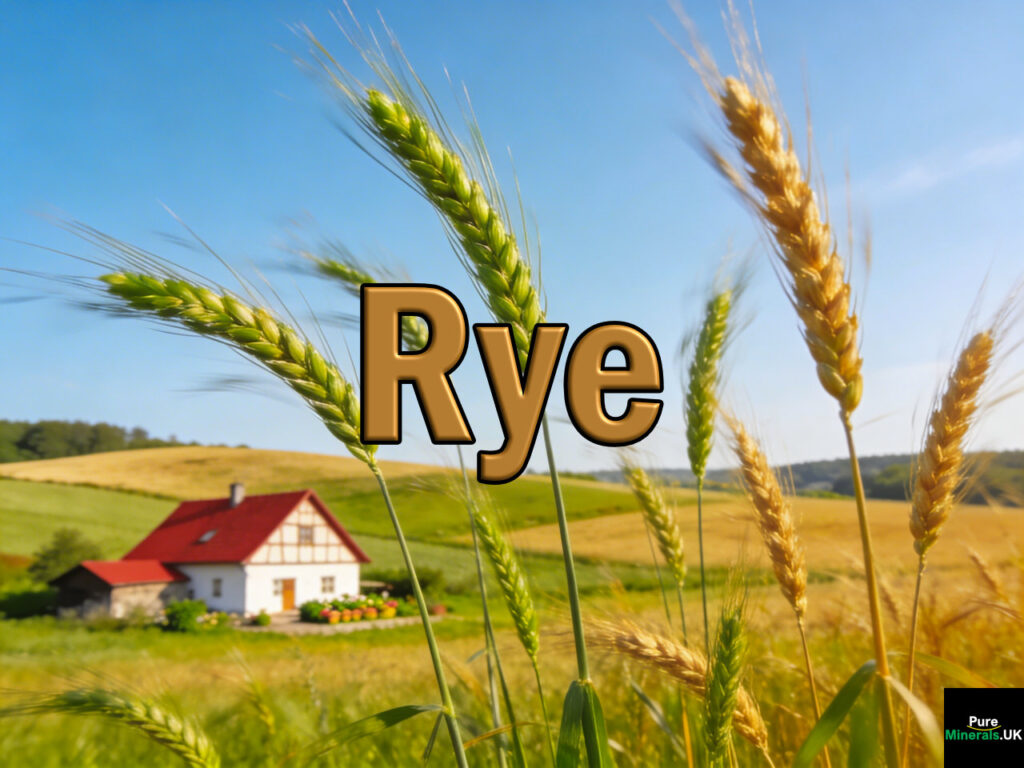
What Is Rye?
Rye is a cereal grain cultivated for its hardy growth and nutritional value, commonly used in breads, flours, and traditional grain-based foods.
Definition
Rye is an edible cereal grain derived from Secale cereale, a species of grass grown for its nutrient-rich seeds.
Extended Definition
Rye is a member of the grass family (Poaceae) and has been cultivated for centuries, particularly in cooler climates across Europe and parts of Asia, where it thrives in poor soils and harsh conditions. It has historically been a staple grain in regions where wheat cultivation was less reliable. It is predominantly grown in the “rye belt” of Northern and Eastern Europe, Russia, Belarus, Ukraine, Germany, and Poland.
Rye grains can be consumed whole, cracked, or milled into flour. Rye flour is widely used in traditional breads such as sourdough rye and pumpernickel, known for their dense texture and distinctive flavour. Compared to wheat, rye contains different gluten-forming proteins, resulting in less elastic dough and denser baked products.
Nutritionally, rye provides complex carbohydrates, dietary fiber, and moderate amounts of protein. Whole-grain rye is particularly rich in fiber and contains minerals such as magnesium, phosphorus, iron, and zinc. It also supplies B vitamins, including niacin and folate.
Rye contains bioactive compounds such as lignans and alkylresorcinols, which have been studied for their presence in whole grains.
Key Facts
- Botanical Name: Secale cereale
- Plant Family: Poaceae
- Common Forms: Whole grain (berries), cracked rye, flour, flakes
- Typical Serving Methods: Boiled, baked into breads, or processed into cereals
- Taste Profile: Robust, earthy, slightly sour or tangy (especially in fermented breads)
Nutritional Highlights:
- Rich in dietary fiber (especially whole grain)
- Provides magnesium, phosphorus, iron, and zinc
- Contains B vitamins
Culinary Uses:
- Bread (e.g., rye bread, pumpernickel)
- Porridges and cereals
- Whole-grain dishes
Notable Compounds:
- Lignans
- Alkylresorcinols
- Gluten proteins
Dietary Suitability:
- Vegetarian diets (not suitable for gluten-free diets)
Article-At-A-Glance
- Rye grain contains 13–17% dietary fiber, making it one of the highest-fiber cereals available — significantly outpacing wheat and barley.
- Whole-grain rye is packed with bioactive compounds like alkylresorcinols, ferulic acid, and lignans that deliver real antioxidant and anti-inflammatory benefits.
- Rye supports digestive health, blood sugar stabilization, and cardiometabolic function — but there’s one important limitation worth knowing before you switch.
- The way rye is milled dramatically changes its nutritional value — dark rye flour and wholemeal rye retain far more fiber and bioactive compounds than light rye flour.
- Traditional European rye breads like pumpernickel and sourdough crispbread are among the most nutrient-dense bread options you can eat.
Rye is one of the most nutritionally complete cereal grains on the planet, and most people are barely eating it.
While wheat dominates grocery shelves across North America, rye has quietly been the backbone of healthy, fiber-rich diets in Scandinavia, Germany, and Eastern Europe for centuries. If you’re serious about whole-grain nutrition, rye deserves a much closer look. Whole-grain advocates and nutrition researchers consistently point to rye as one of the most underutilized grains in modern diets, and the science backs that up.
Rye Packs More Fiber Than Most Grains You Already Eat
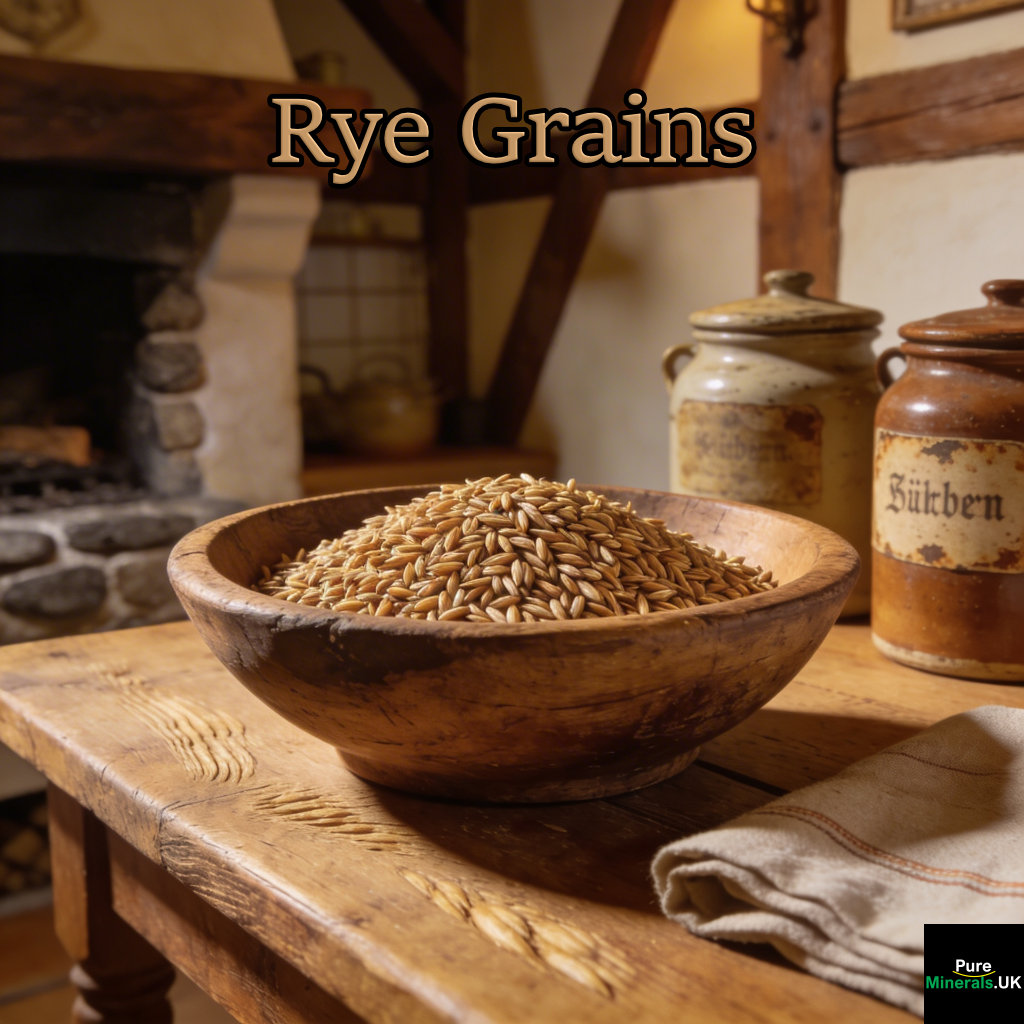
Whole rye grain contains between 13% and 17% dietary fiber — a range that sits well above what you’d find in wheat, oats, or barley. That’s not a marginal difference. That’s a meaningful nutritional gap that affects everything from how full you feel after a meal to how well your gut bacteria are fed. When you swap even one daily serving of refined grain for a whole-grain rye product, you’re making a measurable impact on your fiber intake.
Most adults fall significantly short of the recommended daily fiber intake. Rye is one of the most practical ways to close that gap without relying on supplements or dramatically overhauling your diet. Discover the health benefits of rye that make it an excellent choice for boosting your fiber intake.
What Makes Rye Nutritionally Unique
Rye isn’t just a high-fiber grain. It’s a nutritionally dense cereal that delivers a combination of macronutrients, micronutrients, and bioactive compounds that few other grains can match together in a single package. It’s closely related to wheat and barley but offers a more balanced overall nutrient profile, particularly when consumed in whole-grain form.
Dietary Fiber Content Compared to Wheat and Other Cereals
The fiber advantage in rye isn’t subtle. Rye grain consistently delivers 13–17% dietary fiber, while wheat typically ranges from 10–12%, and refined wheat flour drops even further. What makes rye’s fiber particularly valuable is its composition — it contains a mix of arabinoxylan, beta-glucan, cellulose, and fructans that work together to support gut health in multiple ways simultaneously. This isn’t a single-fiber story. It’s a diverse fiber matrix.
Protein, Starch, and Essential Micronutrients in Rye
Rye provides a solid protein contribution alongside its fiber, though its starch content is lower than wheat and slightly higher than barley. The lipid fraction of rye grain is particularly interesting — it’s rich in polyunsaturated fatty acids, which are associated with protection against cardiovascular disease and chronic inflammation. For comparison, you might explore the nutritional profile of durum wheat.
On the micronutrient side, rye contains a distinctive set of vitamins and minerals that support essential biochemical processes throughout the body. While certain individual cereals may outperform rye in a single mineral category, no common cereal grain combines high dietary fiber with the breadth of vitamins and bioactive compounds that rye delivers. That combination is what makes whole-grain rye a standout in any balanced diet.
Rye is also notably high in B vitamins, magnesium, iron, zinc, and selenium — all micronutrients that many people don’t get enough of from their daily diet.
Bioactive Compounds: Alkylresorcinols, Ferulic Acid, and Antioxidants
Beyond its macronutrient profile, rye grain contains a wide spectrum of bioactive phytochemicals that set it apart. These include alkylresorcinols, ferulic acid, catechol, sinapic acid, vanillin, and vanillic acid — all of which exhibit measurable antioxidant properties. The primary bioactive phytochemical categories in rye are phenolic acids, phytosterols, alkylresorcinols, and lignans.
These compounds don’t just add nutritional value on paper. They actively interact with your body’s inflammatory pathways, support cellular protection, and contribute to the long-term health benefits associated with regular whole-grain rye consumption. Alkylresorcinols in particular are found in much higher concentrations in rye than in wheat, making them a useful biomarker for rye intake in nutritional research.
Rye and Digestive Health
Digestive health is where rye’s benefits become most immediately noticeable. The high and diverse fiber content of whole-grain rye creates a gut environment that supports beneficial bacteria, promotes regular bowel movements, and helps protect the gut lining from inflammation. It’s one of the most direct ways that eating more whole-grain rye translates into feeling better day to day.
How Rye Fiber Supports Gastrointestinal Function
Rye’s fiber matrix works on multiple levels in the digestive system. The arabinoxylan fibers in rye are highly fermentable, meaning your gut bacteria break them down into short-chain fatty acids that nourish the cells lining your colon. Rye is also notably rich in fructans, which serve as a primary carbon source for bifidobacteria — one of the most well-researched beneficial bacterial genera in the human gut. Fructans help protect against pathogens and function as a genuine prebiotic, not just a passive fiber source. If you’re interested in exploring other grains, you might want to learn more about emmer wheat and its benefits.
Anti-Inflammatory Properties of Whole-Grain Rye
Whole-grain rye contains antioxidant and anti-inflammatory phytochemicals that work alongside its dietary fiber to support gastrointestinal health — including phenolic acids, alkylresorcinols, and lignans that actively reduce oxidative stress in the gut environment. Learn more about the benefits of other grains like einkorn wheat and how they contribute to a healthy diet.
The anti-inflammatory effect of rye isn’t limited to the gut. The phytochemicals found in whole-grain rye — particularly ferulic acid and the lignan compounds — have been shown to reduce markers of systemic inflammation. This is significant because chronic low-grade inflammation is a driving factor behind many of the most common modern diseases, from type 2 diabetes to cardiovascular disease.
What makes rye particularly effective here is the synergy between its fiber and its bioactive compounds. The fiber feeds the gut microbiome, which produces anti-inflammatory metabolites. The phytochemicals directly neutralize free radicals and reduce inflammatory signaling. These two mechanisms reinforce each other, which is why whole-grain rye consistently outperforms isolated fiber supplements in research settings.
Rye’s Role in Chronic Disease Prevention
The long-term health case for rye goes well beyond digestion. Regular consumption of whole-grain rye is linked to improvements in glycemic control, cardiometabolic markers, bone health, and immune function — making it one of the most versatile dietary tools for chronic disease prevention.
Blood Sugar Stabilization and Metabolic Health
Whole-grain rye has a notably lower glycemic response than wheat-based products, even when comparing similar bread formats. The dense fiber matrix in rye — particularly the arabinoxylan and beta-glucan components — slows glucose absorption in the small intestine, preventing the rapid blood sugar spikes associated with refined grain consumption. Research consistently supports the integration of whole-grain rye into diets aimed at improving glycemic control and cardiometabolic markers.
Rye-based foods like sourdough rye bread and rye crispbread produce a sustained energy release rather than a quick glucose hit. This matters not just for people managing type 2 diabetes, but for anyone trying to maintain stable energy levels, control appetite, and reduce long-term metabolic risk. The fiber and bioactive compounds in rye work together to improve insulin sensitivity over time — not just in a single meal, but as part of a consistent dietary pattern.
Bone Health and Micronutrient Support
Rye’s micronutrient profile directly supports bone health through its magnesium, phosphorus, and zinc content. These minerals play critical roles in bone mineralization and density maintenance, and rye delivers them alongside a fiber matrix that supports the gut conditions needed for optimal mineral absorption. It’s a combination that isolated supplements simply can’t replicate.
The selenium content in rye also deserves attention. Selenium is an essential trace mineral involved in thyroid function, immune response, and antioxidant defense — and it’s one that many people in Western diets are quietly deficient in. Whole-grain rye is one of the more reliable food sources of selenium available in a standard diet, particularly in regions where soil selenium levels affect other crops.
Immune Function and Age-Related Health Decline
The lignans found in whole-grain rye are converted by gut bacteria into enterolignans — compounds that have been studied for their role in hormone regulation, immune modulation, and protection against certain age-related conditions. Rye consistently delivers some of the highest lignan concentrations of any commonly consumed cereal grain, giving it a specific advantage in long-term health maintenance.
The antioxidant compounds in rye — particularly ferulic acid and alkylresorcinols — help neutralize free radicals that accumulate with age and contribute to cellular damage. Diets consistently rich in whole grains like rye are associated with lower rates of age-related chronic disease, supporting the case for making rye a regular part of your diet rather than an occasional addition.
Whole-Grain Rye vs. Refined Rye Flour
Not all rye products are created equal. The nutritional gap between whole-grain rye and light refined rye flour is significant, and understanding this difference is essential before assuming any rye product on a grocery shelf delivers the same benefits as the whole grain.
How Milling Affects Rye’s Nutritional Value
When rye grain is milled into flour, the degree of processing determines how much of the fiber, bioactive compounds, and micronutrients survive. Light rye flour — the most refined version — loses substantial dietary fiber and most of its bioactive compounds during the milling process. The bran and germ fractions, which carry the majority of rye’s nutritional value, are progressively removed as the flour becomes lighter and more refined. Dark rye flour and wholemeal rye flour retain far more of these beneficial components because less of the grain is stripped away.
Light Rye Flour vs. Dark Rye Flour vs. Wholemeal Rye
Light rye flour is the most processed form. It has lower dietary fiber content, reduced ash levels, and significantly diminished bioactive compounds compared to the whole grain. It produces a milder-flavored, softer bread, but nutritionally it’s a shadow of what whole rye can offer. If light rye flour is your primary rye source, you’re missing most of what makes rye worth eating.
Dark rye flour sits in the middle ground. It retains more of the bran fraction than light flour, which means higher fiber content and better retention of bioactive compounds. It’s a practical choice for everyday baking that balances nutrition with a texture most people find workable.
Wholemeal rye flour — and whole rye grain itself — is where the full nutritional profile of rye is preserved. Dietary fiber content stays in the 13–17% range, bioactive compounds remain largely intact, and the ash content (a useful indicator of mineral retention) stays at approximately 2%. If maximizing the health benefits of rye is your goal, wholemeal rye products are the clear choice.
|
Rye Product |
Dietary Fiber |
Ash Content |
Bioactive Compounds |
|---|---|---|---|
|
Whole Rye Grain |
13–17% |
~2% |
High |
|
Dark Rye Flour |
Moderate–High |
Variable |
Partially Retained |
|
Light Rye Flour |
Lower |
Lower |
Significantly Reduced |
|
Rye Bread (Soft) |
10–12.6% |
1.5–2% |
Variable |
|
Rye Crispbread |
High |
Retained |
Well Retained |
Traditional Rye Breads Across Europe
Europe’s long tradition of rye bread isn’t just cultural — it’s nutritional. Rye flour, particularly in Eastern Europe and Scandinavia, has been the foundation of daily bread for centuries, and those traditional preparation methods often enhance the grain’s already impressive health profile.
Pumpernickel, Crispbread, and Sourdough Rye
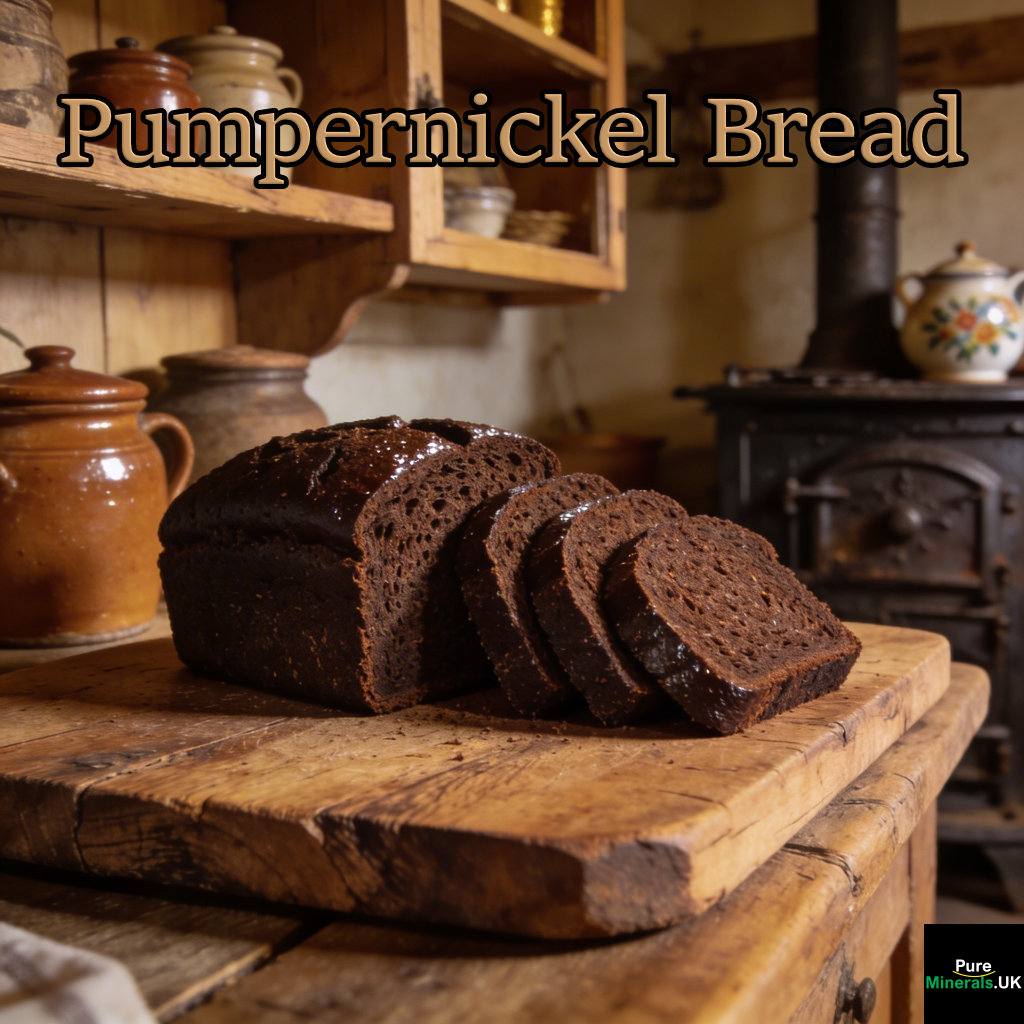
Pumpernickel is one of the most nutrient-dense bread options you can eat. Made from coarsely ground whole rye flour or whole rye berries, it undergoes a long, slow baking process at low temperatures that preserves fiber and bioactive compounds while developing its distinctive dense texture and deep flavor. A single slice delivers meaningful fiber alongside a range of minerals and phenolic compounds.
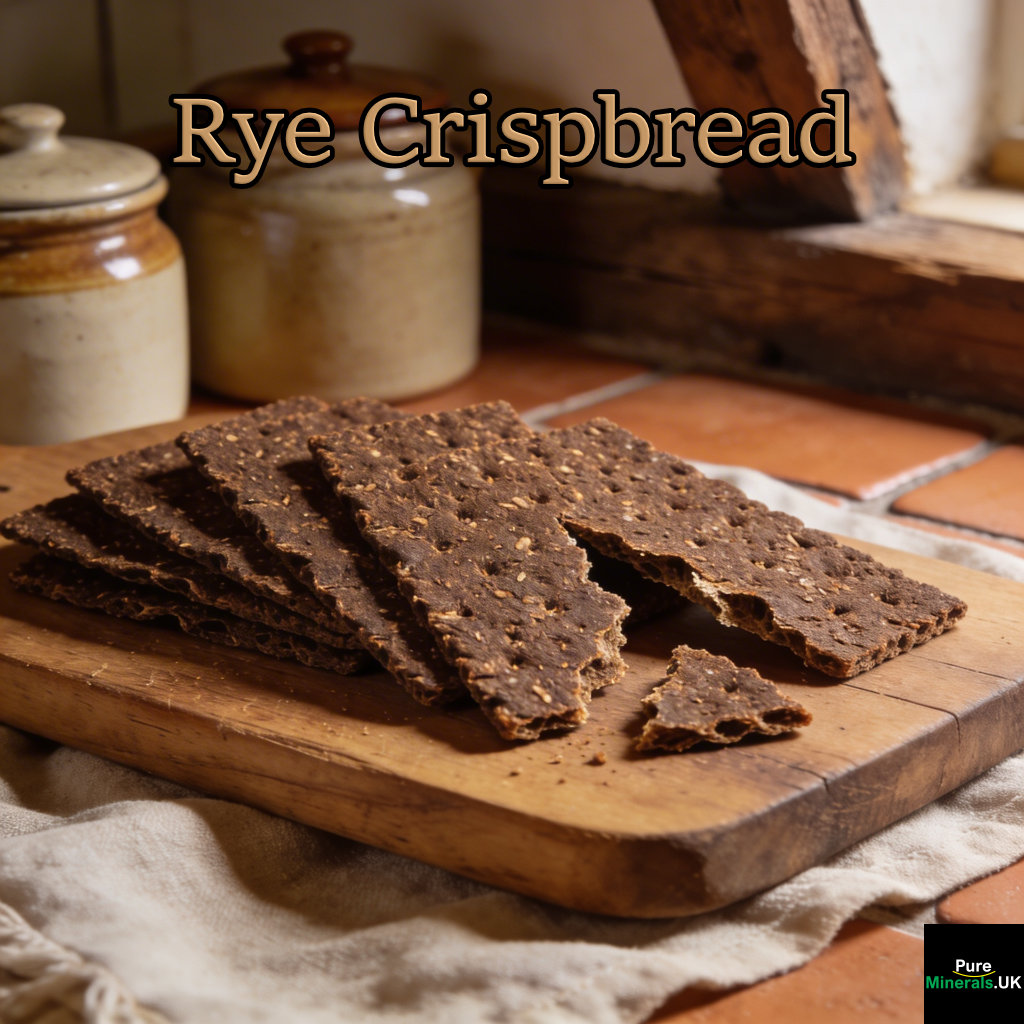
Rye crispbread — particularly the Scandinavian styles made with wholemeal rye — is another standout. It maintains high dietary fiber content and excellent bioactive compound retention due to its minimal processing.
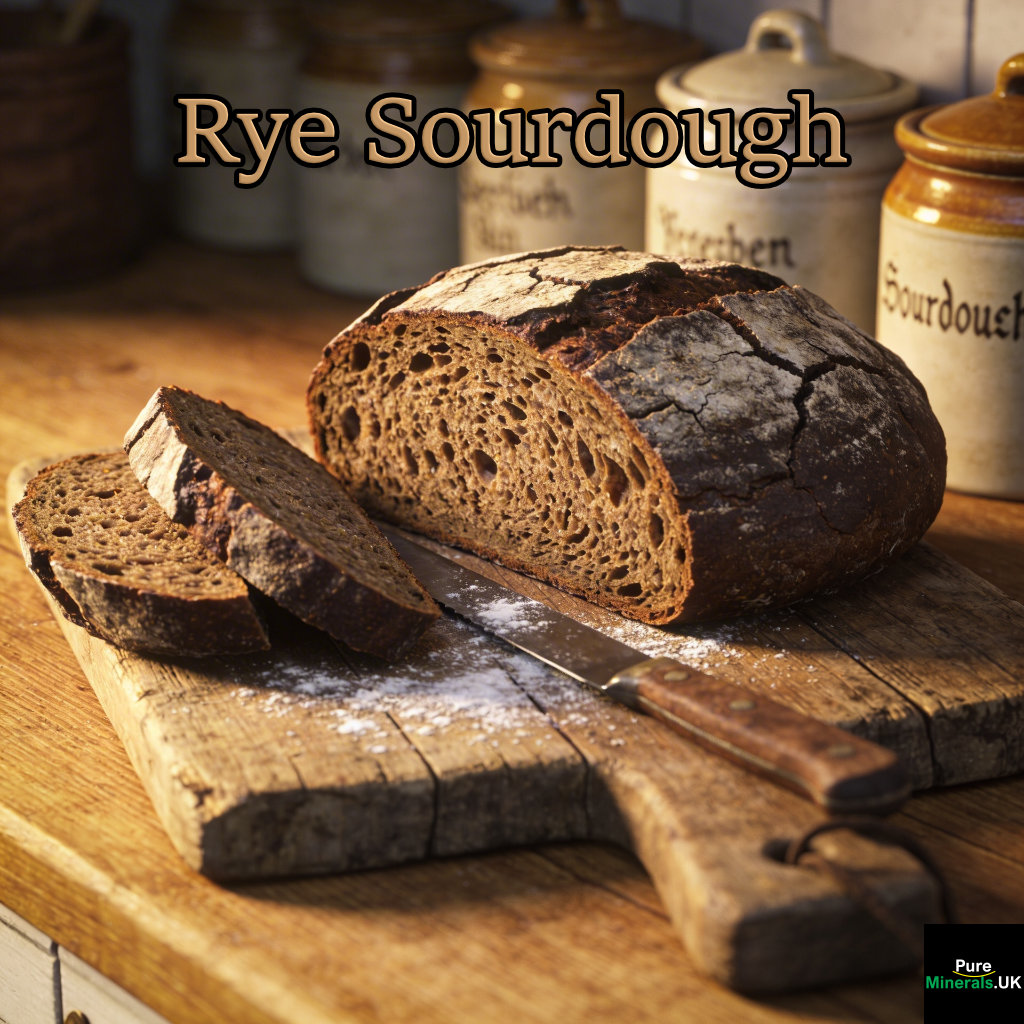
Sourdough rye bread adds another layer of benefit: the fermentation process reduces phytic acid, which improves mineral bioavailability and makes the nutrients in rye more accessible to your body. Sourdough fermentation also lowers the glycemic response of rye bread further, compounding the blood sugar benefits already built into the grain.
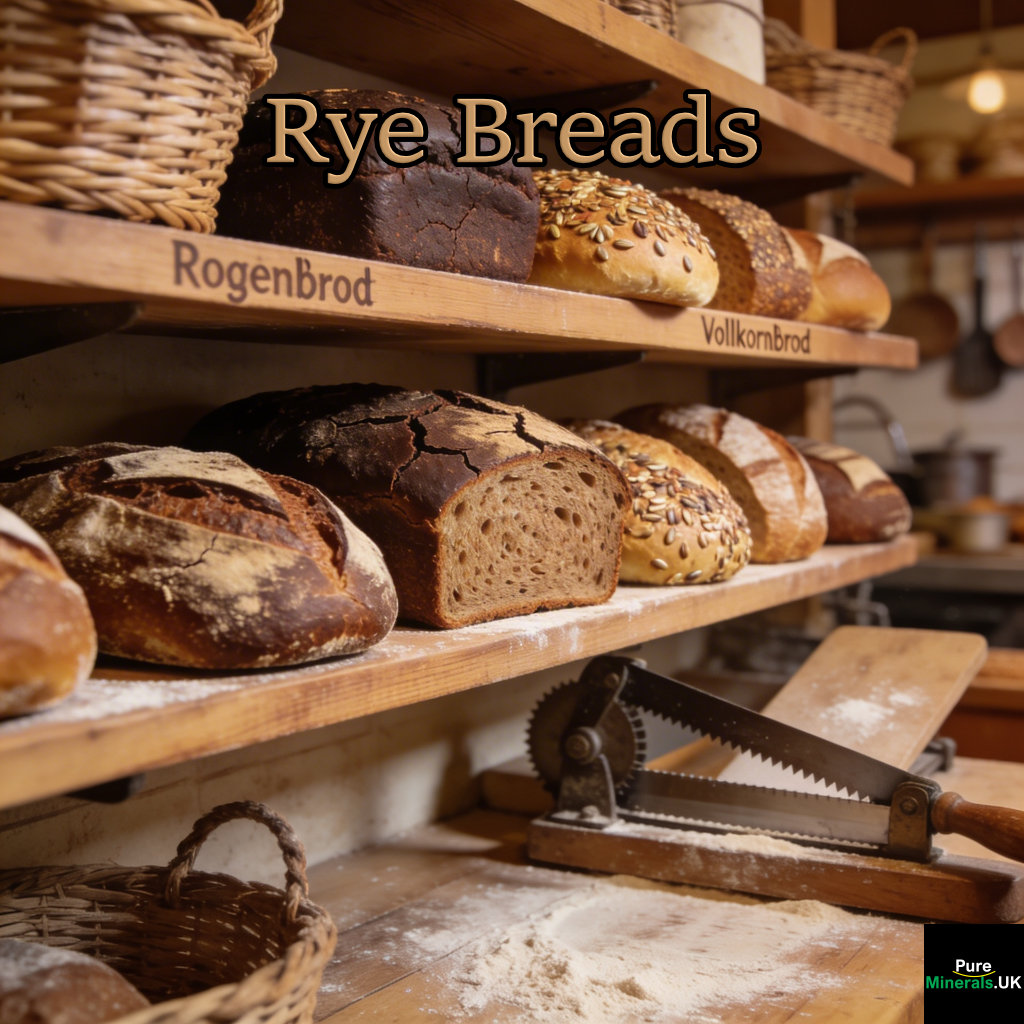
In Germany, rye bread — Roggenbrot — is deeply embedded in everyday eating. German bakeries produce dozens of regional rye varieties, from the dense, sliceable Vollkornbrot made with whole rye kernels to lighter mixed-grain loaves. The German tradition of using sourdough fermentation with rye flour is particularly significant from a nutritional standpoint, as it enhances both digestibility and mineral absorption.
In Poland and across Scandinavia, dark rye bread has historically been a dietary staple rather than a specialty item. Danish rugbrød — a dense, seeded whole-grain rye loaf — is eaten daily and remains one of the most fiber-rich bread options in any mainstream national diet. These traditions didn’t develop by accident. They reflect centuries of practical understanding that rye is a sustaining, health-supporting grain.
Rye as the Primary Whole-Grain Source in European Diets
Across Northern and Eastern Europe, rye and rye-derived products already function as the primary source of whole-grain intake in cereal-based diets. This is nutritionally significant because it means populations consuming traditional rye-heavy diets are meeting whole-grain recommendations through a grain that delivers more fiber, more bioactive compounds, and a more complete micronutrient profile than the wheat-based alternatives that dominate most Western diets. The evidence is consistent: rye-heavy dietary patterns are associated with better long-term cardiometabolic outcomes.
Practical Ways to Add Rye to Your Diet
Adding rye to your daily eating doesn’t require a complete diet overhaul. Start with one or two straightforward swaps — replacing your regular sandwich bread with a whole-grain rye loaf, or swapping your morning crackers for rye crispbread — and you’ll notice the difference in satiety and energy levels almost immediately. The key is choosing the right rye format for what you’re actually trying to accomplish.
Whole Rye, Cut Rye, and Rolled Rye: Which to Choose
Whole rye berries are the least processed option and deliver the full 13–17% dietary fiber alongside the complete spectrum of bioactive compounds. They take longer to cook — typically 45 to 60 minutes — but work beautifully as a base for grain bowls, added to soups, or mixed into salads. If you’re serious about maximizing rye’s nutritional value, whole rye berries are your best starting point.
Cut rye, sometimes called rye chops or cracked rye, is whole rye grain that has been chopped into smaller pieces. It cooks faster than whole berries while retaining most of the fiber and bioactive compounds. It makes an excellent hot cereal, similar in preparation to steel-cut oats but with a nuttier, earthier flavor and a higher fiber payload.
Rolled rye is the most convenient format and the easiest entry point for most people. Like rolled oats, it has been steamed and flattened, which reduces cooking time significantly. It retains good fiber content and works well in porridge, overnight grain preparations, or added to baked goods for texture and nutrition. While it’s slightly more processed than whole rye berries, it still delivers meaningful whole-grain benefits that refined grain alternatives simply can’t match.
|
Rye Format |
Processing Level |
Cook Time |
Best Used For |
Fiber Retention |
|---|---|---|---|---|
|
Whole Rye Berries |
Minimal |
45–60 min |
Grain bowls, soups, salads |
Full (13–17%) |
|
Cut / Cracked Rye |
Low |
20–30 min |
Hot cereal, porridge |
High |
|
Rolled Rye |
Moderate |
5–10 min |
Porridge, baking, and overnight oats |
Good |
|
Wholemeal Rye Flour |
Moderate |
N/A (baking) |
Bread, crackers, muffins |
High |
|
Dark Rye Flour |
Moderate–High |
N/A (baking) |
Bread, sourdough |
Moderate–High |
Using Rye Flour in Everyday Baking
Wholemeal rye flour and dark rye flour are the most practical ways to get rye into your baking routine. Start by substituting 25–30% of the wheat flour in your existing bread or muffin recipes with dark rye flour — this adds fiber and bioactive compounds without dramatically changing the texture or rise of your baked goods. For a more committed whole-grain result, sourdough rye bread using a high proportion of wholemeal rye flour is one of the most nutritionally complete breads you can make at home. The sourdough fermentation process reduces phytic acid in the rye, which directly improves how well your body absorbs the minerals it contains — making the effort genuinely worth it.
Rye Bread Recipe

German rye bread, known as Roggenbrot (or Mischbrot when mixed with wheat), is prized for its dense texture, deep flavor, and long shelf life. Because rye flour lacks the strong gluten structure of wheat, traditional recipes often use a combination of flours or a sourdough base to achieve the best results.
Below is a recipe for a classic yeasted German-style rye bread. This method is beginner-friendly, skips the long sourdough process, but still provides that characteristic, hearty, tangy flavor.
Ingredients
- Rye Flour: 430g (approx. 3 ½ cups) – ideally light or medium rye.
- Wholegrain Rye Flour: 220g (approx. 2 ¼ cups).
- Bread Flour (Wheat): 50g (approx. ½ cup) – this helps the structure.
- Lukewarm Water: 450ml (approx. 2 cups).
- Instant Yeast: 2 tsp.
- Vinegar: 1 tbsp (white wine or apple cider vinegar – this mimics the sourness of sourdough).
- Vegetable Oil: 1 tbsp.
- Salt: 2 tsp.
- Optional: 1 tsp ground caraway seeds or coriander seeds for authentic aroma.
Directions
1. Mix and Knead
- In a large bowl, combine the flours, yeast, and salt. Stir in the warm water, vinegar, and oil. Mix until a dough forms.
- Kneading: Rye dough is much stickier and more “clay-like” than wheat dough. Knead for about 5 minutes (using a stand mixer with a dough hook is highly recommended). If kneading by hand, keep your hands lightly floured or oiled to manage the stickiness.
2. First Rise
- Lightly grease a clean bowl with oil. Place your dough inside, cover it with a damp tea towel, and place it in a warm, draft-free spot. Let it rise for 3 hours.
3. Shaping
- Turn the dough out onto a lightly floured surface. Knead briefly to knock out large air bubbles. Shape it into a round loaf or a long oval batard. If you have a proofing basket (banneton), flour it well and place the dough inside. Otherwise, place it on a baking tray lined with parchment paper. Let it rest for 30 more minutes.
4. Prepare for Baking
- Preheat the oven to 200°C (392°F).
- Steam is key: Place an empty, oven-proof dish or cast-iron skillet on the bottom rack of the oven while it preheats. When you are ready to bake, have ½ liter of boiling water ready.
5. Bake
- Score the top of the loaf with a sharp knife (a cross-cut or diagonal slashes).
- Place the bread in the oven. Carefully pour the boiling water into the hot dish at the bottom of the oven to create a burst of steam, then quickly close the door.
- Bake at 200°C for 10 minutes with the steam.
- After 10 minutes, carefully open the oven to let the steam escape. Reduce the temperature to 180°C (356°F) and continue baking for another 50–60 minutes. The bread is done when the crust is dark and firm, and the bottom sounds hollow when tapped.
6. Cooling
This is the most important step for rye bread:
- Allow the loaf to cool completely on a wire rack for at least 8–12 hours (ideally overnight) before slicing. Rye bread continues to set internally as it cools; cutting it too early will result in a gummy, sticky texture.
Tips
- Texture: If you find the dough too difficult to handle, don’t keep adding flour, as this will make the bread heavy. Instead, use wet hands to shape the loaf.
- Storage: This bread lasts for a week or more. Store it wrapped in a clean cloth or a paper bag to keep the crust from becoming too soft.
- Flavor: The flavor actually improves the day after baking, once the moisture has redistributed through the loaf.
One Important Limitation of Rye to Know
Rye contains gluten. This is the single most important limitation of rye as a food, and it’s a hard boundary for anyone with celiac disease or a confirmed gluten sensitivity. Unlike some gluten-containing grains where the gluten content varies by variety, rye’s gluten is consistent and present in all standard rye products — including rye bread, rye flour, rye crispbread, and whole rye berries. There is no gluten-free rye option in standard food production.
For the vast majority of people without celiac disease or gluten sensitivity, rye’s gluten content is not a health concern. In fact, rye’s overall nutritional profile makes it one of the most compelling whole-grain choices available. But if you have a diagnosed gluten-related condition, rye is not a safe alternative to wheat — it must be avoided with the same care. If you’re unsure about your gluten tolerance, speak with a healthcare provider before significantly increasing your rye intake.
Important note: Rye
Rye contains gluten and is not suitable for individuals with Celiac disease or gluten sensitivity. As a whole grain, rye provides higher fiber and nutrient content compared to refined grain products. Individuals with specific dietary conditions should consult a qualified nutrition professional before regular consumption.
Frequently Asked Questions
Here are the most common questions people have about rye grain and its health benefits, answered directly based on what the research and nutritional science actually show.
Is Rye Healthier Than Wheat?
In most nutritional comparisons, whole-grain rye outperforms wheat — particularly refined wheat. Rye delivers higher dietary fiber (13–17% versus wheat’s 10–12%), a broader range of bioactive compounds including alkylresorcinols and lignans, and a lower glycemic response even in similar product formats like bread. Its fiber matrix is also more diverse than wheat’s, providing multiple types of fermentable fiber that support gut health more comprehensively.
That said, “healthier” depends on the specific products being compared. Whole-grain rye bread versus whole-grain wheat bread is a closer comparison than rye versus refined white wheat flour. When comparing whole-grain to whole-grain, rye consistently holds a nutritional edge in fiber content, bioactive compound concentration, and sustained glycemic response — but both are meaningfully better than their refined counterparts. For those interested in exploring other grains, consider learning more about emmer wheat, another nutritious option.
Does Rye Bread Count as Whole Grain?
Rye bread counts as whole grain only when it’s made with wholemeal rye flour or contains a significant proportion of whole rye grain. The label “rye bread” alone does not guarantee whole-grain content. Many commercially produced rye breads are made primarily with light rye flour — a refined product that has lost a substantial portion of its fiber, minerals, and bioactive compounds during milling.
To identify a genuine whole-grain rye bread, look for “wholemeal rye flour,” “whole rye flour,” or “rye meal” as the primary ingredient on the label. Products like pumpernickel, dense Scandinavian-style rugbrød, and traditional German Vollkornbrot are reliable whole-grain rye options. If the bread is light in color and soft in texture, it’s likely made from refined rye flour and delivers significantly fewer whole-grain benefits.
Can People With Gluten Intolerance Eat Rye?
People with celiac disease cannot eat rye. Rye contains secalin, a storage protein that is part of the gluten family and triggers the same immune response in people with celiac disease as the gluten found in wheat. All standard rye products — flour, bread, crispbread, and whole grain — contain this protein and are unsafe for anyone with celiac disease.
For people with non-celiac gluten sensitivity, rye should also be approached with caution and ideally avoided unless specifically cleared by a healthcare provider. Rye is not a gluten-free grain in any conventional form, and no processing method removes its gluten content in standard food production. If digestive symptoms are a concern after eating rye, discontinue use and consult a medical professional.
How Much Dietary Fiber Does Rye Bread Contain?
Dietary fiber content in rye bread varies depending on the type of flour used and the bread’s preparation method. Soft rye bread made with a blend of rye and wheat flours typically contains between 10% and 12.6% dietary fiber. Rye crispbread, which is made with a higher proportion of wholemeal rye flour and less water, retains a higher fiber content closer to that of the whole grain itself.
For the highest fiber content in a rye bread product, dense whole-grain options like pumpernickel or traditional Scandinavian crispbread are your best choices. Sourdough fermentation doesn’t significantly change the total fiber content, but it does improve how effectively your body can access and utilize the minerals present in the bread — an important distinction when evaluating overall nutritional value.
What Is the Difference Between Dark Rye Flour and Whole-Grain Rye Flour?
Dark rye flour and whole-grain rye flour (wholemeal rye flour) are often confused but represent different levels of milling. Whole-grain rye flour is made by grinding the entire rye kernel — bran, germ, and endosperm — without removing any component. This preserves the full 13–17% dietary fiber range and retains the complete profile of bioactive compounds, vitamins, and minerals found in the original grain.
Dark rye flour retains more of the bran layer than light rye flour, which gives it a darker color, stronger flavor, and higher fiber content than refined rye. However, it is not the same as wholemeal rye flour — some portion of the bran and germ has been removed during milling, which means its fiber content and bioactive compound levels sit between light rye flour and true wholemeal. It’s a strong choice for everyday baking, but it doesn’t deliver the full nutritional profile of the whole grain.
In practical terms: if your goal is maximum whole-grain nutrition, reach for wholemeal rye flour or whole rye grain. If you’re balancing nutrition with baking performance and a milder flavor, dark rye flour is a solid middle-ground option that still delivers meaningful fiber and bioactive benefits over light rye flour or refined wheat alternatives.
For anyone looking to build a more fiber-rich, whole-grain-centered diet, exploring the full range of whole-grain options — with rye as a cornerstone — is one of the most evidence-backed steps you can take for long-term health.