

Published: 20 March 2026
This article is periodically reviewed and updated to reflect current scientific understanding by Vic George.
Fact-Checked: 2 other authoritative medical/scientific references. See our Editorial Policy.
What Are Garden Peas?
Garden peas are the edible seeds of Pisum sativum, harvested when mature but still tender within their pods. They are valued as a legume vegetable for their content of plant-based protein, dietary fiber, vitamins, and minerals.
Definition
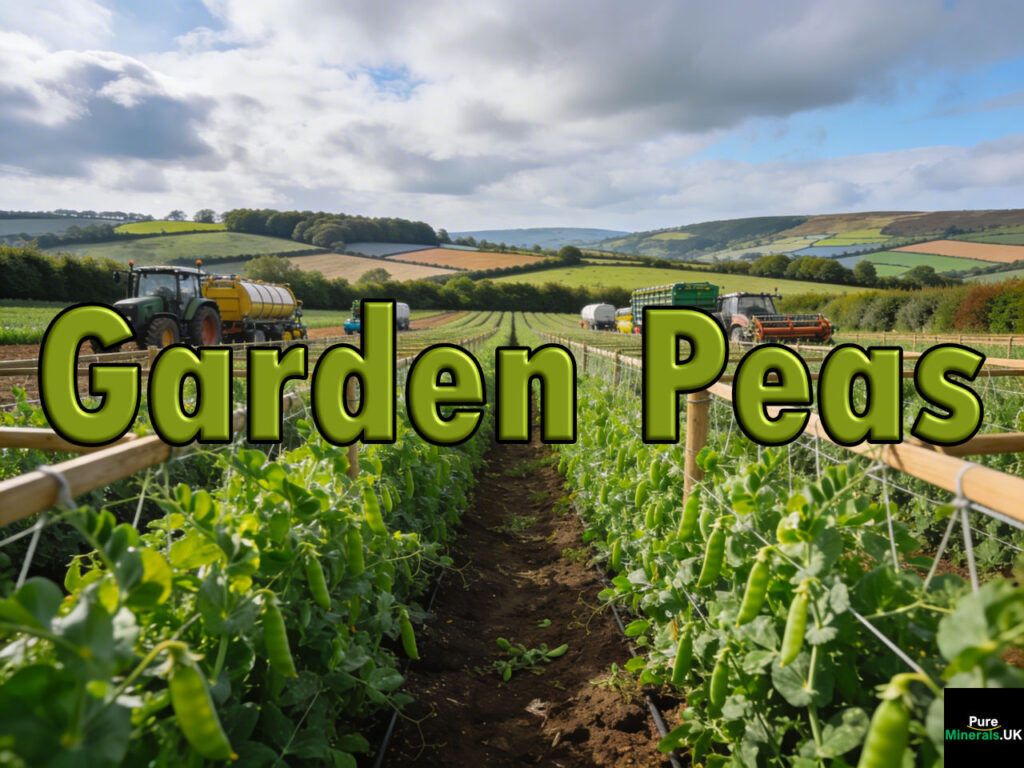
Garden peas are the edible seeds of Pisum sativum, a member of the Fabaceae family, consumed as a legume vegetable. There are thousands of garden pea farms globally, most of which are located in regions with cool temperate climates. These operations range from massive industrial farms supplying frozen food giants to small “pick-your-own” (PYO) farms for local buyers.
Extended Definition
Garden peas belong to the Fabaceae family, which includes legumes such as beans, lentils, chickpeas, and soybeans. The plant produces pods that contain multiple round seeds, which are harvested when fully developed but still soft and green.
Unlike mangetout or snow peas, where the entire pod is consumed, garden peas are shelled, and only the seeds are eaten. This reflects their more advanced stage of development at harvest.
Nutritionally, garden peas provide a combination of plant-based protein, complex carbohydrates, and dietary fiber. They also contain vitamin C, vitamin K, folate, iron, magnesium, and potassium. These nutrients support normal metabolic processes, immune function, and electrolyte balance.
Garden peas contain various phytochemicals, including flavonoids, carotenoids, and phenolic compounds that contribute to plant defense mechanisms and biochemical stability.
Because they are seeds, peas have a higher protein content than most vegetables, making them an important component of plant-based dietary patterns.
Garden peas can be consumed fresh, frozen, or dried, and are commonly used in soups, stews, salads, and side dishes.
Modern pea farming is highly automated to maintain sweetness before the sugars turn to starch. Massive 20-tonne viners strip pods and shell the peas in a single motion. To preserve quality, peas are typically washed, blanched, and frozen or canned within 2 to 4 hours of leaving the field.
Key Facts
Botanical name: Pisum sativum
Plant family: Fabaceae
Common classification: Legume vegetable (seed)
Origin: Mediterranean region and Western Asia
Edible part: Seeds
Typical color: Green
Primary nutrients: Protein, carbohydrates, fiber, vitamin C, vitamin K, folate
Key phytonutrients: Flavonoids, carotenoids, phenolic compounds
Energy density: Moderate
Notable compounds: Plant proteins and antioxidant compounds
Culinary uses: Soups, stews, salads, purees, and side dishes
Key Takeaways
- Garden peas deliver an impressive nutritional punch — offering protein, fiber, vitamins A, C, K, and folate, plus key minerals like iron, calcium, and zinc all in one small green package.
- Peas are one of the few vegetables with significant plant protein — a 1/2 cup serving of cooked peas contains around 4 grams of protein, making them a valuable addition to plant-based diets.
- The glycemic index of garden peas is below 60, classifying them as a low-to-medium GI food that supports blood sugar stability — a key factor for people managing diabetes or metabolic health.
- Polyphenols, flavonoids, and carotenoids in garden peas give them real antioxidant and anti-inflammatory power, with research pointing to potential benefits for heart health and cancer risk reduction.
- Not all peas are created equal — the choice between fresh, frozen, and canned peas has a real impact on the nutrients you actually absorb, and the answer might surprise you.
Garden peas are hiding in plain sight as one of the most nutrient-dense vegetables you can put on your plate.
Most people treat them as a side dish afterthought — those little green spheres that get pushed around the plate. But the nutrition science tells a very different story. Peas are technically a legume, which already sets them apart from most vegetables. They bring a combination of protein, fiber, complex carbohydrates, and a broad-spectrum vitamin and mineral profile that very few vegetables can match.
Garden Peas Pack More Nutrition Than Most People Realize
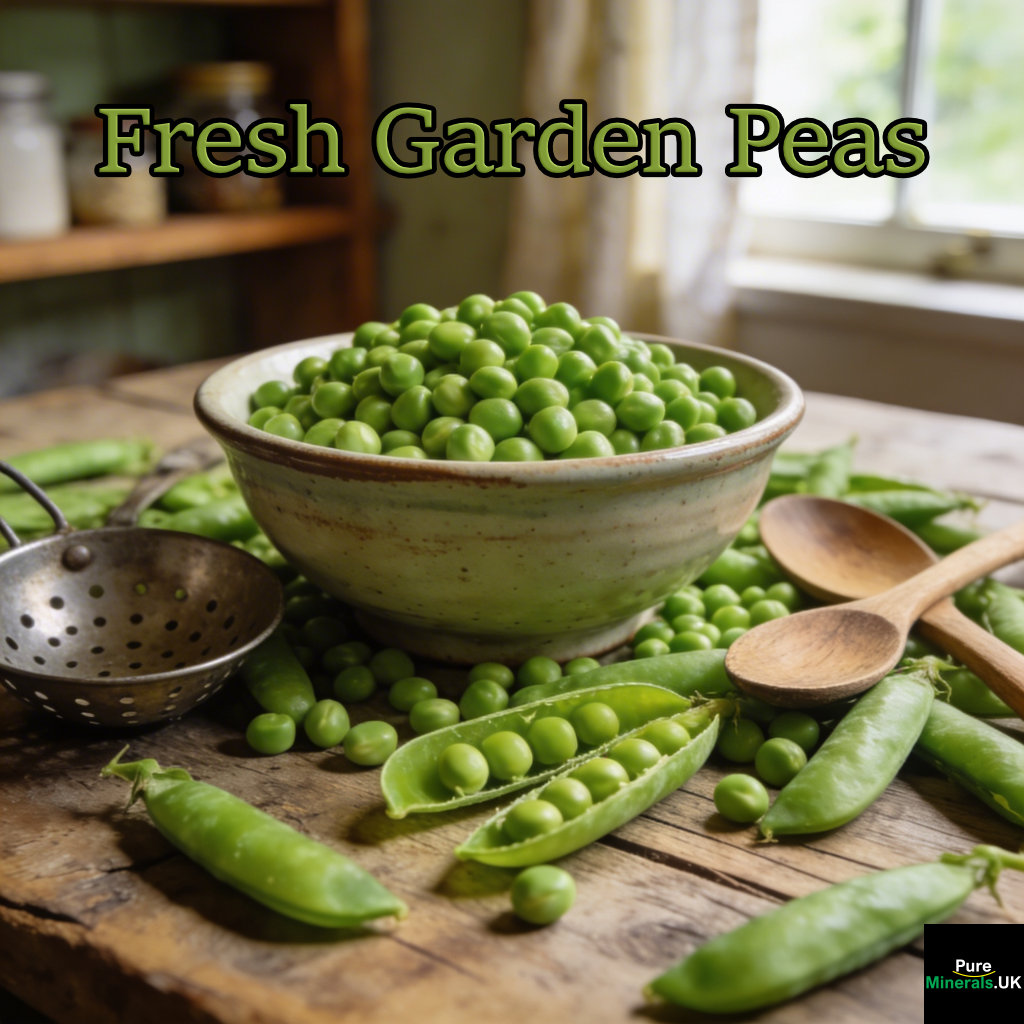
What separates garden peas from most other vegetables is the sheer density of nutrients packed into a small serving. A half-cup of cooked green peas weighs around 80 grams and delivers meaningful amounts of nearly every essential vitamin and mineral your body needs — all for a modest calorie count. Beyond macronutrients, peas contain bioactive compounds, including polyphenols, flavonoids, phenolic acids, carotenoids such as beta-carotene and zeaxanthin, and coumestrol. These aren’t trace amounts — they’re present at levels that have attracted serious scientific attention in recent years.
Nutritional Profile of Garden Peas
Understanding what’s actually inside a garden pea helps explain why nutritionists consistently recommend them. The profile is unusually well-rounded for a plant food.
Macronutrients: Protein, Carbs, and Fiber Per Serving
A 1/2 cup (80 grams) of cooked green peas contains approximately 62 calories, 11 grams of carbohydrates, 4 grams of protein, and around 4 grams of dietary fiber. The fat content is negligible — less than 0.5 grams. That fiber-to-carb ratio is particularly important. The majority of the carbohydrate content in peas comes from starch and non-starch polysaccharides, which digest more slowly than simple sugars, preventing rapid blood glucose spikes.
The protein content is where garden peas genuinely stand out from the vegetable category. Compare that 4 grams of protein in a half-cup of peas to the 0.6 grams found in the same serving size of parsnips — it’s not even close. For anyone building a plant-forward diet, this protein density makes peas a functionally distinct vegetable.
Vitamins in Garden Peas: A, C, K, and Folate
Garden peas are a strong source of vitamins A, C, K, and several B vitamins, including folate. Vitamin K supports bone metabolism and blood clotting, while folate is critical for DNA synthesis and cell repair — particularly important during pregnancy. The carotenoids present in peas, including beta-carotene, are converted into vitamin A in the body, with total carotenoid content across different pea varieties ranging from 16.72 to 59.39 mg beta-carotene per kilogram of dry weight, according to comparative research. For a similar nutrient profile, you might also explore mangetout, which shares many of the same vitamins and minerals.
Minerals: Iron, Calcium, and Zinc
On the mineral side, garden peas provide calcium for bone health, iron for oxygen transport, and zinc for immune function and enzyme activity. Research analyzing pea seed composition found nitrogen content ranging from 28.49 to 54.78 g/kg, phosphorus from 1.648 to 4.04 g/kg, and potassium from 13.13 to 50.41 g/kg — with variation across different pea genotypes. These are not insignificant contributions, especially for people relying more heavily on plant-based food sources.
Glycemic Index: Why Peas Are a Low-GI Food
The glycemic index of garden peas is normally below 60, which classifies them as a medium-to-low GI food. This means the carbohydrates in peas are broken down and absorbed gradually, leading to a slower and more stable rise in blood glucose compared to high-GI foods. This is largely driven by the resistant starch and dietary fiber content, both of which slow gastric emptying and moderate the rate of glucose absorption in the small intestine.
For people managing blood sugar — whether through diabetes, prediabetes, or simply optimizing metabolic health — this makes garden peas a functionally smart carbohydrate choice rather than something to avoid.
Plant Protein in Garden Peas
The protein story in garden peas goes deeper than the basic gram count. The quality, composition, and amino acid profile of pea protein have become a major topic in nutrition research — and for good reason.
Vegetable (1/2 cup cooked) | Protein Content |
|---|---|
Green Peas | ~4.0 grams |
Broccoli | ~1.9 grams |
Spinach | ~2.7 grams |
Carrots | ~0.6 grams |
Corn | ~2.5 grams |
How Much Protein Do Garden Peas Actually Contain
A half-cup serving of cooked garden peas delivers approximately 4 grams of protein — a figure that puts peas well above most other vegetables. Scaled up, a full cup provides around 8 grams, approaching the protein content of some legumes like lentils. Whole peas are rich in proteins, starches, dietary fiber, and non-starch polysaccharides, making them a multi-dimensional nutritional source rather than just a single-nutrient food. For more information on the health benefits of peas, explore additional resources.
Pea Protein vs. Animal Protein: Key Differences
Pea protein is not a complete protein in the same way that animal proteins like eggs or chicken are. It is lower in the amino acid methionine. However, it is notably high in lysine — an amino acid that is deficient in many other plant proteins, particularly grains. This complementary amino acid profile is exactly why pairing peas with grains like rice or wheat creates a much more complete protein source than either food alone.
Lysine Content and Why It Matters for Plant-Based Diets
Lysine plays a critical role in calcium absorption, collagen synthesis, and the production of carnitine — a compound involved in converting fatty acids into energy. Most grains (rice, wheat, corn) are low in lysine, which is why populations that rely heavily on grain-based diets are at risk for lysine deficiency. Garden peas effectively fill this gap. For anyone eating plant-based or simply reducing animal protein intake, including peas regularly addresses one of the most common amino acid shortfalls in plant-forward eating.
The Dietary Role of Garden Peas
Garden Peas as a Gluten-Free Food Option
Garden peas are naturally gluten-free, making them a reliable carbohydrate and protein source for people with celiac disease or non-celiac gluten sensitivity. Unlike many processed plant-based protein products that may contain wheat-derived ingredients, whole garden peas in their natural form carry no gluten risk. This makes them particularly valuable as a whole-food substitute in diets that must eliminate gluten-containing grains.
It’s worth noting that processed pea products — pea flour, pea protein isolates, or packaged pea snacks — should still be checked for cross-contamination labeling. But fresh, frozen, or plain canned garden peas are a safe, naturally gluten-free option that simultaneously delivers fiber and plant protein in a single ingredient.
How Dietary Fiber in Peas Supports Gut Health
Garden peas are rich in dietary fiber, and the benefits go well beyond basic digestive regularity. The fiber in peas — including both soluble and insoluble fractions — acts as a prebiotic, feeding beneficial bacteria in the gut microbiome. Research has specifically identified pea fiber’s role in regulating gut microbial composition, which has downstream effects on immune function, inflammation levels, and even mood regulation through the gut-brain axis. For a vegetable that most people eat without much thought, that’s a significant physiological contribution.
Peas in a Balanced Diet: Practical Daily Intake
There’s no rigid prescription for how many peas to eat daily, but a practical target is one to two half-cup servings (80 to 160 grams cooked) as part of a varied diet. At that intake level, you’re consistently adding plant protein, prebiotic fiber, and a broad range of micronutrients without overloading on carbohydrates. Peas pair well with grains, leafy greens, and lean proteins — and their mild flavor means they integrate into almost any cuisine style without effort.
Health Benefits of Garden Peas
The health benefits of garden peas are directly tied to their nutritional and bioactive compound content. This isn’t a case of vague “superfood” marketing — the mechanisms are well-documented and increasingly supported by research over the past decade.
Peas contain vitamin C, vitamin E, zinc, and a range of polyphenolic compounds that work synergistically to support multiple body systems. The scientific literature from recent years has increasingly focused on peas’ potential as a functional food — meaning a food that delivers measurable health outcomes beyond basic caloric nutrition.
Antioxidant and Anti-Inflammatory Properties
Garden peas are a meaningful source of antioxidants, including vitamin C, vitamin E, beta-carotene, zeaxanthin, and a range of polyphenols — particularly flavonoids and phenolic acids. These compounds neutralize free radicals, reducing oxidative stress that drives cellular aging and chronic disease. The polyphenol content in peas has been identified as one of the key drivers of their anti-inflammatory potential, with flavonoids playing a particularly active role in dampening inflammatory signaling pathways.
Blood Sugar Regulation and Anti-Diabetic Effects
The low-to-medium glycemic index of garden peas — typically below 60 — is only part of the blood sugar management story. The fiber and resistant starch in peas slow the rate of carbohydrate digestion and glucose absorption, producing a more gradual post-meal glucose curve compared to refined carbohydrates.
Beyond fiber, the bioactive compounds in peas also contribute to metabolic regulation. Research has highlighted peas’ association with the regulation of metabolic syndrome — a cluster of conditions including high blood sugar, elevated blood pressure, and abnormal cholesterol levels that significantly raise cardiovascular and diabetes risk.
For people with type 2 diabetes or insulin resistance, the combination of low GI, high fiber, and anti-inflammatory polyphenols makes garden peas one of the more strategically valuable foods to include regularly. Unlike many starchy vegetables that are often restricted in diabetic diets, peas occupy a genuinely favorable metabolic position.
- Low GI (below 60): Slower glucose absorption compared to high-GI carbohydrate sources
- High fiber content: Slows gastric emptying and moderates post-meal blood sugar spikes
- Resistant starch: Bypasses digestion in the small intestine, feeding gut bacteria and improving insulin sensitivity
- Polyphenols: Shown to support metabolic syndrome regulation through multiple biological pathways
- Plant protein: Contributes to satiety and reduces the overall glycemic load of a meal
Incorporating peas as a regular carbohydrate source — in place of higher-GI options like white rice or refined bread — is a practical, evidence-supported dietary strategy for blood sugar management.
Heart Health: Peas and Cardiovascular Risk Reduction
The cardiovascular benefits of garden peas operate through several simultaneous mechanisms. The soluble fiber in peas binds to bile acids in the digestive tract, which prompts the liver to pull LDL cholesterol from the bloodstream to synthesize new bile, effectively lowering circulating LDL levels. The potassium content supports healthy blood pressure by counteracting the effects of sodium on vascular tension.
The anti-inflammatory polyphenols add another layer of cardiovascular protection. Chronic low-grade inflammation is now recognized as a primary driver of atherosclerosis — the buildup of plaques in arterial walls — and the flavonoids and phenolic acids in peas directly target the inflammatory pathways involved in this process.
Key cardiovascular benefits of regular pea consumption:
✔ Soluble fiber lowers LDL cholesterol by binding bile acids
✔ Potassium supports healthy blood pressure regulation
✔ Anti-inflammatory polyphenols reduce atherosclerosis risk
✔ Low GI profile prevents blood glucose spikes that stress the cardiovascular system
✔ Plant protein supports lean body composition, reducing metabolic cardiovascular load
Together, these mechanisms make garden peas a cardioprotective food — not because of any single compound, but because of how their nutritional components work together to address multiple cardiovascular risk factors at once.
Polyphenols and Flavonoids: Cancer-Fighting Potential
Polyphenols — particularly flavonoids and phenolic acids — are among the most researched bioactive compounds in garden peas, and their potential role in cancer prevention is one of the most compelling areas of ongoing study. These compounds are understood to exert anti-carcinogenic effects through several mechanisms: inhibiting tumor cell proliferation, inducing apoptosis (programmed cancer cell death), and reducing oxidative DNA damage that can initiate cancerous mutations.
Coumestrol, a phytoestrogen present in peas, has attracted particular scientific interest. Additionally, the carotenoids beta-carotene and zeaxanthin in peas are associated with reduced risk of certain cancers, with total carotenoid content across pea varieties shown to vary significantly depending on the cultivar. While garden peas alone are not a cancer cure, their polyphenol and carotenoid profile positions them as a meaningful component of a cancer-risk-reducing dietary pattern.
How to Select, Store, and Prepare Garden Peas
Getting the most out of garden peas nutritionally starts before they ever reach your plate. Selection, storage, and preparation all influence how many of those carefully profiled nutrients actually make it into your body.
Fresh peas have a notoriously short peak window. They begin converting their natural sugars to starch almost immediately after harvest, which affects both flavor and glycemic profile. Understanding the practical trade-offs between fresh, frozen, and canned peas is genuinely useful knowledge for anyone trying to optimize their diet — not just buy what looks good at the market.
Fresh vs. Frozen vs. Canned: Which Is Most Nutritious
Frozen peas are, counterintuitively, often more nutritious than “fresh” peas purchased at a supermarket. Commercial freezing occurs within hours of harvest, locking in vitamins and phytonutrients at peak concentration. Fresh peas that have spent several days in transit and on shelves will have already degraded a significant portion of their water-soluble vitamins, particularly vitamin C. Canned peas come in last — the high-heat canning process degrades heat-sensitive vitamins, and added sodium in wide canned varieties introduces an unwanted nutritional trade-off. If you have access to peas straight from a garden or farmers market, fresh wins; otherwise, frozen is the smarter choice for nutritional value.
About Mushy Peas
Canned mushy garden peas (often made from dried marrowfat peas) have a very similar nutritional profile to ordinary canned garden peas in terms of protein, fiber, and minerals. However, they are generally less nutritious overall due to higher sodium and added ingredients. Both types are less nutritious than frozen peas, particularly regarding vitamin C, due to the intense heat treatment during the canning process. Mushy dried marrowfat peas have been rehydrated, whereas “ordinary” canned peas are usually young garden peas.
Storage Tips to Preserve Nutritional Value
Fresh garden peas in their pods should be refrigerated immediately and consumed within one to two days of purchase to minimize nutrient loss and sugar-to-starch conversion. Do not shell them until you’re ready to cook — the pod slows the degradation process. If you’re buying in bulk, blanching and freezing your own peas at home is a practical strategy: briefly boil for 1 to 2 minutes, plunge into ice water to halt cooking, drain thoroughly, and freeze in airtight bags.
Once frozen — whether store-bought or home-frozen — garden peas retain their nutritional profile well for up to 12 months. Avoid repeated freeze-thaw cycles, which break down cell structure and accelerate nutrient loss. For cooking, steaming or microwaving with minimal water preserves more water-soluble vitamins than boiling, where vitamin C and B vitamins leach directly into the cooking water.
Simple Garden Pea Recipes Worth Trying
Garden peas are one of the most versatile ingredients in a kitchen — they work equally well as a starring component or a quiet supporting player. The key is keeping preparation simple enough to preserve their delicate sweetness and nutritional integrity.
These three recipes are practical, fast, and built around letting the natural flavor of peas do the heavy lifting. No complicated techniques, no hard-to-find ingredients — just straightforward food that tastes good and delivers real nutritional value.
Pea and Mint Soup
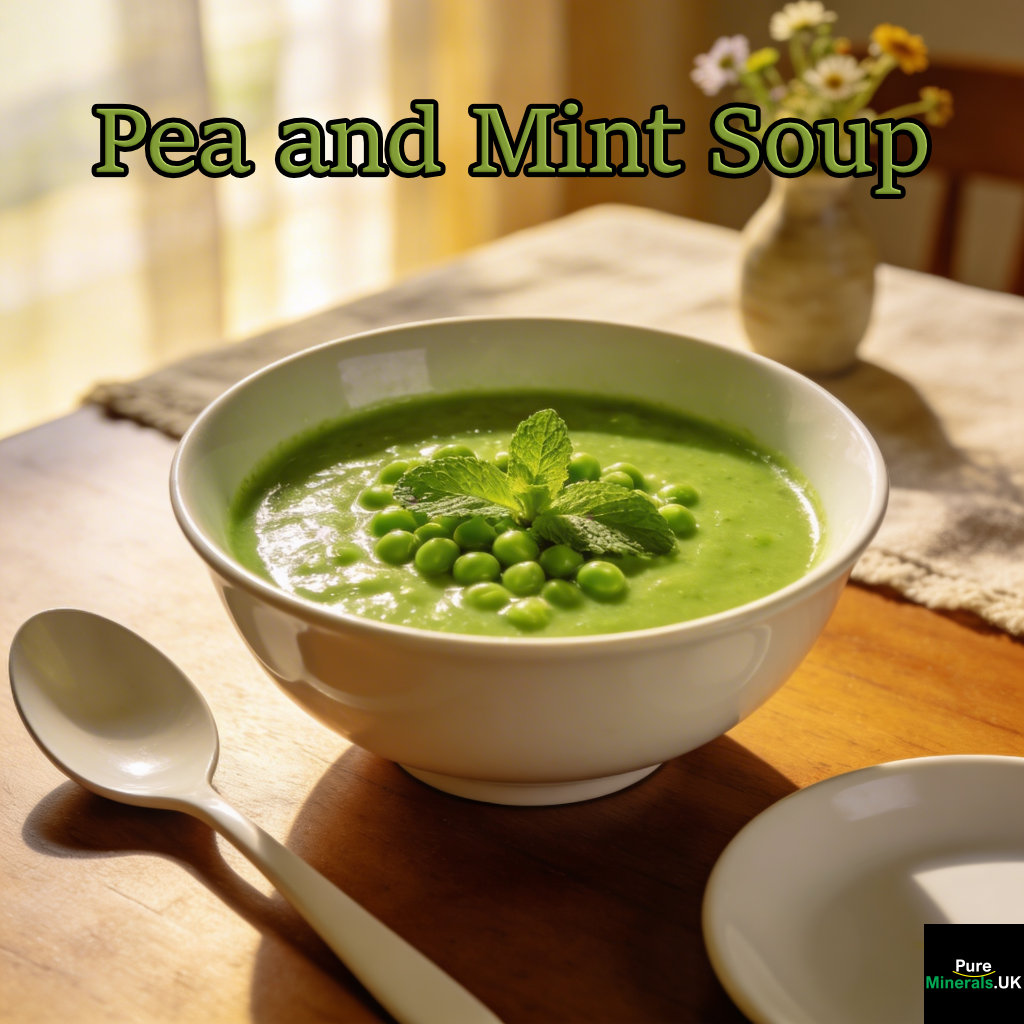
This is one of the easiest high-nutrient soups you can make. Sauté one diced white onion and two garlic cloves in olive oil over medium heat until softened, about 5 minutes. Add 4 cups of frozen or fresh garden peas and 3 cups of low-sodium vegetable stock. Bring to a gentle simmer for 5 minutes — no longer, or you’ll dull the vibrant green color. Blend until completely smooth, then stir in a generous handful of fresh mint leaves and a squeeze of lemon juice. Season with sea salt and cracked black pepper.
The result is a bright, creamy soup with around 8 grams of plant protein and 8 grams of fiber per two-cup serving, with no dairy required. A swirl of good-quality olive oil on top adds healthy fat that improves absorption of the fat-soluble carotenoids in the peas — a small detail that makes a real nutritional difference.
Garden Pea Salad With Lemon Dressing
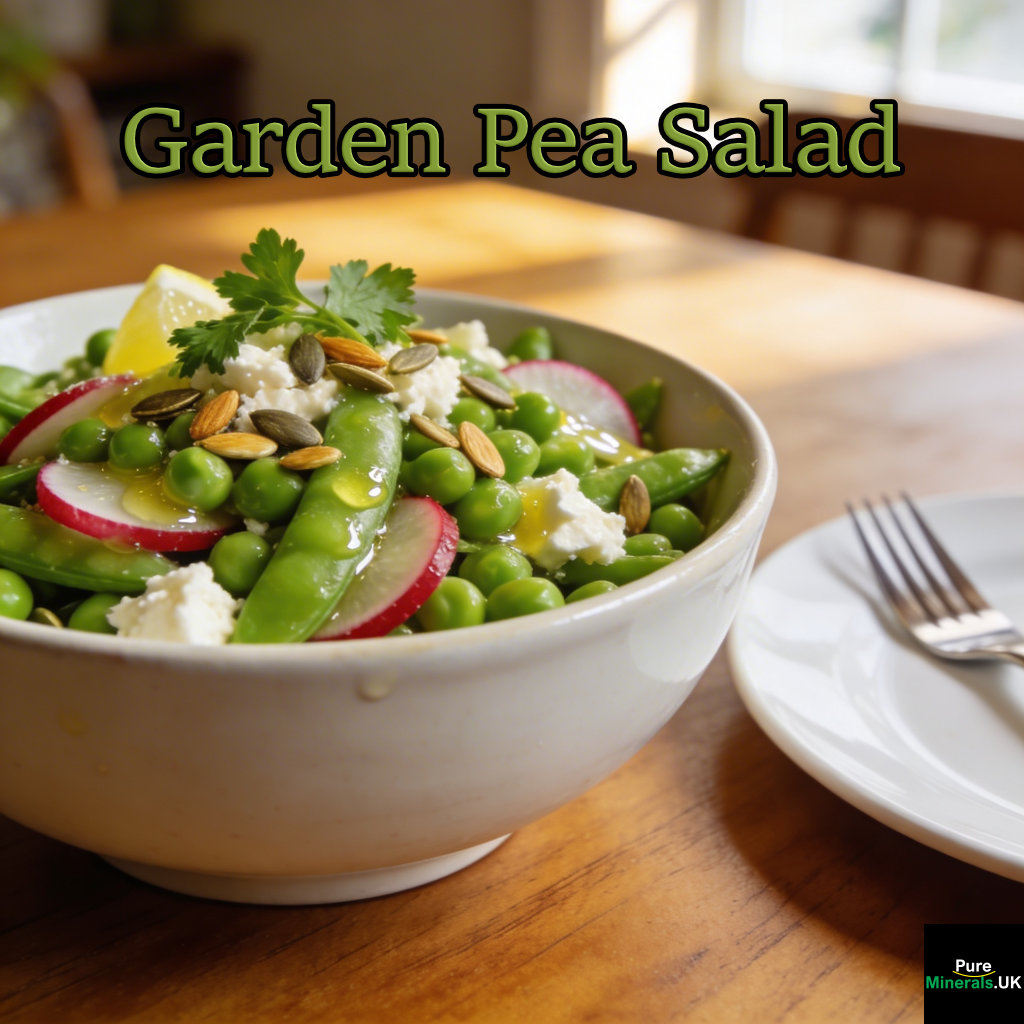
This salad works beautifully as a side or a light main. Start with 2 cups of blanched garden peas — frozen peas that have been briefly thawed in warm water work perfectly here. Combine with thinly sliced radishes, crumbled feta cheese, toasted pumpkin seeds, and a handful of fresh flat-leaf parsley.
For the dressing, whisk together 3 tablespoons of extra virgin olive oil, the juice and zest of one lemon, half a teaspoon of Dijon mustard, a small crushed garlic clove, and a pinch of sea salt. The acidity of the lemon enhances the brightness of the peas, while the olive oil provides the fat needed to absorb fat-soluble vitamins A and K.
What makes this salad nutritionally interesting is the combination of pea protein with the zinc from pumpkin seeds and the calcium from feta — three micronutrients that garden peas already contribute to, amplified by smart ingredient pairing. It’s ready in under 10 minutes and keeps well in the fridge for up to two days.
- Peas: Plant protein, fiber, vitamins A, C, K, and folate
- Pumpkin seeds: Zinc, magnesium, and additional plant protein
- Feta cheese: Calcium, phosphorus, and a savory flavor contrast
- Extra virgin olive oil: Healthy monounsaturated fats that aid fat-soluble vitamin absorption
- Lemon juice and zest: Vitamin C boost and enhanced iron absorption from the peas
Pea and Ricotta Crostini
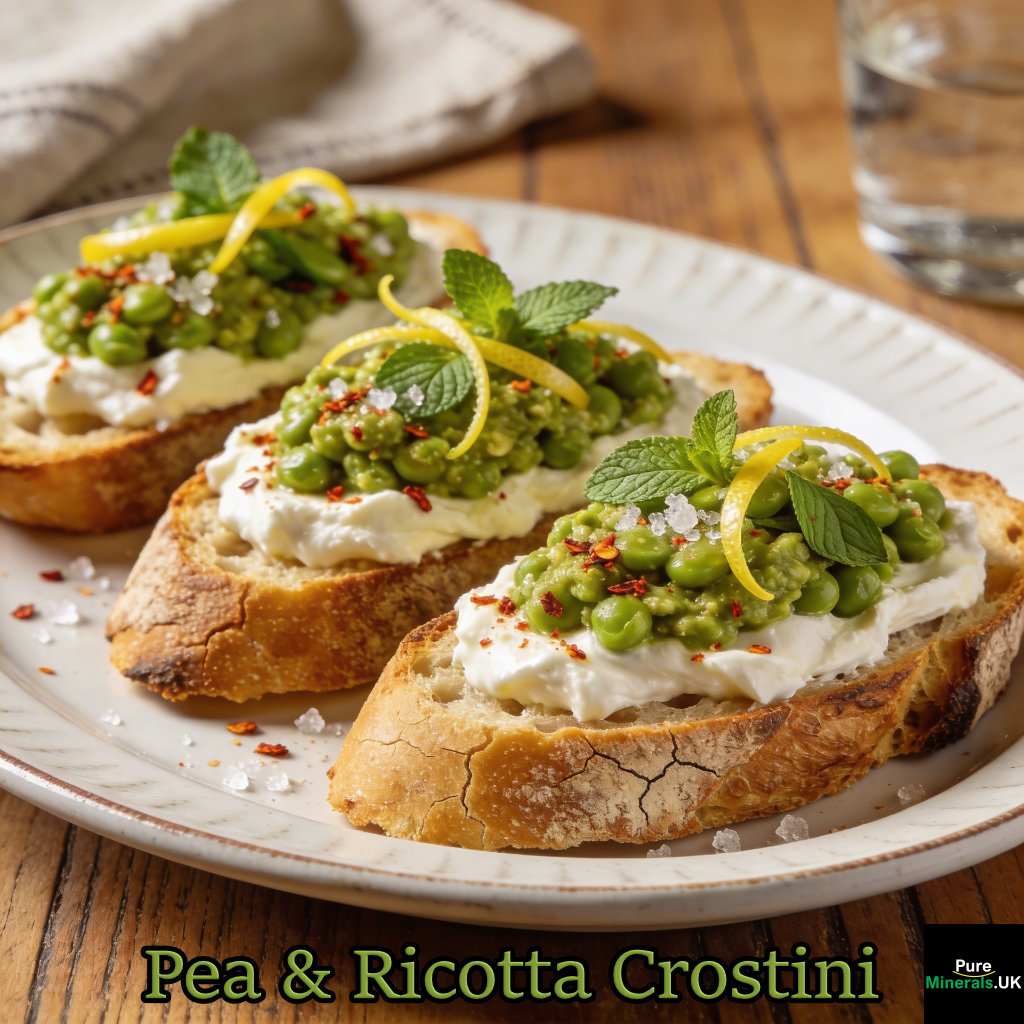
Toast slices of sourdough or whole-grain bread until golden. While still warm, spread each slice with a generous layer of full-fat ricotta. In a small bowl, lightly crush 1 cup of blanched garden peas with a fork — you want texture, not a smooth paste — then mix in a drizzle of olive oil, fresh lemon zest, a few fresh mint leaves, and a pinch of chili flakes. Spoon the pea mixture generously over the ricotta, finish with flaky sea salt, and serve immediately. The combination of ricotta’s complete animal protein with pea’s lysine-rich plant protein creates a genuinely well-rounded amino acid profile in a single bite-sized serving.
Garden Peas Are One of the Most Underrated Vegetables on Your Plate
The case for eating garden peas regularly isn’t built on a single impressive nutrient — it’s built on the fact that almost every dimension of their nutritional profile is working in your favor simultaneously. Protein, fiber, low glycemic index, vitamins A, C, K, and folate, minerals including iron, calcium, and zinc, and a broad-spectrum array of antioxidant polyphenols, flavonoids, and carotenoids. That combination is genuinely rare in a single plant food.
Research over the past decade has increasingly recognized peas as a candidate for functional food development — meaning their bioactive compound content is compelling enough that food scientists are looking at how to harness it in targeted health products. But you don’t need a supplement or a processed pea-derived product to access those benefits. The whole food, in its simplest form, already delivers them. For more insights on the health benefits of peas, you can explore further resources.
The practical takeaway is straightforward. Garden peas are inexpensive, widely available in frozen form year-round, easy to prepare, and compatible with virtually every dietary pattern — gluten-free, plant-based, diabetic-friendly, and heart-healthy, included. There’s very little reason not to eat them more often, and a significant nutritional upside when you do.
- High plant protein — around 4 grams per half-cup, far above most vegetables
- Prebiotic fiber that feeds beneficial gut bacteria and supports the microbiome
- Low-to-medium glycemic index for stable blood sugar across the day
- Cardioprotective nutrients, including soluble fiber, potassium, and anti-inflammatory polyphenols
- Naturally gluten-free and suitable for a wide range of dietary needs
- Rich in carotenoids, including beta-carotene and zeaxanthin for eye and cellular health
Important note: Garden Peas
Garden peas are widely recognized as safe when consumed as a food. As with other legumes, proper cooking of dried peas is recommended to improve digestibility. This article is provided for educational purposes only and does not constitute medical advice. Individuals with specific dietary concerns should consult a qualified healthcare professional before making significant dietary changes.
Frequently Asked Questions
Garden peas generate a lot of practical questions — especially from people who are taking a closer look at their diet and want to understand how specific foods fit into their health goals. Here are clear, direct answers to the most common ones.
Are Garden Peas Good for Weight Loss?
Yes — garden peas support weight management through several mechanisms at once. Their high fiber content promotes satiety by slowing digestion and extending the feeling of fullness after eating. The plant protein adds to this effect, as protein is the most satiating macronutrient. At approximately 62 calories per half-cup cooked serving, peas deliver significant nutritional volume for a low caloric cost — exactly the kind of food that makes calorie-controlled eating more sustainable without leaving you hungry.
Can You Eat Garden Peas Every Day?
Eating garden peas daily is perfectly safe and nutritionally beneficial for most people. One to two half-cup servings per day contribute meaningfully to daily fiber, protein, and micronutrient targets without excessive carbohydrate intake. The main consideration for daily consumption is variety — peas should be one component of a diverse diet rather than a single dominant food source, primarily because their amino acid profile is most effective when complemented by other protein sources that cover the methionine gap, such as okra.
Are Garden Peas Safe for People With Diabetes?
Garden peas are a well-suited food choice for people managing diabetes. Their glycemic index is normally below 60, classifying them as a low-to-medium GI food that produces a more gradual blood glucose response compared to refined carbohydrates. The combination of dietary fiber, resistant starch, and bioactive polyphenols works together to moderate post-meal blood sugar levels.
That said, portion size still matters. While peas have a favorable GI, they do contain carbohydrates — around 11 grams per half-cup cooked. People using carbohydrate counting for insulin management should account for this. A half-cup to one cup serving alongside non-starchy vegetables and a lean protein source is a practical framework for including peas comfortably within a diabetic meal plan.
Do Garden Peas Cause Bloating?
Garden peas can cause bloating and gas in some people, and it’s worth understanding why. As a legume, peas contain oligosaccharides — a type of fermentable carbohydrate that the small intestine cannot fully digest. When these reach the large intestine, gut bacteria ferment them, producing gas as a byproduct. This is the same mechanism behind the digestive effects of beans and lentils.
The good news is that several practical strategies significantly reduce this effect for most people.
- Start with smaller servings and gradually increase over a few weeks to allow your gut microbiome to adapt
- Choose frozen over canned — some people find frozen peas easier to digest than canned varieties
- Cook thoroughly — heat breaks down some of the oligosaccharides responsible for fermentation
- Pair with digestive herbs like fresh mint, fennel, or ginger, which help reduce gas formation
- Stay hydrated — adequate water intake helps fiber move efficiently through the digestive tract
People with irritable bowel syndrome (IBS) following a low-FODMAP diet may need to be more cautious with portion sizes, as garden peas are moderately high in FODMAPs. A half-cup serving is generally considered the threshold for tolerance in low-FODMAP protocols.
For the majority of people without diagnosed digestive conditions, any initial bloating from peas typically decreases within a few weeks of regular consumption as the gut microbiome adjusts to the increased fiber load.
What Is the Difference Between Garden Peas and Field Peas?
Garden peas (Pisum sativum) and field peas are both members of the same species, but they are grown for entirely different purposes. Garden peas — also called English peas or sweet peas — are harvested young and eaten fresh or frozen while the seeds are still tender and sweet. They are specifically bred for eating as a whole vegetable, pod, and all in some varieties, or just the seeds in others.
Field peas, by contrast, are grown to full maturity and allowed to dry in the pod before harvest. They are then used as a dried pulse — the same category as lentils and chickpeas — and are primarily destined for animal feed, industrial processing, or dried-pea food products like split pea soup. The starch content of field peas at maturity is significantly higher than in young garden peas, and the texture is completely different.
From a nutritional standpoint, dried field peas are more calorie-dense, higher in protein by weight, and higher in complex starch than fresh garden peas — largely because all the water has been removed. Fresh garden peas are nutritionally superior for vitamin C and certain heat-sensitive phytonutrients, while dried field peas offer a more concentrated protein and fiber source per gram of dry weight.
In practical kitchen terms, if a recipe calls for “peas” without further specification, it almost always means garden peas. If a recipe calls for split peas or dried peas, it is referring to the mature, dried field pea variety — and the two are not interchangeable in recipes without significant adjustments to cooking time and liquid ratios.