

Published: 10 March 2026
Last Updated: 9 April 2026
This article is periodically reviewed and updated to reflect current scientific understanding by Vic George.
Fact-Checked: 2 other authoritative medical/scientific references. See our Editorial Policy.

What Is Sweet Corn?
Sweet corn is the edible kernel of Zea mays, a cereal grain cultivated specifically for its naturally higher sugar content compared with field corn varieties. Although botanically a grain, sweet corn is commonly consumed and classified as a vegetable due to its culinary use and harvesting stage.
Definition
Sweet corn is the immature kernel of Zea mays, harvested before full maturity and consumed as a vegetable. Sweet corn is grown globally by commercial farmers—with the U.S. and China leading production—as well as home gardeners, particularly in warm, sunny regions. Major commercial producers are in Senegal, and specialized farms are in Florida and Australia.
Originally cultivated by Native American tribes, sweet corn is a widely consumed, high-value crop used fresh, frozen, or canned.
Extended Definition
Sweet corn belongs to the Poaceae family, the grass family that includes other major cereal crops such as wheat, rice, and barley. The plant produces large ears composed of rows of kernels that develop from fertilized flowers.
Unlike field corn, which is harvested when fully mature and dry, sweet corn is harvested during its immature stage while the kernels are still soft and rich in natural sugars. This early harvest stage gives sweet corn its characteristic sweetness and tender texture.
Nutritionally, sweet corn provides carbohydrates, dietary fiber, and a range of micronutrients, including vitamin C, several B vitamins, magnesium, and potassium. Its carbohydrate content serves as an energy source, while fiber contributes to digestive function.
Sweet corn also contains carotenoids such as lutein and zeaxanthin, which function as pigments within plant tissues and are responsible for the yellow coloration of the kernels. These compounds play protective roles in plants by absorbing excess light energy.
In addition, sweet corn contains phenolic compounds and other plant-derived phytochemicals that contribute to plant defense mechanisms.
The kernels may be eaten fresh, boiled, roasted, or incorporated into a variety of culinary preparations. The entire ear structure consists of the cob, kernels, and surrounding husk leaves.
Key Facts
Botanical name: Zea mays
Plant family: Poaceae
Common classification: Cereal vegetable (immature grain)
Origin: Mesoamerica, particularly Mexico
Edible part: Immature kernels on the cob
Typical color: Yellow, white, or bi-color
Primary nutrients: Carbohydrates, fiber, vitamin C, B vitamins, potassium
Key phytonutrients: Lutein, zeaxanthin, phenolic compounds
Energy density: Moderate
Notable compounds: Carotenoids and plant antioxidants
Culinary uses: Boiled corn on the cob, roasted corn, soups, salads, and side dishes
Key Takeaways
- One ear of sweet corn delivers fiber, B vitamins, and key antioxidants that support eye, gut, and heart health.
- Sweet corn contains powerful phytochemicals like lutein, zeaxanthin, and ferulic acid — compounds most people don’t know they’re getting.
- Despite its sweet taste, corn has a moderate glycemic index and is naturally gluten-free, making it suitable for a wide range of diets.
- The way you cook sweet corn actually affects how much nutrition you absorb — and one method may surprise you.
- Whole-grain sweet corn is significantly more nutritious than refined corn products like corn syrup or white corn flour.
Sweet corn gets underestimated constantly — written off as a starchy, sugary side dish when it’s actually one of the more nutritionally complete vegetables on your plate.
For anyone looking to make smarter food choices, understanding what’s actually inside a cob of sweet corn changes the conversation entirely.
Sweet Corn Is More Nutritious Than Most People Think

Corn has spent years caught in nutrition debates — too many carbs, too much sugar, not enough protein. But whole sweet corn, eaten close to its natural state, tells a very different story from the processed corn derivatives that dominate packaged food. The key distinction is whole-grain corn versus refined corn. Once you strip away the bran and germ, you lose the fiber, antioxidants, and micronutrients that make corn genuinely valuable.
Sweet corn specifically — the kind eaten fresh, frozen, or canned on the cob — sits in a unique category. The USDA classifies it as both a vegetable and a grain depending on its stage of maturity, and nutritionally, it behaves like both. It delivers carbohydrates for energy, but it also brings a meaningful package of vitamins, minerals, and plant compounds that contribute to long-term health.
Corn Flour
Corn flour is a fine, white powder derived from the starchy endosperm of corn kernels. It is created by refining corn to separate its starchy component.
It acts as a powerful thickening agent for soups and stews, and is used to create a lighter, more crumbly texture in biscuits and pastries. Corn flour is gluten-free.
Sweet Corn Nutrition Facts
According to USDA FoodData Central data for raw yellow sweet corn, one medium ear (approximately 90 grams) provides a well-rounded nutritional baseline. It’s not a superfood in the trending sense, but it checks a surprising number of boxes.
Macronutrients in One Ear of Sweet Corn
Nutrient | Amount Per Ear (~90g) |
|---|---|
Calories |
77 kcal |
Carbohydrates |
17g |
Dietary Fiber |
2g |
Natural Sugars |
6g |
Protein |
3g |
Fat |
1g |
Water |
~73% |
The carbohydrate content is moderate, and the fiber helps slow digestion, which softens the blood sugar impact. The protein content is modest but notable for a vegetable, making corn a useful addition to plant-based meals.
Vitamins Found in Sweet Corn
Sweet corn is particularly strong in B vitamins, which play essential roles in energy metabolism and nerve function. It’s a reliable source of thiamine (B1), which supports nerve signaling, and folate (B9), critical for cell division and especially important during pregnancy. It also contributes meaningful amounts of vitamin C, a potent antioxidant that protects cells from oxidative damage and supports immune function. Compared to popcorn, sweet corn consistently comes out ahead on vitamin content, while popcorn tends to win on mineral density.
Minerals Found in Sweet Corn
On the mineral side, sweet corn provides phosphorus, magnesium, and potassium in amounts that contribute to daily targets without being exceptional. Phosphorus supports bone health and energy production, while magnesium is involved in over 300 enzymatic reactions in the body. These aren’t headline-grabbing numbers, but they add up meaningfully when corn is eaten regularly as part of a varied diet.
Phytochemicals in Sweet Corn
This is where sweet corn’s nutritional profile becomes genuinely interesting. Beyond macros and standard vitamins, corn contains a group of bioactive plant compounds — phytochemicals — that carry real functional health benefits. Research published in Food Science and Human Wellness specifically highlights corn phytochemicals and their health-protective roles.
Lutein and Zeaxanthin for Eye Health
Sweet corn is one of the better dietary sources of lutein and zeaxanthin, two carotenoids that accumulate in the retina and macula of the eye. These compounds act as a natural filter against high-energy blue light and oxidative stress, and their intake has been associated with a reduced risk of age-related macular degeneration and cataracts. Yellow corn gets its color partly from these pigments — so the deeper the yellow, the more carotenoids you’re likely getting. For more carotenoid-rich foods, consider adding butternut squash to your diet.
What makes this more interesting is that carotenoids are fat-soluble, meaning you absorb significantly more lutein and zeaxanthin when corn is eaten with a fat source — a drizzle of olive oil or a small amount of butter isn’t just flavor, it’s actually functional here. For instance, pairing corn with butternut squash can enhance the absorption of these nutrients.
Ferulic Acid and Its Antioxidant Role
Corn contains notably high levels of ferulic acid, a hydroxycinnamic acid, and one of the most abundant antioxidants in cereal grains. Research cited by Healthline notes that corn actually boasts higher antioxidant levels than many other common cereal grains, and ferulic acid is a significant reason why. It scavenges free radicals, may help reduce inflammation, and has been studied for potential protective effects against certain chronic diseases.
Quercetin and Anti-Inflammatory Properties
Quercetin, a flavonoid found in sweet corn, has been studied for neuroprotective effects, including research published in Biomolecules exploring its role in Alzheimer’s disease risk reduction. It also carries anti-inflammatory and antioxidant properties that contribute to the overall protective phytochemical profile of corn. While corn isn’t the richest source of quercetin compared to foods like capers or onions, its contribution adds to the cumulative effect of a diet high in varied plant foods.
The Dietary Role of Sweet Corn
Where sweet corn fits in your diet depends on how you’re eating it and what your health goals are. It functions differently than most people expect — acting as both a starchy energy source and a fiber-rich vegetable simultaneously.
The USDA acknowledges this dual classification directly, noting that corn can be counted as either a grain or a vegetable depending on the preparation stage and dietary context. This makes it one of the few foods that meaningfully bridges both food groups.
Sweet Corn as a Whole Grain vs. a Vegetable
When corn is harvested young and eaten fresh — as sweet corn typically is — it behaves nutritionally more like a starchy vegetable. Its water content is high, its sugar content is at its peak sweetness, and it hasn’t fully dried into the grain form used for cornmeal or popcorn. However, it still retains the bran and germ when eaten on or off the cob, which technically qualifies it as a whole grain food. This is an important distinction because refined corn products like corn flour or corn syrup have had these nutrient-dense components removed entirely.
How Sweet Corn Supports Digestive Health
The fiber in sweet corn — roughly 2 grams per ear — contributes to digestive regularity by adding bulk to stool and feeding beneficial gut bacteria. While 2 grams might sound modest, it’s the type of fiber that matters as much as the amount. Corn contains both soluble and insoluble fiber, with the insoluble component helping move food through the digestive tract efficiently.
Research published in Gut Microbes on dietary fiber and prebiotics confirms that fiber from whole food sources like corn supports a healthier gastrointestinal microbiota. The prebiotic effect — where fiber feeds beneficial bacterial strains like Lactobacillus and Bifidobacterium — makes regular sweet corn consumption a quiet but meaningful contributor to gut health over time.
Sweet Corn and Blood Sugar: What the Research Actually Says
Sweet corn does contain natural sugars and carbohydrates, which are the source of most of the concern around blood sugar. But the full picture is more nuanced. Whole sweet corn has a moderate glycemic index — meaning it raises blood sugar more slowly than refined carbohydrates like white bread or corn syrup. The fiber content plays a key role here, slowing the rate at which glucose enters the bloodstream.
The American Diabetes Association’s guidance on carbohydrates supports choosing whole food carb sources over refined ones, and sweet corn fits squarely in that category. Portion size still matters — one ear is a reasonable serving — but eating corn on the cob is a fundamentally different metabolic event than drinking corn syrup. People managing blood sugar who eat corn as part of a balanced meal with protein and fat are unlikely to see dramatic glucose spikes.
Is Sweet Corn Safe for People With Gluten Sensitivity?
Yes — corn is naturally gluten-free. It contains no wheat, barley, or rye proteins, making it a safe grain option for people with celiac disease or non-celiac gluten sensitivity. This is one of corn’s most practically useful dietary attributes, as it opens up a whole grain option for people who otherwise have limited choices in that category.
The one caveat worth noting is cross-contamination. Corn processed in facilities that also handle wheat products may carry trace gluten. For people with celiac disease specifically, checking that corn products are certified gluten-free is the safer approach, even though the corn itself is inherently safe.
Quick Reference: Sweet Corn Dietary Suitability
✓ Gluten-free — Safe for celiac and gluten sensitivity
✓ Moderate GI — Suitable in controlled portions for blood sugar management
✓ Whole grain — Retains bran and germ when eaten on or off the cob
✓ Plant-based — Fits vegan and vegetarian diets
✗ High in phytic acid — May reduce mineral absorption if corn dominates the diet
✗ Not a complete protein — Pair with legumes for a full amino acid profile
Health Benefits of Eating Sweet Corn
The combination of fiber, antioxidants, B vitamins, and phytochemicals in sweet corn translates into several documented health benefits — particularly when corn is eaten in its whole, minimally processed form.
Eye Health
The lutein and zeaxanthin content in sweet corn makes it a genuinely useful food for long-term eye protection. These carotenoids accumulate in the macula — the part of the retina responsible for sharp central vision — where they act as a protective pigment against light-induced damage. Higher dietary intake of both compounds has been consistently associated with a lower risk of age-related macular degeneration, one of the leading causes of vision loss in older adults. For more information on similar vegetables, explore the benefits of chard.
Yellow sweet corn is one of the more accessible and affordable sources of these carotenoids in the average diet. Eating it with a small amount of healthy fat — olive oil, avocado, or even a modest amount of butter — meaningfully increases the amount your body actually absorbs, since carotenoids require fat for proper uptake.
Heart Health
Corn contributes to cardiovascular health through multiple pathways. Its fiber content supports healthy cholesterol levels by binding to bile acids in the digestive tract and reducing their reabsorption. The antioxidants in corn — particularly ferulic acid and vitamin C — help reduce oxidative stress, one of the key drivers of arterial damage and cardiovascular disease progression.
The Mayo Clinic Health System specifically highlights corn’s heart-supportive properties as part of its broader nutritional value, pointing to fiber and antioxidant content as the primary contributors. Potassium, present in modest amounts in sweet corn, also plays a supporting role in maintaining healthy blood pressure.
Gut Microbiome Support
Beyond basic digestive regularity, the prebiotic fiber in sweet corn actively feeds beneficial gut bacteria, contributing to a more diverse and resilient microbiome. A well-supported gut microbiome is increasingly linked in research to immune function, mental health, and metabolic outcomes — making corn’s fiber contribution more significant than its modest gram count might suggest.
Potential Downsides of Sweet Corn
Sweet corn is broadly safe and beneficial, but like any food, context matters. There are a couple of specific considerations worth understanding before making corn a dietary staple.
Antinutrients in Corn and How to Reduce Them
Like all cereal grains, whole corn contains phytic acid — an antinutrient that binds to minerals like zinc, iron, and calcium in the digestive tract, potentially reducing their absorption. This is more of a concern in populations where corn is a primary calorie source rather than one component of a varied diet. For most people, eating sweet corn a few times a week alongside other nutrient-rich foods, phytic acid poses no meaningful risk. Soaking, sprouting, or cooking corn can reduce phytic acid content if this is a concern. For instance, pairing corn with cassava can be a part of a diverse and balanced diet.
Aflatoxin Contamination Risk
Corn can be susceptible to contamination by aflatoxins — toxic compounds produced by Aspergillus mold species that can develop in improperly stored grain. This is primarily a concern with dried corn products like cornmeal or stored dried corn rather than fresh sweet corn purchased and consumed promptly. Buying from reputable sources and storing corn properly — refrigerating fresh ears and keeping dried products in cool, dry conditions — effectively mitigates this risk for everyday consumers.
How to Cook Sweet Corn for Maximum Nutrition
Cooking method has a real impact on what nutrients you actually get from sweet corn. Some preparation approaches preserve or even enhance bioavailability, while others degrade heat-sensitive vitamins and wash water-soluble nutrients away before they reach your plate. For instance, steaming is a great method that can also be used for other vegetables like cauliflower, preserving their nutrients effectively.
One finding that surprises most people: cooking actually increases the antioxidant activity of corn. Heat breaks down cell walls, releasing bound ferulic acid and making certain phytochemicals more bioavailable than they are in raw corn. So while vitamin C does decrease with heat, the overall antioxidant picture with cooked corn is more favorable than you might expect. The University of Minnesota Extension also notes that freezing corn preserves its nutritional value well, making frozen sweet corn a legitimate nutritional equal to fresh in most cases.
Boiling vs. Microwaving vs. Grilling
Boiling is the most common method, but also the most nutrient-lossy — water-soluble vitamins like B vitamins and vitamin C leach into the cooking water. If you boil, keep the water time short (under 5 minutes) and use minimal water. Microwaving is actually one of the better options for retaining nutrients, as PBS highlights in its coverage of microwaved corn on the cob — the short cooking time and no water contact preserve more of the water-soluble vitamins. Grilling adds no water loss, and the dry heat caramelizes the natural sugars without significantly degrading the nutritional profile, making it one of the best overall methods for flavor and nutrient retention together.
Best Toppings That Keep Corn Healthy
What you put on sweet corn matters almost as much as how you cook it. The goal is to enhance flavor without drowning the nutritional value in excess sodium or saturated fat. A light brush of extra virgin olive oil does double duty — it adds richness and, as mentioned, actively increases the absorption of fat-soluble carotenoids like lutein and zeaxanthin.
Fresh lime juice adds brightness and a boost of vitamin C. Crumbled cotija cheese or a small amount of feta adds calcium and protein without overdoing the fat. Fresh herbs like cilantro, chives, or smoked paprika add flavor complexity with zero caloric cost. What to avoid: heavy applications of processed cheese sauces, excessive butter, or high-sodium seasonings that push an otherwise healthy food into problematic territory.
3 Healthy Sweet Corn Recipes to Try
Sweet corn is one of the most versatile whole foods in a summer kitchen. These three recipes are built around the nutritional profile of corn — not just its flavor — using ingredients that complement and enhance what corn already brings to the table. For instance, you can pair corn with carrots to add a sweet and earthy dimension to your dishes.
Each recipe keeps processing minimal, pairs corn with complementary proteins or healthy fats, and avoids ingredients that would undermine the nutritional value of the main ingredient.
1. Mexican Street Corn Salad (Elote Salad)

Cut the kernels from 4 grilled ears of sweet corn and combine with ¼ cup crumbled cotija cheese, ¼ cup plain Greek yogurt (in place of mayo for added protein), the juice of one lime, a handful of fresh cilantro, ½ teaspoon smoked paprika, and a pinch of chili powder. Toss together and serve at room temperature. The Greek yogurt swap keeps it creamy while adding protein, and the lime juice provides vitamin C alongside the carotenoids in the corn. The fat from the cotija cheese enhances carotenoid absorption — a functionally useful pairing, not just a flavor one.
2. Simple Grilled Sweet Corn With Herb Butter

Grill 4 ears of corn in their husks directly on the grate over medium-high heat for 15 to 20 minutes, turning occasionally. While the corn cooks, mix 2 tablespoons of softened unsalted butter with fresh chives, a small amount of minced garlic, and a pinch of sea salt. Peel back the husks and brush the herb butter directly onto the hot kernels. The fat from the butter drives up lutein and zeaxanthin absorption, and keeping seasoning simple means sodium stays controlled. This is the method that balances maximum flavor with genuine nutritional integrity.
3. Sweet Corn and Black Bean Bowl
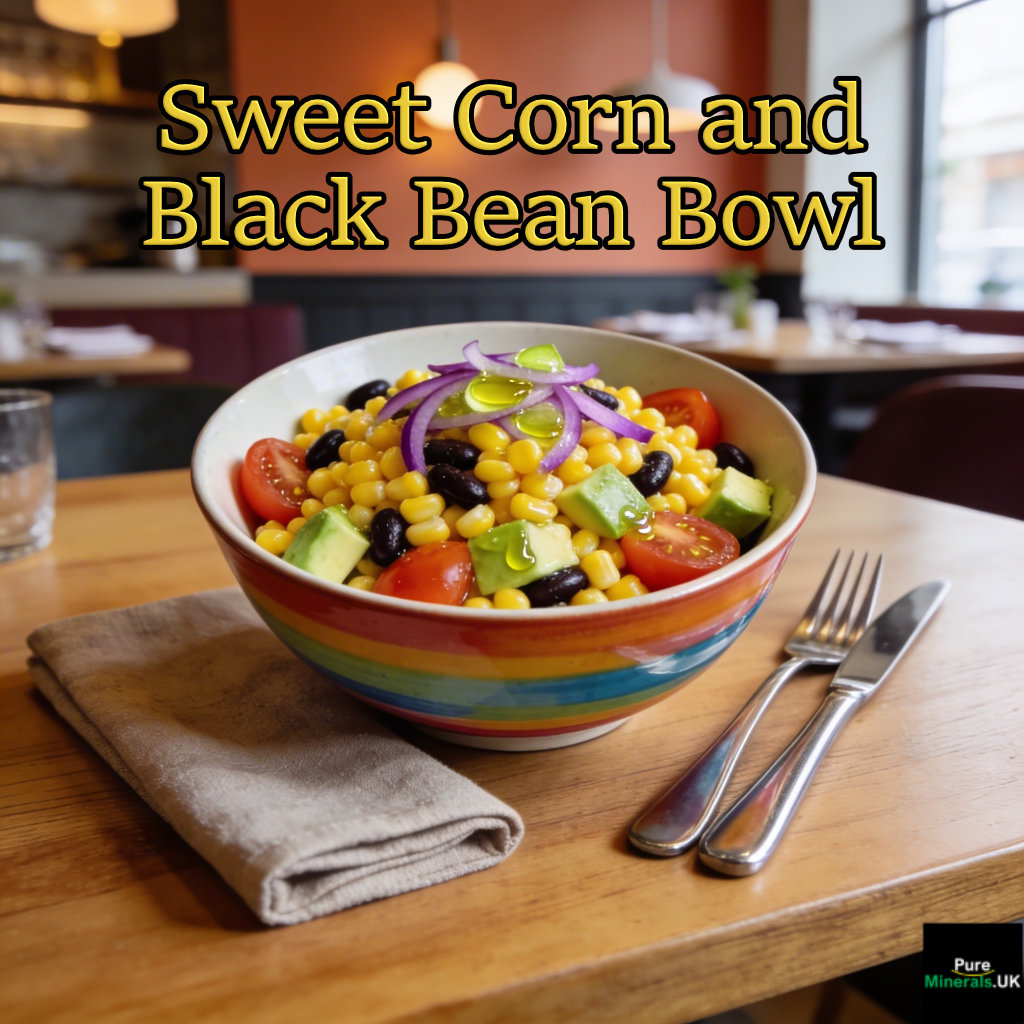
Combine 1 cup of fresh or thawed frozen sweet corn kernels with 1 cup of cooked black beans, ½ diced avocado, cherry tomatoes, red onion, and a dressing of lime juice, olive oil, cumin, and a pinch of salt. The black beans provide the amino acids that corn is low in — specifically lysine — creating a complementary complete protein when eaten together. Avocado contributes healthy monounsaturated fat that further boosts carotenoid absorption. This bowl works as a main for plant-based eaters or as a substantial side for any meal.
Sweet Corn Earns Its Place in a Healthy Diet
Sweet corn isn’t a compromise food or a guilty pleasure dressed up with a nutritional spin. It’s a whole grain vegetable with a legitimate and well-documented nutritional profile — one that supports eye health, gut function, heart health, and antioxidant defense simultaneously. The key is eating it close to its whole form, preparing it in ways that preserve or enhance bioavailability, and pairing it with foods that complement what it already provides.
Sweet Corn at a Glance: The Full Nutritional Picture
Strongest nutrients: Lutein & zeaxanthin, ferulic acid, thiamine, folate, vitamin C, fiber
Best preparation: Microwaving or grilling with a small amount of healthy fat
Best pairings: Legumes (for complete protein), olive oil or avocado (for carotenoid absorption)
Who benefits most: Anyone focused on eye health, digestive health, or heart health
Dietary compatibility: Gluten-free, plant-based, moderate GI, whole grain
The foods most often dismissed as indulgent are sometimes the ones with the most to offer — and sweet corn is a textbook example. A single ear delivers meaningful amounts of antioxidants, fiber, B vitamins, and protective phytochemicals that most people don’t even know they’re getting. For more on the health benefits of corn, check out this detailed guide.
The conversation around corn has been dominated for too long by debates about corn syrup and starchy carbs. Whole sweet corn is an entirely different food — one that Tufts University, the Mayo Clinic Health System, and multiple peer-reviewed journals have independently identified as a genuinely health-supportive choice when eaten in its whole, minimally processed form.
Important Note: Sweet Corn
Sweet corn is widely recognized as safe for consumption. This article is provided for educational purposes only and does not constitute medical advice. Individuals with specific dietary conditions should consult a qualified healthcare professional before making significant dietary changes.
Frequently Asked Questions
Sweet corn raises a lot of questions — particularly around sugar content, blood sugar, and how it fits different dietary approaches. Here are direct, evidence-based answers to the most common ones.
Is sweet corn healthy or high in sugar?
Sweet corn is healthy. One ear contains approximately 6 grams of natural sugar alongside 2 grams of fiber, 3 grams of protein, and a meaningful array of vitamins, minerals, and antioxidants. The sugar in whole sweet corn behaves very differently from added sugar in processed foods — it comes packaged with fiber that slows its absorption and with phytochemicals that add genuine health value.
Calling sweet corn a high-sugar food misrepresents its full nutritional profile. The sugar content is comparable to that of other naturally sweet vegetables like carrots or beets, and no credible nutrition authority classifies whole sweet corn as an unhealthy food due to its natural sugar content.
Does sweet corn count as a vegetable or a grain?
Both, officially. The USDA classifies sweet corn as a vegetable when eaten fresh in its immature state — which is the sweet corn most people eat on the cob — but also acknowledges its classification as a whole grain when the bran and germ are retained. In practical dietary terms, it functions nutritionally as a starchy vegetable, similar to peas or potatoes, while also providing the fiber and micronutrient profile associated with whole grains.
Can people with diabetes eat sweet corn?
Yes — in appropriate portions and as part of a balanced meal. Sweet corn has a moderate glycemic index, meaning it raises blood sugar more gradually than refined carbohydrates like white bread or sugary drinks. The fiber content slows glucose absorption, and pairing corn with protein and healthy fat further blunts any blood sugar response.
The American Diabetes Association’s guidance on carbohydrate choices supports selecting whole food carbohydrate sources over refined ones, and whole sweet corn falls into the preferable category. The key for people managing diabetes is portion awareness — one ear of corn as part of a complete meal is a reasonable and nutritionally sound choice.
What people with diabetes should avoid is the assumption that all corn products are equivalent. Corn syrup, refined corn flour, and heavily processed corn snacks are metabolically very different from fresh sweet corn and should be treated as separate food categories entirely.
Corn Product Comparison for Blood Sugar Management:
✅ Fresh sweet corn on the cob — Moderate GI, whole grain, fiber intact
✅ Frozen sweet corn kernels — Nutritional equivalent to fresh, fiber intact
⚠ Canned corn — Watch for added sodium; nutritionally acceptable otherwise
❌ Corn syrup — Refined, high GI, no fiber, nutritionally depleted
❌ Corn chips / tortilla chips — High sodium, processed fat, low nutrient density
❌ Sweetened cornbread mixes — Added sugar, refined flour, significantly different nutritional profile
What is the healthiest way to eat sweet corn?
The healthiest way to eat sweet corn is grilled or microwaved — both methods minimize nutrient loss while preserving or enhancing the bioavailability of key phytochemicals. Grilling develops flavor through dry heat without leaching water-soluble vitamins, while microwaving retains the most vitamin C and B vitamins due to minimal water contact and short cook time.
Beyond cooking method, what you pair corn with matters significantly for nutrition. Adding a small amount of healthy fat is one of the most impactful things you can do:
- Olive oil or avocado — increases absorption of lutein, zeaxanthin, and other fat-soluble carotenoids
- Black beans or lentils — complete the amino acid profile, providing the lysine that corn is low in
- Fresh lime juice — adds vitamin C and enhances iron absorption from any plant-based components in the meal
- Fresh herbs (cilantro, chives, parsley) — add additional phytonutrients with negligible calories
- A small amount of cheese — contributes calcium and fat for carotenoid uptake without excessive sodium
What to avoid is equally straightforward: heavy processed cheese sauces, excessive butter in large quantities, and high-sodium seasoning blends can quickly offset the nutritional value of an otherwise excellent food. Keep it simple, keep it whole, and let the corn do the work.
Does cooking sweet corn reduce its nutritional value?
Cooking sweet corn does reduce some heat-sensitive nutrients — vitamin C in particular decreases with heat exposure and water contact. B vitamins can also leach into cooking water when corn is boiled for extended periods. These losses are real but not dramatic when cooking time is kept short, and water use is minimized.
The more surprising finding is that cooking actually increases the antioxidant activity of corn in some respects. Heat breaks down cell walls and releases bound ferulic acid, making it more bioavailable than it is in raw corn. This means the net nutritional effect of cooking sweet corn is more neutral — and in terms of antioxidant access, potentially beneficial — rather than straightforwardly negative.
Frozen sweet corn, as noted by the University of Minnesota Extension, retains its nutritional value well because it is blanched and frozen quickly after harvest, locking in vitamins and phytochemicals at peak freshness. For anyone without access to fresh in-season corn, frozen sweet corn is a nutritionally sound and convenient alternative that holds up well by any objective measure.
Sweet corn is a versatile and nutritious vegetable that can be incorporated into various dishes. It is rich in vitamins, minerals, and antioxidants, making it a valuable addition to a balanced diet. For those interested in exploring other nutritious vegetables, consider trying butternut squash as a delicious alternative. Sweet corn can be boiled, grilled, or added to salads and soups, providing a sweet and satisfying flavor to any meal.