

Published: 23 November 2025
Last Updated: 9 April 2026
This article is periodically reviewed and updated to reflect current scientific understanding by Vic George.
Fact-Checked: 1 other authoritative medical/scientific reference. See our Editorial Policy.

What Is Iodine and Why Is This Essential Trace Mineral Critical for Thyroid Hormone Production, Metabolism, and Cognitive Development?
Iodine is an essential trace mineral required to produce thyroid hormones, which regulate metabolism, growth, and cognitive development. In plant and sea-vegetable foods, iodine appears in ionic forms (I⁻) that the body readily absorbs. Adequate iodine intake supports energy levels, brain function, temperature regulation, and overall metabolic stability throughout life.
Definition:
Iodine is a vital trace element found in sea vegetables, iodised salts, and certain plant foods grown in iodine-rich soils. It enables the thyroid gland to produce the hormones T3 and T4, which control metabolic rate, brain maturation, and cellular energy production. Ionic iodine from natural foods is highly bioavailable.
Iodine occurs mainly as the iodide ion (I⁻) in foods and is efficiently absorbed through the digestive tract. Once transported to the thyroid gland, it is incorporated into thyroxine (T4) and triiodothyronine (T3), hormones that regulate metabolic activity, growth, heat production, and neurological development. Sea vegetables—such as kelp, bladderwrack, and nori—provide some of the richest natural sources. Adequate iodine intake is especially important during pregnancy and early life, as it supports fetal brain development and long-term cognitive function.
Key Facts:
- Chemical symbol: I
- Mineral class: Essential trace mineral
- Typical ionic form in food: I⁻ (iodide)
- Key physiological roles: Thyroid hormone production, metabolism, cognitive development
- Systems supported: Endocrine, metabolic, neurological
- Preferred sources: Sea vegetables, iodised salts, eggs, dairy substitutes fortified with iodine, plant foods from iodine-rich soils
- Deficiency considerations: Low energy, impaired metabolism, thyroid enlargement, developmental issues in children
- Interactions: Works with selenium, zinc, tyrosine, and iron in thyroid hormone synthesis
Key Takeaways
- Iodine is essential for thyroid hormone production, which regulates metabolism, energy levels, and overall health.
- Seafood, seaweed, and iodized salt are among the richest natural sources of dietary iodine.
- Pregnant women require 50% more iodine to support proper fetal development and prevent cognitive impairments.
- Iodine deficiency remains a global health concern affecting nearly 2 billion people worldwide.
- Natural Remedies Club provides educational resources on maintaining optimal thyroid health through proper iodine intake.
Your thyroid gland can’t function without iodine. It’s that simple. This small butterfly-shaped organ at the base of your neck depends on this trace mineral to produce hormones that regulate everything from your metabolism to brain development. Yet many people don’t know where to find this essential nutrient in their diet or how much they actually need.
Why Your Thyroid Needs Iodine to Function Properly
The relationship between iodine and your thyroid is non-negotiable. Without adequate iodine, your thyroid simply cannot manufacture the hormones that control your metabolism, regulate your body temperature, and support healthy brain function. The thyroid’s ability to concentrate iodine is remarkable – it can accumulate this mineral at 20-40 times the concentration found in your bloodstream.
This small but mighty gland is constantly working to maintain your body’s delicate balance. When you consume iodine, your thyroid extracts it from your bloodstream and combines it with the amino acid tyrosine to create two critical hormones: triiodothyronine (T3) and thyroxine (T4). These hormones then travel throughout your body, regulating cellular energy production and protein synthesis.
Natural Remedies Club highlights that nearly every cell in your body has receptors for thyroid hormones, underscoring the essential nature of iodine for whole-body wellness. When iodine intake is insufficient, the thyroid enlarges in an attempt to trap more of the mineral, potentially leading to goiter – a visible swelling in the neck that signals a serious nutritional deficiency.
- Adults require approximately 150 mcg of iodine daily
- Pregnant women need increased amounts (220 mcg daily)
- Breastfeeding mothers require even more (290 mcg daily)
- Children’s needs vary by age, ranging from 90-120 mcg daily
- Even mild deficiency can impact cognitive function and energy levels
Top 7 Iodine-Rich Foods for Optimal Thyroid Health
Finding reliable sources of dietary iodine doesn’t need to be complicated. Nature provides abundant options, particularly from the sea. Understanding which foods naturally contain this mineral can help you maintain optimal thyroid function without relying solely on supplements.
1. Seafood and Fish: Nature’s Iodine Powerhouses

The ocean is nature’s greatest iodine reservoir, making seafood one of the most reliable sources of this vital nutrient. Cod stands out as an exceptional choice, delivering approximately 146 mcg of iodine in just a 3-ounce serving – nearly 100% of your daily needs. Other fish like haddock, perch, and sea bass are similarly rich sources. Shellfish deserve special attention too, with oysters providing about 93 mcg per 3-ounce serving, while shrimp offers around 35 mcg per 3-ounce portion.
The iodine content in seafood isn’t accidental – marine life absorbs this mineral from seawater, concentrating it in their tissues. This makes regular seafood consumption (2-3 times weekly) one of the simplest ways to maintain optimal thyroid function naturally. Wild-caught options typically contain more iodine than farm-raised varieties, though both can contribute significantly to your dietary intake.
2. Seaweed and Kelp: The Highest Natural Sources

Seaweed varieties are unmatched when it comes to iodine concentration. Just one gram of dried kelp can contain anywhere from 250 to an astounding 11,000 mcg of iodine, making it nature’s most concentrated source. Nori, the seaweed commonly used to wrap sushi, provides approximately 116 mcg in just two tablespoons. Wakame, kombu, and dulse are similarly exceptional sources, though their iodine content can vary significantly depending on harvest location and preparation methods.
These sea vegetables have been dietary staples in many coastal cultures for thousands of years, particularly in Japan, where thyroid problems are remarkably rare. Adding seaweed to soups, salads, or enjoying the occasional sushi meal can significantly boost your iodine intake. For those looking to incorporate seaweed regularly, dried varieties are convenient pantry staples that can be crumbled into various dishes.
3. Iodized Salt: The Fortified Kitchen Staple

Iodized salt remains one of the most accessible and reliable sources of dietary iodine worldwide. A quarter teaspoon provides approximately 78 mcg of iodine – more than half of an adult’s daily requirement. This public health innovation, introduced in the 1920s, dramatically reduced the prevalence of goiter and cretinism in many countries. It’s important to note that specialty salts like sea salt, kosher salt, and Himalayan pink salt generally contain minimal iodine unless specifically fortified.
While salt moderation is important for cardiovascular health, eliminating iodized salt without ensuring alternative iodine sources can put your thyroid at risk. The iodine in iodized salt remains stable for about six months when stored properly in a dry, covered container.
4. Dairy Products: Everyday Iodine Sources

Dairy products provide significant amounts of dietary iodine, with a cup of milk delivering approximately 88 mcg – nearly 60% of an adult’s daily needs. Greek yogurt offers similar benefits with about 87 mcg per three-quarter cup serving. Cheese contains varying amounts depending on the variety and production methods, with cottage cheese being particularly notable for its iodine content.
The iodine in dairy comes from several sources: cattle feed supplements, iodophor disinfectants used during the milking process, and iodine naturally present in the soil where dairy cows graze. Organic dairy products sometimes contain less iodine than conventional options due to differences in farming practices. For those avoiding dairy, it’s especially important to ensure adequate iodine from other dietary sources.
5. Eggs: Versatile Iodine Contributors

Eggs provide a respectable amount of iodine, with one large egg containing approximately 24 mcg – about 16% of an adult’s daily requirement. The iodine is concentrated primarily in the yolk, making whole eggs more beneficial for thyroid health than egg whites alone. The iodine content can vary based on the hen’s diet and farming practices, with some commercial feeds fortified with additional iodine.
Beyond their iodine content, eggs deliver complete protein and other nutrients that support overall thyroid function, including selenium and zinc. Their versatility makes them an easy addition to various meals throughout the day. For optimal iodine preservation, cooking methods that don’t involve high heat for extended periods are preferable, as extreme cooking can reduce iodine content.
6. Packaged Bread: Fortified for Public Health

Many countries now require iodine fortification in commercial bread products as a public health measure. In Australia, for example, most packaged breads contain added iodine through the use of iodized salt in the baking process. A standard slice of fortified bread can provide approximately 35 mcg of iodine – about 23% of an adult’s daily requirement.
This fortification has been particularly effective at increasing iodine intake among populations who might otherwise be at risk of deficiency. Bread products labeled as organic or artisanal may not contain iodized salt, potentially offering less iodine. For those with celiac disease or gluten sensitivity, it’s important to identify alternative iodine sources, as gluten-free breads are often not fortified.
7. Fruits and Vegetables Grown in Iodine-Rich Soil

The iodine content in fruits and vegetables is entirely dependent on soil conditions where they’re grown. Plants from coastal areas typically contain more iodine than those from inland regions with depleted soil. Potatoes can be a decent source when grown in iodine-rich soil, with a medium potato providing up to 60 mcg. Cranberries, strawberries, and navy beans may also contain notable amounts under the right growing conditions.
Modern agricultural practices, including soil depletion and the use of chemical fertilizers, have generally reduced the iodine content in many commercially grown crops. For this reason, produce alone typically cannot be relied upon as a primary iodine source. Local, organic vegetables grown in mineral-rich soil may offer more iodine, though levels remain variable and generally lower than animal-derived sources.
See also the role of selenium in the body.
The Critical Link Between Iodine and Thyroid Hormones
Understanding the biochemical relationship between iodine and thyroid function illuminates why this mineral is absolutely non-negotiable for health. Your thyroid gland combines iodine with the amino acid tyrosine to create two primary hormones – triiodothyronine (T3) and thyroxine (T4). The numbers in these hormone names actually indicate how many iodine atoms each contains – three and four respectively. Without sufficient iodine, these hormones simply cannot be synthesized in adequate amounts.
How T3 and T4 Hormones Regulate Your Metabolism
Once created, thyroid hormones travel throughout your bloodstream, attaching to receptor sites on virtually every cell in your body. These hormones act like metabolic thermostats, regulating how quickly your cells convert oxygen and nutrients into energy. When thyroid hormone levels are optimal, your metabolism functions efficiently – maintaining proper body temperature, heart rate, and energy production. An underactive thyroid resulting from iodine deficiency can slow metabolism by as much as 40%, leading to fatigue, weight gain, and cold intolerance.
T4, the most abundant thyroid hormone, serves primarily as a precursor that must be converted to the more active T3 form before it can influence cellular metabolism. This conversion happens in various tissues throughout the body, with the liver and kidneys playing major roles. The precise regulation of this conversion process allows your body to adjust metabolic rate based on current needs – increasing during growth, pregnancy, or cold exposure, and decreasing during illness or fasting.
Why Selenium Works With Iodine for Thyroid Function
While iodine receives much attention for thyroid health, selenium works as its essential partner. This mineral is necessary for the enzymes that convert T4 to the more active T3 hormone. Without adequate selenium, your body cannot fully utilize the iodine-containing hormones your thyroid produces. Brazil nuts stand out as the richest natural source of selenium, with just one nut often providing the entire daily requirement.
The synergy between iodine and selenium highlights the interconnected nature of nutritional support for thyroid function. Areas with selenium-deficient soils often show higher rates of thyroid disorders even when iodine intake is adequate. This relationship explains why focusing solely on iodine without considering other nutritional cofactors may not resolve thyroid issues completely.
Iodine Deficiency: A Global Health Concern
Despite being preventable, iodine deficiency remains the most common cause of thyroid disorders worldwide. The World Health Organization estimates nearly 2 billion people globally still risk insufficient iodine intake. This makes iodine deficiency the leading preventable cause of brain damage and intellectual disabilities worldwide, highlighting its status as a crucial public health issue rather than merely a nutritional concern. Learn more about other essential minerals like boron and their impact on health.
Regions With Highest Deficiency Risk
Geographical factors significantly influence iodine availability in food and water. Inland mountainous regions like the Himalayas, Alps, and Andes have historically been “goiter belts” where iodine deficiency rates remain high. Areas frequently subjected to flooding or heavy rainfall can experience soil iodine depletion as this water-soluble mineral gets washed away. Even developed nations aren’t immune—studies show concerning rates of mild to moderate iodine deficiency reemerging in countries like Australia, New Zealand, and parts of Europe. For more information on the role of minerals in nutrition, explore calcium nutrition and its impact on health.
Urban populations increasingly consuming non-iodized specialty salts and processed foods made without iodized salt represent a growing at-risk group. Vegetarians and vegans who avoid seafood and dairy without adequate supplementation may also face higher deficiency risks. These patterns highlight how modern dietary trends can sometimes inadvertently impact nutritional status.
Goiter and Thyroid Enlargement
The most visible sign of chronic iodine deficiency is goiter—an enlarged thyroid gland that creates a noticeable swelling in the neck. This expansion represents the thyroid’s desperate attempt to trap more iodine from the bloodstream by growing additional tissue. In severe cases, goiters can become massive enough to interfere with breathing and swallowing.
While dramatic goiters have become less common in developed countries since iodization programs began, subclinical thyroid enlargement remains surprisingly prevalent. Even mild enlargement indicates the thyroid is straining to function properly, typically long before blood tests show abnormal hormone levels. Regular neck checks can help identify early thyroid changes that might signal insufficient iodine intake.
Cognitive Development Issues in Children
Perhaps the most devastating effects of iodine deficiency occur during pregnancy and early childhood. Maternal iodine deficiency during pregnancy can result in irreversible brain damage in the developing fetus. Studies consistently show children born to iodine-deficient mothers score 10-15 points lower on IQ tests compared to those born to iodine-sufficient mothers.
Even mild deficiency during childhood continues to impact cognitive development, affecting concentration, memory, and learning ability. Research from Australia found that schoolchildren with mild iodine deficiency performed worse on standardized literacy tests compared to those with adequate levels. These impacts can persist throughout life, highlighting why addressing iodine nutrition remains a critical public health focus worldwide.
Hypothyroidism Symptoms You Shouldn’t Ignore
Chronic iodine insufficiency often manifests as hypothyroidism, where the thyroid cannot produce adequate hormones to meet the body’s needs. Early warning signs include persistent fatigue, unexplained weight gain, cold intolerance, and dry skin. Many people dismiss these symptoms as normal aging or stress, delaying proper diagnosis and treatment. Hair loss, particularly from the outer edges of the eyebrows, represents another often-overlooked sign of low thyroid function.
Mental symptoms can be equally concerning but frequently misattributed to other causes. Brain fog, depression, and memory problems may actually stem from insufficient thyroid hormone reaching brain tissue. Women may notice menstrual irregularities, while both sexes commonly experience muscle weakness and joint pain. Recognizing this constellation of symptoms as potentially thyroid-related can lead to earlier intervention and better outcomes.
Daily Iodine Requirements Throughout Life
Your iodine needs fluctuate throughout different life stages, with certain periods requiring significantly more of this essential mineral. Understanding these changing requirements helps ensure optimal thyroid function throughout life’s transitions. While severe deficiency is relatively rare in developed countries today, subtle insufficiency affecting thyroid performance remains surprisingly common across all age groups.
Special Needs During Pregnancy and Breastfeeding
Pregnancy & Breastfeeding Iodine Requirements
Non-pregnant adults: 150 mcg/day
Pregnant women: 220 mcg/day
Breastfeeding women: 290 mcg/day
During pregnancy, iodine requirements increase by nearly 50% to support both maternal and fetal thyroid function. The developing baby depends entirely on maternal iodine supply until its own thyroid becomes functional around 12 weeks of gestation. Even then, the growing fetus continues drawing iodine from maternal circulation throughout pregnancy. Inadequate levels during this critical window can result in irreversible developmental issues ranging from subtle cognitive impairment to severe intellectual disability.
Breastfeeding demands even higher iodine intake as this mineral concentrates in breast milk to support the rapidly developing infant brain. Exclusively breastfed infants get all their iodine from their mother’s milk, making maternal intake doubly important during this period. Natural Remedies Club strongly recommends pregnant and breastfeeding women discuss iodine status with their healthcare providers, as many prenatal vitamins still don’t contain adequate amounts despite clear scientific evidence supporting supplementation.
Children’s Iodine Requirements for Brain Development
Children’s growing brains have particularly high iodine demands as thyroid hormones drive neural development, myelination, and synaptic formation. Infants require about 110-130 mcg daily, while school-aged children need approximately 90-120 mcg depending on their age. These requirements reflect the intensive brain development continuing throughout childhood and adolescence, with inadequate levels potentially affecting academic performance and cognitive abilities.
Parents should be particularly mindful of iodine intake for children following specialized diets. Plant-based, dairy-free, and reduced-salt eating patterns may inadvertently limit major iodine sources. Simple adjustments like incorporating seaweed snacks, ensuring iodized salt use in home cooking, or discussing appropriate supplementation can prevent deficiency during these critical developmental years.
Adult Maintenance Doses
Healthy adults require approximately 150 mcg of iodine daily to maintain optimal thyroid function. This relatively modest amount reflects the efficient iodine recycling system within the adult body, which can reuse much of its iodine stores when intake fluctuates. However, this recycling capacity has limits, and consistently inadequate intake eventually depletes thyroid reserves. For more on related nutrients, explore cobalt nutrition.
Adults over 50 should remain vigilant about iodine status as absorption efficiency may decline with age, while medication use increases. Certain common medications, including some antacids, blood pressure drugs, and anti-inflammatory agents, can interfere with iodine utilization. Additionally, environmental exposures to certain chemicals like perchlorate (found in some drinking water supplies) and bromide compounds can competitively block iodine uptake by the thyroid.
Iodine Supplements: When Are They Necessary?
While food should ideally provide all necessary iodine, supplementation becomes appropriate in specific situations. Those following restrictive diets, pregnant or breastfeeding women, people with documented deficiencies, and those living in known low-iodine regions may benefit from targeted supplementation. Always consult a healthcare provider before beginning supplements, as individual needs vary based on medical history, geographic location, and dietary patterns.
Choosing Between Different Supplement Forms
Common Iodine Supplement Types:
Potassium iodide: Most common form, highly bioavailable
Sodium iodide: Similar to potassium iodide, sometimes in liquid form
Kelp tablets: Natural source but with variable iodine content
Nascent iodine: Promoted as more bioavailable, limited research
Lugol’s solution: Combination of iodine and potassium iodide
Potassium iodide represents the most common and well-researched supplemental form, typically included in multivitamins and prenatal supplements. This stable, bioavailable form closely resembles how iodine appears naturally in food. Dosages typically range from 150-200 mcg for general maintenance, though healthcare providers may recommend higher amounts to correct confirmed deficiencies.
Nascent iodine has gained popularity in natural health circles, with proponents claiming superior absorption and effectiveness. While anecdotal reports suggest benefits, scientific research directly comparing its efficacy to standard potassium iodide remains limited. Regardless of the form chosen, maintaining consistent intake rather than periodic high doses better mimics natural consumption patterns and supports stable thyroid function.
Liquid supplement forms offer advantages for those with absorption issues or difficulty swallowing pills. They also allow for more precise dosing adjustments, particularly important for children or those requiring non-standard amounts. However, proper storage becomes more critical with liquid formulations, as iodine can be volatile and degrade when exposed to light, heat, or air.
Potential Dangers of Excess Iodine Intake
While inadequate iodine causes clear health problems, excessive intake can be equally problematic. The thyroid possesses a remarkable protective mechanism called the Wolff-Chaikoff effect that temporarily blocks iodine uptake when blood levels surge too high. However, this protection can fail with chronic overconsumption, potentially triggering either hypothyroidism or hyperthyroidism, depending on individual factors and pre-existing thyroid conditions.
The upper tolerable intake level for adults is set at 1,100 mcg daily – about seven times the recommended daily intake. Regularly exceeding this amount can lead to thyroid dysfunction, particularly in those with underlying autoimmune tendencies. Symptoms of iodine excess include metallic taste, mouth sores, stomach upset, and in severe cases, thyroid inflammation.
- Supplement megadoses can disrupt thyroid function
- Certain seaweed varieties (especially kelp) can provide excessive amounts
- Some iodine-containing medications deliver far more than nutritional doses
- People with Hashimoto’s thyroiditis may be more sensitive to high intake
- Sudden high intake is more problematic than gradual increases
Those with pre-existing thyroid conditions face particular risks from unmonitored supplementation. People with Hashimoto’s thyroiditis (autoimmune hypothyroidism) sometimes experience symptom flares with iodine increases. Paradoxically, both insufficient and excessive iodine can trigger problems in vulnerable individuals, highlighting why personalized guidance from a healthcare provider knowledgeable about thyroid function is invaluable.
Self-prescribing high-dose iodine supplements based on internet recommendations carries significant risks. What works for one person’s thyroid may harm another’s based on genetic factors, pre-existing conditions, and overall nutritional status. The safest approach involves testing before supplementing and starting with conservative doses while monitoring for changes in symptoms and thyroid function.
How Your Body Processes Iodine
Your relationship with dietary iodine involves sophisticated biological mechanisms developed over millennia of evolution. When you consume iodine-containing foods, this mineral is rapidly absorbed in the stomach and small intestine, entering the bloodstream within an hour. From there, approximately 30% travels to the thyroid gland, while your kidneys excrete the excess through urine, making urinary iodine concentration the most accurate measure of recent intake.
The Thyroid’s Iodine Trap Mechanism
The thyroid gland employs a remarkable system called the sodium-iodide symporter to actively concentrate iodine from the bloodstream. This specialized protein transports iodine into thyroid cells against a steep concentration gradient – accumulating levels 20-40 times higher than in blood. This “iodine trap” represents one of the body’s most efficient concentration mechanisms, highlighting the evolutionary importance of securing adequate iodine for survival. For more on minerals essential for health, explore our insights on copper nutrition.
Once inside thyroid cells, iodine undergoes a series of biochemical transformations. First, it’s oxidized by the enzyme thyroid peroxidase, then incorporated into tyrosine molecules within a large protein called thyroglobulin. This creates hormone precursors that remain stored within the thyroid’s follicular cells until needed. When thyroid hormone demand increases, these precursors undergo final processing and release into circulation as active T3 and T4 hormones.
Iodine Storage and Recycling in Your Body
The healthy adult thyroid stores approximately 15-20 mg of iodine – enough to maintain hormone production for several months during periods of low intake. This storage capacity explains why iodine deficiency symptoms develop gradually rather than immediately after intake decreases. However, these reserves cannot be maintained indefinitely without regular dietary replenishment.
Organ/Tissue | Iodine Content | Function |
|---|---|---|
Thyroid gland | 15-20 mg (70-80% of body total) | Hormone production, storage |
Blood plasma | 0.01-0.04 mg/L | Transport throughout the body |
Salivary glands | Variable amounts | Concentration, oral immunity |
Mammary glands | Increases during lactation | Infant nourishment |
Stomach lining | Small amounts | Antioxidant protection |
Your body efficiently recycles iodine from degraded thyroid hormones, capturing approximately 70% for reuse. This recycling system helps maintain thyroid function during fluctuations in dietary intake. However, certain medications, environmental toxins, and some health conditions can interfere with this recycling process, potentially increasing iodine requirements beyond standard recommendations.
Recent research suggests iodine plays important roles beyond the thyroid, including breast health, immune function, and cognitive performance. The mammary glands concentrate iodine during lactation, while salivary glands, stomach lining, and certain immune cells also accumulate this mineral. These emerging understandings highlight iodine’s broader significance beyond its well-established thyroid functions.
Simple Strategies to Maintain Ideal Iodine Levels
- Include seafood in your diet 2-3 times weekly
- Use iodized salt for home cooking (but maintain overall sodium moderation)
- Add seaweed to soups, salads, and grain dishes occasionally
- Consume dairy products daily if tolerated
- Consider a multivitamin containing iodine if dietary sources are limited
- Have thyroid function tested annually if you have risk factors for deficiency
- Discuss iodine needs with healthcare providers during pregnancy planning
Creating an iodine-sufficient diet doesn’t require drastic measures – simple, consistent habits generally ensure adequate intake. Rotating between different iodine sources throughout the week provides not only reliable amounts but also the synergistic nutrients that support optimal thyroid function. For example, seafood offers both iodine and selenium, while dairy provides iodine along with calcium and vitamin D.
Food preparation methods influence iodine retention. Since iodine is water-soluble and volatile, boiling foods in large amounts of water can reduce iodine content by up to 60%. Steaming, roasting, or quick-cooking methods generally preserve more of this precious mineral. Similarly, storing iodized salt in airtight containers away from heat and humidity maintains its iodine content longer than exposure to air and moisture.
For those concerned about adequate intake, periodic testing provides objective feedback rather than guesswork. A simple urinary iodine test can confirm whether your dietary strategies are successful. Most functional medicine practitioners and many conventional endocrinologists can order this test, using the results to guide personalized recommendations that account for your specific health status and risk factors.
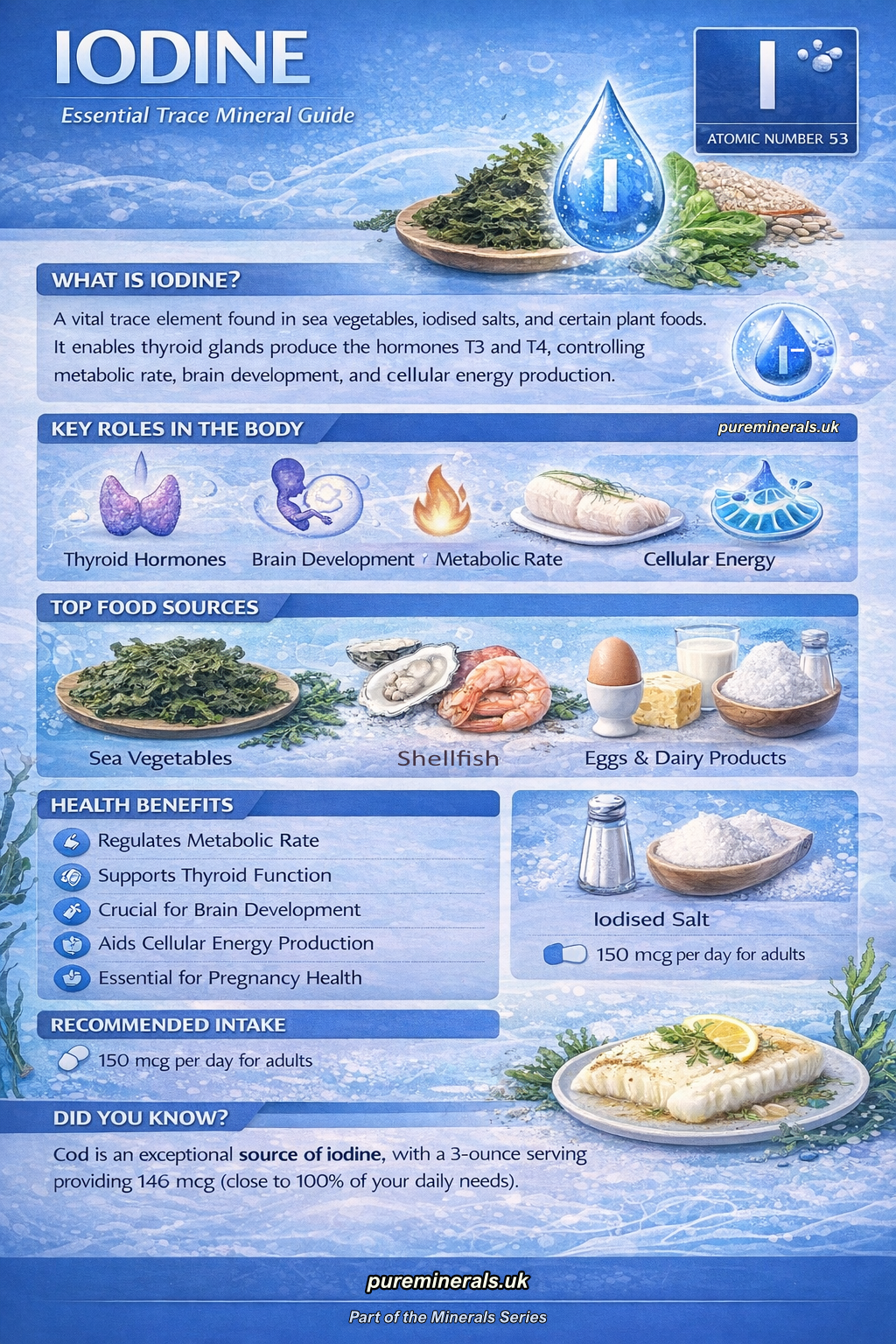
Iodine Infographic
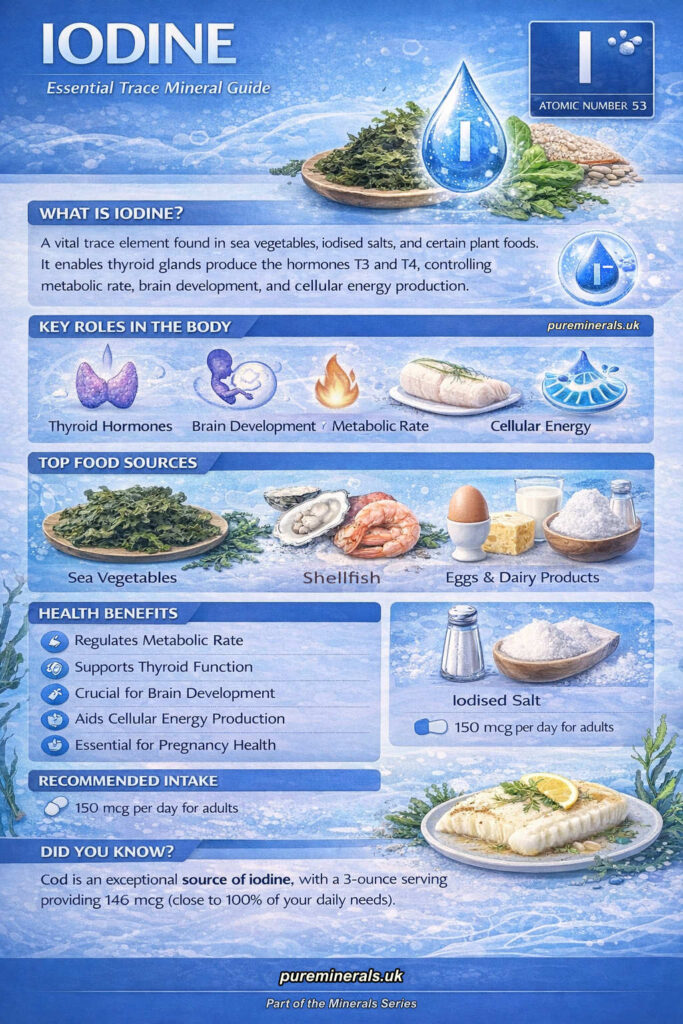
Download the full high-resolution Iodine infographic for offline reference.
Explore more minerals in the full Minerals Hub
Frequently Asked Questions
Understanding iodine’s role in thyroid health generates many practical questions about optimizing this essential nutrient. The following answers address common concerns while providing evidence-based guidance for maintaining healthy iodine status. Remember that while general principles apply broadly, individual factors, including genetics, medication use, and pre-existing conditions, influence personal iodine needs.
These questions represent those most frequently asked by Natural Remedies Club community members seeking to support thyroid health naturally. The answers integrate traditional wisdom with modern nutritional science, acknowledging both time-tested approaches and recent research developments in this important area of health maintenance.
Always consult with a healthcare provider before making significant dietary changes or beginning supplements, especially if you have existing thyroid conditions or take medications that might interact with iodine metabolism. Your personal health history provides important context for applying these general principles to your specific situation.
Can you get too much iodine from food?
Obtaining excessive iodine from conventional foods alone is difficult for most people. Even iodine-rich foods like seafood and dairy would need to be consumed in unrealistic quantities to approach problematic levels. The notable exception involves certain seaweeds, particularly kelp (kombu), which can contain extremely high concentrations – sometimes exceeding 2,000 mcg per gram. Regular consumption of kelp or concentrated kelp supplements can potentially provide more iodine than the upper tolerable limit.
Japanese populations consuming traditional diets high in seaweed often maintain iodine intakes many times higher than Western recommendations without apparent thyroid problems. However, this tolerance likely developed over generations and may involve genetic adaptations and balanced intake of other nutrients. Those not accustomed to such high intakes should approach concentrated seaweed products with appropriate caution and moderation, particularly considering the importance of cobalt nutrition in maintaining overall health.
How quickly can iodine deficiency affect thyroid function?
The timeline for developing iodine deficiency symptoms varies considerably based on pre-existing thyroid reserves and individual metabolic factors. In adults with previously adequate status, thyroid iodine stores can sustain normal hormone production for approximately 2-3 months during periods of insufficient intake. However, subtle changes in energy levels, metabolism, and cognitive function may begin earlier as the body prioritizes conservation of dwindling supplies.
Pregnant women, rapidly growing children, and those with already marginal status can develop deficiency signs much more quickly – sometimes within weeks of decreased intake. This vulnerability highlights why consistent daily intake rather than periodic consumption better supports thyroid health. Once clinical hypothyroidism develops, restoring optimal function through iodine repletion alone typically requires 3-6 months of consistent adequate intake.
Is iodized salt the best source of dietary iodine?
While iodized salt provides a reliable, inexpensive iodine source that has successfully prevented severe deficiency worldwide, it comes with limitations. The modern emphasis on reducing sodium intake for cardiovascular health means many people deliberately restrict salt consumption. Additionally, most processed foods use non-iodized salt, meaning those consuming primarily restaurant and packaged foods often miss this potential iodine source. Natural food sources like seafood, dairy, and eggs provide iodine alongside complementary nutrients that support overall thyroid function, making them nutritionally superior options when available.
Does cooking reduce the iodine content of food?
Cooking methods significantly impact the iodine content of foods. As a water-soluble mineral, iodine leaches into cooking liquid – studies show boiling can reduce iodine content by 50-60%. Water-based cooking methods that discard the liquid (like boiling vegetables and draining) cause the greatest losses. Dry heat methods such as roasting, baking, and sautéing generally preserve more iodine. With iodized salt, prolonged cooking at high temperatures can cause volatilization and loss of up to 60% of iodine content, which is why adding salt near the end of cooking helps maintain its iodine contribution.
Should people with autoimmune thyroid disorders avoid iodine supplements?
The relationship between iodine and autoimmune thyroid conditions like Hashimoto’s thyroiditis is complex and often individualized. Research suggests sudden increases in iodine intake can temporarily exacerbate autoimmune thyroiditis in susceptible individuals, potentially triggering inflammation and symptom flares. However, maintaining adequate (not excessive) iodine status remains important even for those with autoimmune thyroid disorders, as deficiency brings its own risks. For more information on maintaining mineral balance, explore our insights on cobalt nutrition.
The wisest approach for those with Hashimoto’s or similar conditions involves having both thyroid antibodies and iodine status tested before making dietary changes or starting supplements. If supplementation is needed, beginning with low doses and gradually increasing while monitoring symptoms and antibody levels provides the safest path forward. Working with a healthcare provider knowledgeable about both thyroid autoimmunity and nutritional support ensures personalized guidance rather than one-size-fits-all recommendations.
For some individuals with autoimmune thyroid conditions, addressing other nutritional factors first – particularly selenium status – may help improve iodine tolerance. Selenium supports the antioxidant systems that protect thyroid tissue during iodine processing, potentially reducing inflammatory reactions to this essential mineral.
Natural Remedies Club provides educational resources on maintaining thyroid health through balanced nutrition and lifestyle approaches. For personalized guidance on optimizing your thyroid function through natural methods, visit our website to explore our comprehensive thyroid wellness programs.