

Published: 18 April 2026
Last Updated: 19 April 2026
This article is periodically reviewed and updated to reflect current scientific understanding by Vic George.
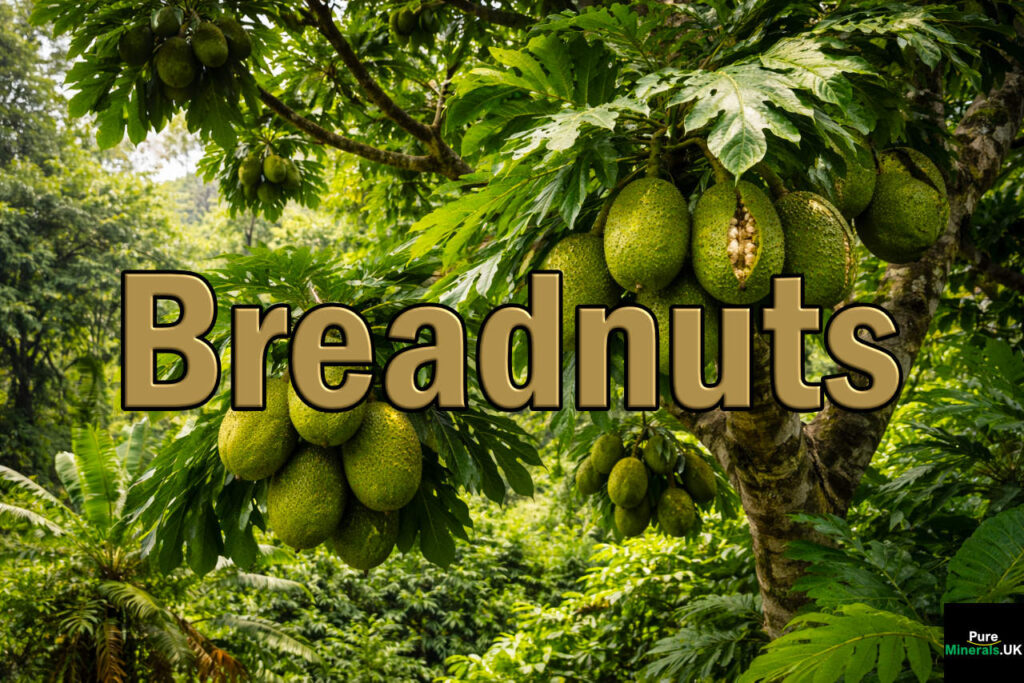
What Are Breadnuts and Why Are They Used as Food?
Breadnuts are the edible seeds of the breadnut tree (Artocarpus camansi), a tropical species related to breadfruit. They are valued as a nutrient-dense food, particularly in regions where they serve as a source of carbohydrates and plant protein.
Definition
Breadnuts are the seeds of the breadnut tree (Artocarpus camansi), typically found within a large, spiny fruit and consumed after cooking or roasting.
Extended Definition
The breadnut tree (Artocarpus camansi) is native to Southeast Asia and widely cultivated in tropical regions, including the Caribbean and parts of Central and South America. It is closely related to breadfruit (Artocarpus altilis), but unlike breadfruit, which is usually seedless, breadnut fruits contain numerous edible seeds.
These seeds are rich in carbohydrates and provide a moderate amount of protein, making them an important food source in traditional diets. They also contain dietary fibre and micronutrients such as potassium, magnesium, and iron in modest amounts.
Breadnuts are rarely consumed raw. Instead, they are typically boiled, roasted, or ground into flour. When cooked, they develop a flavour and texture often compared to chestnuts, which explains their name.
In many tropical regions, breadnuts are used in soups, stews, and snacks, and they may also be processed into flour for baking. Their role as a staple food reflects their ability to provide energy and essential nutrients in resource-limited environments.
Key Facts
- Botanical Name: Artocarpus camansi
- Plant Type: Tropical tree (seed)
- Edible Part: Seed (kernel within the fruit)
- Macronutrient Profile: High carbohydrates, moderate protein, low fat
- Notable Micronutrients: Potassium, magnesium, iron (moderate levels)
- Natural Compounds: Dietary fibre, phenolic compounds
- Typical Preparation: Boiled, roasted, or ground into flour
- Common Uses: Soups, stews, snacks, flour for baking
- Taste Profile: Mild, nutty, similar to chestnuts when cooked
- Culinary Status: Traditional staple in tropical regions
Key Takeaways
- Breadnuts are the seeds of the breadfruit tree (Artocarpus altilis) — a distinct and nutrient-dense food that has sustained tropical communities for thousands of years.
- One cup of breadfruit provides 227 calories, 60g of carbohydrates, 2.4g of protein, and essential amino acids the body cannot produce on its own, making it a complete functional food.
- Breadnuts are rich in potassium, vitamin C, B vitamins, and fiber — nutrients that support heart health, digestion, and immune function.
- Research suggests breadnuts may help manage blood sugar and offer anti-inflammatory benefits — scroll to the health benefits section to see what the science actually says.
- Breadnut flour is a naturally gluten-free alternative to wheat flour and is more easily digestible, opening the door to a wide range of modern culinary applications.
Breadnuts Are More Than Just Breadfruit Seeds
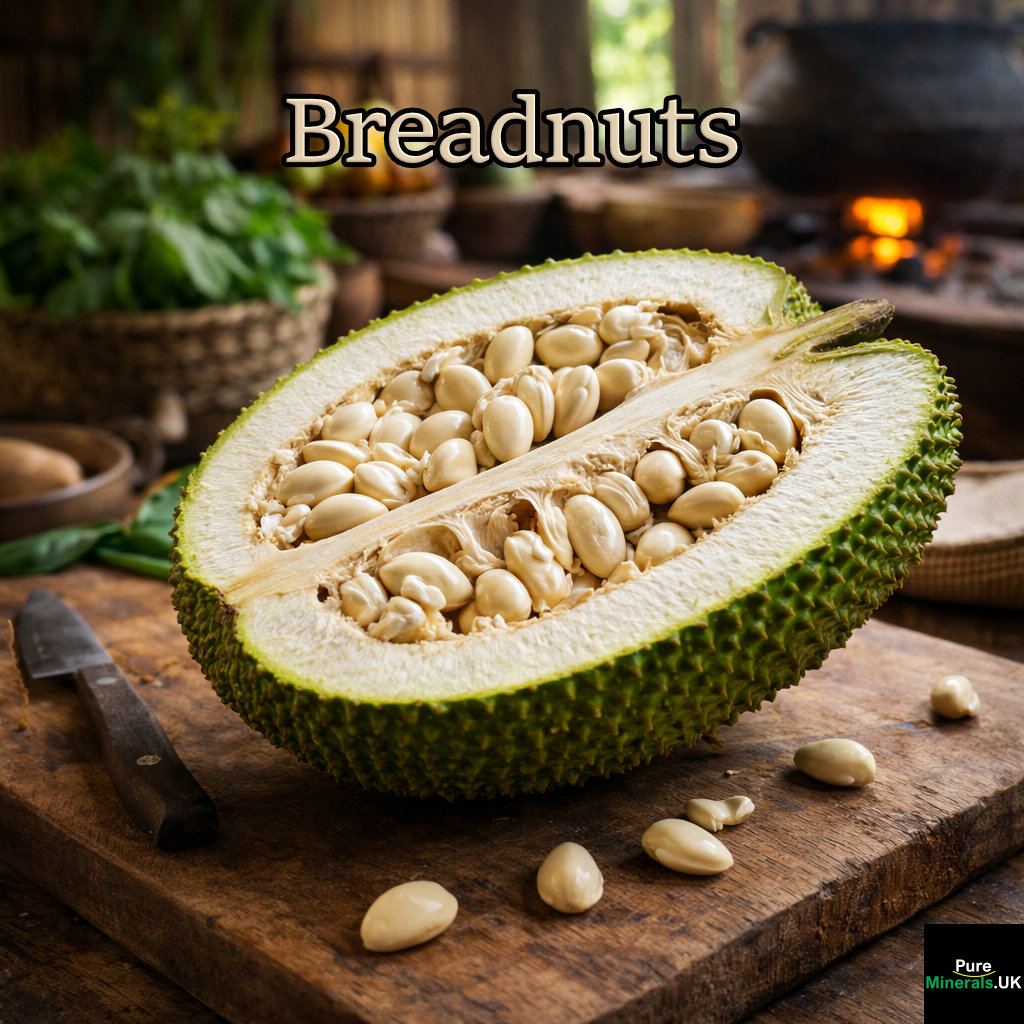
Most people have heard of breadfruit, but the seed hiding inside — the breadnut — quietly outperforms its host when it comes to raw nutritional punch. Breadnuts come from the breadfruit tree (Artocarpus altilis), the same tree that belongs to the jackfruit and mulberry family. While the fruit itself is a celebrated staple across Oceania and parts of West Africa, the seeds have long held their own place in traditional diets and kitchens throughout the tropics.
For health-conscious readers looking for whole foods with real nutritional depth, breadnuts offer a compelling case study in underutilized superfoods. Unlike trendy supplements that promise more than they deliver, breadnuts have centuries of use behind them — and emerging research is beginning to catch up with what traditional communities already knew.
Whether boiled, roasted, ground into flour, or folded into a curry, breadnuts are one of those rare foods that check almost every box — nutrient-dense, versatile, affordable in their native regions, and increasingly available outside the tropics.
Breadnut Nutritional Composition
Understanding what’s inside a breadnut is the first step to appreciating why it belongs in a health-focused diet. The numbers, sourced from USDA FoodData Central and the Breadfruit Institute of the National Tropical Botanical Garden, paint a clear picture of a food that punches well above its weight.
Macronutrient Breakdown: Carbohydrates, Protein, and Fat
One cup of raw breadfruit (220g) delivers 227 calories, 60g of carbohydrates, 2.4g of protein, and just 0.5g of fat. That macronutrient profile makes it a high-energy, low-fat food — particularly valuable as a calorie-dense staple in food-insecure regions. The carbohydrate load is complex, not simple, meaning it digests more slowly and provides sustained energy rather than a quick sugar spike.
The protein content, while modest in quantity, is notable in quality. The protein in breadnuts comes from essential amino acids — the ones your body cannot synthesize on its own. This makes breadnuts a more complete protein source than many other plant-based staples, which often fall short in one or more essential amino acids. For more detailed nutritional information, you can refer to breadfruit nutrition facts.
Key Vitamins and Minerals in Breadnuts
Breadnuts are a standout source of several critical micronutrients. For example, they share similarities with acorns in terms of nutritional value. Here’s what a single serving consistently delivers:
- Potassium — supports blood pressure regulation and heart muscle function
- Vitamin C — a powerful antioxidant that supports immune defense and collagen production
- Thiamin (Vitamin B1) — essential for energy metabolism and nerve function
- Pantothenic Acid (Vitamin B5) — plays a key role in hormone synthesis and fat metabolism
- Calcium — contributes to bone density and muscle contraction
That combination of B vitamins, vitamin C, and potassium in a single whole food is something most people are trying to piece together through multiple supplements. Breadnuts deliver it in one package.
Fiber Content and Digestive Health
Breadnuts are an excellent source of dietary fiber, which directly supports gut health by feeding beneficial bacteria, regulating bowel movements, and reducing inflammation in the digestive tract. The fiber in breadnuts is the kind that slows glucose absorption — a detail that becomes very relevant in the blood sugar section ahead. Additionally, similar to acorns, breadnuts offer a unique nutritional profile that can be beneficial for maintaining digestive health.
Research published in PLoS ONE found that breadfruit flour — made from the same fruit that produces breadnuts — is more digestible than wheat flour. That improved digestibility, combined with high fiber content, makes breadnuts a gut-friendly option for those who often struggle with conventional starchy foods like sorghum.
How Breadnuts Compare to Yams and Other Staple Foods
Traditional food systems in the Caribbean and Pacific Islands have long used breadnuts as a direct substitute for yams — particularly when yams are out of season or too expensive. The comparison holds up nutritionally. Breadnuts deliver a similar carbohydrate profile to yams but with the added advantage of essential amino acids and a broader micronutrient spread. For communities that rely on a narrow range of staple crops, that difference can have a meaningful impact on overall nutritional status.
Mayan Breadnut
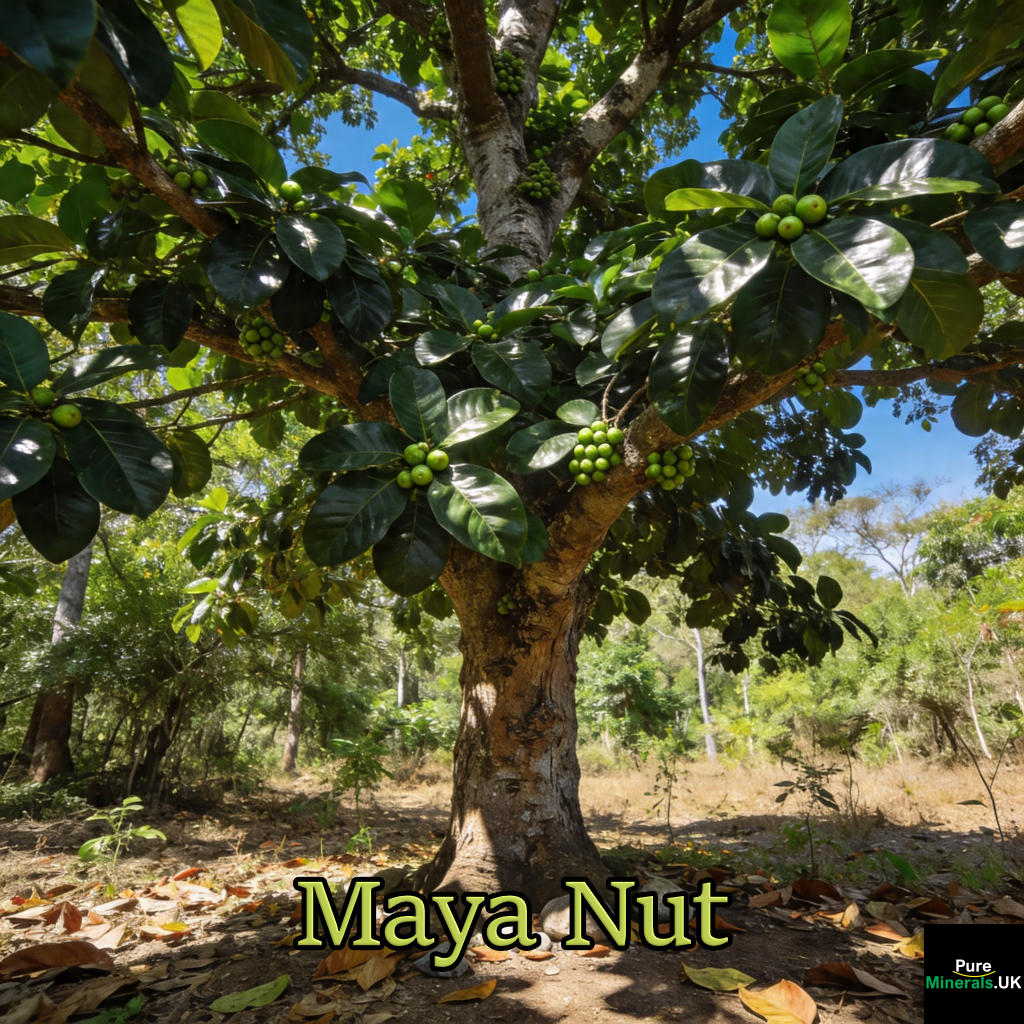
“Breadnut” also refers to the Mayan breadnut (Brosimum alicastrum), a completely different plant from Central America known as the Maya nut or ramón, which is also a nutritious, starchy nut.
Health Benefits Backed by Research
The traditional use of breadnuts across tropical cultures has given researchers a compelling starting point. While the science is still developing, several evidence-backed benefits are already emerging — particularly around inflammation and metabolic health.
Anti-Inflammatory and Antioxidant Properties
Breadnuts contain vitamin C and other bioactive compounds that act as antioxidants — neutralizing free radicals that contribute to cellular damage and chronic disease. Chronic low-grade inflammation is now recognized as an underlying factor in conditions ranging from heart disease to type 2 diabetes, and antioxidant-rich foods like breadnuts are increasingly seen as a frontline dietary defense.
Potential Role in Blood Sugar Management
Research cited by Bawa and Webb in Tropical Agriculture (2016) noted that, despite not providing exhaustive botanical data, available evidence suggests breadfruit — and by extension, breadnuts — may have the potential to help prevent type 2 diabetes. The mechanism is tied largely to the high fiber content slowing glucose absorption and reduces post-meal blood sugar spikes. This is not a replacement for medical treatment, but for health-conscious individuals managing blood sugar through diet, breadnuts are a worthwhile addition to the plate.
Culinary Uses of Breadnuts Across Cultures
Breadnuts have never been a one-trick ingredient. Across the Caribbean, West Africa, and the Pacific Islands, cooks have found dozens of ways to work them into daily meals — each culture bringing its own techniques, flavor pairings, and culinary traditions to the table. What makes breadnuts particularly valuable from a culinary standpoint is their neutral, starchy base that absorbs spices, fats, and aromatics exceptionally well.
Like breadfruit, breadnuts sit in that useful culinary middle ground between a vegetable and a grain. They can anchor a savory dish the way a potato would, or be ground down into flour and used as a baking base. That flexibility is rare in the plant world, and it’s a big part of why breadnuts have remained a dietary cornerstone in tropical regions for thousands of years.
Outside the tropics, breadnuts are beginning to attract attention from chefs and food writers interested in heritage ingredients and alternative starches. They fit neatly into the growing movement around whole foods, sustainable eating, and gluten-free cooking — without requiring any artificial reformulation or processing to get there.
Traditional Cooking Methods: Boiling, Roasting, and Grinding
The three most common traditional preparation methods for breadnuts are boiling, roasting, and grinding. Boiling is the most straightforward — the seeds are simmered until soft and served as a side dish, much like boiled potatoes or cassava. Roasting brings out a nuttier, deeper flavor profile and creates a slightly firmer texture that holds up well in mixed dishes. Grinding dried breadnuts into a coarse meal or fine flour opens up an entirely different category of applications, from flatbreads to porridges. In parts of the Caribbean, roasted breadnuts are also eaten as a standalone snack — salted and served warm, similar to roasted chestnuts.
Breadnut Flour as a Gluten-Free Alternative
Breadnut flour is quietly becoming one of the more exciting developments in the gluten-free food space. Research published in PLoS ONE by Liu et al. (2020) confirmed that breadfruit-derived flour is not only gluten-free but also more digestible than conventional wheat flour — a meaningful advantage for anyone with celiac disease or non-celiac gluten sensitivity.
The flour has a mild, slightly sweet flavor that works well in both savory and sweet applications. It can substitute for wheat flour in flatbreads, pancakes, muffins, and coating batters. Unlike many gluten-free flours that require extensive blending with starches and gums to achieve the right texture, breadnut flour performs well on its own in many recipes.
From a food security perspective, breadnut flour is also significant because it can be produced locally in tropical regions without expensive processing equipment, reducing dependence on imported wheat flour. The Breadfruit Institute at the National Tropical Botanical Garden in Hawaii has been a leading voice in promoting breadfruit and breadnut flour as a practical, nutritious alternative for modern food systems.
Savory Dishes and Stews That Feature Breadnuts
Breadnuts find their most flavorful expressions in hearty, savory dishes. Popular preparations include breadnut curry, breadnut cooked in coconut cream, and breadnut chowder — dishes that showcase how well the ingredient absorbs bold flavors while contributing its own starchy body to a meal.
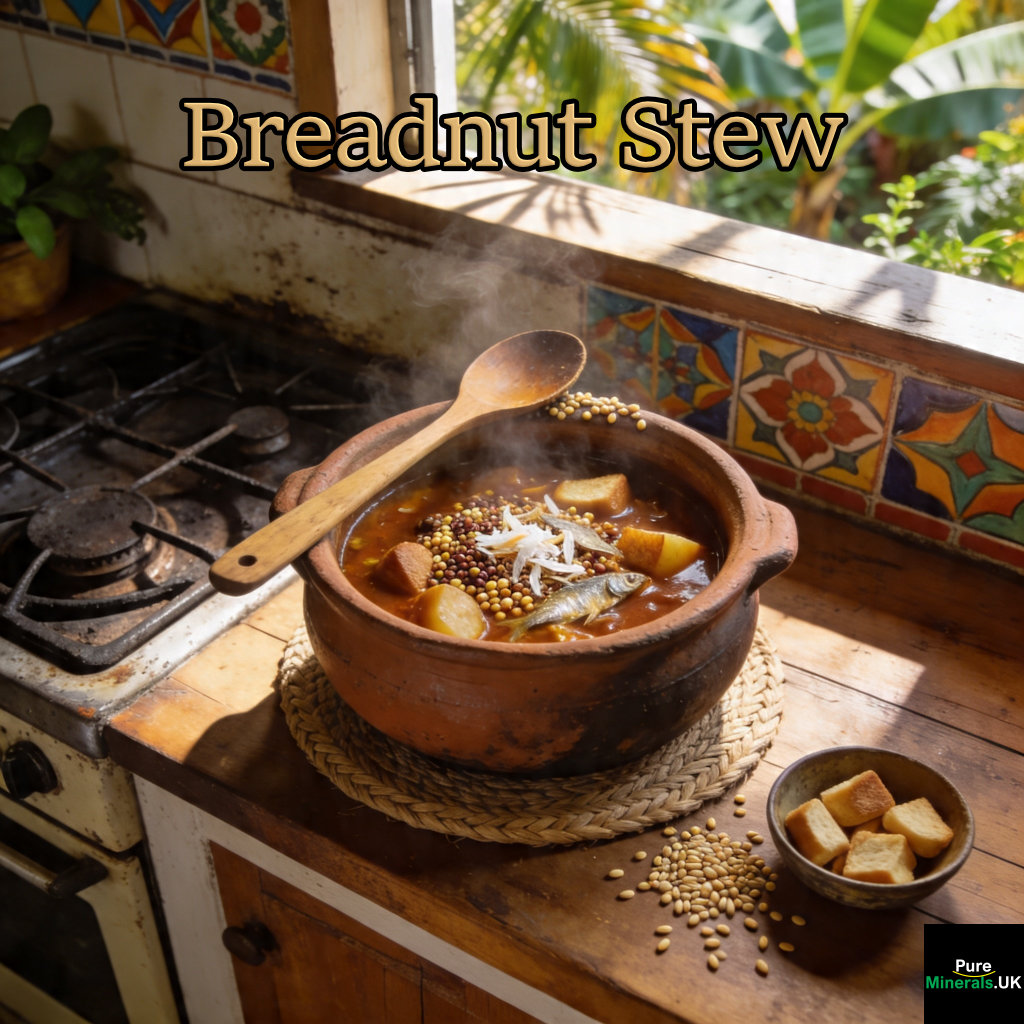
In some Caribbean traditions, breadnuts are folded into stews alongside sorghum, salted fish, or corned beef, creating a protein-rich, filling one-pot meal.
They also work beautifully when sliced and pan-fried in a light oil until golden and crisp, or mashed as a base for patties and fritters. The preparation style dramatically changes the texture and flavor experience — making breadnuts one of those versatile ingredients that reward experimentation in the kitchen.
The Traditional and Cultural Value of Breadnuts
Long before breadnuts attracted the attention of nutrition researchers or food trend writers, they were already doing the quiet, essential work of feeding entire communities. Their cultural significance goes far beyond nutrition — they represent food sovereignty, agricultural resilience, and generational knowledge passed down through cooking traditions that stretch back millennia.
Breadnuts as a Staple Crop in Oceania and West Africa
Breadfruit — and the breadnuts found within seeded varieties — has been a primary staple crop in Oceania for thousands of years, according to the National Tropical Botanical Gardens. In Pacific Island communities, the breadfruit tree was so central to survival that entire agricultural systems and cultural ceremonies were built around its seasonal harvests. In West Africa, breadnuts play a comparable role, providing a reliable, calorie-dense food source that grows abundantly with relatively little agricultural intervention.
Historical Role in Food Security for Developing Regions
The breadnut’s contribution to food security is not a historical footnote — it remains an active reality in many parts of the world today. In regions where food access is limited by geography, income, or infrastructure, breadnuts provide a locally grown, nutritionally complete alternative to imported staples like wheat or rice. The Breadfruit Institute has documented how breadnut and breadfruit cultivation can help address chronic food insecurity in tropical developing regions without relying on costly supply chains.
Breadnut vs. Common Staple Crops: A Nutritional Snapshot
Nutrient (per 1 cup serving)
Breadnut/Breadfruit
Calories
227
~177
~206
Carbohydrates
60g
~42g
~45g
Protein
2.4g
~2.3g
~4.3g
Fat
0.5g
~0.2g
~0.4g
Vitamin C
High
Moderate
Negligible
Essential Amino Acids
Yes
Limited
Limited
What the table above makes clear is that breadnuts hold their own — and in several categories, outperform — the staple foods that have largely replaced them in modernized diets. The shift away from breadnuts in many regions has been driven by economic and colonial food system pressures, not by any nutritional shortcoming on the breadnut’s part.
Efforts to revitalize breadnut cultivation are gaining momentum, with organizations like the Breadfruit Institute actively working with Pacific Island and Caribbean communities to reintroduce breadnut-centered food systems as a practical response to both food insecurity and the growing demand for sustainable, locally sourced nutrition.
How to Select, Store, and Prepare Breadnuts at Home
If you’re encountering breadnuts for the first time outside a tropical market, navigating selection and storage can feel unfamiliar. The good news is that once you understand a few key indicators, working with breadnuts becomes straightforward — and the payoff in flavor and nutrition is well worth the small learning curve.
How to Tell When Breadnuts Are Ready to Use
Breadnuts are found inside breadfruit, and their readiness is closely tied to the ripeness stage of the fruit itself. For savory preparations — where you want a firm, starchy texture — choose breadfruit that is still underripe, with a bright green skin and a firm feel when pressed. The seeds inside will be plump and white. For slightly sweeter applications, a more mature fruit with a yellowing skin will yield seeds with a richer, creamier flavor profile.
When purchasing pre-extracted breadnuts at a tropical or specialty market, look for seeds that are uniformly cream-colored without dark spots or shriveled edges. Fresh breadnuts have a clean, mild scent — any sour or fermented smell is a sign they are past their prime and should be avoided. For those interested in exploring other unique seeds, beechnuts offer an interesting alternative with their own distinct flavor and nutritional benefits.
Proper Storage to Maintain Freshness
Fresh breadnuts are perishable and should be treated with the same care as other fresh seeds and legumes. Once extracted from the fruit, breadnuts can be stored in an airtight container in the refrigerator for up to three to five days. For longer storage, boil them first, allow them to cool completely, and then freeze in portioned bags — they’ll keep well for several months and can be pulled out and reheated directly from frozen.
Dried breadnuts and breadnut flour have a significantly longer shelf life. Store both in sealed containers away from direct sunlight and humidity. Breadnut flour stored in a cool, dry pantry can last several months, while refrigerated flour will stay fresh even longer. Moisture is the primary enemy — any clumping in stored flour is a sign that air has gotten in, and the product should be used quickly or discarded.
Simple Preparation Techniques for First-Time Cooks
The easiest entry point for first-time breadnut cooks is a simple boil. Rinse the seeds thoroughly, score the outer skin lightly with a knife, and drop them into salted boiling water for 20 to 30 minutes until fork-tender. At that point, they can be eaten as-is, mashed, sliced, and pan-fried, or folded into a stew. The scored skin peels away easily after boiling, revealing the soft, creamy seed inside.
Roasting is the next technique worth mastering. Place whole or halved breadnuts on a baking sheet, drizzle with a small amount of oil, season with salt, and roast at 375°F (190°C) for 25 to 35 minutes until golden. Roasted breadnuts develop a satisfying firmness on the outside with a soft interior — excellent as a snack or as a side dish alongside grilled proteins and roasted vegetables.
Breadnuts Deserve a Place in the Modern Kitchen
Breadnuts are not a trend — they are a time-tested, nutrient-dense whole food that modern kitchens are only beginning to rediscover. With a macronutrient profile that rivals familiar staples, essential amino acids that most plant foods can’t claim, and a culinary flexibility that spans boiling, roasting, and flour production, breadnuts earn their place on any health-conscious table. The research on blood sugar management, antioxidant activity, and digestive health only strengthens what traditional food cultures have known for centuries. For those interested in exploring other nutrient-dense foods, consider looking into acorns as another traditional staple.
Whether you’re building a gluten-free pantry, exploring heritage ingredients, or simply looking for a new whole food to rotate into your weekly meals, breadnuts are worth seeking out. Start with a simple boil, taste the clean starchy depth they bring to a dish, and go from there — the kitchen applications are practically limitless once you get comfortable with the ingredient.
Important note: Breadnuts
Breadnuts should be properly cooked before consumption, as raw seeds may be difficult to digest. As with all plant foods, they should be introduced gradually if unfamiliar. Individuals with sensitivities to related species should exercise caution. This information is provided for educational purposes and is not intended as medical advice.
Frequently Asked Questions
Below are answers to the most common questions people have when encountering breadnuts for the first time.
Are breadnuts and breadfruit the same thing?
No — breadnuts are the seeds found inside certain varieties of breadfruit (Artocarpus altilis). Breadfruit refers to the entire fruit, while breadnuts specifically refer to the seeds within seeded breadfruit varieties. Not all breadfruit varieties contain seeds, but those that do yield breadnuts, which have their own distinct nutritional profile and culinary uses separate from the flesh of the fruit itself, much like how Brazil nuts are distinct from the fruit they come from.
Can you eat breadnuts raw?
Raw breadnuts are not recommended for consumption. Like many seeds and legumes, breadnuts contain compounds that can cause digestive discomfort when eaten raw. Cooking — whether boiling, roasting, or steaming — breaks down these compounds and makes the nutrients far more bioavailable. Always cook breadnuts before eating them to ensure both safety and optimal digestibility. For a similar reason, beechnuts also require proper preparation before consumption.
Are breadnuts gluten-free?
Yes. Breadnuts and breadnut-derived flour are naturally gluten-free. Research published in PLoS ONE (Liu et al., 2020) confirmed that breadfruit flour — which includes flour made from breadnuts — is not only gluten-free but also more digestible than conventional wheat flour. This makes breadnut flour a strong candidate for anyone managing celiac disease or non-celiac gluten sensitivity who is looking for a whole-food flour alternative with genuine nutritional depth.
What do breadnuts taste like?
Boiled breadnuts have a mild, starchy flavor similar to a cross between a potato and a chestnut — neutral enough to absorb the flavors of whatever they’re cooked with, but with a subtle earthiness of their own. Roasted breadnuts develop a nuttier, more pronounced flavor with a slightly firmer texture. When ground into flour, the taste becomes mild and faintly sweet, making it adaptable for both savory and sweet recipes.
Where can you buy breadnuts outside of tropical regions?
Outside of the Caribbean, Pacific Islands, and parts of West Africa where breadnuts are locally grown, your best options are specialty Caribbean or Asian grocery stores, tropical food markets, and a growing number of online retailers that stock dried or frozen breadnuts. Breadnut flour is also becoming more accessible through health food stores and online platforms, particularly as interest in gluten-free and heritage grain alternatives continues to grow.
If you live near a community with a strong Caribbean, Jamaican, or Pacific Islander population, local markets in those neighborhoods are often the most reliable source for fresh or frozen breadnuts at reasonable prices. Farmers’ markets in tropical U.S. states like Hawaii and Florida may also carry fresh breadfruit with seeds during peak seasons.