

Published: 23 April 2026
This article is periodically reviewed and updated to reflect current scientific understanding by Vic George.
Fact-Checked: 2 other authoritative medical/scientific references. See our Editorial Policy.
What Are Chestnuts and Why Are They Traditionally Important?
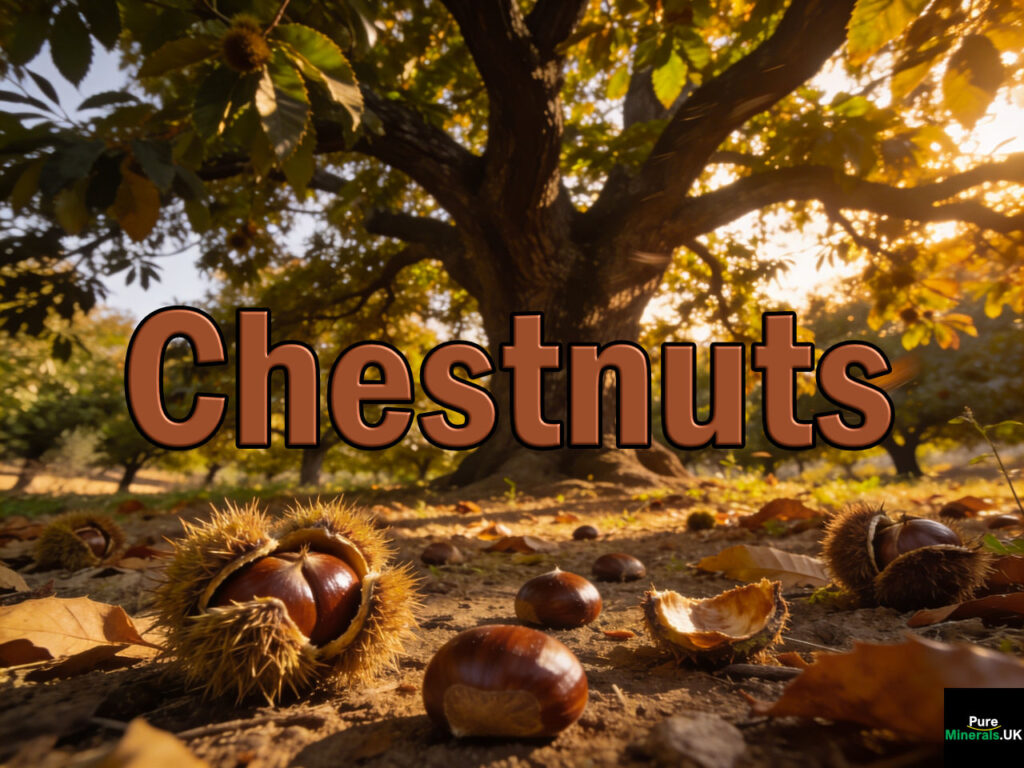
Chestnuts are edible nuts from trees in the genus Castanea, widely used in traditional cuisines due to their distinctive composition, which is higher in carbohydrates and lower in fat than most other nuts.
Definition
Chestnuts are the seeds of chestnut trees (Castanea spp.), enclosed within spiny husks and consumed after cooking.
Extended Definition
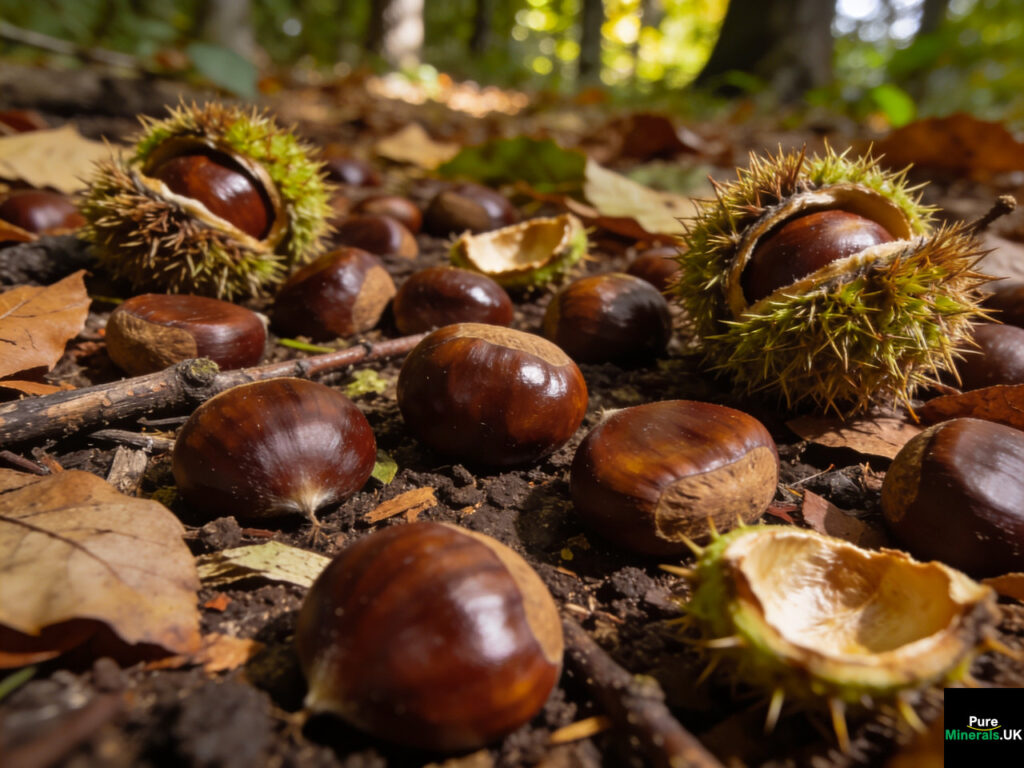
Chestnut trees (Castanea species) are native to temperate regions of the Northern Hemisphere, including Europe, Asia, and North America. The nuts develop inside a spiny outer husk (burr) that splits open when mature, typically revealing one to three glossy brown seeds.
Sweet Chestnuts are harvested in bulk in China, which produces roughly 75% of the world’s total. Other major production hubs are in Italy, Spain, South Korea, and Turkey. Large-scale, industrial harvesting in these regions uses vacuum machinery to collect the fallen nuts from the woodland floor. These pick up the nuts, separate them from their thorny burs, and remove debris. Traditional methods, such as tapping branches and hand-collecting from the ground, are used in smaller or steeper sweet chestnut orchards.
Unlike most culinary nuts, chestnuts have a macronutrient profile dominated by carbohydrates, particularly starch, with relatively low fat content. They also provide dietary fibre and modest amounts of protein. In addition, chestnuts contain micronutrients such as vitamin C, potassium, and small quantities of B vitamins.
Chestnuts are rarely eaten raw due to their firm texture and astringency. Instead, they are typically roasted, boiled, or ground into flour. Cooking softens the starches, resulting in a texture that is often compared to cooked potatoes or bread.
Historically, chestnuts have been an important staple food in parts of Europe and Asia, particularly in mountainous regions where grain cultivation was limited. They have been used in soups, stuffing, desserts, and as baking flour.
Key Facts
- Botanical Name: Castanea spp.
- Plant Type: Deciduous tree (seed/nut)
- Edible Part: Seed (kernel inside the shell)
- Macronutrient Profile: High carbohydrates, low fat, moderate fibre
- Notable Micronutrients: Vitamin C, potassium, B vitamins (modest levels)
- Natural Compounds: Starch, dietary fibre, phenolic compounds
- Typical Preparation: Roasted, boiled, or ground into flour
- Common Uses: Snacks, stuffing, desserts, flour-based dishes
- Taste Profile: Mild, slightly sweet, starchy
- Culinary Status: Widely used in traditional and seasonal cuisines
Article-At-A-Glance
- Chestnuts are the only nuts significantly high in vitamin C, offering 15–45% of your daily intake depending on preparation method.
- A quarter-cup of roasted chestnuts contains just 1 gram of fat, making them dramatically lower in fat than almonds, walnuts, or cashews.
- Two antioxidants in chestnuts — gallic acid and ellagic acid — actually increase in concentration after cooking, which is rare among plant foods.
- Fresh chestnuts are only available in stores from October to December, so knowing how to select and store them matters more than most people realize.
- Chestnuts have a glycemic index of just 54, making them a surprisingly smart carbohydrate choice for blood sugar management.
Most people walk past chestnuts at the grocery store without a second glance — and that’s a mistake worth correcting.
Unlike almonds, walnuts, or cashews, chestnuts behave more like a fruit or a starchy vegetable nutritionally. They’re low in fat, high in complex carbohydrates, and — most unusually for a nut — they contain meaningful amounts of vitamin C. That combination doesn’t exist anywhere else in the nut category. For anyone focused on whole-food nutrition and natural approaches to well-being, chestnuts deserve serious attention.
Chestnuts Are Unlike Any Other Nut You Know
Call them a nut if you like, but chestnuts are nutritionally closer to sweet potatoes than they are to pecans. While most nuts get the majority of their calories from fat, chestnuts are almost entirely carbohydrate-based with barely any fat to speak of. This makes them an outlier — and a genuinely useful food for people looking to diversify their diet without loading up on calories or saturated fat.
Low Fat, High Vitamin C: A Rare Combination in Nuts
A single quarter-cup serving of roasted chestnuts delivers around 88 calories with just 1 gram of fat. Compare that to the same serving size of cashews, which clocks in at roughly 200 calories and 16 grams of fat. The difference is significant. What chestnuts offer instead is a steady supply of complex carbohydrates, dietary fiber, and a nutrient that no other nut can claim in meaningful amounts: vitamin C. Half a cup of raw chestnuts provides between 35 and 45 percent of your recommended daily intake — a figure that rivals many citrus fruits.
Four Species, One Nutritional Powerhouse
There are four primary chestnut species cultivated and consumed around the world: the Chinese chestnut (Castanea mollissima), the Japanese chestnut (Castanea crenata), the European chestnut (Castanea sativa), and the American chestnut (Castanea dentata). Each grows on trees that can live up to 500 years, and all four share a remarkably similar nutritional profile. Most chestnuts sold in U.S. grocery stores are European varieties, primarily grown in Italy, though American chestnut farming is slowly being revived. Regardless of species, the core nutritional benefits remain consistent across the board.
Chestnut Nutrition Facts at a Glance
Chestnuts are dense with micronutrients relative to their modest calorie count. What you get per serving is a well-rounded package of carbohydrates for sustained energy, fiber for digestive support, and a lineup of vitamins and minerals that contribute to cardiovascular, metabolic, and immune health.
Calories, Carbs, and Macros Per Quarter-Cup Serving
Nutrient | Amount (per ¼ cup roasted) |
|---|---|
Calories | 88 |
Protein | 1 gram |
Fat | 1 gram |
Carbohydrates | 19 grams |
Fiber | 2 grams |
Sugar | 4 grams |
Cholesterol | 0 milligrams |
Sodium | 1 milligram |
Vitamins and Minerals Found in Chestnuts
Beyond the macros, chestnuts bring a solid array of micronutrients to the table. Potassium and magnesium are present in notable amounts, both of which play roles in regulating blood pressure and supporting heart rhythm. You’ll also find B vitamins, including folate, which supports cell function and energy metabolism. Vitamin C, as already noted, is the headline micronutrient — and it’s supported by a range of phenolic compounds and antioxidants that contribute to the overall health picture.
How Chestnuts Compare to Other Common Nuts
Nut (¼ cup) | Calories | Fat (g) | Carbs (g) | Vitamin C |
|---|---|---|---|---|
Chestnuts (roasted) | 88 | 1 | 19 | 15–20% DV |
Almonds | ~207 | 18 | 8 | 0% |
Walnuts | ~196 | 20 | 4 | 0% |
Cashews | ~200 | 16 | 11 | 0% |
Health Benefits Backed by Science
The health case for chestnuts isn’t built on one impressive nutrient alone — it’s the combination that makes them stand out. From antioxidant protection to cardiovascular support to gut health, chestnuts cover a wide range of wellness priorities in a single low-calorie, naturally gluten-free package. For a diverse addition to your diet, consider exploring other nuts like Brazil nuts, which offer their own unique health benefits.
Vitamin C Content Drops When Cooked — Here Is How to Preserve It
Raw chestnuts provide the highest vitamin C levels — up to 45% of your daily value per half cup. Boiling or roasting at high temperatures reduces that figure to the 15–20% range, which is still meaningful but worth accounting for. According to research published in Food Chemistry, roasting at lower temperatures helps preserve more of the vitamin C content. Using a food dehydrator is another effective method for drying chestnuts while keeping their vitamin C largely intact. If maximum vitamin C retention is your goal, lower and slower is the rule.
Antioxidants That Actually Increase After Cooking
Most plant foods lose antioxidant activity when exposed to heat, but chestnuts do the opposite. Two key antioxidants found in chestnuts, gallic acid and ellagic acid, actually become more concentrated during cooking. This makes roasted or boiled chestnuts a genuinely powerful antioxidant source, not a compromised one.
Gallic acid has been studied for its role in reducing oxidative stress and supporting cellular health, while ellagic acid is associated with anti-inflammatory activity. Together, they make the case for chestnuts being one of the few foods that genuinely improves its antioxidant profile on the stovetop.
How Chestnuts Support Heart Health
Chestnuts deliver two minerals that matter most for cardiovascular function: potassium and magnesium. Potassium helps regulate blood pressure by counteracting the effects of sodium, while magnesium supports healthy heart rhythm and vascular tone. Research published in Nutrients highlights dietary magnesium as a meaningful factor in reducing cardiovascular disease risk, and chestnuts are a natural, food-based way to contribute to that intake.
The monounsaturated fatty acids found in chestnuts also play a supporting role. While chestnuts are low in total fat, the fat they do contain is largely the heart-healthy unsaturated kind — the same type found in olive oil and avocados. Combined with zero cholesterol and just 1 milligram of sodium per serving, chestnuts are about as cardiovascular-friendly as whole foods get.
Blood Sugar Control and the Glycemic Index of Chestnuts
Chestnuts have a glycemic index of 54, placing them in the low-to-moderate range. Foods at this level are digested more slowly, which means glucose enters the bloodstream gradually rather than in a sharp spike. Their fiber content reinforces this effect by slowing starch absorption in the digestive tract — a meaningful benefit for anyone managing blood sugar levels or working to prevent type 2 diabetes. Despite being carbohydrate-dense, chestnuts are a smarter carb choice than most starchy snack foods by a significant margin.
Gut Health and Digestion Benefits
The dietary fiber in chestnuts supports two key aspects of digestive health: regularity and microbiome diversity. Fiber feeds the beneficial bacteria that live in the gut, helping maintain a healthy bacterial balance that influences everything from digestion to immune response. Two grams of fiber per quarter-cup serving adds up quickly, especially when chestnuts are incorporated into meals rather than eaten as a standalone snack.
Chestnuts are also naturally gluten-free, which makes them a safe and nutritious option for people living with celiac disease or non-celiac gluten sensitivity. Chestnut flour, in particular, has gained traction as a gluten-free baking alternative that brings both flavor and nutritional value to recipes that would otherwise rely on refined wheat flour.
Who Should Be Careful Eating Chestnuts
Raw chestnuts are safe for most healthy adults, but they do contain tannic acid — a naturally occurring compound found in many plants. In large amounts, tannic acid can cause stomach irritation or nausea in sensitive individuals. For most people, this isn’t a practical concern since cooking significantly reduces tannin levels, and most people don’t eat chestnuts raw in large quantities.
People with liver disease or chronic kidney problems should approach raw chestnuts with more caution. The tannin load in raw chestnuts could place additional stress on a liver that is already compromised. Roasting or boiling chestnuts before eating is a simple way to reduce this risk significantly.
It’s also worth noting that while true chestnut allergies are uncommon, people with tree nut allergies should consult a healthcare provider before adding chestnuts to their diet. Cross-reactivity between chestnut and latex has also been documented in medical literature, so individuals with latex allergies may want to exercise caution as well.
How to Buy, Store, and Prepare Chestnuts
Fresh chestnuts have a narrow seasonal window that most people miss entirely. Knowing when to look for them, what to look for, and how to prepare them properly makes all the difference between a pleasant culinary experience and a frustrating one.
When selecting chestnuts, look for ones that feel heavy and firm in the hand with a glossy, unblemished dark brown shell. Any chestnut that rattles when shaken has dried out inside and is past its prime. Avoid shells with visible mold, cracks, or soft spots — these indicate spoilage that has already begun.
When and Where to Find Fresh Chestnuts
Fresh chestnuts are a seasonal food, available in stores from October through December. This is the window when they are at their nutritional peak — highest in vitamin C, lowest in bitterness, and best in flavor. Outside of this period, you’re more likely to find jarred, vacuum-packed, or dried chestnuts, which are still nutritionally useful but different in texture and taste. For those interested in exploring other nut varieties, consider learning about butternuts as well.
In the United States, the majority of fresh chestnuts sold in grocery stores are European chestnuts (Castanea sativa) imported from Italy. Specialty grocers, farmers’ markets, and Asian grocery stores tend to carry a wider variety, including Chinese and Japanese chestnut varieties. A small but growing number of American farms are also producing domestic chestnuts, which are increasingly available at regional farmers’ markets in the fall.
Store fresh chestnuts in the refrigerator in a paper bag or a breathable mesh bag. They will keep for two to three weeks under refrigeration. For longer storage, score the shells and freeze them — frozen chestnuts can last several months and can be roasted directly from frozen with only minor adjustments to cooking time. For those interested in exploring other nuts, you might want to learn more about acorns as an alternative.
5 Simple Ways to Cook and Eat Chestnuts
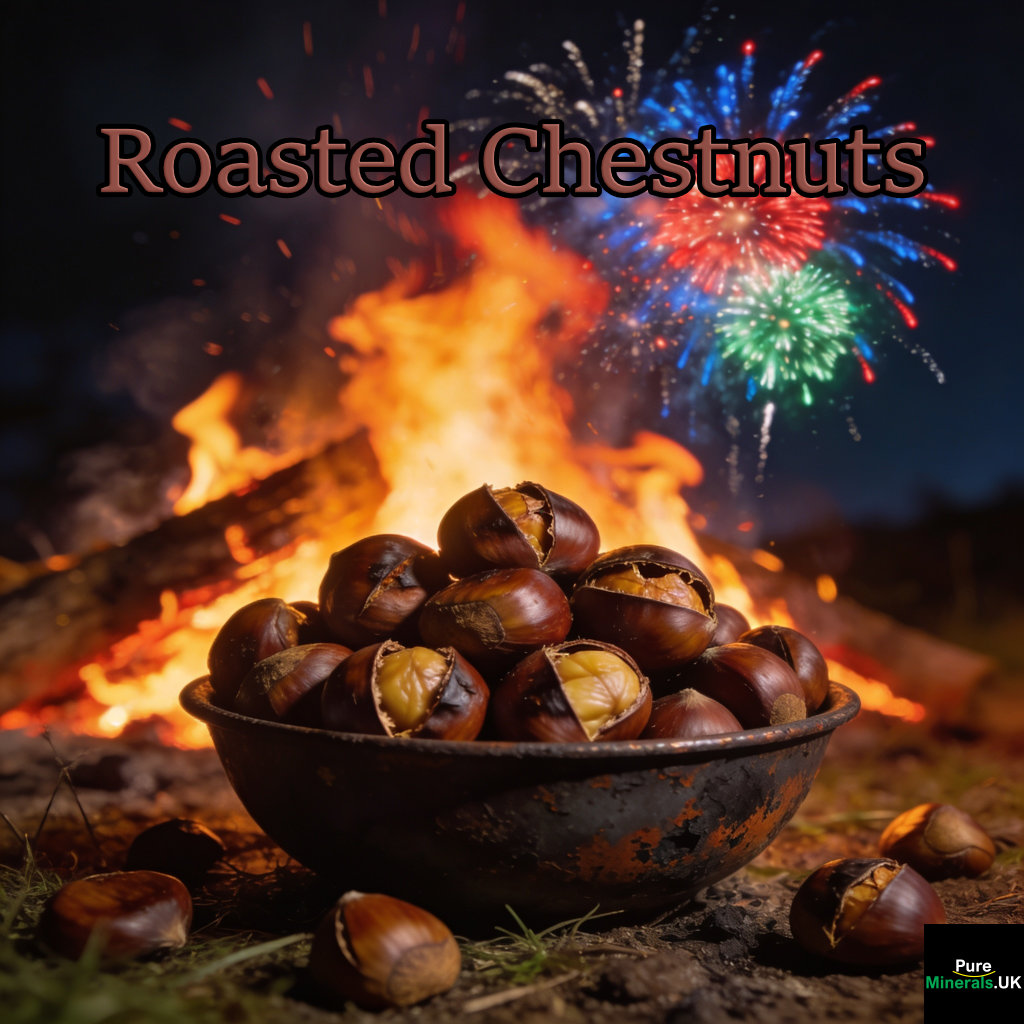
- Roast them whole: Score an X into the flat side of each shell, place on a baking sheet, and roast at 200°C for 20–25 minutes until the shell peels back and the flesh is tender.
- Use them as a salad topper: Roasted chestnuts, roughly chopped, make an earthy, slightly sweet crouton alternative that pairs well with bitter greens and vinaigrette.
- Bake with chestnut flour: Substitute chestnut flour for up to half the flour in pound cake, muffin, or pancake recipes to add a nutty sweetness and a gluten-free nutritional boost.
- Make marron glacé: The classic French preparation of candied chestnuts involves slowly poaching peeled chestnuts in sugar syrup — a labor-intensive but rewarding confection with deep culinary tradition.
- Pair with roasted squash: Sprinkle chopped roasted chestnuts over baked acorn or butternut squash for a seasonal side dish that balances sweet, savory, and earthy flavors naturally.

The Traditional and Cultural Roots of Chestnuts
Long before chestnuts appeared in holiday songs, they were a survival food. For thousands of years, chestnut trees — particularly the European chestnut — formed the nutritional backbone of communities across Southern Europe, Asia, and parts of North America. In regions of Italy, France, and the Iberian Peninsula, chestnut flour was ground and used as a staple grain substitute during lean seasons, earning the tree the nickname “bread tree” in some cultures. The Acta Horticulturae has described chestnuts as a comfort food with deep historical roots in human sustenance.
A Food Source That Has Sustained Civilizations for Thousands of Years
Chestnuts have fed people for thousands of years across Europe, Asia, and North America. In mountainous regions of Italy and France, where wheat was difficult to grow, communities relied on chestnut flour as their primary carbohydrate source for generations. The European chestnut tree (Castanea sativa) was so central to survival in these areas that losing the harvest to disease or weather wasn’t just an inconvenience — it was a genuine food security crisis. This deep historical relationship between humans and chestnut trees is documented in Acta Horticulturae, which describes chestnuts as both a comfort food and a critical sustenance crop across multiple civilizations.
The Near Extinction of the American Chestnut Tree
The American chestnut (Castanea dentata) was once one of the most dominant trees in eastern North America, accounting for roughly one in four hardwood trees in Appalachian forests. Indigenous peoples used chestnuts as a food staple, and early American settlers relied on them heavily for both human consumption and livestock feed. Then, in the early 1900s, a fungal blight introduced from imported Asian chestnut trees swept through the entire American chestnut population. By 1950, an estimated 3 to 4 billion American chestnut trees had been killed — one of the most devastating ecological losses in recorded history. Learn more about the health benefits of chestnuts today.
The American Chestnut Foundation has been working for decades to restore the species through a backcross breeding program that combines the blight resistance of the Chinese chestnut with the genetics of the American chestnut. While full restoration is still ongoing, this effort represents one of the most ambitious tree conservation programs ever undertaken. Small numbers of blight-resistant American chestnuts are beginning to appear in forests and farms, offering a genuine pathway toward recovery for a tree that once shaped an entire continent’s food culture.
Chestnuts Earn Their Place in a Balanced Diet
Chestnuts are not a superfood in the marketing sense of the word — they’re something more grounded than that. They’re a whole, minimally processed food that delivers real nutritional value across multiple health dimensions: antioxidant protection, heart health support, blood sugar moderation, digestive fiber, and meaningful vitamin C content. All of that comes wrapped in a low-fat, naturally gluten-free package with a calorie count that won’t derail any sensible eating plan.
What makes chestnuts especially worth incorporating into a modern diet is their versatility. Whether roasted as a snack, ground into flour for gluten-free baking, tossed into a salad, or paired with seasonal vegetables, chestnuts adapt to a wide range of culinary applications without losing their nutritional integrity. They’re available fresh every autumn, and in preserved forms year-round. For anyone serious about eating in a way that supports long-term well-being naturally, chestnuts are a smart, time-tested addition to the rotation.
Important note: Chestnuts
Chestnuts should be properly cooked before consumption, as raw nuts are firm and less digestible. Only edible chestnut species should be consumed, as horse chestnuts (Aesculus spp.) are toxic and not suitable for eating. Individuals should ensure correct identification when foraging. This information is provided for educational purposes and is not intended as medical advice.
Frequently Asked Questions
Here are answers to the most common questions people have about chestnuts, from safety and dietary compatibility to daily intake and carbohydrate content.
Are chestnuts safe to eat raw?
Raw chestnuts are generally safe to eat for healthy adults, but they contain tannic acid, which can cause stomach upset or nausea in some people when consumed in larger amounts. Cooking — whether roasting, boiling, or dehydrating — significantly reduces tannin levels and makes chestnuts easier to digest. People with liver disease or kidney issues should be particularly cautious with raw chestnuts and are better served by consuming them cooked. For most people, the occasional raw chestnut poses no meaningful risk, but cooked is the preferred and more palatable option.
Are chestnuts gluten-free?
Yes, chestnuts are naturally gluten-free in their whole form. They contain none of the gluten proteins found in wheat, barley, or rye, making them a safe choice for people with celiac disease or non-celiac gluten sensitivity.
Chestnut flour is also gluten-free and has become a popular baking ingredient for those avoiding gluten. It brings a slightly sweet, earthy flavor to baked goods and works well in pound cakes, crepes, pasta, and breads. As with any gluten-free product, it’s worth checking that commercially produced chestnut flour hasn’t been processed in a facility that also handles gluten-containing grains, especially for those with celiac disease who require strict cross-contamination avoidance.
How many chestnuts should you eat per day?
There’s no universal recommended daily serving for chestnuts, but a quarter to half a cup of roasted chestnuts is a practical and nutritionally meaningful amount for most adults. That range provides a solid dose of fiber, a useful contribution of vitamin C and minerals, and a modest calorie count that fits comfortably into most dietary patterns. Because chestnuts are relatively high in carbohydrates compared to other nuts, people tracking carbohydrate intake closely — such as those following a low-carb diet — may want to keep portions toward the lower end of that range.
Do chestnuts have more carbs than other nuts?
Yes, chestnuts are significantly higher in carbohydrates than most other nuts. A quarter-cup serving of roasted chestnuts contains approximately 19 grams of carbohydrates, compared to around 4 grams for walnuts or 8 grams for almonds in a similar serving size. This is because chestnuts are starchy by nature, functioning more like a grain or root vegetable than a traditional fat-based nut.
That said, the carbohydrates in chestnuts come with fiber, a low glycemic index of 54, and a range of micronutrients — which makes them a more nutritionally complete carbohydrate source than most processed snacks. They’re not the right choice for strict ketogenic eating, but for balanced whole-food diets, their carbohydrate content is well within a reasonable range.
Can people with diabetes eat chestnuts?
Chestnuts can be a suitable food choice for people with diabetes when consumed in appropriate portions. Their glycemic index of 54 places them in the low-to-moderate range, meaning they digest more slowly and produce a more gradual rise in blood glucose than high-GI foods like white bread or sugary snacks.
The dietary fiber in chestnuts reinforces this effect by slowing the absorption of starches in the digestive tract, which helps prevent sharp post-meal blood sugar spikes. Both of these factors make chestnuts a more diabetes-friendly carbohydrate option compared to many alternatives.
That said, chestnuts are still a carbohydrate-dense food, and portion control matters. A quarter-cup serving is a reasonable starting point for blood sugar management. People with diabetes should monitor their individual glucose response, as everyone’s metabolic reaction to food varies. Working with a registered dietitian or healthcare provider to determine the right portion size within a balanced meal plan is always the most personalized and effective approach.
Chestnuts have been a staple in various cultures for centuries, prized for their sweet flavor and versatility in cooking. They are often roasted, boiled, or used in desserts, adding a unique taste and texture to dishes. In addition to their culinary uses, chestnuts are valued for their nutritional benefits, being a good source of vitamins and minerals. Unlike many other nuts, chestnuts are low in fat and high in carbohydrates, making them a unique addition to the nut family. For those interested in exploring other unique nuts, breadnuts offer an interesting alternative with their own distinct flavor and uses.