

Published: 28 April 2026
This article is periodically reviewed and updated to reflect current scientific understanding by Vic George.
Fact-Checked: 1 other authoritative medical/scientific reference. See our Editorial Policy.

What Are Macadamia Nuts and Why Are They Valued?
Macadamia nuts are edible seeds from trees in the genus Macadamia, known for their high fat content, smooth texture, and mild, buttery flavour. They are widely regarded as a premium nut in culinary use.
Definition
Macadamia nuts are the seeds of Macadamia species, particularly Macadamia integrifolia and Macadamia tetraphylla, enclosed in a hard shell and consumed as food.
Extended Definition
Macadamia trees are native to Australia and produce round, hard-shelled seeds with a creamy-white kernel. The two main edible species, Macadamia integrifolia and Macadamia tetraphylla, are cultivated in various tropical and subtropical regions worldwide.
Nutritionally, macadamia nuts are among the highest-fat nuts, with a composition dominated by monounsaturated fatty acids, particularly oleic acid. They also contain small amounts of polyunsaturated fats, minimal carbohydrates, and moderate protein levels.
In terms of micronutrients, macadamias provide manganese, magnesium, and small amounts of B vitamins. They also contain plant compounds such as phytosterols and phenolics, contributing to their overall nutritional profile.
Their smooth, buttery texture and mild flavour make them suitable for a wide range of culinary applications, including snacks, confectionery, baked goods, and savoury dishes. They are also used to produce macadamia oil, valued for its stability and flavour.
Key Facts
- Botanical Name: Macadamia integrifolia, Macadamia tetraphylla
- Plant Type: Evergreen tree (seed/nut)
- Edible Part: Seed (kernel inside the shell)
- Macronutrient Profile: Very high fat, low carbohydrates, moderate protein
- Notable Micronutrients: Manganese, magnesium, B vitamins (modest levels)
- Natural Compounds: Monounsaturated fatty acids, phytosterols, phenolics
- Typical Preparation: Consumed raw, roasted, or processed into oil
- Common Uses: Snacks, baking, confectionery, cooking oil
- Taste Profile: Rich, buttery, mild
- Culinary Status: Widely consumed; premium nut
Key Takeaways
- Macadamia nuts deliver an impressive nutritional profile — rich in monounsaturated fats, dietary fiber, manganese, thiamine, and copper — making them among the most nutrient-dense nuts available.
- Two edible species exist — Macadamia integrifolia (smooth-shelled) and Macadamia tetraphylla (rough-shelled) — each with distinct characteristics but similar nutritional value.
- Heart health is one of the biggest benefits — research from the Pennsylvania State University Department of Nutritional Sciences found that one daily serving reduced cholesterol and improved markers of cardiovascular health.
- Portion control matters — a single serving is about 1 to 1.5 ounces (10–12 kernels), and sticking to it helps you enjoy the benefits without excess calorie intake.
- There’s a surprising reason macadamia nuts are better than most nuts for inflammation — and it comes down to their unique omega-6 to omega-3 ratio, which we cover in detail below.
Macadamia nuts are quietly one of the most nutritionally complete foods you can add to your diet — and most people are only scratching the surface of what they offer.
Native to Australia and now cultivated across Hawaii, South Africa, and parts of Latin America, macadamia nuts have earned their reputation as a premium ingredient. But beyond their buttery, rich flavor, the real story is in the nutrition.
The macadamia nut’s creamy white kernel is composed of 65–75% oil and 6–8% sugar, giving it that signature richness. What makes it especially valuable from a nutritional standpoint is the type of fat it contains — primarily monounsaturated fat — combined with a fiber content where over half the carbohydrates come from dietary fiber. That combination is rare in the nut world.
Two Species, One Delicious Nut
Not all macadamia nuts are the same. There are several species within the Macadamia genus, but only two are cultivated for eating. The rest are either inedible or outright toxic, which makes knowing the difference more than just botanical trivia.
Macadamia integrifolia: The Smooth-Shelled Species
Macadamia integrifolia is the more commercially dominant of the two edible species. It produces a smooth-shelled nut with a milder, creamier flavor profile and is the primary variety grown in Hawaii and large-scale commercial operations globally. Its consistent kernel size and flavor make it the preferred choice for confectionery, baking, and snacking applications.
Macadamia tetraphylla: The Rough-Shelled Species
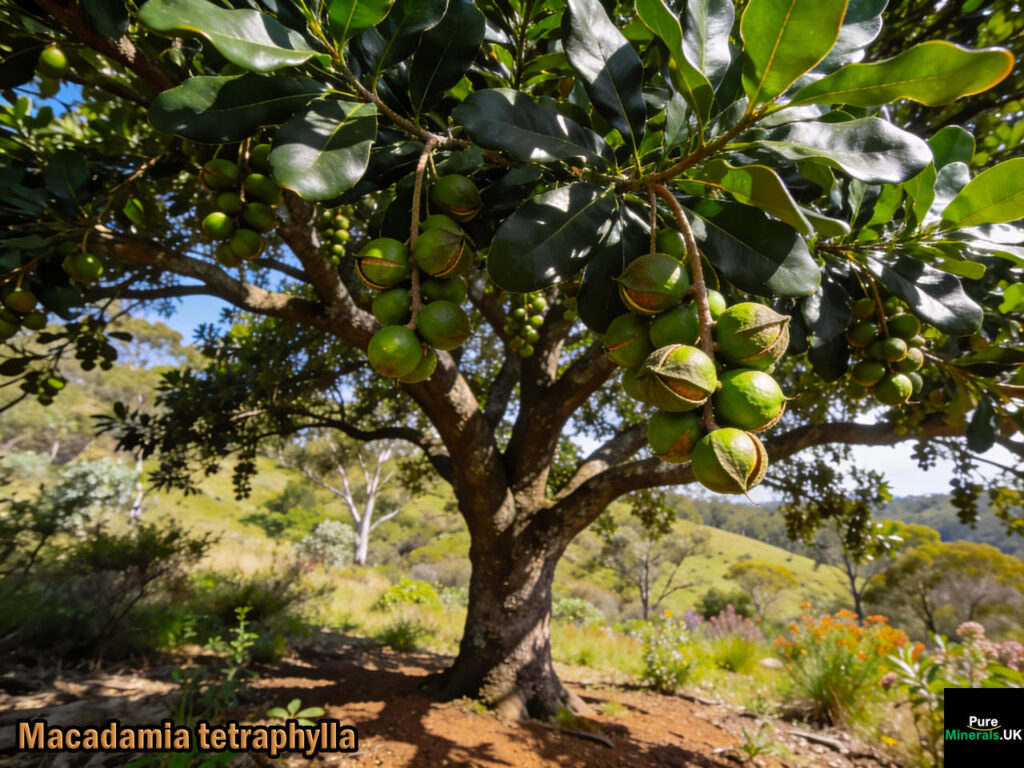
Macadamia tetraphylla, the rough-shelled species, has a slightly more complex, nuttier flavor compared to its smooth-shelled counterpart. The shell has a distinctly ridged, textured surface. This species is more commonly found in subtropical growing regions and is often used in artisan and specialty food production where its stronger flavor adds depth.
Natural Hybrids Where the Two Species Meet
In regions where both species grow in proximity, natural hybridization occurs. These hybrid macadamias can display characteristics of both parent species — shell texture, flavor complexity, and even minor variations in fat and sugar content. While they’re less common in mass commercial production, hybrid varieties are increasingly interesting to specialty growers and culinary producers looking for unique flavor profiles.
M. integrifolia is native to Queensland, while M. tetraphylla prefers the slightly cooler regions ranging from southern Queensland down into New South Wales.
Macadamia Nut Nutrition Facts
One ounce of raw macadamia nuts — roughly 10 to 12 kernels — delivers a concentrated package of macronutrients and micronutrients that few snack foods can match. The calorie count is higher than that of some other nuts, sitting around 200 calories per ounce, but the nutritional return on those calories is substantial. If you’re interested in comparing macadamia nuts to other nuts, check out the nutritional profile of hazelnuts.
What sets macadamias apart from almonds, cashews, or walnuts isn’t just the fat content — it’s the type of fat and the specific micronutrient density. Manganese, thiamine, and copper are present in amounts that genuinely move the needle on your daily nutritional needs, not just trace amounts that barely register.
Macros: Fat, Protein, and Carbohydrates Per Ounce
One ounce of raw macadamia nuts contains approximately:
- Calories: ~200 kcal
- Total Fat: ~21 grams (predominantly monounsaturated)
- Protein: ~2 grams
- Total Carbohydrates: ~4 grams
- Dietary Fiber: ~2.5 grams (over half the total carb content)
- Sugar: ~1 gram
The fat-to-protein ratio is notably different from almonds or pistachios, which are higher in protein. Macadamias lean hard into healthy fats, making them an excellent fit for low-carbohydrate and ketogenic eating patterns where fat is the primary fuel source. For those interested in exploring other nuts, cashew nuts offer a different nutritional profile.
Key Vitamins and Minerals in Macadamia Nuts
Macadamia nuts are a particularly strong source of manganese, delivering a significant portion of the daily recommended intake per ounce. They also provide meaningful amounts of thiamine (Vitamin B1), copper, magnesium, phosphorus, iron, and folate. Vitamin A is also present, along with a broader range of B vitamins that support energy metabolism and nervous system function.
Monounsaturated Fat Content and Why It Matters
The dominant fat in macadamia nuts is oleic acid — the same monounsaturated fatty acid found in olive oil. This is directly linked to cardiovascular benefits, including reduced LDL cholesterol and improved arterial health. Macadamias also contain palmitoleic acid, a rare omega-7 monounsaturated fat that supports fat metabolism and has been studied for its role in appetite regulation.
Compared to other nuts, macadamias are notably lower in omega-6 polyunsaturated fats. Most Western diets are already heavily skewed toward omega-6 fatty acids, which can promote inflammation when consumed in excess. Macadamias offer a way to increase healthy fat intake without compounding that imbalance — something walnuts and sunflower seeds, for example, cannot claim as readily.
Dietary Fiber Breakdown: Soluble vs. Insoluble
Macadamia nuts contain both soluble and insoluble dietary fiber, and the combination plays a meaningful role in digestive health. The soluble fiber supports the growth of beneficial gut bacteria and helps moderate blood sugar responses after meals. Insoluble fiber, meanwhile, adds bulk and promotes regular bowel movements by moving material efficiently through the digestive tract. For those interested in exploring other nuts with health benefits, hazelnuts also offer a good source of dietary fiber.
Beyond basic digestion, the fiber in macadamia nuts contains complex carbohydrates including lignans, hemicellulose, amylopectins, mucilage, and gums — a diverse fiber matrix that contributes to a prolonged feeling of fullness. This is one of the key reasons macadamias perform well as a satiety-promoting snack despite their relatively small serving size.
Proven Health Benefits of Macadamia Nuts
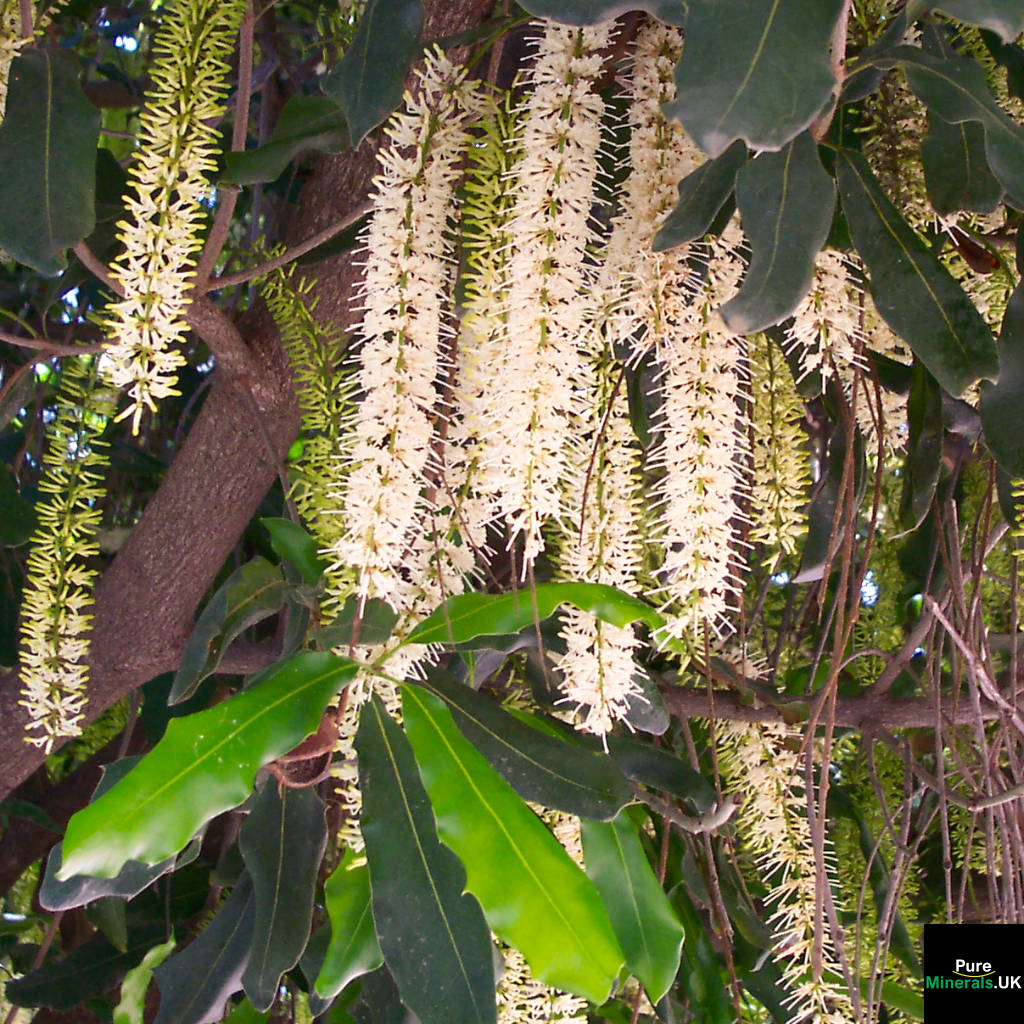
The nutritional profile of macadamia nuts translates directly into measurable health outcomes. From cardiovascular protection to bone mineralization, the specific combination of fats, minerals, and fiber in this nut works through multiple biological pathways simultaneously — which is why research continues to support it as a genuinely functional food, not just a tasty one.
Heart Health: Cholesterol and Triglyceride Reduction
Key Finding: A study conducted by the Pennsylvania State University Department of Nutritional Sciences found that participants who consumed one serving of macadamia nuts per day experienced measurably reduced cholesterol levels and improved markers of heart health compared to a control group that did not consume macadamia nuts.
The mechanism behind this benefit is largely tied to the high oleic acid content in macadamia nuts. Oleic acid — the primary monounsaturated fatty acid in macadamias — has been shown to reduce LDL (low-density lipoprotein) cholesterol while supporting healthy HDL (high-density lipoprotein) levels. This dual action is exactly what cardiovascular health researchers look for in dietary fat sources.
Beyond cholesterol, macadamia nuts support arterial health more broadly. The monounsaturated fats help maintain arterial flexibility and reduce the kind of oxidative stress that leads to plaque buildup. When arteries remain supple and clear, the risk of hypertension and cardiac events decreases meaningfully over time with consistent dietary habits.
It’s also worth noting the omega-6 advantage here. Because macadamia nuts are lower in omega-6 fatty acids than most other nuts, incorporating them doesn’t tip the omega-6 to omega-3 balance further out of proportion. In a diet already heavy in processed foods and vegetable oils, this makes macadamias a smarter fat choice than, say, grabbing a handful of mixed nuts dominated by peanuts or sunflower seeds.
Weight Management: Palmitoleic Acid and Appetite Control
Palmitoleic acid, the omega-7 monounsaturated fat found in macadamia nuts, plays a specific role in fat metabolism that sets macadamias apart from other high-fat nuts. This fatty acid has been studied for its ability to support the body’s natural fat-burning processes while also contributing to satiety signals that reduce overall calorie intake. Combined with the fiber-driven fullness effect, a small serving of macadamias genuinely curbs hunger in a way that processed snacks simply don’t. The key is keeping portions to the recommended 1 to 1.5 ounces — the benefits hold, and the calorie load stays manageable.
Gut Health: How Fiber and Copper Work Together
The soluble fiber in macadamia nuts acts as a prebiotic, feeding beneficial bacteria in the gut microbiome and supporting a healthy digestive environment. This matters beyond just digestion — a well-supported gut microbiome is increasingly linked to immune function, mood regulation, and even metabolic health. The complex carbohydrate fiber matrix in macadamias, including lignans and hemicellulose, provides slow-fermenting fuel for the gut that sustains microbial diversity.
Copper adds another layer to the gut health story. As a copper-rich food, macadamia nuts support the enzymatic processes involved in iron absorption and connective tissue formation in the gut lining. A healthy gut lining is the foundation of proper nutrient absorption — without it, even a nutrient-dense diet fails to deliver its full value. The copper-fiber combination in macadamias supports both the structural integrity of the gut and the microbial environment within it.
Bone Strength: The Role of Manganese and Phosphorus
Macadamia nuts are plentiful in manganese, phosphorus, and magnesium — three minerals that work together in bone and teeth mineralization. Manganese activates enzymes essential for bone matrix formation, phosphorus is a primary structural component of hydroxyapatite (the mineral compound in bone), and magnesium regulates calcium transport into bone tissue. Getting all three from a single whole food source is nutritionally efficient in a way that supplementation rarely replicates.
Metabolic Syndrome Risk Reduction
Metabolic syndrome — the cluster of conditions including high blood pressure, elevated blood sugar, excess abdominal fat, and abnormal cholesterol — is significantly influenced by dietary fat quality. The monounsaturated fat profile of bunya nuts addresses several of these risk factors simultaneously. Regular consumption as part of a balanced diet has been associated with improved insulin sensitivity, reduced triglyceride levels, and better weight distribution, all of which directly counteract the core markers of metabolic syndrome.
How to Use Macadamia Nuts in Your Diet
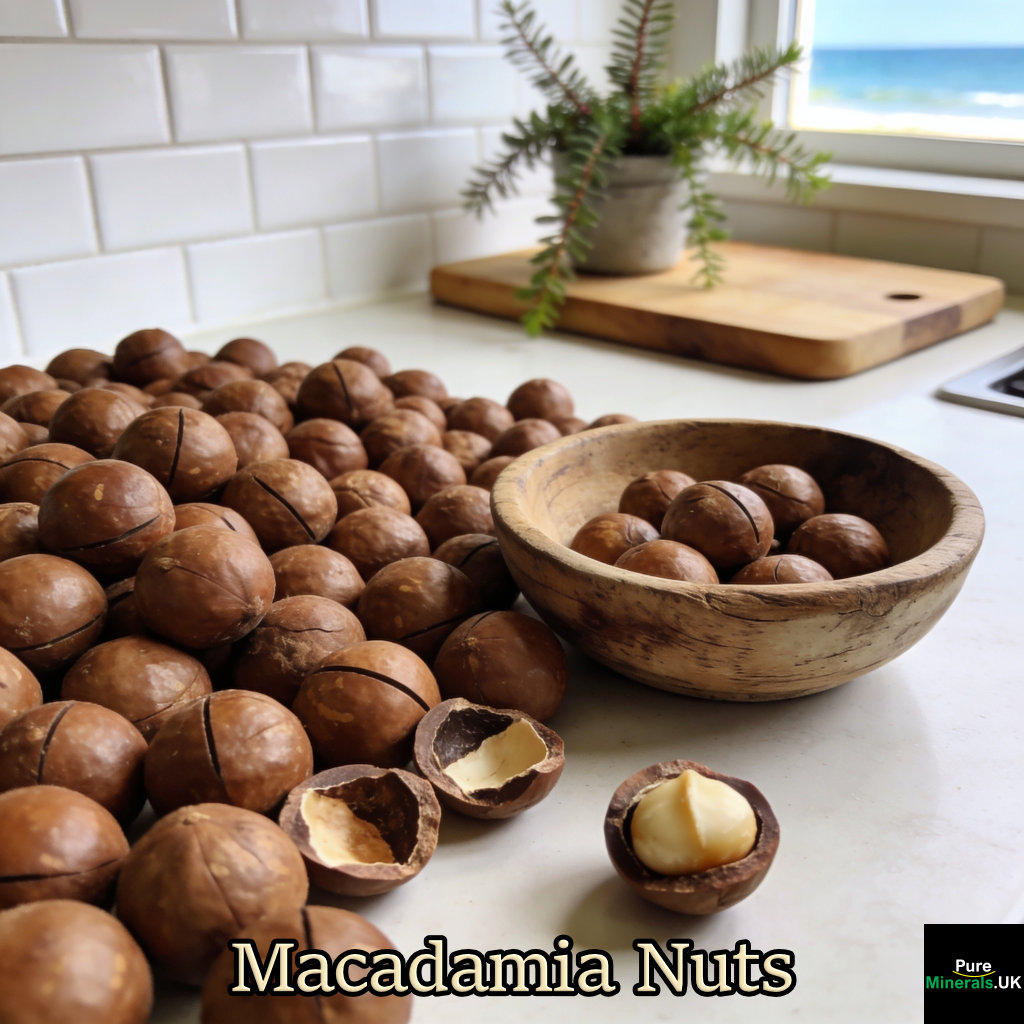
Macadamia nuts are genuinely one of the most versatile ingredients in a culinary toolkit. Their high fat content gives them a richness that works beautifully across sweet and savory applications, and their mild, buttery flavor doesn’t overpower other ingredients — it complements them. Whether you’re working with whole kernels, roughly chopped pieces, or macadamia nut butter, this ingredient rewards creativity.
Before you cook with them, check the ingredients label carefully. Many commercially sold macadamia nuts are coated with excess salt, preservatives, or added oils that diminish their natural flavor and reduce their nutritional value. Raw or dry-roasted macadamia nuts with no additives give you the cleanest flavor and the most nutritional integrity to work with.
Baked Goods and Desserts
The classic application is macadamia nut and white chocolate chip cookies — and for good reason. The buttery crunch of macadamia nuts against the sweetness of white chocolate is one of the more perfect flavor pairings in baking. But the possibilities extend well beyond cookies. Macadamias work exceptionally well in banana bread, pound cake, and shortbread, where their fat content contributes to a tender, moist crumb without making the final product greasy.
In desserts, macadamia nuts are outstanding in tarts and cheesecakes as a base crust component. When ground, they produce a naturally rich, slightly sweet crust that requires very little added butter or sugar to hold together. They’re also excellent candied or caramelized as a topping for ice cream, panna cotta, or chocolate bark — the high oil content means they caramelize evenly and develop a deep, toffee-like complexity without burning quickly.
Breakfast Foods and Snacking
Macadamia nuts bring real textural contrast and lasting energy to breakfast applications. Roughly chopped and stirred into overnight oats or granola, they add a satisfying crunch and a dose of healthy fats that slow the digestion of carbohydrates and keep blood sugar more stable through the morning. They also work well blended into smoothies with coconut milk and banana for a creamy, nutrient-dense start to the day.
As a standalone snack, a small handful of raw macadamias is one of the more satisfying options available — the palmitoleic acid and fiber content both contribute to a genuine sense of fullness. Pair them with a few pieces of dark chocolate or dried mango for a simple, no-prep snack that delivers flavor and nutrition without any processing.
Savory Main Course Applications
Macadamia nuts shine in savory cooking when used as a crust for proteins. A macadamia-crusted mahi-mahi or chicken breast — where the nuts are finely chopped and pressed onto the surface before pan-searing or baking — creates an exceptional textural crust with a natural richness that pairs beautifully with tropical salsas, citrus reductions, or herb sauces. The high fat content in the nuts helps the crust adhere and brown evenly without added oil. For an alternative, consider using candlenuts, which also provide a rich texture and flavor.
They’re also excellent incorporated into grain salads, stir-fries, and pesto variations. A macadamia-basil pesto, substituting macadamias for pine nuts, produces a creamier, slightly sweeter sauce that works on pasta, grilled vegetables, or flatbreads. In Southeast Asian-inspired dishes, whole or halved macadamias add a premium crunch to noodle bowls and salads where their buttery flavor complements the bold acidity and heat of the surrounding ingredients.
How to Store and Roast Macadamia Nuts
Macadamia nuts have a high oil content — 65 to 75 percent by weight — which makes them more perishable than lower-fat nuts like almonds or peanuts. That fat is exactly what makes them taste so good, but it also means improper storage leads to rancidity faster than you might expect. Getting storage right is the difference between a nut that tastes rich and buttery and one that tastes stale and bitter.
Best Storage Conditions to Extend Shelf Life
At room temperature in an airtight container, raw macadamia nuts will stay fresh for about one to two weeks. Move them to the refrigerator, and that window extends to around three months. For long-term storage, the freezer is your best option — properly sealed macadamia nuts can last up to one year frozen without significant flavor or texture loss. Always store them away from strong-smelling foods, since the high fat content readily absorbs surrounding odors. Glass jars or vacuum-sealed bags outperform standard resealable plastic bags for both air and odor protection.
How to Roast Macadamia Nuts at Home
Dry roasting at home gives you complete control over flavor without the added oils and excess salt that come with most commercial roasted varieties. Spread raw macadamia nuts in a single layer on a rimmed baking sheet and roast at 350°F (175°C) for 10 to 15 minutes, stirring once halfway through. Watch them closely after the 10-minute mark — their high oil content means they go from perfectly golden to over-roasted quickly. Pull them from the oven when they’re a light golden brown and fragrant, then let them cool completely on the pan before storing. The residual heat will continue to deepen the color slightly as they cool.
Risks and Portion Control
Macadamia nuts are genuinely healthy, but their calorie density demands respect. At around 200 calories per ounce, it’s easy to consume several servings without realizing it — especially when eating directly from a bag. The recommended serving size is 1 to 1.5 ounces, which translates to roughly 10 to 12 kernels. Sticking to that range lets you capture the cardiovascular, metabolic, and satiety benefits without pushing your daily calorie intake beyond your goals.
One additional risk worth noting: macadamia nuts are highly toxic to dogs, even in small amounts. If you’re cooking with them at home, keep them well out of reach of pets. For people, macadamia nut allergies do exist, though they’re less common than tree nut allergies to cashews or walnuts. If you have a known tree nut allergy, consult with a healthcare provider before adding macadamias to your diet regularly.
Important Note: Macadamia Nuts
Macadamia nuts are generally safe for human consumption but are highly energy-dense and should be eaten in moderation. Individuals with tree nut allergies should avoid them. Macadamia nuts are toxic to dogs and should be kept out of reach of pets. This information is provided for educational purposes and is not intended as medical advice.
Frequently Asked Questions
Macadamia nuts generate a lot of questions — mostly because people are surprised by how much nutrition is packed into such a small, indulgent-tasting nut. Here are the most common questions answered directly.
Are macadamia nuts healthy to eat every day?
Yes — macadamia nuts are healthy to eat daily when consumed in the recommended serving size of 1 to 1.5 ounces. Daily consumption has been linked to reduced cholesterol, improved heart health markers, and better satiety, as demonstrated in research from the Pennsylvania State University Department of Nutritional Sciences. The key is consistency at a controlled portion, not unlimited snacking.
What is the difference between Macadamia integrifolia and Macadamia tetraphylla?
Macadamia integrifolia is the smooth-shelled species and the dominant variety in commercial production. It has a milder, creamier flavor and is the macadamia you’ll most commonly encounter in stores, chocolate confections, and baked goods. Macadamia tetraphylla is the rough-shelled species, with a more textured shell and a slightly stronger, nuttier flavor profile favored in specialty and artisan food applications.
Both species are nutritionally comparable, and both are safe to eat. The distinction matters more to growers and culinary producers focused on specific flavor outcomes than to the average consumer. Where both species grow in the same region, natural hybridization produces nuts with characteristics of both parent varieties.
How many macadamia nuts should you eat per serving?
A standard serving is 1 to 1.5 ounces of whole macadamia nuts, which equals approximately 10 to 12 kernels. At that serving size, you get around 200 calories, 21 grams of healthy fat, 2.5 grams of dietary fiber, and meaningful amounts of manganese, thiamine, copper, magnesium, and phosphorus.
Eating more than one serving at a time isn’t dangerous, but it does stack calories quickly. Because macadamias are so energy-dense, a second handful adds another 200 calories before you’ve noticed. Measuring your serving — at least initially — helps calibrate what a proper portion actually looks like in your hand.
Are macadamia nuts good for weight loss?
Macadamia nuts can support weight management when eaten in controlled portions. The combination of dietary fiber and palmitoleic acid — the rare omega-7 fatty acid found in macadamias — promotes satiety and supports fat metabolism in ways that help reduce overall calorie intake throughout the day. They’re not a weight loss food in isolation, but as part of a balanced diet, they can replace less nutritious snack options effectively.
The calorie density is the one factor to manage carefully. Because macadamias clock in at around 200 calories per ounce, they can work against weight goals if portion sizes aren’t monitored. Used strategically — as a satisfying snack that prevents overeating later — they’re a smart dietary tool. Used carelessly as a bottomless snack bowl, they add up fast.
Where do macadamia nuts originally come from?
Macadamia nuts are native to Australia, where both edible species — Macadamia integrifolia and Macadamia tetraphylla — grow wild in the subtropical rainforests of Queensland and New South Wales. Indigenous Australians consumed macadamia nuts as a food source long before European botanists formally documented the species in the 19th century.
Commercial cultivation expanded significantly when macadamia trees were introduced to Hawaii in the late 1800s. Hawaii became the world’s dominant macadamia producer for much of the 20th century, and Hawaiian macadamia nuts remain among the most recognized globally. Today, production has expanded to South Africa, Kenya, Australia’s commercial farming regions, and parts of Latin America.
The name Macadamia honors John Macadam, a Scottish-Australian scientist and colleague of botanist Ferdinand von Mueller, who formally named the genus in 1857. Despite the nut’s premium global reputation, its origins are firmly rooted in Australian bush food traditions that predate modern agriculture by thousands of years.
Macadamia nuts, known for their rich, buttery flavor, are not only a delicious snack but also pack a nutritional punch. These nuts are a great source of healthy fats, vitamins, and minerals, making them a popular choice among health enthusiasts.