

Published: 24 April 2026
This article is periodically reviewed and updated to reflect current scientific understanding by Vic George.
Fact-Checked: 3 other authoritative medical/scientific references. See our Editorial Policy.
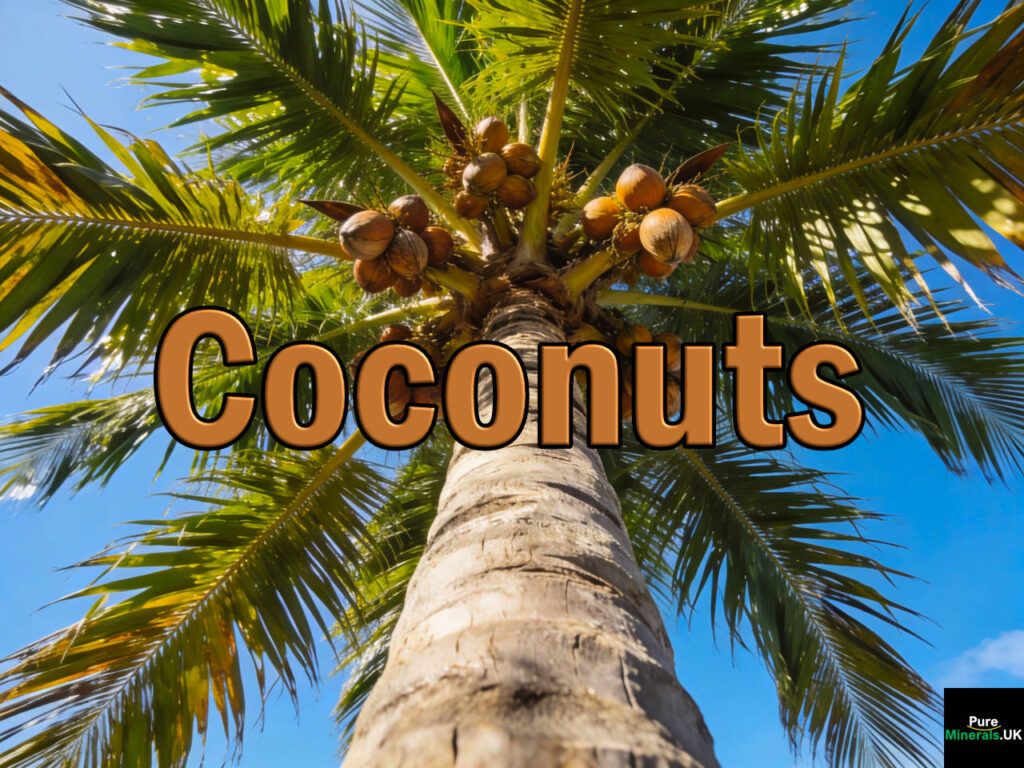
What Are Coconuts and Why Are They Widely Used as Food?
Coconuts are the seeds of the coconut palm (Cocos nucifera), widely consumed in tropical regions in multiple forms, including fresh flesh, milk, and oil. They are valued for their energy content, culinary versatility, and distinctive composition.
Definition
Coconuts are the seed of the coconut palm (Cocos nucifera), consisting of a fibrous outer husk, a hard shell, and an inner edible portion that includes both solid flesh and liquid endosperm (coconut water).
Extended Definition
The coconut palm (Cocos nucifera) is a tropical species cultivated across coastal regions worldwide. The coconut fruit is a drupe rather than a true nut, but it is commonly classified as a nut in culinary contexts. It comprises several layers: a fibrous husk, a hard inner shell, and the edible kernel (copra), along with coconut water contained within the cavity.
Coconuts are unique among commonly consumed “nuts” due to their high saturated fat content, primarily in the form of medium-chain triglycerides (MCTs), such as lauric acid. It also provides dietary fiber and small amounts of protein. Micronutrients include manganese, copper, and iron in modest quantities.
Coconuts can be consumed in several forms, including fresh or dried flesh, coconut milk (produced by pressing grated flesh with water), coconut cream, and coconut oil. These forms are widely used in cooking, particularly in tropical cuisines, where they contribute both flavour and texture.
Coconut water, the liquid inside immature coconuts, is also consumed as a beverage and contains electrolytes such as potassium. The wide range of edible forms contributes to coconut’s importance as a staple ingredient in many traditional diets.
Key Facts
- Botanical Name: Cocos nucifera
- Plant Type: Tropical palm (seed/drupe)
- Edible Part: Flesh (kernel), coconut water, derived products (milk, oil)
- Macronutrient Profile: High fat (primarily saturated), moderate fiber, low protein
- Notable Micronutrients: Manganese, copper, iron (modest levels)
- Natural Compounds: Medium-chain triglycerides (MCTs), phenolic compounds
- Typical Preparation: Fresh, dried, pressed into milk or oil
- Common Uses: Cooking, baking, beverages, oils, dairy alternatives
- Taste Profile: Rich, creamy, slightly sweet
- Culinary Status: Widely used globally, especially in tropical cuisines
Article-At-A-Glance
- Coconut is one of the most nutrient-dense fruits on Earth, packed with healthy fats, antioxidants, and essential minerals like manganese, copper, and selenium.
- The majority of fat in coconut comes from medium-chain triglycerides (MCTs), specifically caprylic acid, lauric acid, and capric acid, which are metabolized differently than most dietary fats.
- Coconut comes in many forms — meat, oil, milk, cream, water, and flour — each with unique nutritional profiles and culinary uses worth understanding before you add them to your diet.
- Raw and dried coconut meat have notable nutritional differences that matter depending on your health goals.
- Despite its many benefits, coconut is calorie-dense and high in saturated fat, so portion awareness is key — keep reading to find out what the research actually says.
Coconut is one of those rare foods that earns its superfood reputation with hard nutritional data to back it up.
Grown across more than 90 countries and used in everything from cooking oils to flour to hydrating beverages, the coconut palm — Cocos nucifera — produces one of the most versatile fruits in the world. For health-conscious readers navigating a crowded wellness landscape, understanding exactly what coconut offers nutritionally is far more useful than the hype alone. Resources have long documented the science behind this tropical fruit, and the evidence is compelling.
Coconut Is One of the Most Nutrient-Dense Fruits on the Planet
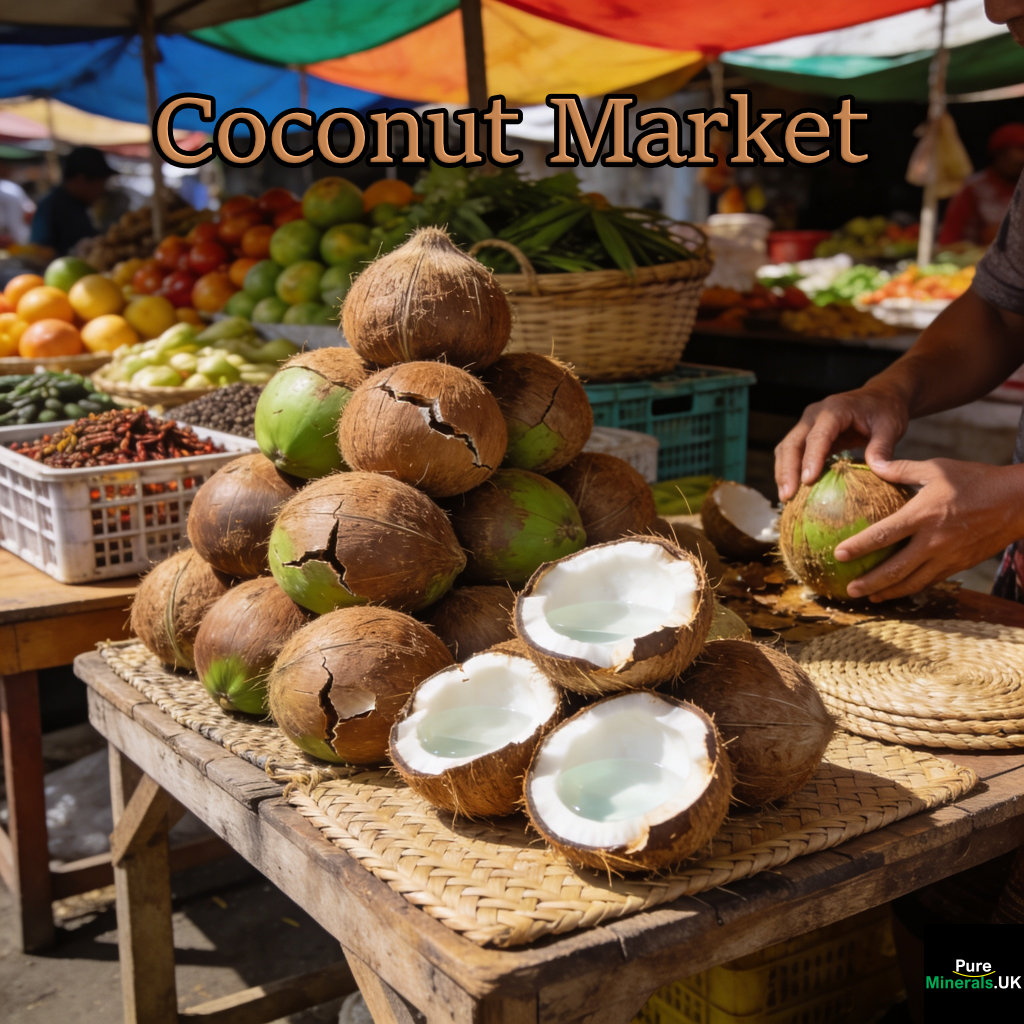
Most fruits get their nutritional reputation from vitamins and carbohydrates. Coconut is different. It is predominantly fat-based, making it more similar in macronutrient composition to animal foods or avocados than to apples or berries. That fat content is not a red flag — it is actually where most of coconut’s most researched health benefits come from.
Coconut is also rich in antioxidants, carries powerful antibacterial properties, and has been studied for its ability to support blood sugar management. It is not a one-trick nutritional pony. From the meat to the water to the oil pressed from its flesh, every part of the coconut delivers something worth paying attention to.
Nutritional Profile of Coconuts
Before diving into specific benefits, it helps to see exactly what you’re getting from eating coconut. One piece of raw coconut meat — approximately 45 grams — delivers a meaningful hit of fat, fiber, and micronutrients in a relatively small serving. The numbers shift significantly when the meat is dried, which concentrates both calories and nutrients.
Macronutrients: Fat, Protein, and Carbohydrates
Unlike most fruits that are carbohydrate-dominant, coconut flips that ratio. Raw coconut meat is high in fat and relatively low in carbohydrates, with a moderate amount of fiber and a small but present protein content. This makes it particularly relevant for low-carb and ketogenic eating patterns, where finding fat-rich whole foods is a priority, similar to cashew nuts.
Key Minerals: Manganese, Copper, Selenium, and Iron
Coconuts are an excellent source of manganese, a mineral critical for bone health, enzyme function, and antioxidant defense. Research published in journals indexed through PubMed supports manganese’s role in maintaining bone density and metabolic function. Beyond manganese, coconut also delivers meaningful amounts of copper, selenium, and iron — micronutrients that support immune health, thyroid function, and red blood cell production, respectively.
Medium-Chain Fatty Acids: Caprylic, Lauric, and Capric Acid
This is where coconut’s nutritional story gets genuinely interesting. The dominant fats in coconut are medium-chain triglycerides (MCTs) — specifically caprylic acid (C8), lauric acid (C12), and capric acid (C10). MCTs are metabolized differently from long-chain fatty acids found in most other fat sources. Rather than being stored, they are rapidly absorbed and converted to energy by the liver, making them a fast-acting fuel source. Lauric acid, the most abundant of the three, also has well-documented antibacterial and antiviral properties.
Raw vs. Dried Coconut Meat: Nutritional Differences
Nutrient | Raw Coconut Meat (100g) | Dried Unsweetened Coconut Meat (100g) |
|---|---|---|
Calories | ~354 kcal | ~660 kcal |
Total Fat | ~33g | ~65g |
Carbohydrates | ~15g | ~23g |
Fiber | ~9g | ~16g |
Protein | ~3g | ~7g |
Source: USDA FoodData Central |
The drying process removes water, which dramatically concentrates every nutrient — for better and worse. Dried coconut delivers nearly double the fiber and fat of raw meat, but also nearly double the calories. If you are snacking on dried coconut, portion size matters more than it does with the fresh variety.
Common Forms of Coconuts and Their Uses
The coconut palm is often called the “tree of life” in tropical cultures — and when you look at how many usable products come from a single fruit, that name starts to make a lot of sense. Each form of coconut has a distinct nutritional fingerprint and serves different purposes in the kitchen and beyond.
Coconut Meat: Fresh vs. Dried
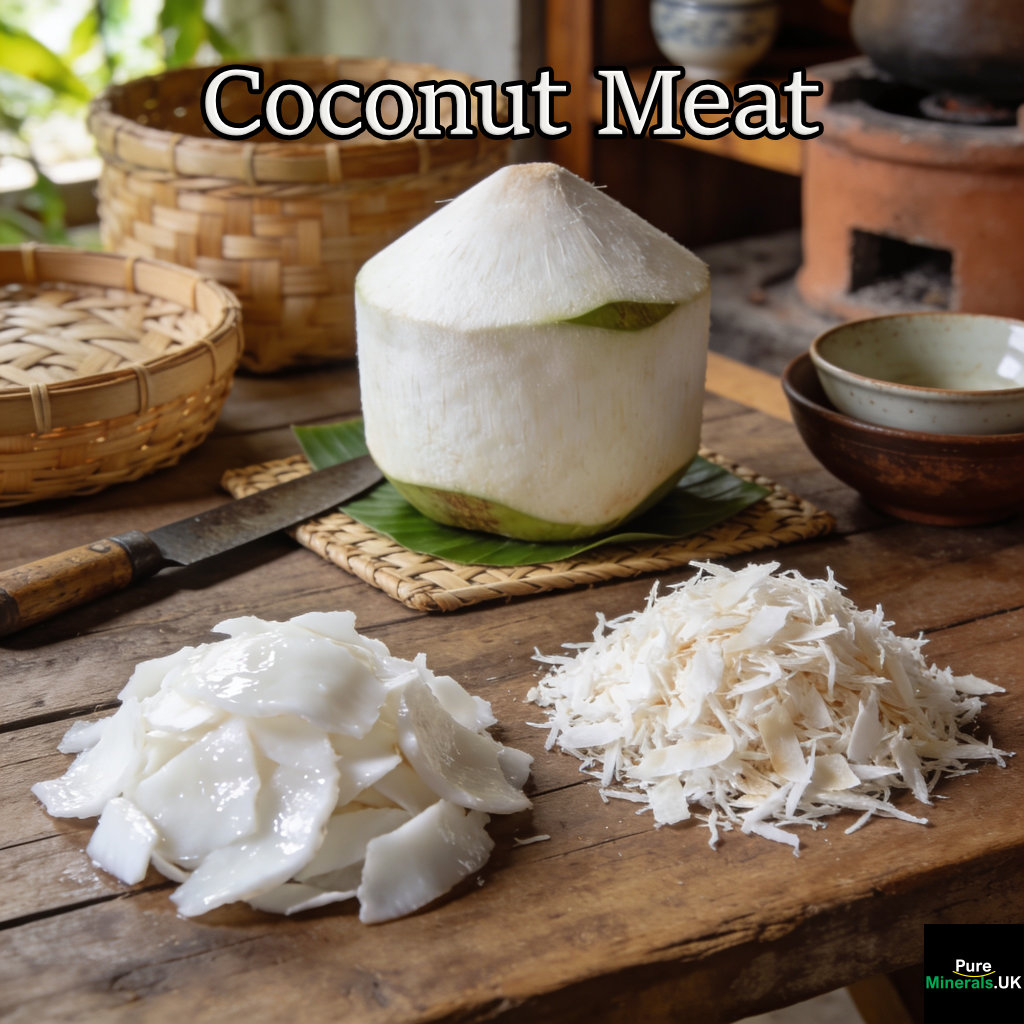
The firm white flesh scraped from inside the coconut shell is the meat. Fresh coconut meat has a moist, chewy texture and a mildly sweet flavor. Dried coconut meat — often sold as shredded or desiccated coconut — is used extensively in baked goods, granola, trail mix, and yogurt parfaits. The drying process intensifies flavor and extends shelf life, but as the table above shows, it also intensifies caloric density.
Coconut Oil
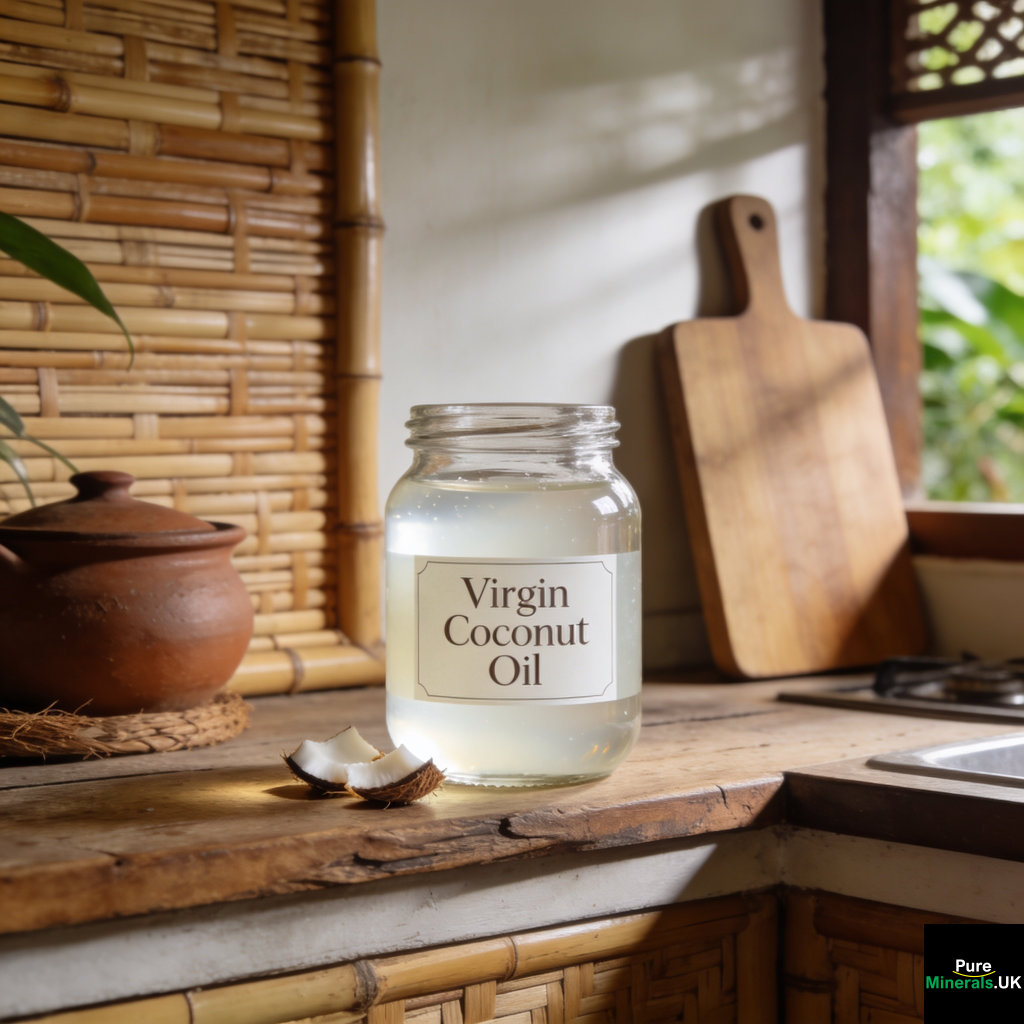
Coconut oil is pressed from the dried meat of the coconut and is composed almost entirely of saturated fat — roughly 90%, the majority of which are MCTs. It has a high smoke point when refined (around 400°F / 204°C), making it stable for cooking at medium-to-high heat. Virgin or unrefined coconut oil retains more of its natural flavor and antioxidants but has a slightly lower smoke point.
It is one of the most widely studied plant-based oils in nutrition research, particularly for its effects on HDL (good) cholesterol and its antimicrobial properties tied to lauric acid content.
- Refined coconut oil: Neutral flavor, higher smoke point, best for high-heat cooking
- Virgin (unrefined) coconut oil: Distinct coconut flavor, retains more antioxidants, better for lower-heat applications or raw use
- Fractionated coconut oil: Liquid at room temperature, caprylic and capric acid concentrated, commonly used in MCT supplements and skincare
Coconut Milk and Cream
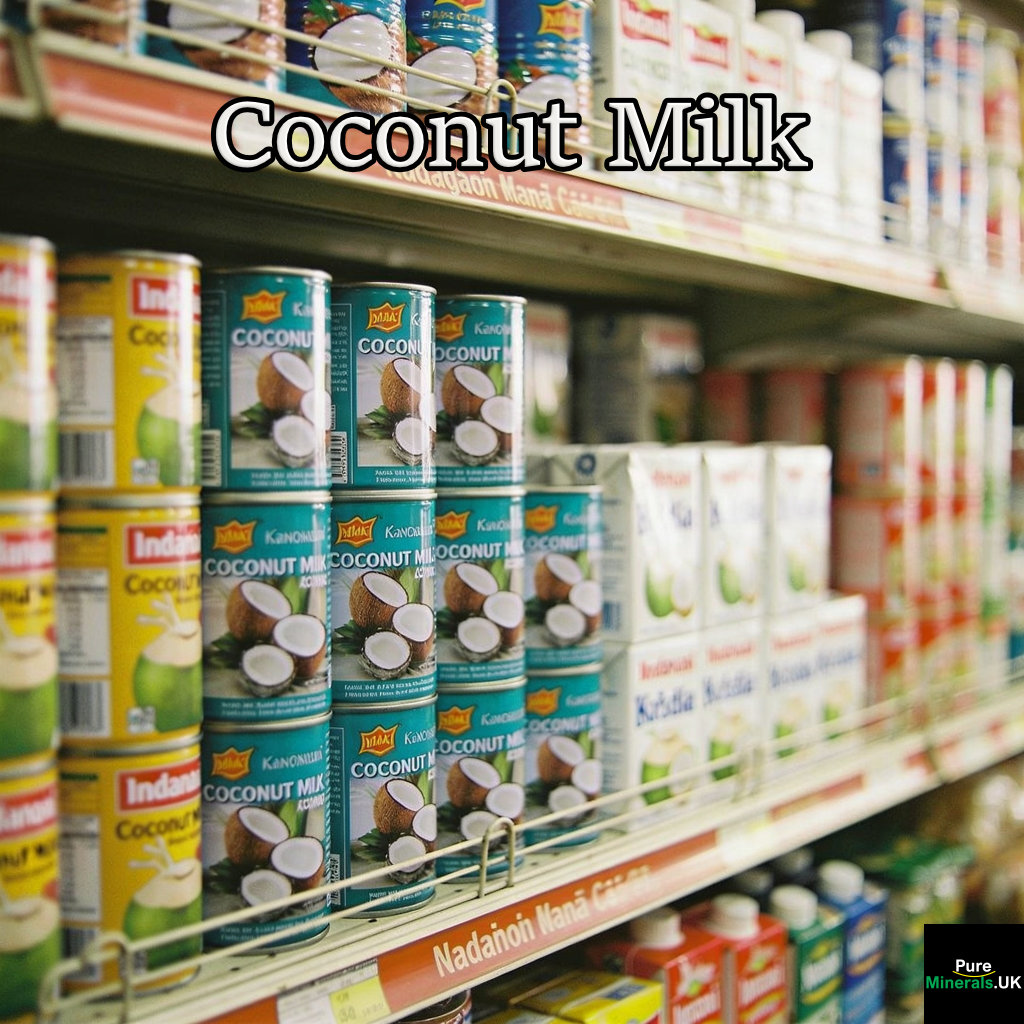
Coconut milk is made by blending coconut meat with water and straining out the solids. It contains natural fatty acids and delivers a rich, creamy texture that works in both sweet and savory cooking. You will find it sold in cans and cartons at most grocery stores, though it can also be made fresh at home. Coconut cream is essentially the same product with less water — thicker, richer, and higher in fat and calories per serving.
Coconut Water
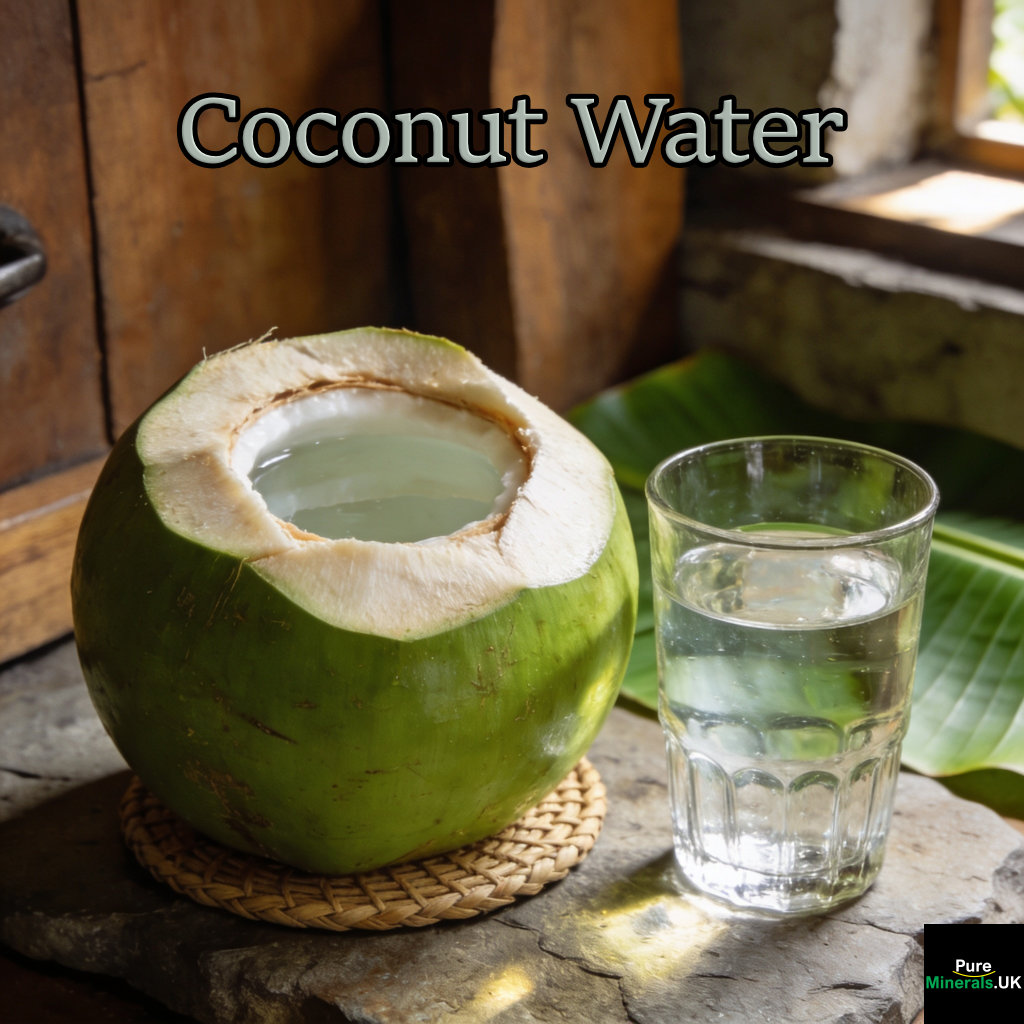
Coconut water is the clear liquid found inside a young, unripe coconut. Unlike the meat and oil, it is very low in fat — approximately 95% water — making it one of the lightest forms of coconut nutritionally. It is naturally rich in electrolytes, particularly potassium, which has made it a popular alternative to commercial sports drinks.
It is worth noting that coconut water is not nutritionally equivalent to coconut milk. They come from the same fruit but serve entirely different purposes. Coconut water hydrates; coconut milk nourishes with fat and calories. Confusing the two in a recipe or nutrition plan leads to very different outcomes.
Coconut Flour
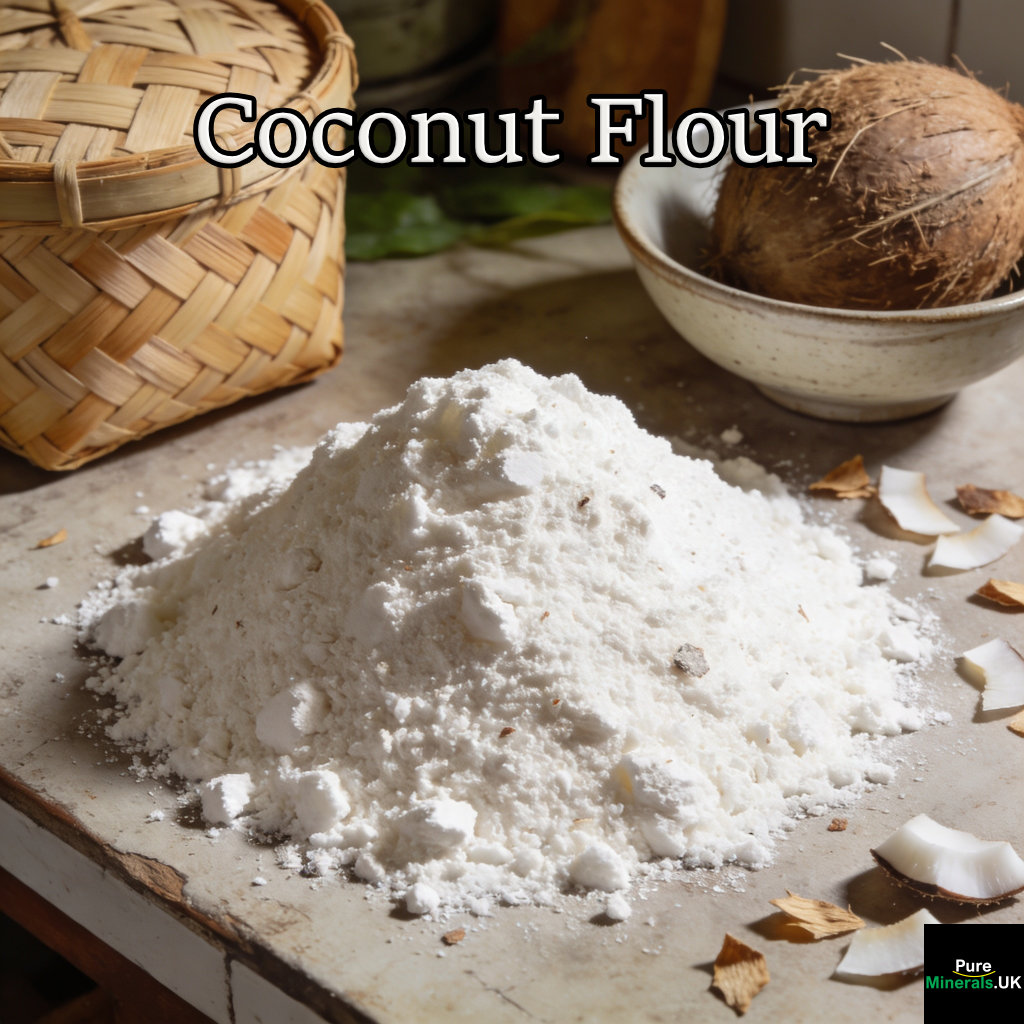
What is coconut flour? Coconut flour is made from dried, defatted coconut meat that has been ground into a fine powder. It is naturally gluten-free, high in fiber, and lower in digestible carbohydrates than wheat flour — making it a staple in paleo, keto, and gluten-free baking.
One of coconut flour’s most notable traits is its extraordinary fiber content. A single 2-tablespoon serving delivers around 5 grams of dietary fiber, which is substantially more than the same serving of all-purpose wheat flour provides. That fiber slows digestion, supports gut health, and contributes to a longer feeling of fullness after eating.
The challenge with coconut flour is that it behaves very differently from wheat flour in recipes. It is highly absorbent — meaning it soaks up significantly more liquid than standard flour. A general rule of thumb is to substitute roughly 1/4 to 1/3 cup of coconut flour for every 1 cup of wheat flour, while also increasing the liquid or egg content in the recipe to compensate.
Despite its quirks, coconut flour has earned a permanent spot in health-conscious kitchens. It works well in pancakes, muffins, bread, and as a coating for proteins before pan-frying. The mild sweetness it carries also means you can often reduce added sugar in baked goods when using it as a base.
Where and How Coconuts Are Produced

The coconut palm is one of the most geographically widespread fruit trees on Earth. Native to the tropical coastal regions of Southeast Asia and the Pacific Islands, it thrives in sandy soils, high humidity, and consistent warmth. Today, it is cultivated in over 90 countries, with the largest producing nations including Indonesia, the Philippines, India, and Brazil.
What makes coconut palms particularly remarkable from an agricultural standpoint is their near-total usability. The fruit, the husk, the shell, the leaves, and even the trunk all serve practical purposes — food, fuel, textiles, and building materials. In many tropical cultures, the coconut palm genuinely functions as a full subsistence resource.
Native Origins: Southeast Asia and the Pacific
Botanists and agricultural historians trace the coconut’s origins to the coastal regions between Southeast Asia and Melanesia. The coconut palm spread naturally across oceanic coastlines through a combination of human transport and the simple fact that coconuts float — their buoyant husks allowed them to drift across ocean currents and take root on new shorelines without any human intervention.
Indigenous communities throughout the Pacific Islands, South Asia, and coastal Africa have cultivated and depended on coconuts for thousands of years. The fruit’s nutritional density, combined with the palm’s adaptability to coastal soils that are too saline for most crops, made it an essential survival crop long before it became a global wellness trend.
Global Cultivation: 90+ Countries
Today, the coconut palm is grown commercially across more than 90 countries spanning the tropics and subtropics. According to research published in peer-reviewed agricultural literature, coconut trees are among the most widespread fruit trees globally, growing naturally in over 200 countries when wild growth is included alongside cultivated crops. The Philippines and Indonesia together account for a significant portion of global coconut production, supplying the majority of the world’s coconut oil and desiccated coconut exports.
Culinary Uses of Coconuts
Few ingredients cross the line between sweet and savory cooking as naturally as coconut. Whether you are using the oil to sear vegetables, stirring the milk into a Thai curry, or baking with the flour, coconut adapts to an enormous range of culinary contexts without losing its nutritional integrity.
Cooking With Coconut Oil vs. Plant-Based Oils
Coconut oil’s high saturated fat content gives it exceptional heat stability compared to polyunsaturated oils like sunflower or flaxseed oil, which oxidize more readily at high temperatures. This makes it a better choice for sautéing, stir-frying, and roasting than many of the plant-based oils marketed as “heart-healthy.” Refined coconut oil, with its smoke point around 400°F (204°C), handles most everyday cooking tasks with ease.
That said, coconut oil is not a one-to-one swap for every oil in every recipe. Its distinct flavor — present in unrefined versions — can overpower delicate dishes. In applications where a neutral fat is needed, refined coconut oil or a combination approach works best. For raw applications like salad dressings or dips, extra virgin olive oil still holds the nutritional edge due to its oleocanthal and polyphenol content. For those interested in exploring other unique oils, you might consider learning about candlenut oil and its uses in culinary applications.
Coconut Flour as a Wheat Flour Substitute
Quick Conversion Guide: When substituting coconut flour for all-purpose wheat flour, use approximately 1/4 to 1/3 cup of coconut flour per 1 cup of wheat flour. For every 1/4 cup of coconut flour used, add 1 extra egg and increase liquid by at least 2 tablespoons to offset its high absorption rate.
Coconut flour is not just a gluten-free alternative — it is a genuinely different ingredient that requires a different approach. Its high fiber content and near-zero gluten structure mean that baked goods made with coconut flour tend to be denser and moister than wheat-based counterparts. For many health-conscious bakers, that trade-off is well worth it.
It performs best in recipes with high egg content, which provides the structural binding that gluten would normally supply. Think dense banana bread, flourless brownies, almond-coconut pancakes, or protein-rich muffins. Recipes specifically developed for coconut flour will always yield better results than attempting a direct substitution in a wheat-based recipe.
From a nutritional standpoint, the benefits are clear. Coconut flour is lower in digestible carbohydrates, significantly higher in fiber, and naturally gluten-free — making it appropriate for people managing blood sugar, following grain-free diets, or dealing with gluten sensitivity or celiac disease.
Coconut Milk in Savory and Sweet Dishes
Canned full-fat coconut milk is one of the most useful ingredients in a health-conscious kitchen. In savory cooking, it forms the base of Thai and Indian curries, acts as a dairy-free braising liquid for proteins, and adds body to soups and stews without requiring cream or butter. Its natural fat content emulsifies smoothly into sauces, giving them a silky texture that is difficult to replicate with lower-fat alternatives.
On the sweet side, coconut milk works exceptionally well in smoothies, overnight oats, chia puddings, and dairy-free ice cream. Chilled full-fat coconut milk separates into a thick cream layer at the top of the can — that cream can be whipped just like dairy cream and used as a topping for desserts, fruit, or hot beverages. It is one of the simplest ways to add richness and healthy fats to a plant-based diet without relying on processed substitutes.
Potential Drawbacks of Coconuts
Coconut earns its place in a health-conscious diet, but that does not mean it is without limitations. Two factors deserve honest attention before you start adding it to every meal: its saturated fat content and its caloric density — particularly in dried form.
High Saturated Fat Content
Coconut oil is approximately 90% saturated fat, which is higher than butter. For decades, saturated fat was categorized as universally harmful to cardiovascular health. The current picture is more nuanced. The saturated fat in coconut is predominantly composed of MCTs — medium-chain triglycerides — which are processed differently by the body than the long-chain saturated fats found in red meat and full-fat dairy. Research has shown that coconut’s lauric acid, in particular, tends to raise HDL (good) cholesterol alongside LDL, which creates a more complex cardiovascular profile than simply labeling it “bad fat.”
That said, people with existing cardiovascular conditions or those whose doctors have specifically recommended limiting saturated fat intake should treat coconut oil and coconut meat with portion awareness. The science is evolving, but it has not fully cleared saturated fat as a free-for-all. Moderation and context — the rest of your overall diet — matter significantly here.
Caloric Density of Dried Coconuts
Dried, unsweetened coconut meat clocks in at approximately 660 calories per 100 grams. That is nearly double the caloric load of raw coconut meat at the same serving size. When dried coconut is used as a snack or added liberally to granola, trail mix, or baked goods, calories can accumulate faster than expected. This is not a reason to avoid it — it is a reason to measure it.
A small handful of dried coconut as part of a balanced meal or snack is a nutritious choice. Eating it by the cup without awareness is where the caloric density becomes a practical issue for weight management. For those interested in exploring other nutritious nuts, check out cashew nuts as a delicious alternative.
Coconuts Belong in a Balanced, Nutrient-Rich Diet
The evidence across the full spectrum of the coconut’s forms — meat, oil, milk, flour, and water — points to a food with genuine, well-documented nutritional value. Its MCT profile supports energy metabolism. Its mineral content covers several micronutrient gaps common in modern diets. Its antibacterial properties, tied largely to lauric acid and caprylic acid, add a functional dimension that few plant foods can match. The fiber in coconut flour and raw meat supports digestive health and blood sugar regulation in ways that make it more than just a source of fat and calories.
Like any whole food, coconut delivers its best results when consumed as part of a varied, nutrient-dense diet — not as a single cure-all. Use coconut oil for high-heat cooking. Add coconut milk to curries and smoothies. Bake with coconut flour when avoiding gluten or refined grains. Snack on raw coconut meat for a satisfying, mineral-rich boost. Each form earns its place at the table when used with intention and portion awareness.
Important note: Coconuts
Coconut and its products are generally well tolerated, but they are high in saturated fat and should be consumed in moderation as part of a balanced diet. Individuals with tree nut allergies may or may not react to coconut, but caution is advised. This information is provided for educational purposes and is not intended as medical advice.
Frequently Asked Questions
Below are answers to the most common questions about coconut’s nutritional profile, its forms, and how it fits into a health-focused diet.
Are coconuts a fruit, a nut, or a seed?
Coconuts are botanically classified as a drupe — a type of fruit with a fleshy outer layer surrounding a hard shell that contains a seed. Depending on the classification system used, it can technically be called a fruit, a nut, and a seed simultaneously. The U.S. Food and Drug Administration classifies coconut as a tree nut for allergy labeling purposes, but botanically it is a fibrous drupe grown on the coconut palm, Cocos nucifera.
Is coconut oil healthy or high in unhealthy saturated fat?
Coconut oil is high in saturated fat — that part is not debated. What is debated is whether the type of saturated fat in coconut oil is harmful in the same way as the saturated fat in processed foods or fatty animal products. The MCTs in coconut oil, particularly lauric acid, have been shown to raise both HDL and LDL cholesterol. Whether that net effect is beneficial or neutral depends significantly on the individual’s overall dietary pattern and cardiovascular health baseline.
For most healthy individuals, using coconut oil in moderation as part of a balanced diet is unlikely to cause harm and may offer distinct benefits over highly processed vegetable oils. It is not a magic health food, but it is a stable, whole-food-derived fat with real nutritional merit when used appropriately.
What is the difference between coconut milk and coconut cream?
Coconut milk is made by blending coconut meat with water and straining the mixture. Coconut cream is produced the same way but with significantly less water, resulting in a thicker, richer, higher-fat product. Full-fat canned coconut milk contains roughly 17–24% fat, while coconut cream can contain 30% fat or more per serving. Coconut cream is ideal for desserts, whipped toppings, and rich sauces where maximum body and richness are needed. Coconut milk is more versatile and better suited to soups, curries, smoothies, and everyday cooking.
How does coconut flour compare to regular wheat flour nutritionally?
Coconut flour has a substantially different nutritional profile compared to all-purpose wheat flour. It is gluten-free, significantly higher in dietary fiber — roughly 5 grams per 2-tablespoon serving — and lower in digestible carbohydrates. It also contains a higher fat content than wheat flour, reflecting its coconut origins. For people managing blood sugar, following a paleo or ketogenic diet, or avoiding gluten due to celiac disease or sensitivity, coconut flour offers clear advantages. The trade-off is in baking behavior: coconut flour absorbs far more liquid than wheat flour and requires recipe-specific adjustments to achieve good results.
Which form of coconut has the most nutritional value?
There is no single “most nutritious” form of coconut — the answer depends entirely on what nutritional goal you are pursuing. Raw coconut meat delivers a balanced combination of healthy fats, fiber, and minerals in a whole-food format. Coconut oil concentrates the MCT benefits and is best for cooking applications. Coconut milk provides fat and flavor versatility. Coconut water is the best option for hydration and electrolyte replenishment. Coconut flour delivers the highest fiber content per serving of any form.
The smartest approach is not to pick one form and ignore the rest. Each version of coconut addresses different nutritional needs. Rotating between them based on your meals, goals, and health context gives you the broadest spectrum of what this remarkably versatile fruit has to offer.
Coconuts are a versatile fruit with a rich nutritional profile, commonly used in a variety of culinary applications. They can be consumed in many forms, such as coconut water, milk, oil, and shredded coconut. The production of coconuts is mainly concentrated in tropical regions, where the climate is ideal for their growth. In addition to their culinary uses, coconuts are also valued for their potential health benefits, including improved heart health and digestion. Similar to Brazil nuts, coconuts are a good source of healthy fats and essential nutrients.