

Published: 20 April 2026
This article is periodically reviewed and updated to reflect current scientific understanding by Vic George.
What Are Butternuts and Why Are They Traditionally Valued?
Butternuts, also known as white walnuts, are edible seeds from the butternut tree (Juglans cinerea). They have been traditionally valued for their mild, slightly sweet flavour and their role as a nutrient-dense food source in North America.
Definition
Butternuts are the edible seeds of the butternut tree (Juglans cinerea), a deciduous species in the walnut family, producing elongated, oil-rich nuts enclosed in a hard shell.
Extended Definition
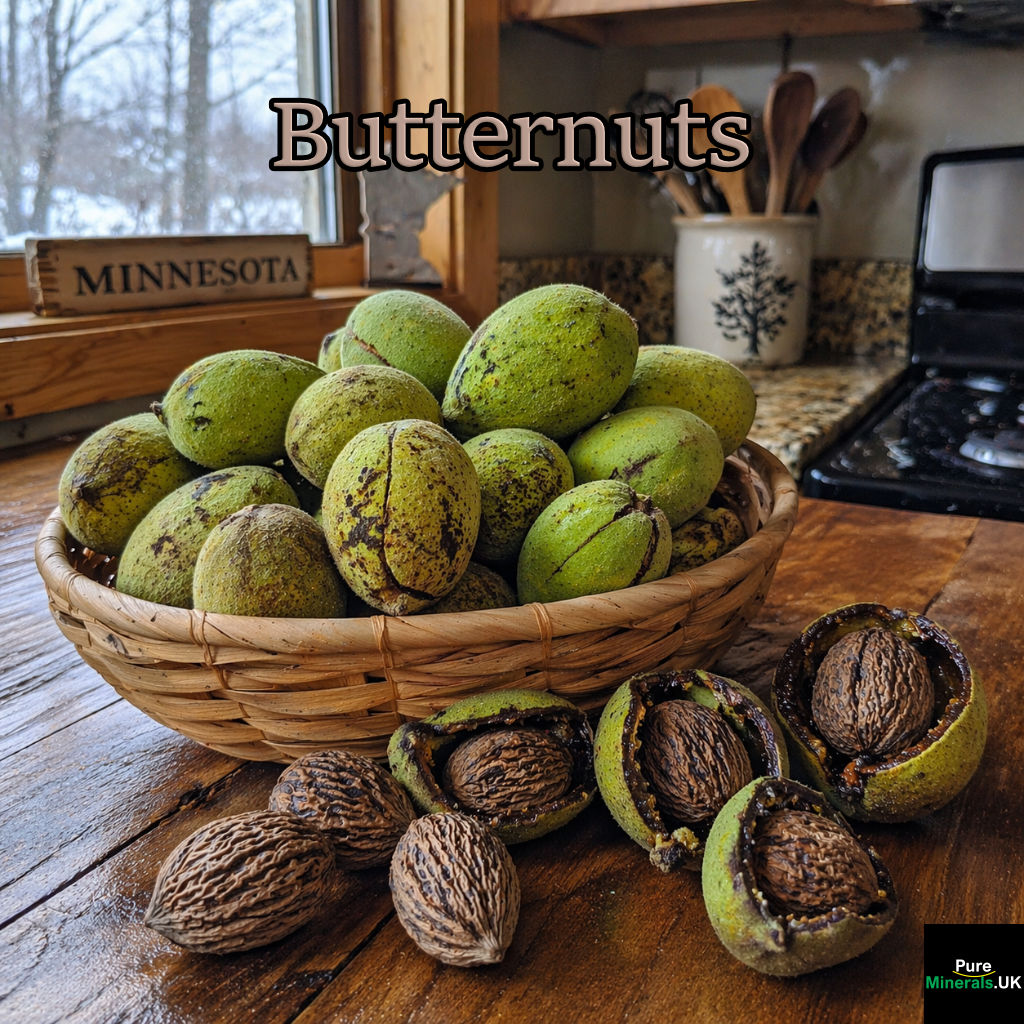
The butternut tree (Juglans cinerea) is native to eastern North America and belongs to the same genus as black walnut (Juglans nigra) and English walnut (Juglans regia). The nuts develop within a green, sticky husk that encases a hard, ridged shell containing the edible kernel.
Compared to black walnuts, butternuts are generally milder in flavour, with a softer, more buttery taste and less astringency. This makes them particularly suitable for culinary use, including baking and confectionery.
Nutritionally, butternuts are rich in fats, primarily unsaturated fatty acids, along with moderate amounts of protein and small quantities of carbohydrates. They also provide micronutrients such as magnesium, phosphorus, and trace amounts of B vitamins. Like other walnuts, they contain plant compounds including polyphenols and phytosterols, which contribute to their overall nutritional profile.
Historically, butternuts were widely used by Indigenous peoples and early settlers, both as a food source and for oil extraction. Although less commercially available today, they remain valued in foraging and traditional food practices.
Key Facts
- Botanical Name: Juglans cinerea
- Plant Type: Deciduous tree (seed/nut)
- Edible Part: Seed (kernel inside the shell)
- Macronutrient Profile: High in fats, moderate protein, low carbohydrates
- Notable Micronutrients: Magnesium, phosphorus, trace B vitamins
- Natural Compounds: Polyphenols, phytosterols, unsaturated fatty acids
- Typical Preparation: Shelled and eaten raw or roasted; used in baking
- Common Uses: Snacks, baked goods, confectionery, oil extraction
- Taste Profile: Mild, buttery, slightly sweet
- Culinary Status: Traditional food; limited modern commercial availability
Key Takeaways
- Butternuts (Juglans cinerea), also called white walnuts, are among North America’s most nutrient-dense native nuts — loaded with healthy fats, protein, and key minerals.
- A single serving of butternuts delivers a significant hit of omega-3 fatty acids, magnesium, and phosphorus, making them a serious contender in the world of functional foods.
- Native Americans relied on butternuts for centuries — not just as food, but as medicine, dye, and a source of rich oil — and that traditional wisdom holds up surprisingly well under modern nutritional science.
- Butternuts are sweeter and oilier than black walnuts, making them more versatile in the kitchen despite being much harder to find in stores.
- The butternut tree is currently threatened by a fungal disease called butternut canker, which means wild harvesting opportunities may be shrinking — making what you learn here more valuable than ever.
The Butternut Nut You’ve Been Overlooking
Most people walk right past butternut trees without a second glance — and that’s a mistake with real nutritional consequences.
The butternut, or white walnut, quietly holds one of the most impressive nutritional profiles of any native North American nut. It’s richer in oil than a black walnut, sweeter than most expect, and packed with the kind of fats and minerals that support everything from heart health to brain function. Yet despite all this, it barely registers in mainstream conversations about superfoods or healthy eating.
Part of the reason butternuts fly under the radar is simple availability — they’re not sitting on grocery store shelves next to almonds and cashews. But for foragers, homesteaders, and anyone serious about eating whole, wild foods, the butternut is a remarkable find. Let’s break down exactly what’s inside one.
What Exactly Is a Butternut?
The butternut is a medium-to-large deciduous tree native to eastern North America, and its nut is one of the most overlooked wild foods on the continent.
Juglans cinerea: The White Walnut Explained
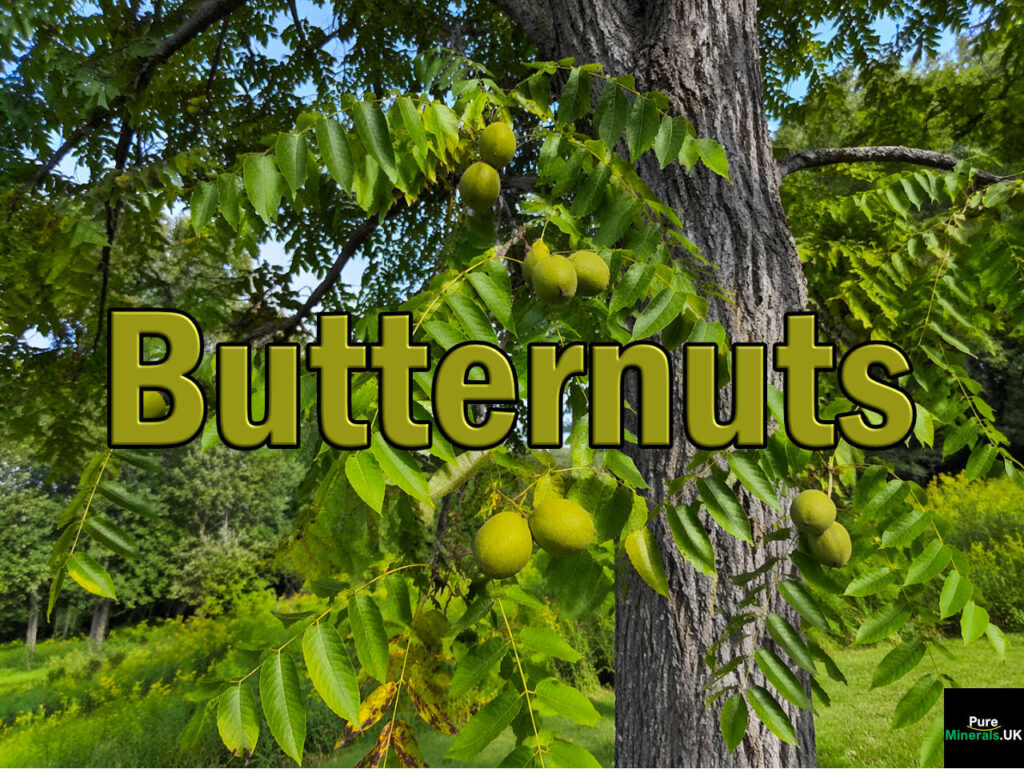
Juglans cinerea, the butternut’s scientific name, places it firmly in the walnut family (Juglandaceae) — the same family that includes pecans (Carya illinoinensis) and black walnuts (Juglans nigra). The tree typically grows 40–60 feet tall and is identified by its light gray bark, which develops distinctive flat-topped ridges as it matures. Its compound leaves carry 11–17 leaflets that are slightly hairy to the touch, and its nuts are elongated and lemon-shaped, encased in a sticky greenish husk that stains anything it touches a deep brown-yellow.
The nut kernel inside is sweet and notably oily — more so than a standard English walnut — with a rich, buttery flavor that earned it the “butternut” name. Native Americans referred to this tree by various names depending on the nation, and early European settlers quickly recognized its value, using it for food, medicine, sap, and natural dye from the husks.
One important distinction: butternut trees are not the same plant as butternut squash. They share a name but are entirely different species — one is a hardwood nut tree, the other is a vine-grown gourd.
How Butternuts Differ From Black Walnuts and English Walnuts
While all three belong to the walnut family, butternuts stand apart in both flavor and form. Black walnuts (Juglans nigra) have a bold, earthy, almost pungent flavor and are much harder to crack. English walnuts (Juglans regia), the most commercially available type, are milder and easier to shell. Butternuts sit between these two worlds — sweeter and more delicate than black walnuts, richer and oilier than English walnuts. Their shells are thick and tough, which makes extraction tricky, but the flavor reward is distinct enough to justify the effort.
Where Butternuts Grow Naturally in North America
Butternut trees thrive across a broad range of eastern North America, from the Canadian Maritime provinces down through New England, the Appalachians, and into parts of the Midwest and upper South. They prefer rich, well-drained soils near stream banks, hillsides, and mixed hardwood forests. Unfortunately, their range has contracted significantly due to butternut canker, a fungal disease caused by Ophiognomonia clavigignenti-juglandacearum, which has decimated wild populations across much of their native habitat.
Butternut Range at a Glance
Region: Eastern North America
Preferred Habitat: Rich, well-drained soils; stream banks; mixed hardwood forests
Native Range: Canadian Maritimes south through Appalachians and into Midwest
Current Threat: Butternut canker (Ophiognomonia clavigignenti-juglandacearum)
Conservation Status: Considered vulnerable; populations declining across much of native range
Finding a healthy butternut tree today is increasingly rare, which makes each harvest — whether wild-foraged or from a cultivated specimen — genuinely valuable.
Butternut Nutritional Profile
What makes butternuts worth the trouble of cracking open is what’s inside — a dense concentration of fats, protein, and micronutrients that few cultivated nuts can match.
Macronutrients: Fat, Protein, and Carbohydrates
Butternuts are a high-fat, moderate-protein nut with very low carbohydrate content, making them well-suited for anyone focused on nutrient density. The fat content is predominantly unsaturated — specifically polyunsaturated fats — which are the types associated with cardiovascular and cognitive health. Their protein content is meaningful for a plant-based source, and their low carb count means they don’t spike blood sugar in the way many snack foods do. Like other members of the walnut family, butternuts are calorie-dense, so a small handful goes a long way nutritionally. For those interested in exploring more about nuts, you might also want to learn about bunya nuts, which offer unique nutritional benefits as well.
Key Vitamins and Minerals in Butternuts
Nutrient | Role in the Body | Butternut Contribution |
|---|---|---|
Muscle function, nerve signaling, energy production | High | |
Bone health, cell repair, energy metabolism | High | |
Blood pressure regulation, heart function | Moderate | |
Immune support, wound healing, hormone balance | Moderate | |
Oxygen transport, energy levels | Present | |
Brain health, neurotransmitter synthesis | Present | |
Carbohydrate metabolism, nerve function | Present |
Magnesium and phosphorus are the standout minerals in butternuts — both critical for energy production, bone integrity, and cellular repair. For anyone eating a whole-food diet focused on mineral density, butternuts punch well above their weight.
Omega Fatty Acid Content
Butternuts are particularly rich in omega-3 fatty acids, specifically alpha-linolenic acid (ALA) — the plant-based precursor to the longer-chain omega-3s found in fish oil. ALA plays a role in reducing systemic inflammation, supporting cardiovascular function, and contributing to brain health over time. Because ALA must be converted in the body to EPA and DHA (the more biologically active forms), it’s not a direct replacement for marine omega-3 sources, but it’s still a meaningful contribution for those relying on plant-based nutrition. The overall fatty acid profile of butternuts leans heavily toward polyunsaturated, with a smaller proportion of monounsaturated fats and minimal saturated fat.
How Butternuts Compare Nutritionally to Other Walnuts
Nut Type | Fat Profile | Flavor | Omega-3 (ALA) | Shell Difficulty |
|---|---|---|---|---|
Butternut (White Walnut) | High polyunsaturated | Sweet, buttery, rich | High | Very hard |
Black Walnut | High polyunsaturated | Bold, earthy, pungent | High | Very hard |
English Walnut | High polyunsaturated | Mild, slightly bitter | High | Moderate |
All three walnut types share a strong omega-3 profile, but butternuts distinguish themselves through their notably sweeter flavor and higher oil content per kernel. That extra oil richness is part of what made them so prized by Indigenous peoples for extracting nut oil — a practice that makes complete nutritional sense given how concentrated those fats are in each kernel.
The comparison also highlights a practical reality: butternuts offer comparable or superior nutrition to English walnuts, but require significantly more effort to access. For those willing to put in the work — or lucky enough to forage them wild — the nutritional payoff is substantial.
Health Benefits of Eating Butternuts
The nutritional profile of butternuts isn’t just impressive on paper — it translates directly into real, measurable benefits for the body when consumed regularly as part of a whole-food diet.
What sets butternuts apart from most other snack nuts is the combination of high-quality fats, meaningful mineral content, and natural plant compounds that work together rather than in isolation. The result is a nut that supports multiple body systems simultaneously — cardiovascular, neurological, and inflammatory — without requiring supplements or processed forms to deliver those benefits.
Heart Health and Healthy Fats
The dominant fat in butternuts is polyunsaturated fat, with a particularly strong showing of omega-3 fatty acids in the form of ALA (alpha-linolenic acid). Diets consistently higher in polyunsaturated fats — and specifically omega-3s — are associated with improved blood lipid profiles, including lower LDL cholesterol and better triglyceride levels. The potassium content in butternuts further supports cardiovascular function by helping regulate blood pressure. Together, these nutritional elements make butternuts a genuinely heart-supportive food, not just a marketing claim.
Anti-Inflammatory Properties
Chronic low-grade inflammation sits at the root of a surprising number of modern health conditions, from joint pain and fatigue to metabolic dysfunction. The omega-3 ALA in butternuts helps counter this by contributing to the body’s anti-inflammatory signaling pathways. Additionally, like other members of the walnut family, butternuts contain juglone — a natural polyphenol compound — along with other antioxidants that help neutralize oxidative stress at the cellular level. While butternuts aren’t a replacement for a broadly anti-inflammatory diet, they are a strong supporting player in one.
Brain and Nervous System Support
Magnesium, vitamin B6, thiamine, and omega-3 fatty acids all converge in butternuts to form a surprisingly solid package of nutrients tied to neurological health. Magnesium plays a direct role in nerve signal transmission and has been studied in relation to mood regulation and cognitive resilience. B6 supports the synthesis of key neurotransmitters, including serotonin and dopamine. ALA contributes to the structural integrity of brain cell membranes over time. Eating butternuts regularly won’t replace a comprehensive approach to brain health, but the nutrient combination they offer is genuinely supportive of nervous system function in a way few single foods can match.
Traditional and Cultural Uses of Butternuts
Long before nutritional science had a name for omega-3 fatty acids or polyphenols, Indigenous peoples and early settlers across North America already understood the butternut’s value — and built practical, multi-layered relationships with the tree that extended far beyond just eating the nut.
The butternut tree was what ecologists might today call a “keystone resource” — a single organism that provided food, medicine, materials, and ecological support simultaneously. Understanding how it was used historically doesn’t just make for interesting reading; it offers genuine insight into why this tree deserves far more attention in modern wellness and foraging communities.
Native American Food and Medicinal Practices
Native American nations across the northeastern and midwestern United States incorporated butternuts into their food systems in sophisticated ways. The nuts were eaten raw, dried for storage, boiled to extract oil, and rendered into a nutritious fat used for cooking and food preservation. The oil extracted from butternut kernels was particularly prized — rich, shelf-stable, and calorically dense enough to be critical for communities navigating cold northern winters.
- Nut oil extraction: Kernels were boiled, and the floating oil was skimmed off and stored — a technique that preserved the fat-soluble nutrients and produced a clean, flavorful cooking oil.
- Medicinal bark use: Inner bark was used as a laxative and for digestive complaints in traditional practice across multiple nations.
- Husk dye: The sticky outer husks were used to produce a yellow-brown natural dye for fabric, baskets, and other materials.
- Sap as sweetener: Like maple, butternut sap was tapped and used as a mild sweetener, though it was less concentrated than maple syrup.
The breadth of these uses reflects a deep, observational knowledge of the tree’s properties — one that modern herbalists and foragers are only now beginning to re-examine through the lens of phytochemistry and nutritional science.
What’s striking is how the traditional uses of butternut align with what we now understand nutritionally. Boiling the nuts to extract oil wasn’t just practical — it was an efficient way to concentrate and access the very polyunsaturated fats that make butternuts nutritionally valuable today.
Early Settler Uses: Syrup, Dye, and Medicine
European settlers who encountered butternut trees in North America quickly adopted many of the same practices they observed from Indigenous communities, while also developing their own applications. The husks were widely used to produce a yellow-brown fabric dye — so commonly used in homespun clothing that Confederate soldiers during the American Civil War were sometimes called “butternuts” due to the distinctive color of their dye-stained uniforms.
Medicinally, early American settlers used butternut bark preparations as a gentle laxative and liver tonic, a practice documented in early American herbal medicine traditions. The tree’s sap was occasionally tapped for syrup, though butternut syrup never achieved the commercial prominence of maple. These overlapping uses between Indigenous and settler communities underscore just how recognizable and reliable the butternut tree’s value was across cultures and time periods.
Butternut Wood in Traditional Craftsmanship
Beyond its edible and medicinal value, butternut wood was highly regarded by craftsmen throughout the 18th and 19th centuries. The wood is light in color, relatively soft compared to black walnut, and unusually easy to carve — making it a favorite for furniture makers, cabinet builders, and wood sculptors who valued both its workability and its warm, pale appearance. Church interiors, decorative panels, and fine furniture pieces across New England and the Appalachian region were frequently crafted from butternut, and antique examples remain collectible today.
The wood’s softness, while a limitation in high-wear applications, made it ideal for hand carving and detailed woodworking — a quality that skilled craftspeople recognized long before power tools made harder woods more accessible. Today, butternut lumber is increasingly rare due to tree population decline, which has only added to its value and collectibility among woodworkers.
How to Use Butternuts in Food Today
Getting butternuts into your diet today requires a bit more intentionality than grabbing a bag of almonds from the grocery store, but the culinary payoff — in both flavor and nutrition — makes the effort worthwhile.
Whether you’re foraging them wild, sourcing them from specialty suppliers, or growing your own tree, butternuts are versatile in the kitchen in ways that surprise most people who encounter them for the first time. Their high oil content and distinct sweetness make them behave differently than most commercial nuts, and once you understand that, cooking with them becomes intuitive, much like cooking with bunya nuts.
Raw vs. Roasted: What Tastes Better
Raw butternuts have a mild, sweet, and almost creamy flavor that reflects their high oil content — noticeably richer and less astringent than a raw English walnut. They’re pleasant eaten straight from the shell, though freshness matters enormously here. Because of their high polyunsaturated fat content, butternuts can go rancid faster than lower-fat nuts, so raw consumption is best when the nuts are freshly harvested or properly stored.
Roasting butternuts deepens their flavor significantly, bringing out a toasty, buttery richness that works beautifully as a standalone snack or as an ingredient. A light roast at around 325–350°F (163–177°C) for 10–12 minutes is typically sufficient — enough to develop flavor without pushing the delicate polyunsaturated fats toward oxidation. Go too hot or too long, and you risk degrading both the flavor and the nutritional quality of the fats that make butternuts worth eating in the first place.
Baking and Cooking With Butternuts
In baking, butternuts can be used anywhere a recipe calls for walnuts or pecans, with the understanding that their sweeter, richer flavor will shift the final result toward something more mellow and buttery. They work exceptionally well in banana bread, muffins, brownies, and nut-based energy bars. Their oil content means baked goods made with butternuts tend to have a slightly moister crumb, which is rarely a complaint. For a unique twist, consider incorporating other nuts like acorns into your recipes.
In savory cooking, chopped butternuts add texture and richness to grain salads, roasted vegetable dishes, and wild rice preparations — a pairing that feels particularly natural given that butternuts and wild rice share the same geographic and ecological heritage in North America. Butternut oil, if you can source or press it, functions as a finishing oil with a flavor profile closer to a high-quality walnut oil but notably sweeter and more delicate.
How to Shell and Store Butternuts Properly
Shelling butternuts is genuinely the hardest part of working with them — the shells are thick, deeply ridged, and resistant in a way that makes black walnuts look cooperative by comparison. The most effective approach is a heavy-duty nutcracker or a bench vise, applying slow, controlled pressure rather than sharp impact. Some foragers recommend soaking the nuts in water for 24 hours before cracking, which softens the shell slightly and makes kernel extraction cleaner. A dental pick or small metal skewer is invaluable for working the meat out of the shell’s intricate ridges without losing too much kernel in the process.
Once extracted, butternut kernels need to be dried thoroughly before storage — any residual moisture accelerates spoilage significantly. Spread the kernels on a clean towel or drying rack at room temperature for several hours, then transfer to an airtight container. Refrigeration extends shelf life to several months; freezing keeps them viable for up to a year without meaningful flavor loss. Given how much effort goes into extracting each kernel, proper storage isn’t optional — it’s the difference between a rewarding harvest and a frustrating waste.
How to Find and Harvest Wild Butternuts
Finding wild butternuts requires knowing what to look for across multiple seasons, since the tree’s characteristics shift dramatically from spring leaf-out through fall nut drop. Unlike foraging for berries or mushrooms, butternut hunting rewards people who learn the tree first and return to it over time — once you’ve located a healthy specimen, it becomes a reliable seasonal resource for years.
When Butternuts Are Ready to Harvest
Butternuts typically ripen and begin dropping from late August through October, depending on latitude and elevation. The clearest harvest signal is when the outer green husk begins to soften, darken slightly, and the nuts start falling naturally. Don’t wait for the husks to go fully black — at that stage, the kernel quality has often declined. The sweet spot is husks that are greenish-yellow to light brown, still somewhat firm but beginning to give under pressure. Shake a low branch gently; if ripe nuts fall freely, the tree is ready to harvest.
What to Look For When Foraging
Identifying a butternut tree with confidence is straightforward once you know the key markers. Look for medium-to-large trees with distinctive light gray bark featuring flat-topped, shiny ridges — a texture unlike most other hardwoods in the same forest. The compound leaves carry 11–17 leaflets arranged in opposite pairs along a central stem, with a single terminal leaflet at the tip. The leaflets feel slightly sticky or hairy, and crushing one releases a faint, spicy-resinous scent.
The nuts themselves are the final confirmation. Butternut husks are elongated and lemon-shaped — distinctly different from the round husks of black walnuts — and covered in a sticky, glandular surface that will stain your hands and clothing brown on contact. Wearing gloves during collection and husk removal isn’t just a suggestion; butternut husk staining is persistent and takes days to fade from skin. Collect nuts directly from the ground shortly after dropping for the best kernel quality, as nuts that sit too long become targets for mold and insect damage.
Butternut Trees Are Disappearing — Here’s Why It Matters
Butternut canker, caused by the fungal pathogen Ophiognomonia clavigignenti-juglandacearum, has been spreading through North American butternut populations since it was first identified in the 1960s, and its impact has been devastating. Mortality rates in affected stands are extraordinarily high, with some regions losing the majority of their wild butternut trees within decades of first exposure. The disease enters through wounds in the bark, spreading cankers that girdle and kill branches progressively until the entire tree succumbs.
There is currently no proven cure, and the species is considered vulnerable across much of its native range. Conservation efforts focus on identifying and propagating naturally resistant individuals — a slow process, but one that carries real hope for the tree’s long-term survival. Every healthy butternut tree you encounter today is increasingly rare, and documenting or reporting its location to regional conservation programs actively contributes to recovery efforts.
Important note: Butternut
Butternuts are generally consumed in similar ways to other walnuts, but individuals with tree nut allergies should avoid them. As with all high-fat nuts, intake should be moderate due to energy density. Proper identification is important when foraging. This information is provided for educational purposes and is not intended as medical advice.
Frequently Asked Questions
Are butternuts safe to eat raw?
Yes, butternuts are safe to eat raw. They have a naturally sweet, rich flavor when fresh and require no cooking or processing before consumption. The one practical caveat is freshness — because of their high polyunsaturated fat content, butternuts can go rancid faster than lower-fat nuts, so raw eating is best with recently harvested or properly stored kernels. Rancid nuts won’t typically cause acute illness, but they’ve lost nutritional value and taste noticeably off, so freshness is worth prioritizing.
How do butternuts taste compared to regular walnuts?
Butternuts are noticeably sweeter and richer than English walnuts (the type most people buy in stores), with a buttery, almost creamy quality that reflects their higher oil content. They lack the slight bitterness that makes raw English walnuts polarizing for some people. Compared to black walnuts, butternuts are dramatically milder and more approachable — black walnuts have a bold, pungent earthiness that some love and others find overwhelming. If you enjoy walnuts but wish they were sweeter and less astringent, butternuts are likely to become a favorite.
What are the main health benefits of eating butternuts?
Butternuts deliver a concentrated package of health-supporting nutrients centered on their high polyunsaturated fat content, particularly omega-3 fatty acids in the form of ALA (alpha-linolenic acid). Regular consumption contributes to improved blood lipid profiles, reduced systemic inflammation, and meaningful support for both cardiovascular and neurological function. Their mineral content — especially magnesium and phosphorus — adds additional value for bone health, energy metabolism, and nerve signaling. To explore other nuts with similar benefits, check out the nutritional profile of Brazil nuts.
Beyond the macronutrient and mineral profile, butternuts also contain antioxidant compounds, including polyphenols associated with the walnut family, which contribute to cellular protection against oxidative stress. As part of a whole-food, nutrient-dense diet, butternuts function as a genuinely multi-purpose wellness food rather than a single-benefit supplement — which is exactly what traditional food wisdom about this tree has suggested for centuries.
Can you buy butternuts in stores?
Butternuts are extremely rare in conventional grocery stores due to limited commercial cultivation and the ongoing population decline caused by butternut canker. Specialty health food stores, farmers’ markets in the northeastern United States, and select online retailers that focus on wild or heritage foods are the most realistic sources. Some regional foragers and small-scale harvesters sell shelled butternut kernels seasonally, typically from late fall through winter following the autumn harvest. If you have access to wild trees in your area, self-harvesting remains the most reliable and rewarding path to a consistent supply.
Are butternut trees the same as butternut squash plants?
No, butternut trees and butternut squash are entirely unrelated plants that happen to share a common name. Butternut squash (Cucurbita moschata) is a vine-grown gourd in the cucumber and melon family, cultivated as an annual vegetable. Butternut trees (Juglans cinerea) are large, long-lived hardwood nut trees in the walnut family, native to eastern North America. The shared name comes from the similar richness and sweetness associated with both, but their biology, growing habits, nutritional profiles, and culinary uses are completely different.
- Butternut tree (Juglans cinerea): Hardwood nut tree, walnut family, native to eastern North America, produces oily edible nuts with significant omega-3 content
- Butternut squash (Cucurbita moschata): Annual vine gourd, cucumber family, grown globally as a vegetable, rich in beta-carotene and vitamin A
- Shared traits: Sweet, buttery flavor profiles and a similar pale golden-orange color in the edible portion, which likely explains the naming overlap
Understanding this distinction matters practically, especially when searching for nutritional information or recipes. Content about “butternut nutrition” online often defaults to butternut squash data, which is entirely different from the white walnut profile covered here.
If your goal is specifically to explore the benefits of Juglans cinerea — the wild white walnut — make sure any source you reference explicitly names the species rather than relying on the common name alone. The nutritional profiles, traditional uses, and ecological context of these two plants couldn’t be more different. For example, you might want to compare them with other nuts like beechnuts to understand their unique characteristics.
Butternuts are a genuinely rare and nutritionally remarkable wild food that reward anyone willing to seek them out, learn to identify them, and invest the effort required to harvest and use them properly. From their dense omega-3 and mineral content to their centuries-long history as a foundational food and medicine for Indigenous and settler communities alike, the case for taking butternuts seriously as a wellness food is both historically grounded and nutritionally sound.
Butternuts, also known as white walnuts, are a unique type of nut with a rich nutritional profile. They are highly valued for their traditional uses and health benefits. Butternuts are a great source of healthy fats, protein, and essential vitamins and minerals. They have been used in various culinary dishes and traditional medicine practices for centuries.