

Published: 13 April 2026
This article is periodically reviewed and updated to reflect current scientific understanding by Vic George.
Fact-Checked: 1 other authoritative medical/scientific reference. See our Editorial Policy.
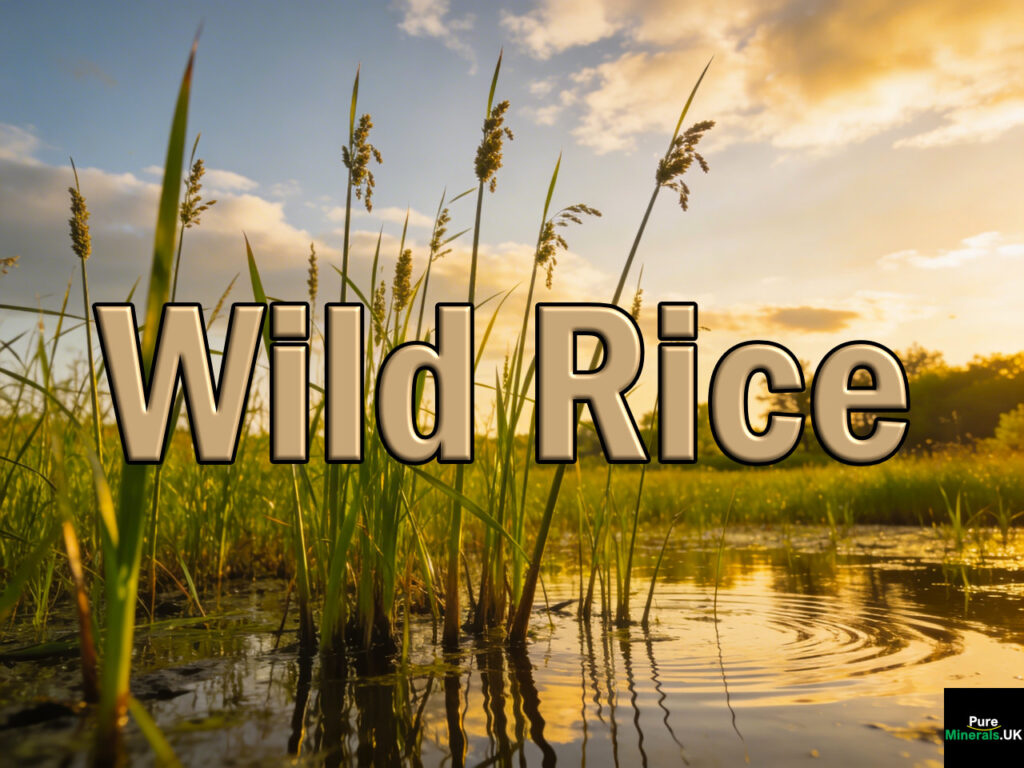
What Is Wild Rice?
Wild rice refers to the edible seeds of aquatic grasses, traditionally harvested in North America and valued for their distinctive texture and nutritional profile.
Definition
Wild rice is a cereal grain derived from species of the genus Zizania, which grow in shallow freshwater environments.
Extended Definition
Despite its name, wild rice is not closely related to common rice (Oryza sativa). Instead, it belongs to a different genus of aquatic grasses native primarily to North America, particularly the Great Lakes region. Some species are also found in parts of Asia.
Wild rice has a long history of traditional use, especially among Indigenous peoples of North America, for whom it has been an important seasonal and cultural food. It is typically harvested from natural waterways or cultivated in managed aquatic systems.
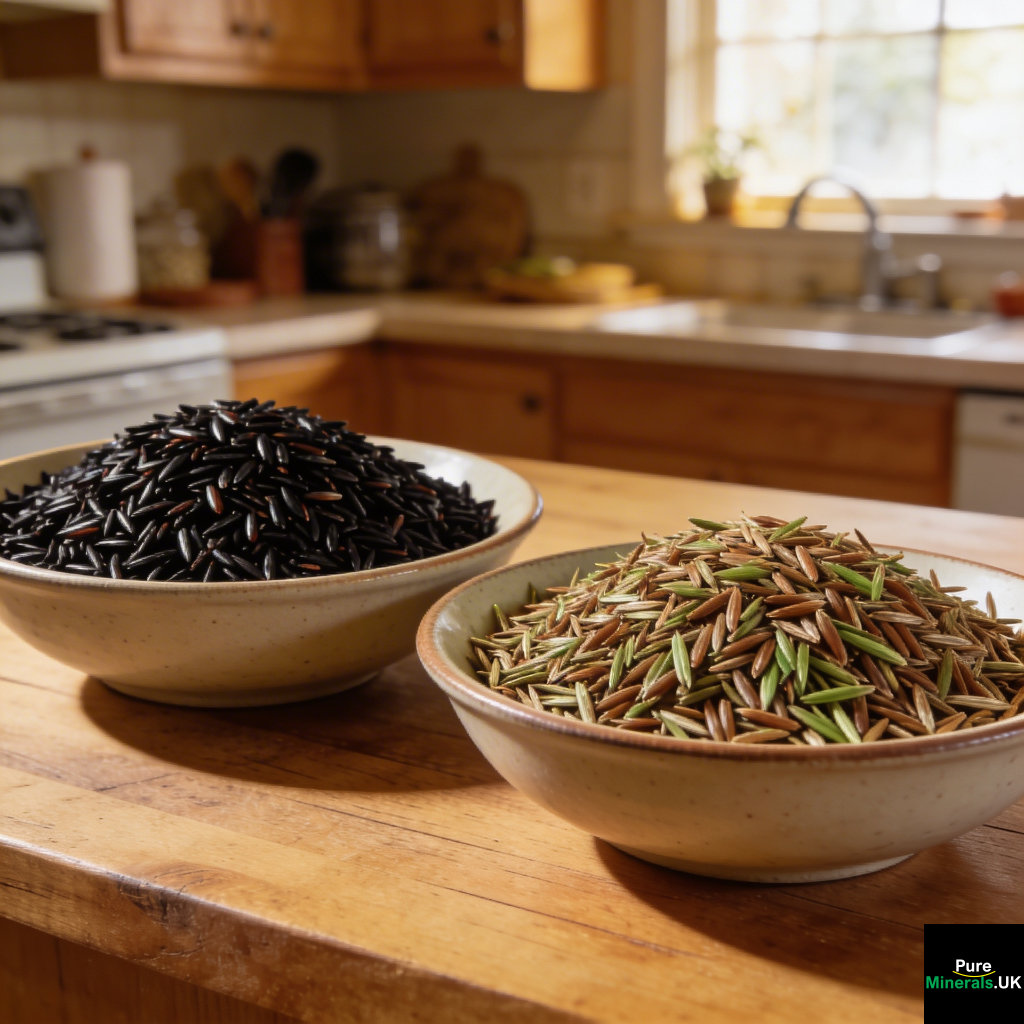
The grains are long, dark, and slender, with a firm texture and a nutty flavour. Wild rice is usually consumed as a whole grain and is often combined with other grains or used in salads, soups, and side dishes.
Nutritionally, wild rice provides complex carbohydrates, dietary fiber, and a relatively higher protein content compared to many common cereal grains. It also supplies minerals such as magnesium, phosphorus, zinc, and iron, along with B vitamins.
Key Facts
- Botanical Name: Zizania spp.
- Plant Family: Poaceae
- Common Forms: Whole grain
- Typical Serving Methods: Boiled or simmered as a grain dish
- Taste Profile: Nutty, earthy, slightly smoky
Nutritional Highlights:
- Contains more protein than many common grains
- Provides dietary fiber
- Supplies magnesium, phosphorus, zinc, and iron
Culinary Uses:
- Grain salads and side dishes
- Soups and stews
- Blended grain mixes
Notable Compounds:
- Polyphenols
- Resistant starch
Dietary Suitability:
Gluten-free, vegan, vegetarian diets
Article At A Glance
- Wild rice is not actually rice — it’s the seed of an aquatic grass, making it nutritionally distinct from white or brown rice.
- Protein powerhouse: Wild rice contains nearly twice the protein of regular rice, plus all nine essential amino acids.
- Rich in antioxidants, folate, and key minerals like manganese, zinc, and phosphorus that support bone health, heart function, and more.
- One surprising benefit — wild rice can actually be popped like popcorn, unlocking a completely different culinary use most people never try.
- Wild rice is naturally gluten-free, making it a strong alternative grain for people with celiac disease or gluten sensitivity.
Most people walk past wild rice in the grocery store without giving it a second thought — and that’s a mistake worth correcting.
Wild rice punches well above its weight nutritionally, offering more protein, comparable fiber, and a broader mineral profile than most grains people eat every day. Whether you’re looking to diversify your diet, boost protein intake from plant sources, or eat more nutrient-dense whole foods, wild rice deserves a serious look.
Wild Rice Is Not Actually Rice — Here’s What It Really Is
The name is misleading. Wild rice shares almost nothing botanically with the white or brown rice sitting in your pantry right now.
The Aquatic Grass Behind the Name
Wild rice is the edible seed of Zizania, a genus of aquatic grasses that grows in shallow freshwater environments — think slow-moving streams, lake shores, and marshy wetlands. It is not a member of the Oryza genus, which is where true rice comes from. That distinction matters because it explains why wild rice has such a dramatically different nutrient profile. The seed is long, dark, and slender with a chewy texture and a nutty, earthy flavor that’s far more assertive than white rice.
Four Species and Where They Grow
There are four recognized species within the Zizania genus:
- Zizania palustris — Northern wild rice, the most commercially harvested species, found primarily in the Great Lakes region of North America
- Zizania aquatica — Annual wild rice, native to the eastern United States and Canada
- Zizania texana — Texas wild rice, a critically endangered species found only in the San Marcos River in Texas
- Zizania latifolia — Manchurian wild rice, native to China and Southeast Asia, where the stem rather than the grain is eaten as a vegetable
The majority of wild rice sold commercially in North America comes from Zizania palustris, harvested primarily from Minnesota, Wisconsin, and parts of Canada. Its high price point compared to conventional rice reflects both the difficulty of harvesting and the relatively limited growing range.
Wild Rice vs. Regular Rice at a Glance
Feature
Wild Rice
White Rice
Brown Rice
Botanical classification
Aquatic grass seed (Zizania)
True rice (Oryza sativa)
True rice (Oryza sativa)
Color
Dark brown to black
White
Light brown
Flavor
Nutty, earthy
Mild, starchy
Mild, slightly nutty
Gluten-free
Yes
Yes
Yes
Protein (per 100g cooked)
~4g
~2.7g
~2.6g
A Staple Food for Native Americans for Hundreds of Years
Wild rice has deep cultural roots. The Ojibwe people of the Great Lakes region, known as Manoomin in the Ojibwe language, have harvested and relied on wild rice as a dietary staple for centuries. It was — and continues to be — a culturally significant food source, harvested by canoe using traditional knock-stick methods that allow seeds to fall naturally into the boat. That traditional harvest practice is still used today by Indigenous communities in Minnesota and Ontario.
Wild Rice Nutrition Facts Per 100g Serving
A 100-gram serving of cooked wild rice delivers a surprisingly well-rounded nutritional profile for something so often overlooked in mainstream nutrition conversations.
Calories, Carbs, and Macronutrients at a Glance
Cooked wild rice is relatively low in calories while offering a meaningful amount of protein and fiber — a combination that’s harder to find in most grains. Here’s exactly what 100 grams of cooked wild rice provides, based on USDA data:
Nutrient
Amount per 100g (cooked)
Calories
101 kcal
Carbohydrates
21.3g
Protein
3.99g
Fat
0.34g
Fiber
1.8g
Water
73.9g
The macronutrient ratio makes wild rice an excellent complex carbohydrate source for sustained energy. Its low-fat content and high water weight mean you get a filling, nutrient-dense food without a heavy caloric load — important context for anyone managing weight or blood sugar.
Key Vitamins: Folate, B6, and More
Wild rice is particularly notable for its B-vitamin content. A 100g cooked serving provides a meaningful dose of folate (B9), which plays a critical role in DNA synthesis and cell division. It also contains niacin (B3), riboflavin (B2), and small but relevant amounts of vitamin B6. These vitamins collectively support energy metabolism, nervous system function, and red blood cell production.
Mineral Breakdown: Manganese, Zinc, Magnesium, and Phosphorus
Where wild rice really separates itself from conventional grains is in its mineral density. Manganese — essential for bone formation and antioxidant enzyme function — is present in significant quantities. Phosphorus supports bone structure and cellular energy transfer through ATP. Magnesium contributes to over 300 enzymatic reactions in the body, and zinc supports immune function, wound healing, and protein synthesis. Together, these four minerals make wild rice one of the more mineral-rich whole food grains available.
Wild Rice Has Twice the Protein of Brown or White Rice
Protein is where wild rice’s nutritional story becomes particularly compelling — especially for people following plant-based diets or looking to reduce reliance on animal proteins.
Complete Protein: All Nine Essential Amino Acids
Wild rice is one of the few plant foods that contains all nine essential amino acids, making it a complete protein source. This is significant because most plant-based proteins are incomplete — meaning they’re missing one or more of the essential amino acids your body can’t produce on its own. With nearly 4 grams of protein per 100g cooked serving, wild rice provides roughly 1.5 times more protein than brown rice and nearly double that of white rice. For vegans, vegetarians, or anyone looking to diversify their protein sources, this is a meaningful nutritional advantage.
How Its Fiber Content Supports Digestion
Wild rice provides about 1.8 grams of fiber per 100g cooked serving — comparable to brown rice. That fiber acts as a prebiotic, feeding the beneficial bacteria in your gut microbiome. A well-fed microbiome supports not just digestion, but immune function, mood regulation through the gut-brain axis, and even metabolic health. Regular consumption of fiber-rich whole grains like wild rice has been associated with reduced risk of constipation, improved bowel regularity, and lower levels of LDL cholesterol.
Proven Health Benefits of Wild Rice
The nutritional profile of wild rice translates directly into measurable health benefits. While dedicated clinical research specifically on wild rice is still limited, the evidence behind its individual nutrients — and whole grains in general — is well established and substantial.
Antioxidants That Fight Chronic Disease
Wild rice contains an impressive array of antioxidants, including compounds that help neutralize free radicals responsible for oxidative stress. Oxidative stress is directly linked to the development of chronic diseases, including cardiovascular disease, type 2 diabetes, and certain cancers. The dark color of wild rice seeds is itself a signal of high antioxidant content — similar to the logic behind eating blueberries or dark leafy greens. Key antioxidant compounds found in wild rice include:
- Flavonoids — plant compounds that reduce inflammation and protect cells from damage
- Anthocyanins — pigment-based antioxidants associated with reduced risk of heart disease and improved brain health
- Phenolic acids — linked to anti-inflammatory effects and cancer-protective properties
- Vitamin E derivatives — fat-soluble antioxidants that protect cell membranes
Research published on whole grain consumption consistently shows that people who eat more antioxidant-rich whole grains have lower markers of systemic inflammation — a root driver of most chronic diseases. Wild rice, with its concentrated antioxidant load, fits squarely into that protective food category.
What makes wild rice particularly notable is that it reportedly contains 30 times more antioxidants than white rice. That’s not a minor nutritional upgrade — that’s a fundamentally different food in terms of its protective potential against cellular damage.
Folate and Its Role in Reducing Birth Defects
Folate — vitamin B9 — is one of the most critical nutrients during early pregnancy. Adequate folate intake in the first trimester is directly associated with significantly reduced risk of neural tube defects, including spina bifida and anencephaly. Wild rice provides a natural, whole-food source of folate, making it a smart dietary addition for women of childbearing age. Beyond pregnancy, folate supports DNA repair, red blood cell formation, and healthy homocysteine metabolism — elevated homocysteine being a known risk factor for cardiovascular disease.
Bone Health Support From Key Minerals
The combination of phosphorus, magnesium, and manganese in wild rice creates a meaningful trifecta for bone health. Phosphorus makes up approximately 85% of the mineral content of bones and teeth, working in tandem with calcium to maintain structural integrity. Magnesium is essential for converting vitamin D into its active form — without adequate magnesium, even high calcium intake may not fully protect against bone density loss.
Manganese plays a more specialized but equally important role, acting as a cofactor for enzymes involved in bone cartilage and collagen formation. Low manganese levels have been associated with reduced bone mineral density. Eating wild rice regularly contributes to all three of these mineral needs simultaneously, from a single whole food source rather than isolated supplements.
Heart Health and Blood Sugar Benefits
Whole grain consumption is one of the most consistently supported dietary patterns for cardiovascular protection. Wild rice specifically contributes to heart health through multiple mechanisms — its fiber helps reduce LDL cholesterol absorption in the gut, its antioxidants reduce oxidative damage to arterial walls, and its magnesium content supports healthy blood pressure regulation. Additionally, the complex carbohydrates in wild rice digest more slowly than refined grains, producing a more gradual rise in blood glucose. This slower glycemic response makes wild rice a smarter carbohydrate choice for people managing insulin sensitivity or type 2 diabetes risk.
How to Cook and Use Wild Rice
Wild rice takes longer to cook than white rice and requires more water, but the process is straightforward once you know the ratios. The reward is a grain with genuine texture and flavor — nutty, slightly chewy, and satisfying in a way that plain white rice simply isn’t.
It’s worth noting that wild rice expands significantly during cooking. One cup of dry wild rice yields approximately three to four cups of cooked grain — so it stretches further than most people expect, which partially offsets its higher purchase price.
Basic Cooking Method and Expansion Ratio
The standard stovetop method for cooking wild rice is simple and reliable. Rinse one cup of dry wild rice under cold water to remove any debris. Combine with three cups of water or low-sodium broth in a medium saucepan and bring to a boil. Reduce the heat to a low simmer, cover, and cook for 45 to 55 minutes until the grains have puffed open and most of the liquid is absorbed. Remove from heat and let it rest covered for 10 minutes before fluffing with a fork.
Using broth instead of water adds a layer of savory depth that makes wild rice considerably more flavorful as a standalone side dish. Chicken broth, vegetable broth, or even mushroom broth all work exceptionally well with wild rice’s earthy baseline flavor.
How to Pop Wild Rice Like Popcorn
This is the technique most people have never heard of — and it’s genuinely useful. Dry wild rice can be popped in a hot, dry skillet or in hot oil using the same principle as popcorn. Heat a small amount of neutral oil in a deep pan over high heat, add a single layer of dry wild rice kernels, cover immediately, and shake the pan continuously. Within 30 to 60 seconds, the kernels will puff and pop into light, crispy bites with an intensified nutty flavor.
Popped wild rice works as a crunchy salad topping, a soup garnish, a coating for proteins like chicken or fish, or simply as a snack seasoned with salt and spices. It’s an underused technique that completely transforms the grain’s texture and opens up a whole new set of culinary applications.
Meals That Work Well With Wild Rice
Wild rice is genuinely versatile — it holds up well in hot dishes, works cold in salads, and absorbs flavors from broths, herbs, and sauces without losing its texture. Unlike white rice, it doesn’t turn mushy when mixed into soups or casseroles, which makes it a more durable ingredient across a wider range of cooking methods.
Here are some of the best ways to put wild rice to work in your kitchen:
- Wild rice soup — Combine with chicken, mushrooms, celery, carrots, and a cream or broth base for a hearty, filling meal
- Grain salads — Toss cooked wild rice cold with roasted vegetables, dried cranberries, toasted pecans, and a lemon vinaigrette
- Stuffed peppers or squash — Use wild rice as the base filling mixed with ground turkey, black beans, and cumin
- Casseroles — Mix with sautéed onion, garlic, broccoli, and cheese for a nutrient-dense baked dish
- Breakfast bowls — Serve warm with almond milk, cinnamon, honey, and walnuts as a high-protein alternative to oatmeal
- Pilaf — Cook in vegetable broth with shallots, thyme, and toasted almonds as a sophisticated side dish
Wild rice also blends exceptionally well with other grains. Commercially, you’ll often find it sold pre-mixed with long-grain brown rice, red rice, or basmati. These blends reduce cooking time slightly and soften the intensity of wild rice’s flavor for people who find it too assertive on its own. For those interested in exploring other grain options, consider trying spelt as a versatile alternative.
Who Should Be Careful With Wild Rice
Wild rice is safe and beneficial for the vast majority of people, but there are a few specific situations worth knowing about. People with kidney disease who need to restrict phosphorus intake should be mindful of portion sizes, given wild rice’s meaningful phosphorus content. Those managing potassium or mineral restrictions under medical supervision should consult their healthcare provider before making wild rice a dietary staple.
Additionally, while wild rice is naturally gluten-free, cross-contamination during processing is possible — people with celiac disease should look specifically for certified gluten-free labeled wild rice products to be safe. Wild rice also contains phytic acid, an antinutrient that can bind to minerals and reduce their absorption. Soaking dry wild rice for several hours before cooking can help reduce phytic acid content and improve mineral bioavailability.
Wild Rice Is One of the Most Nutritious Grains You Are Probably Not Eating
If your grain rotation currently cycles between white rice, pasta, and the occasional brown rice, wild rice represents a meaningful nutritional upgrade worth making. More protein, powerful antioxidants at levels far exceeding regular rice, a complete amino acid profile, a strong mineral lineup, and genuine culinary flexibility — this grain delivers on multiple fronts simultaneously.
The slightly higher price point and longer cooking time are the only real barriers, and both are easy to work around once wild rice becomes a regular part of your pantry. Cook a large batch on the weekend and refrigerate it — cooked wild rice keeps well for up to a week in the fridge and reheats without losing its texture, making it one of the most practical meal-prep grains available.
Important note: Wild Rice
Wild rice is generally well-tolerated and suitable for a wide range of dietary patterns. As a whole grain, it contains naturally occurring compounds such as phytates, which may influence mineral absorption, though typical preparation methods reduce their impact. As with other grains, proper cooking is required to ensure palatability and digestibility. Individuals with specific dietary conditions or sensitivities should consult a qualified nutrition professional before regular consumption.
Frequently Asked Questions
Here are clear answers to the most common questions people have about wild rice before adding it to their diet.
Is Wild Rice Gluten-Free?
Yes, wild rice is naturally gluten-free. It contains no wheat, barley, or rye, and is safe for people with gluten intolerance or celiac disease in its pure form. However, if you have celiac disease, always verify that the wild rice you purchase carries a certified gluten-free label, since cross-contamination during commercial processing is a real possibility in facilities that also handle gluten-containing grains.
How Does Wild Rice Compare to Brown Rice Nutritionally?
Wild rice edges out brown rice in several key areas. It contains more protein — approximately 4g per 100g cooked versus 2.6g for brown rice — and significantly higher antioxidant levels. Brown rice contains more manganese per serving, while wild rice provides more folate, zinc, and overall protein density. Both are excellent whole grain choices, but wild rice offers a broader nutrient return per calorie, particularly for protein and antioxidant intake.
Where Does Wild Rice Come From?
Wild rice grows naturally in shallow freshwater environments across North America, particularly in the Great Lakes region spanning Minnesota, Wisconsin, and parts of Ontario and Manitoba in Canada. It is the seed of aquatic grasses in the Zizania genus and has been a traditional food crop of Indigenous communities — particularly the Ojibwe — for centuries. A separate species, Zizania latifolia, is native to China and Southeast Asia, where the stem rather than the grain is the primary food product. Although not directly related, other grains like sorghum also play a significant role in various traditional diets worldwide.
How Long Does It Take to Cook Wild Rice?
Wild rice takes between 45 and 55 minutes to cook using the standard stovetop method. Use a ratio of 1 cup dry wild rice to 3 cups water or broth; bring to a boil, then simmer covered on low heat until the grains split open and absorb most of the liquid. Let it rest off the heat for 10 minutes before serving.
If you want to speed up the process, soaking dry wild rice in water overnight reduces cooking time to approximately 20 to 25 minutes. A pressure cooker or Instant Pot can also cut the cooking time down to around 25 minutes at high pressure with a natural release. For those interested in alternative grains, you might explore options like millet, which also offers unique nutritional benefits.
Is Wild Rice Safe to Eat Every Day?
For most healthy adults, eating wild rice daily is perfectly safe and nutritionally beneficial. Its whole grain fiber, complete protein, and mineral content make it a strong everyday carbohydrate source. Rotating it with other whole grains like quinoa, farro, or oats provides the broadest possible nutritional range, but there’s no inherent risk in eating wild rice consistently as part of a balanced diet.
The one exception worth noting again is for individuals on medically supervised mineral-restricted diets — particularly those managing chronic kidney disease. In those cases, the phosphorus and potassium content in wild rice may require portion monitoring based on specific dietary guidelines provided by a registered dietitian or nephrologist.