

Published: 26 March 2026
This article is periodically reviewed and updated to reflect current scientific understanding by Vic George.
Fact-Checked: 1 other authoritative medical/scientific reference. See our Editorial Policy.
What Are Water Chestnuts?
Water chestnuts are the edible corms of Eleocharis dulcis, an aquatic plant cultivated in freshwater wetlands. They are valued for their crisp texture, mild sweetness, and nutritional content, including carbohydrates, fiber, and minerals.
Definition
Water chestnuts are the edible underground corms of Eleocharis dulcis, a member of the Cyperaceae family, consumed as an aquatic vegetable. They are cultivated primarily in East and Southeast Asia, particularly in China, with additional production in regions such as Australia and parts of tropical Africa. The crop is grown in shallow freshwater environments, including flooded paddy fields, marshes, and other wetland areas. It is often cultivated on a small scale or alongside other crops and requires a consistently warm climate and a long growing season to develop fully.
Extended Definition
Water chestnuts belong to the Cyperaceae family, commonly known as the sedge family, which includes grass-like plants adapted to wetland environments. The plant grows in shallow water, producing slender stems above the surface and corms beneath the soil.
The edible portion is the corm, a modified underground stem that functions as a storage organ for carbohydrates. Unlike true chestnuts (which are tree nuts), water chestnuts are unrelated botanically and are classified as an aquatic vegetable.
Nutritionally, water chestnuts provide carbohydrates, dietary fiber, potassium, and vitamin B6. Their carbohydrate content serves as a source of energy, while fiber supports digestive function.
Water chestnuts also contain phenolic compounds and antioxidants that contribute to plant defense mechanisms. Their high water content contributes to their characteristic crisp texture, which is retained even after cooking.
The corm is typically peeled before consumption and can be eaten raw or cooked. It is widely used in Asian cuisine, particularly in stir-fries, soups, and salads.
Water chestnuts are also commonly available in canned form, which preserves their texture and flavor for culinary use.
Key Facts
Botanical name: Eleocharis dulcis
Plant family: Cyperaceae
Common classification: Aquatic root vegetable (corm)
Origin: Southeast Asia and Southern China
Edible part: Corm (underground stem)
Typical color: Dark brown exterior with white interior
Primary nutrients: Carbohydrates, fiber, potassium, vitamin B6
Key phytonutrients: Phenolic compounds, antioxidants
Energy density: Moderate
Notable compounds: Plant antioxidants contributing to stability and texture
Culinary uses: Stir-fries, salads, soups, and canned preparations
Key Takeaways
- Water chestnuts are aquatic vegetables, not nuts, and deliver a surprisingly strong nutritional punch with very few calories and zero fat.
- A 100g serving of raw water chestnuts provides 97 calories, 24g of carbohydrates, 3g of fiber, and key minerals like potassium (584mg) and manganese.
- The canned version has significantly fewer calories (29 per 100g) but also less potassium — knowing which to use and when can make a real difference in your diet.
- Water chestnut peels contain antioxidant flavonoids studied for antitumor and nitrite-scavenging effects, according to the Journal of Food Science.
- Keep reading to find out whether water chestnuts are safe for low-carb diets — the answer might surprise you.
Water Chestnuts Pack More Nutrition Than You Think
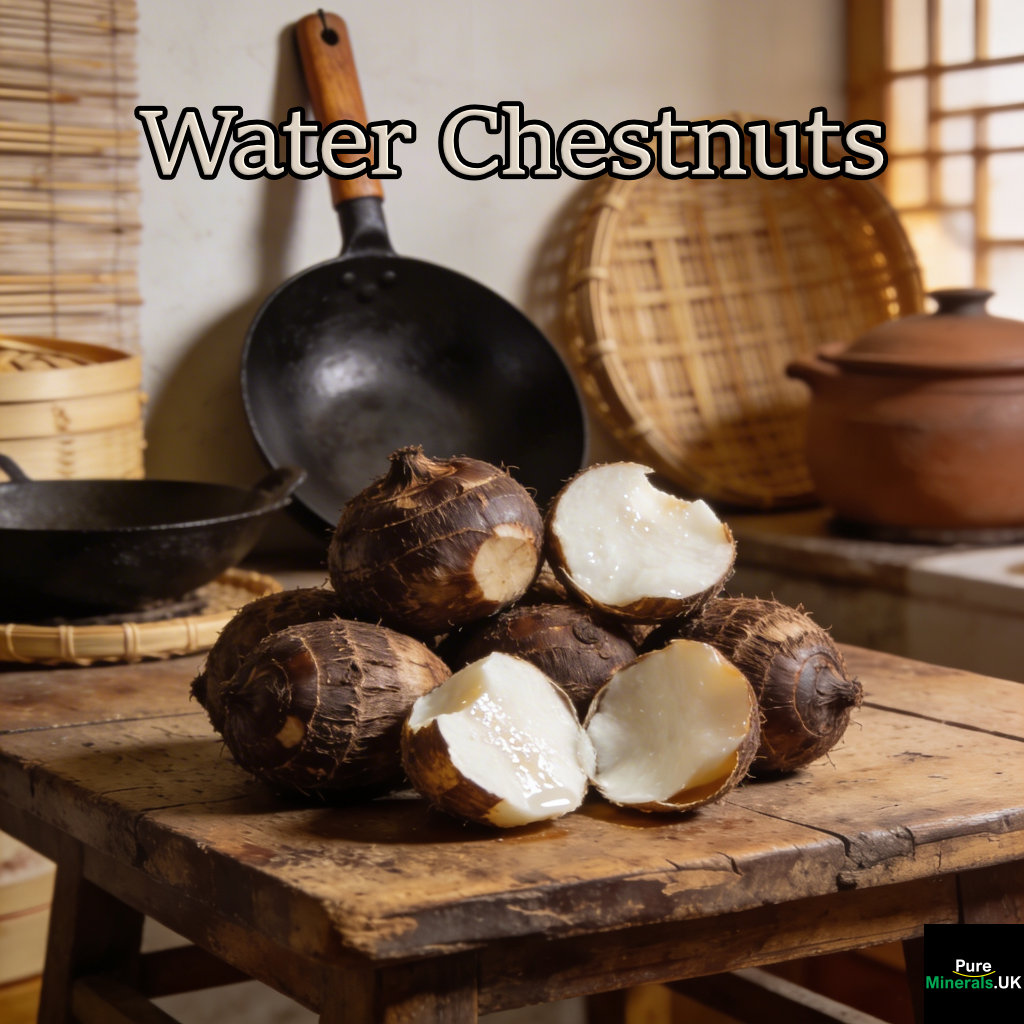
Most people reach for water chestnuts because of their satisfying crunch in a stir-fry — but the nutrition story behind them is just as compelling as the texture. Despite looking like a root vegetable and sounding like a nut, the Chinese water chestnut (Eleocharis dulcis) is actually an aquatic corm grown in marshy, muddy environments across Asia. It is fat-free, relatively low in calories, and loaded with minerals that support heart health and digestion.
For anyone looking to make smarter food choices, understanding the full water chestnut nutritional profile is a great place to start. Nutrition-focused resources have highlighted water chestnuts as a fiber-rich, antioxidant-containing vegetable that earns its place in a balanced diet — not just in Asian cuisine.
Water Chestnut Nutritional Profile
Water chestnuts deliver a well-rounded nutritional package for such a small, unassuming vegetable. They are particularly valued for their potassium content, B vitamins, and consistent fiber levels across both fresh and canned forms. Whether you are tracking macros, managing blood pressure, or simply trying to eat more whole foods, water chestnuts check a lot of boxes.
Raw vs. Canned: How Nutrition Changes
The difference between raw and canned water chestnuts is significant enough to pay attention to. Raw water chestnuts are considerably more calorie-dense and nutrient-rich than their canned counterparts. A 100g serving of raw, sliced water chestnuts provides 97 calories, 24g of carbohydrates, 3g of fiber, 5g of sugar, and an impressive 584mg of potassium. Canned water chestnuts, by contrast, drop to just 29 calories per 100g, with 7g of carbohydrates, 2g of fiber, 3g of sugar, and only 200mg of potassium.
The reason for the drop in calories and potassium in canned versions is largely due to the processing and water-packing methods used. Some nutrients leach out into the packing liquid, which is why rinsing canned water chestnuts before use is always recommended — it removes excess sodium without recovering lost nutrients. If nutrient density is a priority, fresh or raw is clearly the better option when available.
Vitamins and Minerals Worth Noting
Beyond potassium, water chestnuts are a solid source of several micronutrients that often get overlooked. They contain meaningful amounts of vitamin B6, riboflavin (B2), manganese, and copper — all of which play roles in energy metabolism, nerve function, and antioxidant defense. Manganese, in particular, supports bone development and helps activate enzymes involved in metabolizing carbohydrates and amino acids.
Zero Fat, Low Calorie, High Value
One of the most appealing aspects of water chestnuts for health-conscious eaters is the complete absence of fat. Both raw and canned versions contain 0 grams of fat, which means the calories present come entirely from carbohydrates — mostly complex carbs and fiber. This makes them a smart, filling addition to meals without tipping the calorie scale.
- Calories (raw): 97 per 100g
- Calories (canned): 29 per 100g
- Fat: 0g in both forms
- Protein: Approximately 1g per 100g
- Fiber: 2–3g per 100g, depending on form
- Potassium (raw): 584mg per 100g
- Potassium (canned): 200mg per 100g
What makes water chestnuts particularly useful for weight management is the fiber-to-calorie ratio. You get enough fiber to support satiety and digestion, without a heavy caloric load — especially with the canned variety.
Carbohydrates in Water Chestnuts
Carbohydrates are the dominant macronutrient in water chestnuts, so it is worth understanding exactly what kind you are getting and how they behave in the body.
How Many Carbs Are in Water Chestnuts?
Raw water chestnuts contain 24g of carbohydrates per 100g serving, while canned water chestnuts contain just 7g per 100g. The difference is substantial, and the form you choose will significantly affect your total carbohydrate intake — especially relevant if you are counting carbs closely.
Fiber vs. Sugar Breakdown
Of the carbohydrates in raw water chestnuts, 3g come from fiber and 5g come from naturally occurring sugars. In the canned version, 2g are fiber and 3g are sugars. The remaining carbohydrates are primarily complex starches, which digest more slowly than simple sugars and provide sustained energy rather than a quick glucose spike. For a similar nutritional profile, you might also consider turnips, which offer a mix of fiber and carbohydrates.
The fiber content, though moderate, contributes meaningfully to daily intake goals. According to MedlinePlus, dietary fiber supports healthy digestion by helping food move through the large intestine more efficiently, and high-fiber foods are consistently linked to better long-term weight management.
Are Water Chestnuts Safe for Low-Carb Diets?
This is where the answer depends on which form you are eating and how strict your carb limits are. Canned water chestnuts at 7g of carbs per 100g can reasonably fit into a moderate low-carb diet, especially in smaller portions used as a crunchy accent in a dish. Raw water chestnuts at 24g of carbs per 100g are harder to fit into strict low-carb frameworks like keto, where daily limits typically sit around 20–50g total.
For people following a low FODMAP diet, water chestnuts are generally considered a safe choice, making them a valuable crunchy ingredient for those managing IBS or similar digestive sensitivities.
Health Benefits of Water Chestnuts
The health benefits of water chestnuts extend well beyond their fiber content. From cardiovascular support to antioxidant activity, there are several evidence-backed reasons to make this vegetable a regular part of your diet.
Potassium is one of the standout nutrients here. Studies referenced by WebMD indicate that adequate potassium intake may reduce stroke risk and help regulate blood pressure — both of which are major risk factors for heart disease. With 584mg of potassium per 100g of raw water chestnuts, a single serving contributes meaningfully toward the recommended daily intake. For more information on potassium-rich foods, you can also explore the nutritional profile of taro.
The fiber in water chestnuts also plays a strong digestive role. High-fiber diets are consistently associated with reduced constipation, better gut microbiome diversity, and a lower risk of developing colorectal issues over time. For people pursuing weight loss, water chestnuts are particularly useful — the CDC highlights high-fiber, low-calorie foods as effective tools for feeling full without overconsumption.
- Heart health: Potassium supports healthy blood pressure and may reduce stroke risk
- Digestive support: Fiber promotes efficient movement through the large intestine
- Weight management: Low-calorie density with satisfying fiber content
- Antioxidant activity: Flavonoids in the peel have shown antitumor and nitrite-scavenging properties in research published in the Journal of Food Science
- Energy metabolism: B vitamins (B6 and riboflavin) support the conversion of food into usable energy
Potassium and Heart Health
Potassium is one of the most important minerals for cardiovascular function, and water chestnuts deliver a meaningful amount of it — especially in raw form. At 584mg per 100g, raw water chestnuts contribute significantly toward the daily potassium target. Research consistently links higher potassium intake to lower blood pressure and reduced stroke risk, both of which are directly connected to long-term heart health. For anyone managing hypertension or trying to reduce cardiovascular risk through diet, adding water chestnuts is a practical, low-effort strategy.
Antioxidants in Water Chestnut Peels
Most people discard the peel without a second thought, but the outer skin of the water chestnut is where some of the most potent bioactive compounds are concentrated. According to research published in the Journal of Food Science, flavonoids extracted from Chinese water chestnut (Eleocharis dulcis) peels demonstrated antitumor activity, antioxidant capacity, and nitrite-scavenging effects in laboratory studies. Nitrite scavenging is particularly relevant because nitrites, when converted to nitrosamines in the body, are associated with increased cancer risk. While these findings are based on laboratory research and should not be overstated, they point to genuine biological activity in a part of the plant most people throw away. Learn more about similar antioxidant-rich vegetables like radish.
Why Water Chestnuts Work on a Low FODMAP Diet
Water chestnuts are one of the few crunchy, starchy vegetables that are considered safe on a low FODMAP diet. FODMAPs are a group of fermentable carbohydrates that trigger digestive symptoms in people with irritable bowel syndrome (IBS) and similar conditions. Because water chestnuts are low in these fermentable compounds, they provide a satisfying textural element in meals without causing the bloating, gas, or discomfort that many other vegetables can produce in sensitive individuals.
This makes water chestnuts particularly useful for people who follow Asian-inspired cooking but need to modify traditional recipes for digestive health. They can be used freely in stir-fries, soups, and salads where other higher-FODMAP vegetables like onions or garlic might need to be reduced or substituted.
The Role of Water Chestnuts in Your Diet
Understanding where water chestnuts fit in a broader dietary context helps you use them more intentionally. They are not a superfood in the trendy sense, but they are a genuinely functional vegetable — versatile, low in calories, free of fat, and rich enough in fiber and minerals to earn a regular spot on your plate. The key is knowing when to reach for fresh versus canned, how to handle them safely, and what to use when you simply cannot find them.
Fresh vs. Canned: Which Should You Choose?
Fresh water chestnuts win on flavor and nutrient density every time. They have a naturally sweeter taste, higher potassium content (584mg vs. 200mg per 100g), and more calories from complex carbohydrates, which matters if you want the fuller nutritional benefit. However, fresh water chestnuts are harder to find outside of Asian grocery stores and require peeling before use. Canned water chestnuts are widely available, pre-peeled, and still deliver that signature crunch thanks to their ferulic acid content, which preserves cell wall integrity even through heat processing and canning. For everyday cooking convenience, canned works well — just rinse and drain them first to reduce excess sodium.
Food Safety: What to Know Before Eating Them Raw
Raw water chestnuts carry a specific food safety risk that is worth taking seriously. The water chestnut plant can transmit Fasciolopsis buski, an infectious intestinal parasite responsible for a condition called fasciolopsiasis. This risk is associated with consuming the plant unwashed and unpeeled directly from contaminated water sources. To eliminate the risk, always thoroughly wash and peel fresh water chestnuts before eating them raw or cooking them fully. Canned water chestnuts pose no meaningful risk in this regard and are safe to eat after rinsing.
When water chestnuts are out of season or simply not available at your local store, a few substitutes can replicate the crunchy texture reasonably well. Jicama is the closest match — it has a similar mild sweetness and holds its crunch when cooked. Celery works in soups and stir-fries where the texture contribution is more important than flavor. Canned bamboo shoots offer a comparable bite and are widely available. For raw applications like salads, thinly sliced raw turnip or radish can stand in without dramatically changing the dish.
Asian Recipes That Use Water Chestnuts
Water chestnuts have been a staple ingredient in Asian cooking for centuries, and for good reason — they absorb surrounding flavors while holding their structure through long cooking times. From quick weeknight stir-fries to slow-simmered soups, here are the most popular and practical ways water chestnuts appear in traditional and modern Asian recipes.
1. Stir-Fry With Spicy Meats or Savory Greens
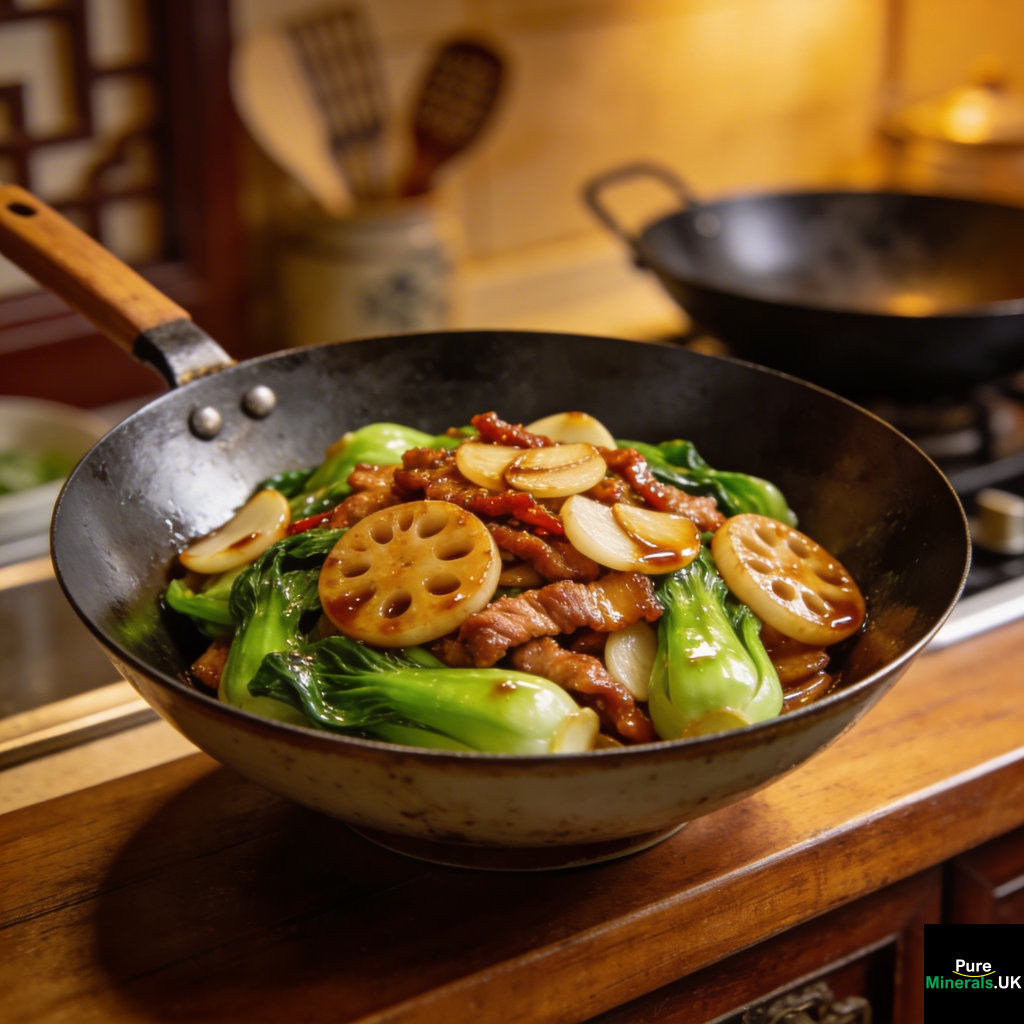
Stir-frying is the most common use for water chestnuts in everyday Asian cooking. Steam or blanch sliced water chestnuts first, then add them toward the end of a stir-fry with spicy pork, beef, or strong-flavored greens like gai lan or bok choy. They add a satisfying textural contrast to soft, cooked proteins and wilted vegetables — a combination that makes the dish feel more substantial without adding significant calories.
2. Water Chestnut and Pork Ribs Soup
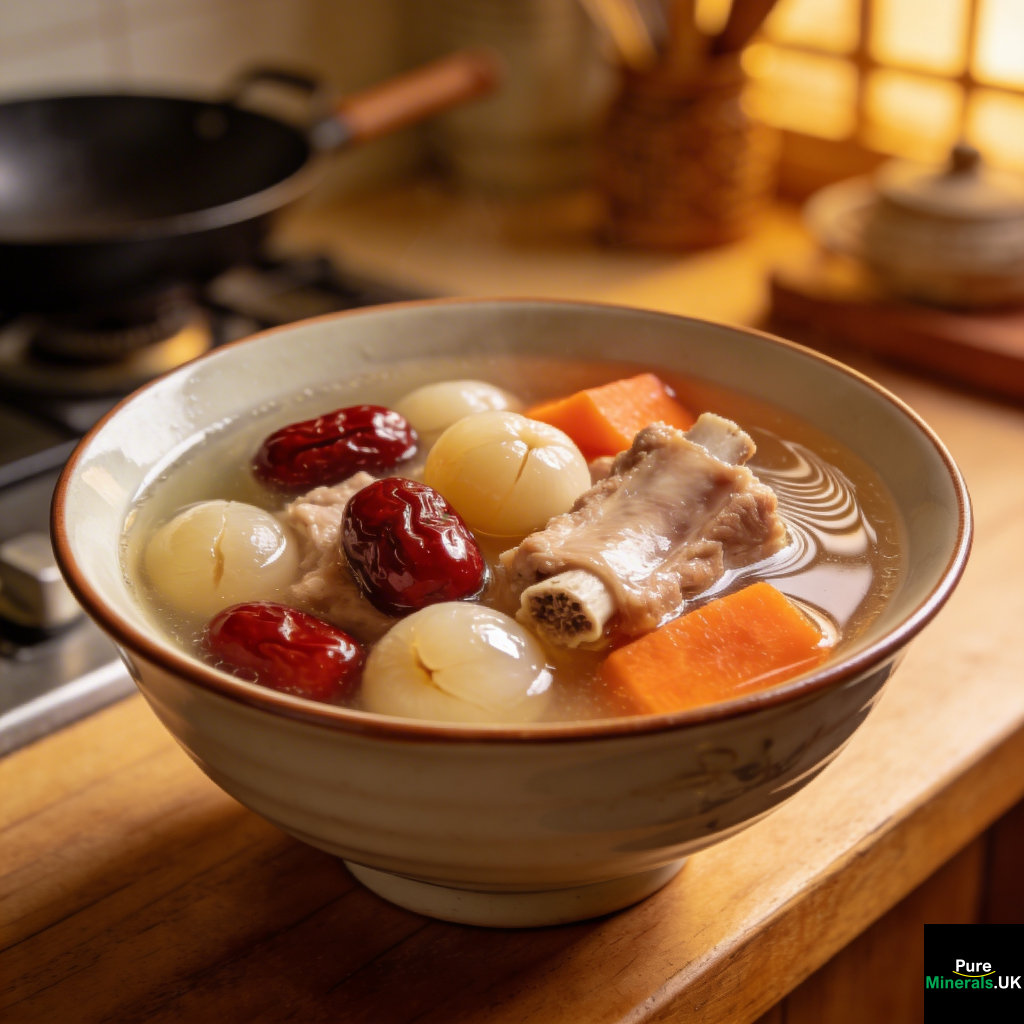
This is a classic Cantonese comfort dish where whole or halved water chestnuts are slow-simmered with pork ribs, dates, and sometimes dried squid or carrots. The long cook time softens the water chestnuts slightly while allowing them to absorb the savory broth, resulting in a naturally sweet, deeply flavored soup. It is commonly eaten during colder months and is a staple in home cooking across Guangdong province and among Chinese diaspora communities worldwide.
3. Lettuce Wraps and Egg Rolls
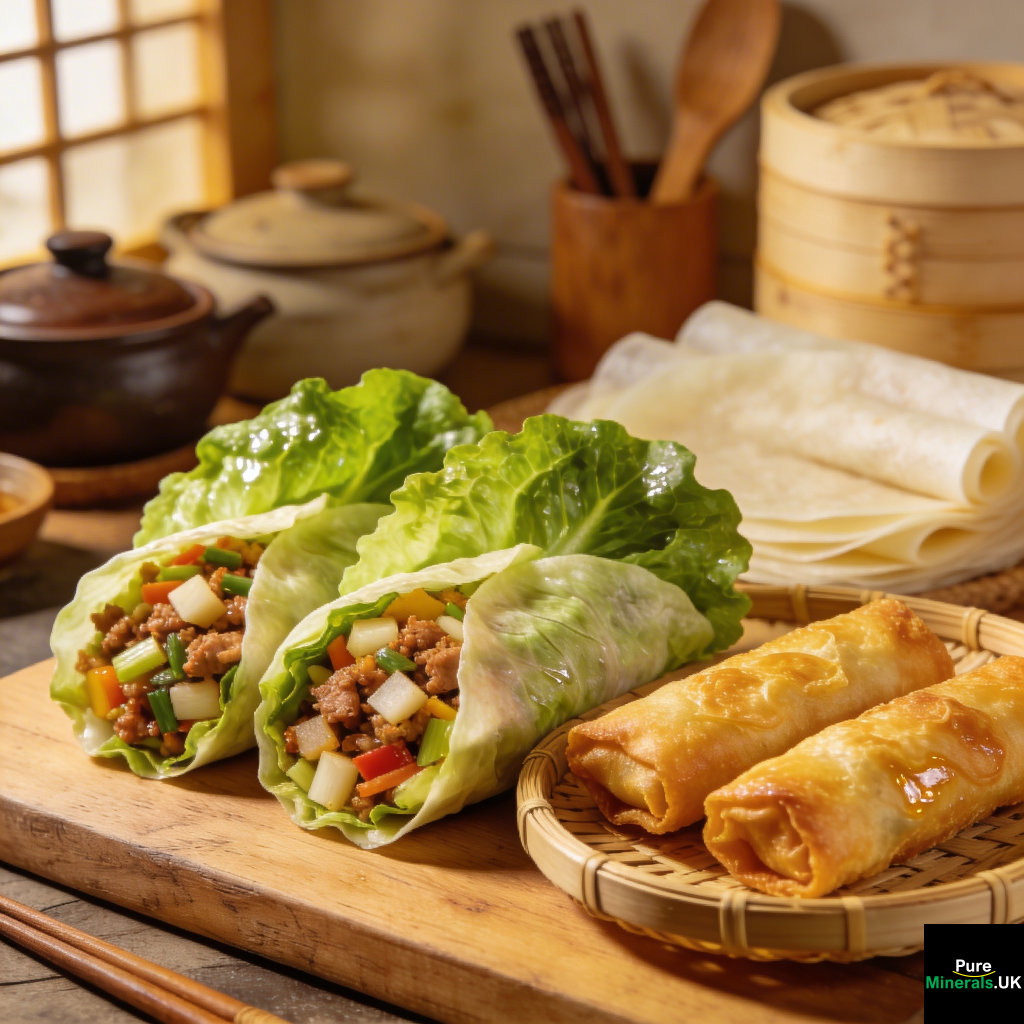
Water chestnuts are a go-to filling ingredient in both lettuce wraps and egg rolls across Chinese and Vietnamese cooking. Finely chopped or diced water chestnuts are mixed with ground pork, shrimp, or chicken along with ginger, soy sauce, and sesame oil, then either wrapped in crisp iceberg or butter lettuce leaves or rolled into egg roll wrappers and fried. Their structural integrity under heat is what makes them ideal here — they stay firm while everything else softens, giving each bite a distinct crunch that elevates the texture of the entire filling.
4. Thai Red Rubies Dessert
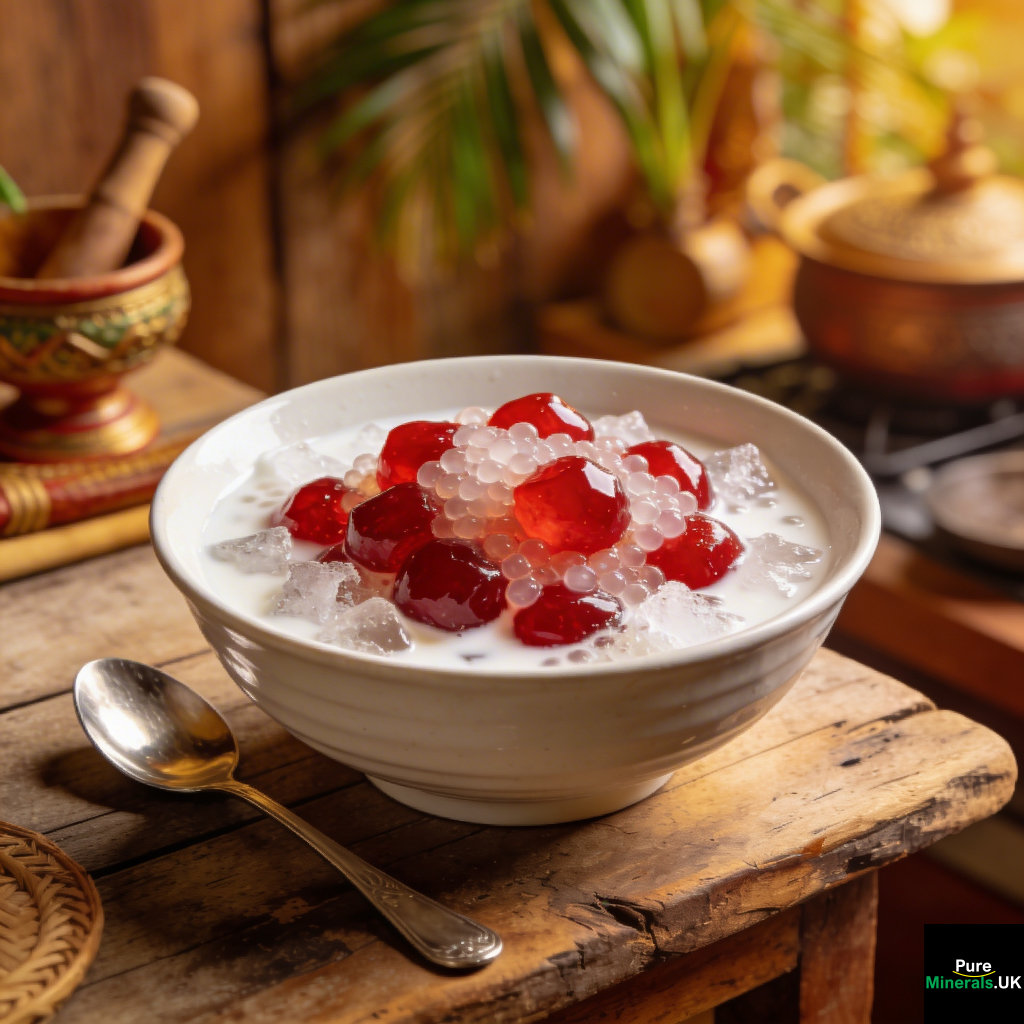
Thai Red Rubies, known locally as Tub Tim Krob, is one of the most visually striking uses of water chestnuts in Asian cuisine. Diced water chestnuts are coated in red food coloring and tapioca flour, then briefly boiled until they develop a jewel-like, translucent coating that resembles rubies. They are served chilled in sweetened coconut cream with crushed ice. The contrast between the cool, creamy coconut base and the chewy-crunchy water chestnut pieces is what makes this dessert iconic across Thailand and throughout Southeast Asian food culture.
5. Water Chestnut Flour for Baking and Thickening
Dried and ground water chestnuts produce a fine, slightly sweet flour that has been used in Chinese cooking for generations. Water chestnut flour is a popular thickening agent for sauces, puddings, and soups — it creates a smoother, slightly glossy consistency compared to cornstarch. It is also used to make water chestnut cake (Ma Tai Gao), a traditional dim sum dish with a soft, gelatinous texture and subtle sweetness. Because it is naturally gluten-free, water chestnut flour is increasingly used as a wheat flour substitute in gluten-free baking applications.
Water Chestnuts Are a Simple Upgrade to Any Meal
Water chestnuts are one of those rare ingredients that improve almost every dish they touch — adding texture, mild sweetness, and genuine nutritional value without complicating a recipe or loading it with calories. Whether you are using the canned version for a quick weeknight stir-fry or sourcing fresh corms from an Asian grocery store for a slow-simmered soup, you are making a nutritional choice that supports heart health, digestion, and weight management all at once.
The next time you are looking for an easy way to add crunch, fiber, and potassium to your plate, water chestnuts deserve a permanent spot in your pantry rotation — not just as an afterthought in takeout-inspired dishes, but as a deliberate, health-forward ingredient choice.
Important note: Water Chestnuts
Water chestnuts are widely recognized as safe when consumed as a food. Fresh water chestnuts should be properly cleaned and peeled before consumption. Do not confuse the Chinese water chestnut (Eleocharis dulcis) with the European water chestnut (Trapa natans), which is a distinct, invasive aquatic weed. This article is provided for educational purposes only and does not constitute medical advice. Individuals with specific dietary concerns should consult a qualified healthcare professional before making significant dietary changes.
Frequently Asked Questions
Here are answers to the most common questions about water chestnuts, their nutrition, and how to use them safely.
Are water chestnuts actually nuts?
No — water chestnuts are not nuts at all. They are aquatic corms, which are underground stem structures, produced by the plant Eleocharis dulcis. They grow submerged in marshy, muddy water in regions across Asia and are classified as a vegetable, not a tree nut or seed. The name is misleading, but there is no botanical or allergenic relationship between water chestnuts and true tree nuts like almonds, cashews, or chestnuts from chestnut trees.
This distinction matters beyond semantics. People with tree nut allergies can typically consume water chestnuts without concern, though confirming with an allergist is always the right move when any uncertainty exists. Water chestnuts are also entirely different from the invasive aquatic plant Trapa natans, sometimes also called water chestnut, which is an unrelated species and a significant ecological problem in parts of North America.
Do water chestnuts spike blood sugar?
Water chestnuts contain carbohydrates, but their fiber content and cell wall composition slow the rate at which those carbohydrates are digested and absorbed. Research published in the Journal of Agriculture and Food Chemistry analyzed the cell-wall material of Chinese water chestnuts from parenchyma, epidermis, and subepidermal tissues, finding a complex structural composition that contributes to slower starch breakdown. The ferulic acid content responsible for maintaining crunch through cooking also plays a role in moderating digestion speed.
Form
Carbohydrates (per 100g)
Fiber (per 100g)
Sugar (per 100g)
Raw Water Chestnuts
24g
3g
5g
Canned Water Chestnuts
7g
2g
3g
For most people following a balanced diet, water chestnuts are unlikely to cause a significant blood sugar spike — particularly in the portion sizes typically used in cooking. The canned version at 7g of carbohydrates per 100g is especially manageable for people monitoring glycemic response.
People with diabetes or insulin resistance should still factor water chestnuts into their total carbohydrate counts for the day, particularly if using raw water chestnuts at 24g of carbs per 100g. As with any carbohydrate-containing food, portion control and pairing with protein or healthy fat help moderate the glycemic impact further.
Can you eat water chestnuts raw?
Technically, yes, but with an important caveat. Raw water chestnuts can carry the parasitic organism Fasciolopsis buski, which causes fasciolopsiasis — an intestinal infection that can produce symptoms including abdominal pain, diarrhea, and nausea. The risk comes from consuming the plant unwashed and unpeeled, particularly when sourced directly from contaminated water environments.
To eat raw water chestnuts safely, always wash them thoroughly under running water and peel them completely before consumption. Once peeled and washed, the internal flesh is safe to eat raw and has a crisp, mildly sweet flavor that works well in salads and fresh dishes.
Canned water chestnuts carry no meaningful risk of parasitic contamination due to the heat processing involved in canning. They are ready to eat after a quick rinse to reduce sodium from the packing liquid.
Are canned water chestnuts as healthy as fresh ones?
Canned water chestnuts retain their signature crunch and still provide fiber, B vitamins, and some potassium — but they are a nutritional step down from fresh. The most notable difference is potassium: raw water chestnuts contain 584mg per 100g compared to just 200mg in the canned version. Calories also drop significantly in canned form (29 per 100g vs. 97 per 100g), which can be an advantage for calorie-restricted diets but reflects an overall reduction in nutrient density. For everyday cooking convenience, canned is perfectly adequate — just rinse before use and know that you are trading some nutrition for accessibility.
What does a water chestnut taste like?
Fresh water chestnuts have a clean, mildly sweet flavor with a juicy crunch similar to a cross between an apple and a jicama. The sweetness is subtle — it does not taste like a fruit — but it has a natural brightness that makes it pleasant to eat raw or lightly cooked.
Canned water chestnuts have a more neutral, slightly starchy flavor. Most of the natural sweetness is diminished through processing, which is why they take on the surrounding flavors of whatever dish they are added to so effectively. In a soy-ginger stir-fry, they taste savory. In a coconut dessert, they taste sweet. Their ability to absorb flavors while holding texture is a big part of what makes them so culinarily useful.
The ferulic acid in water chestnuts — the compound responsible for their unique cell wall structure — is what keeps them crisp even after extended cooking. This is genuinely unusual among vegetables, most of which soften significantly with heat, and it is one of the defining characteristics that makes water chestnuts stand out as an ingredient.
If you have only ever tried water chestnuts from a can in a takeout dish, tasting a fresh one is a noticeably different experience. The flavor is brighter, the texture is more satisfying, and the sweetness gives the vegetable more personality on its own.
Water chestnuts are worth exploring beyond the standard stir-fry — and once you understand their full nutritional profile and culinary range, it becomes clear why they have remained a staple in Asian cooking for centuries.