

Published: 27 March 2026
This article is periodically reviewed and updated to reflect current scientific understanding by George Wesler.
Fact-Checked: 3 other authoritative medical/scientific references. See our Editorial Policy.
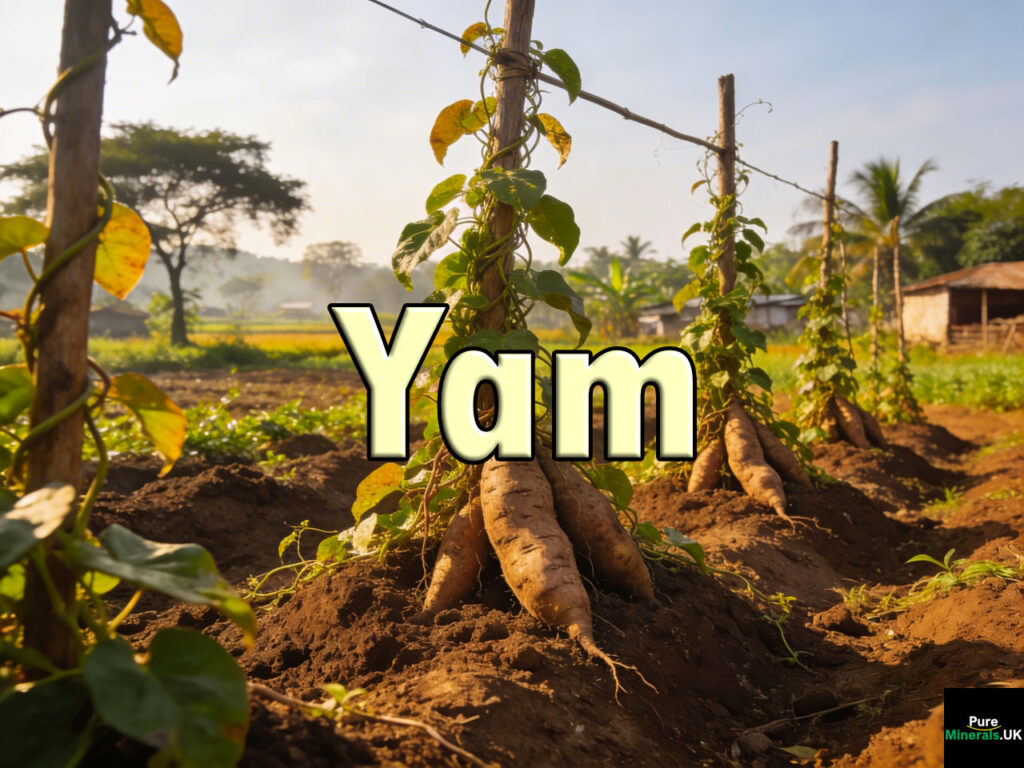
What Are Yams?
Yams are the edible tubers of plants belonging to the genus Dioscorea, cultivated primarily in tropical regions as a staple food. They are valued for their high starch content, dietary fiber, and role as a major source of energy in many traditional food systems.
Definition
Yams are the edible underground tubers of Dioscorea species, members of the Dioscoreaceae family, consumed as starchy root vegetables.
Extended Definition
Yams belong to the genus Dioscorea, which includes numerous species cultivated for their large underground tubers. These tubers function as storage organs for carbohydrates, primarily in the form of starch.
Commercial yam production is dominated by West African nations, with Nigeria producing over 60 million tonnes annually, making it the world’s largest producer. Ghana, the Ivory Coast, Benin, and Togo are also commercial producers within the “yam belt”. Combined, these nations account for over 95% of global yam production.
Yams are distinct from sweet potatoes (Ipomoea batatas), although the two are often confused in culinary terminology. Botanically, yams belong to a different plant family and have a different structure and growth pattern.
The tubers can vary significantly in size, shape, and color, with some species producing elongated roots weighing several kilograms. The flesh may be white, yellow, purple, or reddish, depending on the variety.
Nutritionally, yams provide complex carbohydrates, dietary fiber, potassium, vitamin C, and vitamin B6. These nutrients support energy metabolism, digestive function, and normal physiological processes.
Yams also contain polyphenols and other plant-derived compounds that contribute to plant defense and biochemical stability. Some species contain naturally occurring compounds such as diosgenin, a steroidal sapogenin involved in plant metabolism.
Certain yam species contain naturally occurring compounds that can be toxic if consumed raw. Proper cooking methods are required to make them safe for consumption.
Yams are widely used in traditional cuisines across Africa, Asia, the Caribbean, and parts of South America. They are commonly boiled, roasted, fried, or mashed.
Key Facts
Botanical name: Dioscorea spp.
Plant family: Dioscoreaceae
Common classification: Starchy root vegetable (tuber)
Origin: Africa and Asia
Edible part: Tuber
Typical color: Brown exterior with white, yellow, purple, or reddish interior
Primary nutrients: Carbohydrates (starch), fiber, potassium, vitamin C, vitamin B6
Key phytonutrients: Polyphenols, phenolic compounds
Energy density: Moderate to high
Notable compounds: Diosgenin (in some species), natural plant defense compounds
Culinary uses: Boiling, roasting, frying, mashing, and preparing traditional dishes
Key Takeaways
- Yams are one of the most nutrient-dense root crops in the world, delivering up to 80% starch by dry weight along with meaningful amounts of protein, vitamins, and minerals.
- A single serving of yams packs 369% of your daily vitamin A requirement, plus vitamin C, potassium, manganese, and copper.
- Beyond basic nutrition, yam contains bioactive compounds like diosgenin and dioscorin that researchers are studying for pharmaceutical and therapeutic applications.
- Yam contributes approximately 200 dietary calories per person per day to around 300 million people living in tropical regions.
- Not all yams are nutritionally equal — starch content, mineral levels, and bioactive compounds vary significantly between species, and some of those differences may matter for your health goals.
Yams are one of the most nutritionally complete root crops on the planet, and most people in the Western world are barely scratching the surface of what they offer.
This tuber has been feeding hundreds of millions of people across sub-Saharan Africa, Asia, and the Caribbean for centuries — not just as a filler food, but as a genuine nutritional powerhouse.
Yam Packs More Nutrition Than Most People Realize
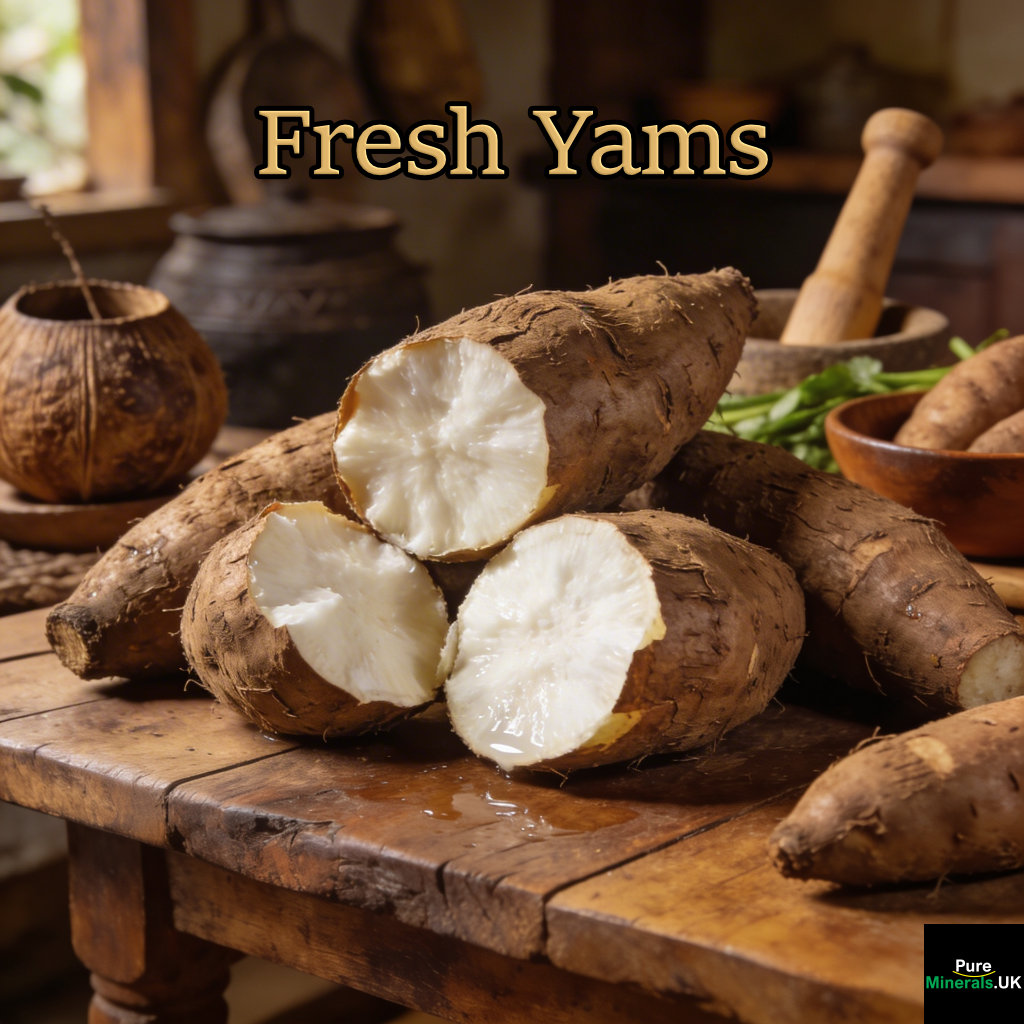
Yam belongs to the genus Dioscorea, which includes hundreds of species cultivated around the world. The most commonly consumed include D. rotundata, D. alata, D. cayenensis, D. esculenta, and D. bulbifera. Each species carries a slightly different nutritional fingerprint, but all of them deliver a dense combination of carbohydrates, fiber, protein, vitamins, and minerals that make yam far more than just a starchy side dish.
What sets yam apart from many other root vegetables is the combination of high energy density and functional bioactive compounds. You’re not just getting calories — you’re getting compounds that interact with your body in meaningful ways.
Yam Nutritional Profile
The nutritional composition of yam is shaped by several factors: the species, the growing environment, agricultural practices, and even how the yam is stored after harvest. A study tracking storage effects on yam nutrition found that protein content rose from 13.0% to 14.6%, total sugar increased from 6.5% to 9.8%, and reducing sugars climbed from 1.7% to 2.3% as moisture decreased from 67.8% to 56.5% during storage. That means even post-harvest handling affects what ends up on your plate.
Macronutrient Breakdown
Yam’s dominant macronutrient is carbohydrate, primarily in the form of starch, which can reach up to 80% of dry weight depending on the species. Protein content is notably higher in yam than in many other root and tuber crops, including cassava. D. alata is particularly recognized for its elevated protein levels among cultivated yam species. Lipids are present only in very small fractions, but even at those minor levels, they play a functional role in starch behavior and digestibility.
Vitamins Found in Yam
Yam is rich in several key vitamins. The standout figure: a single yam delivers 369% of the daily recommended intake of vitamin A. That alone makes it exceptional among root vegetables. Beyond vitamin A, yam also provides meaningful amounts of other root vegetable nutrients.
- Vitamin C — supports immune function and collagen synthesis
- B-complex vitamins — important for energy metabolism and nervous system health
- Vitamin E — acts as a fat-soluble antioxidant
Minerals Found in Yam
Mineral content in yam varies across species and varieties, but potassium, sodium, and chloride are consistently present and play critical roles in electrolyte balance and cellular function. D. bulbifera stands out for its calcium content, reaching up to 1,410 mg per 100g — an unusually high figure for a root crop. Yam also contains copper and manganese, both of which are essential trace minerals that many people don’t get enough of from typical Western diets.
Water Content Across Species
Water is actually the largest single component of fresh yam by weight, contributing up to 93% of wet weight in species like D. bulbifera, D. delicata, and D. pentaphylla. This high moisture content is why nutritional values shift so significantly between fresh and dry weight measurements — and why comparisons between studies need to account for the measurement basis being used.
Starch Composition of Yam
Starch is where yam truly dominates the root and tuber category. It is the primary reason yam has historically been classified as an energy food, particularly across sub-Saharan Africa. Starch in yam granules is composed of a mixture of amylopectin (branched chain polymers) and amylose (unbranched chain polymers) of D-glucose, typically occurring at a ratio of approximately 78:22. That ratio affects everything from texture when cooked to how quickly the starch is digested and absorbed.
A study by Afoakwa et al. evaluated the starch composition of seven cultivated yam species — D. cayenensis, D. rotundata, D. alata, D. bulbifera, D. esculenta, and others — and found substantial variation across all of them. Chinese yam (D. opposita) specifically showed a starch content ranging from 20% to 30%, as reported by Wang et al. High starch content has also been recorded in other staple crops like potatoes, cassava, taro, cocoyam, and cereal grains, but yam’s starch profile has unique structural characteristics that differentiate its functional properties.
Why Yam Starch Content Varies Between Species
The variation in starch content between yam species comes down to genetics, growing conditions, and the stage of maturity at harvest. Interestingly, D. delicata and D. olfersiana were found to have starch content below 1% — an outlier result that highlights just how wide the spectrum is within the Dioscorea genus. The analytical method used to measure starch also plays a significant role in the figures reported across different studies, which is worth keeping in mind when comparing nutritional data from multiple sources.
D. alata: The Highest Starch-Containing Yam Species
D. alata, commonly known as water yam or purple yam, is recognized as one of the highest starch-containing species within the Dioscorea genus. Its starch content can reach up to 84.3% on a dry weight basis. This makes it a particularly energy-dense food source, and it’s widely cultivated across Asia, the Pacific Islands, and parts of Africa. Its high starch yield also makes it valuable for food processing and industrial applications beyond direct consumption.
The combination of high starch yield and relatively good protein content compared to cassava makes D. alata one of the more nutritionally well-rounded yam species available.
How Environmental Factors Affect Starch Levels
Agricultural practices and environmental conditions during planting directly influence the starch levels found at harvest. Soil quality, rainfall, temperature, and planting density all interact to determine final tuber composition. This is a critical point for anyone using yam nutritional data for dietary planning or research — the numbers in a database may not reflect what’s in the specific yam grown in a specific region under specific conditions, similar to how turnips can vary based on their growing environment.
Storage conditions after harvest add another layer of variability. As moisture decreases during storage, the concentration of starches and sugars shifts — meaning a freshly harvested yam and a stored yam of the same species can have measurably different nutritional profiles.
Bioactive Compounds in Yam
Beyond its macronutrient and micronutrient content, yam contains a class of non-nutritional components called bioactive compounds. These are secondary metabolites that don’t provide direct caloric value but interact with biological systems in ways that can have significant health implications. Current research confirms that yams contain substantial amounts of these compounds, and the pharmaceutical potential they represent is an active area of scientific investigation, similar to other root vegetables like taro.
The bioactive profile of yam varies within and between species, just like its nutritional composition. Wu et al. reported this intra- and inter-species variation in bioactive content, reinforcing the idea that different yam species are not interchangeable from a health-benefit standpoint. For example, the nutritional differences between yam and taro highlight the unique health benefits each offers.
Diosgenin and Dioscorin
Diosgenin is a steroidal sapogenin found in several Dioscorea species and is one of the most pharmacologically significant compounds in yam. It has been studied for its potential role in hormone regulation, anti-inflammatory activity, and as a precursor in the synthesis of steroidal drugs. Dioscorin, the major storage protein found in yam tubers, has shown antioxidant, antihypertensive, and immunomodulatory properties in research settings. Together, these two compounds represent some of the strongest evidence for yam’s role as both a food and a functional medicine.
Phenolic Compounds and Antioxidants
Yam contains a diverse range of phenolic compounds, including flavonoids and polyphenols, that function as antioxidants in the body. These compounds help neutralize free radicals — unstable molecules that damage cells and contribute to aging and chronic disease. The phenolic content in yam varies significantly across species, with some varieties showing considerably higher antioxidant activity than others.
What makes yam’s antioxidant profile particularly interesting is how it interacts with other bioactive compounds already present in the tuber. The combined effect of phenolics, diosgenin, and dioscorin creates a synergistic protective environment at the cellular level. This is part of why traditional medicine systems across West Africa and Asia have long used yam preparations for conditions ranging from inflammation to hormonal imbalance — long before modern research began to validate those applications.
Health Benefits of Eating Yam
The health benefits of yam extend well beyond its caloric contribution. Its combination of complex carbohydrates, fiber, bioactive compounds, and micronutrients positions it as a functional food — one that does more than just fuel the body. The research on yam’s therapeutic potential is growing, and what’s already confirmed makes a compelling case for including it regularly in your diet.
Blood Sugar Regulation
Yam has several nutritional characteristics that make it a smarter carbohydrate choice for blood sugar management compared to many other starchy staples:
- Resistant starch — portions of yam starch resist digestion in the small intestine, slowing glucose absorption and blunting blood sugar spikes
- High fiber content — dietary fiber slows gastric emptying and reduces the rate at which sugars enter the bloodstream
- Low to moderate glycemic response — compared to refined carbohydrates, yam produces a more gradual rise in blood glucose
- Dioscorin activity — this storage protein has shown antihypertensive properties that may indirectly support metabolic health
It’s important to note that preparation method matters significantly here. Boiled yam generally produces a lower glycemic response than fried or roasted preparations, where surface starch gelatinizes and becomes more rapidly digestible. The way you cook yam can either preserve or undermine its blood sugar benefits. For more information on the health benefits of yams, you can explore further resources.
For people managing type 2 diabetes or insulin resistance, yam is worth discussing with a healthcare provider as part of a structured dietary approach. The resistant starch content and fiber work together in a way that few other starchy foods can match, making portion-appropriate yam a more metabolically favorable option than white rice or refined bread.
Digestive Health and Dietary Fiber
Yam’s fiber content supports digestive health by promoting regular bowel movements, feeding beneficial gut bacteria, and reducing transit time through the colon. The combination of soluble and insoluble fiber fractions in yam means it supports both stool consistency and prebiotic function — feeding the microbiome strains that produce short-chain fatty acids linked to reduced inflammation and improved gut barrier integrity.
Cholesterol and Heart Health
Dietary fiber in yam, particularly soluble fiber, has a direct role in cholesterol management. Soluble fiber binds to bile acids in the digestive tract and carries them out of the body, forcing the liver to pull more cholesterol from the bloodstream to produce replacement bile. Over time, this mechanism can contribute to measurably lower LDL cholesterol levels. Combined with yam’s potassium content — which supports healthy blood pressure — the cardiovascular case for regular yam consumption is solid.
Anti-Inflammatory Properties
Chronic inflammation is at the root of most degenerative diseases, and yam’s bioactive compounds directly target inflammatory pathways. Diosgenin in particular has been studied for its ability to inhibit pro-inflammatory cytokines — the signaling molecules that drive and sustain inflammatory responses in the body. This makes yam relevant not just for general health maintenance but specifically for people dealing with inflammatory conditions.
The phenolic compounds in yam add another layer of anti-inflammatory support by scavenging reactive oxygen species before they can trigger cellular damage and inflammatory cascades. When you combine the anti-inflammatory activity of diosgenin, dioscorin, and polyphenols, yam stands out as one of the few root vegetables with a genuinely multi-mechanism approach to reducing inflammation at the cellular level.
Yam’s Dietary Role Around the World
Yam is far more than a regional food — it is a global nutrition anchor for hundreds of millions of people. Its role shifts depending on geography, from daily staple to ceremonial food to commercial crop, but its nutritional contribution remains central in every context where it’s consumed at scale.
Yam as a Staple Calorie Source in West Africa
In West Africa, yam is not just common — it is foundational. Nigeria alone accounts for the majority of global yam production, and across the region, yam contributes approximately 200 dietary calories per person per day to roughly 300 million people in tropical zones. That’s a significant caloric load being carried by a single crop, and it speaks to just how deeply yam is embedded in the food systems of the region.
In African countries where starchy staples like yam and cassava dominate the diet, yams contribute a meaningful share of total protein intake as well — ranging from 5.9% upward depending on the region and dietary pattern. Given that yam has higher dietary protein than cassava and cocoyam, it is the more nutritionally complete option among the traditional starchy staples commonly consumed in sub-Saharan Africa.
Yam’s Contribution to Global Food Security
Yam’s ability to grow in tropical and subtropical conditions where other crops struggle makes it a critical food security asset. Its high starch content delivers dense energy, its shelf life can be extended through traditional storage methods, and its diversity across hundreds of Dioscorea species means there are varieties suited to a wide range of agro-ecological zones. Researchers and food security organizations continue to study yam’s potential to buffer populations against food insecurity, particularly in sub-Saharan Africa and parts of Southeast Asia where it already plays a dominant dietary role.
Culinary Uses of Yam
Yam is one of the most versatile root vegetables in the world’s culinary toolkit. It can be boiled, fried, baked, roasted, pounded, dried and milled into flour, or fermented — each method producing a distinct texture and flavor profile. The preparation method doesn’t just affect taste; as discussed earlier, it also directly influences the nutritional and glycemic outcomes of the food.
Boiled, Fried, Baked, and Roasted Preparations
Boiling is the most common preparation method globally and the one that best preserves yam’s resistant starch and fiber. Fried yam — particularly popular as street food across West Africa — produce a crispy exterior and soft interior but increase fat content significantly. Baked and roasted yam preparations are increasingly popular in modern cooking for their concentrated flavor and lower fat profile compared to frying. Each method has its place, but boiling remains the gold standard if nutritional preservation is the priority. For those interested in exploring similar root vegetables, rutabaga offers a unique alternative with its own set of culinary uses.
Pounded Yam and Traditional African Dishes
Pounded yam is one of the most iconic dishes in Nigerian and West African cuisine. Boiled yam is pounded in a mortar until it reaches a smooth, stretchy, dough-like consistency — then served alongside rich soups like egusi, ogbono, or okra soup. The pounding process breaks down the starch granules and changes the texture dramatically, creating a dish that is dense, filling, and deeply satisfying. In many West African households, pounded yam is considered a marker of culinary skill and cultural identity, not just a meal.
Yam in Modern Cooking
Modern chefs and home cooks are finding creative ways to incorporate yam into contemporary dishes that go well beyond traditional preparations. Yam flour is now used as a gluten-free alternative in baking, yam puree appears in soups and sauces as a thickening agent, and thinly sliced yam is being used as a base for grain-free flatbreads and wraps. The natural density and mild, earthy flavor of yam makes it exceptionally adaptable to both sweet and savory applications.
Preparation Method vs. Nutritional Impact at a Glance
Preparation Method
Fat Content
Resistant Starch Preserved
Glycemic Impact
Boiled
Low
High
Low to Moderate
Roasted/Baked
Low
Moderate
Moderate
Fried
High
Low
Higher
Pounded
Low
Moderate
Moderate
Yam Flour (dried & milled)
Very Low
Variable
Moderate
Purple yam (D. alata) has become a particularly popular ingredient in contemporary food culture, especially in Filipino cuisine, where it’s known as ube. Its vivid purple color and subtly sweet flavor have made it a standout ingredient in ice creams, cakes, lattes, and pastries that are now appearing in food markets and cafes across North America, Europe, and Asia. This crossover moment is helping bring global attention to a crop that has nourished tropical populations for millennia.
One of the most practical modern applications for yam is as a post-workout carbohydrate source. Its combination of complex starch, potassium for electrolyte replenishment, and vitamin C for tissue repair makes it a genuinely functional recovery food — not just a trendy one. Athletes and fitness-focused eaters who want whole-food carbohydrate sources are increasingly turning to yam as a cleaner, more nutrient-dense alternative to processed sports nutrition products.
Yam Recipes to Try at Home
Cooking yam at home is straightforward, and even simple preparations deliver exceptional flavor and nutrition. The key is choosing the right variety for your intended dish — white yam (D. rotundata) works best for boiling and pounding, while water yam (D. alata) holds up well in stews and baked preparations. Fresh yam should be firm, with no soft spots or visible mold on the skin.
Before cooking, always peel yam carefully — the skin contains compounds that can cause skin irritation in some people, so wearing gloves during peeling is a practical precaution. Once peeled, cut yam into uniform chunks to ensure even cooking. Here are three foundational recipes that showcase yam at its best:
- Boiled Yam With Tomato Stew — A West African classic that pairs tender boiled yam with a rich, spiced tomato and pepper sauce
- Pounded Yam — The signature smooth, stretchy Nigerian staple traditionally served with assorted soups
- Fried Yam With Pepper Sauce — Crispy on the outside, soft on the inside, served with a punchy blended pepper dip
Each of these recipes uses minimal ingredients and lets the yam itself do the heavy lifting. They represent three completely different textures and flavor experiences from the same ingredient, much like the versatility of turnips in various dishes.
Boiled Yam With Tomato Stew
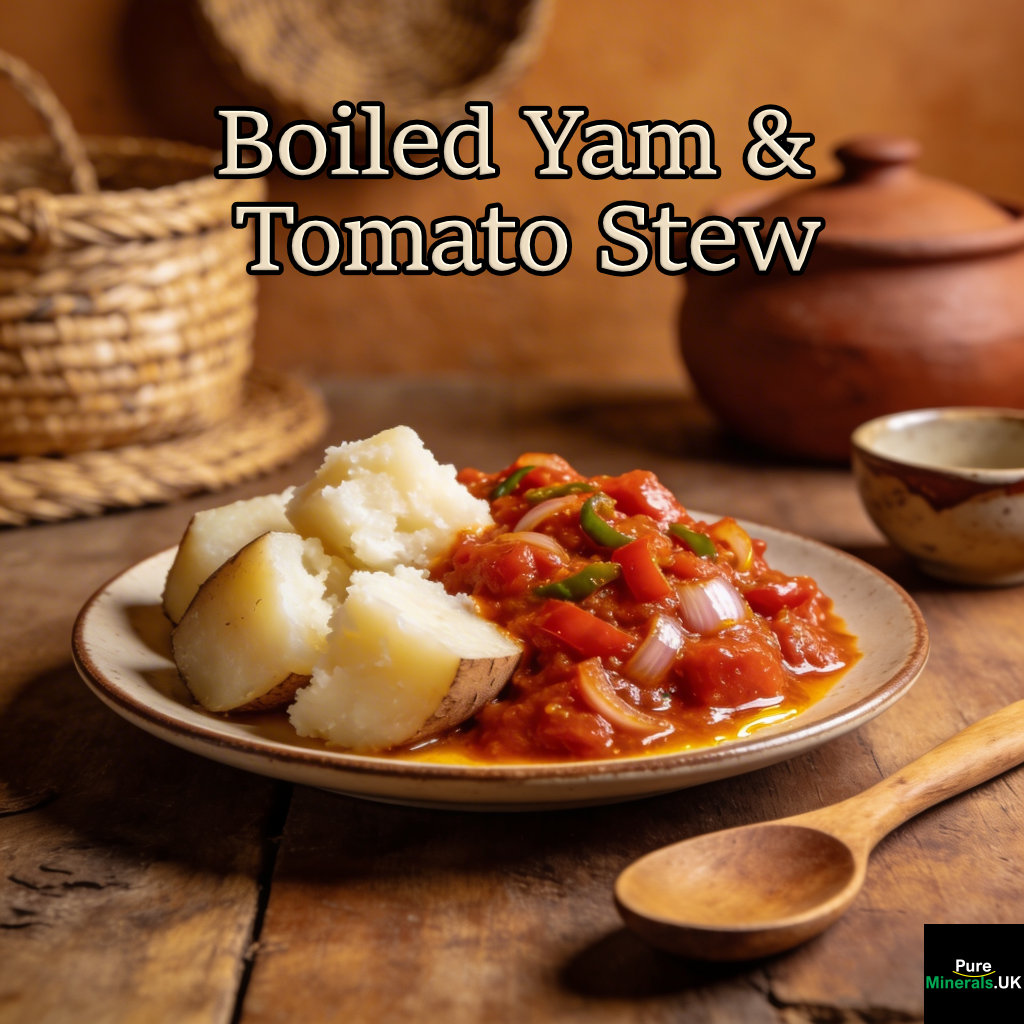
Peel and cube approximately 500g of white yam (D. rotundata) into roughly equal pieces, about 2 inches thick. Place in a pot, cover with water, add a pinch of salt, and boil over medium-high heat for 20 to 25 minutes until fork-tender but not falling apart. While the yam cooks, blend 4 medium tomatoes, 1 red bell pepper, and 1 to 2 scotch bonnet peppers together into a smooth paste. Fry the blended tomato mixture in 3 tablespoons of vegetable oil with diced onion, season with salt and a bouillon cube, and cook down until the raw tomato smell is gone and the sauce thickens — about 15 minutes on medium heat.
Serve the boiled yam hot alongside the tomato stew. The natural starchiness of the yam absorbs the acidic tomato base beautifully, and the combination of complex carbohydrates from the yam with the lycopene-rich tomato sauce makes this a genuinely complete and nutritious meal. This dish is a daily staple in many Nigerian and Ghanaian households and for good reason — it’s fast, filling, and nutritionally dense.
Pounded Yam
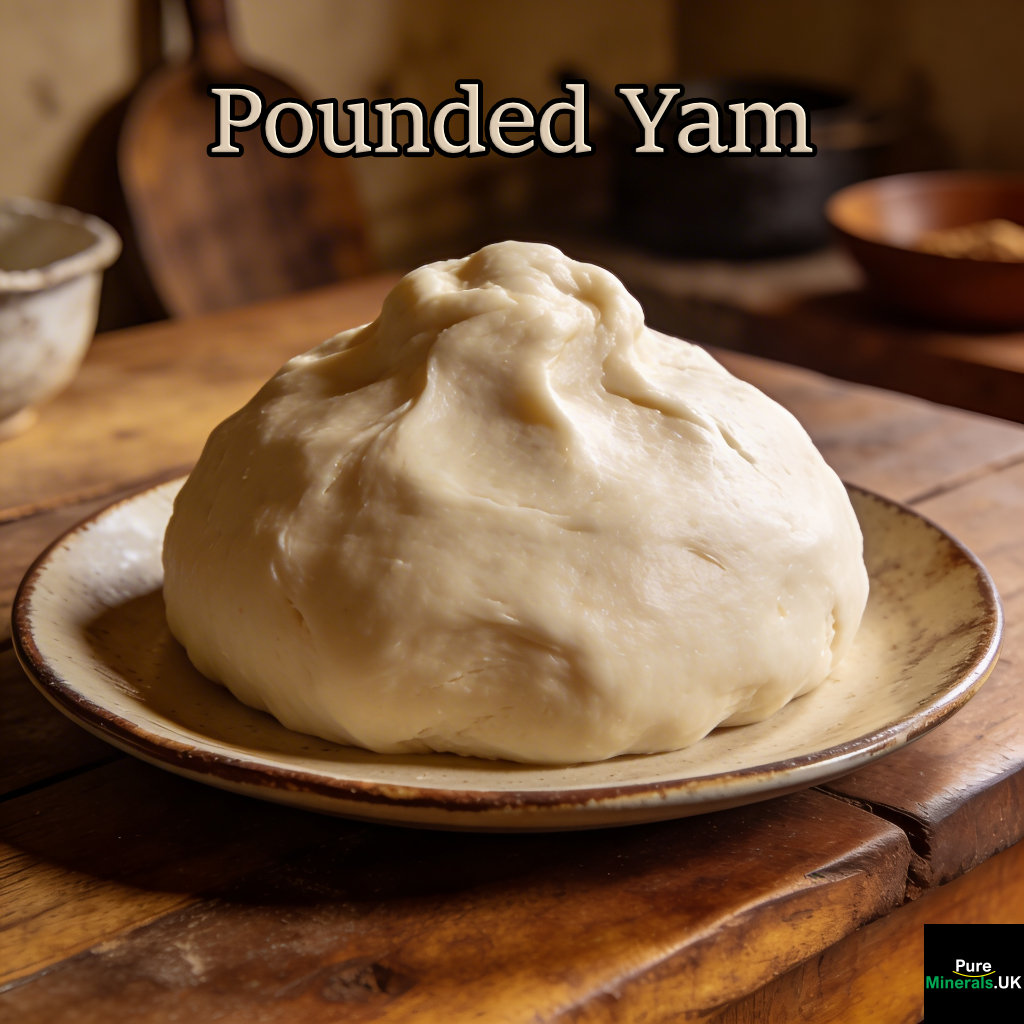
Boil peeled and cubed white yam in salted water until very soft — significantly softer than you’d cook it for eating as chunks, around 30 to 35 minutes. Drain completely, then transfer to a large mortar and begin pounding with a pestle, gradually folding the yam over itself between strikes. Add small amounts of hot water periodically to achieve a smooth, stretchy, lump-free consistency. The finished pounded yam should be elastic and pull away from the mortar cleanly.
If you don’t have a mortar and pestle, a stand mixer with a dough hook can replicate the process reasonably well. Serve immediately with egusi soup, okra soup, or any rich, protein-based broth — the pounded yam acts as both the carbohydrate base and the utensil, traditionally eaten by pulling off small portions and using them to scoop up the accompanying soup.
Fried Yam With Pepper Sauce
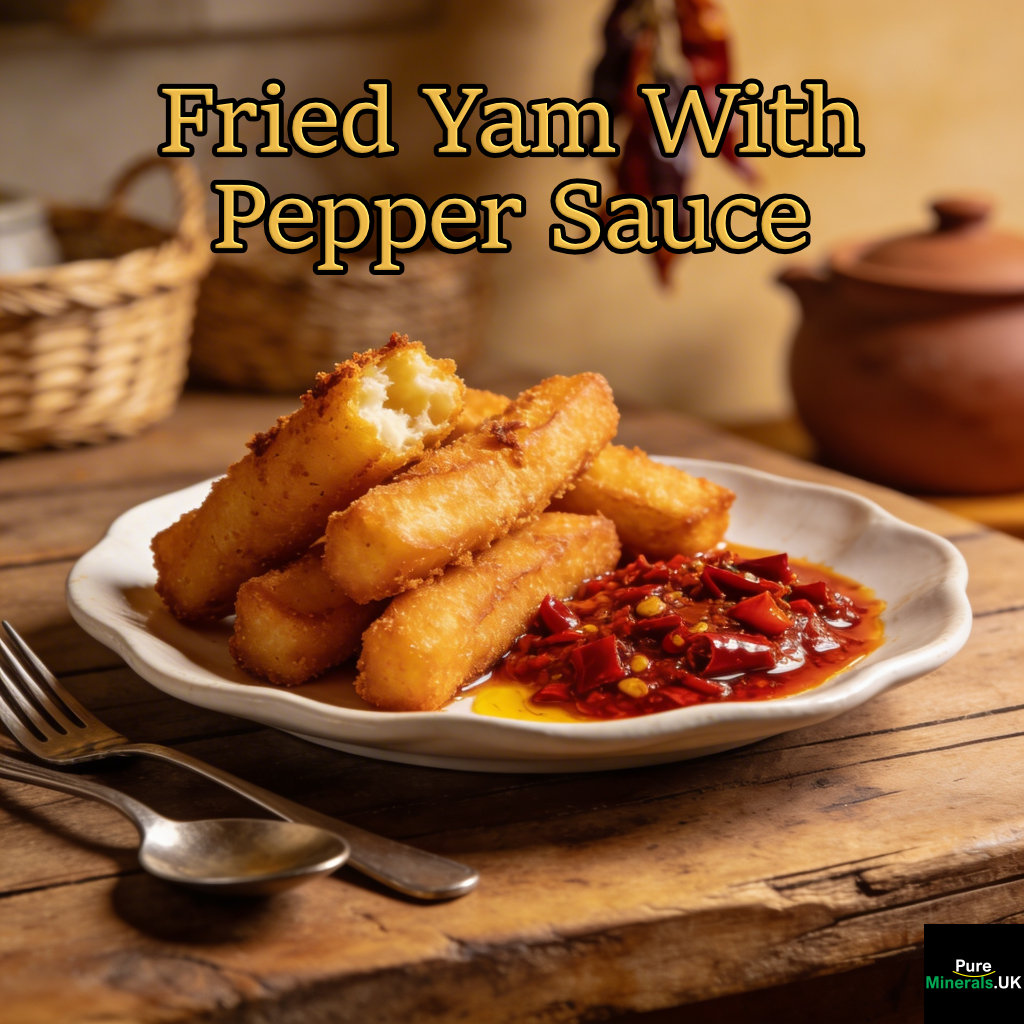
Peel and slice yam into finger-length batons approximately 1 cm thick — similar to thick-cut fries. Season lightly with salt and allow to air-dry for 10 minutes to reduce surface moisture, which is the key to achieving a crispier exterior. Heat vegetable oil in a deep pan to approximately 175°C (350°F) and fry the yam in batches for 5 to 7 minutes until golden brown and cooked through. Avoid overcrowding the pan, which drops oil temperature and results in greasy, soggy yam rather than crispy pieces.
Quick Pepper Sauce Recipe
Blend together: 3 fresh tomatoes, 2 red bell peppers, 2 scotch bonnet peppers (reduce for less heat), half a medium onion, and 2 cloves of garlic. Fry the blended mixture in 2 tablespoons of oil with salt to taste for 10 to 12 minutes until thickened. Optional: add a pinch of smoked paprika for depth.
Fried yam with pepper sauce is one of the most popular street foods across West Africa, sold from roadside stalls and eaten at any time of day. The contrast between the crispy fried exterior of the yam and the bright, acidic heat of the pepper sauce is what makes this combination so persistently satisfying. While fried yam is higher in fat than boiled preparations, it still delivers a meaningful nutritional payload — particularly potassium, vitamin C, and complex carbohydrates — making it a more nutritious fried food option than most alternatives.
For a lighter version, oven-baking the yam batons at 200°C (400°F) for 25 to 30 minutes with a light brush of oil produces a similar result with significantly less fat absorption while still delivering a satisfying crispy texture.
Yam Is One of the Most Underrated Nutritional Staples on the Planet
Yam delivers energy, micronutrients, bioactive compounds, and genuine therapeutic potential in a single whole food. From its starch granule composition and vitamin A density to its diosgenin content and role in feeding 300 million people across the tropics, every layer of yam’s profile reveals something worth knowing. The variation across Dioscorea species means there’s no single yam story — there are hundreds, each with its own nutritional signature shaped by genetics, environment, and how the tuber is handled from field to fork.
Whether you’re looking at yam through a food security lens, a sports nutrition lens, or simply trying to diversify your diet with whole foods that actually deliver results, yam belongs in the conversation at the highest level. It’s not exotic — it’s foundational, and the science is increasingly catching up to what traditional food cultures have known for generations.
Important note: Yams
Yams must be properly cooked before consumption, as some species contain naturally occurring compounds that can be harmful when raw. This article is provided for educational purposes only and does not constitute medical advice. Individuals with specific dietary concerns should consult a qualified healthcare professional before making significant dietary changes.
Frequently Asked Questions
Yam generates a lot of confusion, particularly in Western markets where the term is used loosely and often incorrectly. The FAQs below address the most common points of confusion and the most nutritionally relevant questions about this crop. For those interested in similar starchy vegetables, you might want to explore taro as well.
What is the difference between a yam and a sweet potato?
True yams belong to the genus Dioscorea and are native to Africa and Asia. Sweet potatoes belong to the genus Ipomoea and are a completely different plant species. In the United States, the orange-fleshed sweet potato is frequently mislabeled as a “yam” in grocery stores, which has created widespread confusion. True yams have a rougher, bark-like skin, white to purple flesh depending on species, and a more neutral, starchy flavor compared to the sweeter, moister profile of sweet potatoes. Nutritionally, they are distinct crops with different starch compositions, bioactive compounds, and micronutrient profiles.
Which yam species has the highest starch content?
Dioscorea alata, commonly known as water yam or purple yam, is recognized as one of the highest starch-containing species within the genus, with starch content reaching up to 84.3% on a dry weight basis. Most cultivated yam species range between 20% and 80% starch by dry weight, depending on species, growing conditions, and maturity at harvest.
Is yam good for people with diabetes?
Yam has several characteristics that make it a more favorable carbohydrate choice for people managing blood sugar — including resistant starch, dietary fiber, and a lower glycemic response compared to refined carbohydrates. However, preparation method significantly affects glycemic impact, with boiled yam producing a lower blood glucose response than fried preparations. Anyone managing diabetes should incorporate yam as part of a structured dietary plan developed with their healthcare provider, paying close attention to portion size and preparation method.
How much yam do people in West Africa eat per year?
Yam contributes approximately 200 dietary calories per person per day to around 300 million people living in tropical regions, with the highest consumption concentrated in West Africa — particularly Nigeria, Ghana, Côte d’Ivoire, Benin, and Togo. Nigeria is the world’s largest producer of yam by a significant margin, and the crop is deeply embedded in both the daily diet and cultural identity of the region.
What bioactive compounds in yam have medicinal uses?
The most pharmacologically significant bioactive compounds in yam include diosgenin, a steroidal sapogenin that has been studied for anti-inflammatory, hormone-modulating, and anti-tumor properties, and dioscorin, the major storage protein in yam tubers that has demonstrated antioxidant, antihypertensive, and immunomodulatory activity in research settings. For those interested in similar tuberous vegetables, taro also contains bioactive compounds with health benefits.
Beyond these two, yam contains a range of phenolic compounds — flavonoids and polyphenols — that function as antioxidants, neutralizing free radicals and reducing oxidative stress at the cellular level. The bioactive profile varies significantly across Dioscorea species, which means the specific health benefits associated with yam consumption depend in part on which species is being consumed and how it’s prepared. For those interested in exploring more about similar tuberous vegetables, consider reading about water chestnut.
Research into yam’s pharmaceutical potential is ongoing, and while traditional medicine systems across West Africa and Asia have used yam therapeutically for centuries, modern science is still in the process of fully characterizing the mechanisms behind these effects. What’s already confirmed, however, makes a compelling case for yam as a functional food with benefits that extend well beyond basic nutrition.