

Published: 7 May 2026
This article is periodically reviewed and updated to reflect current scientific understanding by Vic George.
Fact-Checked: 1 other authoritative medical/scientific reference. See our Editorial Policy.
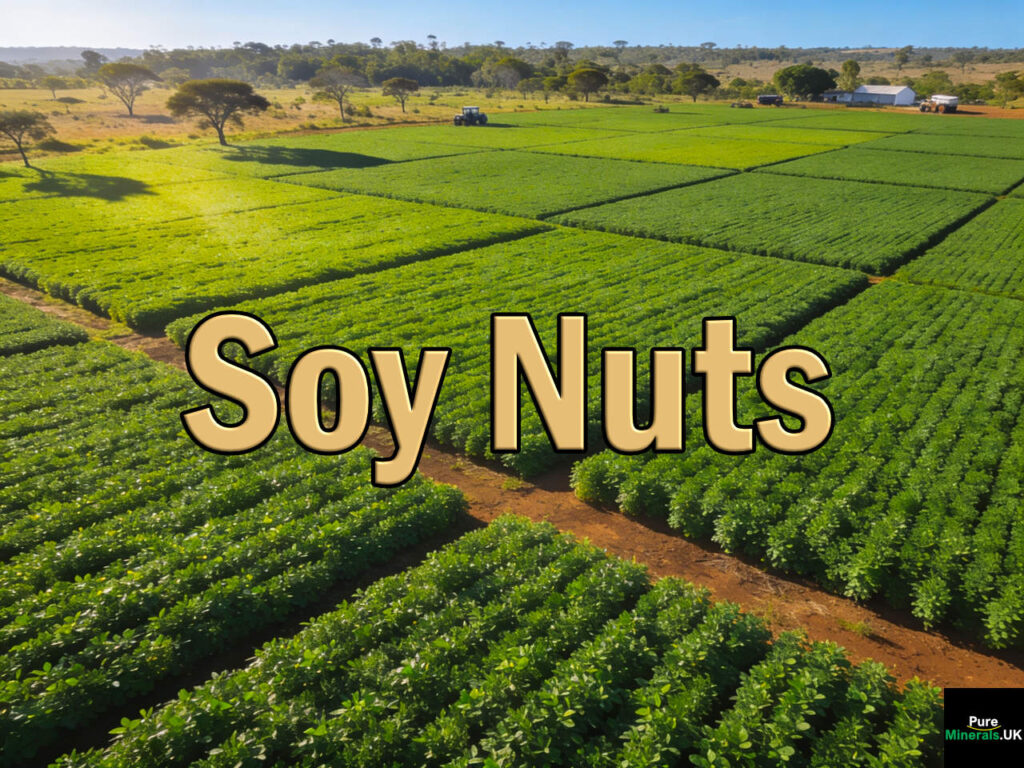
What Are Soy Nuts and Why Are They Widely Used?
Soy nuts are roasted soybeans (Glycine max) valued for their high protein content, versatility, and importance in both traditional Asian cuisine and modern plant-based diets.
Definition
Soy nuts are mature soybeans (Glycine max) that have been soaked and roasted until crisp, creating a snack food or ingredient with a concentrated nutrient profile.
Extended Definition
The soybean (Glycine max) is a legume native to East Asia and one of the world’s most economically significant food crops. Although soybeans are botanically legumes rather than true nuts, roasted soybeans are commonly referred to as soy nuts due to their crunchy texture and nut-like culinary use.
Nutritionally, soy nuts are notable for their high protein content, containing all nine essential amino acids in proportions considered complete for human nutrition. They also provide fats—primarily polyunsaturated and monounsaturated fatty acids—along with dietary fibre and moderate carbohydrate content.
Soy nuts are a source of minerals such as iron, magnesium, phosphorus, and potassium, and they contain compounds known as isoflavones, a class of phytoestrogens naturally present in soybeans.
Roasting improves flavour and texture while reducing certain naturally occurring antinutritional compounds found in raw soybeans. Soy nuts are commonly consumed as snacks or used in salads, trail mixes, and plant-based food products.
Key Facts
- Botanical Name: Glycine max
- Plant Type: Annual legume (seed)
- Edible Part: Seed (soybean)
- Macronutrient Profile: High protein, moderate fat, moderate carbohydrates
- Notable Micronutrients: Iron, magnesium, phosphorus, potassium
- Natural Compounds: Isoflavones, phytosterols, lecithin
- Typical Preparation: Soaked and roasted
- Common Uses: Snacks, trail mixes, salads, plant-based foods
- Taste Profile: Nutty, mildly savoury
- Culinary Status: Widely consumed globally
Article At A Glance
- Soy nuts are roasted whole soybeans — one of the most protein-dense plant snacks available, delivering around 11 grams of protein per ounce.
- Soybeans contain two primary proteins, glycinin and conglycinin, which together make up roughly 80% of the total protein content.
- The bioactive compounds in soybeans, particularly isoflavones, are linked to reduced cancer risk, improved heart health, and relief of menopausal symptoms.
- Not everyone should eat soy freely — people with thyroid conditions, soy allergies, or certain hormone-sensitive conditions should consult a doctor first.
- Keep reading to find out exactly how soy nuts compare to other plant proteins, and which vitamins and minerals make them worth adding to your diet.
Soy nuts are one of the most underrated high-protein snacks in the plant-based world — and the nutritional profile behind them is surprisingly powerful.
Soy Nuts Pack More Protein Per Ounce Than Most Plant Foods
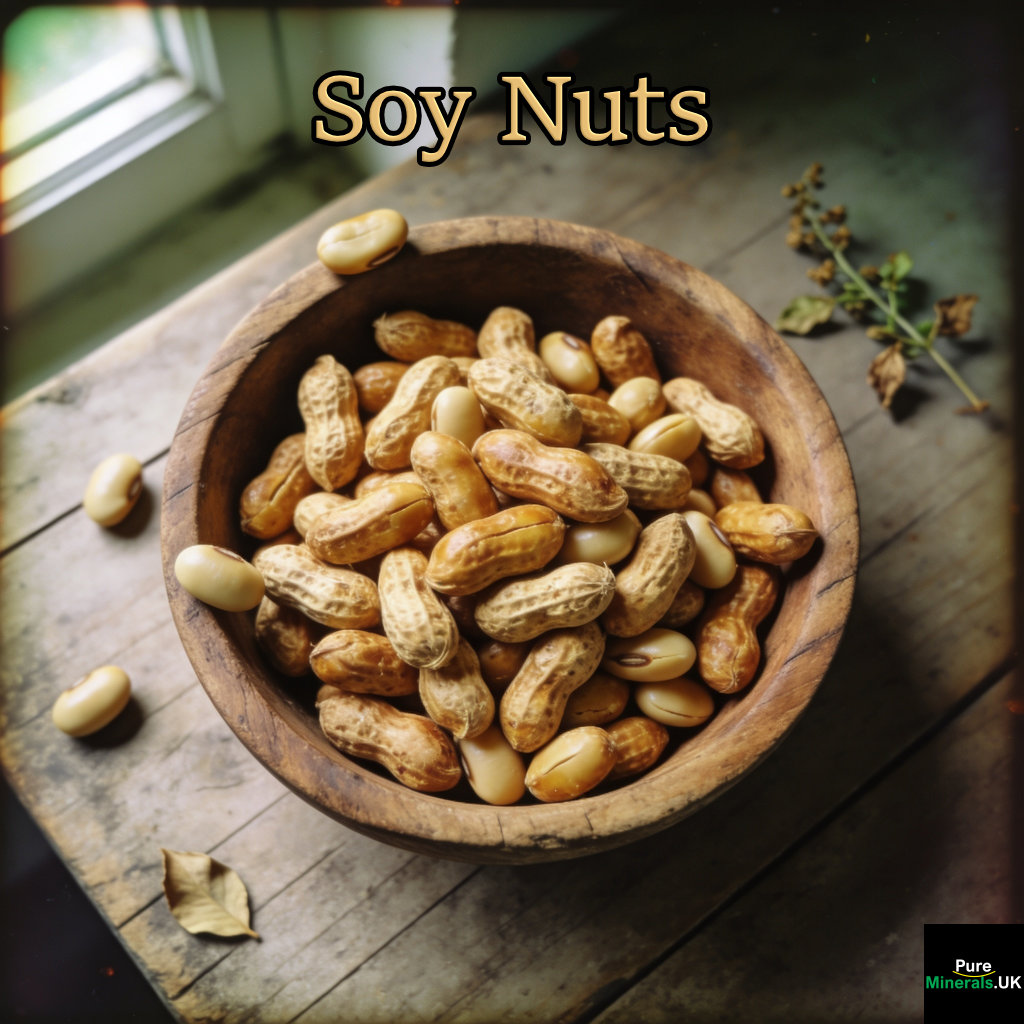
Most plant snacks struggle to hit even 5 grams of protein per ounce. Soy nuts clear that bar more than twice over. That single fact is what puts them in a different category from almonds, sunflower seeds, or roasted chickpeas when you’re serious about hitting your protein targets on a plant-based diet.
What Are Soy Nuts?
Soy nuts are whole soybeans (Glycine max) that have been soaked in water and then roasted or baked until crisp. Despite the name, they are not true nuts — they are legumes, just like lentils or chickpeas. The roasting process gives them a crunchy texture and a nutty flavor that makes them easy to snack on straight from the bag or toss into salads and trail mixes.
Soybeans themselves are native to eastern Asia and have been a staple of Asian diets for thousands of years. Today, the United States, Brazil, and Argentina are the world’s largest producers, with soybeans now being one of the most widely grown crops globally. The soy nut form is particularly popular in Western countries as a high-protein alternative to traditional nuts.
Soy Nuts vs. Whole Soybeans: What Is the Difference?
Whole soybeans and soy nuts come from the same plant, but the processing makes a real difference in texture, flavor, and how your body interacts with them. Boiled whole soybeans (edamame or mature cooked soybeans) are softer and have a higher water content. Soy nuts, by contrast, are dry-roasted, giving them a concentrated nutrient density per ounce since the water has been removed.
The roasting process can slightly affect certain heat-sensitive nutrients, but the core macronutrient profile — protein, fat, and fiber — remains largely intact. For practical snacking and portability, soy nuts win easily over boiled soybeans.
Types of Soy Nuts Available
You’ll find soy nuts in several varieties depending on flavor and processing method:
- Dry-roasted, unsalted — the cleanest option for nutrition tracking
- Salted or lightly salted — most common in stores
- Flavored varieties — including barbecue, ranch, and dark chocolate-coated
- Organic soy nuts — sourced from non-GMO certified soybeans
For people managing sodium intake or watching added sugars, unsalted dry-roasted soy nuts are the most straightforward choice.
How Soybeans Are Farmed
Understanding where soy nuts come from starts on the farm. Soybeans are annual legumes that complete their full growth cycle — from seed to harvest — within a single growing season. They are a warm-season crop that requires well-drained soil, consistent moisture, and plenty of sunlight to reach full yield potential.
Soybeans are also nitrogen-fixing plants, meaning they work with soil bacteria called Rhizobium to pull nitrogen from the air and deposit it into the soil. This makes them genuinely valuable in crop rotation systems, as they naturally improve soil fertility for the following season’s crops.
Where Soybeans Grow Best
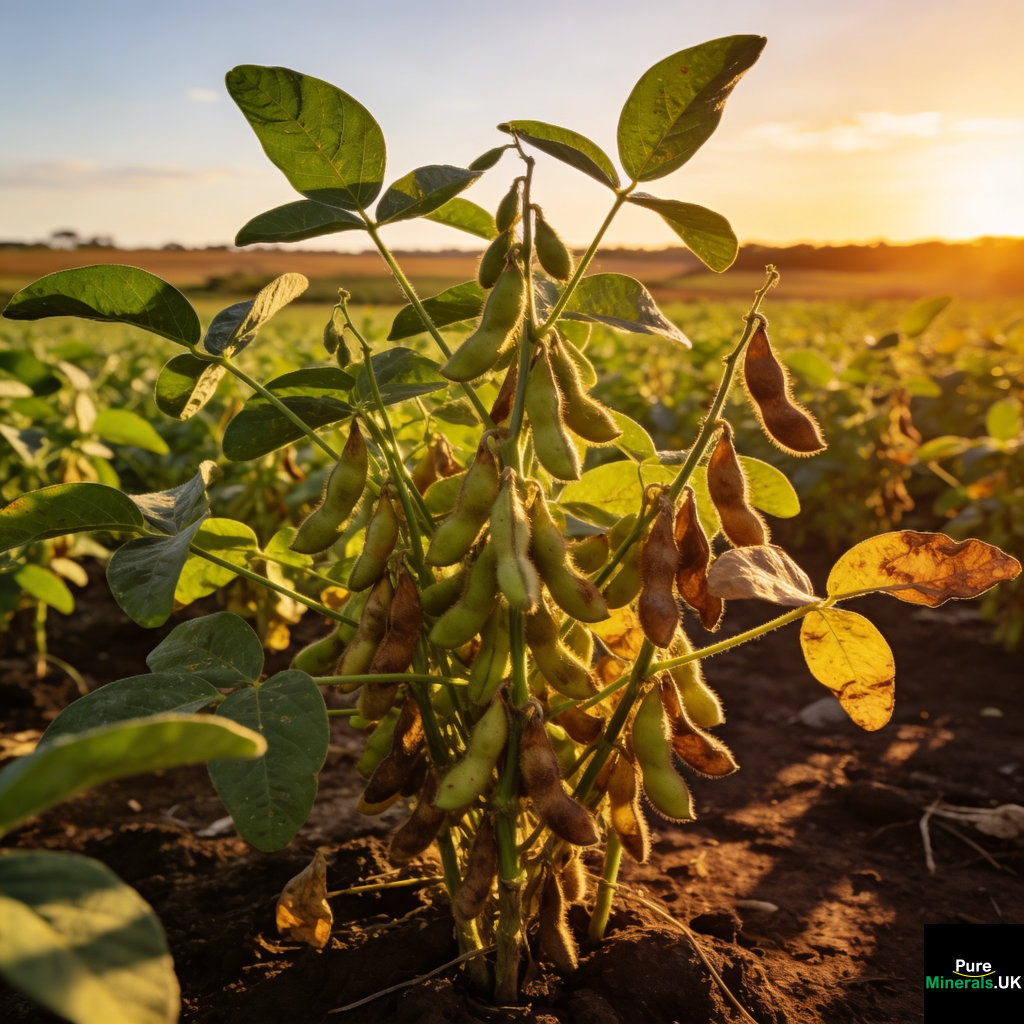
Soybeans thrive in temperate climates with warm summers. In the United States, the Midwest — often called the “Corn Belt” — is the primary growing region, with states like Iowa, Illinois, Minnesota, and Indiana leading production. Globally, Brazil has become one of the top producers, with its vast cerrado (savanna) regions offering ideal growing conditions.
Optimal soil pH for soybean farming sits between 6.0 and 6.8. Farmers typically plant seeds between late April and early June when soil temperatures have consistently reached at least 50°F (10°C). Planting too early in cold soil leads to poor germination rates and increased disease risk.
How Soybeans Are Harvested and Processed Into Soy Nuts
Soybeans are harvested in the fall, typically between September and November, once the pods have dried and the moisture content of the beans drops to around 13%. Combine harvesters strip the pods from the plant, and the beans are then cleaned, dried, and stored, similar to the process used for shea nuts.
To make soy nuts, mature dried soybeans are first soaked in water for several hours to rehydrate them slightly, then drained and roasted at high heat — either in an oven or an industrial roaster — until they reach that signature crunchy texture. Some manufacturers use oil-roasting, while others use dry-roasting, which keeps the fat content lower.
Soy Nut Nutritional Profile
Few plant foods pack this level of nutritional density into such a small serving. Soy nuts deliver a meaningful combination of complete protein, healthy fats, fiber, and a wide array of micronutrients that make them genuinely useful — not just as a snack, but as a functional food.
Per 1-ounce (28g) serving of dry-roasted soy nuts, the general nutritional breakdown looks like this: it’s interesting to compare them with other nuts like pine nuts for a broader understanding of their nutritional profiles.
Macronutrients: Protein, Fat, and Carbohydrates
Soy nuts offer roughly 11 grams of protein, 5 grams of fat, and 9 grams of carbohydrates per ounce, with about 4 grams of that coming from dietary fiber. The fat profile leans heavily toward unsaturated fats, including both omega-6 and omega-3 fatty acids, which is notably healthier than most processed snack foods. The carbohydrate content is moderate, and the fiber helps slow digestion, contributing to a lower glycemic response.
Key Vitamins and Minerals in Soy Nuts
Nutrient | Amount per 100g (boiled soybeans) | Key Function |
|---|---|---|
Protein | ~17g | Muscle repair, enzyme production |
~33 mcg | Blood clotting, bone metabolism | |
Folate (B9) | ~54 mcg | Cell division, DNA synthesis |
Thiamine (B1) | ~0.15 mg | Energy metabolism, nerve function |
~0.55 mg | Bone formation, antioxidant defense | |
~245 mg | Bone health, energy storage | |
~0.4 mg | Iron metabolism, connective tissue | |
~5.1 mg | Oxygen transport, immune function |
Vitamin K1 in soybeans plays a direct role in bone metabolism and blood clotting, making it especially relevant for people who don’t consume dairy regularly. Folate is critical for DNA synthesis and cell division, which is why soy-based foods are frequently highlighted in plant-based pregnancy nutrition discussions.
Copper, though often overlooked, supports iron absorption and the formation of connective tissue — both relevant for active individuals. Manganese acts as a cofactor for several antioxidant enzymes in the body, giving soy nuts a quiet but real role in cellular defense.
Phosphorus in soybeans is abundant, but it’s worth noting that some of it is bound to phytic acid, which can reduce how much your body actually absorbs. Soaking and roasting — exactly what’s done to make soy nuts — help reduce phytic acid content and improve mineral bioavailability compared to raw soybeans.
Iron content in soybeans is notable for plant-based eaters, though plant-based (non-heme) iron is absorbed less efficiently than heme iron from animal sources. Pairing soy nuts with a vitamin C-rich food is a practical way to significantly boost that iron absorption in a single snack or meal.
Isoflavones and Other Bioactive Plant Compounds
Soybeans contain higher amounts of isoflavones than virtually any other commonly consumed food. Isoflavones are a type of phytoestrogen — plant compounds that have a chemical structure similar to estrogen and can weakly bind to estrogen receptors in the human body. The primary isoflavones in soybeans are genistein, daidzein, and glycitein.
Beyond isoflavones, soybeans also contain saponins, which have been studied for potential cholesterol-lowering and immune-modulating effects, and phytic acid, which acts as an antioxidant but can also bind to certain minerals and limit their absorption. The balance of these compounds is part of why soy nutrition is more nuanced than a simple protein count suggests — both the benefits and the considerations matter.
Plant Protein Content in Soy Nuts
Protein is the headline feature of soy nuts, and the numbers genuinely stand out. Whether you’re building a plant-based diet from scratch or simply trying to reduce reliance on animal protein, soy nuts offer a level of protein density that very few whole-food plant sources can match.
How Much Protein Is in Soy Nuts?
One ounce (28g) of dry-roasted soy nuts contains approximately 11 grams of protein. To put that in perspective, the same amount of almonds delivers around 6 grams, and roasted chickpeas come in at roughly 5 grams. A full cup of boiled soybeans pushes that number to around 31 grams — making it one of the most protein-rich single servings in the entire plant kingdom. For anyone tracking macros on a plant-based plan, soy nuts are a genuinely efficient way to close a protein gap without adding significant calories.
Soy Protein Quality Compared to Other Plant Proteins
What makes soy protein stand apart from most other plant proteins isn’t just the quantity — it’s the quality. Soy is one of the only plant sources that provides all nine essential amino acids in sufficient amounts, making it a complete protein. Most plant proteins are considered incomplete because they’re low in one or more essential amino acids. Soy’s amino acid profile is nutritionally comparable to animal protein, though research notes it scores slightly lower than whey or casein on the PDCAAS (Protein Digestibility Corrected Amino Acid Score) scale.
Glycinin and Conglycinin: The Main Proteins in Soybeans
The two dominant proteins found in soybeans are glycinin and conglycinin, which together account for approximately 80% of the soybean’s total protein content. These are storage proteins — the plant uses them to fuel germination — but in the human diet, they serve as high-quality amino acid sources.
There is one practical consideration worth knowing. Both glycinin and conglycinin are among the most common food allergens in soybeans, and they can trigger immune responses in sensitive individuals. For people without a soy allergy, however, these proteins are efficiently digested and contribute meaningfully to daily protein intake. Research has also suggested that conglycinin may have lipid-lowering properties, adding another layer of functional value to soy’s protein fraction.
Health Benefits of Soy Nuts
The health benefits tied to soy consumption go well beyond protein. The combination of complete protein, healthy fats, fiber, and bioactive compounds like isoflavones creates a nutritional profile with measurable effects on several aspects of long-term health.
It’s important to approach these benefits with context — most of the research is based on regular soy food consumption as part of an overall balanced diet, not isolated supplementation. That said, the evidence across multiple health areas is consistent enough to take seriously.
Cholesterol Reduction and Heart Health
Soy protein has been studied extensively for its effect on blood lipids. Regular consumption of soy protein has been associated with modest reductions in LDL cholesterol (the “bad” kind), which is a recognized risk factor for cardiovascular disease. The FDA has acknowledged a relationship between soy protein consumption and reduced coronary heart disease risk, though the specific threshold discussed in research has been around 25 grams of soy protein per day. The unsaturated fat profile of soybeans — including both linoleic acid (omega-6) and alpha-linolenic acid (omega-3) — further supports cardiovascular health by replacing less heart-friendly saturated fat sources in the diet.
Cancer Risk Reduction
Isoflavones in soybeans, particularly genistein and daidzein, have been studied in relation to both breast and prostate cancer. Population-level data from Asian countries — where soy consumption is significantly higher than in the West — show lower rates of hormone-related cancers, and researchers have pointed to dietary isoflavone intake as a contributing factor. The proposed mechanism involves isoflavones modulating estrogen receptor activity, inhibiting certain cancer-promoting enzymes, and demonstrating antioxidant effects at the cellular level. Current research suggests that consuming soy foods as part of a regular diet, rather than high-dose isoflavone supplements, is the appropriate context for these potential benefits.
Blood Sugar Control and Low Glycemic Index
Soybeans have a low glycemic index (GI), meaning they cause a slow, gradual rise in blood sugar rather than a sharp spike. This is largely due to their high fiber and protein content, both of which slow gastric emptying and moderate the rate of glucose absorption. For people managing type 2 diabetes or insulin resistance, incorporating low-GI foods like soy nuts into the diet is a well-supported dietary strategy.
The fiber in soy nuts — around 3 to 4 grams per ounce — also feeds beneficial gut bacteria, contributing to improved gut microbiome diversity. A healthier gut microbiome is increasingly linked to better blood sugar regulation, reduced inflammation, and improved metabolic outcomes overall. For those interested in exploring other nutritious nuts, consider learning about the benefits of macadamia nuts.
Menopause Symptom Relief
One of the most researched applications of soy isoflavones is their effect on menopause symptoms, particularly hot flashes. Because isoflavones weakly mimic estrogen in the body, they may help compensate for the natural estrogen decline that occurs during menopause. Research findings in this area include:
- Reduction in frequency and severity of hot flashes with regular soy isoflavone intake
- Potential improvement in bone mineral density in postmenopausal women, which helps reduce osteoporosis risk
- Possible improvement in mood and sleep quality, though evidence here is less consistent
- Effects appear most pronounced in women who produce equol, a metabolite of daidzein made by certain gut bacteria
The response to soy isoflavones varies significantly between individuals, partly because only about 30 to 50% of people harbor the gut bacteria needed to convert daidzein into equol — the compound believed to be responsible for the strongest estrogenic effects.
Women with a history of hormone-sensitive breast cancer should discuss soy consumption with their oncologist before making significant dietary changes. The research in this specific population is nuanced, and clinical guidance is essential.
That said, for healthy postmenopausal women, incorporating soy nuts and other whole soy foods into a regular diet is generally considered a safe and potentially beneficial dietary strategy based on current evidence.
Common Uses of Soy Nuts and Soybeans
Soybeans are one of the most versatile crops in the world — and that versatility extends directly to the kitchen. From a simple roasted snack to the foundation of entire product categories, soybeans and soy nuts show up in more areas of the food supply than most people realize.
Culinary Uses: Snacking, Cooking, and Soy-Based Products
In their soy nut form, roasted soybeans work well as a straight snack, a salad topper, a trail mix ingredient, or a crunchy addition to grain bowls. Their firm texture and savory flavor hold up well in recipes where you’d traditionally use nuts or seeds. Soy nut butter — made from ground roasted soybeans — is a popular peanut butter alternative for people with peanut allergies, offering a comparable protein content with a slightly different flavor profile.
Beyond soy nuts, the broader soybean is the raw material for an enormous range of food products. Tofu, tempeh, miso, soy milk, edamame, soy sauce, and soybean oil all originate from the same crop. In Asian culinary traditions, whole soybeans are frequently eaten as edamame — steamed and salted in the pod — which represents one of the least processed and most nutritionally complete ways to consume them.
Soy Nuts in High-Protein Diets
For athletes, bodybuilders, and anyone following a high-protein plant-based diet, soy nuts offer a practical, portable protein hit without requiring refrigeration or preparation. At roughly 11 grams of protein per ounce, a two-ounce serving of soy nuts alongside a piece of fruit creates a balanced post-workout snack with protein, fast-digesting carbs, and micronutrients — all without touching animal products. This makes soy nuts particularly valuable for vegan athletes who need to hit daily protein targets of 1.6 to 2.2 grams per kilogram of body weight.
Potential Side Effects and Who Should Limit Soy
Soy nuts are genuinely nutritious for most people, but that doesn’t mean they’re the right fit for everyone. A small but significant portion of the population needs to approach soy with real caution — not because soy is inherently harmful, but because individual health conditions can change how the body responds to its bioactive compounds.
The most important thing to understand is that the concerns around soy are largely dose-dependent and condition-specific. Moderate consumption of whole soy foods like soy nuts is very different from high-dose isoflavone supplementation, and most of the legitimate concerns apply to the latter more than the former.
Soy Allergies: Symptoms and Prevalence
Soy is classified as one of the major food allergens, sitting alongside peanuts, tree nuts, milk, eggs, wheat, fish, and shellfish. Soy allergy is most common in infants and young children and is often outgrown by early adolescence, though some individuals carry it into adulthood. Allergic reactions to soy can range from mild symptoms — such as hives, itching, or nasal congestion — to more severe responses, including difficulty breathing and, in rare cases, anaphylaxis. Anyone with a confirmed soy allergy should avoid soy nuts entirely, as even small amounts can trigger a reaction. The primary proteins responsible for triggering soy allergies are glycinin and conglycinin, the same proteins that make up the bulk of the soybean’s protein content.
Thyroid Function and Digestive Issues
There is ongoing discussion in the research community about soy’s interaction with thyroid function. Isoflavones in soy can inhibit thyroid peroxidase, an enzyme involved in thyroid hormone production. For people with healthy, well-functioning thyroid glands and adequate iodine intake, this effect is generally considered clinically insignificant at normal dietary amounts. However, for individuals with hypothyroidism — particularly those taking synthetic thyroid hormone medications like levothyroxine — consuming large amounts of soy may interfere with medication absorption. The practical guidance from most endocrinologists is to separate soy consumption from thyroid medication by at least four hours.
On the digestive side, soybeans contain oligosaccharides — specifically raffinose and stachyose — that the human gut cannot fully digest. These fermentable carbohydrates pass into the large intestine, where gut bacteria break them down, a process that produces gas as a byproduct. For people with irritable bowel syndrome (IBS) or general sensitivity to high-FODMAP foods, soy nuts can trigger bloating, cramping, or discomfort. Starting with a smaller portion and gradually increasing intake gives the gut time to adjust for many people.
Phytic Acid and Mineral Absorption
Soybeans contain phytic acid, an antinutrient that binds to minerals like iron, zinc, calcium, and magnesium in the digestive tract and reduces how much of those minerals your body can actually absorb. This is a real consideration for people who rely heavily on plant-based foods for their entire mineral intake, since plant sources of minerals already face the challenge of lower bioavailability compared to animal sources.
The good news is that the roasting process used to make soy nuts reduces phytic acid content compared to raw soybeans. Soaking — which is done before roasting in soy nut production — also helps break down phytic acid. Pairing soy nuts with vitamin C-rich foods further boosts iron absorption, and varying your mineral sources throughout the day rather than relying exclusively on soy is a straightforward way to sidestep this issue entirely.
Soy Nuts Are One of the Most Nutrient-Dense Plant Snacks Available
When you stack up the full picture — complete protein, heart-healthy unsaturated fats, gut-supporting fiber, bone-relevant minerals, and bioactive isoflavones with real research behind them — soy nuts genuinely earn their place as one of the most nutritionally efficient snacks in the plant-based world. They’re portable, shelf-stable, versatile in the kitchen, and capable of making a meaningful contribution to daily protein and micronutrient targets without requiring a significant dietary overhaul.
Important note: Soy Nuts
Soy is a recognized allergen and may cause allergic reactions in sensitive individuals. Soybeans also contain naturally occurring compounds such as isoflavones and phytates, though normal culinary preparation reduces some antinutritional factors. Individuals with soy sensitivities or specific dietary concerns should seek appropriate guidance. This information is provided for educational purposes and is not intended as medical advice.
Frequently Asked Questions
Here are the most common questions people have about soy nuts, answered clearly and directly.
Are Soy Nuts the Same as Edamame?
No — soy nuts and edamame come from the same plant, but they are harvested and prepared very differently. Edamame is harvested while the soybeans are still young and green, eaten fresh or frozen, and has a soft, moist texture. Soy nuts are made from fully mature, dried soybeans that have been soaked and then dry-roasted until crunchy.
The nutritional profiles differ slightly as a result. Edamame has a higher water content and is slightly lower in calories per serving, while soy nuts are more calorie-dense and protein-concentrated per ounce due to the removal of moisture. Both are excellent choices, but they serve different practical purposes — edamame works better as a side dish or fresh snack, while soy nuts are more practical as a portable, shelf-stable protein source.
How Many Soy Nuts Should You Eat Per Day?
A reasonable daily serving of soy nuts for most healthy adults is around 1 to 2 ounces (28 to 56 grams), which delivers approximately 11 to 22 grams of protein. This aligns with the general dietary guidance around soy consumption, which suggests that 2 to 4 servings of whole soy foods per day are both safe and beneficial for most people. Going significantly beyond that daily — particularly through multiple concentrated soy sources at once — is where the potential concerns around isoflavone accumulation become more relevant.
Are Soy Nuts Safe for People With Hormonal Conditions?
For most people, including those with general hormonal fluctuations, moderate soy nut consumption is considered safe based on available evidence. The isoflavones in soy are weak phytoestrogens, and at typical dietary amounts, they do not appear to significantly disrupt hormonal balance in healthy adults — men included. Studies have not shown that moderate soy consumption meaningfully lowers testosterone or negatively affects male reproductive health at normal dietary intake levels.
The exception is individuals with hormone-sensitive conditions, such as hormone receptor-positive breast cancer, certain uterine conditions, or those undergoing specific hormone therapies. In those cases, the conservative approach is to consult with a qualified healthcare provider before significantly increasing soy intake. This is not because soy has been proven harmful in these populations, but because the evidence is still evolving and individual clinical context matters.
Do Soy Nuts Contain All Essential Amino Acids?
Yes — soy is one of the very few plant proteins classified as a complete protein, meaning it contains all nine essential amino acids that the human body cannot produce on its own. This is what sets soy apart from most other plant-based protein sources like lentils, rice, or hemp seeds, which tend to be low in one or more essential amino acids.
Essential Amino Acids Found in Soy Nuts:
• Histidine — supports immune function and tissue repair
• Isoleucine — involved in muscle metabolism and energy regulation
• Leucine — key trigger for muscle protein synthesis
• Lysine — critical for collagen production and calcium absorption
• Methionine — supports detoxification and metabolic function
• Phenylalanine — precursor to neurotransmitters including dopamine
• Threonine — important for immune and digestive function
• Tryptophan — precursor to serotonin and melatonin
• Valine — supports muscle tissue and cognitive function
While soy contains all nine essential amino acids, it is slightly lower in methionine compared to animal proteins. This is rarely a practical concern for people eating a varied diet, since methionine is abundant in grains, seeds, and many other common foods. Combining soy nuts with a varied plant-based diet makes hitting the full amino acid spectrum straightforward.
The PDCAAS (Protein Digestibility Corrected Amino Acid Score) for soy protein is close to 1.0 — the maximum possible score — which reflects both its complete amino acid profile and its strong digestibility in the human gut. This score is meaningfully higher than most other plant proteins and comparable to many animal-based proteins.
Are Soy Nuts a Good Protein Source for Vegans and Vegetarians?
Soy nuts are one of the best protein sources available to vegans and vegetarians, full stop. The combination of high protein density, complete amino acid profile, and practical portability makes them uniquely valuable in plant-based diets that often struggle to hit daily protein targets efficiently. Unlike many plant proteins that need to be strategically combined to cover all essential amino acids, soy nuts work as a standalone complete protein source.
For vegetarians who consume dairy and eggs, meeting protein needs is generally manageable across a range of foods. For vegans — especially those who are physically active and need higher daily protein intakes — soy nuts offer a level of protein concentration that removes a significant amount of the guesswork. One ounce of soy nuts as a mid-morning snack, a serving of tofu at lunch, and edamame with dinner can collectively contribute 40 to 50 grams of high-quality plant protein in a single day without relying on powders or supplements.
The broader takeaway is simple: if you’re building a plant-based diet and want one whole food that checks the protein quality box without compromise, soy nuts belong in your regular rotation. They’re not a perfect food — no single food is — but in terms of protein efficiency, micronutrient density, and practical usability, they sit at the top of the plant-based snack category by a meaningful margin.