

Published: 27 April 2026
This article is periodically reviewed and updated to reflect current scientific understanding by Vic George.
Fact-Checked: 1 other authoritative medical/scientific reference. See our Editorial Policy.

What Are Kola Nuts and Why Are They Traditionally Used?
Kola nuts are the caffeine-containing seeds of evergreen trees in the genus Cola, particularly Cola nitida and Cola acuminata. They have long been used in West African cultures for their stimulating properties and social significance.
Definition
Kola nuts are the seeds of the Cola species, rich in naturally occurring caffeine and other alkaloids, traditionally chewed or used in beverages.
Extended Definition
The kola tree (Cola nitida, Cola acuminata) is native to the tropical rainforests of West Africa, where its seeds have been culturally and economically important for centuries. The seeds, commonly referred to as kola nuts, are contained within star-shaped pods and are typically divided into several segments.
Kola nuts are notable for their caffeine content, along with related compounds such as theobromine. These alkaloids contribute to their stimulating effects and slightly bitter taste. Nutritionally, kola nuts contain small amounts of carbohydrates and trace minerals, but their primary significance lies in their bioactive compounds rather than macronutrient content.
Traditionally, kola nuts are chewed fresh or dried and are also used to prepare beverages. They have played a role in ceremonial practices, trade, and social customs across West Africa. Extracts from kola nuts were historically used in early formulations of cola beverages.
Despite their cultural importance, kola nuts are not widely consumed as a conventional food in modern global diets and are typically used in small quantities.
Key Facts
- Botanical Name: Cola nitida, Cola acuminata
- Plant Type: Evergreen tree (seed)
- Edible Part: Seed (kernel segments)
- Macronutrient Profile: Low in fats and protein; minor carbohydrate content
- Notable Micronutrients: Trace minerals (limited amounts)
- Natural Compounds: Caffeine, theobromine, polyphenols
- Typical Preparation: Chewed fresh or dried; used in beverages or extracts
- Common Uses: Traditional stimulant, ceremonial use, flavouring
- Taste Profile: Bitter, astringent
- Culinary Status: Traditional and cultural use; limited general consumption
Key Takeaways
- Kola nuts contain more caffeine per nut than two large cups of American coffee, making them one of nature’s most potent natural stimulants.
- West African cultures have used kola nuts ceremonially and medicinally for thousands of years — long before caffeine was ever isolated as a compound.
- The FDA classifies kola nut as generally safe for human consumption, but energy drinks containing kola extract may have unlisted caffeine levels that exceed what the label shows.
- Kola nuts contain more than just caffeine — active compounds like theobromine add a layer of stimulant effect that makes them uniquely powerful.
- Pregnant women, those under 18, and caffeine-sensitive individuals should approach kola nut products with caution — keep reading to understand exactly why.
Hidden inside a star-shaped fruit growing on trees up to 60 feet high across West Africa is one of the most caffeine-dense natural foods.
The kola nut — technically a seed from the fruit of Cola acuminata or Cola nitida trees — has been chewed, traded, and celebrated across West African cultures for centuries. Today, its extract quietly powers some of the world’s most iconic sodas and energy drinks. For anyone looking to understand natural stimulants and their roots, the kola nut is a fascinating place to start.
Kola Nuts Pack More Caffeine Than You’d Expect
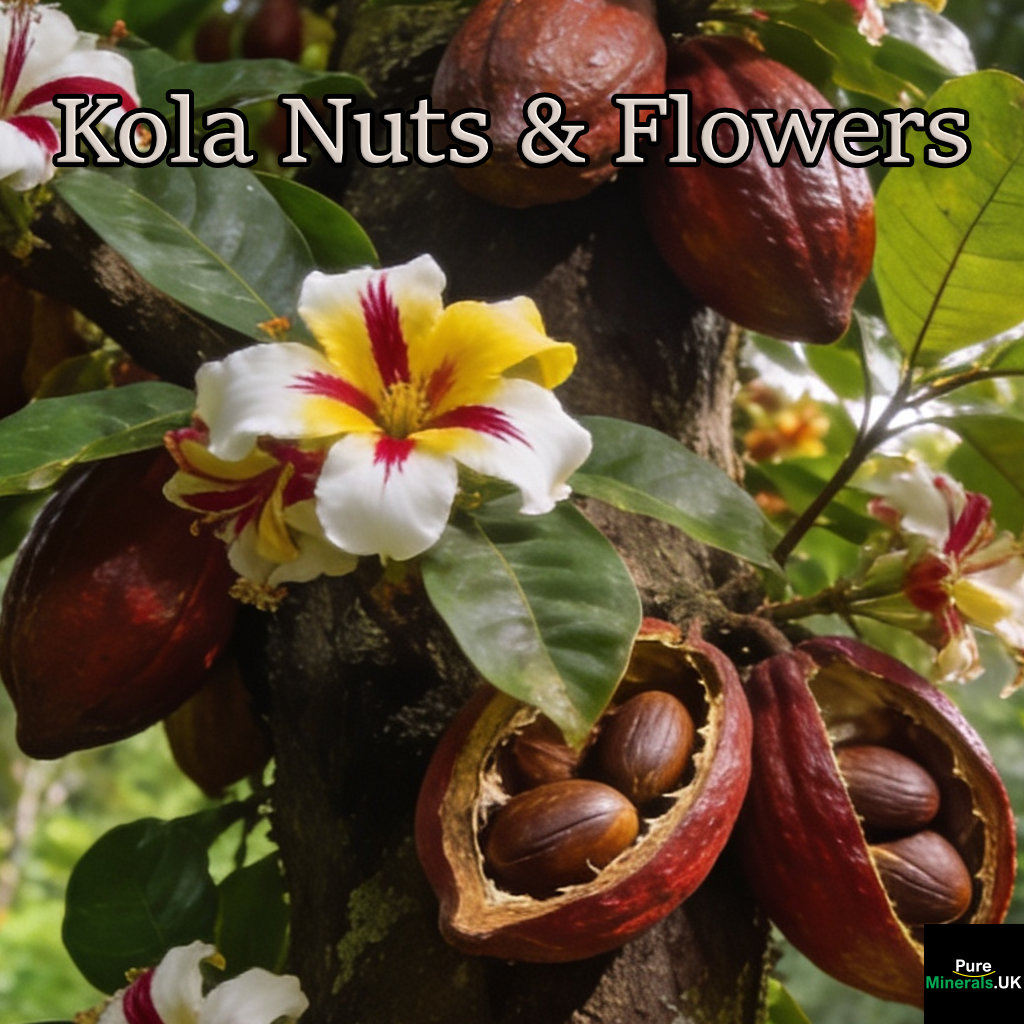
When most people think of caffeine, coffee and tea come to mind first. Kola nuts rarely make that list — but they probably should. A single kola nut delivers more caffeine than two large cups of American-style coffee, which makes it a seriously potent natural energy source that has fueled traders, farmers, and communities across West Africa for generations.
Nigeria is the world’s largest producer, accounting for roughly up to 70% of global production. Ivory Coast is another major producer. Cameroon, Ghana, Sierra Leone, and Liberia have significant production of kola nuts.
Outside of Africa, kola nuts are cultivated in Brazil, Jamaica, and other parts of the Caribbean, as well as parts of Southeast Asia.
Caffeine Content in Kola Nuts
How Much Caffeine Is in a Single Kola Nut?
Each kola nut is roughly the size of a chestnut, but don’t let the size fool you. The caffeine concentration packed into that small seed is remarkably high compared to most natural sources. Fresh kola nuts are bitter when chewed, and that bitterness signals the presence of active compounds — caffeine being the most significant among them. When dried, the bitterness softens, and the nuts take on a faint nutmeg-like aroma, though the stimulant properties remain intact.
Kola Nut Caffeine vs. Coffee and Other Common Sources
To put kola nut’s caffeine content into perspective, here’s how it stacks up against other commonly consumed caffeine sources:
Source | Caffeine Content (Approximate) |
|---|---|
Single Kola Nut (fresh) | ~200–300 mg |
8 oz Brewed Coffee | ~95 mg |
8 oz Black Tea | ~47 mg |
8 oz Green Tea | ~28 mg |
12 oz Cola Soda | ~34 mg |
8 oz Energy Drink | ~80 mg |
These numbers make it clear why kola nuts have been a go-to stimulant across West Africa for centuries. A single nut chewed slowly over the course of a morning delivers a sustained caffeine hit that rivals multiple cups of coffee.
How Caffeine Levels Change When Kola Nuts Are Dried or Extracted
Processing affects potency. Fresh kola nuts carry the highest caffeine concentration, but once dried or converted into extract form, the caffeine content can vary significantly depending on the method used. This variability becomes especially important when kola nut extract is added to energy drinks, where caffeine from herbal sources does not need to be listed separately on the label. That means a single energy drink containing kola nut extract could deliver a caffeine punch far beyond what the nutrition facts suggest.
Traditional Uses of Kola Nuts in West Africa
Walk through any market, bus depot, or corner shop in West Africa, and you’ll find small piles of kola nuts on nearly every vendor’s table. They’re a significant cash crop for rural farmers, but their value goes well beyond economics. Kola nuts are woven into the social, spiritual, and daily fabric of life in countries like Nigeria, Ghana, Senegal, and Sierra Leone.
Ceremonial and Social Role of Kola Nuts
In many West African traditions, kola nuts are never just food — they are a language of respect and intention. Offering kola nuts to a guest is one of the most meaningful gestures of welcome and hospitality a host can make. They appear at weddings, naming ceremonies, and important negotiations, where the act of sharing and breaking a kola nut together carries as much significance as the words spoken around it.
Different cultures within West Africa have developed their own specific rituals around kola nuts. Among the Igbo people of Nigeria, for example, the presentation, breaking, and distribution of kola nuts follows a structured protocol that communicates social status, intent, and blessing. The number of lobes in a nut, the way it is broken, and who receives which piece all carry meaning that outsiders might easily miss.
Historical Use as a Natural Stimulant
Long before anyone had a word for caffeine, West African communities understood what kola nuts could do. Traders on long trans-Saharan routes chewed them to stay alert and push through fatigue. Farmers used them to suppress appetite and sustain energy through grueling workdays. The nuts were also reported to make stale water taste fresher — a claim that, while mostly folkloric, speaks to how deeply integrated kola nuts were into daily survival.
Traditional Medicinal Claims
Traditional healers across West Africa have attributed a wide range of medicinal properties to kola nuts over thousands of years. While most of these claims predate modern science and should be understood in their cultural context, they paint a rich picture of how this small seed was valued as more than just a stimulant.
- Treating physical and mental fatigue
- Easing hunger and suppressing appetite during fasting or long travel
- Relieving nausea and supporting digestion
- Freshening breath and cleaning teeth when chewed
- Acting as a general tonic for overall vitality
It’s worth noting that while these traditional uses are well-documented historically, formal scientific research specifically on the kola nut’s medicinal effects remains limited. Much of the biological plausibility behind these benefits ties back to the caffeine and theobromine content rather than unique compounds exclusive to the kola nut itself.
Nutritional Profile of Kola Nuts
Kola nuts are more chemically complex than most people realize. Yes, caffeine is the headline compound, but it shares the stage with several other active substances that collectively shape how the nut affects the body. Understanding the full nutritional picture helps explain why kola nut has a slightly different feel than simply drinking a strong cup of coffee.
Key Active Compounds Beyond Caffeine
The stimulant profile of kola nuts comes from a combination of naturally occurring compounds working together. The most notable include: kola nut benefits.
- Caffeine — the primary stimulant, supporting alertness and reducing perceived fatigue
- Theobromine — a milder, longer-lasting stimulant also found in cacao and dark chocolate
- Kolanin — a heart stimulant unique to kola that may contribute to increased heart rate
- Tannins — plant-based compounds responsible for the bitter taste and potential antioxidant activity
- Phenolics — antioxidant compounds that may contribute to the nut’s traditional reputation as a health tonic
Together, these compounds create what traditional users have described for centuries as a clean, sustained energy — different in character from the sharper spike-and-crash pattern some people experience with coffee alone.
Theobromine Content and Its Effects
Theobromine deserves its own spotlight. Unlike caffeine, which acts fast and exits the system relatively quickly, theobromine works more slowly and gently. It dilates blood vessels, mildly stimulates the heart, and produces a prolonged sense of alertness without the sharp edge that high-dose caffeine can bring. If you’ve ever noticed that dark chocolate gives you a calm, focused energy rather than a jittery buzz, that’s theobromine at work — and kola nuts deliver that same compound alongside their significant caffeine load.
Potential Health Benefits Linked to Kola Nuts
It’s important to be upfront here: most of the health benefits attributed to kola nuts are tied directly to their caffeine and theobromine content rather than being unique properties of the nut itself. Rigorous clinical research specifically on the kola nut is limited. That said, what we know about its active compounds gives us a reasonable framework for understanding why traditional communities valued it so highly — and why modern supplement makers continue to market it today.
Energy and Mental Alertness
The most well-supported benefit of kola nuts is also its most obvious one. Caffeine is one of the most studied psychoactive substances in the world, with a well-established ability to reduce fatigue, sharpen focus, and improve reaction time. With a caffeine content that outpaces two large cups of coffee per nut, the energy-boosting effect of kola nuts is real, reliable, and significant. The added theobromine extends and smooths that alertness, which may explain why traditional users often preferred chewing kola nuts for sustained work rather than a quick energy spike.
Digestive and Metabolic Effects
Kola nuts have a long traditional reputation for supporting digestion and suppressing appetite. From a physiological standpoint, caffeine does stimulate gastric acid production and increase gut motility, which could explain some of the digestive benefits reported historically. The appetite-suppressing effect is also consistent with what we know about caffeine’s influence on hunger hormones. In the past, kola nut extract was even incorporated into certain weight loss drugs and over-the-counter stimulants in Western markets, though those formulations are largely no longer in use.
Side Effects and Safety Considerations
Kola nut’s power is also its risk. The same caffeine concentration that makes it an effective stimulant means that consuming too much can lead to a range of unpleasant and potentially harmful side effects. This is especially true with kola nut extract found in supplements and energy drinks, where dosing is far less intuitive than simply chewing a whole nut.
Energy drinks are not required to list the caffeine content of herbal ingredients separately, which means a product containing kola nut extract could have a total caffeine load that is dramatically higher than what is printed on the label. This hidden caffeine stacking is one of the more serious consumer safety concerns associated with kola-derived products today.
The side effects of kola nut closely mirror those of consuming too much caffeine from any source. They range from mildly uncomfortable to genuinely dangerous at very high doses. For those interested in exploring other types of nuts, cashew nuts offer a different nutritional profile and benefits.
Important: The side effects of kola nut and kola nut extract parallel the effects of a comparable dose of caffeine. Always account for all caffeine sources in your diet before adding kola nut products.
Most people who experience side effects from kola nut products are unknowingly consuming far more caffeine than they intended, particularly when combining kola-based energy drinks with coffee or other caffeinated beverages.
Caffeine-Related Side Effects to Watch For
Caffeine has well-documented effects on the central nervous system, cardiovascular system, and digestive tract. When consumed in excess through kola nut or any other source, the following side effects can occur:
- Insomnia and disrupted sleep patterns
- Increased heart rate and palpitations
- Elevated blood pressure
- Anxiety, restlessness, and nervousness
- Headaches and dizziness
- Nausea and gastrointestinal upset
- Tremors at very high doses
For most healthy adults who consume kola nut in moderate, traditional quantities, these effects are unlikely to be a concern. The risk rises sharply with extract-based products, where it is easy to lose track of total caffeine intake.
Who Should Avoid Kola Nuts
Kola nut is not appropriate for everyone. Certain groups face elevated risks that make even moderate consumption inadvisable without medical guidance.
The American Herbal Products Association specifically includes kola nut on its list of caffeine-containing substances that carry usage warnings for vulnerable populations. This guidance exists because the caffeine load in kola nut products is significant enough to cause real harm in those who are sensitive or at-risk.
Group | Reason to Avoid |
|---|---|
Pregnant women | High caffeine intake linked to adverse pregnancy outcomes |
Breastfeeding women | Caffeine passes into breast milk and can affect infants |
Children and teens under 18 | Developing nervous systems are more sensitive to stimulants |
People with heart conditions | Kolanin and caffeine can elevate heart rate and blood pressure |
Individuals with anxiety disorders | Caffeine can worsen anxiety and panic symptoms |
Those on certain medications | Caffeine can interact with stimulants, blood thinners, and more |
If you fall into any of these categories, speak with a healthcare provider before using kola nut supplements or regularly consuming kola-based products.
Kola Nut Safety According to the FDA
The U.S. Food and Drug Administration (FDA) has listed kola nut on its roster of substances generally recognized as safe (GRAS) for human consumption. Kola nut extract is classified as a natural food flavoring, and the FDA has also approved kola extract as an inactive ingredient in certain pharmaceutical products.
This GRAS classification reflects decades of use as a food additive in the United States, dating back to the late 1800s. Americans have consumed kola-containing sodas like Coca-Cola and Pepsi-Cola for well over a century without widespread adverse effects tied specifically to the kola component.
However, the GRAS designation applies to kola nut as a food flavoring — not to high-dose kola nut supplements. Supplements containing concentrated kola nut extract are not subject to the same pre-market FDA approval process as pharmaceuticals, which means quality, purity, and dosage can vary significantly between brands.
One additional reassurance worth noting: despite being called a “nut,” the kola nut is actually a seed taken from inside a fruit. This means it is not associated with tree nut allergies, which is a meaningful distinction for anyone who normally avoids tree nuts for allergy reasons.
How Kola Nut Is Used Today
Kola nut has traveled far from the markets of West Africa. Today it shows up in supplement capsules, energy drinks, and flavoring labs — often unrecognized by the very people consuming it. Its transition from sacred ceremonial seed to global commercial ingredient is one of the more interesting stories in the history of natural stimulants.
Kola Nut Extract in Sodas and Energy Drinks
In the West, you are far more likely to encounter kola nut in extract form than as a whole nut. The extract has been used as a food flavoring in the United States since the late 1800s, most famously as a core ingredient in the original formulations of Coca-Cola and Pepsi-Cola — a fact that gave these drinks their “cola” name. Today, kola extract continues to appear in a wide range of energy drinks and flavored beverages, though its presence is not always obvious from the label.
- Kola nut extract is classified by the FDA as a natural food flavoring
- Energy drink manufacturers are not required to list the caffeine content of herbal ingredients like kola extract separately
- A single energy drink containing kola extract may deliver significantly more caffeine than the label indicates
- The “cola” in Coca-Cola and Pepsi-Cola directly references Cola acuminata and Cola nitida
- Kola extract has also been used as an inactive ingredient in certain FDA-approved pharmaceuticals
The hidden caffeine issue is worth taking seriously. When kola nut extract is added to an energy drink that also contains added caffeine, guarana, or green tea extract, the cumulative caffeine load can climb to levels that exceed what many people would knowingly consume. Reading ingredient lists carefully — not just the nutrition facts panel — is the only way to get a complete picture.
In the past, kola nut extract also found its way into weight loss drugs and over-the-counter stimulants, leveraging its appetite-suppressing and metabolism-stimulating caffeine content. Those formulations have largely faded from the market, but the underlying interest in kola as a functional ingredient never really went away — it simply migrated into the booming energy drink and sports nutrition industries.
For most healthy adults, occasional consumption of kola-containing sodas or energy drinks poses little concern. Americans have been drinking cola-flavored beverages for well over a century without adverse effects specifically attributed to the kola component. The risk, as always, comes down to total caffeine intake across the entire day.
Kola Nut Supplements: What to Know Before Buying
Kola nut extract is widely available as a standalone herbal supplement, typically sold in capsule or powder form. These products are marketed for energy, focus, appetite control, and metabolic support. However, because dietary supplements in the United States are not subject to the same pre-market approval requirements as pharmaceuticals, quality and potency can vary considerably from one brand to the next. The FDA does not evaluate these products for safety or effectiveness before they hit store shelves.
Before purchasing a kola nut supplement, look for products that have been third-party tested for purity and accurate labeling. Check whether the label discloses the total caffeine content — including that derived from the kola extract itself. Some products will include a caffeine warning voluntarily, in line with guidance from the American Herbal Products Association, but this is not universally required. If you are already consuming coffee, tea, or other caffeinated products daily, factor that total caffeine load into your decision before adding a kola supplement to your routine.
Kola Nuts Are Powerful — Use Them Wisely
Kola nuts represent thousands of years of human knowledge about natural energy and plant-based wellness. Their caffeine and theobromine content make them genuinely effective stimulants, and their cultural significance in West Africa adds a richness to their story that most synthetic supplements cannot match. But that same potency demands respect — knowing your total caffeine intake, understanding who should avoid kola products, and choosing well-labeled supplements are all non-negotiable steps for anyone who wants to use this remarkable seed safely. For those interested in exploring other nuts, you might want to learn about Brazil nuts and their unique properties.
Whether you encounter kola nut as a whole seed, an extract in your favorite beverage, or a capsule on a supplement shelf, the fundamentals remain the same: it is one of nature’s most concentrated natural stimulants, with a history as deep as the forests it comes from.
Important note: Kola Nuts
Kola nuts contain caffeine and related stimulants, which may affect sensitive individuals and should be consumed in moderation. Excessive intake may lead to unwanted effects such as restlessness or digestive discomfort. Individuals sensitive to caffeine should avoid or limit consumption. This information is provided for educational purposes and is not intended as medical advice.
Frequently Asked Questions
Here are answers to the most common questions people have about kola nuts, their caffeine content, and how to use them safely.
Is kola nut caffeine stronger than coffee caffeine?
The caffeine in kola nut is chemically identical to the caffeine in coffee — it is the same molecule. What differs is the concentration. A single fresh kola nut contains more caffeine than two large cups of American-brewed coffee, making the total dose per serving significantly higher than most people realize.
Where the kola nut does feel different from coffee is in the accompanying compounds. Theobromine, kolanin, and tannins all interact alongside the caffeine, producing what many traditional users describe as a more sustained and even energy rather than the sharper spike-and-crash pattern some people experience with a strong cup of coffee. The effect is real — it is just the delivery that varies.
Can you eat kola nuts raw?
Yes, kola nuts can be chewed raw, and that is exactly how they have been consumed traditionally across West Africa for centuries. Fresh kola nuts are quite bitter due to their tannin content, but that bitterness decreases as the nut is chewed over time. When dried, the flavor softens further and takes on a faint nutmeg-like aroma. Most Westerners encounter kola nut only in extract form rather than as a whole raw nut, simply because fresh kola nuts are not widely distributed outside of West Africa and specialty markets.
Are kola nuts safe during pregnancy?
Kola nuts are not recommended during pregnancy. The American Herbal Products Association specifically lists kola nut among caffeine-containing substances that should be avoided by pregnant women, breastfeeding women, and those under the age of 18.
The core concern is caffeine intake. High caffeine consumption during pregnancy has been associated with adverse outcomes, and kola nut — whether chewed whole or consumed as an extract — delivers a significant caffeine dose that can easily push a pregnant person over recommended daily limits.
The general guidance from most health organizations is that pregnant women should limit total caffeine intake to no more than 200 mg per day from all sources combined. A single fresh kola nut can approach or exceed that threshold on its own, leaving no room for any other caffeinated food or drink throughout the day.
Pregnancy Caffeine Safety at a Glance:
• Recommended daily caffeine limit during pregnancy: no more than 200 mg
• Estimated caffeine in a single fresh kola nut: ~200–300 mg
• Additional caffeine sources to consider: coffee, tea, chocolate, sodas, energy drinks
• American Herbal Products Association guidance: avoid kola nut entirely during pregnancy and breastfeeding
• Always consult a healthcare provider before using any herbal supplement while pregnant
Does Coca-Cola still contain real kola nut extract?
The exact current formula of Coca-Cola is famously one of the most guarded trade secrets in the world, so a definitive public answer is not available. What is historically documented is that the original Coca-Cola formula, developed in the late 1800s, did contain kola nut extract — along with coca leaf extract, which is how the drink got its two-part name.
Over the decades, the formulation has evolved significantly. Many food historians and industry analysts believe that kola nut extract, if still present, now functions primarily as a flavoring component in trace amounts rather than as a meaningful source of caffeine. The caffeine in modern Coca-Cola is generally understood to be added separately rather than derived from kola extract.
What remains true is that kola nut extract is still classified as a natural food flavoring by the FDA, still widely used in the beverage industry, and still responsible for the “cola” name that billions of people use every single day without necessarily knowing its West African origins.
How much kola nut is safe to consume per day?
There is no universally established official daily limit specifically for kola nut, but the practical ceiling is determined by caffeine. Most health guidance recommends that healthy adults consume no more than 400 mg of caffeine per day from all sources combined. Given that a single fresh kola nut can contain anywhere from 200 to 300 mg of caffeine, there is very little room for additional caffeinated foods or drinks if you are consuming whole kola nuts.
For kola nut supplements, dosing varies significantly by product and concentration. Without standardized regulation, a capsule from one brand may contain a very different caffeine equivalent than the same-sized capsule from another. Always read the full label, including any caffeine disclosure, and account for your total daily caffeine intake from all sources before determining how much is appropriate for you.
Caffeine-sensitive people will likely need to set a much lower personal limit. Even amounts well below the 400 mg general guideline can trigger anxiety, insomnia, or heart palpitations in individuals who metabolize caffeine slowly — a genetic variation that affects a meaningful portion of the population.