

Published: 29 April 2026
This article is periodically reviewed and updated to reflect current scientific understanding by Vic George.
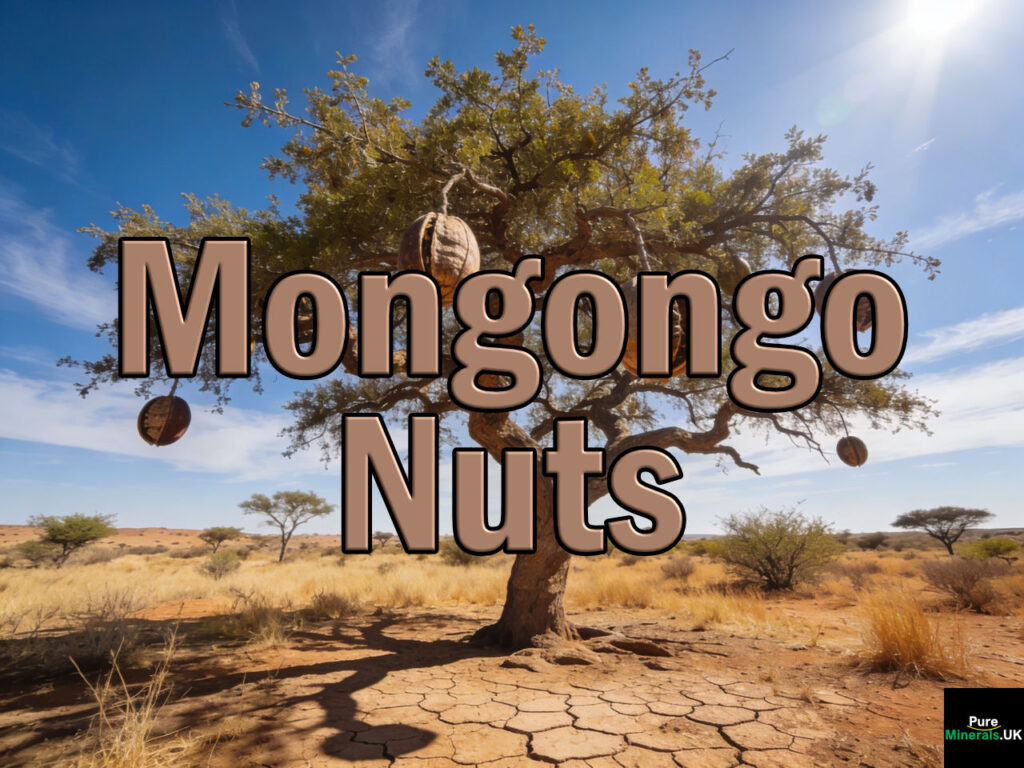
What Are Mongongo Nuts and Why Are They Traditionally Important?
Mongongo nuts are the edible seeds of the mongongo tree (Schinziophyton rautanenii), native to southern Africa. They have long served as a staple food in certain traditional diets due to their energy density and nutrient content.
Definition
Mongongo nuts are the seeds of Schinziophyton rautanenii, enclosed within a hard shell inside a fibrous fruit, and consumed after roasting or processing.
Extended Definition
The mongongo tree (Schinziophyton rautanenii), also known as the manketti tree, grows in the semi-arid regions of southern Africa, particularly within the Kalahari ecosystem. Its fruits contain a hard, woody shell that protects the edible kernel inside.
Nutritionally, mongongo nuts are rich in fats—primarily unsaturated fatty acids—along with moderate protein and low carbohydrate content. They also provide dietary fibre and minerals such as magnesium, phosphorus, and iron in modest amounts.
A distinguishing feature of mongongo nuts is their fatty acid profile, which includes a relatively high proportion of polyunsaturated fats. They also contain vitamin E and phenolic compounds, contributing to their stability and nutritional characteristics.
Traditionally, mongongo nuts have been roasted and eaten as a staple food, particularly by Indigenous communities in the Kalahari region. They may also be processed into oil or ground into meal for use in various preparations. Their long shelf life and high energy density have contributed to their importance in environments with limited food resources.
Key Facts
- Botanical Name: Schinziophyton rautanenii
- Plant Type: Deciduous tree (seed)
- Edible Part: Kernel (inside the hard shell)
- Macronutrient Profile: High fat, moderate protein, low carbohydrates
- Notable Micronutrients: Magnesium, phosphorus, iron, vitamin E
- Natural Compounds: Polyunsaturated fatty acids, phenolics, tocopherols
- Typical Preparation: Roasted, eaten as nuts, or processed into oil or meal
- Common Uses: Staple food, snacks, oil extraction
- Taste Profile: Rich, slightly nutty, mild
- Culinary Status: Traditional staple in southern Africa
Article at a Glance
- Mongongo nuts contain 26g of protein per 100g — comparable to peanuts and many protein-rich legumes.
- The seeds are at least 30% oil, rich in vitamin E, linoleic acid, and eleostearic acid, making mongongo oil exceptionally stable and useful for both cooking and skin care.
- Kalahari peoples have relied on mongongo as a drought food, body protectant, and building material for centuries — one of Africa’s most complete wild foods.
- Mongongo oil’s unique fatty acid profile makes it a serious contender against more well-known oils like argan — find out why further in this article.
- A single mongongo tree can produce up to 1,000 fruits per year, with the nuts naturally resistant to insects in storage.
Mongongo Nuts Pack More Nutrition Than Most People Realize
Most people have never heard of mongongo nuts — but the communities that have relied on them for centuries know exactly how valuable they are.
The mongongo tree (Schinziophyton rautanenii), also known as the manketti tree, grows across southern Africa and has been a dietary cornerstone for Kalahari peoples for generations. It goes by several names depending on the region — Mungongoma in Shona, Umgoma or Umganuompobola in Ndebele — but the nutritional story it tells is the same across all of them. This is a nut that punches well above its weight.
For those exploring natural whole foods with serious nutritional credentials, resources focused on African botanicals and indigenous superfoods are increasingly spotlighting mongongo as one of the continent’s most underappreciated nutritional assets. And once you look at the numbers, it’s easy to see why.
Nutritional Profile of Mongongo Nuts
The nutritional density packed into a mongongo kernel is remarkable. From protein and minerals to rare fatty acids and antioxidant vitamins, these nuts offer a profile that rivals many well-known superfoods.
Protein Content: 26g Per 100g
Mongongo kernels deliver 26g of protein per 100g — a number that puts them squarely in the same category as peanuts and other protein-rich legumes. That’s significant for a wild nut harvested from trees growing in semi-arid environments without any agricultural intervention. For plant-based eaters or anyone looking to diversify their protein sources, mongongo is a compelling option.
Essential Minerals: Calcium, Magnesium, Iron, Copper, and Zinc
Beyond protein, mongongo kernels are a meaningful source of several essential minerals. Calcium supports bone density and muscle function. Magnesium plays a role in over 300 enzymatic reactions in the body. Iron is critical for oxygen transport, while copper and zinc support immune function and cellular repair. Getting all five of these from a single whole food source is genuinely rare.
Vitamin E Levels and Why They Matter
Mongongo kernels are notably high in vitamin E in the form of tocopherol. Vitamin E is a fat-soluble antioxidant that protects cells from oxidative stress, supports immune function, and plays a direct role in skin health. The high tocopherol content in mongongo is part of what makes both the nut and its oil so stable — oxidation is what causes fats to go rancid, and vitamin E fights that process at the molecular level.
Fat Composition and Beneficial Fatty Acids
The fat profile of mongongo kernels is where things get particularly interesting. These nuts are rich in polyunsaturated fatty acids — specifically linoleic acid and eleostearic acid — that are associated with reduced cholesterol levels and a lower risk of heart-related conditions. These are not the kinds of fats to avoid; they’re the kind that actively support cardiovascular health when consumed as part of a balanced diet.
What makes mongongo’s fat profile stand out even further is the combination of those beneficial fatty acids alongside high vitamin E content. The tocopherol essentially protects the unsaturated fats from oxidation, both within the nut itself and once extracted as oil. This natural stability is one of the reasons mongongo oil has caught the attention of food producers and cosmetic formulators alike.
- Linoleic acid: An omega-6 fatty acid that supports heart health and skin barrier function
- Eleostearic acid: A rare conjugated fatty acid with antioxidant and anti-inflammatory properties
- Tocopherol (Vitamin E): Protects fats from oxidation and supports cellular health
- Saturated fats: Present in smaller quantities, balanced by the dominant unsaturated fraction
Mongongo Oil Composition
The oil extracted from mongongo seeds is where a lot of the most exciting science lives. It has a unique chemical composition that makes it valuable far beyond the kitchen.
Oil Content: At Least 30% of the Seed
Mongongo seeds contain at least 30% oil by weight — a substantial yield that makes cold-press extraction commercially viable. This oil is edible and used for cooking in traditional communities, but its chemical properties have also made it a prized ingredient in the natural cosmetics industry.
The extraction process matters. Cold-pressed mongongo oil retains the full spectrum of its natural tocopherols and fatty acids, preserving both its nutritional value and its functional skin-care properties. Heat-processed versions may lose some of that bioactive richness.
- At least 30% oil content by seed weight
- Cold-press extraction preserves tocopherols and fatty acids
- Edible and used in traditional cooking
- Increasingly used in natural cosmetic formulations
Linoleic and Eleostearic Acid Content
These two fatty acids are the backbone of mongongo oil’s nutritional and cosmetic value. Linoleic acid is an essential omega-6 fatty acid, meaning the body cannot produce it — it must come from food. Eleostearic acid is far rarer; it’s a conjugated fatty acid found in very few plant oils, and it brings both antioxidant and potential anti-inflammatory activity to the oil’s profile.
Fatty Acid
Type
Key Benefit
Linoleic Acid
Omega-6 Polyunsaturated
Heart health, skin barrier support
Eleostearic Acid
Conjugated Polyunsaturated
Antioxidant, anti-inflammatory activity
Tocopherol (Vitamin E)
Fat-soluble antioxidant
Oxidative protection, skin repair
Together, these compounds create a synergistic effect. The linoleic acid nourishes and the eleostearic acid protects, while the tocopherol keeps the whole oil stable and biologically active longer than many competing plant oils.
Why Mongongo Oil Is Exceptionally Stable
Stability is one of the most important and often overlooked qualities in a plant oil. Many oils — even healthy ones — degrade quickly when exposed to light, heat, or air. Mongongo oil resists this degradation thanks to its naturally high tocopherol content. Vitamin E acts as a built-in preservative, extending shelf life and maintaining the oil’s functional properties over time. This is one reason it has been used for centuries in harsh desert environments where refrigeration isn’t an option. Learn more about other stable oils like candlenut oil.
That same stability is what makes mongongo oil attractive to cosmetic formulators. An oil that doesn’t oxidize quickly on the shelf is an oil that stays effective in a product — and doesn’t develop the rancid smell that plagues less stable alternatives.
Skin and Hair Benefits of Mongongo Oil
Used for generations as a body and hair protectant in the Kalahari desert, mongongo oil’s skin benefits are not a modern discovery — they’re a traditional knowledge system that science is only now catching up to.
Hydration for Normal to Dry Skin
Mongongo oil’s high linoleic acid content makes it particularly effective at restoring and maintaining the skin’s natural moisture barrier. Linoleic acid is a structural component of the skin’s lipid layer — when levels drop, the barrier breaks down, and skin becomes dry, flaky, and reactive. Applying mongongo oil helps replenish that lipid layer directly, locking moisture in and keeping environmental irritants out.
It works well on normal to dry skin types without feeling heavy or occlusive. The oil absorbs relatively quickly, leaving the skin feeling nourished rather than greasy — a quality that makes it practical for daily use in both facial and body care routines.
Anti-Inflammatory Properties
Eleostearic acid, one of mongongo oil’s rarest components, brings meaningful anti-inflammatory activity to the oil’s overall profile. Inflammation at the skin level — whether from sun exposure, environmental pollutants, or chronic conditions like eczema — drives a significant portion of visible skin aging and discomfort. Oils that can calm that inflammatory response at the cellular level offer real functional value.
Traditional use in the Kalahari already pointed to this. Communities applied mongongo oil not just for aesthetics but specifically to protect skin from the harsh desert environment — extreme UV exposure, dry winds, and dramatic temperature shifts. That kind of protective daily use implies a functional benefit that goes beyond simple moisturization.
The combination of eleostearic acid and vitamin E tocopherol creates a dual-action anti-inflammatory and antioxidant effect. Tocopherol neutralizes free radicals generated by UV radiation and pollution, while eleostearic acid works on the inflammatory signaling cascade beneath the surface. Together, they address skin stress from two different angles simultaneously.
Skin Concern
Active Component in Mongongo Oil
Mechanism
Dryness and barrier damage
Linoleic acid
Replenishes lipid layer, seals moisture
Inflammation and redness
Eleostearic acid
Interrupts inflammatory signaling pathways
Oxidative stress and aging
Tocopherol (Vitamin E)
Neutralizes free radicals from UV and pollution
Premature skin aging
Combined fatty acids + Vitamin E
Synergistic antioxidant and anti-inflammatory protection
Cellular Repair and Skin Protection
Vitamin E’s role in cellular repair is well established — it supports the regeneration of damaged skin cells and helps reduce the appearance of scars and uneven texture over time. In mongongo oil, this tocopherol activity is amplified by the presence of stable polyunsaturated fatty acids that feed the skin’s natural repair processes. Regular use supports not just surface hydration but deeper structural renewal, making mongongo oil a genuinely functional ingredient rather than a cosmetic one.
Traditional Uses Across Southern Africa
Long before mongongo appeared in any cosmetic formulation or health food store, it was a complete resource for communities living across the semi-arid regions of southern Africa. Every part of the tree served a purpose — nothing was wasted.
The mongongo tree’s value to Kalahari communities is difficult to overstate. It provided calories during famine, cooking oil during scarcity, body protection in extreme climate conditions, and raw materials for tools and instruments — all from a single wild tree that required no cultivation, no irrigation, and no agricultural input. That kind of multi-functionality is rare even among celebrated traditional food plants.
Understanding how these communities used mongongo also provides context for why its nutritional and functional properties are so well preserved in the literature. This isn’t folklore — it’s centuries of applied knowledge about a plant that genuinely delivered results in demanding conditions.
How Kalahari Peoples Have Used Mongongo for Centuries
The San people of the Kalahari are among the most well-documented traditional users of mongongo. For them, the nut was a dietary staple — calorie-dense, storable, and available across much of the year. The nuts were cracked open using stones or small axes, typically after being scorched in fire to weaken the outer shell. This process, handled primarily by women, could be carried out throughout the year, providing a consistent food and income source between agricultural seasons.
The fruit surrounding the nut was equally valued. It was softened with steam to remove the skin, then cooked to separate the edible pulp from the nut itself. That pulp was stirred into porridge or fermented into a potent beer — two very different applications that reflect how thoroughly these communities understood and utilized the plant’s properties.
Fruit as a Drought Food and Fermented Beer
One of mongongo’s most critical traditional roles was as a drought food. In the absence of moisture, the fruits can remain edible for up to 8 months after falling to the ground — an extraordinary natural shelf life that made them a reliable fallback during periods of food scarcity. When rains failed, and other crops disappeared, the mongongo fruits were still there.
The fermentation use is equally fascinating. The pulp’s natural sugars made it suitable for brewing a refreshing, potent beer — a cultural and social product as much as a nutritional one. This dual use of the same fruit as both an emergency ration and a ceremonial drink reflects the depth of traditional knowledge around mongongo’s properties.
Oil as a Body and Hair Protectant in Desert Conditions
In the Kalahari’s extreme environment — intense UV radiation, dry heat, abrasive winds — skin and hair protection was not a luxury. It was a daily necessity. Mongongo oil was the solution communities reached for, applied as a body rub that shielded skin from sun damage and prevented moisture loss in conditions that would otherwise cause rapid desiccation.
For hair, the oil served as both protectant and conditioner. Desert environments are particularly harsh on hair fiber — UV exposure degrades the protein structure, and dry air strips moisture from the shaft. Mongongo oil’s tocopherol and fatty acid content addressed both of those damage mechanisms simultaneously.
The fact that this oil was trusted for body and hair protection in one of the world’s harshest environments — without refrigeration, without modern stabilizers, and across generations — is a powerful endorsement of its functional stability and efficacy.
- Skin protection: Applied as a daily body rub to shield against UV exposure and dry desert winds
- Hair conditioning: Used to protect hair fiber from UV degradation and moisture loss
- Wound care: The oil’s anti-inflammatory properties made it useful for soothing irritated or damaged skin
- Cooking medium: Extracted oil used in food preparation as a nutritious cooking fat
Non-Food Uses: Wood for Canoes, Instruments, and Tools
The mongongo tree’s utility extended well beyond the fruit and nut. The wood was used to craft fishing floats, canoes, toys, and musical instruments — lightweight, workable, and durable enough for practical applications in water and daily life. This full-spectrum usefulness made the mongongo tree one of the most comprehensively utilized wild resources in the region, a true zero-waste plant long before that concept had a name.
How Mongongo Nuts Are Harvested and Processed
The harvesting of mongongo nuts is not a simple process — it requires timing, physical effort, and a willingness to share the landscape with the wildlife that also depends on this tree. Elephants, in particular, compete with human harvesters for the fruit, which means collectors often need to move carefully and strategically during the harvest season.
Processing adds another layer of complexity. The nut’s outer shell is notoriously hard, and cracking it requires technique — either scorching the nuts first to weaken the shell or using stones and small axes with practiced precision. That difficulty is also part of what gives mongongo its income-generating value; skilled crackers are an essential part of the supply chain, and the work can be sustained across the full calendar year.
Traditional Mongongo Processing Steps:
- Fruits are collected after falling from the tree, often piled knee-deep in abundant seasons
- Pulp is softened with steam and separated from the nuts by cooking
- Nuts are dried for several months after pulp removal
- Dried nuts are scorched in fire to weaken the hard outer shell
- Shells are cracked using stones or small axes to reveal the kernel
- Kernels are eaten raw, roasted, ground into paste, or cold-pressed for oil
One of the more remarkable aspects of the processing timeline is that drying and cracking are not bound to a single season. Once dried, mongongo nuts can be stored and cracked throughout the year — a logistical advantage that transforms a seasonal harvest into a year-round economic activity for the communities involved.
This storage durability is also a nutritional advantage. Because no insects are known to attack the nut in storage, there’s no need for pesticide treatment or chemical preservation. The nut maintains its integrity — and its nutritional profile — naturally.
Harvest Season: April to June
The primary harvest window for mongongo falls between April and June, when the fruits ripen and begin dropping from the trees. During peak seasons, the accumulation can be dramatic — fruits piling knee-deep on the ground beneath heavily producing trees. Collectors work quickly during this period, gathering as much as possible before wildlife competitors claim their share.
Timing is everything. Harvesting too early means less ripe fruit and lower pulp quality. Waiting too long risks losing fruit to elephants, baboons, and other animals that actively seek out mongongo as a food source. The harvest window demands attentiveness and community coordination to maximize yield efficiently.
Yield Per Tree and Storage Advantages
A single mongongo tree can produce up to 1,000 fruits per year. In high-yield seasons, production can be so abundant that it exceeds immediate community needs, which is where the natural storage properties of the dried nut become critical. Unlike many wild fruits, mongongo nuts do not require refrigeration or chemical treatment to remain viable in storage.
No insects are known to attack the stored nut — an unusual biological characteristic that makes long-term stockpiling both practical and safe. This natural pest resistance means that surplus harvests can be held in the bush or at home compounds without spoilage risk, providing food security across lean months.
That combination — high per-tree yield, natural pest resistance, and year-round cracking flexibility — makes mongongo one of the most logistically reliable wild food sources in southern Africa. It’s not just nutritionally dense; it’s strategically dependable in ways that matter deeply to communities operating without modern food storage infrastructure.
- Up to 1,000 fruits per tree per year in productive seasons
- No known insect pests in storage — no chemical preservation required
- Fruits remain edible for up to 8 months on the ground without moisture
- Dried nuts can be stored and cracked year-round, supporting a continuous income
- Surplus can be held at home compounds or in the bush without spoilage
This storage resilience is arguably what cemented mongongo’s role as a drought food and economic resource across generations. When everything else fails, the mongongo nut is still there — shelf-stable, nutritious, and ready to crack.
The Cracking Process and Its Role in Local Livelihoods
Cracking mongongo nuts is skilled work. The outer shell is one of the hardest of any edible nut, and getting to the kernel requires a specific technique — scorching the nut in fire first to weaken the shell, then breaking it open with stones or a small axe. This process is traditionally carried out by women and represents a genuine skilled trade that communities have refined over generations. Because cracking can be done throughout the year, it provides a reliable income stream between agricultural seasons — filling the economic gaps that farming cycles naturally create.
How to Eat and Use Mongongo Nuts
Mongongo kernels are genuinely versatile. They can be eaten directly as a snack, transformed into cooking ingredients, or pressed into oil — making them functional across almost every part of a meal. That versatility, combined with their exceptional nutritional profile, is a big part of why they’ve sustained communities for centuries without ever requiring cultivation.
The growing interest in African indigenous foods has introduced mongongo to a wider audience of chefs, nutritionists, and natural food enthusiasts. Where once they were almost exclusively a regional staple, mongongo nuts and their oil are now beginning to appear in specialty health food markets and natural cosmetic products internationally.
Raw, Roasted, or as a Paste
Eaten raw, mongongo kernels have a mild, slightly earthy flavor with a satisfying density that makes them filling quickly. Roasting deepens the flavor considerably, bringing out a nuttier, more complex profile that pairs well with both sweet and savory dishes. The roasting process also softens the texture slightly, making the kernels easier to eat for those who find the raw version too firm.
Ground into a paste, mongongo kernels take on a creamy consistency similar to other nut butters. This paste is used traditionally as a sauce thickener and flavoring — stirred into stews or mixed with grains to add both richness and nutritional density. In a modern kitchen context, it functions similarly to tahini or almond butter, bringing protein, healthy fats, and mineral content to any dish it’s added to.
Cooking Oil and Sauce Thickener
Cold-pressed mongongo oil is edible and suitable for cooking, with a mild flavor that doesn’t overpower other ingredients. Traditional communities have used it as a cooking fat for generations, particularly in areas where other oil sources are scarce. Its high vitamin E content and natural stability make it resistant to the oxidation that degrades many cooking oils at moderate heat.
Beyond straight cooking use, the oil integrates naturally into sauces, dressings, and marinades. Its smooth consistency and neutral-to-mild flavor make it an easy substitute in recipes that call for other light plant oils. For anyone looking to rotate their cooking oils for nutritional diversity, mongongo oil brings a fatty acid profile — particularly its rare eleostearic acid content — that most common kitchen oils simply don’t offer.
The kernel paste doubles as a sauce thickener in traditional cooking, functioning similarly to how ground peanuts or sesame paste are used in West and East African cuisines, respectively. Adding it to soups or grain dishes boosts caloric density, protein, and mineral content simultaneously — a practical nutritional upgrade that requires no special preparation or equipment.
Mongongo Nuts Are One of Africa’s Most Underrated Superfoods
The case for mongongo is not built on marketing — it’s built on centuries of real-world use in some of the harshest conditions on earth, backed by a nutritional profile that objectively rivals the most celebrated superfoods on the global market. Twenty-six grams of protein per 100g. High vitamin E. Rare fatty acids. Natural pest resistance. A single tree yielding up to 1,000 fruits per year with no cultivation required. That is a remarkable package.
What holds mongongo back from mainstream recognition is largely geography and access, not merit. As supply chains for African botanical ingredients continue to develop — driven partly by the natural cosmetics industry’s demand for mongongo oil — the nut itself is becoming more available to international consumers. The communities that have always known its value are now beginning to see that knowledge reflected in growing global demand, with mongongo cracking emerging as a meaningful year-round livelihood for rural producers across Zambia, Zimbabwe, Namibia, and Botswana.
Important note: Mongongo nuts
Mongongo nuts are generally consumed after roasting to improve flavour and digestibility. Proper identification and preparation are important when foraging. As with all nuts, they are energy-dense and should be consumed in moderation. Individuals with nut sensitivities should exercise caution. This information is provided for educational purposes and is not intended as medical advice.
Frequently Asked Questions
Here are the most common questions people ask about mongongo nuts, answered clearly and directly.
What Do Mongongo Nuts Taste Like?
Mongongo nuts have a mild, earthy, slightly nutty flavor when eaten raw — comparable to a cross between a macadamia nut and a sunflower seed in terms of density and richness. Roasting intensifies the flavor significantly, producing a deeper, more complex nuttiness with a slightly smoky edge from the traditional scorching process. The texture is firm and satisfying, with a density that reflects the nut’s high protein and fat content. Ground into paste, the flavor becomes creamier and more subtle, making it an easy addition to sauces and dishes without dominating the flavor profile.
Are Mongongo Nuts Safe for People With Nut Allergies?
- Mongongo is a tree nut from the Euphorbiaceae family, botanically distinct from peanuts (a legume) and from tree nuts like cashews, almonds, and walnuts
- Cross-reactivity between different tree nuts is documented and varies by individual
- People with known tree nut allergies should consult a healthcare provider before trying mongongo
- There is currently limited clinical research specifically on mongongo nut allergenicity
- Mongongo is generally safe for individuals without existing nut or tree nut allergies
The lack of specific allergenicity data on mongongo is largely due to how recently it has entered international markets. Because it has been consumed regionally for centuries without widespread documented allergic reactions within those communities, the general assumption is that it is tolerable for most people — but that assumption does not apply to those with pre-existing sensitivities.
If you have a known tree nut allergy, the safest approach is to introduce mongongo in a controlled setting with medical guidance. Start with a very small amount if cleared by a healthcare provider, and monitor for any response before making it a regular part of your diet.
For those without nut allergies, mongongo is a straightforward and nutritious addition to the diet. The protein, mineral, and fatty acid content it delivers makes it worth incorporating, particularly for people looking to diversify their plant-based protein and healthy fat sources beyond the standard options available in most Western markets.
How Does Mongongo Oil Compare to Argan Oil for Skin Care?
Both mongongo and argan oil are African plant oils prized for their vitamin E content and skin-nourishing fatty acid profiles — but they are not identical, and their differences matter depending on your skin’s specific needs. Argan oil is predominantly oleic acid (omega-9) with a meaningful linoleic fraction, while mongongo oil’s profile is dominated by linoleic acid and includes eleostearic acid — a conjugated fatty acid that argan oil does not contain. That eleostearic acid gives mongongo a more pronounced anti-inflammatory and antioxidant edge that argan oil cannot replicate.
For dry and normal skin types looking for moisture and barrier repair, both oils perform well. But for skin dealing with inflammation, UV-related damage, or oxidative stress, mongongo oil’s eleostearic acid and high tocopherol combination offers a more targeted functional response. In terms of stability, mongongo oil’s naturally high vitamin E content makes it comparable to argan oil in terms of shelf life — both resist oxidation better than most plant oils. The practical difference is that mongongo remains significantly less expensive and less commodified, meaning better value and a less saturated supply chain for consumers willing to seek it out.
Where Can You Buy Mongongo Nuts or Mongongo Oil?
- Specialty health food stores — particularly those focused on African or indigenous superfoods
- Online retailers — including platforms that source directly from southern African producers in Zambia, Zimbabwe, Botswana, and Namibia
- Natural cosmetics suppliers — Mongongo oil is more widely available as a cosmetic ingredient than as a food product in international markets
- African food importers — specialty importers dealing in African botanical ingredients occasionally carry both the kernel and the oil
- Eco and fair-trade marketplaces — organizations supporting sustainable harvesting communities in the Kalahari region often sell mongongo products directly
Availability varies significantly by country. In southern Africa, mongongo nuts and oil are increasingly accessible through local hospitality and tourism industry channels, as well as through small and medium enterprises producing natural skin and hair-care products. Internationally, the oil tends to be more accessible than the raw nut, largely because the cosmetics supply chain is more developed than the food import pathway. For more information about the Mongongo or Manketti Tree, you can explore this detailed resource.
When buying mongongo oil for skin care or cooking, look for cold-pressed, unrefined versions. These preserve the full tocopherol content and fatty acid profile that give the oil its nutritional and functional value. Refined versions may be cheaper but lose a significant portion of the bioactive compounds that make mongongo oil worth using in the first place.
Can You Eat Mongongo Nuts Every Day?
Yes — for most people without nut allergies, mongongo nuts are suitable for regular daily consumption. Their nutrient density makes them a worthwhile addition to a balanced diet, and their combination of protein, healthy fats, vitamin E, and essential minerals means that even moderate daily portions contribute meaningfully to overall nutritional intake.
That said, portion awareness matters. Mongongo nuts are calorie-dense, as is true of most nuts with high fat and protein content. A reasonable daily portion of 20–30g provides significant nutritional value without excessive caloric load. Eating them as part of a varied diet — alongside vegetables, whole grains, legumes, and other whole foods — maximizes their benefit without crowding out nutritional diversity. For those interested in exploring other nut options, macadamia nuts are another nutritious choice.
From a practical standpoint, incorporating mongongo into your daily routine is straightforward. They work as a snack on their own, stirred into porridge or yogurt, blended into smoothies as a paste, or used as a cooking oil throughout the day. The versatility of both the kernel and the oil makes daily use entirely realistic without repetitiveness.
- A 20–30g daily portion is a reasonable starting point for most adults
- High caloric density means portion awareness is important for those monitoring caloric intake
- Suitable for plant-based and whole-food diets as a protein and healthy fat source
- Rotation with other nuts and seeds supports broader nutritional diversity
- Daily use of mongongo oil (culinary or topical) is well-supported by the oil’s natural stability
One practical note: if you’re new to mongongo, introduce it gradually as you would any new high-fat food. Give your digestive system time to adjust to the fatty acid profile, particularly if you’re not accustomed to eating significant quantities of polyunsaturated fat-rich nuts regularly. Most people adapt quickly and without issue.
Mongongo nuts represent one of those rare intersections of traditional wisdom and modern nutritional science — a food that has sustained communities for centuries and is now being validated by the very research frameworks that initially overlooked it. For anyone serious about natural health and nutritional diversity, they’re worth adding to the rotation.