

Published: 11 April 2026
This article is periodically reviewed and updated to reflect current scientific understanding by Vic George.
Fact-Checked: 1 other authoritative medical/scientific reference. See our Editorial Policy.
What Is Teff?
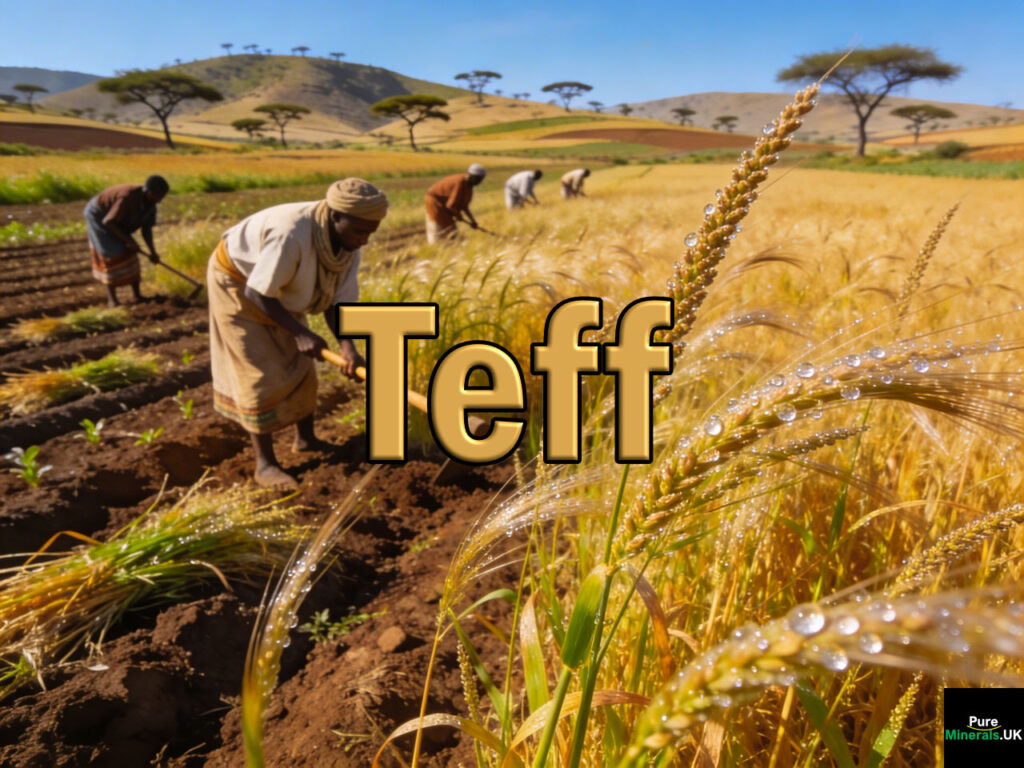
Teff is a very small-seeded cereal grain traditionally cultivated in East Africa, valued for its nutritional density. It is the most important staple crop in the region, forming the base of the food system and the foundation of injera (a sourdough flatbread).
Definition
Teff is an edible grain derived from Eragrostis tef, a species of grass cultivated for its tiny, nutrient-rich seeds.
Extended Definition
Teff is one of the smallest grains in the world and has been cultivated for thousands of years, particularly in Ethiopia and Eritrea, where it remains a dietary staple. It is most famously used to produce injera, a fermented flatbread central to Ethiopian cuisine.
Due to its extremely small size, teff is typically consumed as a whole grain, meaning both the bran and germ are retained, contributing to its nutritional profile. It is naturally gluten-free and widely used in traditional diets as well as modern gluten-free food products.
Nutritionally, teff provides complex carbohydrates, dietary fiber, and moderate amounts of protein. It is particularly noted for its iron content relative to many grains and also supplies calcium, magnesium, and phosphorus. Teff contains resistant starch and various polyphenols that contribute to its overall nutritional characteristics.
The grain can be cooked as porridge, used in baking, or processed into flour for flatbreads and other products. Its flavour is mild and slightly nutty, with darker varieties offering a more robust taste.
Key Facts
- Botanical Name: Eragrostis tef
- Plant Family: Poaceae
- Common Forms: Whole grain, flour
- Typical Serving Methods: Boiled (porridge), fermented (injera), or milled into flour
- Taste Profile: Mild, nutty, slightly earthy
Nutritional Highlights:
- Gluten-free carbohydrate source
- Contains dietary fiber
- Provides iron, calcium, magnesium, and phosphorus
Culinary Uses:
- Traditional flatbreads (e.g., injera)
- Porridges and grain dishes
- Gluten-free baking
Notable Compounds:
- Resistant starch
- Polyphenols
Dietary Suitability:
- Gluten-free, vegan, vegetarian diets
Key Takeaways
- Teff is one of the oldest cultivated grains on Earth, originating in Ethiopia between 4000 BC and 1000 BC, and is now recognized globally as a nutritional powerhouse.
- A single cup of cooked teff delivers approximately 255 calories packed with fiber, protein, iron, calcium, and manganese — making it one of the most nutrient-dense gluten-free grains available.
- Teff is completely gluten-free, making it a safe and highly nutritious alternative for people with celiac disease or gluten sensitivity.
- The grain’s low glycemic index makes it particularly useful for blood sugar management, which is explored in detail further in this article.
Most people have never heard of teff — but once you see what this tiny grain can do nutritionally, it’s hard to ignore.
Teff Co., a trusted supplier of Maskal Teff products, has long championed this ancient grain as a modern nutritional solution. Whether you’re navigating a gluten-free lifestyle or simply looking to upgrade your pantry with a more nutrient-dense whole grain, teff deserves a serious look.
Teff Is Tiny But Delivers Serious Nutrition
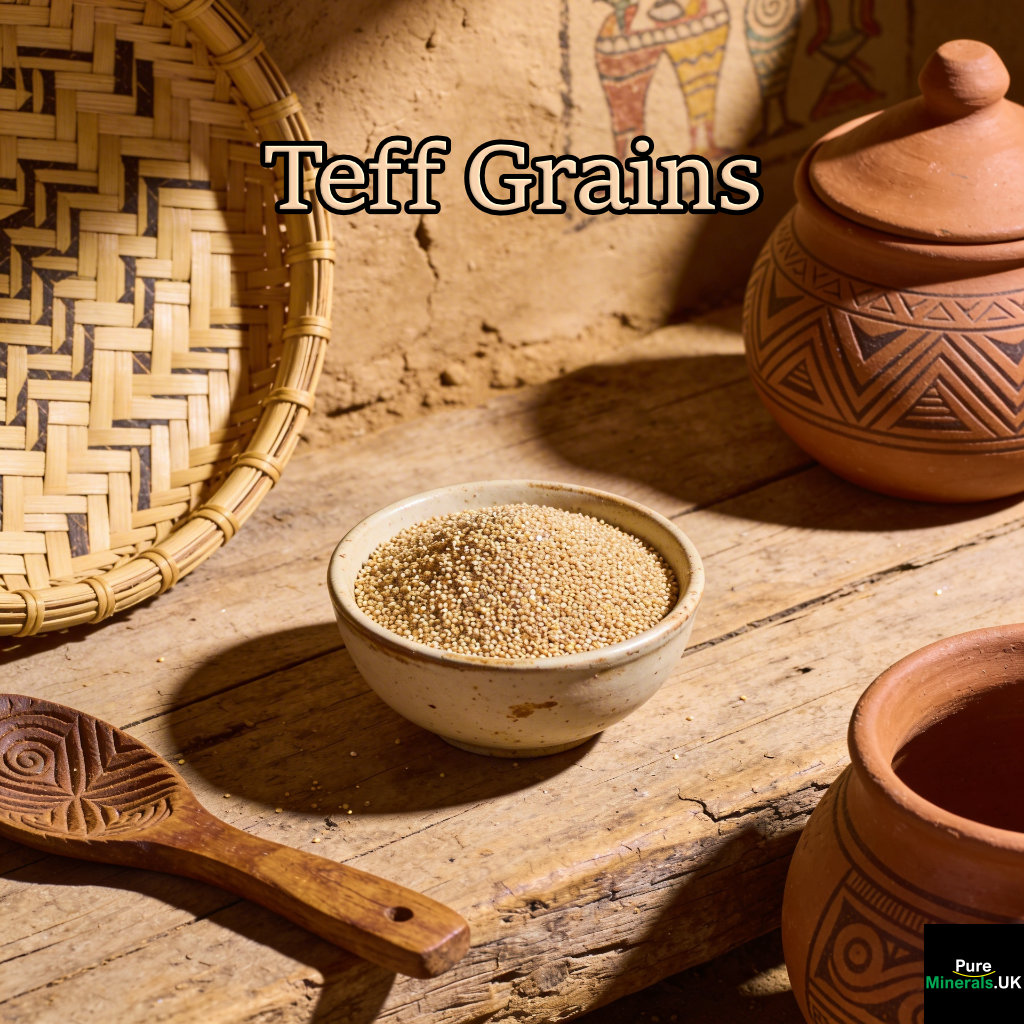
Smaller than a poppy seed, a single teff grain measures less than one millimeter in diameter. Don’t let the size fool you. This ancient grain carries a nutritional profile that rivals — and in some areas surpasses — far more popular grains like quinoa, millet, and brown rice. It’s high in fiber, rich in iron and calcium, naturally gluten-free, and offers a complete set of essential amino acids that make it a go-to protein source for plant-based eaters.
What makes teff especially remarkable is that it’s been doing all of this for thousands of years — long before “superfood” became a marketing buzzword.
What Exactly Is Teff?
Teff (Eragrostis tef) is a species of lovegrass and one of the world’s smallest grains. It’s classified as an ancient grain, meaning it has remained largely unchanged through centuries of cultivation. Today, it’s grown primarily in Ethiopia and Eritrea, though production has expanded to the United States, Australia, and parts of India to meet growing global demand. Similar to sorghum, teff is gaining popularity for its nutritional benefits and versatility.
Origins in the Ethiopian Highlands
Teff has been a dietary staple in the Ethiopian highlands for over 3,000 years — some estimates place its cultivation as far back as 4000 BC. Ethiopian farmers prized it not just for its nutrition but also for its incredible resilience. Teff thrives in both waterlogged soils and drought-prone conditions, making it one of the most adaptable crops in agricultural history. A handful of teff seed is enough to plant an entire large field, which makes it a practical and sustainable food source in challenging highland environments.
The grain became central to Ethiopian culture, cuisine, and daily sustenance. Its role in feeding entire populations across harsh terrain for millennia speaks to both its agricultural value and its nutritional density.
Brown vs. Ivory Teff: What Is the Difference?
Teff comes in two primary varieties: brown teff and ivory teff. While both varieties share a similar nutritional profile, their flavor profiles differ noticeably.
- Ivory teff has a mildly sweet, milky flavor that adds a subtle whole-grain richness to recipes — ideal for lighter baked goods and porridges.
- Brown teff delivers a deeper, earthier taste with distinct nutty and chocolatey notes, making it well-suited for heartier dishes, darker breads, and savory applications.
Both varieties work equally well as whole grains or milled into flour, and the choice between them usually comes down to personal flavor preference rather than nutritional need.
How Teff Compares to Other Gluten-Free Grains
Among gluten-free grains, teff stands out for its calcium and iron content specifically. While quinoa is well known for its complete protein profile and brown rice for its fiber, teff provides more calcium than virtually any other grain — 180 mg per 100 grams — while also delivering strong amounts of manganese, magnesium, and phosphorus that many competing grains simply can’t match.
Teff Nutrition Facts: Fiber, Iron, and More
The numbers behind teff’s nutrition tell a compelling story. This grain isn’t just gluten-free by default — it’s actively nutrient-dense in ways that matter for everyday health. From its macronutrient balance to its impressive mineral content, teff earns its reputation as a superfood grain through real, measurable nutritional value.
It’s also worth noting that teff contains only 2–3% fat, and the fat it does contain includes the essential omega-6 and omega-3 fatty acids your body needs but cannot produce on its own.
Teff at a Glance: Nutrition per 1 Cup Cooked (approximately 252g)
Macronutrients in One Cup of Cooked Teff
One cup of cooked teff provides approximately 255 calories with a well-balanced macronutrient ratio. You’re getting a meaningful dose of complex carbohydrates for sustained energy, around 9–10 grams of protein, about 7 grams of dietary fiber, and minimal fat — all in a single serving. That balance makes teff an exceptionally practical whole grain for anyone monitoring both caloric intake and nutritional quality.
Iron Content: Why Teff Outperforms Wheat
Iron deficiency is one of the most common nutritional deficiencies worldwide, and teff offers a plant-based solution that goes beyond what wheat or most conventional grains can provide. Teff’s iron content is notably high for a grain, which is part of why it has historically supported the health of Ethiopian highland populations who relied on it as a dietary cornerstone. For athletes, vegetarians, and anyone prone to low iron levels, teff is one of the most practical dietary additions available.
Calcium, Magnesium, and Manganese Levels
At 180 mg of calcium per 100 grams of dry teff grain, this tiny seed outpaces virtually every other grain in calcium content by a wide margin. Calcium is critical for bone density, muscle function, and nerve transmission — and most people associate it almost exclusively with dairy. Teff challenges that assumption directly.
Magnesium supports over 300 enzymatic reactions in the body, including energy production and protein synthesis. Manganese plays a key role in bone formation and antioxidant defense. Teff delivers both in meaningful amounts, reinforcing its status as one of the most mineral-rich grains available in any dietary category.
Teff Fat Content and Essential Fatty Acids
Teff’s fat content sits at just 2–3% of its total composition, making it a low-fat grain by any standard. More importantly, the fats it does contain are the essential omega-6 and omega-3 fatty acids — the kind your body cannot synthesize independently and must obtain through food. This makes teff a particularly smart addition to diets that are low in fatty fish or other omega-rich foods.
Why Teff Is Safe and Beneficial for Gluten-Free Diets
For anyone managing celiac disease or non-celiac gluten sensitivity, finding grains that are both safe and genuinely nutritious can feel like a constant challenge. Many gluten-free alternatives sacrifice nutritional value for safety. Teff does neither.
How Celiac Disease Damages the Gut
Celiac disease is an autoimmune condition where the ingestion of gluten — a protein found in wheat, barley, and rye — triggers an immune response that damages the lining of the small intestine. Over time, this damage flattens the villi, the tiny finger-like projections responsible for nutrient absorption. The result is malabsorption of critical nutrients, including iron, calcium, and B vitamins — the exact nutrients teff happens to deliver in abundance.
Teff as a Trusted Gluten-Free Alternative
Teff is naturally and completely gluten-free, making it one of the safest grain options for people with celiac disease or gluten sensitivity. Unlike some grains that are technically gluten-free but often processed in shared facilities, teff’s status as a distinct botanical species — a lovegrass, not a wheat relative — means it carries no inherent cross-contamination risk from its origin. Always verify that the specific product you purchase is certified gluten-free to rule out processing facility concerns.
What sets teff apart from most gluten-free substitutes is that it doesn’t just replace gluten-containing grains — it actively upgrades the nutritional value of a gluten-free diet. Many people who cut out wheat end up losing key sources of iron and B vitamins. Teff replenishes both, along with calcium and fiber that are frequently lacking in standard gluten-free diets built around refined rice or corn flours.
Key Health Benefits of Eating Teff
Teff’s health benefits aren’t built on a single standout nutrient — they come from the combined effect of its fiber, minerals, protein, and low glycemic load working together. This is what separates a genuinely functional food from one that’s simply trending. For those interested in exploring other grains with similar benefits, consider learning more about millet.
Each of the benefits below is directly tied to specific, measurable components of teff’s nutritional profile — not general claims about ancient grains as a category.
Supports Healthy Iron Levels and Circulation
Iron is essential for the production of hemoglobin, the protein in red blood cells that carries oxygen throughout the body. Low iron leads to fatigue, weakness, and impaired cognitive function — symptoms that are unfortunately common in people following restrictive diets or those with high physical demands. Teff’s iron content is exceptional for a plant-based grain, making it a meaningful dietary tool for athletes, vegetarians, pregnant women, and anyone managing low iron levels.
Regular consumption of teff as part of a balanced diet can contribute to maintaining healthy iron stores over time. Pairing teff with vitamin C-rich foods — like tomatoes, citrus, or bell peppers — further enhances non-heme iron absorption, maximizing the benefit from every serving.
High Fiber Content for Digestive and Heart Health
With approximately 7 grams of dietary fiber per cooked cup, teff supports healthy digestion by promoting regular bowel movements and feeding beneficial gut bacteria. Dietary fiber is also directly linked to reduced LDL cholesterol levels and lower cardiovascular disease risk, according to long-standing research in nutritional science. For a grain this small, the fiber contribution per serving is notably high.
Beyond heart health, teff’s fiber content creates a lasting sense of fullness after meals. This satiety effect helps naturally reduce overall caloric intake without requiring deliberate restriction — a practical benefit for anyone managing their weight through dietary choices rather than strict calorie counting.
Low Glycemic Index for Blood Sugar Control
Glycemic Index Comparison: Teff vs. Common Grains
A low glycemic index means that teff releases glucose into the bloodstream slowly and steadily, rather than causing the sharp blood sugar spikes associated with refined grains and high-GI foods. This makes teff a particularly smart carbohydrate choice for people managing type 2 diabetes, insulin resistance, or simply trying to maintain consistent energy levels throughout the day.
The combination of complex carbohydrates, dietary fiber, and protein in teff all contribute to its favorable glycemic response. None of these factors work in isolation — it’s the synergy of the whole grain’s composition that keeps blood sugar stable after a teff-based meal.
Swapping refined grains like white rice or processed breakfast cereals for teff-based alternatives — such as a morning teff porridge — is one of the most direct dietary changes you can make to improve daily blood sugar management without eliminating carbohydrates.
Bone Strength from Calcium and Manganese
At 180 mg of calcium per 100 grams of dry teff grain, this is one of the most calcium-rich plant foods available outside of dairy — and far ahead of any competing grain. Calcium is the primary mineral in bone tissue, and adequate intake is directly linked to reduced risk of osteoporosis and fracture, particularly as we age. For anyone following a dairy-free or plant-based diet, teff represents a genuinely impactful source of this critical mineral.
Manganese works alongside calcium in the bone-building process, supporting the synthesis of bone cartilage and the activation of enzymes involved in bone metabolism. Teff delivers strong amounts of both, creating a natural synergy that few single foods can replicate.
Immune Function and Weight Management
Zinc, vitamin B6, and magnesium — all present in teff — play well-documented roles in supporting a healthy immune response, regulating inflammation, and enabling the enzymatic reactions that power cellular repair. Teff’s low-fat content combined with its high fiber and protein density also makes it an effective food for weight management, providing maximum nutritional return per calorie consumed. It fills you up, fuels your body, and does so without excess caloric load.
Traditional Uses of Teff in Ethiopian Culture
Long before teff appeared in Western health food stores, it was — and remains — the nutritional backbone of Ethiopian and Eritrean cuisine. For millions of people in the Horn of Africa, teff isn’t a health trend. It’s a daily staple that has anchored food culture, agriculture, and social tradition for thousands of years.
Understanding teff’s cultural roots matters because it contextualizes why this grain is so nutritionally complete. Populations that relied on teff as a primary food source thrived on its protein, minerals, and energy-sustaining carbohydrates across generations of physical labor and demanding highland living.
Injera: Ethiopia’s Staple Fermented Flatbread
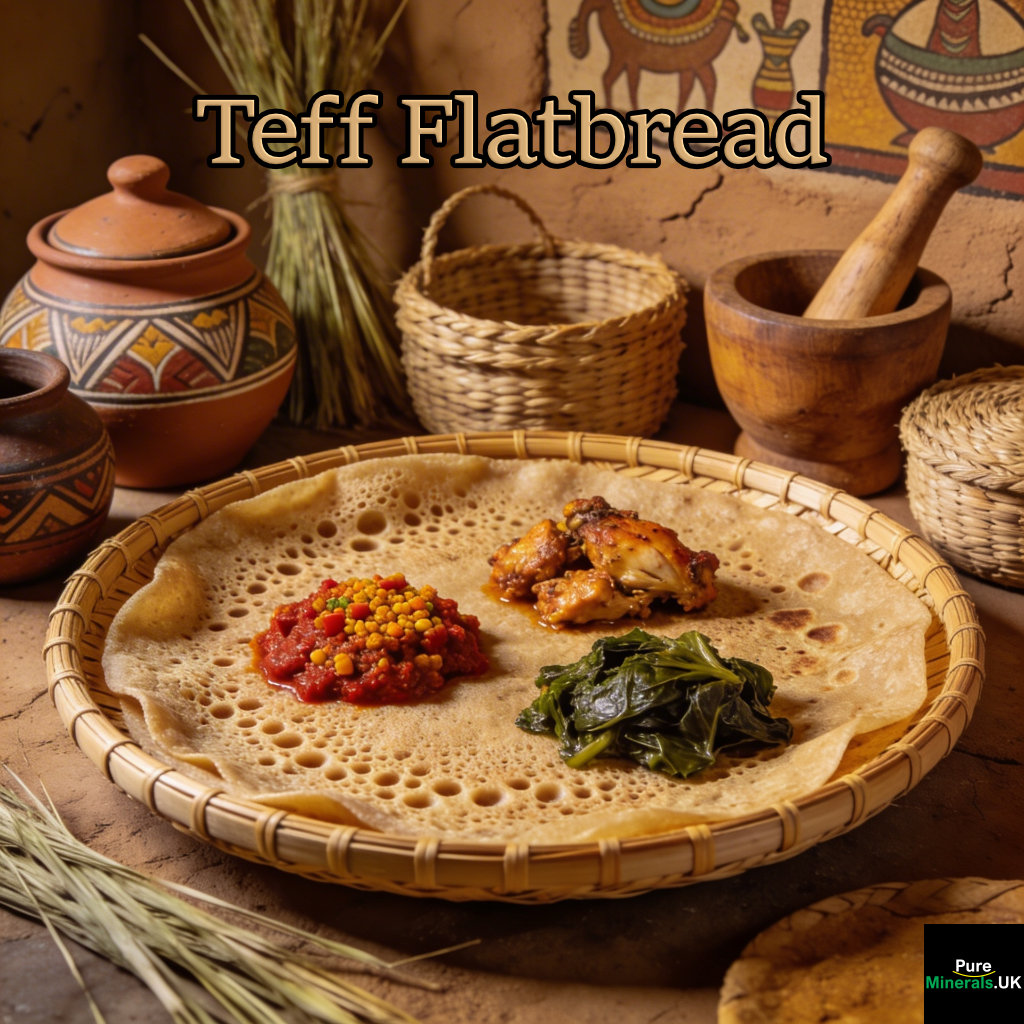
Injera is a spongy, slightly sour fermented flatbread made from teff flour and water, and it is the centerpiece of nearly every Ethiopian meal. The fermentation process — which typically takes two to three days — not only develops injera’s signature tangy flavor but also improves the bioavailability of the nutrients in teff, making minerals like iron and zinc more absorbable by the body. Injera serves simultaneously as a plate, utensil, and food — dishes are served on top of it and eaten by tearing off pieces to scoop up stews and vegetables.
How Teff Has Fed the Ethiopian Highlands for Millennia
Teff’s resilience as a crop directly mirrors its resilience as a food. In the Ethiopian highlands, where altitude, irregular rainfall, and variable soil conditions make farming difficult, teff’s ability to thrive in both waterlogged and drought-stressed environments made it an irreplaceable agricultural asset. Farmers discovered early that a small quantity of teff seed could cover a large planting area, reducing the input cost while still producing a nutritionally dense harvest.
This agricultural efficiency translated directly into food security across generations. Communities built around teff cultivation didn’t just survive — they developed rich culinary traditions, complex fermentation techniques, and deep agricultural knowledge centered on this one remarkable grain. That legacy is now being recognized globally as modern nutrition science catches up to what Ethiopian farmers have known for over 3,000 years.
How to Cook and Bake with Teff
Teff is one of the most versatile grains you can keep in your kitchen. Whether you’re cooking the whole grain or working with teff flour, the process is straightforward — and the results are consistently satisfying. The nutty, earthy flavor pairs well with both sweet and savory ingredients, which means teff can move seamlessly from breakfast to dinner without feeling out of place. For those interested in exploring other grains, consider trying spelt as an alternative.
One practical advantage worth noting: teff cooks relatively quickly compared to other whole grains. The whole grain typically reaches a soft, porridge-like consistency in about 15–20 minutes, while teff flour integrates into baked goods with minimal adjustment to standard recipes. If you’re new to cooking with ancient grains, teff is genuinely one of the most beginner-friendly starting points.
Using Whole Teff Grain in Porridges and Pilafs
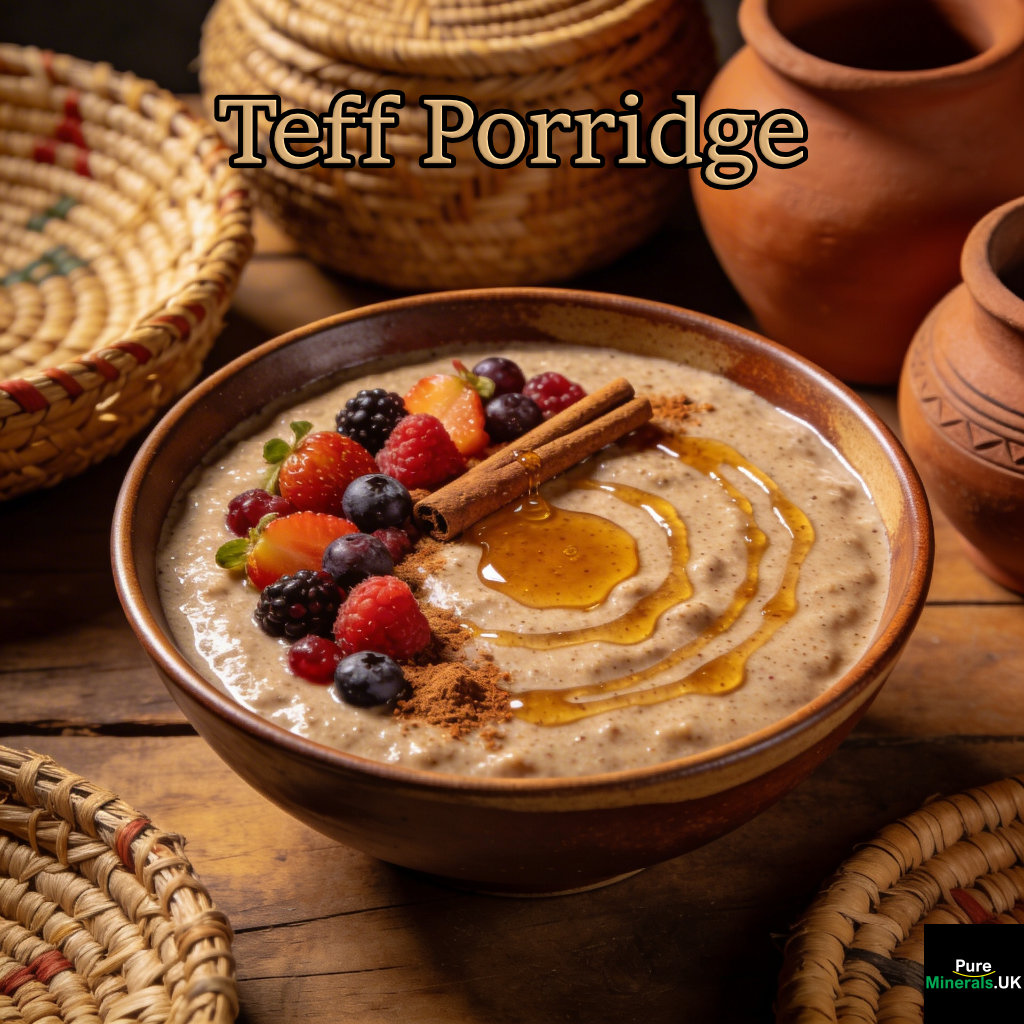
Cooking whole teff grain follows a simple ratio: one cup of dry teff to three cups of water or broth, brought to a boil, then simmered for 15–20 minutes until the liquid is absorbed. The result is a thick, creamy texture that works beautifully as a morning porridge topped with honey, cinnamon, and fresh fruit — or as a savory grain base for roasted vegetables, legumes, and herb-forward sauces. Brown teff’s deeper, nuttier flavor makes it particularly well-suited for savory pilaf-style dishes, while ivory teff shines in sweeter breakfast applications.
Baking with Teff Flour: Pancakes, Bread, and More
Teff flour behaves differently from wheat flour due to the absence of gluten, which means it works best when combined with other gluten-free flours or binding agents like eggs, flax eggs, or xanthan gum in recipes that require structure. For pancakes and waffles, teff flour can often be used as a straight one-to-one replacement for other gluten-free flour blends, producing a slightly denser, more nutritious result with a pleasant earthy undertone.
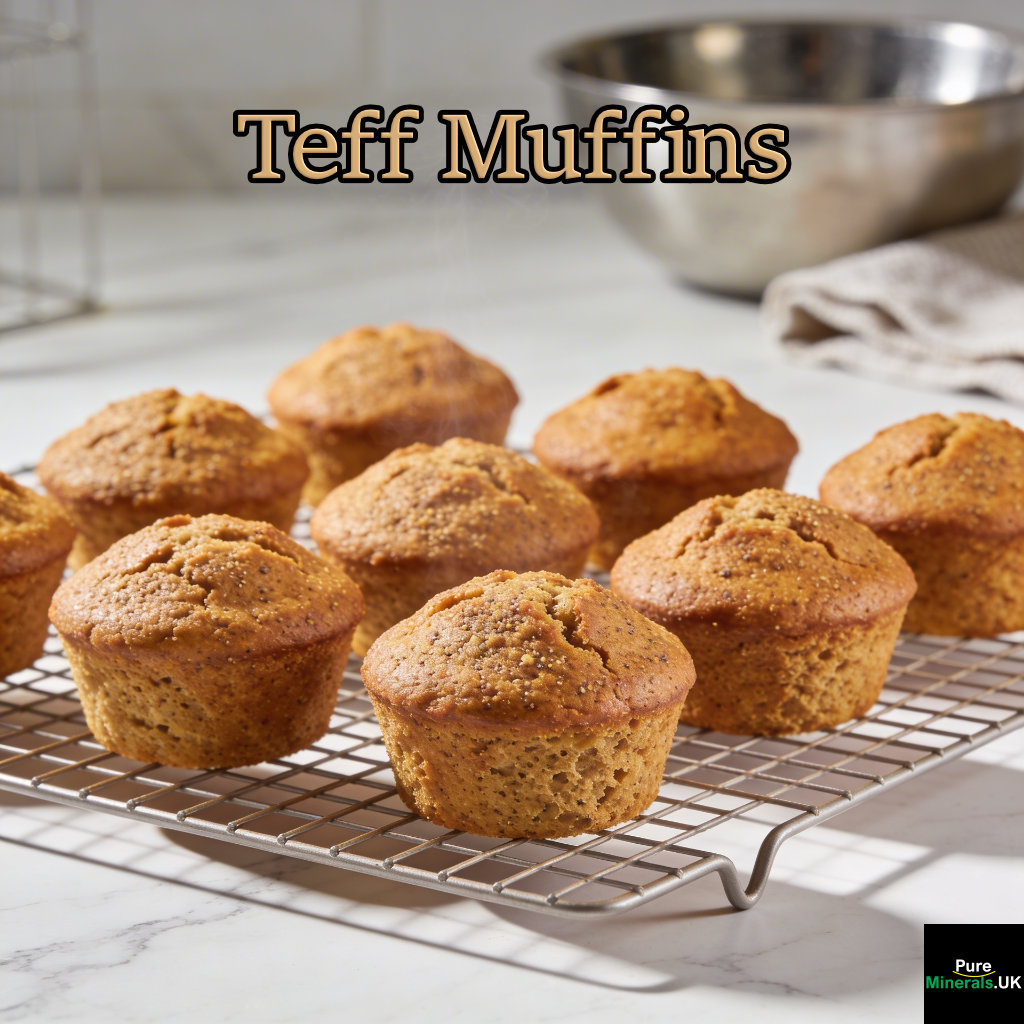
For bread and muffins, blending teff flour with almond flour, oat flour, or a commercial gluten-free flour mix generally produces the best texture. Traditional Ethiopian injera is made with 100% teff flour fermented over two to three days — an approach that not only creates that signature sour flavor but also enhances the nutritional bioavailability of the final product. For everyday baking, even substituting 25–50% of your regular gluten-free flour with teff flour meaningfully increases the iron, calcium, and fiber content of the finished product.
How to Swap Teff for Quinoa or Millet in Recipes
Teff substitutes naturally for quinoa or millet in most whole-grain recipes because the cooking method and texture profile are similar. Use the same liquid-to-grain ratio you would for millet — approximately 2 to 2.5 cups of liquid per cup of grain — and adjust cook time slightly downward since teff absorbs liquid faster than millet. In grain bowls, stuffed peppers, or vegetable sides, teff brings a richer mineral profile than either quinoa or millet without requiring any significant changes to your existing recipe structure.
One key difference to keep in mind: because teff grains are so small, they cook into a more cohesive, slightly sticky mass compared to the individual, fluffy grains you get from quinoa or millet. This makes teff ideal for dishes where a creamy texture is desirable — think risotto-style preparations or grain cakes — but less suited for recipes where distinct, separate grains are the goal.
Teff Is One of the Most Nutritious Grains You Are Not Eating Yet
Few grains can match what teff delivers in a single serving — iron that outpaces wheat, calcium that rivals dairy-adjacent sources, fiber that supports both your gut and your heart, and a complete nutritional profile that fits seamlessly into gluten-free, plant-based, and whole-food diets alike. It has sustained entire populations for over 3,000 years, and the nutritional science catching up to that history only reinforces what Ethiopian farmers have always known. Adding teff to your diet doesn’t require an overhaul — a bowl of teff porridge in the morning or a swap from white rice to whole teff at dinner is enough to start experiencing the difference.
Important note: Teff
Teff is generally well tolerated and suitable for a wide range of dietary patterns. As a whole grain, it contains naturally occurring compounds such as phytates, which may influence mineral absorption, though traditional preparation methods like fermentation can reduce their effects. Individuals with specific dietary conditions or sensitivities should consult a qualified nutrition professional before regular consumption.
Frequently Asked Questions
Teff is gaining attention quickly in the nutrition world, and with that comes a lot of practical questions about how to use it, what it contains, and who it’s appropriate for. The answers below are grounded in the grain’s actual nutritional data and real-world culinary applications.
Whether you’re considering teff for the first time or looking to use it more consistently, these are the questions most people ask when they start exploring this ancient grain.
Is Teff Grain High in Protein?
Yes — teff is a solid plant-based protein source, delivering approximately 9–10 grams of protein per cooked cup. That’s comparable to quinoa and notably higher than white rice or corn-based gluten-free alternatives. Teff also contains a broad range of essential amino acids, making its protein particularly useful for people following vegetarian or vegan diets who need to maximize protein quality from plant sources.
For athletes or anyone with elevated protein requirements, teff works best as part of a varied diet that includes legumes, nuts, and seeds — but it contributes meaningfully to daily protein targets in a way that most grains simply don’t.
Does Teff Have More Iron Than Other Grains?
Teff’s iron content is one of its most distinctive nutritional features and directly surpasses what most conventional grains offer. Here’s how the iron picture looks across common grain comparisons:
- Teff — exceptionally high iron content for a grain, historically credited with supporting iron status in Ethiopian highland populations
- Wheat — lower iron content than teff, and dependent on enrichment in most commercial products
- Quinoa — moderate iron content, often cited but lower per serving than teff
- White rice — minimal natural iron; typically relies on fortification
- Millet — moderate iron, but does not match teff’s concentration
Teff’s iron is non-heme iron — the plant-based form — which is less readily absorbed than heme iron from animal sources. The practical workaround is pairing teff with vitamin C-rich foods to enhance absorption significantly.
For vegetarians, vegans, endurance athletes, and anyone managing iron-deficiency anemia through diet, teff is one of the most powerful plant-based tools available in the grain category specifically.
Can People with Celiac Disease Eat Teff?
Yes. Teff is naturally gluten-free and is botanically unrelated to wheat, barley, or rye — the three grains that trigger the autoimmune response in people with celiac disease. As a species of lovegrass (Eragrostis tef), teff carries no inherent gluten risk. That said, people with celiac disease should always choose products that are certified gluten-free to ensure the teff was processed in a dedicated gluten-free facility and hasn’t been cross-contaminated during manufacturing or packaging.
What Does Teff Taste Like?
Teff has a naturally sweet, earthy, and nutty flavor that most people find mild and pleasant on first taste. Ivory teff leans toward a lighter, slightly milky sweetness, while brown teff offers deeper notes that some describe as faintly chocolatey. Neither variety has a sharp or overpowering flavor, which is part of why teff integrates so easily into both sweet recipes like porridge and pancakes and savory dishes like grain bowls and stuffed vegetables.
Where Can You Buy Teff Grain and Teff Flour?
Teff grain and teff flour are increasingly available in health food stores, specialty grocery retailers, and major online platforms. Whole Foods Market, Natural Grocers, and similar stores typically carry at least one teff product — often in the bulk grain or gluten-free baking aisle. Online availability is broader, with multiple brands offering both brown and ivory teff in whole grain and flour formats.
When selecting a teff product, look for options that are certified gluten-free if you’re managing celiac disease or serious gluten sensitivity. Organic certification is also available from several suppliers for those prioritizing pesticide-free sourcing.