

Published: 23 February 2026
Last Updated: 25 February 2026
This article is periodically reviewed and updated to reflect current scientific understanding by Vic George.
Fact-Checked: 1 other authoritative medical/scientific reference. See our Editorial Policy.

Why are Tangerines Important for Immune Support, Heart Health, and Antioxidant Protection?
Tangerine is a citrus fruit valued for its high vitamin C content, natural sweetness, and antioxidant flavonoids. It supports immune defence, cardiovascular health, and cellular protection through its vitamin and polyphenol profile. Tangerines are most beneficial when consumed whole, preserving their fibre and moderating sugar absorption.
Definition:
Tangerine refers to citrus fruits of Citrus reticulata and related varieties, commonly classified as mandarins. Tangerines provide vitamin C, fibre, potassium, and flavonoids.
Extended Definition:
Tangerines are closely related to mandarins and are characterised by their loose, easy-to-peel skin and sweet flavour. Nutritionally, they are a rich source of vitamin C, which supports immune defence, collagen formation, and antioxidant protection.
They also contain flavanones such as hesperidin and naringenin, which contribute to vascular health by supporting endothelial function and reducing oxidative stress. These compounds play a role in maintaining cardiovascular resilience.
Tangerines provide soluble fiber, particularly in the white pith and segment membranes, which supports digestive health and cholesterol regulation. The fruit also supplies potassium, contributing to fluid balance, nerve signalling, and muscle function.
Compared with citrus juice, whole tangerines offer improved glycaemic control due to fibre content and slower sugar absorption. Their convenient size and natural sweetness make them a practical whole-food snack.
Overall, tangerines are best understood as a vitamin C–rich citrus fruit, supporting immune, cardiovascular, and metabolic health.
Mandarins
Mandarin (Citrus reticulata) is a parent species and umbrella category that includes several subtypes:
- Tangerines (Citrus reticulata subgroup)
- Clementines (Citrus × clementina)
- Satsumas (Citrus unshiu)
- Other mandarin hybrids and cultivars
In practical terms:
- All tangerines are mandarins
- Not all mandarins are tangerines
Nutritionally, mandarins, tangerines, clementines, and satsumas are extremely similar with shared core features:
- High vitamin C
- Flavanones (hesperidin, naringenin)
- Fibre
- Potassium
- Low to moderate glycaemic impact
Any differences are trivial and mainly involve a slight variation in sugar content, acidity, peel thickness, and ease of peeling. These differences are not nutritionally significant, so whatever applies to tangerines applies to other mandarins.
Key Facts:
- Food type: Citrus fruit/vitamin C–rich fruit
- Botanical name: Citrus reticulata
- Key nutrients: Vitamin C, fibre, potassium
- Key compounds: Hesperidin, naringenin, flavonoids, polyphenols
- Primary roles: Immune support, antioxidant protection, cardiovascular support
- Systems supported: Immune, cardiovascular, digestive, metabolic
- Best forms: Fresh whole fruit, segmented fruit, added to salads
- Use considerations: Whole fruit preferred over juice for fibre retention
- Typical pairing: Often paired with yoghurt, nuts, salads, dark chocolate, and whole grains
- Tangerines are a variety of mandarin orange — not a separate fruit — packed with vitamin C, flavonoids, and antioxidants that support immunity, heart health, and more.
- Just one medium tangerine delivers up to 26% of your daily vitamin C needs, making it one of the most efficient immune-boosting snacks available.
- The peel is just as powerful as the flesh, containing 110.4 mg of vitamin C per 100g and potent flavonoids like nobiletin and tangeretin that most people throw away.
- Tangerines offer surprising benefits beyond basic nutrition, including reduced kidney stone risk, better iron absorption, and brain-protective compounds — details covered further in this article.
- How you eat tangerines matters — juicing strips the fiber, while eating the whole fruit maximizes every benefit this small citrus has to offer.
Tangerines Pack More Punch Than You Think

Small, easy to peel, and naturally sweet, tangerines might be the most underestimated fruit in the produce aisle.
Most people grab them as a convenient snack without realizing they’re getting a concentrated dose of immune-boosting vitamin C, heart-protective flavonoids, and antioxidants that fight cellular damage at the source. The research on these little citrus fruits is genuinely impressive, and yet they rarely get the attention that larger fruits like oranges or grapefruits receive.
Whether you call them tangerines or mandarins, understanding what’s inside them — and how to get the most out of every part of the fruit — can make a real difference in how you approach everyday nutrition.
What Exactly Is a Tangerine?
Tangerines are a small, bright orange citrus fruit with a thin, easy-to-peel skin and a sweet-tart flavor. They’re juicy, seedless or low-seed, and considerably easier to eat on the go than a standard navel orange. Nutritionally, they punch well above their weight for such a compact fruit.
Tangerine vs. Mandarin: Are They the Same Thing?
As mentioned above, tangerines are actually a subtype of mandarin orange (Citrus reticulata), not a completely separate species. The terms are often used interchangeably in grocery stores and everyday conversation, but technically, all tangerines are mandarins — not all mandarins are tangerines. Other mandarin varieties include clementines, satsumas, and honey mandarins. Tangerines tend to have a deeper reddish-orange color and a slightly more tart flavor compared to the sweeter clementine.
Where Tangerines Come From
Tangerines originated in Southeast Asia and have been cultivated for thousands of years. They get their name from the port city of Tangier, Morocco, through which they were historically exported to Europe. Today, they’re grown widely across China, Spain, Brazil, and the United States, with peak season running from November through April.
Tangerine Nutrition Facts
Tangerines deliver a strong nutritional profile in a low-calorie package. They’re rich in water, natural sugars, fiber, and a broad range of micronutrients — especially vitamin C.
Vitamins and Minerals in One Medium Tangerine
| Nutrient | Amount per Medium Tangerine | % Daily Value |
|---|---|---|
Vitamin C |
~26 mg |
Up to 26% |
Folate (B9) |
~14 mcg |
~4% |
Thiamine (B1) |
~0.06 mg |
~5% |
Pyridoxine (B6) |
~0.07 mg |
~4% |
Potassium |
~166 mg |
~4% |
Phosphorus |
~15 mg |
~1% |
Vitamin E |
~0.2 mg |
~1% |
Beyond vitamins and minerals, tangerines contain a rich array of plant compounds, including naringin, hesperidin, nobiletin, tangeretin, narirutin, and beta-cryptoxanthin — flavonoids and carotenoids tied to a wide range of protective health effects.
Calories, Carbs, and Sugar Content
A medium tangerine contains roughly 45–50 calories, about 11–12 grams of carbohydrates, and around 9 grams of natural sugar. Despite the sugar content, the fiber and water in the whole fruit help moderate blood sugar response — a key reason why eating the whole fruit is always better than drinking the juice alone.
Fiber and Water Content
Each medium tangerine provides about 1.5–2 grams of dietary fiber and is composed of roughly 85% water. That combination supports digestive regularity, helps with hydration, and contributes to satiety — making tangerines a genuinely smart snack for anyone managing their weight or digestive health.
9 Evidence-Based Health Benefits of Tangerines
From immune defense to brain health, here’s what the research actually says about what tangerines can do for your body.
1. Boosts Immune Function With Vitamin C
Vitamin C is tangerine’s headline nutrient — and for good reason. A single medium tangerine provides up to 26% of your recommended daily intake, making it one of the most accessible dietary sources of this critical immune-supporting vitamin. Vitamin C stimulates the production and function of white blood cells, which are your body’s frontline defense against infection.
Beyond immunity, vitamin C acts as a powerful water-soluble antioxidant, neutralizing free radicals that cause oxidative stress and cellular damage. Regular intake is consistently associated with shorter duration and reduced severity of common illnesses like the cold.
2. Supports Heart Health
The flavonoids in tangerines — particularly hesperidin and naringin — have been studied for their role in cardiovascular health. These compounds help reduce LDL (bad) cholesterol, lower blood pressure, and decrease systemic inflammation, all of which are major contributors to heart disease risk.
Potassium also plays a supporting role here. While one tangerine doesn’t deliver a massive potassium dose, incorporating multiple servings regularly contributes to better vascular tone and blood pressure regulation — especially as part of a nutrient-dense diet.
3. Reduces Kidney Stone Risk
Citrus fruits, including tangerines, are natural sources of citric acid, which binds to calcium in urine and reduces the likelihood of calcium oxalate crystal formation — the most common type of kidney stone. Adequate citric acid intake is a well-recognized dietary strategy for lowering kidney stone risk, and adding tangerines to your daily routine is one of the most palatable ways to do it.
4. Improves Digestive Health
The fiber in tangerines — though modest at around 1.5–2 grams per fruit — contributes meaningfully to gut health when you eat them consistently. Dietary fiber feeds beneficial gut bacteria, supports regular bowel movements, and helps prevent constipation. Combined with tangerines’ high water content, you get a fruit that actively keeps your digestive system moving smoothly.
5. Delivers Powerful Antioxidants
Tangerines contain a remarkably diverse antioxidant profile. Beyond vitamin C, they’re loaded with flavonoids like nobiletin, naringenin, tangeretin, and narirutin, plus the carotenoid beta-cryptoxanthin. These compounds work at the cellular level to neutralize free radicals, reduce oxidative stress, and lower the risk of chronic diseases, including certain cancers. Research published in the Journal of Agricultural and Food Chemistry confirms tangerines as a significant source of these protective plant compounds.
6. Supports Healthy Skin
Vitamin C is essential for collagen synthesis — the structural protein that keeps skin firm, elastic, and resilient. Without adequate vitamin C, collagen production slows, which accelerates visible aging including fine lines and sagging. Eating tangerines regularly gives your skin a consistent supply of this collagen-building nutrient.
The antioxidants in tangerines also protect skin cells from UV-induced oxidative damage. While they’re not a replacement for sunscreen, the flavonoids and vitamin C work together to reduce the inflammatory response that follows sun exposure, helping your skin recover faster and age more gracefully.
7. Helps Regulate Blood Sugar
Despite their natural sugar content, tangerines have a relatively low glycemic index — meaning they don’t cause the sharp blood sugar spikes associated with processed sweets. The fiber slows glucose absorption, and the flavonoid nobiletin has been specifically studied for its potential role in improving insulin sensitivity. Eating whole tangerines rather than drinking tangerine juice preserves this benefit, since juicing removes most of the fiber that moderates sugar absorption.
8. Promotes Brain Health With Folate
Folate (vitamin B9) found in tangerines plays a key role in neurological function. It supports the production of neurotransmitters like serotonin and dopamine, and adequate folate intake is linked to reduced risk of cognitive decline and depression. It’s also critical during pregnancy for proper neural tube development in the developing fetus, making tangerines a smart addition to a prenatal diet.
9. Aids Iron Absorption
Vitamin C dramatically enhances the absorption of non-heme iron — the type of iron found in plant-based foods like spinach, lentils, and fortified cereals. Eating a tangerine alongside an iron-rich plant food can increase iron absorption by up to three times compared to eating that food alone. This makes tangerines particularly valuable for vegetarians, vegans, or anyone at risk of iron-deficiency anemia.
The Surprising Benefits of Tangerine Peel

Most people peel a tangerine and toss the skin without a second thought — but that peel is arguably the most nutrient-dense part of the entire fruit. Research has confirmed that tangerine peel contains 110.4 milligrams of vitamin C per 100 grams, an amount equivalent to the vitamin C content of the whole fruit’s flesh. It’s also where you’ll find the highest concentrations of specialized flavonoids that aren’t as prevalent in the segments themselves. For those interested in exploring more about similar fruits, you might want to check out the benefits of nectarines.
Key Compounds Found in the Peel
Tangerine peel is particularly rich in nobiletin and tangeretin — two polymethoxylated flavonoids that have attracted significant scientific interest for their anti-inflammatory, neuroprotective, and potential anticancer properties. These compounds are largely unique to citrus peels and are found in far lower concentrations in the flesh. The peel also contains hesperidin and naringin, the same heart-protective flavonoids present in the fruit, but in higher concentrations.
How to Use Tangerine Peel
The most practical way to use tangerine peel is by zesting it directly over food. Tangerine zest adds a bright, concentrated citrus flavor to oatmeal, yogurt, baked goods, marinades, and salad dressings. Just make sure you’re using organic tangerines if you plan to eat the peel, since conventionally grown citrus is often treated with pesticide coatings on the skin. For a similar citrus experience, you might also enjoy exploring the benefits of oranges.
You can also dry tangerine peels and steep them in hot water for a simple citrus-infused tea. Dried peel can be ground into a powder and added to spice blends, smoothies, or even homemade skincare preparations. In traditional Chinese medicine, dried tangerine peel — known as chen pi — has been used for centuries to support digestion and respiratory health.
How Tangerines Compare to Oranges

Tangerines and oranges are closely related citrus fruits, but they differ in ways that matter nutritionally and practically. Tangerines are smaller, easier to peel by hand, and generally sweeter with a slightly lower vitamin C content per fruit — though this is largely due to their smaller size, not lower concentration. Oranges tend to have more fiber per serving due to their larger size, while tangerines are easier to portion and eat as a quick snack without preparation.
Where tangerines genuinely stand out is in their unique flavonoid content. Nobiletin and tangeretin — two of the most studied citrus flavonoids — are found in significantly higher concentrations in tangerines than in standard navel oranges. So while oranges may edge out tangerines on raw vitamin C numbers per serving, tangerines offer a distinct advantage when it comes to specialized plant compounds with targeted health benefits.
Culinary Uses for Tangerines
Tangerines are one of the most versatile fruits in the kitchen. Their natural sweetness and bright acidity work across a surprisingly wide range of dishes — from simple snacks to complex sauces — and both the flesh and the zest are valuable culinary ingredients in their own right. For those interested in exploring similar fruits, oranges also offer a wealth of culinary possibilities.
Fresh Eating and Snacking
The simplest and most nutritious way to eat a tangerine is straight out of hand. No cutting, no utensils — just peel and eat. This preserves the fiber, the juice, and all the water-soluble nutrients like vitamin C that can degrade quickly once the fruit is cut and exposed to air. Keep a bowl of tangerines on your kitchen counter during peak season for an effortless daily habit that pays real nutritional dividends.
Tangerines in Salads and Dressings
Tangerine segments add bursts of sweetness and acidity to both green salads and grain bowls. They pair exceptionally well with bitter greens like arugula and radicchio, creamy ingredients like avocado or goat cheese, and crunchy elements like toasted almonds or candied pecans. For dressings, freshly squeezed tangerine juice whisked with olive oil, Dijon mustard, and a pinch of sea salt creates a simple vinaigrette that works on almost any salad. Learn more about the nutritional benefits of tangerines by exploring their relation to oranges.
Juices, Smoothies, and Drinks
- Fresh tangerine juice: Squeeze 4–5 tangerines for a single glass of pure, pulp-rich juice with no added sugar needed.
- Tangerine-ginger smoothie: Blend tangerine segments with frozen mango, fresh ginger, and a splash of coconut water for a bright, anti-inflammatory drink.
- Citrus green smoothie: Combine two tangerines with a handful of spinach, half a banana, and almond milk for a vitamin C and iron absorption double-benefit.
- Tangerine-infused water: Slice tangerines thin and add to a pitcher of cold water with fresh mint for a low-calorie, hydrating alternative to sugary drinks.
- Tangerine tea: Steep dried tangerine peel in hot water for 5–8 minutes for a gentle, digestion-supporting herbal drink rooted in traditional Chinese medicine.
When juicing tangerines, it’s worth keeping the pulp in. The pulp carries a significant portion of the fiber and flavonoids that would otherwise be lost. A fully strained tangerine juice is still rich in vitamin C, but you’ll lose the blood sugar-moderating effect that comes from the whole fruit’s fiber content.
Tangerine juice blends particularly well with turmeric and black pepper — a combination that supports both the immune-boosting benefits of vitamin C and the anti-inflammatory properties of curcumin. The black pepper enhances curcumin absorption by up to 2,000%, making this one of the most strategically beneficial drink combinations you can make at home.
For a cold-season immune shot, juice two tangerines with a thumb of fresh ginger, a small piece of turmeric root, and a pinch of cayenne. This delivers vitamin C, gingerols, curcuminoids, and capsaicin in a single concentrated 2-ounce drink — far more targeted than any store-bought wellness shot.
Cooking and Baking With Tangerines
Tangerine juice and zest work beautifully in marinades for poultry and fish, where the citric acid tenderizes the protein while the natural sugars caramelize during cooking. A simple marinade of tangerine juice, garlic, olive oil, and fresh thyme works exceptionally well on chicken thighs or salmon fillets. In baking, tangerine zest can be folded into muffin or cake batter to add a natural citrus brightness without any artificial flavoring — and unlike lemon, tangerine zest brings a slightly sweeter, less sharp flavor profile that pairs especially well with dark chocolate, almond flour-based recipes, and honey-sweetened baked goods.
How to Select, Store, and Eat Tangerines
Choosing the right tangerine at the store makes a real difference in flavor and nutritional quality. Peak tangerine season runs from November through April, so fruits purchased during this window will generally be sweeter, juicier, and more nutrient-dense than out-of-season options that have been cold-stored for extended periods.
The best tangerines feel heavy for their size — that weight signals high juice content. Don’t be deterred by a slightly puffy or loose-feeling skin; that’s actually normal for tangerines and doesn’t indicate spoilage. What you want to avoid is any soft spots, mold near the stem, or a fermented smell, which are signs the fruit is past its prime.
How to Choose a Ripe Tangerine
Look for tangerines with a deep, uniform orange color and no significant green patches. Give the fruit a gentle squeeze — it should feel firm but with slight give, not rock-hard or mushy. A ripe tangerine will also have a faint citrus aroma near the stem end, even through the peel. When in doubt at a farmers market, ask to try a segment — ripe tangerines should taste sweet first, with a clean acidic finish, never bitter or flat.
Best Ways to Store Tangerines
Tangerines stored at room temperature will stay fresh for about one week. Refrigerating them in the crisper drawer extends their life to three to four weeks without significant loss of flavor or vitamin C content. Avoid storing them in sealed plastic bags without ventilation, as trapped moisture accelerates mold. If you’ve peeled or segmented tangerines, store them in an airtight container in the refrigerator and consume them within two to three days to preserve their vitamin C content, which degrades quickly once the fruit is exposed to air and light.
Tangerines Are One of Nature’s Most Underrated Fruits
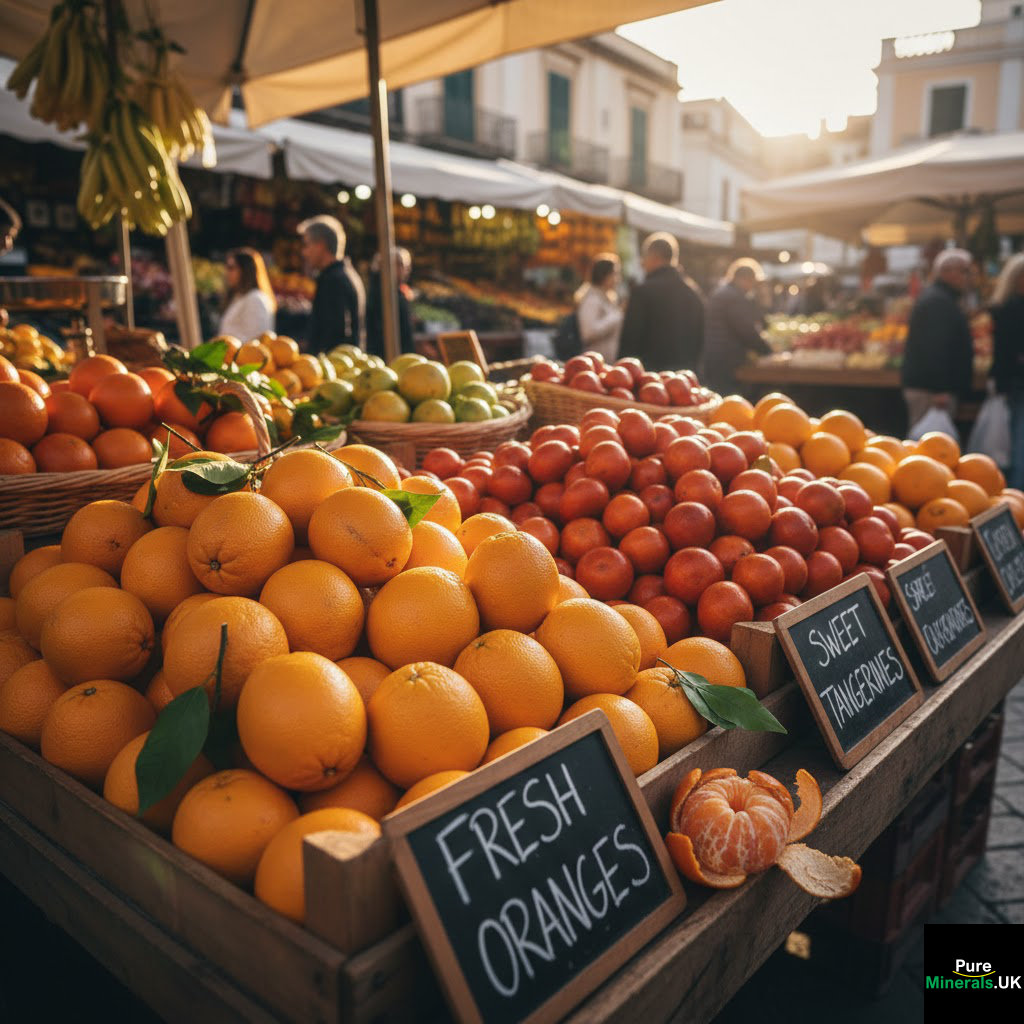
There are very few foods that deliver this much nutritional value in such a portable, affordable, and genuinely enjoyable package. Tangerines provide immune support, heart protection, digestive benefits, skin health, and brain-protective compounds — all in a fruit that requires zero preparation and costs less than a dollar per serving during peak season.
What makes them especially remarkable is the peel. Most people consume only the flesh and discard the part of the fruit richest in nobiletin, tangeretin, and concentrated vitamin C. Simply adding tangerine zest to your meals a few times a week means you’re accessing compounds that most people’s diets never include at all.
Eating two tangerines a day during citrus season is one of the simplest, most cost-effective nutritional upgrades you can make. No supplements, no complicated preparation — just consistent access to a fruit that has been supporting human health for thousands of years and continues to hold up under modern scientific scrutiny.
Important note: Tangerines (Mandarins)
Tangerines are generally safe and well tolerated. However, their acidity may contribute to dental enamel erosion with frequent consumption, particularly when consumed as juice. Rinsing the mouth with water after consumption is advisable.
Individuals with citrus allergies or acid sensitivity may experience irritation. Those with diabetes or insulin resistance should moderate portion size, although whole tangerines have a moderate glycaemic impact.
As with all fruit, tangerines should be washed before peeling to reduce contamination risk.
Frequently Asked Questions
Here are answers to the most common questions people have about tangerines, their relationship to mandarins, and how to get the most out of them.
Are tangerines and mandarins the same fruit?
Technically, tangerines are a variety of mandarin orange rather than a completely separate fruit. The mandarin (Citrus reticulata) is the broader species, and tangerines fall under that umbrella along with clementines, satsumas, and honey mandarins. In everyday usage, the terms are often interchangeable — especially in North America — but there are subtle differences worth knowing.
Tangerines tend to have a deeper reddish-orange skin, a slightly more tart flavor, and occasionally a few seeds compared to seedless clementines. Clementines are generally sweeter and smaller, while satsumas are known for their very loose skin and extremely low acidity. All of them share the same core nutritional profile, dominated by vitamin C and citrus flavonoids.
So when a recipe or health article refers to mandarin oranges, tangerines are a perfectly interchangeable substitute in virtually every context — culinary or nutritional.
How many tangerines should I eat per day?
One to three tangerines per day is a reasonable and beneficial amount for most healthy adults. Two medium tangerines will deliver approximately 50% of your daily vitamin C needs, a solid hit of flavonoids, and around 3–4 grams of fiber — meaningful contributions without excessive sugar intake. If you have diabetes or are closely managing blood glucose, stick to one to two whole fruits per day and pair them with a source of protein or healthy fat to further moderate the glycemic response.
Is tangerine juice as healthy as eating the whole fruit?
No — and the difference matters more than most people realize. Juicing removes the majority of the dietary fiber present in the whole fruit, which is what moderates blood sugar absorption and contributes to satiety. A glass of tangerine juice can deliver vitamin C and some flavonoids, but it hits the bloodstream much faster than the whole fruit, causing a more pronounced blood sugar spike. If juice is your preference, keep the pulp in and limit portions to 4–6 ounces to minimize the glycemic impact while still capturing most of the nutritional benefit. For more information on other fruits, you might want to learn about nectarines.
Can you eat tangerine peel?
Yes — and nutritionally, it’s worth doing. Tangerine peel contains 110.4 mg of vitamin C per 100 grams, along with the highest concentrations of nobiletin and tangeretin found anywhere in the fruit. These polymethoxylated flavonoids are uniquely abundant in citrus peel and have been studied for anti-inflammatory, neuroprotective, and anticancer properties.
The most practical way to eat tangerine peel is by zesting it over food — yogurt, oatmeal, salads, or baked goods — which gives you the nutritional benefit without the bitter, chewy texture of eating the whole peel raw. Dried peel steeped as tea is another excellent option.
Always choose organic tangerines when eating the peel. Conventionally grown citrus is frequently treated with post-harvest fungicides and wax coatings applied directly to the skin, which are difficult to remove completely, even with washing. Organic peel can be rinsed with warm water and used confidently. For more on the benefits of citrus fruits, check out this article on oranges.
Are tangerines good for weight loss?
Tangerines are an excellent food to include in a weight management plan. They’re low in calories, high in water, and provide enough fiber to contribute to feelings of fullness — all qualities that support a calorie-controlled diet without requiring you to give up satisfying, flavorful foods.
A medium tangerine contains just 45–50 calories, making it one of the lowest-calorie satisfying snacks available. Compare that to processed snack foods that deliver 150–300 calories with almost no nutritional value, and the case for replacing afternoon snacks with tangerines becomes straightforward.
- Low calorie density: ~45–50 calories per medium fruit with high water and fiber content.
- Natural sweetness: Satisfies sugar cravings without the calorie load of processed sweets.
- High water content: At ~85% water, tangerines contribute to hydration and fullness.
- Portable and prep-free: No cutting or preparation required, making healthy snacking effortless.
- Fiber for satiety: 1.5–2 grams of fiber per fruit helps slow digestion and extend the feeling of fullness.
The flavonoid nobiletin, found in tangerine flesh and especially the peel, has also attracted research interest for its potential role in fat metabolism and insulin sensitivity — though most of these studies are still in early stages and primarily conducted in animal models.
The most effective approach is to use tangerines as a direct replacement for calorie-dense, nutrient-poor snacks rather than simply adding them on top of your existing diet. Two tangerines in place of a bag of chips or a processed granola bar can create a meaningful calorie deficit over time while simultaneously improving your micronutrient intake.