

Published: 28 March 2026
This article is periodically reviewed and updated to reflect current scientific understanding by Vic George.
Fact-Checked: 1 other authoritative medical/scientific reference. See our Editorial Policy.
What Is Amaranth?
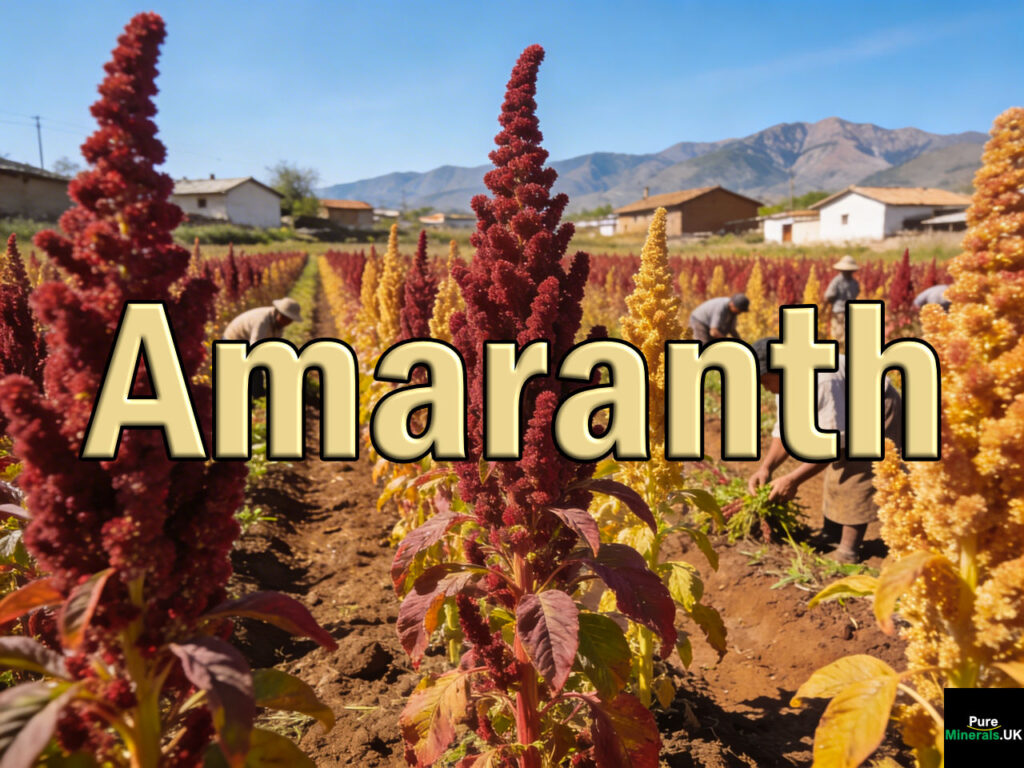
Amaranth refers to the tiny, nutrient-dense seeds produced by plants of the Amaranthus genus, traditionally cultivated in Central and South America and now grown worldwide as a gluten-free pseudograin.
Amaranth was a staple crop known as huautli among the Aztecs. Following the Spanish conquest of the Aztec Empire, its cultivation was actively suppressed by the Spanish conquistadors, partly due to its association with indigenous religious practices. In modern times, amaranth has re-emerged as a traditional and commercially valued food, commonly used to produce alegría—a sweet made from popped amaranth seeds mixed with honey or syrup.
The plant is grown by small-scale farmers in Mexico and elsewhere, and has experienced a revival as a superfood in regions like Oaxaca and Puebla. It is often grown in traditional fields called milpas, where it is cultivated alongside beans, corn, and squash.
Definition
Amaranth is an edible seed classified as a pseudocereal, meaning it is consumed similarly to grains but does not belong to the true grass family (Poaceae).
Extended Definition
Amaranth seeds have been used for thousands of years, notably by ancient civilizations such as the Aztecs, who valued them as a staple food. Unlike conventional cereal grains like wheat or rice, amaranth belongs to a different botanical family (Amaranthaceae) and is naturally gluten-free.
Nutritionally, amaranth stands out for its relatively high protein content compared to other grains, including the presence of lysine, an essential amino acid often limited in cereals. It also provides dietary fiber, iron, magnesium, phosphorus, and small amounts of calcium.
The seeds can be cooked into a porridge, popped like popcorn, or ground into flour for baking. Due to their mild, nutty flavor and dense nutritional profile, amaranth seeds are widely used in gluten-free and plant-based diets.
India is a major producer of amaranth, where it is known as rajgira (“king’s grain”) and is widely used in traditional sweets and flours, particularly during religious fasting periods. In China, amaranth is cultivated both for its seeds and as a leafy vegetable (amaranth greens). In Andean countries, Amaranthus caudatus is grown under the name kiwicha, a traditional crop with roots in Inca civilization agriculture.
Key Facts
Botanical Name: Amaranthus spp.
Plant Family: Amaranthaceae
Common Forms: Whole seeds, flour, popped amaranth
Typical Serving Methods: Boiled (porridge), toasted, popped, or milled into flour
Taste Profile: Mild, nutty, slightly earthy
Complete protein source with lysine
Rich in dietary fiber
Contains iron, magnesium, and phosphorus
Culinary Uses: porridge and breakfast cereals
Gluten-free baking (breads, flatbreads)
Thickening soups and stews
Notable Compounds: phenolic compounds, squalene (in small amounts)
Dietary Suitability: Vegetarian, vegan, gluten-free diets
Article-At-A-Glance: Amaranth Seeds
- Amaranth seeds contain 12–18% protein, including the essential amino acid lysine — making them one of the most complete plant-based protein sources available.
- This ancient pseudograin has been a dietary staple for over 8,000 years, cultivated by the Inca, Maya, and Aztec civilizations long before it earned the modern “superfood” label.
- Amaranth is naturally gluten-free and safe for people with celiac disease or gluten sensitivity, making it a powerful alternative to wheat and traditional cereals.
- The squalene content in some amaranth species (8.05–11.19%) surpasses that of quinoa and rice bran — a detail most nutrition guides completely overlook.
- There are anti-nutritional factors in amaranth worth knowing about — and simple preparation methods that neutralize them before you eat.
Amaranth seeds have been quietly outperforming most grains on virtually every nutritional metric for thousands of years — and most people still haven’t heard of them.
These tiny seeds pack a protein content between 12% and 18%, deliver essential minerals like manganese, magnesium, phosphorus, and iron, and carry a suite of antioxidants that rivals better-known superfoods. For anyone serious about building a nutrient-dense diet, amaranth deserves a close look.
Amaranth Seeds Deliver More Nutrition Than Most Grains
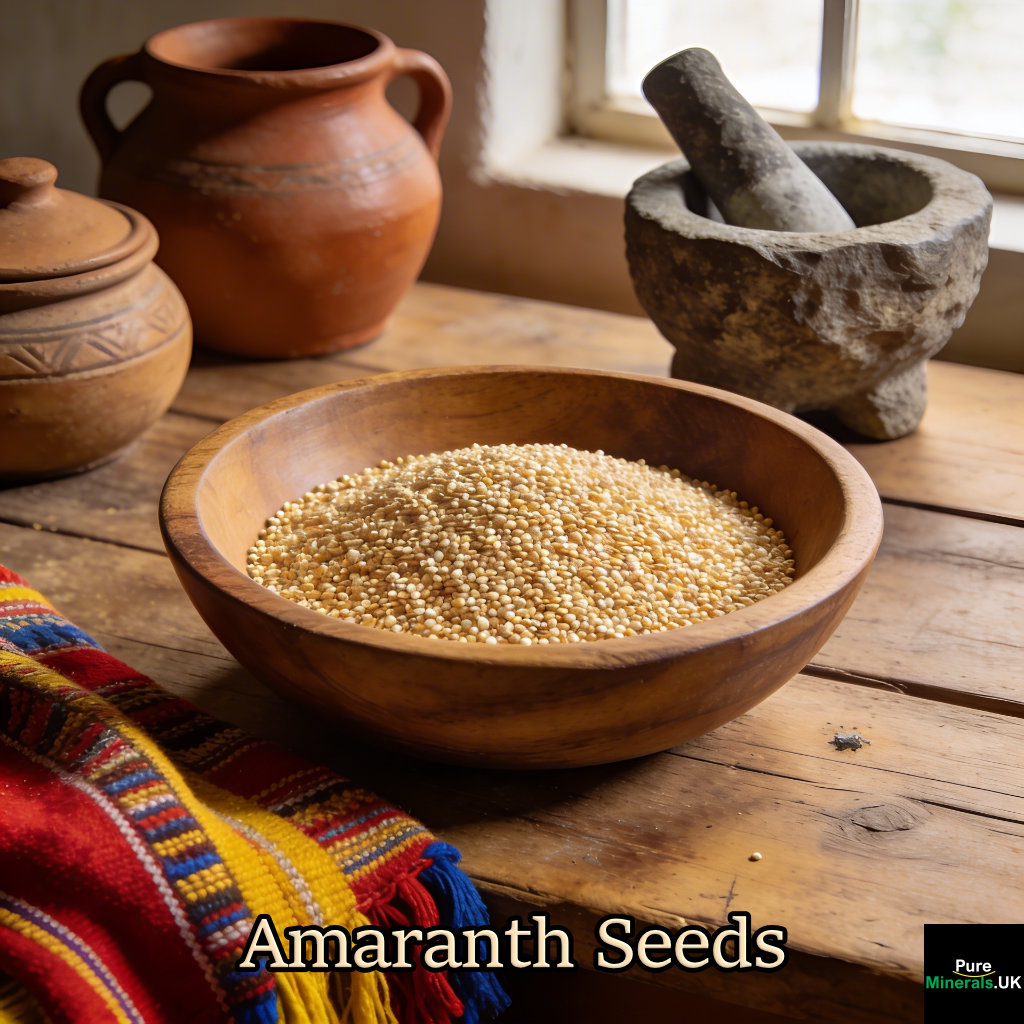
One cup (246 grams) of cooked amaranth gives you a snapshot of why this grain has survived for millennia. The numbers speak for themselves.
Nutrition Profile: 1 Cup (246g) Cooked Amaranth
Nutrient
Amount per Cup
Protein
~9 grams
Fiber
~5 grams
105% Daily Value
40% Daily Value
36% Daily Value
29% Daily Value
Calories
~251
Source: Nutritiondata.self.com
What separates amaranth from standard grains isn’t just the quantity of nutrients — it’s the quality. The protein comes with a balanced amino acid profile, the fiber supports digestive health, and the mineral density is exceptionally high relative to its calorie count. For a single whole food, that’s a remarkable combination.
Amaranth also surpasses grains like rice and buckwheat in antioxidant activity, a fact backed by peer-reviewed research. It functions less like a simple carbohydrate source and more like a complete nutritional package — which is exactly why it’s being increasingly adopted in functional food formulations worldwide.
What Makes Amaranth a Pseudocereal
Amaranth is classified as a pseudocereal — not a true grain, but a seed that functions nutritionally like one. It doesn’t belong to the grass family (Poaceae) the way wheat, rice, or oats do. Instead, it’s a flowering plant from the genus Amaranthus, which includes more than 60 different species.
How Amaranth Differs From True Grains Like Wheat and Rice
The core difference between amaranth and true cereals is botanical, but the nutritional implications are significant. True grains like wheat are primarily starchy endosperm with moderate protein and limited amino acid diversity. Amaranth seeds, by contrast, carry a higher protein percentage and a far superior amino acid profile — particularly in lysine, which is almost always deficient in cereal grains. Amaranth also exhibits superior starch digestibility compared to traditional cereals, which affects how efficiently your body processes and absorbs its nutrients.
Its earthy, nutty flavor also makes it genuinely versatile in the kitchen — something you can’t always say about nutrition-forward foods.
Its Ancient Roots in Inca, Maya, and Aztec Civilizations
Amaranth has been cultivated for approximately 8,000 years, making it one of the oldest domesticated food crops on earth. It was a dietary staple of the Inca, Maya, and Aztec civilizations — not just as food, but as a central part of cultural and religious practices. The Aztecs reportedly consumed it in significant quantities, recognizing its sustaining properties long before modern nutritional science could explain why. That kind of historical validation, across multiple independent civilizations, signals something genuinely useful about this food.
Amaranth Protein Content Is Exceptionally High
Protein is where amaranth truly separates itself from the crowd. Most grains hover between 6% and 10% protein by dry weight. Amaranth sits between 12% and 18% — a range that puts it comfortably in superfood territory for plant-based eaters.
12–18% Protein: How It Compares to Other Plant Foods
To put that in context, white rice comes in at roughly 7% protein, and even quinoa — widely praised for its protein content — generally lands around 14% at its upper range. Amaranth matches or exceeds quinoa while also offering a broader range of bioactive compounds. For plant-based athletes, vegetarians, or anyone trying to boost daily protein without relying on animal products, that difference matters at every meal.
Why Lysine Makes Amaranth Protein Stand Out
Most plant proteins are incomplete — they’re low or missing in at least one essential amino acid. Lysine is the most commonly deficient amino acid in plant-based diets, and most cereal grains simply don’t provide enough of it. Amaranth is a notable exception. Its seeds contain significantly higher amounts of lysine compared to wheat and rice, giving it a protein quality that approaches what you’d expect from animal sources.
Lysine plays a direct role in calcium absorption, collagen synthesis, and immune function. Getting enough of it from plant foods is genuinely difficult — which is part of what makes amaranth so valuable in a well-structured plant-based diet.
How Amaranth Supports Plant-Based Diets
For people eating entirely or mostly plant-based, the challenge isn’t just total protein — it’s getting the right amino acids in the right proportions. Amaranth helps close that gap without requiring complicated food combining strategies. Add it to a bowl with legumes or vegetables, and you’re already working toward a complete amino acid profile in a single meal.
Beyond protein, amaranth also contributes meaningful amounts of omega-3 and omega-6 fatty acids, dietary fiber, tocopherols (vitamin E compounds), and phenolic compounds — nutrients that are often harder to source on a plant-based diet. It’s one of the few single foods that genuinely moves the needle across multiple nutritional categories at once.
Essential Minerals Found in Amaranth Seeds
Amaranth’s mineral content is one of its most underappreciated strengths. While most conversations about the seed focus on protein, the mineral density is equally impressive — and arguably more relevant for people dealing with common dietary gaps.
Calcium, Iron, and Magnesium Levels
Manganese leads the pack at over 100% of the daily value per cooked cup, supporting bone health, blood sugar regulation, and antioxidant enzyme function. Magnesium comes in at around 40% of the daily value — critical for muscle function, nerve transmission, and energy production. Iron at 29% of the daily value is significant for plant-based eaters, where non-heme iron absorption is always a consideration. Phosphorus rounds out the profile at 36%, supporting bone mineralization and cellular energy transfer.
These aren’t trace amounts. They’re clinically meaningful quantities that can genuinely shift your nutritional status when amaranth becomes a regular part of your diet.
Why Mineral Bioavailability Matters
Raw mineral content on a nutrition label only tells part of the story. What matters just as much is how much of that mineral your body can actually absorb and use — a concept called bioavailability. For plant-based mineral sources, this is where things get complicated, and where amaranth’s preparation method becomes directly relevant to its nutritional value.
Mineral Bioavailability Factors in Amaranth
Mineral
Bioavailability Factor
Impact
Iron
Non-heme form; affected by phytates
Pair with vitamin C to enhance absorption
Partially inhibited by oxalates
Soaking or boiling reduces oxalate content
Magnesium
Moderately bioavailable
Improved by sprouting or fermentation
Manganese
High relative bioavailability
Consistent across preparation methods
Phosphorus
Partially bound to phytates
Reduced by soaking and germination
Source: PMC / Foods Journal Review
The good news is that simple preparation steps — soaking, rinsing, sprouting, or cooking — meaningfully reduce the anti-nutritional compounds that interfere with mineral absorption. You don’t need to do anything complicated. A standard rinse before cooking already removes a significant portion of surface saponins, and soaking overnight before cooking takes bioavailability to another level.
This is worth knowing because many people add amaranth to their diet expecting full nutritional benefit, without realizing that a five-minute prep step can make a measurable difference in what their body actually receives. The mineral content is genuinely high — the goal is making sure it stays that way through to absorption.
Pairing amaranth with vitamin C-rich foods like tomatoes, bell peppers, or citrus is another practical strategy, particularly for maximizing iron uptake. This kind of intentional food pairing is a small habit that compounds significantly over time for anyone eating a predominantly plant-based diet.
Antioxidants and Bioactive Compounds in Amaranth
Amaranth doesn’t just deliver macronutrients and minerals — it comes loaded with bioactive compounds that work at the cellular level to reduce oxidative stress, support cardiovascular health, and modulate inflammation. Research consistently shows amaranth exhibits higher antioxidant activity than both rice and buckwheat, two grains that already have solid nutritional reputations.
The antioxidant profile of amaranth is driven by multiple compound classes working together, including phenolic acids, flavonoids, tocopherols, and a particularly interesting compound called squalene. Each brings something different to the table — and together they make amaranth one of the more complex antioxidant sources available from a whole food.
Flavonoids and Phenolic Acids
Phenolic compounds in amaranth seeds contribute meaningfully to their antioxidant capacity. These compounds neutralize free radicals that damage cells, reduce chronic inflammation, and have been linked to lower risks of cardiovascular disease and certain metabolic disorders. The phenolic content in amaranth is well-documented in peer-reviewed literature, with the species Amaranthus caudatus noted specifically for its strong antioxidant activity.
Flavonoids add another layer of protection. These plant pigments are widely studied for their role in supporting immune function, reducing inflammatory signaling, and improving blood vessel health. The combination of phenolic acids and flavonoids in amaranth creates a synergistic antioxidant effect that goes beyond what you’d expect from a simple grain substitute.
Squalene Content Surpasses Quinoa and Rice Bran
Squalene is where amaranth does something genuinely unusual. Some amaranth species contain squalene levels between 8.05% and 11.19% — significantly higher than quinoa and rice bran, which come in at 3.39% and 3.10%, respectively. Squalene is a naturally occurring compound with documented antioxidant, hypocholesterolemic, and potentially anti-cancer properties. It’s more commonly associated with shark liver oil, which makes its concentration in a plant seed all the more remarkable. This single compound alone gives amaranth a bioactive profile that most grains simply can’t match.
Anti-Inflammatory and Hypocholesterolemic Effects
The combined effect of amaranth’s antioxidants, squalene, and fiber creates measurable downstream benefits for cardiovascular health. Research supports hypocholesterolemic effects — meaning regular consumption may help reduce LDL cholesterol levels. The anti-inflammatory properties come from multiple directions: the phenolic compounds, the omega-3 fatty acids present in the seed’s lipid fraction, and the fiber’s role in supporting a healthy gut microbiome, which itself has direct links to systemic inflammation. For anyone managing cardiovascular risk factors through diet, these aren’t minor benefits.
Amaranth Is Naturally Gluten-Free
- Amaranth contains no gluten proteins — not gliadin, not glutenin — the proteins that trigger immune responses in celiac disease
- It is botanically unrelated to wheat, barley, rye, and other gluten-containing grains
- Its starch structure and digestibility profile differ significantly from gluten-containing cereals
- Amaranth flour can replace wheat flour in a wide range of baked goods and cooked dishes
- Cross-contamination is the only real risk — always choose certified gluten-free amaranth products if you have celiac disease
The gluten-free status of amaranth isn’t incidental — it’s a direct result of its botanical identity as a pseudocereal rather than a true cereal grass. This distinction has significant practical implications for the roughly 1 in 100 people globally affected by celiac disease, and the much larger population dealing with non-celiac gluten sensitivity.
What makes amaranth particularly valuable in this context is that it doesn’t just remove gluten from the equation — it adds substantial nutrition in return. Many gluten-free alternatives are built on refined starches like tapioca or potato flour, which offer little more than empty calories. Amaranth does the opposite, bringing protein, fiber, and micronutrients to every application where it’s used.
The functional baking properties of amaranth flour also make it a practical substitute. Its protein content contributes structure, its natural binding qualities reduce the need for gum additives, and its mild nutty flavor enhances rather than competes with other ingredients. For those interested in exploring more gluten-free options, consider taro as another alternative.
Why Armanath is Safe for Celiac Disease and Gluten Intolerance
Celiac disease is an autoimmune condition where the ingestion of gluten triggers an immune response that damages the small intestine lining. The specific proteins responsible — gliadin and glutenin — are found in wheat, barley, rye, and their derivatives. Amaranth contains neither. Its protein structure is fundamentally different, which means it does not activate the immune response associated with celiac disease.
Gluten-Free Grain Alternatives: Nutritional Comparison
Food
Gluten-Free
Protein %
Notable Benefit
Amaranth
✓ Yes
12–18%
Complete amino acid profile, high squalene
✓ Yes
~14
Well-balanced amino acids
Rice (white)
✓ Yes
~7%
Easy digestibility
✓ Yes
~13%
High rutin content
Tapioca
✓ Yes
<1%
Neutral flavor for baking
Source: Nutritional data compiled from peer-reviewed food composition literature
Among all gluten-free alternatives, amaranth stands out not just for safety but for nutritional density. Where most gluten-free swaps require nutritional compensation — adding protein powders, fortifying with vitamins — amaranth largely covers its own bases from the start.
For people newly diagnosed with celiac disease who are concerned about nutrient deficiencies from eliminating wheat, amaranth is one of the most strategic foods to incorporate early. It addresses multiple nutritional gaps simultaneously — protein, iron, magnesium, and B vitamins — that are commonly compromised when wheat is removed from the diet.
The key practical consideration is sourcing. While amaranth is inherently gluten-free, processing facilities that also handle wheat can introduce cross-contamination. Anyone with celiac disease should look specifically for products labeled certified gluten-free to eliminate that risk.
Anti-Nutritional Factors to Be Aware Of
Amaranth is exceptional nutritionally — but it’s not without its complications. Like most seeds and grains, it contains naturally occurring compounds that can interfere with nutrient absorption or cause digestive discomfort in some people. Understanding these factors isn’t a reason to avoid amaranth; it’s a reason to prepare it correctly, much like you would with taro.
The three primary anti-nutritional factors in amaranth are saponins, phytates, and oxalates. Each affects the body differently, and each responds well to straightforward preparation techniques that most home cooks already use for legumes and grains.
Saponins, Phytates, and Oxalates Explained
Saponins are bitter-tasting compounds found on the outer surface of amaranth seeds. They can interfere with nutrient absorption in the gut by binding to minerals and reducing their uptake. In high amounts, they may also cause gastrointestinal irritation. The practical upside is that saponins are water-soluble and largely surface-bound, which means rinsing amaranth thoroughly before cooking removes a significant portion of them. This is the same reason quinoa — which has a similar saponin issue — should always be rinsed before cooking.
Phytates (phytic acid) bind to minerals like iron, zinc, calcium, and magnesium, forming insoluble complexes that the body cannot absorb efficiently. This is the mechanism behind the bioavailability concerns discussed earlier. Oxalates similarly bind to calcium and can contribute to kidney stone formation in susceptible individuals when consumed in high amounts. Neither phytates nor oxalates make amaranth dangerous — they simply highlight why preparation method and dietary variety both matter.
How to Reduce Anti-Nutrients Before Eating
The good news is that reducing anti-nutritional factors in amaranth is straightforward. The most effective methods are:
- Rinsing: Run amaranth under cold water for 1–2 minutes before cooking to remove surface saponins. This is non-negotiable for better flavor and digestion.
- Soaking: Soaking amaranth in water for 8–12 hours before cooking significantly reduces phytate content and improves mineral bioavailability. Discard the soaking water before cooking.
- Sprouting: Germinating amaranth seeds activates enzymes that break down phytates naturally, boosting both mineral availability and digestive ease.
- Cooking: Heat deactivates many anti-nutritional compounds. Boiling amaranth in fresh water is sufficient to further reduce oxalate and phytate levels.
- Fermentation: Fermenting amaranth flour before baking is a more advanced approach that further degrades anti-nutritional factors while enhancing flavor and gut-friendliness.
For most people, eating amaranth a few times per week as part of a varied diet, anti-nutritional factors are a minor concern at most. The nutrient gains far outweigh the losses — especially when basic prep steps are followed consistently.
Culinary Uses for Amaranth Seeds
Amaranth’s culinary flexibility is one of its most underrated qualities. It’s not a specialty ingredient that requires exotic techniques or dedicated equipment — it cooks like a grain, tastes like a nutty, earthy porridge base, and adapts easily across savory and sweet applications. Chefs and home cooks alike are incorporating it into everything from breakfast bowls to high-protein snack formulations, and the food industry is paying attention too, developing amaranth-based pasta, crackers, cereals, and plant protein powders to meet rising demand for gluten-free, nutrient-dense options.
Cooking Amaranth as a Grain: Soups, Salads, and Porridge
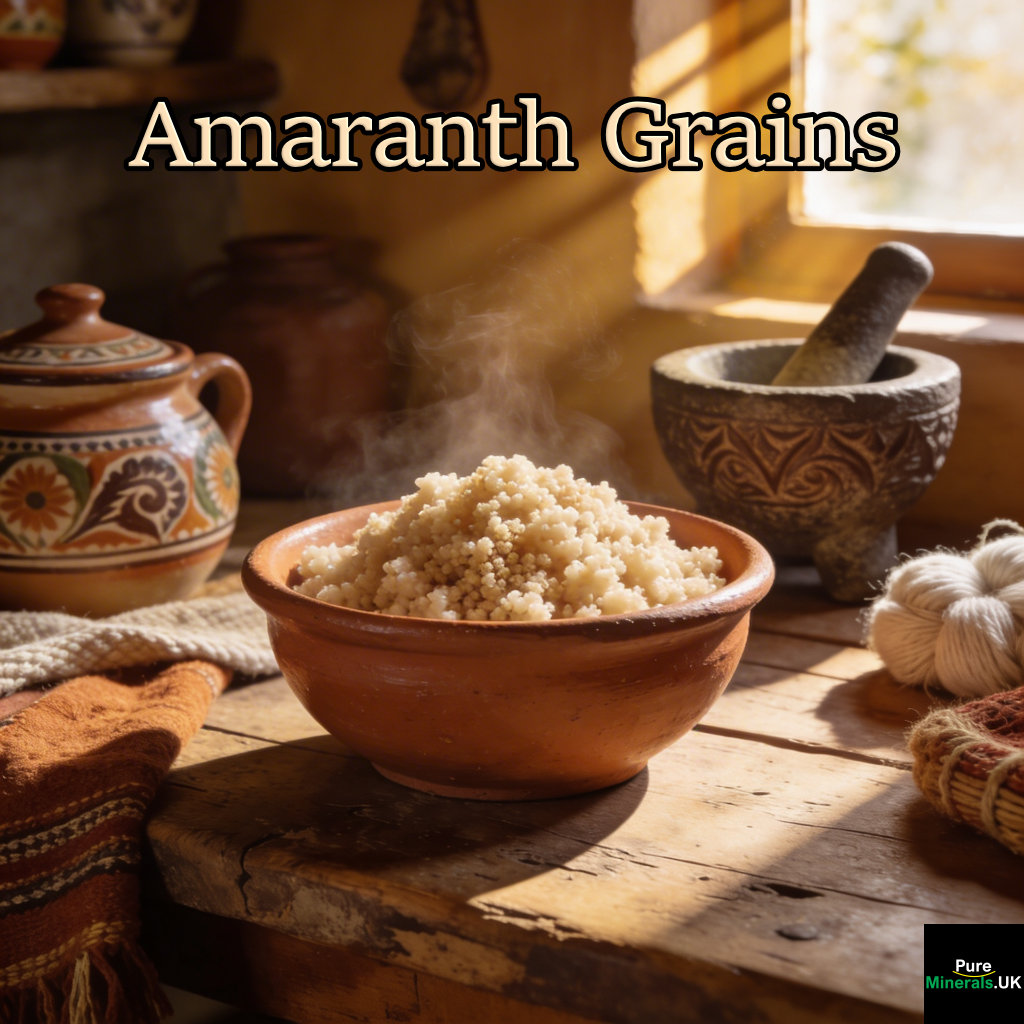
The simplest way to cook amaranth is the same way you’d cook rice or quinoa: combine one part amaranth with two and a half parts water, bring to a boil, reduce to a simmer, and cook for about 20 minutes until the water is absorbed and the seeds are tender. What you get is a slightly sticky, creamy texture that works beautifully as a porridge base — add a drizzle of honey, some sliced banana, and a handful of walnuts for a breakfast that delivers sustained energy and over 9 grams of protein before you’ve even had your coffee.
In savory applications, cooked amaranth adds body and nutrition to soups and stews the way barley does, without the gluten. Stir it into a vegetable broth with roasted root vegetables and fresh herbs and it thickens the base naturally while adding a nutty depth of flavor. It also works well folded into grain salads — think roasted beet, arugula, and goat cheese with a lemon vinaigrette — where its slightly chewy texture holds up well against bold flavors and acidic dressings.
One technique worth knowing: amaranth can be dry-toasted in a hot pan before boiling, which amplifies its naturally nutty flavor and gives cooked dishes a more complex, roasted quality. It takes about two to three minutes over medium-high heat, stirring constantly to avoid burning. This single step noticeably elevates the flavor profile of any dish where amaranth is a featured ingredient, similar to how taro can be used to enhance a dish’s texture and taste.
Amaranth Flour in Gluten-Free Baking
Amaranth flour brings something most gluten-free flours can’t: real protein and genuine binding capacity. Where blends built on tapioca starch or potato flour produce crumbly, nutritionally hollow results, amaranth flour contributes structure, moisture retention, and a mildly earthy flavor that works especially well in dense baked goods like breads, muffins, crackers, and pie crusts.
The standard approach is to blend amaranth flour with other gluten-free flours rather than use it at 100% — a ratio of 25–30% amaranth flour to 70–75% rice flour or a certified gluten-free all-purpose blend tends to produce the best texture without overwhelming the flavor. At higher concentrations, amaranth’s earthy taste can become assertive, which suits hearty savory applications like crackers and flatbreads but may need balancing with vanilla or spices in sweeter baked goods.
Amaranth Flour Substitution Guide for Gluten-Free Baking
Application
Amaranth Flour
Best Paired With
Notes
Sandwich bread
25–30%
Rice flour + tapioca starch
Adds protein and structure
Crackers
50–100%
Olive oil, herbs, seeds
Nutty flavor shines in savory formats
Muffins
25%
Oat flour (GF certified)
Balance earthy notes with vanilla or cinnamon
Pasta
30–40%
Improves protein content significantly
Pie crust
30%
Dense, crumbly texture — works well for tarts
Source: Culinary application data based on grain amaranth research and food industry formulations
One practical note: amaranth flour absorbs liquid differently than wheat flour. Recipes that were developed for wheat will typically need slightly more liquid when substituting amaranth flour — start by adding an extra tablespoon of water or milk per cup of flour and adjust from there. Getting that hydration balance right is the biggest variable in achieving a good crumb structure with amaranth-based baked goods.
Snack Bars, Cereals, and Plant Protein Powders
The food industry has recognized what home cooks are just starting to discover: amaranth is one of the most functional ingredients available for high-protein, gluten-free product development. Popped amaranth — made by dry-heating the seeds in a hot pan until they puff like tiny popcorn — is increasingly used as a base for energy bars, muesli blends, and breakfast cereals, delivering crunch, protein, and nutrition in a format that requires no cooking. Plant protein powder manufacturers are also incorporating amaranth into multi-source protein blends, taking advantage of its lysine content to improve the overall amino acid completeness of formulations that rely heavily on rice or pea protein.
Amaranth Earns Its Place in a Nutrient-Dense Diet
After examining the full picture — the protein content, the mineral density, the antioxidant profile, the gluten-free safety, and the culinary flexibility — the case for amaranth is genuinely strong. This isn’t a trend food or a marketing-driven superfood label. It’s an 8,000-year-old crop that modern nutritional science keeps validating at every level of analysis.
What makes amaranth particularly compelling is that it addresses multiple nutritional gaps simultaneously. For plant-based eaters, it delivers lysine-rich complete protein. For people with celiac disease, it provides nutrient density without gluten. For anyone concerned about cardiovascular health, the squalene, fiber, and antioxidant content offer meaningful support. Few single foods can make that range of contributions without compromise.
The practical bar to entry is also remarkably low. Rinse it, simmer it for 20 minutes, and you have a complete nutritional base for a meal. Add it to your rotation two or three times a week and the cumulative effect on protein intake, mineral status, and antioxidant coverage is measurable. The grains that have survived for thousands of years tend to earn that longevity — and amaranth is one of the clearest examples of why.
Important note: Amarnath Seeds
Amaranth seeds are generally considered safe when consumed as part of a balanced diet. As with many plant-based foods, they contain naturally occurring compounds such as oxalates and phytates, which may affect mineral absorption when consumed in large quantities. Proper preparation methods, including soaking, cooking, or fermentation, can help reduce these compounds.
Individuals with specific dietary conditions or sensitivities should consult a qualified nutrition professional before making significant dietary changes.
Frequently Asked Questions
These are the questions that come up most consistently when people are first introduced to amaranth — and the answers are almost always more encouraging than expected. The nutritional profile is strong, the preparation is straightforward, and the versatility makes it easier to incorporate than most specialty grains.
Understanding the details behind each answer also helps you use amaranth more strategically in your diet, rather than just adding it as a novelty ingredient and moving on. Each of the sections below expands on the quick-reference answers above with the context that actually changes how you eat.
Is Amaranth Healthier Than Quinoa?
Both amaranth and quinoa are nutrient-dense pseudocereals with complete amino acid profiles and gluten-free status, so calling one definitively “healthier” than the other depends on what you’re optimizing for. Amaranth edges out quinoa in squalene content — a bioactive compound with antioxidant and potential hypocholesterolemic properties — and matches quinoa closely on protein percentage. Quinoa has a longer track record in mainstream Western cooking and a slightly milder flavor. Nutritionally, rotating both into your diet gives you broader coverage than committing to just one.
Can You Eat Amaranth Seeds Raw?
Technically edible raw, but not advisable. Raw amaranth seeds contain elevated levels of saponins, phytates, and oxalates that cooking, soaking, or sprouting significantly reduce. Eating large amounts raw could interfere with mineral absorption and cause gastrointestinal discomfort in some people. Sprouted amaranth is the closest to a “raw” preparation that makes nutritional sense — germination breaks down anti-nutritional compounds while making the seed easier to digest and the nutrients more bioavailable. For more on similar nutritious options, you might want to explore snap peas as a healthy alternative.
How Much Protein Does One Serving of Amaranth Contain?
One cooked cup of amaranth (246 grams) delivers approximately 9 grams of protein. That’s meaningfully higher than an equivalent serving of white rice (roughly 4–5 grams) and comparable to quinoa in the same serving size. What sets that protein apart is its amino acid completeness — particularly the lysine content that most grain-based proteins lack.
For context, if you’re targeting 50–60 grams of protein daily from plant sources, a single cup of amaranth covers roughly 15–18% of that goal without any protein powder or supplementation. Add it to a meal with lentils or edamame and you’re building a protein-complete, highly bioavailable plant-based meal with minimal effort.
Is Amaranth Safe for People With Celiac Disease?
Yes — amaranth is naturally gluten-free and does not contain the gliadin or glutenin proteins that trigger the autoimmune response in celiac disease. It is botanically unrelated to wheat, barley, and rye. The one practical caveat is cross-contamination: amaranth processed in facilities that also handle gluten-containing grains may carry trace amounts of gluten. Anyone with celiac disease should source amaranth that is specifically labeled certified gluten-free to eliminate that risk.
What Does Amaranth Taste Like?
Amaranth has a mild, earthy, nutty flavor that’s similar in character to quinoa but slightly more pronounced and with a creamier texture when cooked. The seeds become slightly gelatinous as they cook, giving porridge and grain bowl applications a smooth, cohesive quality that many people find more satisfying than the fluffier texture of quinoa or rice.
In savory dishes, the earthiness pairs naturally with roasted vegetables, legumes, herbs like thyme and rosemary, and acidic dressings that cut through its richness. In sweet applications, warming spices like cinnamon, cardamom, and nutmeg complement it well, and a touch of natural sweetener like maple syrup or honey balances its slight bitterness without masking it entirely.
If you’re trying amaranth for the first time, start with a savory preparation — a simple cooked bowl with olive oil, roasted garlic, and a poached egg is an easy entry point that lets the grain’s natural flavor work in its favor before you experiment with more complex recipes.