

Published: 23 March 2026
This article is periodically reviewed and updated to reflect current scientific understanding by Vic George.
Fact-Checked: 1 other authoritative medical/scientific reference. See our Editorial Policy.
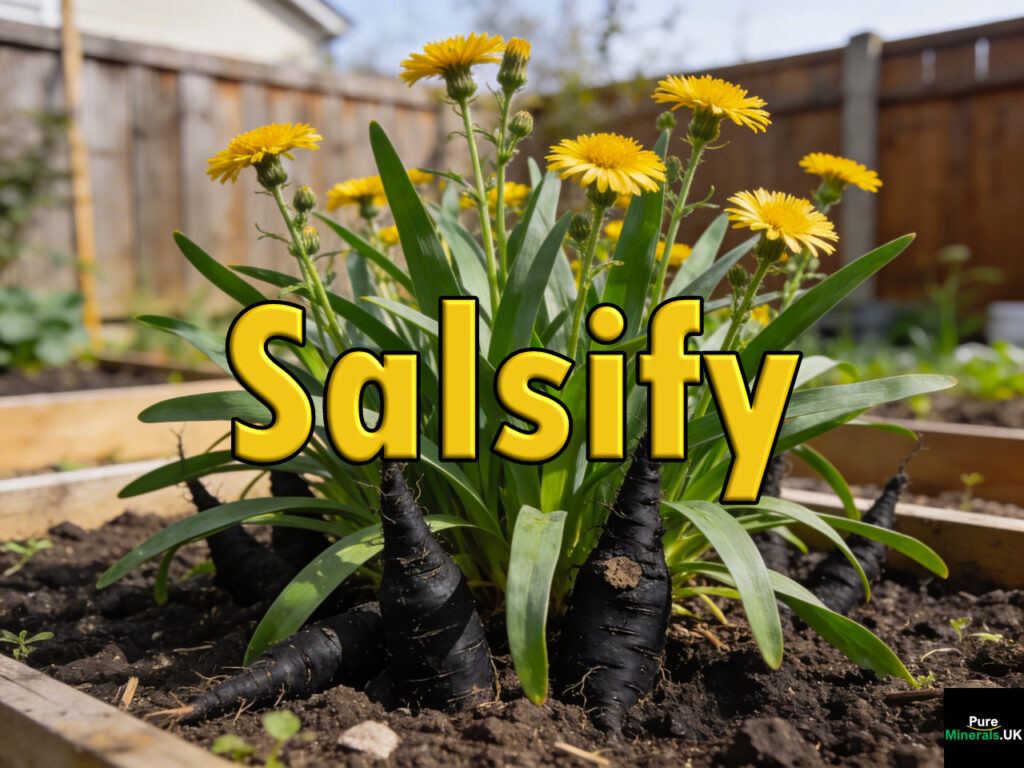
What Is Salsify?
Salsify is a root vegetable also known as the ‘vegetable oyster.’ It is derived primarily from purple and black salsify, and is valued for its mild flavor and nutritional content. It is known for its dietary fiber, including inulin, and its use in traditional European cuisine.
Definition
Salsify is the edible taproot of Tragopogon porrifolius or Scorzonera hispanica, members of the Asteraceae family, consumed as root vegetables. It looks similar to a parsnip and is easier to germinate and grow. It often grows wild as a biennial in North America, Europe, and North Africa and is popular among foragers.
Extended Definition
Salsify belongs to the Asteraceae family, which includes lettuce, chicory, dandelion, and artichoke. Two main forms are cultivated: purple salsify (Tragopogon porrifolius) and black salsify (Scorzonera hispanica), with black salsify being more widely used in modern cuisine. It is not readily available in shops these days, but was once very popular as the ‘superior parsnip’ with its subtle flavour.
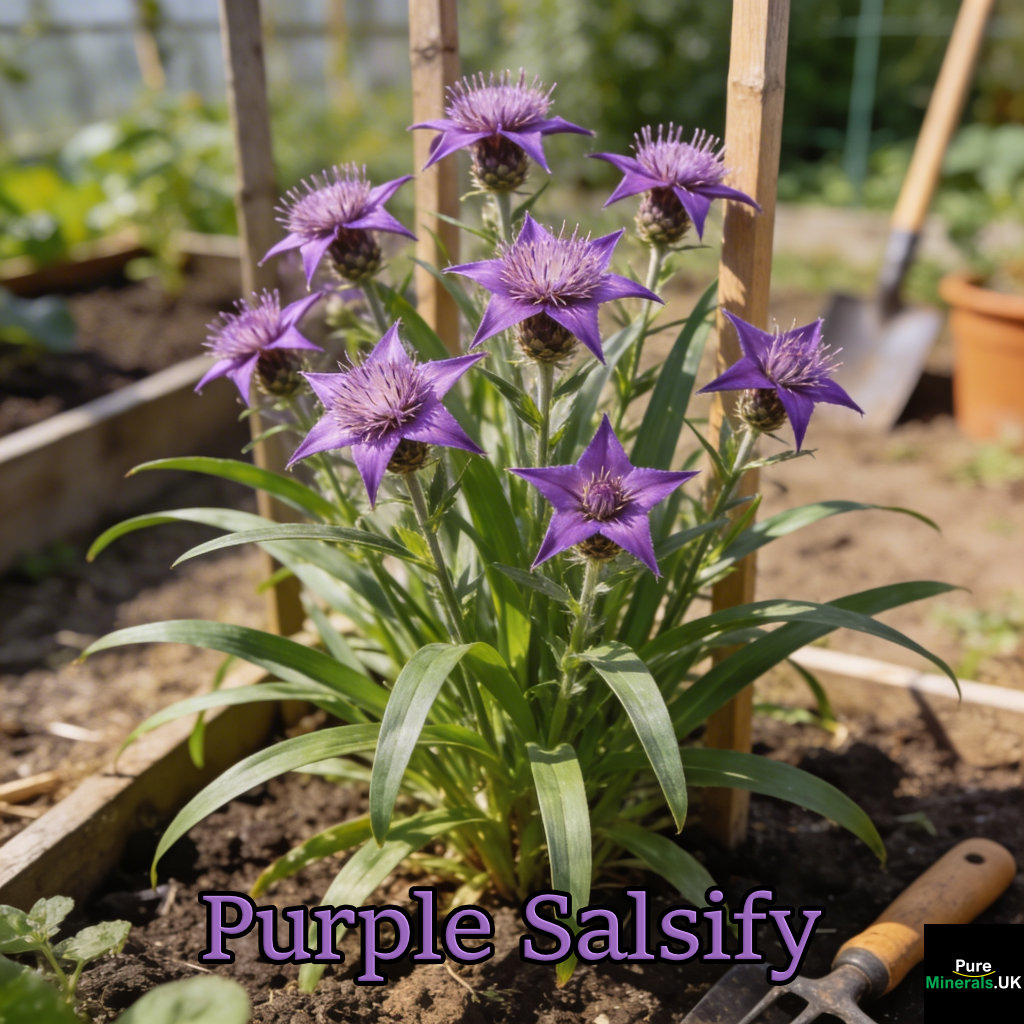
The edible portion is a long, slender taproot that develops underground as a storage organ. The interior flesh is pale and has a mild flavor often compared to artichoke or oyster-like notes.
One of the key nutritional features of salsify is its content of inulin, a type of soluble dietary fiber classified as a fructan. Inulin serves as a carbohydrate storage compound in plants and contributes to the root’s slightly sweet taste.
Salsify also provides dietary fiber, vitamin C, potassium, and small amounts of iron and magnesium. These nutrients support normal metabolic and physiological functions.
The plant contains polyphenols and other phytochemicals that contribute to its structural integrity and defense against environmental stress.
When cut, salsify roots may exude a milky latex, which can oxidize and darken upon exposure to air. This is typically managed in culinary preparation by peeling and placing the root in acidulated water.
Salsify is usually cooked before consumption and can be boiled, mashed, roasted, or incorporated into soups and stews.
Key Facts
Botanical name: Tragopogon porrifolius and Scorzonera hispanica
Plant family: Asteraceae
Common classification: Root vegetable
Origin: Southern Europe and the Mediterranean region
Edible part: Taproot
Typical color: Light brown (purple salsify) or black exterior with white interior
Primary nutrients: Fiber, inulin, vitamin C, potassium
Key phytonutrients: Polyphenols, phenolic compounds
Energy density: Moderate
Notable compounds: Inulin (soluble fiber), latex compounds released when cut
Culinary uses: Boiling, roasting, mashing, soups, and stews
Article At A Glance
- Salsify is a Mediterranean root vegetable packed with inulin, a prebiotic fiber that directly feeds beneficial gut bacteria like bifidobacteria.
- The root contains polyacetylene antioxidants — including falcarinol and falcarindiol — that have been studied for their potential role in reducing cancer risk.
- Salsify delivers key nutrients, including vitamin C, potassium, iron, and B vitamins in a low-calorie, high-fiber package.
- Both purple salsify (Tragopogon porrifolius) and black salsify (Scorzonera hispanica) are edible and nutritionally valuable — but they are different plants with slightly different profiles.
- Keep reading to find out exactly how inulin in salsify compares to other fiber sources, and why that distinction matters for gut health.
Salsify Is More Nutritious Than Most People Realize
Most people walk right past salsify at the market without giving it a second thought — and that’s a mistake worth correcting.
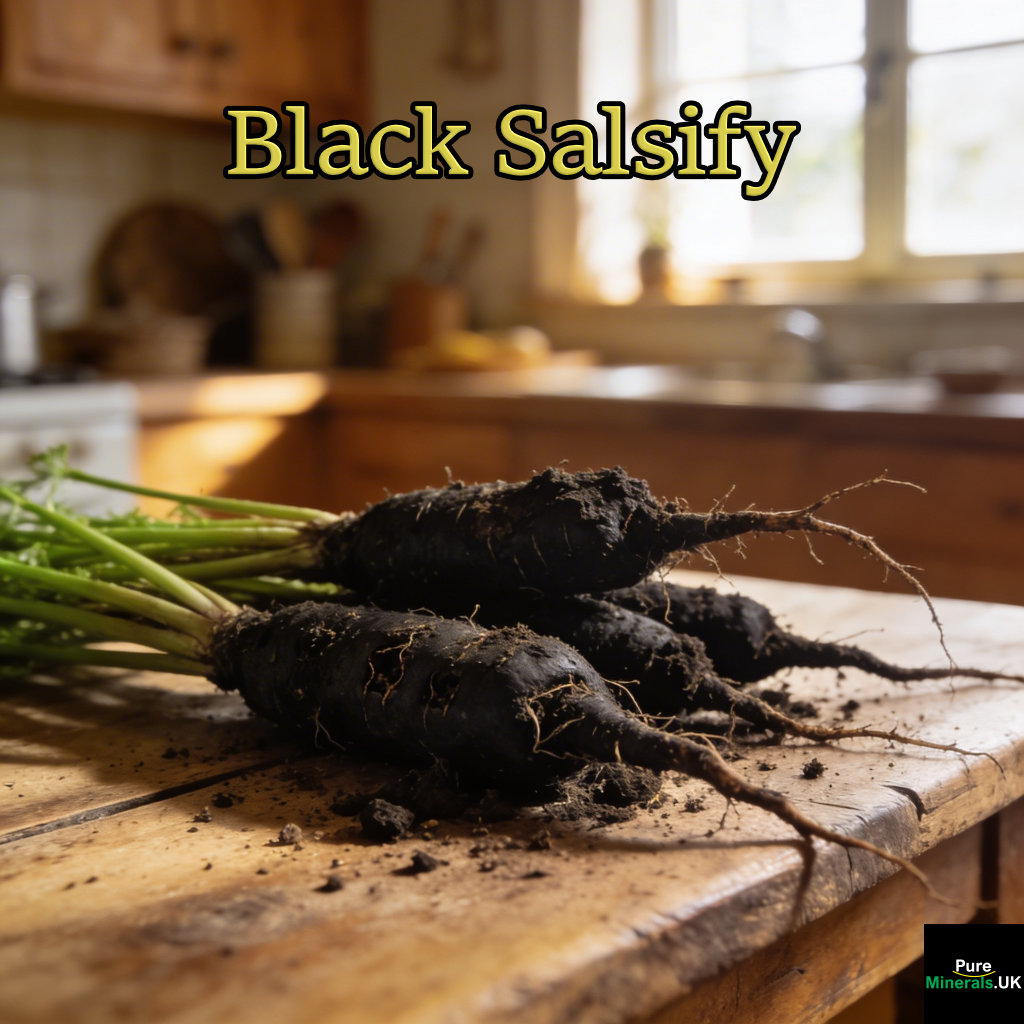
Salsify is a root vegetable with a long, cylindrical shape, brownish-yellow skin, and a flavor profile that genuinely surprises first-time eaters. It’s often described as tasting like oysters when cooked, which is exactly why it earned the nickname “oyster plant.” Originating in the Mediterranean region, it belongs to the Asteraceae family and is known by the botanical name Tragopogon porrifolius. Today, it’s cultivated across multiple regions of the world, though it remains far less common on dinner plates than it deserves to be.
What makes salsify worth paying attention to isn’t just its unusual flavor — it’s the nutritional depth packed into that unassuming root. From prebiotic fiber to antioxidant compounds that researchers have linked to cancer risk reduction, salsify punches well above its weight.
Salsify Nutritional Profile: What’s Actually Inside This Root
Raw salsify root is dense with nutrients relative to its caloric load. It provides a solid combination of complex carbohydrates for sustained energy, dietary fiber for digestive support, and a meaningful array of vitamins and minerals — all in a form the body can readily use.
Vitamins and Minerals in Salsify
Salsify covers a wide spectrum of micronutrients. Its vitamin C content supports immune function and collagen synthesis, while its B vitamins — including B6 and folate — play roles in energy metabolism and nervous system health. On the mineral side, salsify delivers potassium for cardiovascular function, iron for oxygen transport, calcium for bone integrity, and magnesium for muscle and nerve support.
Nutrient | Role in the Body |
|---|---|
Immune defense, antioxidant protection, and collagen synthesis | |
Energy metabolism, brain health, and red blood cell production | |
Cell division, DNA synthesis, fetal development | |
Blood pressure regulation, heart, and muscle function | |
Oxygen transport in the blood, energy production | |
Bone and teeth strength, nerve signaling | |
Muscle relaxation, nerve function, and blood sugar regulation |
Fiber Content and Caloric Value
Salsify is low in calories while being meaningfully high in fiber. The root provides both inulin-type prebiotic fiber and standard dietary fiber, making it effective for digestive regularity and long-lasting satiety. Its carbohydrate content is primarily complex, which means it releases energy steadily rather than spiking blood sugar rapidly — a quality that makes it useful for people managing energy levels throughout the day.
Polyacetylene Antioxidants: Falcarinol, Falcarindiol, and More
One of the most compelling aspects of salsify’s nutritional profile is its polyacetylene antioxidant content. These are bioactive compounds — specifically falcarinol, falcarindiol, and related derivatives — that have drawn attention in nutritional research, particularly in relation to cancer risk. Studies on related root vegetables in the Apiaceae and Asteraceae families, including research published by the Multidisciplinary Digital Publishing Institute (MDPI), have examined how polyacetylenes interact with cellular processes associated with tumor development.
These aren’t trace amounts either. Salsify contains high concentrations of these compounds relative to more commonly consumed root vegetables, which is one reason it’s worth incorporating regularly rather than treating it as an occasional novelty ingredient.
Inulin in Salsify: The Prebiotic Fiber That Sets It Apart
Of all the nutrients in salsify, inulin is arguably the most distinctive — and the most misunderstood.
What Inulin Is and How It Works in the Body
Inulin is a type of soluble dietary fiber classified as a fructan — a chain of fructose molecules that the human digestive system cannot break down on its own. Because it passes through the stomach and small intestine largely intact, it arrives in the colon in a form that gut bacteria can ferment. This fermentation process is what generates its most significant health effects. Rather than simply adding bulk to stool the way insoluble fiber does, inulin actively feeds specific strains of beneficial bacteria, effectively functioning as a fertilizer for your gut microbiome.
Purple salsify (Tragopogon porrifolius) is notably rich in inulin — this is one of the primary reasons it has been consumed traditionally in Mediterranean and European diets for centuries. The inulin content in salsify is high enough to produce measurable prebiotic effects when the root is consumed regularly as part of a varied diet.
How Salsify Inulin Feeds Bifidobacteria in the Gut
The primary beneficiaries of inulin fermentation in the colon are bifidobacteria — a genus of anaerobic, rod-shaped bacteria that play a central role in gut health. When bifidobacteria ferment inulin, they produce short-chain fatty acids (SCFAs) like butyrate, acetate, and propionate. These SCFAs do more than just support colon health; they influence immune regulation, reduce intestinal inflammation, and even affect metabolic function systemically.
Regular consumption of inulin-rich foods like salsify helps sustain bifidobacteria populations in the gut, which tend to decline with age, stress, antibiotic use, and poor diet. Keeping these populations robust is directly linked to better digestion, stronger immune response, and a lower risk of gut dysbiosis — the microbial imbalance associated with conditions ranging from IBS to metabolic disorders.
Inulin vs. Regular Dietary Fiber: Key Differences
It’s easy to lump inulin together with all dietary fiber, but the distinction matters practically. Regular insoluble fiber — think cellulose from wheat bran — primarily adds bulk and speeds intestinal transit. It’s useful, but it doesn’t selectively nourish beneficial bacteria. Inulin, by contrast, is selectively fermented. That selectivity is what gives it a prebiotic status and makes it functionally different from fiber that simply keeps things moving.
Key Difference: Insoluble fiber speeds up transit. Inulin (soluble, prebiotic) selectively feeds beneficial gut bacteria — producing short-chain fatty acids that support immune function, reduce inflammation, and improve gut barrier integrity.
Health Benefits of Eating Salsify
Salsify’s nutrient density translates into a range of concrete health benefits — not vague wellness claims, but specific, mechanism-backed effects supported by what we know about its active compounds.
Gut Health and Constipation Relief
The combination of inulin and standard dietary fiber in salsify makes it a strong ally for digestive health. Inulin draws water into the colon and increases stool bulk, which helps regulate bowel movements and relieve constipation. At the same time, the prebiotic fermentation process softens stool and promotes a more regular transit time without the harshness associated with some laxative fibers. For people dealing with sluggish digestion or irregular bowel habits, adding salsify to the weekly diet is a gentle, food-first intervention worth trying.
Cancer Risk Reduction via Polyacetylene Antioxidants
Salsify contains significant concentrations of polyacetylene antioxidants — specifically falcarinol and falcarindiol — that have been studied for their potential role in reducing cancer risk. These compounds interact with cellular signaling pathways involved in abnormal cell growth, and research into related root vegetables in the Asteraceae family has shown that polyacetylenes can inhibit the proliferation of certain cancer cell types. While salsify alone is not a cancer treatment, incorporating it regularly as part of a plant-rich diet contributes meaningful antioxidant activity that supports the body’s natural defense mechanisms against oxidative damage — one of the key drivers of cancer development.
Blood Pressure and Cardiovascular Support
Potassium is one of salsify’s standout minerals, and its role in cardiovascular health is well established. Potassium works directly against the blood-pressure-raising effects of sodium by helping blood vessel walls relax and promoting more efficient kidney function. A diet consistently rich in potassium-containing whole foods like salsify is associated with better long-term blood pressure regulation without the side effects that come with pharmaceutical intervention.
Beyond potassium, the fiber content in salsify contributes to cardiovascular health by helping manage cholesterol levels. Soluble fiber, like inulin, binds to bile acids in the digestive tract, which prompts the liver to pull more cholesterol from the bloodstream to produce new bile — effectively lowering circulating LDL cholesterol over time. This dual action on both blood pressure and cholesterol makes salsify a genuinely useful food for heart health support.
Immune System Support
Salsify’s vitamin C content gives it a direct role in immune function. Vitamin C stimulates the production and activity of white blood cells, acts as an antioxidant that protects immune cells from oxidative damage during an active immune response, and supports the skin barrier that serves as the body’s first line of defense against pathogens. Getting vitamin C from whole food sources like salsify also means you’re getting it alongside a matrix of cofactors that support its absorption and utilization — something isolated supplements can’t fully replicate.
The gut-immune connection adds another layer here. Since roughly 70% of the immune system is housed in the gut-associated lymphoid tissue, feeding beneficial gut bacteria with inulin from salsify indirectly strengthens immune readiness. A well-balanced microbiome populated with robust bifidobacteria populations is consistently linked to more measured, effective immune responses and lower rates of chronic inflammation.
Liver Function and Digestive Comfort
Salsify has traditionally been used to support liver health, and there’s a physiological basis for this. The bitter compounds present in the root stimulate bile production, which aids fat digestion and helps the liver process and eliminate waste products more efficiently. This mild cholagogue effect — meaning it encourages bile flow — makes salsify a useful food for people looking to support liver function through dietary means rather than supplementation. For more on how vegetables can aid digestion, you might find radish interesting.
On the digestive comfort side, the prebiotic fermentation of inulin produces short-chain fatty acids that nourish the cells lining the colon, helping maintain a strong intestinal barrier. A healthy gut lining reduces intestinal permeability — commonly called “leaky gut” — which is associated with systemic inflammation, food sensitivities, and a range of chronic health issues. Eating salsify regularly supports that barrier from the inside out.
The Dietary Role of Salsify: Who Should Eat It and How Often
Salsify fits naturally into a whole-food, plant-forward diet and offers particular value for people focused on gut health, cardiovascular wellness, or reducing their reliance on processed foods. It works well as a weekly staple rather than an occasional novelty — the benefits of inulin and potassium accumulate with consistent intake rather than appearing dramatically after a single serving.
People with sensitive digestive systems should introduce salsify gradually. Because inulin is a fermentable fiber, eating large amounts too quickly can cause temporary bloating or gas as the gut microbiome adjusts. Starting with smaller portions — one or two servings per week — and increasing over several weeks gives the digestive system time to adapt. Those with fructan intolerance, which overlaps with some IBS presentations, should approach inulin-rich foods cautiously and ideally consult a healthcare provider before making salsify a dietary regular.
How to Grow Salsify
Sow in light soil from April to late May after the last frosts. They best grow in deep beds or large containers. Add sand to clay soils to improve them. Manure causes the root vegetable to fork. Sow in rows 8 inches apart and 1-2 inches deep. Thin them out as seedlings appear. Keep it watered during dry spells and weed-free.
Salsify should be ready to pull in the autumn. However, they can stay in the ground and be pulled as required. All the vegetables should be pulled up by the following February. Alternatively, lift and store them in compost or sand.
How to Prepare and Store Salsify
Salsify needs a little prep work before it hits the pan, but nothing complicated. The key is knowing what to expect from the root before you start — namely, that it releases a sticky, milky latex sap when cut, which can stain your hands and turn the flesh brown quickly on exposure to air.
How to Clean and Peel Salsify Root
Start by scrubbing the root thoroughly under cold running water to remove soil. Use a vegetable peeler or paring knife to remove the outer skin, working quickly. As soon as each root is peeled, drop it into a bowl of cold water with a generous squeeze of lemon juice or a splash of white vinegar. This acidulated water prevents oxidative browning and keeps the flesh pale and appetizing. Wearing gloves during peeling is worth considering if you want to avoid the latex staining your hands.
Once peeled and held in acidulated water, salsify can be cut into rounds, batons, or left whole, depending on how you plan to cook it. It should be cooked relatively soon after peeling — leaving it too long, even in acidulated water, will eventually degrade its texture.
Best Storage Conditions to Keep Salsify Fresh
Unwashed, unpeeled salsify roots store well in the refrigerator for up to two weeks when kept in a perforated plastic bag or wrapped loosely in a damp cloth in the crisper drawer. If you have access to a cool, dark root cellar, salsify can be stored there for considerably longer. Traditional storage methods for root vegetables in cool, humid conditions can extend shelf life significantly beyond refrigerator storage.
Culinary Uses of Salsify: From Raw to Roasted
Salsify is more versatile in the kitchen than its unfamiliar appearance suggests. The root can be prepared in a wide range of ways — boiled, steamed, roasted, fried, or incorporated into baked dishes — and each method brings out slightly different characteristics in its flavor and texture.
Boiling is the most traditional preparation and the simplest starting point. Cooked in salted water until just tender, boiled salsify has a soft, almost creamy texture with a mild, subtly sweet flavor that many people compare to artichoke hearts or, more famously, oysters. This oyster-like quality is where the “oyster plant” nickname originates, and it makes salsify surprisingly compatible with seafood-style seasonings like lemon, capers, and fresh herbs.
Roasting salsify intensifies its natural sweetness and adds a pleasant caramelized edge. Tossed in olive oil, seasoned with sea salt and thyme, and roasted at high heat, the root develops a slightly crisp exterior while staying tender inside — a preparation that works beautifully as a side dish or as part of a roasted vegetable medley.
For more substantial dishes, salsify integrates well into gratins, pies, and quiches, where its mild flavor absorbs surrounding seasonings without disappearing entirely. It can also be mashed like parsnip or potato for a lower-glycemic alternative with added prebiotic benefit.
- Boiled and dressed with lemon butter and fresh parsley
- Roasted with olive oil, garlic, and fresh thyme
- Layered into a gratin with crème fraîche and Gruyère
- Incorporated into vegetable pies and savory tarts
- Mashed with olive oil and garlic as a parsnip alternative
- Sliced thin and added raw to salads for crunch
What Salsify Tastes Like
Salsify has a mild, slightly sweet, earthy flavor when raw that transforms into something more nuanced when cooked. The cooked root develops a delicate taste often compared to oysters or artichoke hearts — subtly briny, faintly sweet, and smooth. It’s not an aggressive or polarizing flavor, which makes it easy to pair with a wide range of ingredients and seasonings.
Edible Parts of the Salsify Plant
While the root is the most commonly eaten part, salsify is entirely edible from root to flower. The leaves — thin, green, and measuring around 30 centimeters in length — can be eaten raw in salads or lightly cooked as a green vegetable. The bold purple flower heads are edible and can be used as an edible garnish or cooked as a vegetable. Even the seeds are technically edible, though they’re rarely used in culinary practice. Using more of the plant reduces waste and maximizes the nutritional return from a single salsify plant.
Salsify Recipes to Try at Home
Putting salsify on the plate doesn’t require advanced cooking skills — just a few reliable preparations that let the root’s natural qualities shine. The four recipes below range from straightforward to slightly more involved, giving you options whether you’re cooking a quick weeknight side or building a more composed dish. If you’re interested in exploring other root vegetables, consider experimenting with parsnips for a similar culinary adventure.
1. Boiled Salsify
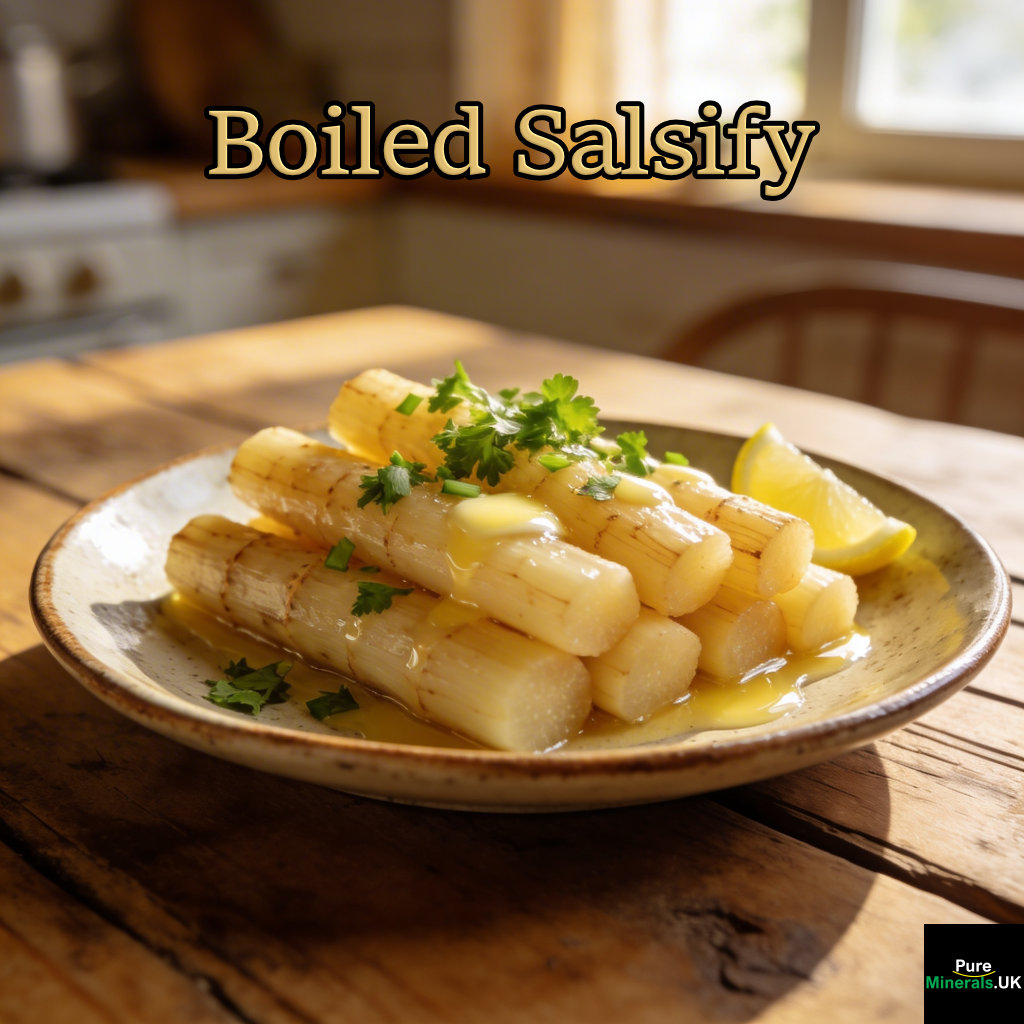
Boiling is the most accessible way to start cooking with salsify, and it produces a result that clearly demonstrates why this root has been a staple in Mediterranean and European kitchens for centuries. Peel and cut the roots into even batons or rounds, holding them in acidulated water until ready. Drop them into boiling salted water and cook for 15 to 20 minutes until just tender when pierced with a knife. Drain well, then dress immediately with melted butter, a squeeze of fresh lemon juice, and chopped flat-leaf parsley. The result is simple, clean, and genuinely delicious — a side dish that pairs well with white fish, roast chicken, or simply on its own.
2. Salsify Gratin with Liquid Cream

This is salsify at its most comforting. Pre-boil peeled salsify batons for 10 minutes until just beginning to soften, then layer them in a buttered baking dish. Pour over a mixture of liquid cream (crème fraîche works beautifully here), a crushed garlic clove, salt, white pepper, and a grating of fresh nutmeg. Top with grated gruyère or comté cheese and bake at 190°C (375°F) for 25 to 30 minutes until golden and bubbling at the edges.
Gratin Tips: Pre-boiling the salsify before baking prevents the gratin from becoming watery. Patting the batons dry before layering them ensures the cream sauce stays thick and coats the root evenly. Adding a pinch of white pepper rather than black keeps the sauce visually clean.
The cream absorbs the salsify’s subtle oyster-like flavor during baking, creating a sauce that tastes far more complex than the ingredient list suggests. This gratin works as both a side dish for a roast or as the centerpiece of a light vegetarian dinner with a green salad alongside.
Leftovers reheat well the next day — the cream sauce thickens further overnight, and the flavor deepens, making it arguably better on day two than straight out of the oven.
3. Salsify Vegetable Pie

Salsify adds a distinctive depth to vegetable pies that more commonly used vegetables like potato or carrot simply don’t deliver. Dice the peeled root into 2cm chunks and par-boil for 8 minutes. Combine with sautéed leeks, diced carrot, fresh thyme, and a simple velouté sauce made from vegetable stock and a little flour-thickened butter. Season well, pour into a deep pie dish, and top with shortcrust or puff pastry. Brush with egg wash and bake at 200°C (400°F) for 30 to 35 minutes until the pastry is deep golden and the filling is bubbling at the edges.
The salsify holds its shape well during baking and takes on the flavors of the surrounding vegetables and sauce without losing its own character. It also adds a nutritional dimension to the pie that goes well beyond standard root vegetable fillings — the inulin content survives moderate cooking temperatures, so the prebiotic benefit remains intact even in a baked preparation.
4. Salsify Vegetarian Quiche

Salsify brings an unexpected elegance to a vegetarian quiche. Blind-bake a shortcrust pastry shell until just set. Meanwhile, thinly slice peeled salsify and cook gently in a little olive oil and butter with a shallot until soft and lightly golden — about 12 minutes over medium heat. Spread the salsify mixture across the pastry base, scatter over fresh tarragon leaves and a handful of grated hard cheese, then pour over a standard quiche custard of three eggs beaten with 200ml of double cream, seasoned with salt, white pepper, and a pinch of nutmeg. Bake at 170°C (340°F) for 30 to 35 minutes until just set with a slight wobble in the center.
The tarragon is not optional — its anise-forward flavor is one of the few herbs that genuinely complements salsify’s subtle sweetness rather than competing with it. Served warm or at room temperature, this quiche works for lunch, a light dinner, or as part of a larger spread.
Salsify Deserves a Place in Your Diet
Salsify is one of those rare vegetables that delivers across every dimension that matters — nutritionally, culinarily, and practically. Its inulin content puts it in a category of genuinely functional foods that actively support gut health rather than simply contributing to daily fiber tallies. Its polyacetylene antioxidants, vitamin C, potassium, and B vitamins make it as nutrient-dense as vegetables with far higher public profiles. And its mild, adaptable flavor means it fits into weeknight cooking without requiring specialized skills or obscure ingredients to make it taste good.
The barrier isn’t flavor or preparation — it’s familiarity. Once you’ve cooked with salsify a few times, it becomes an easy, natural rotation in a plant-forward kitchen. Start with the boiled preparation, move to the gratin, and go from there. Your gut microbiome, your cardiovascular system, and your dinner table will all benefit from the introduction.
Important note: Salsify
Salsify is widely recognized as safe eat. Individuals with sensitivities to plants in the Asteraceae family should exercise caution. This article is provided for educational purposes only and does not constitute medical advice. Individuals with specific dietary concerns should consult a qualified healthcare professional before making significant dietary changes.
Frequently Asked Questions
Salsify generates a handful of consistent questions from people encountering it for the first time — mostly around identification, safety, and sourcing. The answers below cover the most common points of confusion clearly and directly.
Is salsify the same as black salsify?
No — salsify and black salsify are related but distinct plants with different botanical origins. Purple salsify (Tragopogon porrifolius) has brownish-yellow skin, a purple flower, and belongs to the Asteraceae family. Black salsify (Scorzonera hispanica), also called Scorzonera, has black skin and a yellow flower, and while it belongs to the same broader family, it is a genuinely separate species. Both are edible root vegetables with similar culinary applications, but their flavor profiles and textures differ slightly.
The key differences between the two are worth knowing before you shop, especially when considering vegetables like parsnips.
- Purple salsify (Tragopogon porrifolius): Brownish-yellow skin, white flesh, mild oyster-like flavor, purple flower head
- Black salsify (Scorzonera hispanica): Black skin, white flesh, slightly more bitter and earthy flavor, yellow flower
- Nutritional overlap: Both are rich in inulin and share broadly similar micronutrient profiles
- Culinary interchangeability: The two can generally substitute for each other in recipes, with minor flavor adjustments
In markets and grocery stores, the two are sometimes labeled interchangeably as “salsify,” which adds to the confusion. If the skin is distinctly black, you’re looking at scorzonera. If it’s tan or brownish-yellow, it’s purple salsify. Both are worth buying, especially if you’re exploring root vegetables like parsnips.
Can you eat salsify raw?
Yes, salsify can be eaten raw, though it’s far less common than eating it cooked. Raw salsify has a crisp, slightly starchy texture similar to raw parsnip or celeriac, with a milder flavor than the cooked root. Sliced or grated thinly, it can be added to salads where it contributes crunch and a subtle earthy sweetness. Shaved into thin ribbons using a vegetable peeler and dressed with lemon juice, olive oil, and fresh herbs, it makes an interesting raw salad element that most people have never encountered.
One practical note: peeled salsify browns quickly on exposure to air due to enzymatic oxidation. If you’re eating it raw, work quickly and dress it with an acidic component — lemon juice or vinegar — immediately after cutting. This prevents browning and actually enhances the flavor of a raw preparation. For more information on its culinary uses, you can visit Botanical Online.
How much inulin does salsify contain compared to other vegetables?
Salsify is among the higher-inulin vegetables available, which is one of the factors that distinguishes it nutritionally from more commonly consumed root vegetables like carrots or parsnips. Vegetables well known for inulin content include chicory root, Jerusalem artichoke, garlic, leek, and onion, and salsify sits in comparable territory as a meaningful dietary source of this prebiotic fiber.
What matters practically is that salsify delivers inulin in a form that’s easy to incorporate into regular meals — unlike chicory root, which is rarely eaten as a whole vegetable, or Jerusalem artichoke, which has a reputation for causing significant digestive discomfort in larger quantities due to its very high fructan concentration.
Salsify offers a more moderate inulin dose per serving, which makes it more digestively tolerable for most people while still providing meaningful prebiotic benefits. For anyone building a gut-health-focused diet around food sources rather than supplements, salsify is a practical, sustainable option for regular inulin intake.
Is salsify safe for people with digestive conditions like IBS?
This requires a nuanced answer. Salsify contains inulin, which is a fructan, and fructans are classified as FODMAPs (Fermentable Oligosaccharides, Disaccharides, Monosaccharides, and Polyols). People with IBS who follow a low-FODMAP diet to manage symptoms are typically advised to limit or avoid high-fructan foods, as they can trigger bloating, gas, cramping, and altered bowel habits in sensitive individuals.
That said, individual tolerance varies considerably, and not everyone with IBS reacts to fructans equally. Some people with IBS can tolerate moderate amounts of inulin-containing foods without significant symptoms, particularly after a period of gradual microbiome adaptation. If you have IBS or another functional digestive condition, introducing salsify in small amounts and monitoring your response is the most sensible approach — and consulting a registered dietitian familiar with the low-FODMAP protocol is worthwhile before making it a dietary staple.
Where can you buy salsify?
Salsify is not a common supermarket item in most regions, but it’s increasingly available through specialty food channels. Farmers’ markets — particularly those with vendors specializing in heritage or unusual vegetables — are often the most reliable source, especially in autumn and winter when salsify is in season. Health food stores and specialty grocery retailers with strong produce sections sometimes carry it, particularly in urban areas with a broader range of international and specialty vegetables.
Online ordering from specialty produce suppliers and community-supported agriculture (CSA) box schemes is another practical option. Several CSA programs include salsify in their autumn and winter boxes precisely because it’s the kind of underutilized vegetable that these schemes are designed to reintroduce to home cooks.
Growing your own is also genuinely straightforward. Salsify is a biennial plant that thrives in deep, well-drained soil and requires relatively little attention once established. Seeds are widely available from heritage seed suppliers, and a home garden plot can yield a meaningful harvest for personal use without much horticultural expertise.
Salsify is a versatile root vegetable that is often compared to parsnips due to its similar taste and texture. It is rich in nutrients and offers a good source of dietary fiber, making it a healthy addition to various dishes.