

Published: 26 December 2025
Last Updated: 5 May 2026
This article is periodically reviewed and updated to reflect current scientific understanding by Vic George.
Fact-Checked: 1 other authoritative medical/scientific reference. See our Editorial Policy.

What Is Artichoke and Why Is This Traditional Herbal Remedy Used for Digestive Support, Liver Function, and Cholesterol Balance?
Artichoke is a traditional medicinal herb widely used to support digestion, liver function, and normal lipid metabolism. Derived primarily from the leaves of the artichoke plant, it has a long history of use in European herbal medicine, particularly for supporting bile production and digestive comfort. Artichoke is commonly consumed as a leaf extract rather than as the culinary vegetable itself when used for nutritional support.
Definition:
Artichoke is a medicinal plant whose leaves contain bioactive compounds that support bile flow, digestive efficiency, and liver health. The most commonly used species is Cynara scolymus. Artichoke leaf preparations are typically standardised to key compounds to ensure consistent activity.
Extended Definition:
Artichoke leaf is best known for its role in supporting bile production, which is essential for the digestion and absorption of dietary fats and fat-soluble nutrients. Its key constituents include cynarin, luteolin, and other polyphenols that contribute to antioxidant protection and metabolic balance. By supporting bile flow, artichoke may help reduce digestive discomfort after meals and support the liver’s natural detoxification processes.
Traditionally, artichoke has also been used to support normal cholesterol metabolism by influencing lipid handling in the liver. Rather than acting as a stimulant or laxative, artichoke works by enhancing physiological digestive and hepatic processes. Benefits are typically gradual and associated with consistent use over time. Artichoke is generally well tolerated, though individuals with gallbladder conditions or bile duct obstruction usually treat use as a considered medical decision.
Key Facts:
- Herb name: Artichoke
- Botanical name: Cynara scolymus
- Herb type: Traditional digestive and liver-support herb
- Key compounds: Cynarin, luteolin, polyphenols
- Primary uses: Digestive support, bile flow, liver and lipid metabolism support
- Systems supported: Digestive, hepatic, metabolic
- Common forms: Leaf extracts, capsules, tablets, tinctures
- Use considerations: Caution advised with gallbladder or bile duct conditions; effects are gradual
- Typical pairing: Often paired with milk thistle, dandelion root, or bitters for digestive and liver support
Key Takeaways
- Artichokes contain powerful compounds that stimulate bile production, supporting both digestion and liver detoxification naturally.
- Research shows artichoke extract can lower total cholesterol by up to 18.5% and LDL (“bad”) cholesterol by 22.9% in some studies.
- The bitter compound cynarin in artichokes is responsible for many of their digestive benefits, helping relieve common issues like bloating and indigestion.
- Artichoke’s hepatoprotective effects make it a valuable herb for those looking to support liver health and natural detoxification pathways.
- Both fresh artichokes and standardized supplements offer therapeutic benefits, with the extract providing more concentrated doses of active compounds.
Artichokes have been treasured for their medicinal properties since ancient times, with Greek physicians like Dioscorides specifically recommending them for liver health over 2,000 years ago. Today, modern science is confirming what traditional healers have long known: this remarkable Mediterranean plant offers powerful support for digestion, liver function, and cholesterol balance.

Our Clean Liver Detox harnesses these benefits in a convenient daily supplement, providing the concentrated power of this traditional herb without having to prepare fresh artichokes daily.
From the Mediterranean basin to modern medicine cabinets, artichokes have maintained their status as both a culinary delicacy and a powerful healing herb. The globe artichoke (Cynara scolymus) belongs to the thistle family and contains a remarkable array of bioactive compounds that work synergistically to support multiple body systems. These compounds include flavonoids, phenolic acids, and the bitter substance cynarin, which is largely responsible for artichoke’s therapeutic effects.
Article-at-a-Glance
Artichokes represent one of the most scientifically validated traditional herbs for digestive and liver support. With clinically proven effects on cholesterol levels, bile production, and digestion, artichokes offer a natural approach to some of today’s most common health concerns. This article explores the mechanisms behind artichoke’s beneficial effects, the scientific evidence supporting its use, and practical ways to incorporate this powerful herb into your health regimen.
Artichoke: The Ancient Medicinal Powerhouse You Need to Know About
Long before modern pharmaceuticals, artichoke leaf extract was brewed into medicinal teas throughout the Mediterranean region. Traditional healers recognized its ability to stimulate bile flow, ease digestive discomfort, and support liver function. This humble thistle contains an impressive concentration of bioactive compounds, including cynarin, chlorogenic acid, luteolin, and cynaroside. These natural substances work together to create artichoke’s powerful therapeutic profile, similar to the benefits of milk thistle.
The medicinal use of artichokes spans millennia, with Roman records documenting its application for various digestive complaints. Archaeological evidence suggests artichokes were cultivated as both food and medicine in ancient Egypt, Greece, and Rome. What ancient healers observed through careful clinical practice, modern science now confirms through controlled studies: artichokes contain compounds with measurable effects on digestive function, liver health, and cholesterol metabolism.
How Artichokes Transform Your Digestive Health
Digestive issues affect millions worldwide, from occasional indigestion to chronic conditions like IBS. Artichoke offers a multi-faceted approach to digestive health, addressing several aspects of the digestive process simultaneously. The bitter compounds in artichoke leaves stimulate digestive secretions, while its fiber content supports a healthy gut microbiome. For those with functional digestive disorders, artichoke extract has demonstrated effectiveness in reducing symptoms and improving quality of life.
The Bitter Compounds That Stimulate Digestive Juices
The bitter taste of artichoke leaves triggers a cascade of digestive responses. When bitter compounds interact with taste receptors, they stimulate the production of saliva, gastric acid, pancreatic enzymes, and bile. This comprehensive digestive response enhances the breakdown of all major macronutrients—proteins, fats, and carbohydrates. The most significant bitter compound in artichokes is cynarin, which specifically targets the liver to increase bile production and flow.
Bile acts as a natural emulsifier, breaking down dietary fats into smaller particles that can be more easily digested and absorbed. By enhancing bile flow, artichoke helps prevent the discomfort often associated with fatty meals. This mechanism explains why artichoke extracts are particularly effective for symptoms like bloating, fullness, and nausea after eating rich foods.
Relief From Bloating and Indigestion
Clinical studies have demonstrated artichoke’s effectiveness against common digestive complaints. A 2003 study published in the journal Alimentary Pharmacology & Therapeutics followed 247 patients with functional dyspepsia (chronic or recurrent upper abdominal discomfort). After six weeks of treatment with artichoke leaf extract, participants reported significant improvements in symptoms, including bloating, nausea, and abdominal pain, compared to those receiving a placebo.
The digestive benefits extend beyond symptom relief. By enhancing normal digestive function, artichoke helps ensure proper nutrient absorption and waste elimination. This comprehensive support for the digestive process makes artichoke particularly valuable for those with chronic digestive issues or age-related decreases in digestive efficiency.
Prebiotic Fiber for Gut Microbiome Support
Fresh artichokes contain significant amounts of inulin, a prebiotic fiber that nourishes beneficial gut bacteria. One medium artichoke provides approximately 5-10 grams of fiber, much of it in the form of inulin and fructooligosaccharides (FOS). These non-digestible carbohydrates pass through the upper digestive tract unchanged, serving as food for beneficial bacteria in the colon, particularly Bifidobacteria and Lactobacilli species.
A healthy gut microbiome is increasingly recognized as fundamental to overall health, influencing everything from immune function to mental health. The prebiotic effects of artichoke fiber support microbial diversity and abundance, creating conditions for optimal gut health. Regular consumption of artichokes or artichoke extracts may contribute to a more balanced intestinal environment, reducing the risk of dysbiosis (microbial imbalance) and associated health problems.
IBS Symptom Management with Artichoke Extract
Irritable Bowel Syndrome (IBS) affects between 10-15% of the global population, causing symptoms ranging from abdominal pain to altered bowel habits. Artichoke leaf extract has emerged as a promising natural approach for managing these symptoms. A 2004 study published in the Journal of Alternative and Complementary Medicine found that 96% of IBS patients treated with artichoke leaf extract reported improvement in symptoms after six weeks, with 26% achieving complete symptom resolution.
The multifaceted action of artichoke on digestive function makes it particularly suited for complex conditions like IBS. By normalizing bile flow, reducing inflammation, supporting beneficial gut bacteria, and promoting regular bowel movements, artichoke addresses several potential contributors to IBS symptoms simultaneously. For those seeking alternatives to conventional IBS medications, which often target only single symptoms, moringa extract offers a more comprehensive approach.
Liver Protection and Detoxification Benefits
The liver serves as the body’s primary detoxification organ, processing everything from environmental toxins to metabolic waste products. Artichoke has a long history of use as a hepatoprotective (liver-protecting) agent, and modern research confirms its ability to support and enhance liver function. The active compounds in artichoke leaves help protect liver cells from damage while stimulating the organ’s natural detoxification processes, making it valuable for both prevention and recovery from liver stress.
Cynarin: The Key Compound for Bile Production
Cynarin, found in high concentrations in artichoke leaves, is the primary compound responsible for artichoke’s effects on the liver. It specifically stimulates bile production and flow, a process known as choleretic activity. Bile serves dual functions: aiding digestion by emulsifying fats and carrying toxins processed by the liver out of the body. By enhancing bile production, artichoke supports both digestive efficiency and the liver’s detoxification capacity, similar to how moringa supports detoxification.
Research has demonstrated that artichoke extract increases bile flow by up to 150% compared to baseline levels. This significant boost in bile production helps prevent bile stagnation, which can lead to gallstone formation and impaired detoxification. For individuals with sluggish liver function, indicated by symptoms like fatigue after fatty meals, skin issues, or chemical sensitivities, artichoke’s choleretic effect can provide noticeable relief.
How Artichokes Support Natural Liver Detoxification
Beyond stimulating bile flow, artichoke supports the liver’s complex detoxification pathways. The liver processes toxins through two phases of detoxification, and artichoke has been shown to enhance both. In Phase I, toxic substances are converted to intermediate forms, while in Phase II, these intermediates are conjugated with molecules that make them water-soluble for elimination. Artichoke’s flavonoids and phenolic compounds help upregulate the enzymes involved in both phases, improving the liver’s overall detoxification capacity.
Silymarin, a compound present in artichoke leaves (though more famous as the active component in milk thistle), has demonstrated hepatoprotective effects. It helps stabilize liver cell membranes, preventing toxins from entering cells, while also stimulating protein synthesis to support the repair of damaged liver tissue. This dual action makes artichoke valuable both for protecting a healthy liver and supporting recovery from liver stress or damage.
Scientific Evidence for Improved Liver Function
Clinical studies have documented artichoke’s benefits for various liver conditions. A 2010 study published in Phytotherapy Research examined the effects of artichoke leaf extract on patients with non-alcoholic fatty liver disease (NAFLD). After two months of treatment, participants showed significant improvements in liver enzyme levels, indicating reduced liver inflammation and improved function. Ultrasound evaluation also revealed decreased liver fat accumulation in the treatment group compared to controls.
The hepatoprotective effects of artichoke have been demonstrated in research using various models of liver damage. Studies show artichoke extracts can protect against liver damage from alcohol, medications, and environmental toxins. For individuals with elevated liver enzymes due to medications, lifestyle factors, or underlying conditions, artichoke extract offers a safe, well-documented approach to supporting liver health and function.
Balancing Cholesterol Naturally with Artichoke
Managing cholesterol levels is crucial for cardiovascular health, yet many people seek alternatives to conventional medications. Artichoke leaf extract has demonstrated significant cholesterol-balancing effects in multiple clinical trials. Its ability to improve lipid profiles stems from several mechanisms, including increased bile acid excretion, inhibition of cholesterol synthesis, and enhanced LDL receptor activity. For those with mild to moderate cholesterol elevations, artichoke offers a natural approach with minimal side effects.
The Science Behind Artichoke’s Cholesterol-Lowering Effect
One of artichoke’s primary mechanisms for lowering cholesterol involves increased bile production and excretion. Cholesterol serves as the precursor for bile acids, so when bile production increases, more cholesterol is pulled from the bloodstream to create new bile. Additionally, artichoke contains luteolin, which has been shown to inhibit HMG-CoA reductase, the same enzyme targeted by statin medications. By reducing cholesterol synthesis while increasing excretion, artichoke addresses both sides of the cholesterol balance equation.
Multiple clinical trials support artichoke’s cholesterol-lowering effects. A 2008 meta-analysis published in the Cochrane Database of Systematic Reviews examined randomized controlled trials of artichoke for hypercholesterolemia. The analysis found that artichoke leaf extract was significantly more effective than a placebo in reducing total cholesterol levels. In one of the included studies, participants taking artichoke extract experienced an average reduction of 18.5% in total cholesterol after 6 weeks of treatment.
LDL Reduction and HDL Enhancement
Artichoke’s effects on cholesterol extend beyond simply reducing total cholesterol levels. Research shows it has a favorable impact on the entire lipid profile, decreasing LDL (“bad”) cholesterol while potentially increasing HDL (“good”) cholesterol. In a 2013 randomized controlled trial published in the International Journal of Food Sciences and Nutrition, participants receiving artichoke leaf extract experienced an average 22.9% decrease in LDL cholesterol and an 11.5% increase in HDL cholesterol after 8 weeks.
This dual action on cholesterol fractions is particularly valuable for cardiovascular health. While many conventional cholesterol-lowering treatments focus primarily on reducing LDL, artichoke’s ability to also raise HDL provides a more comprehensive approach to lipid management. Higher HDL levels are associated with improved cholesterol transport away from blood vessel walls and back to the liver for processing, reducing atherosclerotic plaque formation.
Recommended Dosage for Cholesterol Management
For cholesterol management, research suggests an effective dose range of 1,800-1,920 mg of standardized artichoke leaf extract daily, typically divided into three doses. Most clinical studies showing significant cholesterol-lowering effects have used extracts standardized to contain 2-5% cynarin or 15-20% caffeoylquinic acids. Results typically become noticeable after 6-12 weeks of consistent use, with greater effects seen with longer treatment duration.
Other Health Benefits of Artichoke
While artichoke is best known for its effects on digestion, liver function, and cholesterol levels, research reveals additional health benefits worth noting. The plant’s rich antioxidant profile contributes to its anti-inflammatory properties, while its effects on glucose metabolism may benefit those with blood sugar concerns. These multifaceted benefits make artichoke a versatile addition to a comprehensive health regimen, addressing several aspects of metabolic and cardiovascular wellness simultaneously, similar to the benefits of moringa.
Blood Pressure Regulation
Artichoke leaf extract shows promise for supporting healthy blood pressure levels. Several studies have noted modest but significant reductions in both systolic and diastolic blood pressure among participants taking artichoke supplements. These effects may be due to artichoke’s potassium content, its mild diuretic action, and the presence of flavonoids that support endothelial function and vascular health.
In a 2009 clinical trial published in the Journal of Dietary Supplements, researchers found that participants taking artichoke leaf extract for 12 weeks experienced an average reduction of 9.5 mm/Hg in systolic pressure and 8.3 mm/Hg in diastolic pressure. While not a replacement for conventional antihypertensive therapy in severe cases, artichoke may offer complementary support for those with mild hypertension or prehypertension.
Antioxidant Properties That Fight Inflammation
Artichoke ranks among the highest antioxidant-containing vegetables, with an ORAC (Oxygen Radical Absorbance Capacity) value exceeding that of blueberries, dark chocolate, and red wine. These powerful antioxidants, including quercetin, rutin, and numerous polyphenols, help neutralize free radicals that can damage cells and contribute to inflammation and aging. By reducing oxidative stress, artichoke supports cellular health throughout the body.
The anti-inflammatory effects of artichoke have been demonstrated in both laboratory and clinical studies. A 2015 study published in the Journal of Medicinal Food found that artichoke leaf extract significantly reduced inflammatory markers in animal models of inflammation. For individuals with inflammatory conditions or those seeking to reduce age-related inflammation, artichoke offers natural support without the side effects associated with anti-inflammatory medications.
Blood Sugar Balance Support
Emerging research suggests artichoke may help support healthy blood glucose levels. The inulin fiber in artichokes has a low glycemic index and helps slow the absorption of sugars in the digestive tract. Additionally, certain compounds in artichoke leaf have been shown to reduce glucose absorption in the intestines and enhance insulin sensitivity in muscle and liver tissue.
A 2016 study published in the Australian Journal of Herbal Medicine examined the effects of artichoke leaf extract on glycemic control in patients with type 2 diabetes. After 90 days of supplementation, participants showed significant improvements in fasting blood glucose, glycated hemoglobin (HbA1c), and insulin resistance markers compared to placebo. While more research is needed, these preliminary findings suggest artichoke may be a valuable adjunct to conventional diabetes management strategies.
Fresh vs. Supplement: Which Form Works Best?
Both fresh artichokes and standardized extracts offer health benefits, though their potency and practical applications differ. Fresh artichokes provide fiber, vitamins, and a moderate concentration of active compounds, making them ideal as part of a health-supporting diet. Supplements, typically derived from the leaves rather than the edible heart, offer higher concentrations of therapeutic compounds like cynarin and can be more practical for therapeutic use.
Nutritional Profile of Fresh Artichokes
Fresh artichokes provide an impressive array of nutrients beyond their medicinal compounds. One medium artichoke (120g) contains approximately 60 calories, 7 grams of fiber, 4 grams of protein, and significant amounts of folate, vitamin K, potassium, and magnesium. The edible portions also provide smaller amounts of vitamins C and B6, along with trace minerals including copper, zinc, and manganese.
The nutritional profile of artichokes makes them an excellent choice for general health maintenance. Their high fiber content supports digestive health and satiety, while their mineral content contributes to proper muscle function, bone health, and cellular metabolism. Though the concentration of medicinal compounds is lower in the edible portions than in the leaves used for extracts, regular consumption of fresh artichokes can still provide meaningful health benefits.
Artichoke Leaf Extract Potency and Uses
Artichoke leaf extracts typically provide a more concentrated dose of the plant’s medicinal compounds. Standard extracts are often standardized to contain 2-5% cynarin or 15-20% caffeoylquinic acids, ensuring consistent potency. This standardization allows for more precise dosing and predictable therapeutic effects, particularly for specific conditions like elevated cholesterol or digestive disorders.
Most clinical studies demonstrating significant health benefits have utilized standardized extracts rather than whole artichokes. The convenience of supplement form also makes it easier to maintain a therapeutic dose over time, as consuming multiple fresh artichokes daily would be impractical for most people. For those seeking specific therapeutic effects, particularly for liver support or cholesterol management, standardized extracts typically offer the most efficient delivery method.
When to Choose Each Form for Maximum Benefits
For general health maintenance and dietary benefits, incorporating fresh artichokes into meals 1-2 times per week provides nutritional value along with moderate medicinal effects. The fiber, vitamins, and culinary enjoyment of fresh artichokes make them a valuable addition to a balanced diet. Those who enjoy the taste and texture of artichokes can benefit from their nutritional profile while also receiving some of their therapeutic compounds.
For specific health concerns requiring therapeutic doses of active compounds, standardized supplements offer greater convenience and potency. Those addressing diagnosed conditions like hypercholesterolemia, non-alcoholic fatty liver disease, or functional digestive disorders may achieve better results with supplements that deliver consistent amounts of active compounds. Many practitioners recommend a combined approach: enjoying fresh artichokes as part of a healthy diet while using standardized extracts to achieve therapeutic effects.
Delicious Ways to Add Artichoke to Your Diet
Incorporating artichokes into your diet doesn’t have to be complicated. From simple steamed preparations to Mediterranean-inspired dishes, there are numerous delicious ways to enjoy this nutritious vegetable. Whether you’re new to artichokes or looking for fresh ideas, these culinary approaches make it easy to benefit from artichokes’ flavor and health properties.
1. Simple Steamed Artichokes with Lemon Butter Dip

Steaming preserves more of the artichoke’s beneficial compounds than boiling while maintaining its delicate flavor. To prepare, trim the stem and top third of each artichoke, remove tough outer leaves, and steam for 25-45 minutes (depending on size) until a leaf pulls away easily. Serve with a simple dip of melted butter, fresh lemon juice, and minced garlic for a classic preparation that highlights artichoke’s natural flavor.
- Trim the stem and cut off the top third of the artichoke
- Remove tough outer leaves
- Steam 25-45 minutes until tender
- Serve with lemon-garlic butter dip
- To eat, pull leaves and scrape flesh with teeth, then enjoy the tender heart
The ritual of eating a steamed artichoke—pulling off leaves one by one and scraping the tender flesh with your teeth—creates a mindful eating experience that encourages slower consumption. This not only enhances enjoyment but also supports digestion by allowing time for digestive enzymes to work and satiety signals to register.
For an extra health boost, try replacing the butter dip with olive oil infused with garlic and herbs. The combination of artichoke’s bitter compounds with the healthy fats in olive oil optimizes absorption of fat-soluble nutrients while creating a Mediterranean flavor profile that pairs beautifully with the artichoke’s earthy notes.
2. Mediterranean Artichoke and White Bean Salad

This protein-rich salad combines the digestive benefits of artichokes with the fiber and protein of white beans. In a large bowl, mix 1 can (15oz) of drained and rinsed cannellini beans with 1 jar (12oz) of marinated artichoke hearts (drained and roughly chopped). Add 1 cup halved cherry tomatoes, ½ cup diced red onion, ¼ cup chopped fresh parsley, and 2 tablespoons capers. Dress with 3 tablespoons extra virgin olive oil, 2 tablespoons lemon juice, 1 minced garlic clove, and salt and pepper to taste.
This Mediterranean-inspired dish provides multiple health benefits in one meal. The combination of artichokes and olive oil supports liver function and cholesterol balance, while the beans provide plant protein and additional fiber. Tomatoes contribute lycopene, and herbs add flavor along with trace minerals. Enjoyed as a light lunch or side dish, this salad offers a delicious way to incorporate artichokes’ health benefits into everyday meals.
3. Artichoke Heart and Spinach Frittata

This protein-rich breakfast or light dinner option pairs artichoke hearts with spinach for a nutritional powerhouse meal. In an oven-safe skillet, sauté ½ diced onion and 2 minced garlic cloves in olive oil until translucent. Add 1 cup chopped artichoke hearts (canned or frozen, thawed and drained) and 2 cups fresh spinach, cooking until spinach wilts. Pour in 8 beaten eggs mixed with ¼ cup milk, ½ cup crumbled feta cheese, 1 tablespoon fresh dill, and salt and pepper to taste. Cook on stovetop until edges set, then finish in a 375°F oven for 12-15 minutes until fully set.
- Rich in protein from eggs and feta cheese
- Combines artichoke benefits with spinach’s iron and antioxidants
- Quick preparation makes it practical for weeknight meals
- Can be made ahead and enjoyed as leftovers
- Adaptable to various herbs and vegetables based on preference
This frittata delivers artichoke’s digestive and liver-supporting benefits in a protein-rich format that helps stabilize blood sugar. The combination with spinach provides additional antioxidants and iron, while the eggs offer complete protein and choline, a nutrient essential for liver function. For those following lower-carbohydrate eating patterns, this dish offers a satisfying meal that supports metabolic health.
For a dairy-free version, omit the milk and cheese, adding an extra egg and nutritional yeast for flavor. This adaptation makes the frittata suitable for those avoiding dairy while maintaining its nutritional benefits. Serve with a side of mixed greens dressed with olive oil and lemon juice for a complete meal rich in vegetables and healthy fats.
4. Roasted Artichoke and Garlic Soup

This warming soup combines the digestive benefits of artichokes with the prebiotic properties of garlic and leeks. Roast 2 pounds of quartered artichoke hearts (fresh or frozen) and 1 whole head of garlic (top sliced off) at 400°F for 25-30 minutes until tender and caramelized. In a pot, sauté 2 sliced leeks in olive oil, add the roasted artichokes, squeeze in the roasted garlic cloves, and pour in 4 cups of vegetable broth. Simmer for 15 minutes, then blend until smooth. Finish with a splash of lemon juice, fresh thyme, and a drizzle of olive oil.
Precautions and Potential Side Effects
While artichoke is generally safe for most people, certain individuals should exercise caution or avoid it altogether. Understanding potential contraindications and interactions helps ensure safe usage. Most side effects are mild and temporary, often relating to artichoke’s effects on bile flow and digestive function. However, some specific conditions and medications may warrant special consideration when using artichoke medicinally.
Artichoke Safety Profile
Safety Category: Generally Recognized As Safe (GRAS)
Common Side Effects: Mild gas, digestive discomfort (typically temporary)
Severe Reactions: Rare, primarily allergic responses
Pregnancy Safety: Insufficient data, consult healthcare provider
Drug Interactions: Potential interactions with certain medications (see below)
When beginning artichoke supplementation, start with a lower dose and gradually increase to the recommended amount. This approach allows the digestive system to adjust to increased bile flow and may minimize initial digestive discomfort. Taking supplements with meals can also reduce the likelihood of digestive side effects while potentially enhancing absorption of the active compounds.
Quality matters when selecting artichoke supplements. Look for standardized extracts from reputable manufacturers that provide information about cynarin or caffeoylquinic acid content. Products that have undergone third-party testing for purity and potency offer additional assurance of quality and safety. For fresh artichokes, choosing organic options when possible reduces exposure to pesticides. Additionally, exploring other beneficial herbs like milk thistle can support liver health and complement the benefits of artichokes.
Who Should Avoid Artichokes
Individuals with known allergies to plants in the Asteraceae/Compositae family (which includes daisies, chrysanthemums, marigolds, and ragweed) may experience cross-reactivity to artichoke. Symptoms of an allergic reaction can range from mild itching and hives to more severe manifestations like difficulty breathing. Those with known allergies to related plants should introduce artichoke cautiously or avoid it entirely.
People with bile duct obstruction, gallstones, or active gallbladder disease should consult with a healthcare provider before using artichoke medicinally. While artichoke’s choleretic effects (increasing bile flow) can benefit many digestive issues, increased bile flow may exacerbate symptoms in cases of blockage or acute gallbladder inflammation. Similarly, those who have had their gallbladder removed should use artichoke under professional guidance, as altered bile metabolism may affect their response to the herb. For those interested in liver support, milk thistle is another herb that may offer benefits.
Medication Interactions to Be Aware Of
Artichoke may interact with certain medications due to its effects on liver enzymes and bile production. It may enhance the effects of lipid-lowering drugs, potentially increasing the risk of side effects when combined with statins or fibrates. Those taking medications for diabetes should monitor blood glucose levels closely when using artichoke, as it may enhance the glucose-lowering effects of these drugs, potentially requiring dosage adjustments. For more information on natural supplements that support liver health, you might be interested in learning about milk thistle.
Signs You’re Taking Too Much
Excessive artichoke consumption or supplementation typically manifests through digestive symptoms. These may include increased flatulence, loose stools, abdominal cramping, or nausea. Such symptoms often indicate that the dose is too high or that the body needs more time to adjust to increased bile flow. Reducing the dosage or frequency usually resolves these issues. If symptoms persist or worsen, discontinuation and consultation with a healthcare provider are recommended.
Your Path to Better Health with Artichoke
Incorporating artichoke into your wellness routine offers a science-backed approach to supporting digestion, liver health, and cholesterol balance. Whether consumed as food, a supplement, or both, this traditional herb provides multiple benefits backed by both centuries of traditional use and modern clinical research. The versatility of artichoke—addressing multiple aspects of health simultaneously—makes it particularly valuable in our modern world, where digestive issues, liver stress, and cholesterol concerns are increasingly common.
For best results, consistency is key. The beneficial effects of artichoke accumulate over time, with most studies showing significant improvements after 6-12 weeks of regular use. Combining artichoke with complementary lifestyle practices—like a Mediterranean-style diet, adequate hydration, and regular physical activity—can enhance its benefits and support overall metabolic and cardiovascular health. This integrated approach honors the traditional context in which artichoke has been used throughout history.
Whether you’re seeking specific support for digestion, liver function, or cholesterol management, or simply looking to enhance your overall wellness regimen with evidence-based natural remedies, artichoke offers remarkable versatility and efficacy. Its long history of traditional use, now validated by modern research, makes it a valuable tool in the natural health toolkit—a bridge between ancient wisdom and contemporary scientific understanding.
Important Note: Artichokes
Artichoke may interact with gallbladder conditions or bile duct obstruction. Individuals with gallstones should seek professional advice before use. This information is for educational purposes only and is not intended to diagnose, treat, cure, or prevent disease.
Artichoke Infographic
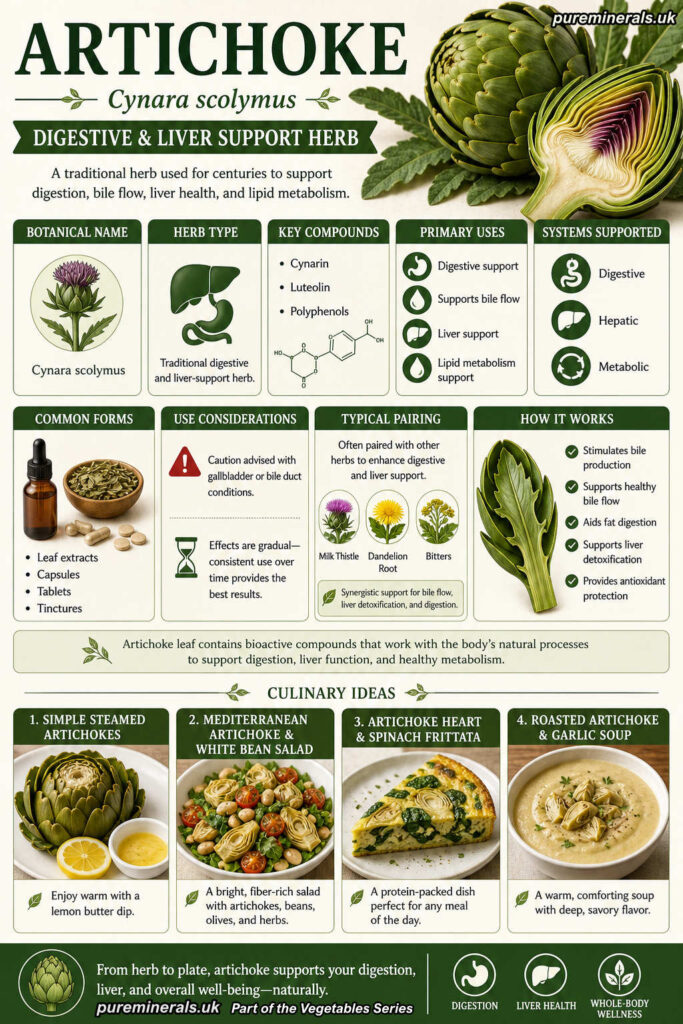
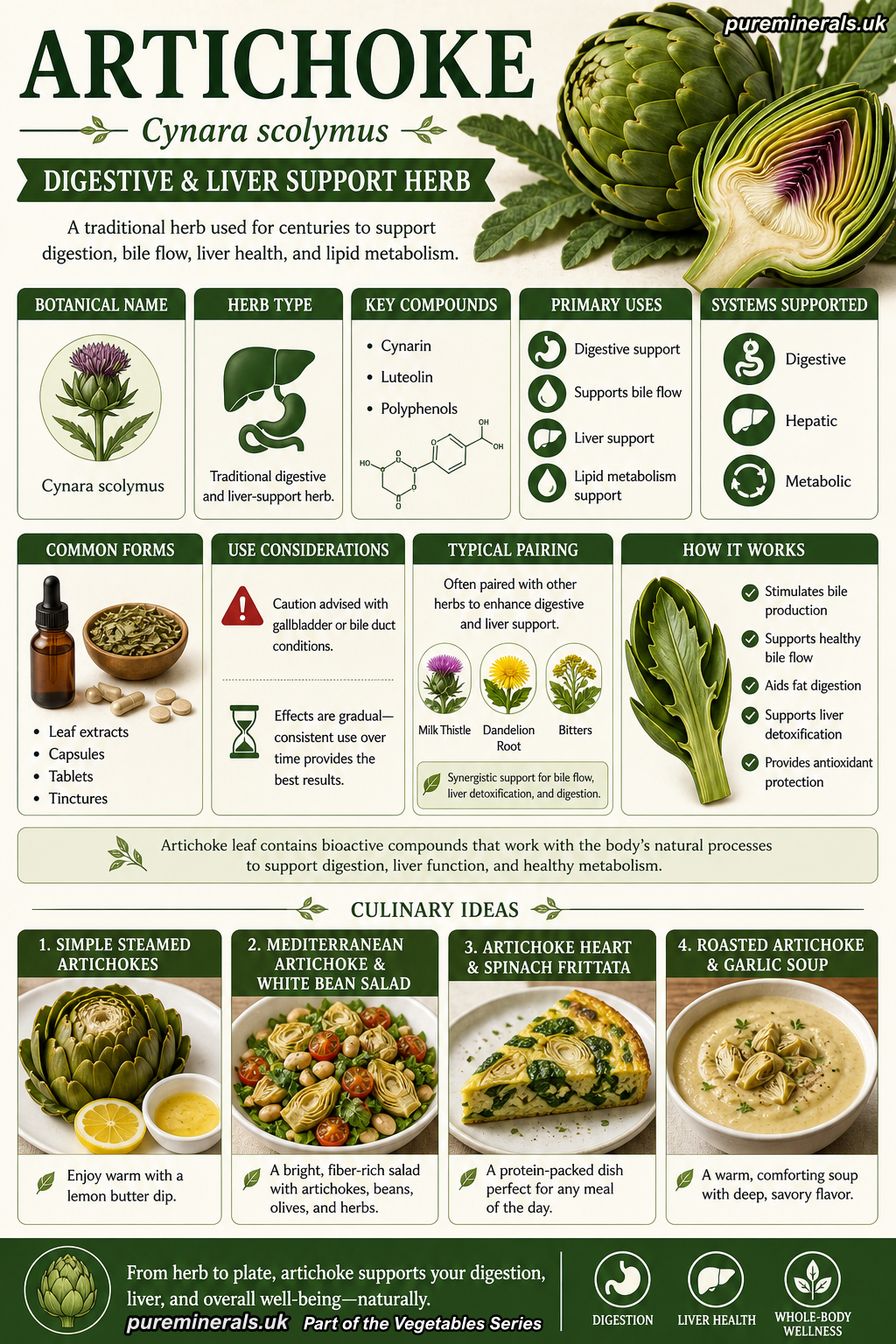
Download the full high-resolution Artichoke infographic for offline reference.
Explore more minerals in the full Vegetables Hub
Frequently Asked Questions
As interest in natural approaches to health grows, so do questions about artichoke’s applications and benefits. These frequently asked questions address common concerns and provide practical information for those considering artichoke as part of their health regimen. From timing of results to specific health conditions, these answers help clarify how to use artichoke effectively and safely.
Understanding both the potential and limitations of artichoke helps set realistic expectations and ensures appropriate use. While artichoke offers significant benefits for many health concerns, results vary between individuals, and certain conditions require professional guidance. The following questions address the most common inquiries about using artichoke for health purposes.
How quickly can I expect to see benefits from taking artichoke supplements?
Most people begin noticing digestive improvements within the first 1-2 weeks of regular artichoke supplement use. Effects on digestion, such as reduced bloating and improved comfort after meals, typically appear first. Cholesterol-lowering effects and more significant liver support generally require longer, consistent use, with studies showing measurable improvements after 6-12 weeks. Individual response times vary based on factors including baseline health status, dosage, product quality, and concurrent lifestyle factors. For those interested in exploring other herbal supplements, holy basil is another option known for its health benefits.
Can I eat artichokes if I have gallbladder problems?
The answer depends on the specific gallbladder condition. For those with gallstones but no symptoms (silent gallstones), artichoke is generally considered safe and may actually help prevent stone formation by improving bile flow. However, individuals with active gallbladder inflammation, bile duct obstruction, or symptomatic gallstones should consult with a healthcare provider before using artichoke medicinally.
In cases of previous gallbladder removal (cholecystectomy), artichoke may either help or hinder digestive comfort, depending on individual factors. Some people find that artichoke helps regulate bile flow even without a gallbladder, while others may experience increased digestive discomfort. Start with small amounts and monitor your response if you’ve had your gallbladder removed.
For mild gallbladder issues, some practitioners recommend artichoke as part of a gallbladder-supporting protocol that may include other herbs like milk thistle, dandelion, and turmeric. This approach focuses on optimizing bile flow and quality, potentially reducing stone formation and supporting overall gallbladder function.
- Silent gallstones: Generally safe; may help prevent further stone formation
- Active gallbladder inflammation: Use with caution; consult healthcare provider
- Post-cholecystectomy: Individual response varies; start with low doses
- Mild gallbladder issues: May be beneficial as part of a comprehensive approach
- Bile duct obstruction: Generally contraindicated; consult a healthcare provider
What’s the difference between globe artichokes and Jerusalem artichokes?
Despite sharing a name, globe artichokes (Cynara scolymus) and Jerusalem artichokes (Helianthus tuberosus) are entirely different plants with distinct nutritional and medicinal properties. Globe artichokes—the focus of this article—are thistle-like plants from the Asteraceae family, cultivated for their edible flower buds and medicinal leaves. Jerusalem artichokes, also called sunchokes, are related to sunflowers and grown for their starchy, knobby tubers that grow underground. The name confusion stems from Italian explorers who called sunchokes “girasole” (meaning “sunflower”), which English speakers later corrupted to “Jerusalem.”
How do I select the freshest artichokes at the store?
Fresh Artichoke Selection Guide
Look for: Heavy, compact artichokes with tightly closed leaves
Avoid: Artichokes with open or spreading leaves, indicating age. If you’re interested in other beneficial herbs, consider exploring the benefits of milk thistle.
Color: Deep green leaves; some bronze is normal in winter varieties
Texture: Leaves should squeak when rubbed together
Stem: Fresh cut, not dried out or overly browned
The freshest artichokes will feel heavy for their size, indicating good moisture content. When squeezed, a fresh artichoke should make a squeaking sound as the leaves rub together. Avoid artichokes with visible brown spots, open leaves, or dried-out stems, all of which indicate age and potential loss of flavor and nutritional value. Seasonally, artichokes are at their peak in spring (the main harvest) and again in fall (a smaller harvest).
After purchase, store artichokes in the refrigerator with a damp paper towel wrapped around the stems to maintain moisture. For maximum freshness, consume within 3-5 days. If you can’t use them immediately, consider steaming and freezing the hearts for later use. The sooner artichokes are consumed after harvest, the better their flavor and nutritional profile will be.
When preparing artichokes, remember that exposure to air causes them to brown quickly. To prevent discoloration, have a bowl of water with lemon juice ready when trimming, and immediately submerge cut surfaces. This preserves both appearance and vitamin content, as ascorbic acid in lemon helps prevent oxidation of sensitive nutrients.
Can children take artichoke supplements for digestive issues?
While artichoke is generally recognized as safe for adults, there is limited research on appropriate dosages for children. For digestive issues in children, it’s always best to consult with a pediatrician or pediatric specialist before introducing supplements. Most manufacturers do not provide specific dosing guidelines for children, and adult doses are typically not appropriate for younger individuals due to differences in metabolism and body weight.
For children with mild digestive issues, introducing small amounts of artichoke as food may be a gentler approach than supplements. Including age-appropriate portions of artichoke hearts in pasta dishes, pizzas, or dips can provide some of the digestive benefits without the concentrated dose of a supplement. This food-first approach allows for monitoring tolerance while providing nutritional benefits alongside potential digestive support.
Parents should be particularly cautious with children who have known allergies to plants in the Asteraceae family, bile duct issues, or who take medications that might interact with artichoke. If considering artichoke supplements for a child with chronic digestive issues, working with a healthcare provider experienced in pediatric integrative medicine can help ensure safe and appropriate use based on the child’s specific health needs and circumstances.