

Published: 5 March 2026
This article is periodically reviewed and updated to reflect current scientific understanding by Vic George.
Fact-Checked: 2 other authoritative medical/scientific references. See our Editorial Policy.

What Are Carrots?
Carrots are the edible taproots of Daucus carota subsp. sativus, a root vegetable widely cultivated for its crisp texture, natural sweetness, and high concentration of carotenoids. They provide dietary fiber, potassium, and provitamin A compounds, making them one of the most nutritionally significant root vegetables in global diets.
Definition
Carrots are the edible taproots of Daucus carota subsp. sativus, a cultivated member of the Apiaceae family consumed as a root vegetable.
Extended Definition
Carrots belong to the Apiaceae family, which also includes celery, parsley, fennel, and parsnip. The vegetable consists of a thickened taproot that stores nutrients for the plant’s development during its life cycle.
The characteristic orange color of most carrots is due to the presence of carotenoids, particularly beta-carotene and alpha-carotene. These compounds function as pigments in plants and act as precursors to vitamin A in human metabolism.
In addition to carotenoids, carrots provide dietary fiber, potassium, vitamin K1 (phylloquinone), and vitamin C. Fiber contributes to digestive function, while potassium supports electrolyte balance and normal nerve signaling.
Carrots also contain polyphenols and other antioxidant compounds that contribute to plant protection against environmental stress. Different carrot cultivars vary in color and phytochemical composition, including purple carrots rich in anthocyanins, yellow carrots containing lutein, and red carrots containing lycopene.
Carrots are consumed both raw and cooked. Cooking can enhance the bioavailability of certain carotenoids by breaking down plant cell walls, allowing these compounds to be more readily absorbed during digestion.
Key Facts
Botanical name: Daucus carota subsp. sativus
Plant family: Apiaceae
Common classification: Root vegetable
Origin: Central Asia, particularly the region around modern-day Afghanistan
Edible part: Taproot
Typical color: Orange (most common), also purple, yellow, red, and white varieties
Primary nutrients: Carbohydrates, fiber, potassium, vitamin K1, vitamin C
Key phytonutrients: Beta-carotene, alpha-carotene, lutein, polyphenols
Energy density: Low
Notable compounds: Carotenoids, phenolic compounds
Culinary uses: Raw snacks, salads, soups, stews, roasting, and juicing
Key Takeaways
- Carrots contain between 6,000 and 54,800 μg of carotenoids per 100g, making them one of the most carotenoid-dense vegetables available.
- Beta-carotene, the primary carotenoid in carrots, converts to vitamin A in the body, but raw carrots allow less than 25% conversion due to tough cellular walls.
- Cooking carrots actually increases the bioavailability of beta-carotene by breaking down cellulose-thickened cell walls, though it may reduce vitamin C content.
- Beyond beta-carotene, carrots are rich in phenolics, polyacetylenes, ascorbic acid, and tocopherol — compounds linked to cancer prevention and immune support.
- Keep reading to find out which carrot color delivers the most nutritional punch and whether carrot tops are actually edible.
Carrots are one of the most nutrient-efficient foods you can add to your diet — and most people are only scratching the surface of what makes them so powerful.
Whether you’re eating them raw, roasting them, or blending them into a juice, carrots deliver a complex mix of bioactive compounds that go well beyond basic vitamins. For health enthusiasts looking to optimize their nutrition, understanding the full profile of this root vegetable changes how you think about it entirely.
Carrots Pack More Nutrition Than Most People Realize
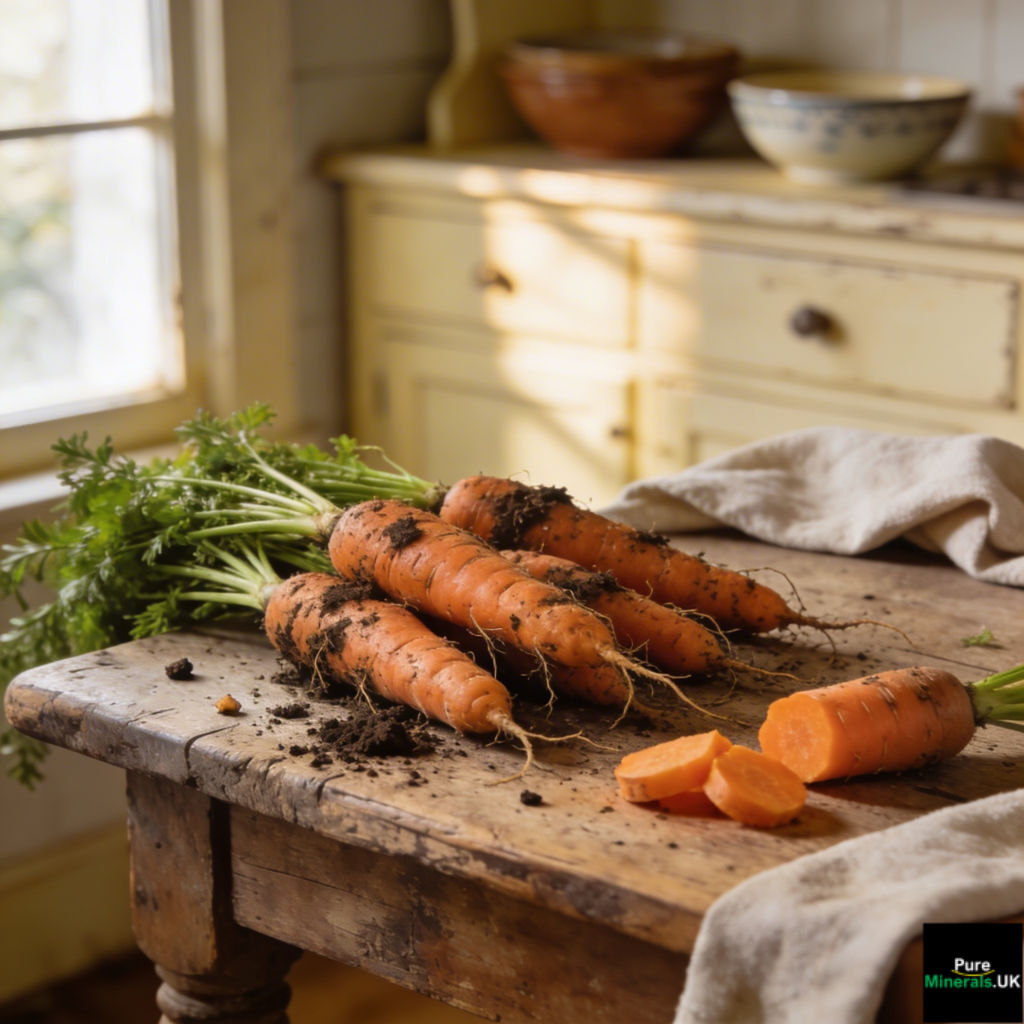
Most people think of carrots as a crunchy snack or a simple side dish. What they don’t realize is that carrots are biochemically classified as a vitaminized food — a designation that reflects their exceptionally high concentration of vitamins, antioxidants, and functional compounds relative to their calorie load. The edible root alone contains carotenoids, dietary fiber, phenolics, polyacetylenes, ascorbic acid, and tocopherol, making it one of the most compositionally complex vegetables in the average diet.
Carrot consumption has increased steadily over the past several decades, largely because of growing recognition of beta-carotene’s role as a precursor to vitamin A and its documented anticancer activity. That’s not a trend driven by marketing — it’s driven by research.
Carrot Nutritional Profile: What’s Actually Inside
Carrots are made up of roughly 86% moisture, with the remaining composition split between carbohydrates, fiber, protein, fat, and a dense array of micronutrients. The edible portion contains approximately 10.6% carbohydrates, 1.2% crude fiber, 0.9% protein, 0.2% fat, and 1.1% total ash. These numbers make carrots a low-calorie, nutrient-dense food that punches well above its weight class. Learn more about the benefits of carrots.
Macronutrients: Carbohydrates, Fiber, and Protein
A half-cup serving of carrots contains around 6 grams of carbohydrates, 2 grams of fiber, and just 0.5 grams of protein. Soluble carbohydrates in the edible portion range from 6.6 to 7.7 g per 100g, depending on the cultivar, while protein content sits between 0.8 and 1.1 g per 100g. The fiber content is particularly relevant for digestive health and blood sugar regulation — something that makes carrots a smart choice for those managing energy levels through diet.
Key Vitamins and Minerals in Carrots
Carrots are a meaningful source of calcium (Ca), phosphorus (P), iron (Fe), and magnesium (Mg). On the vitamin side, they provide vitamin C at approximately 4 mg per 100g, alongside vitamin A precursors (carotenoids), and tocopherol (vitamin E). Zinc, potassium, and other trace minerals are also present, particularly in baby carrots, which carry a comparable micronutrient profile to mature carrots.
Calorie Count and Sugar Content
A standard half-cup serving of raw carrots contains just 25 calories, with 3 grams of natural sugar and an energy value of approximately 126 kJ per 100g. Baby carrots come in slightly higher at 35 calories per serving. This makes carrots one of the lowest-calorie ways to consume a broad spectrum of essential nutrients.
Carotenoids: The Compound That Makes Carrots a Superfood
If there’s one compound that defines carrots nutritionally, it’s carotenoids. These are the fat-soluble pigments responsible for the orange color of most carrot varieties, and they serve critical functions both in the plant and in the human body. Carrot roots contain total carotenoids ranging from 6,000 to 54,800 μg per 100g — an enormous range that reflects differences across cultivars, growing conditions, and processing methods.
Carotenoids in carrots don’t just give them their color — they act as free radical scavengers, immune enhancers, and anti-mutagenic agents. The high concentrations of carotenoids found in carrot roots have been linked to inhibiting certain cancers, which is why carrots are consistently flagged in nutritional research as a functional food, not just a dietary staple.
What Carotenoids Are and Why They Matter
Carotenoids are a class of micronutrients that play a foundational role in human health. Their primary physiological function is serving as precursors to vitamin A — meaning the body converts them into retinol, the active form of vitamin A needed for vision, immune function, and skin integrity. Beyond vitamin A synthesis, carotenoids act as potent antioxidants that neutralize oxidative stress at the cellular level.
Beta-Carotene and Vitamin A: How the Conversion Works
Beta-carotene is the dominant carotenoid in orange carrots and the most studied for its provitamin A activity. When consumed, it’s converted into vitamin A in the small intestine — but the efficiency of this conversion depends heavily on how the carrot is prepared. Because raw carrots have tough cellulose-thickened cell walls, the body can convert less than 25% of the available beta-carotene into vitamin A. Cooking partially dissolves those walls, significantly freeing up nutrients for absorption.
This doesn’t make raw carrots nutritionally inferior — it just means that cooked carrots offer a more bioavailable source of beta-carotene, while raw carrots retain higher levels of heat-sensitive nutrients like vitamin C.
Alpha-Carotene and Its Pro-Vitamin A Activity
Alpha-carotene is the second most abundant carotenoid in carrots and also carries provitamin A activity, though at a lower conversion rate than beta-carotene. It contributes to the overall antioxidant capacity of the vegetable and has been studied independently for its role in reducing cancer risk. Together, alpha- and beta-carotene form a complementary antioxidant system that makes carrots especially effective as a functional food.
- Beta-carotene: Primary provitamin A carotenoid; highest concentration in orange carrots
- Alpha-carotene: Secondary provitamin A carotenoid; supports antioxidant defense
- Lutein and zeaxanthin: Concentrated in yellow and dark green carrot varieties; linked to eye health
- Lycopene: Found in red carrots; associated with cardiovascular and cancer-protective effects
- Anthocyanins: Present in purple carrots; potent antioxidants with anti-inflammatory properties
The specific carotenoid profile of a carrot is directly tied to its color, which is why variety matters when you’re eating for specific health outcomes. Orange carrots dominate in beta-carotene, while purple, red, and yellow varieties each bring a distinct bioactive advantage to the table.
Carotenoids as Antioxidants and Free Radical Scavengers
Free radicals are unstable molecules that damage cells, accelerate aging, and contribute to chronic disease development — including cancer. Carotenoids in carrots act as direct scavengers of these free radicals, neutralizing them before they can cause cellular damage. This antioxidant function is one of the key reasons carrot consumption has been consistently associated with reduced risk of oxidative stress-related conditions.
What makes carrot carotenoids particularly effective as antioxidants is their fat-soluble nature, which allows them to integrate into cell membranes and protect lipid structures from oxidative damage. Combined with the water-soluble antioxidant activity of ascorbic acid (vitamin C) also present in carrots, you get a dual-action antioxidant system operating across different cellular environments simultaneously.
The Real Health Benefits of Eating Carrots
- Cancer risk reduction: High carotenoid concentrations, especially beta-carotene, have demonstrated anti-mutagenic and anticarcinogenic properties in research settings.
- Immune system enhancement: Vitamin A derived from beta-carotene is critical for maintaining mucosal barriers and supporting white blood cell production.
- Eye health protection: Lutein and zeaxanthin specifically accumulate in the retina and help protect against macular degeneration and cataracts.
- Cardiovascular support: Antioxidants in carrots help reduce oxidative stress on arterial walls, contributing to improved heart health markers.
- Skin integrity: Vitamin C in carrots supports collagen synthesis and protects skin from UV-induced oxidative damage.
- Digestive health: Dietary fiber in carrots supports gut motility and feeds beneficial gut bacteria.
These aren’t isolated claims — they reflect the cumulative effect of multiple bioactive compounds working together. The synergy between carotenoids, phenolics, polyacetylenes, and dietary fiber is what elevates carrots from a simple vegetable to a genuinely functional food. No single compound is doing all the heavy lifting; it’s the full compositional profile that delivers the benefit.
Carrots are also one of the few vegetables that provide meaningful nutritional value regardless of preparation method. Whether raw, steamed, roasted, or juiced, you’re still accessing a substantial portion of their bioactive compounds — though the specific nutrients most available to your body will shift depending on how you prepare them.
For health enthusiasts tracking specific outcomes — like improving skin health, supporting vision, or reducing inflammation — carrots offer a targeted, food-first approach that doesn’t require supplementation to be effective. The key is understanding which preparation method and which carrot variety aligns with your specific health goal.
Cancer Risk Reduction and Anticarcinogenic Properties
The anticarcinogenic properties of carrots are primarily attributed to the high concentration of beta-carotene and other carotenoids, which function as both antioxidants and immune enhancers. Research has identified carotenoids as free radical scavengers capable of disrupting the oxidative chain reactions that contribute to DNA mutation and tumor development. The presence of polyacetylenes — bioactive compounds unique to carrots and related plants — adds another layer of cancer-protective activity, with specific compounds showing cytotoxic effects against certain cancer cell lines in research studies.
Cardiovascular and Immune System Support
Beta-carotene’s conversion to vitamin A directly supports immune function by maintaining the integrity of mucosal surfaces — the body’s first line of defense against pathogens. Vitamin A deficiency is one of the most common micronutrient deficiencies globally, and regular carrot consumption is one of the most practical dietary strategies for addressing it. On the cardiovascular side, the antioxidant activity of carotenoids helps reduce lipid oxidation in arterial walls, a key factor in atherosclerosis development. Tocopherol (vitamin E), also present in carrots, further supports this protective effect on the cardiovascular system. For additional dietary options rich in vitamins, consider including bok choy in your meals.
Eye Health: Cataracts and Macular Degeneration
The link between carrots and eye health is well-established and grounded in real biochemistry. Lutein and zeaxanthin — carotenoids found primarily in yellow carrot varieties — selectively accumulate in the macula of the retina, where they filter harmful blue light and neutralize free radicals that would otherwise damage photoreceptor cells. Regular intake of these carotenoids is associated with a measurably reduced risk of age-related macular degeneration and cataract formation. Beta-carotene’s conversion to vitamin A also supports the regeneration of rhodopsin, the pigment responsible for low-light vision.
How Cooking Affects Carrot Nutrition
The relationship between cooking and carrot nutrition is more nuanced than a simple raw-versus-cooked debate. Different cooking methods affect different nutrients in different ways — and understanding this lets you make smarter choices based on what you’re actually trying to get from the vegetable.
The critical factor here is the structure of the carrot’s cell wall. Raw carrots have tough, cellulose-thickened walls that physically limit the body’s ability to extract carotenoids. Heat disrupts these walls, releasing bound carotenoids and making them significantly more available for absorption in the small intestine. However, that same heat degrades heat-sensitive compounds like vitamin C, which means neither raw nor cooked carrots are categorically superior — they’re nutritionally complementary.
Raw vs. Cooked: Which Releases More Beta-Carotene
Raw carrots limit beta-carotene bioavailability to less than 25% due to intact cellular walls. Cooking — particularly boiling or steaming — partially dissolves the cellulose matrix, dramatically increasing the proportion of beta-carotene released and absorbed. Pairing cooked carrots with a small amount of dietary fat further enhances absorption, since carotenoids are fat-soluble and require lipids present in the digestive tract for efficient uptake. A drizzle of olive oil or a serving alongside a fat-containing protein source can meaningfully increase how much beta-carotene your body actually uses.
Best Cooking Methods to Preserve Nutrients
Steaming is generally the best method for preserving the broadest range of nutrients in carrots. It increases carotenoid bioavailability by softening cell walls while minimizing the leaching of water-soluble vitamins like vitamin C into cooking water — a significant drawback of boiling. Roasting is another excellent option that concentrates flavors while retaining most fat-soluble compounds, though higher temperatures over extended periods can degrade some antioxidant activity.
Boiling, while effective at releasing beta-carotene, results in meaningful losses of water-soluble nutrients into the cooking liquid. If you boil carrots, using the cooking liquid in soups or sauces recovers many of those leached compounds. Microwaving is a surprisingly effective option as well — short cooking times with minimal water preserve a strong nutrient profile across both fat- and water-soluble compounds.
Carrots in the Diet: How Much and How Often
There’s no universal daily quota for carrot consumption, but the nutritional density of carrots makes them a smart inclusion in most meals. A half-cup serving delivers meaningful amounts of fiber, beta-carotene, vitamin C, and key minerals at just 25 calories — making them one of the highest-return nutritional choices relative to caloric cost. Most health-focused dietary patterns support eating carrots daily without concern, though extremely high intake over time can cause carotenemia, a harmless but visible yellowing of the skin from excess carotenoid accumulation.
- Raw as a snack: Retains vitamin C and provides satisfying crunch with low caloric impact
- Steamed as a side dish: Maximizes carotenoid bioavailability while preserving most micronutrients
- Blended into smoothies or juices: Concentrates carotenoids and makes high-volume consumption practical
- Roasted with olive oil: Enhances fat-soluble carotenoid absorption through co-ingestion of dietary fat
- Added to soups and stews: Softens cell walls for maximum carotenoid release; liquid retains water-soluble nutrients
Carrot juice deserves a specific mention for health enthusiasts looking to increase carotenoid intake efficiently. Juicing removes the fiber component but concentrates the carotenoid and micronutrient content, making it a practical strategy for therapeutic-level intake. That said, retaining the fiber through whole carrot consumption or blending offers digestive and glycemic benefits that juice alone doesn’t provide. For those interested in exploring other nutrient-rich vegetables, consider adding arugula to your diet as well.
The most practical approach is rotating between raw and cooked preparations across the week. This naturally diversifies the nutrient profile you access from the same vegetable, ensuring you benefit from both the heat-stable carotenoids and the heat-sensitive vitamin C without having to overthink every meal.
Culinary Uses of Carrots Beyond Basic Cooking
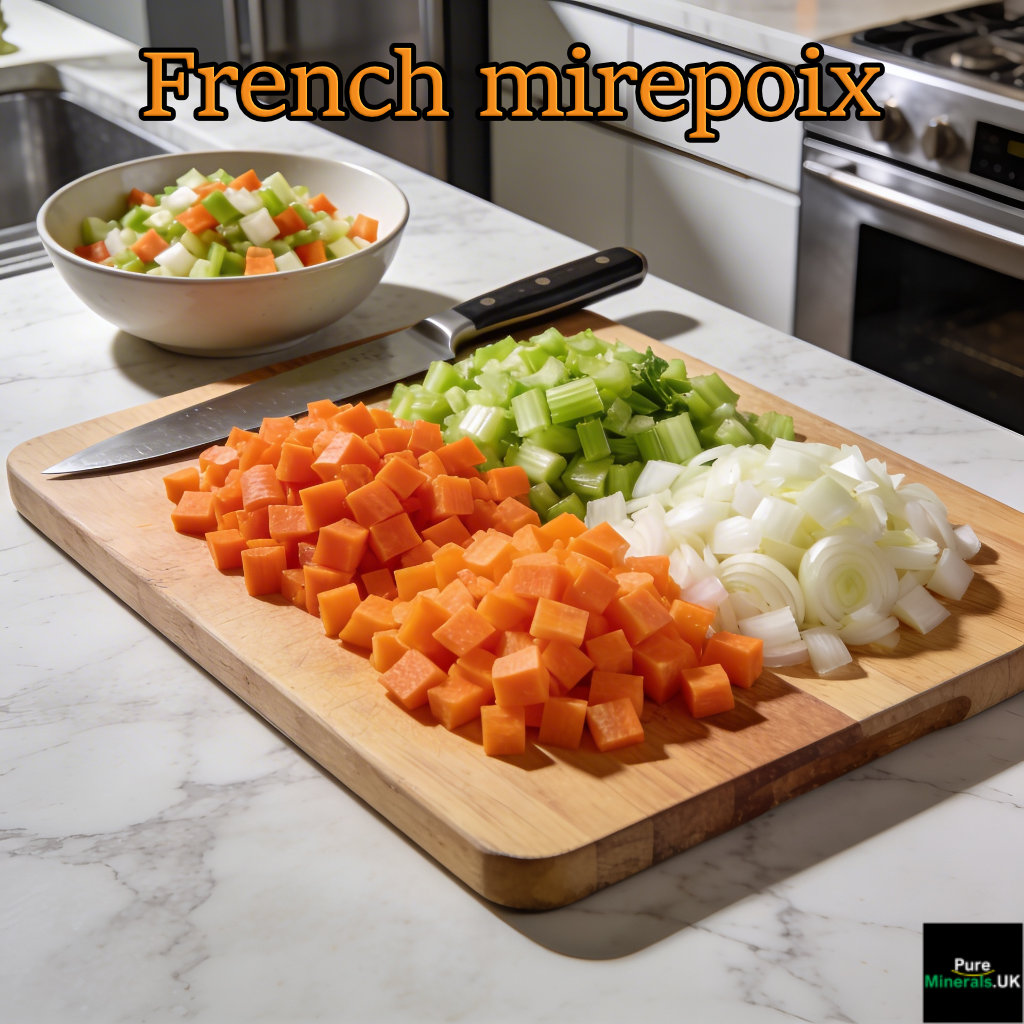
Carrots are one of the most culinarily versatile vegetables in existence, and their applications extend well beyond the basic side dish or salad ingredient. Globally, they appear in everything from Indian curries and Moroccan tagines to Korean banchan and French mirepoix — a testament to how universally adaptable their flavor profile is. Their natural sweetness intensifies with heat, their texture shifts from crisp to silky depending on preparation, and their color holds well across most cooking methods, making them as useful aesthetically as they are nutritionally.
Beyond whole-food cooking, the food industry has developed a range of carrot-derived products that extend shelf life and preserve nutritional value in concentrated form. Carrot powder, produced by dehydrating and milling carrots, retains much of the carotenoid profile and is used as a natural food colorant, a nutritional additive, and a flavoring agent. Carrot concentrate and preserves are used in beverage manufacturing and functional food development, while carrot pomace — the fiber-rich byproduct of carrot juice production — is increasingly being repurposed as a functional food ingredient rather than discarded as waste.
Traditional Uses: Salads, Curries, and Juices
Raw carrots have been a salad staple across cultures for centuries, valued for their crunch, natural sweetness, and ability to absorb dressings without wilting. In Middle Eastern cuisine, grated carrot salads dressed with cumin and lemon are a common mezze fixture. In France, carottes râpées — a simple shredded carrot salad with mustard vinaigrette — is a classic bistro side. The raw preparation preserves vitamin C and phenolic compounds, making these traditional dishes nutritionally relevant well beyond their flavor appeal.
In cooked applications, carrots are foundational to some of the world’s most nutritionally dense dishes. Indian cuisine uses them extensively in sabzis, halwas, and dal preparations, often cooked with fat — a combination that unknowingly optimizes carotenoid absorption. Carrot juice, long used in Ayurvedic and naturopathic traditions, concentrates beta-carotene and other carotenoids into a highly bioavailable liquid form. Modern cold-pressed carrot juice retains much of this carotenoid profile, making it one of the most efficient single-ingredient nutritional beverages available.
Processed Carrot Products: Powder, Concentrate, and Preserves
Carrot powder is produced through dehydration and milling processes that reduce moisture content while preserving a significant portion of the carotenoid and fiber profile. It functions as a natural food colorant, a nutritional fortification ingredient, and a flavor enhancer in soups, sauces, baby foods, and functional snack formulations. The concentrated carotenoid content in carrot powder makes it especially useful in food manufacturing contexts where fresh carrot inclusion isn’t practical but nutritional value still needs to be delivered.
Carrot concentrate — produced by reducing carrot juice under controlled heat — is widely used in beverage manufacturing, confectionery, and processed food production. Carrot preserves, including pickled and fermented carrot preparations, are growing in popularity within functional food markets due to their combination of carotenoid retention and probiotic value when lacto-fermented. These processed forms allow carrot nutrition to reach consumers in formats that extend shelf life and broaden dietary accessibility without entirely sacrificing the vegetable’s core bioactive profile. For those interested in exploring other nutritious vegetables, consider learning about bok choy and its health benefits.
How to Use Carrot Pomace to Reduce Food Waste
Carrot pomace is the fiber-rich solid byproduct left after carrot juice extraction. Rather than discarding it, pomace can be incorporated into baked goods like muffins, breads, and energy bars, where it adds dietary fiber, residual carotenoids, and natural sweetness. It can also be blended into smoothies, used as a thickening agent in soups, or dehydrated into a powder for use as a functional food additive. Given that pomace retains a meaningful portion of the original carrot’s fiber and micronutrient content, treating it as waste represents a significant nutritional and economic loss.
From a sustainability standpoint, carrot pomace utilization is an increasingly studied area in food science. Its high pectin content makes it valuable as a natural gelling agent and prebiotic fiber source, supporting gut health while simultaneously reducing food processing waste. For home cooks who juice carrots regularly, storing pomace in the freezer and adding it incrementally to cooked dishes is one of the simplest and most effective ways to capture nutritional value that would otherwise be lost.
Recipe: Honey-Glazed Carrots
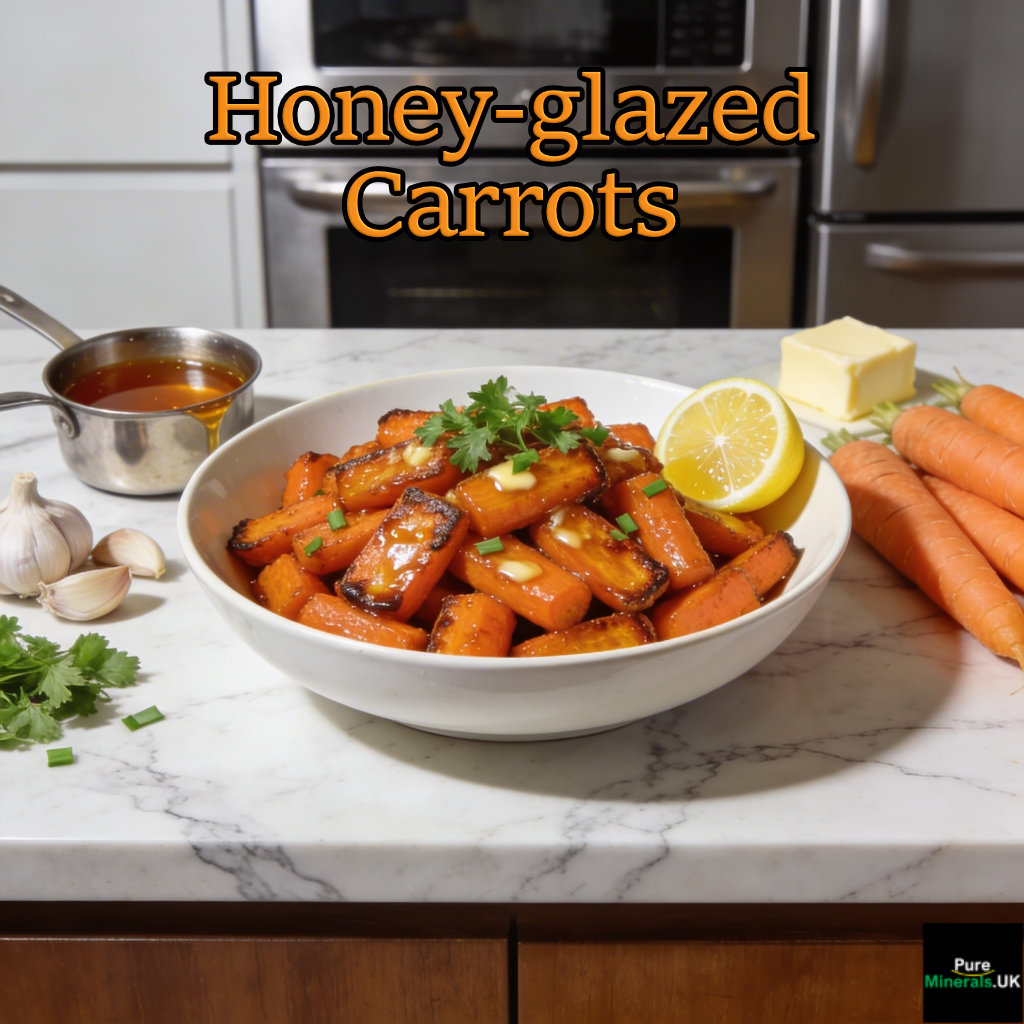
Although there are many ways to make honey-glazed carrots, roasting them in the oven is easy. Roasting brings out the sweetness in carrots, and the hot oven allows them to brown and caramelize, making them sweeter and stickier.
Ingredients:
- 8 medium carrots. Peel and cut them crosswise into 50 mm pieces, and roughly 15 mm thick.
- Minced garlic to make the honey glaze extra flavorful.
- Fresh parsley leaves
- Grass-fed butter to enrich the honey glaze.
- Honey. Roasting the carrots in honey caramelizes them.
- Lemon juice to brighten the flavors at the end.
- Salt and black pepper.
Directions:
- Make the honey-garlic glaze. Melt the butter in a small saucepan over medium heat, then add the garlic. Cook until fragrant. Remove the pan from the heat and whisk in the honey.
- Drizzle half the honey glaze over the carrots. Toss to coat and season with the salt and pepper. Spread the carrots into an even layer on a baking sheet.
- Roast the carrots until tender, and the bottoms browned, tossing them halfway through.
- Drizzle the remaining honey glaze over the carrots, then squeeze the lemon juice over them, tossing to coat.
- Add the glazed carrots to a serving bowl and garnish with chopped fresh parsley leaves.
Carrots Are One of the Most Nutritionally Efficient Vegetables You Can Eat
When you measure nutritional output against caloric cost, very few vegetables compete with carrots. At 25 calories per half-cup serving, you’re accessing a full spectrum of carotenoids, dietary fiber, essential minerals, vitamin C, tocopherol, and a range of functional phytonutrients — all in a food that’s inexpensive, widely available, and adaptable to virtually any cooking method or cuisine.
Nutrient
Amount per 100g (Raw)
Primary Health Benefit
Beta-Carotene
6,000–54,800 μg
Vitamin A precursor, antioxidant, anticancer
Vitamin C
4 mg
Collagen synthesis, immune support, UV protection
Dietary Fiber
1.2 g (crude)
Digestive health, blood sugar regulation
Carbohydrates
10.6 g
Energy source; soluble fraction 6.6–7.7 g
Protein
0.8–1.1 g
Structural support; varies by cultivar
Calcium (Ca)
Present
Bone health, muscle function
Iron (Fe)
Present
Oxygen transport, energy metabolism
Magnesium (Mg)
Present
Nerve function, enzyme activity
Vitamin E
Present
Antioxidant, cardiovascular protection
Energy Value
126 kJ
Low-calorie, high-nutrient density
What makes carrots uniquely valuable isn’t any single compound — it’s the interaction between all of them. The carotenoids, phenolics, polyacetylenes, fiber, and vitamins function as a coordinated system that supports everything from cellular defense to digestive health to vision protection. No supplement replicates this complexity, which is why whole carrot consumption consistently outperforms isolated carotenoid supplementation in nutritional research outcomes.
The practical takeaway is straightforward: rotate your carrot preparations, vary your carrot colors, and don’t overthink it. A raw carrot with hummus, a side of roasted carrots with olive oil, or a glass of fresh carrot juice each week covers a meaningful portion of your vitamin A, antioxidant, and fiber needs at minimal caloric cost. Carrots aren’t a superfood in the marketing sense — they’re a superfood in the biochemical sense, and that distinction matters.
Important note: Carrots
Carrots are widely recognized as safe when consumed as a food. This article is provided for educational purposes only and does not constitute medical advice. Individuals with specific dietary concerns or allergies should consult a qualified healthcare professional before making significant dietary changes.
Frequently Asked Questions
Carrots generate a surprising number of nutritional questions, particularly around how the preparation method affects their value and whether specific health claims actually hold up. The answers are grounded in biochemistry, not food myths — and they’re worth knowing if you’re eating intentionally.
How Many Carrots Should You Eat Per Day?
There is no single universal recommendation, but one to two medium carrots per day — or roughly one half-cup serving — delivers a meaningful nutritional contribution without any risk for most people. That amount provides significant beta-carotene, fiber, and micronutrients at well under 50 calories.
The one caveat worth noting is carotenemia — a condition where very high, sustained carrot intake causes a harmless yellowing of the skin due to excess carotenoid accumulation. It’s not dangerous, but it is a signal that intake has exceeded what the body can efficiently process. For most health-conscious eaters, this threshold is rarely reached through food alone. However, exploring other nutrient-rich vegetables like cauliflower can provide a balanced diet.
Are Cooked Carrots Healthier Than Raw Carrots?
Neither is categorically healthier — they offer different nutritional advantages. Cooked carrots provide significantly more bioavailable beta-carotene because heat breaks down the tough cellular walls that limit carotenoid extraction in raw carrots, with raw carrots allowing less than 25% beta-carotene conversion compared to the improved extraction cooking enables. However, raw carrots retain higher levels of vitamin C and certain heat-sensitive phenolic compounds. The smartest approach is eating both forms regularly, pairing cooked carrots with a source of dietary fat to maximize carotenoid absorption.
Do Carrots Really Improve Eyesight?
Carrots support eye health in specific, documented ways — but they won’t correct refractive errors like nearsightedness. Beta-carotene converts to vitamin A, which is essential for producing rhodopsin, the pigment needed for low-light and night vision. Lutein and zeaxanthin, found in yellow carrot varieties, accumulate directly in the retina and provide measurable protection against age-related macular degeneration and cataract progression. So while carrots won’t fix existing vision problems, they genuinely contribute to protecting long-term eye health at the cellular level.
What Color Carrots Are the Most Nutritious?
Each carrot color reflects a distinct carotenoid and antioxidant profile, meaning the “most nutritious” variety depends entirely on your health priority. Orange carrots lead in beta-carotene content. Purple carrots contain anthocyanins — potent anti-inflammatory antioxidants not found in other varieties. Red carrots are rich in lycopene, the same compound associated with cardiovascular protection in tomatoes. Yellow carrots are the best source of lutein and zeaxanthin for eye health. Eating a mix of colors across the week is the most nutritionally comprehensive strategy.
Can You Eat Carrot Tops?
Yes — carrot tops are edible, though they have a slightly bitter, herbaceous flavor that’s more intense than the root. They contain fiber and various micronutrients and are used culinarily in pestos, chimichurris, herb salads, and as a garnish in fine dining contexts.
From a food waste perspective, discarding carrot tops when the greens are still fresh represents an unnecessary loss of a usable, nutritious ingredient. The bitterness softens when blended with fat-based ingredients like olive oil, nuts, or cheese, which is why pesto is one of the most practical and delicious applications for fresh carrot tops.
Nutritionally, carrot tops are not as carotenoid-dense as the root, but they contribute dietary fiber and micronutrients that complement the root’s profile. If you’re buying whole carrots with the tops attached, using both parts is the most nutritionally and culinarily complete approach. Additionally, incorporating other leafy greens like arugula can further enhance the nutritional value of your meals.