

Published: 31 January 2026
Last Updated: 25 February 2026
This article is periodically reviewed and updated to reflect current scientific understanding by Vic George.

What Is Seaweed and Why Is It Considered a Superfood?
Seaweed refers to a group of edible marine algae, including varieties such as nori (Pyropia species), wakame (Undaria pinnatifida), and kelp (Laminaria and related species). These sea vegetables have been consumed in coastal cultures for centuries. They are often described as superfoods because they are rich in iodine, dietary fiber, and a wide range of vitamins, minerals, and naturally occurring antioxidant compounds.
From a nutritional perspective, seaweed contributes to overall diet quality by supplying trace minerals and plant-based nutrients that support normal thyroid, metabolic, and cellular functions. Its value lies not in any single guaranteed outcome, but in its ability to enhance micronutrient diversity when included regularly as part of a balanced and varied eating pattern.
Seaweed is commonly used in soups, salads, sushi, broths, and seasoning blends. Because some varieties can be very high in iodine, regular consumption is generally best kept moderate unless advised otherwise by a qualified healthcare professional. As with all foods commonly labelled as superfoods, seaweed offers the greatest benefit when consumed sensibly as part of long-term healthy dietary habits.
Key Takeaways
- Seaweed contains up to ten times more minerals than land vegetables, offering exceptional levels of iodine, calcium, magnesium, and iron in highly bioavailable forms
- Regular consumption of sea vegetables supports thyroid function, improves digestion, and may help with detoxification due to their unique alginate content
- Different seaweed varieties offer distinct nutritional profiles: nori provides vitamin B12, kombu delivers umami flavor and minerals, while wakame supports thyroid health
- Ocean Harvest, a leader in sustainable seaweed products, emphasizes the importance of properly sourced sea vegetables for maximum health benefits
- Adding just a small amount of seaweed to your daily diet through simple culinary applications can dramatically increase your mineral intake without requiring major dietary changes
If you’ve ever wondered why nutritionists keep talking about sea vegetables, it’s time to dive into the remarkable benefits of eating seaweed. This underwater treasure isn’t just for sushi restaurants – it’s one of nature’s most concentrated sources of essential minerals and unique health-promoting compounds.
The ocean’s botanical bounty offers an impressive array of nutrients that are increasingly absent from our modern diets. “Seaweed is a powerhouse of nutrition, with minerals, vitamins, trace elements, and other extremely beneficial compounds,” notes Dr. Prannie Rhatigan, a medical doctor and seaweed expert. As land soils become depleted of minerals, Ocean Harvest has been at the forefront of bringing these nutrient-dense sea vegetables to health-conscious consumers seeking to replenish these critical nutritional gaps.
What makes these ocean vegetables truly special is not just their mineral content, but how these nutrients interact with our bodies. The minerals in seaweed exist in organic forms that our bodies can readily absorb and utilize, unlike many supplements that pass through our systems largely unused.
Why Your Body Craves the Trace Minerals in Seaweed
Our bodies require dozens of minerals in small but crucial amounts to function optimally. These microscopic nutrients power everything from nerve signaling to bone formation, yet they’re increasingly scarce in modern diets. The mineral depletion of agricultural soils has created a silent nutritional crisis that many of us don’t even realize we’re experiencing.
Seaweed thrives in mineral-rich ocean waters, absorbing these elements directly through its entire surface area. This unique growing environment allows sea vegetables to concentrate minerals at levels simply unattainable by land plants. When we consume seaweed, we’re essentially tapping into the ocean’s mineral reservoir in a form our bodies recognize and can utilize.
Iodine stands out as particularly notable among seaweed’s mineral offerings. This essential element is critical for thyroid health and metabolic regulation, yet iodine deficiency affects nearly a third of the global population. Just a small portion of many seaweeds can provide the full recommended daily intake of this vital nutrient in its natural form. For more information on the benefits of sea vegetables, you can explore this article on sea vegetables.
The Mineral Goldmine Under the Waves
What truly distinguishes seaweed from land vegetables is its mineral concentration and diversity. The ocean contains every mineral found on Earth, and seaweeds have evolved to absorb and concentrate these elements. The result is a nutritional profile unlike anything grown on land.
Compared to terrestrial plants, seaweeds contain substantially higher concentrations of calcium, magnesium, iron, potassium, and zinc – often 10 to 20 times the levels found in land vegetables. This mineral density makes even small amounts of seaweed nutritionally significant. Adding just a tablespoon of dried seaweed flakes to a meal can dramatically increase its mineral content.
Ten Times More Minerals Than Land Plants
The concentration of minerals in seaweed is truly remarkable when compared to land vegetables. For instance, gram for gram, dulse contains up to 50 times more iron than spinach, while kombu provides nearly 10 times the calcium of milk. This exceptional mineral density is why sea vegetables have been valued in traditional diets from Japan to Iceland for centuries.
The mineral content isn’t just abundant – it’s comprehensive. Seaweeds contain the full spectrum of trace minerals our bodies need, including hard-to-find elements like selenium, chromium, and vanadium that play critical roles in metabolism and cellular function. This mineral completeness makes seaweed particularly valuable in today’s refined-food landscape.
“Seaweed offers unparalleled umami complexity without the labor intensity of traditional stocks. A pinch of wakame delivers what hours of simmering once did.” – Chef Geronimo, noted culinary expert
Essential Trace Minerals Found in Seaweed
The trace mineral profile of seaweed reads like a nutritionist’s wish list. Iodine stands out as the most well-known, with most varieties providing substantial amounts of this thyroid-critical nutrient. However, the benefits extend far beyond iodine alone. Seaweed contains selenium, which works synergistically with iodine for proper thyroid function and provides antioxidant protection. Discover more about the benefits of selenium in seafood like salmon for a comprehensive understanding of its health advantages.
Iron, magnesium, and calcium appear in significant quantities and highly bioavailable forms. Zinc and manganese, crucial for immune function and enzyme activity, are present alongside less common but important trace elements like copper and chromium. This mineral diversity makes seaweed uniquely valuable for addressing the common mineral gaps in modern diets.
Beyond the well-known minerals, seaweed contains rare trace elements that are difficult to obtain from other food sources. These include vanadium, which may help regulate blood sugar; boron, which supports bone health; and molybdenum, essential for detoxification pathways. This comprehensive mineral profile is why sea vegetables are often considered nature’s most complete mineral supplement. For a similar nutrient-rich option, consider exploring the benefits of plantain.
How Seaweed Minerals Are More Bioavailable
Not all minerals are created equal when it comes to absorption. The minerals in seaweed exist in organic forms bound to amino acids and other compounds that enhance their absorption in our digestive tract. This natural chelation process makes seaweed minerals more bioavailable than many isolated mineral supplements.
The alginic acid in brown seaweeds like kelp and kombu helps transport minerals across the intestinal barrier while protecting against the absorption of heavy metals. This selective absorption mechanism allows our bodies to take in beneficial minerals while providing some protection against environmental contaminants. The colloidal properties of seaweed polysaccharides further enhance mineral absorption by increasing the time nutrients spend in contact with absorption surfaces in our digestive tract.
Five Popular Types of Seaweed and Their Unique Benefits
The world of edible seaweeds encompasses hundreds of species, each with distinct nutritional profiles and culinary applications. Understanding the unique properties of the most common varieties can help you select the right sea vegetables for your specific health goals and taste preferences. For instance, some seaweeds are rich in vitamins similar to those found in red bell peppers, offering a flavorful and nutritious addition to your diet.
Different seaweeds thrive in various ocean environments, from shallow tidal pools to deep offshore waters. These environmental factors influence their nutritional composition, creating a diverse array of options for health-conscious consumers. By incorporating several types into your diet, you can maximize the range of nutrients and beneficial compounds you receive.
1. Nori: The Sushi Staple Rich in Vitamin B12
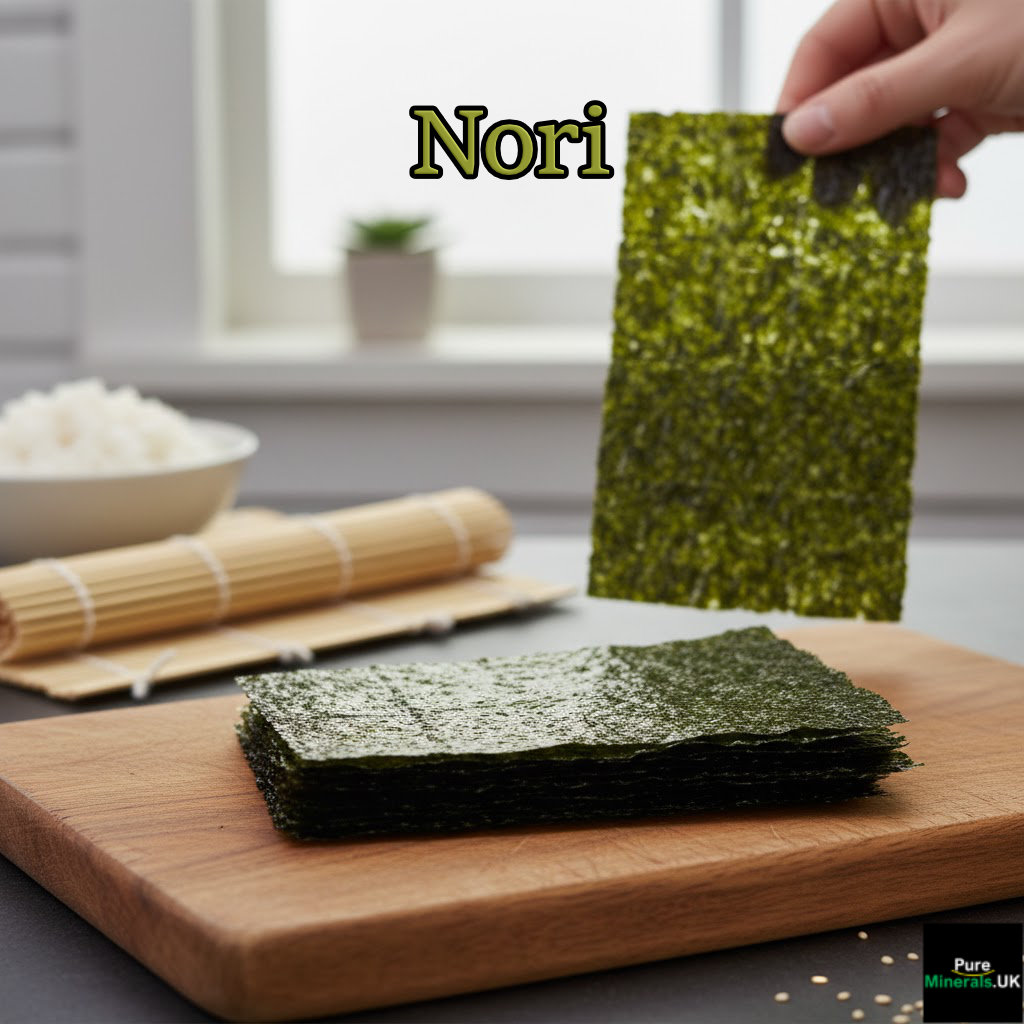
Nori, the dark, paper-thin sheets familiar from sushi rolls, stands out for its exceptional protein content (up to 47% by dry weight) and remarkable vitamin B12 levels. As one of the few plant sources of this essential vitamin, nori offers particular benefits for those following plant-based diets. Its mild, slightly sweet flavor makes it the most accessible entry point for those new to sea vegetables.
Beyond its B12 content, nori provides substantial amounts of iodine, iron, and vitamin C. The combination of these nutrients supports energy production, oxygen transport, and immune function. Nori’s thin structure allows for quick and easy incorporation into everyday meals without requiring rehydration or extensive preparation.
2. Kombu: The Umami-Boosting Mineral Powerhouse
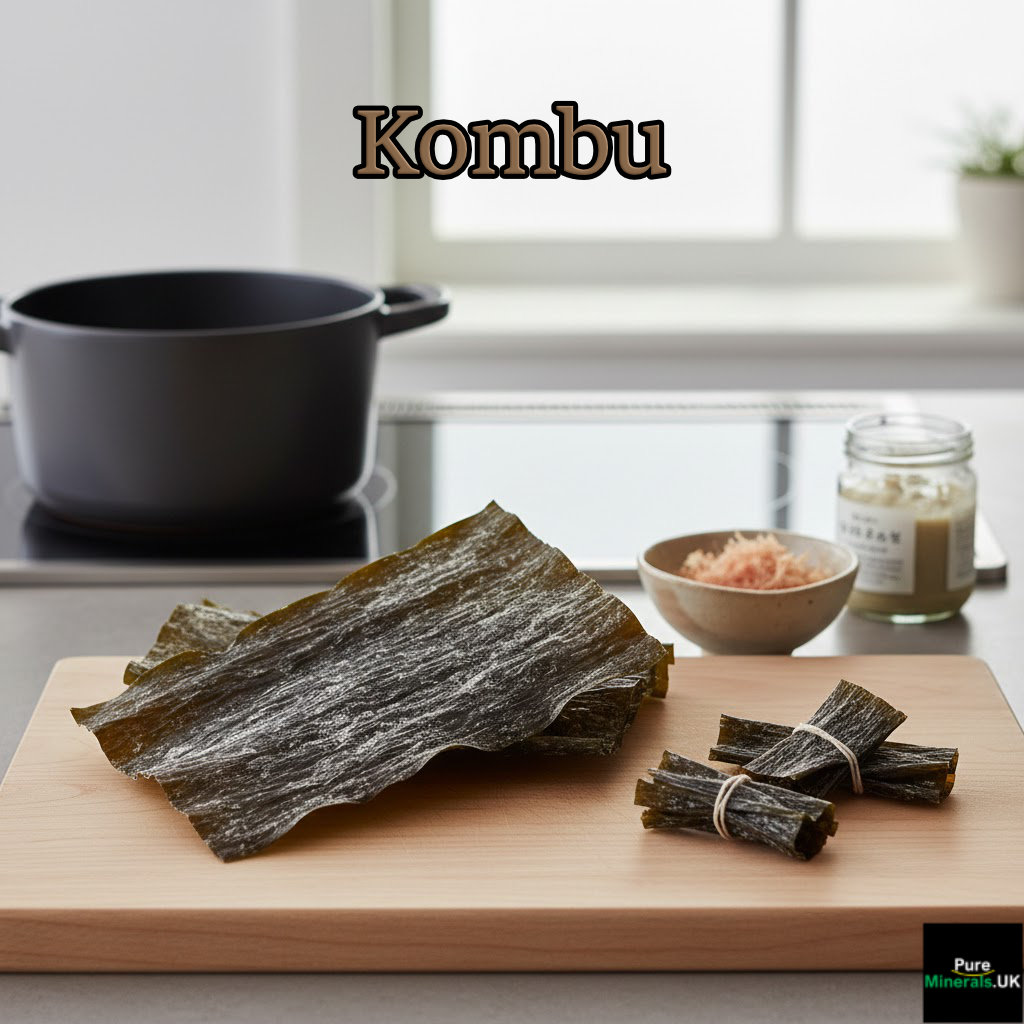
Kombu, a brown kelp variety central to Japanese cuisine, contains the highest concentration of iodine among common seaweeds. This thick, leathery sea vegetable is renowned for its glutamate content, which creates the distinctive umami flavor that enhances everything it touches. “Kombu in broths delivers glutamate richness that eliminates the need for MSG or extended simmering,” notes culinary expert Chef Yuuki.
Beyond flavor enhancement, kombu provides exceptional levels of calcium, iron, and magnesium. Its alginic acid content helps remove heavy metals from the body while supporting digestive health. Traditional Japanese cooking uses kombu extensively for both its flavor-enhancing properties and its ability to tenderize beans and other tough foods during cooking, similar to how sardines are valued for their nutritional benefits.
3. Wakame: The Thyroid-Supporting Sea Vegetable

Wakame, with its distinctive emerald green color and delicate texture, offers a balanced iodine content ideal for supporting thyroid health without risk of excess. This popular seaweed contains unique compounds called fucoxanthins, which research suggests may help boost metabolism and support weight management goals.
Rich in manganese, folate, and magnesium, wakame contributes to bone health, DNA synthesis, and muscle function. Its mild flavor and tender texture make it perfect for salads, soups, and side dishes. Wakame expands dramatically when rehydrated, providing satisfying volume with minimal calories – a boon for those mindful of weight management.
4. Dulse: The Iron-Rich “Bacon of the Sea”

Dulse, a reddish-purple seaweed harvested primarily in the North Atlantic, earned its nickname “bacon of the sea” from its surprisingly savory flavor when pan-fried. This versatile sea vegetable contains exceptional levels of iron – up to 50 times that of spinach by weight – making it valuable for those concerned about iron deficiency, much like sardines, which are also rich in iron.
Beyond iron, dulse delivers substantial potassium, which supports healthy blood pressure, and a rare lipid compound called eicosapentaenoic acid (EPA), more commonly found in fatty fish. Unlike most other seaweeds, dulse can be eaten directly in its dried form without rehydration, making it one of the most convenient varieties for snacking and meal enhancement.
5. Spirulina: The Protein-Packed Superfood

Technically, a blue-green algae rather than a true seaweed, spirulina earns its place on this list through its exceptional nutritional density. With protein content reaching up to 70% by dry weight and containing all essential amino acids, spirulina provides more complete protein than almost any other plant source. This nutrient powerhouse also contains significant amounts of beta-carotene, iron, and vitamin K.
Spirulina’s rich phycocyanin content gives it powerful antioxidant and anti-inflammatory properties. Studies suggest it may help reduce oxidative stress, support immune function, and potentially lower cholesterol levels. Available primarily in powder or tablet form, spirulina offers concentrated nutrition that can be easily added to smoothies, energy balls, or other functional foods.
How Seaweed Transforms Your Kitchen
The culinary applications of seaweed extend far beyond sushi and miso soup. These versatile sea vegetables can enhance everyday cooking in surprisingly accessible ways. By understanding how to harness seaweed’s flavor-enhancing properties, you can elevate your meals while dramatically boosting their nutritional value.
Beyond Sushi: Everyday Cooking Applications
“With its umami-rich flavor compounds and diverse textures, seaweed can make any dish more complex — from savory foods to desserts,” explains Chef Maria Rodriguez of Rooted Table culinary consultancy. This versatility makes seaweed an incredibly valuable ingredient for creative home cooks and professional chefs alike.
Finely chopped dulse adds mineral richness to breads and baked goods without overwhelming their flavor. Nori flakes can be sprinkled over popcorn, roasted vegetables, or pasta dishes for a nutritional boost. Wakame adds texture and nutrition to simple salads and grain bowls. By viewing seaweed as a flavor enhancer rather than a standalone ingredient, you can incorporate it seamlessly into familiar dishes.
Anti-Inflammatory Compounds in Seaweed
Chronic inflammation lies at the root of many modern health issues, from arthritis to heart disease. Seaweed contains unique anti-inflammatory compounds like fucoidan and fucoxanthin that help combat this hidden threat. These bioactive compounds work by inhibiting the production of inflammatory molecules and supporting the body’s natural inflammatory response pathways.
Detoxification Benefits from Alginates
One of the most remarkable properties of brown seaweeds like kelp and kombu is their alginate content. These natural polysaccharides have an exceptional ability to bind with heavy metals in the digestive tract, preventing their absorption and facilitating their removal from the body. Studies show that alginates can effectively bind to radioactive strontium, cadmium, and other environmental toxins, making seaweed a natural detoxifying food in our increasingly polluted world.
Potential Anti-Cancer Properties
Emerging research on seaweed’s bioactive compounds shows promising anti-cancer potential. Fucoidan, found primarily in brown seaweeds, has demonstrated the ability to induce apoptosis (programmed cell death) in cancer cells while leaving healthy cells untouched. The high antioxidant content in seaweed helps neutralize free radicals that can damage DNA and contribute to cancer development, similar to the antioxidants found in red bell peppers.
Population studies from seaweed-consuming regions like Japan show significantly lower rates of certain cancers, particularly hormone-dependent cancers like breast cancer. While correlation doesn’t prove causation, the biological mechanisms behind seaweed’s anti-cancer effects are increasingly well-documented in laboratory studies.
The iodine and selenium in seaweed may be particularly protective against thyroid cancer, while the fiber content supports colon health. Regular consumption of small amounts of varied seaweeds provides ongoing exposure to these protective compounds without requiring dramatic dietary changes.
“There’s a lot of interesting research going on into the potential health benefits of seaweed beyond its nutritional content. The unique bioactive compounds found in various seaweeds show promising effects against inflammation, oxidative damage, and even cancer cell proliferation.” – Dr. Prannie Rhatigan, medical doctor and seaweed expert
Sea Vegetables for Sustainable Living

Beyond their impressive nutritional profile, sea vegetables represent one of our planet’s most sustainable food sources. Unlike land crops that require freshwater, fertilizers, and arable land, seaweed grows naturally in ocean waters without any inputs. As we face increasing environmental challenges, incorporating more seaweed into our diets offers significant ecological advantages alongside the health benefits.
Environmental Benefits of Seaweed Cultivation
Seaweed cultivation stands as one of the most environmentally positive forms of food production on the planet. These remarkable plants grow rapidly without fertilizers, pesticides, freshwater, or land use. A single acre of seaweed can produce up to 10 times the protein yield of soy while simultaneously improving ocean health by absorbing excess carbon dioxide and nitrogen from surrounding waters.
- Cultivation improves water quality by removing excess nutrients that can cause harmful algal blooms
- Seaweed farms create habitat for marine life, increasing biodiversity in coastal areas
- No freshwater requirements mean zero competition with increasingly scarce drinking water
- Harvest requires minimal fossil fuel inputs compared to land-based agriculture
Seaweed’s environmental benefits extend beyond food production. Research shows that seaweed extracts can stimulate plant growth, enhance stress tolerance, and reduce the need for chemical fertilizers in land-based agriculture. This dual-purpose capability makes seaweed an increasingly important resource for sustainable food systems.
The ocean covers 71 percent of our planet’s surface, yet provides only about 2 percent of our food. Expanding sustainable seaweed cultivation represents one of our greatest opportunities to produce nutrient-dense food while simultaneously healing marine ecosystems.
Supporting Coastal Communities Through Seaweed Harvesting
Throughout history, seaweed harvesting has supported coastal communities from Ireland to Japan. Today, as traditional fishing becomes increasingly challenging due to depleted fish stocks, many coastal communities are returning to seaweed cultivation as an economically viable and environmentally responsible alternative. This revival of traditional knowledge, combined with modern cultivation techniques creates sustainable livelihoods while preserving cultural heritage.
- Seaweed cultivation provides year-round employment in coastal areas often dependent on seasonal tourism
- Low entry barriers make it accessible to small-scale producers without massive capital investment
- Value-added processing creates additional economic opportunities beyond harvesting
- Integration with traditional fishing creates resilient mixed livelihoods
- Knowledge preservation keeps traditional ecological wisdom alive for future generations
Companies like Ocean Harvest work directly with coastal harvesters to ensure fair compensation and sustainable harvesting practices. This direct relationship helps maintain traditional harvesting knowledge while bringing premium quality seaweed products to health-conscious consumers.
The economic multiplier effect of seaweed harvesting extends throughout coastal communities, supporting related businesses from processing facilities to culinary tourism. As consumer awareness of seaweed’s benefits grows, these economic opportunities will continue to expand.
By choosing sustainably harvested seaweed products, consumers participate in supporting both environmental health and coastal community resilience. This connection between personal health choices and broader ecological and social benefits exemplifies the holistic approach needed for truly sustainable food systems.
Make Seaweed Your Daily Mineral Supplement
Incorporating seaweed into your daily diet doesn’t require dramatic changes or exotic cooking skills. Start with small amounts added to familiar foods – sprinkle dulse flakes on eggs or salads, add a strip of kombu to beans while cooking, or wrap your sandwich fillings in a sheet of nori instead of bread. These simple additions can significantly boost your mineral intake without overwhelming your palate or requiring special preparation techniques.
The key to successful seaweed incorporation is consistency rather than quantity. Even a teaspoon of seaweed flakes daily provides meaningful mineral benefits over time. As your taste for these sea vegetables develops, you can gradually increase quantities and experiment with different varieties to maximize the nutritional diversity you receive. Remember that seaweed’s mineral content makes it naturally salty, so you may need to reduce added salt in recipes accordingly.
Important Note: Seaweed (Nori, Wakame, Kelp)
Seaweed can be very high in iodine. Excessive intake may affect thyroid function. Regular consumption should be moderated unless advised otherwise by a healthcare professional.
Or, you may prefer a seaweed supplement:

Frequently Asked Questions
As seaweed becomes more popular in Western diets, many consumers have questions about its proper use, potential concerns, and best practices. Here are evidence-based answers to the most common questions about incorporating sea vegetables into your diet.
Can eating seaweed help with iodine deficiency?
Yes, seaweed is the most concentrated natural source of iodine available, making it exceptionally effective for addressing iodine deficiency. Just one gram of many seaweed varieties provides 100-300% of the recommended daily intake of iodine. This natural form of iodine comes packaged with complementary minerals like selenium that support proper thyroid function. For those with mild to moderate iodine deficiency, regular consumption of small amounts of varied seaweeds can normalize iodine levels more effectively than many supplements.
Seaweed Type | Iodine Content (μg per gram, dry weight) | % of RDI per gram |
|---|---|---|
Kombu/Kelp | 1,500-2,500 | 1,000-1,667% |
Wakame | 30-80 | 20-53% |
Nori | 15-30 | 10-20% |
Dulse | 50-100 | 33-67% |
If you suspect you have severe iodine deficiency or thyroid issues, consult with a healthcare provider before self-supplementing with high-iodine seaweeds like kelp. For most people, rotating between different seaweed varieties provides balanced iodine intake without risk of excess.
Those living in inland areas far from coastal regions are more likely to benefit from seaweed’s iodine content, as these populations typically have higher rates of deficiency. The combination of iodized salt reduction in many processed foods and increased consumption of sea salt (which lacks added iodine) has led to resurgent iodine deficiency in many developed nations.
Pregnant and breastfeeding women have particularly high iodine requirements and may benefit from regular, moderate seaweed consumption, though they should consult their healthcare provider about appropriate varieties and amounts.
Is there a risk of consuming too much seaweed?
The primary concern with excessive seaweed consumption is iodine overconsumption, which can potentially disrupt thyroid function. This risk varies dramatically between seaweed types – kombu and kelp contain very high levels of iodine and should be consumed in smaller amounts, while nori and dulse have moderate levels that pose minimal risk of overconsumption for most people. For healthy individuals without pre-existing thyroid conditions, the general recommendation is to consume a variety of seaweeds in moderate amounts rather than large quantities of a single type.
Some seaweeds may contain heavy metals absorbed from their growing environment. This concern is minimized by choosing products from reputable companies that test for contaminants and harvest from clean waters. Ocean Harvest, for example, conducts regular testing to ensure their sea vegetables meet strict safety standards for heavy metals and other potential contaminants.
For most people, the benefits of moderate seaweed consumption far outweigh potential risks. A reasonable approach is to include small amounts (1-2 grams dry weight) of varied seaweeds in your diet several times weekly, rather than large amounts daily. This provides substantial nutritional benefits while avoiding concerns about excess iodine or potential contaminants.
How should I store dried seaweed products?
To maintain optimal flavor and nutritional value, store dried seaweed products in airtight containers away from direct sunlight, moisture, and heat. Most dried seaweeds will maintain their quality for 1-2 years when properly stored. Once opened, consider adding a food-grade desiccant packet to the storage container to prevent moisture absorption, which can lead to spoilage or mold growth. Refrigeration can extend shelf life in humid climates, though it’s generally unnecessary in most household environments if the seaweed is kept dry and sealed. For more information on preserving the nutritional value of foods, you might find this article on quinoa storage tips useful.
Can I harvest my own seaweed from local beaches?
Harvesting your own seaweed requires careful consideration of several factors. First, ensure you can confidently identify edible species, as some seaweeds are not suitable for consumption. Second, harvest only from clean waters away from industrial outflows, marinas, or sewage discharge points. Many coastal areas have regulations governing seaweed harvesting, so check local laws before collecting.
The safest approach for most consumers is purchasing seaweed from reputable companies that test their products for contaminants and harvest from clean waters. If you do harvest your own, thoroughly rinse the seaweed in clean water and consider having it tested if you have any concerns about the water quality in your collection area. Wild harvesting should always follow sustainable practices, taking only what you need and cutting rather than pulling seaweed to allow regeneration.
Are there any medications that interact with seaweed consumption?
The high iodine content in some seaweeds may interact with certain thyroid medications. If you take medication for hypothyroidism or hyperthyroidism, consult your healthcare provider before adding seaweed to your diet, as it may necessitate adjustments to your medication dosage. This is particularly important with high-iodine varieties like kelp and kombu.
Seaweed’s vitamin K content may potentially affect blood-thinning medications like warfarin (Coumadin). While the amount in typical culinary portions is unlikely to cause significant interactions, those on blood thinners should maintain consistent seaweed intake rather than dramatically increasing or decreasing consumption, as vitamin K intake consistency matters more than absolute avoidance.
Some seaweeds have natural blood-thinning properties and may enhance the effects of anticoagulant and antiplatelet medications. If you’re on these medications or planning surgery, discuss seaweed consumption with your healthcare provider. As with any dietary change while on medication, a gradual approach with medical supervision ensures the safest integration of these beneficial sea vegetables into your wellness routine.