

Published: 2 May 2026
This article is periodically reviewed and updated to reflect current scientific understanding by Vic George.
Fact-Checked: 1 other authoritative medical/scientific reference. See our Editorial Policy.
What Are Pili Nuts and Why Are They Valued?
Pili nuts are edible seeds from the pili tree (Canarium ovatum), native to the Philippines. They are valued for their high fat content, soft texture, and rich, buttery flavour.
Definition
Pili nuts are the seeds of the pili tree (Canarium ovatum), enclosed within a hard shell inside a fibrous fruit, and consumed after processing.
Extended Definition
The pili tree (Canarium ovatum) is a tropical species cultivated primarily in the Philippines, where it plays an important role in local agriculture and cuisine. The Bicol region of the Philippines (Albay, Sorsogon, and Camarines Sur) accounts for roughly 80% of pili nut production. The fruit consists of a fleshy outer layer surrounding a hard shell that contains the edible kernel.
Pili nuts are nutritionally dense, with a macronutrient profile dominated by fats, particularly monounsaturated and saturated fatty acids, along with moderate protein and low carbohydrate content. They also provide minerals such as magnesium, phosphorus, and potassium, as well as vitamin E in modest amounts.
A notable characteristic of pili nuts is their soft, almost creamy texture when fresh, which distinguishes them from many other nuts. When roasted, they develop a richer flavour and firmer texture.
Culinarily, pili nuts are used in a variety of applications, including snacks, confectionery, baked goods, and savoury dishes. They are also processed into oil and incorporated into specialty food products. Their delicate texture and flavour make them a premium ingredient in regional cuisine.
Article-At-A-Glance
- Pili nuts contain nearly 23 grams of fat per one-ounce serving, making them among the highest-fat nuts and a standout choice for keto and high-fat diets.
- These tropical tree nuts are native to the Philippines and Southeast Asia, and have been eaten for hundreds of years in Asian cuisines — though they’ve only recently gained global attention.
- Pili nuts are rich in manganese, magnesium, thiamine, and phosphorus, delivering a concentrated dose of essential micronutrients in every small serving.
- The monounsaturated fat profile of pili nuts is associated with measurable heart health benefits, including improved cholesterol ratios when substituted for other dietary fats.
- Keep reading to discover exactly how pili nuts stack up nutritionally against other popular nuts — the comparison might surprise you.
Pili Nuts Pack More Fat Than Almost Any Other Nut
Most nuts are healthy, but pili nuts are in a category of their own when it comes to fat content and micronutrient density.
Despite being one of the least recognized nuts in Western health circles, pili nuts have been a staple in Filipino and Southeast Asian cuisine for centuries. Today, they’re gaining serious traction in the wellness world — particularly among people following ketogenic and low-carb diets. Nutrition experts and health researchers have increasingly spotlighted these buttery tree nuts as one of the most nutrient-dense snacks you can eat, and for good reason.
The numbers speak for themselves. A single one-ounce serving delivers close to 23 grams of fat, a robust mineral profile, and almost no carbohydrates — a combination that’s hard to find in any other whole food snack.
What Are Pili Nuts?
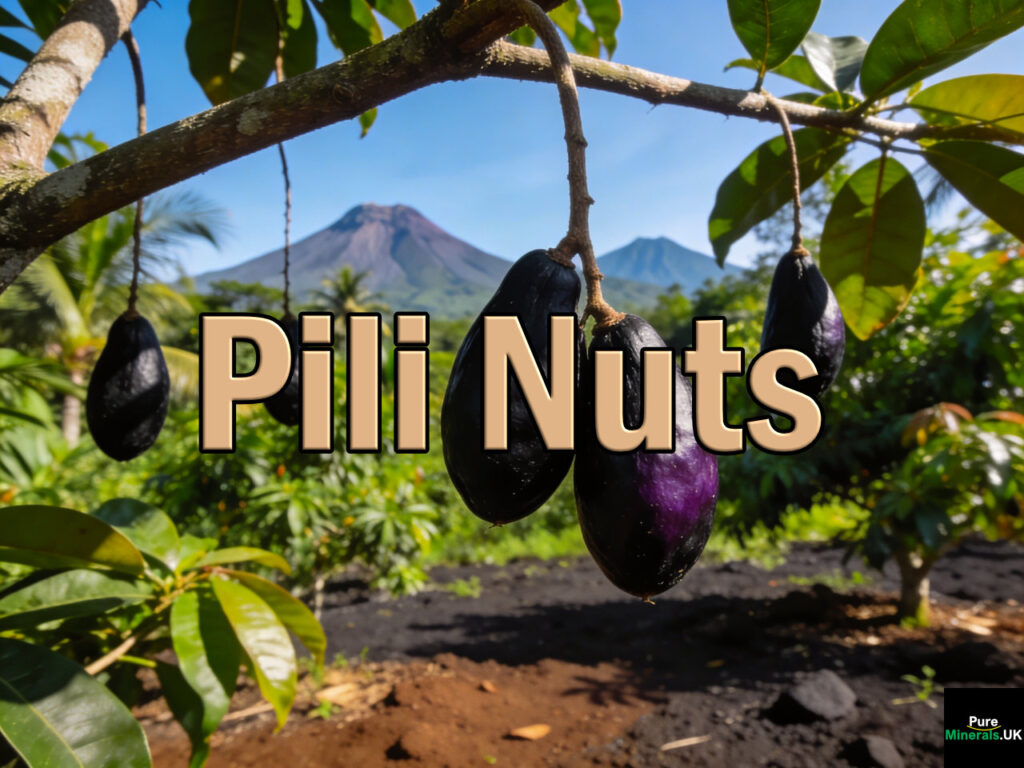
Pili nuts are the edible seeds of Canarium ovatum, a tropical evergreen tree that belongs to the Burseraceae family, commonly known as the torchwood family. The nut itself is encased inside a dark purple, olive-shaped fruit with smooth, shiny skin.
The Canarium Ovatum Tree
The Canarium ovatum tree is a towering plant, often reaching 60 to 70 feet in height at full maturity. It thrives in warm, humid climates and is well-adapted to volcanic, well-draining soils. The tree produces clusters of dark purple fruit year-round under optimal conditions, with each fruit housing the hard-shelled nut inside.
Native Range and Cultivation
Pili nuts are primarily cultivated in the Philippines, where they are considered a national treasure and a key agricultural product, especially in the Bicol region. They also grow across parts of Papua New Guinea, Indonesia, and other areas of Southeast Asia and the Pacific Islands. The Philippines remains the dominant commercial producer and exporter of pili nuts globally.
How Pili Nuts Differ From Other Tree Nuts
Like cashews, almonds, and walnuts, pili nuts are classified as tree nuts. But several characteristics set them apart from the nuts you’d typically find at a grocery store.
Their fat content is exceptionally high — even surpassing macadamia nuts in total fat per serving. Their carbohydrate count is remarkably low, and their flavor is distinctly rich and buttery rather than the mild or earthy profile most tree nuts carry. Beyond taste and macros, pili nuts also have a broader culinary range. Other parts of the pili tree are edible too — the young shoots are added to salads, and the pulp of the fruit can be boiled and seasoned as a side dish.
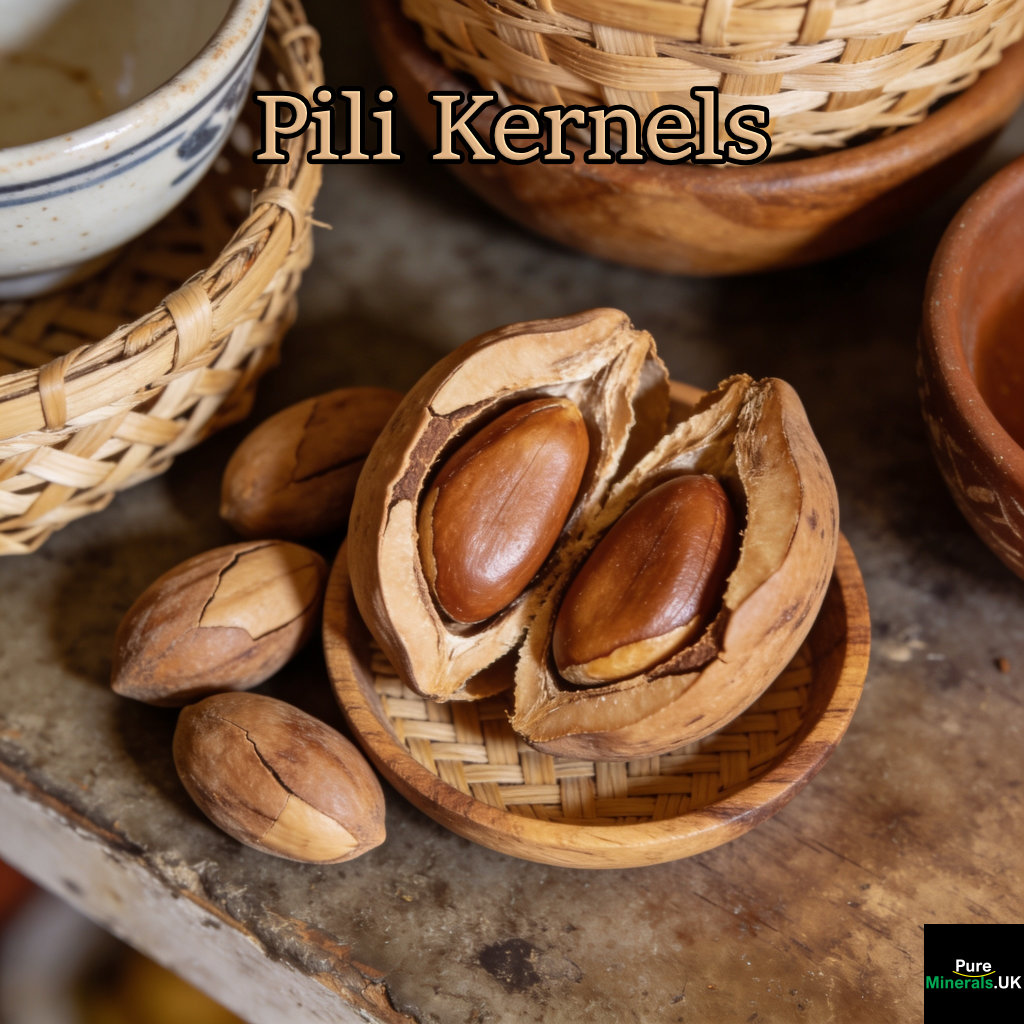
- Shell: Pili nuts have a very hard outer shell that must be cracked before the kernel can be accessed.
- Kernel texture: Smooth and soft with a naturally creamy consistency, similar to a pine nut but richer.
- Fat type: Predominantly monounsaturated fats, which aligns them closely with avocados and olive oil in terms of fat quality.
- Carb content: One of the lowest carbohydrate counts of any nut, making them exceptionally keto-compatible.
- Flavor: Buttery, mild, and slightly reminiscent of sunflower seeds — but far more indulgent.
Pili Nuts Nutritional Profile
The nutritional profile of pili nuts is what separates them from most other snack foods. Each one-ounce serving is calorie-dense and fat-forward, with a mineral lineup that covers several daily nutritional needs in a single small handful.
Macronutrients Per One-Ounce Serving
Here’s a detailed breakdown of what you get in a standard one-ounce (28g) serving of raw pili nuts, based on USDA nutrient data:
Nutrient | Amount Per 1 oz (28g) |
|---|---|
Calories | 204 |
Total Fat | 22.6g |
Monounsaturated Fat | ~11.5g |
Saturated Fat | ~8.5g |
Polyunsaturated Fat | ~2g |
Protein | 3g |
Total Carbohydrates | 1.1g |
Dietary Fiber | 0.9g |
Net Carbs | ~0.2g |
That net carbohydrate count of roughly 0.2 grams per serving is almost unparalleled in the nut world. For context, a one-ounce serving of cashews contains around 8 grams of net carbs — making pili nuts roughly 40 times lower in net carbs per serving.
Key Vitamins and Minerals in Pili Nuts
Beyond the macros, pili nuts deliver a meaningful dose of several important micronutrients. A single one-ounce serving provides a significant amount of manganese, which supports antioxidant activity and bone development. You’ll also get a solid hit of magnesium, which plays a role in over 300 enzymatic reactions in the body, along with thiamine (Vitamin B1) for energy metabolism, phosphorus for bone and cell health, and smaller amounts of potassium, calcium, and folate.
Why Pili Nuts Are a Standout Keto Nut
The near-zero net carb count combined with an exceptionally high fat content makes pili nuts one of the most keto-compatible whole foods in existence. Many people following a ketogenic diet use pili nuts as a quick and convenient way to boost daily fat intake without adding any meaningful carbohydrates to their macro count. Unlike many processed keto snacks, pili nuts deliver their fat content alongside real micronutrients — making them a genuinely functional food, not just a fat source.
Health Benefits of Pili Nuts
Pili nuts aren’t just a smart snack choice for keto dieters — their nutritional makeup supports several key areas of long-term health. The combination of heart-healthy fats, antioxidant-rich minerals, and bone-supporting nutrients makes them a genuinely therapeutic food when eaten as part of a balanced diet.
Heart Health: The Role of Monounsaturated Fats
Pili nuts are loaded with monounsaturated fatty acids (MUFAs), the same class of heart-healthy fat found in olive oil and macadamia nuts. Research published in the American Journal of Clinical Nutrition shows that substituting monounsaturated fats for saturated fats in the diet can meaningfully improve cholesterol ratios — specifically by lowering LDL (bad) cholesterol while preserving or raising HDL (good) cholesterol. With roughly 11.5 grams of MUFAs per one-ounce serving, pili nuts are a practical, food-first strategy for supporting cardiovascular health.
Antioxidant Content and Disease Prevention
Pili nuts are particularly rich in manganese, a trace mineral that functions as a direct component of the antioxidant enzyme superoxide dismutase (SOD). This enzyme is one of the body’s primary defenses against oxidative stress — the cellular damage that drives aging and chronic disease. Getting adequate manganese through whole food sources like pili nuts supports this defense system at a foundational level.
A study conducted in the Philippines examined the antioxidant activity of a pili pomace drink and found measurable antioxidant properties linked to the nut’s manganese content. While more large-scale clinical research is needed, the existing evidence strongly supports pili nuts as a meaningful dietary source of antioxidant compounds that help protect cells from free radical damage over time.
Bone Strength and Manganese
Manganese does more than fight oxidative stress — it plays a direct structural role in bone formation. It’s involved in the synthesis of connective tissue and the activation of enzymes needed for building bone matrix. Given that a single serving of pili nuts packs a significant portion of the recommended daily intake of manganese alongside phosphorus (another bone-critical mineral), they’re one of the more underrated foods for long-term skeletal health.
Weight Management in a High-Fat Diet
It might seem counterintuitive to recommend a 200-calorie-per-ounce nut for weight management, but the fat and fiber content in pili nuts actually works in your favor here. Dietary fat triggers the release of satiety hormones, slowing gastric emptying and keeping hunger at bay for longer than carbohydrate-heavy snacks do.
The near-zero carbohydrate content also means pili nuts won’t trigger blood sugar spikes or the hunger rebound that follows. This makes them a genuinely filling snack that curbs cravings without sending your blood sugar on a rollercoaster — a meaningful advantage for anyone managing weight through appetite control.
Taste, Texture, and Culinary Characteristics
One of the most underappreciated things about pili nuts is just how good they taste. Unlike some “healthy” foods that require getting used to, pili nuts are immediately pleasant — rich, smooth, and deeply satisfying in a way that more mainstream nuts simply aren’t.
Flavor Profile: Buttery, Rich, and Mild
The flavor of a raw pili nut is often described as a cross between a pine nut and a macadamia — buttery and mild with a subtle nuttiness that isn’t sharp or overpowering. There’s a natural creaminess to the texture that comes from the high fat content, making each nut feel almost indulgent rather than snack-like. If you’re curious about similar nuts, you might want to explore the unique taste of pecan nuts.
That richness also means pili nuts pair exceptionally well with both sweet and savory ingredients. They absorb flavors from seasonings, chocolate, and spices without losing their own character, which is exactly why they’ve been used in Filipino confections and savory dishes for generations.
Flavor Comparison: Pili Nuts vs. Common Tree Nuts
Pili Nuts: Buttery, creamy, mild — richest fat content of any tree nut
Macadamia Nuts: Buttery and sweet — very similar profile but slightly firmer
Pine Nuts: Mild and slightly resinous — closest in texture to pili nuts
Almonds: Earthy and slightly bitter — much lower fat content
Cashews: Mild and starchy — significantly higher in carbohydrates
Walnuts: Bold and slightly tannic — rich in omega-3s but more assertive in flavor
Raw vs. Roasted: How Preparation Changes the Nut
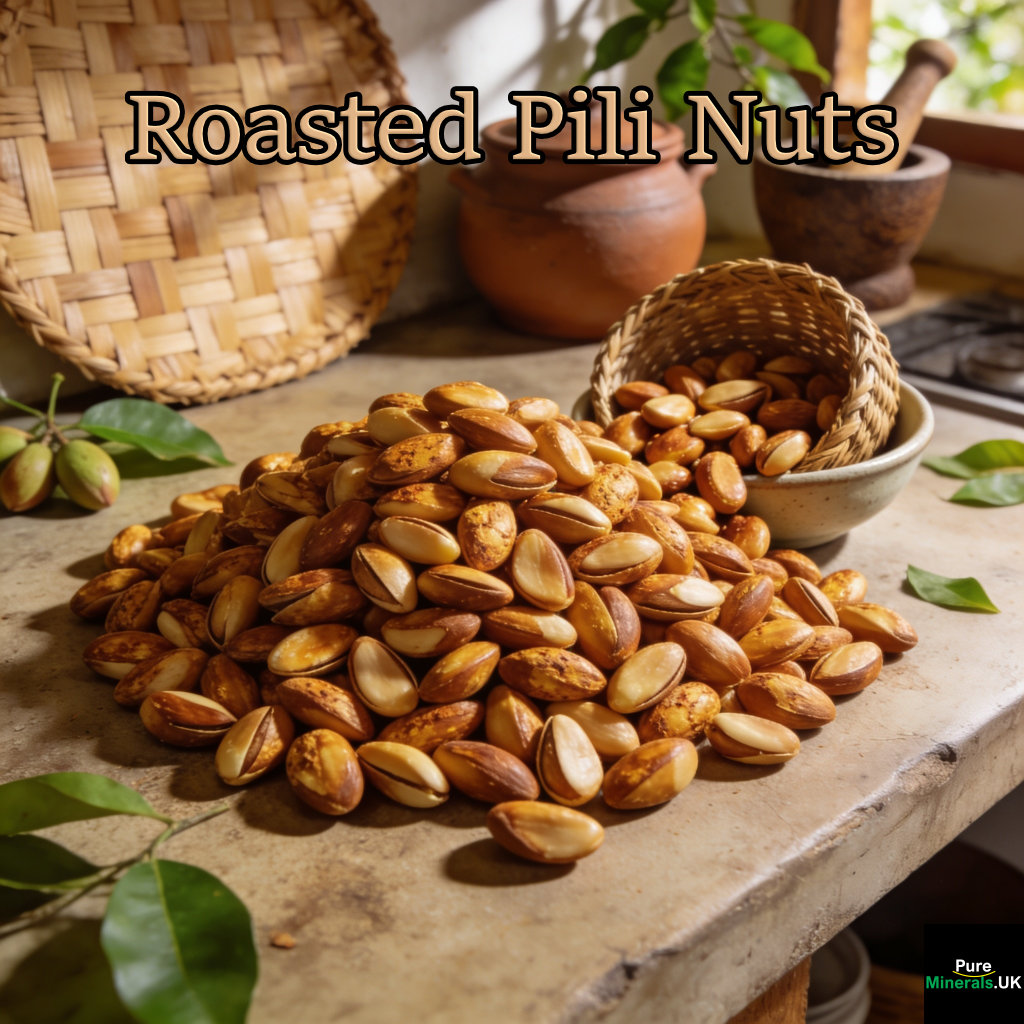
Raw pili nuts have a softer, almost waxy texture and a clean, neutral butteriness. Roasting them deepens the flavor considerably — introducing a toasty, nutty complexity while firming up the texture into a satisfying crunch. Light roasting with sea salt is one of the most popular preparations, and it’s the format most commonly found in packaged pili nut products. Roasting at lower temperatures helps preserve the delicate monounsaturated fats and prevents the oxidation that can occur when high-fat nuts are exposed to excessive heat.
How to Use Pili Nuts in Cooking
Pili nuts are remarkably versatile in the kitchen. Their neutral-yet-rich flavor means they integrate smoothly into nearly any recipe — from morning smoothie bowls to savory entrées to indulgent keto desserts. You don’t need to drastically change how you cook to start incorporating them; most of the time, they simply replace whatever nut or seed you’d normally reach for.
Savory Applications: Salads, Snacks, and Side Dishes
In savory cooking, pili nuts work beautifully as a topping for salads and grain bowls, adding fat, crunch, and a mild buttery richness that complements bitter greens and acidic dressings particularly well. They can also be seasoned and eaten as a standalone snack — common preparations include chili lime, garlic herb, and smoked sea salt. In traditional Filipino cooking, young pili shoots are added to fresh salads, and the boiled fruit pulp is served as a seasoned side dish alongside main courses.
Sweet Applications: Desserts, Chocolates, and Mooncakes
Pili nuts have a long history in Filipino sweet confections, where they’re coated in sugar, caramelized, or folded into chocolate and candy. They’re a traditional filling in Filipino mooncakes and appear in local ice cream flavors, brittles, and pastries. Their creamy texture makes them a natural fit for a chocolate pairing — the fat in the nut harmonizes with cacao in a way that feels deliberately crafted rather than incidental. For keto bakers, unsweetened pili nuts folded into dark chocolate bark or blended into fat bomb recipes deliver an indulgent result without the carbohydrate load of traditional dessert ingredients.
Pili Nut Butter as a Spread Alternative
Pili nut butter is one of the most underrated uses of this ingredient. Blend raw or lightly roasted pili nuts in a high-speed food processor until smooth — the naturally high fat content means they break down into a silky, spreadable butter faster than almost any other nut. The result is richer and creamier than almond butter and far lower in carbohydrates than peanut butter, making it a direct upgrade for anyone watching their carb intake. Use it anywhere you’d use a conventional nut butter: spread on celery sticks, swirled into smoothies, or dolloped onto low-carb pancakes.
Keto-Friendly Recipes: Fat Bombs and Energy Bites
Fat bombs are a staple of the ketogenic diet — small, high-fat snacks designed to boost fat intake quickly without adding carbohydrates. Pili nuts are one of the best whole-food bases for fat bombs precisely because they require very little transformation to work. Their natural fat content, mild flavor, and soft texture make them ideal for binding with ingredients like coconut oil, cacao butter, and dark chocolate.
For a simple pili nut fat bomb, combine whole roasted pili nuts with melted coconut oil, a tablespoon of cacao powder, and a pinch of sea salt. Pour into silicone molds and freeze for 30 minutes. Each piece delivers a concentrated hit of healthy fat with virtually zero net carbs — and a flavor profile that genuinely feels like a treat rather than a health obligation.
Energy bites follow the same logic but with a chewier texture. Roughly chop pili nuts and mix with unsweetened shredded coconut, a scoop of nut butter, chia seeds, and a small amount of raw honey or monk fruit sweetener if needed. Roll into balls and refrigerate. The pili nuts add structural richness and fat density that keep the bites satisfying for hours.
Quick Keto Pili Nut Fat Bomb Recipe
Ingredients:
• 1 cup roasted pili nuts
• 3 tbsp melted coconut oil
• 2 tbsp cacao powder (unsweetened)
• 1 tbsp cacao butter
• Pinch of sea salt
• Optional: 5–10 drops liquid steviaMethod:
1. Melt coconut oil and cacao butter together.
2. Stir in cacao powder and sea salt until smooth.
3. Place pili nuts into silicone molds.
4. Pour chocolate mixture over nuts and freeze for 30 minutes.
5. Pop out and store in the freezer for up to two weeks.Macros per piece (approx. 12 pieces): 145 cal • 15g fat • 0.4g net carbs • 1.5g protein
Beyond fat bombs and energy bites, pili nuts work just as well sprinkled over full-fat Greek yogurt, blended into keto smoothies with avocado and coconut milk, or mixed into homemade trail mix alongside unsweetened coconut flakes and dark chocolate chips. The versatility is genuinely one of their strongest selling points, similar to macadamia nuts.
Where to Buy Pili Nuts
Pili nuts are more accessible than they used to be, though they’re still not stocked in every mainstream grocery store. Your best options for finding them include specialty health food stores like Whole Foods Market, natural food co-ops, and Asian grocery stores, particularly those carrying Filipino food products. Online retailers are often the most reliable source — both Amazon and brand-specific websites carry a wide range of pili nut products, including raw kernels, roasted and seasoned varieties, pili nut butter, and keto snack packs.
When buying, look for products with minimal ingredients — ideally just pili nuts and sea salt for roasted varieties — and avoid anything with added sugars, vegetable oils, or artificial flavorings that would undercut the nutritional quality of the nut itself.
Pili Nuts Are One of the Most Nutrient-Dense Snacks You Can Eat
If you’re looking for a whole-food snack that genuinely delivers on both nutrition and flavor, pili nuts belong at the top of your list. With an exceptional fat profile dominated by heart-healthy monounsaturated fats, a near-zero net carb count, meaningful levels of manganese, magnesium, thiamine, and phosphorus, and a naturally rich flavor that requires zero enhancement to enjoy, pili nuts aren’t just another trendy health food.
They’re one of the most functional, nutrient-dense snacks available, and they’ve earned every bit of the growing attention they’re receiving in the global wellness community. Start with a one-ounce serving, find the preparation you enjoy most, and let this centuries-old Filipino staple earn its place in your everyday diet.
Important note: Pili Nuts
Pili nuts are generally safe for consumption but may cause allergic reactions in individuals with tree nut sensitivities. The shells are extremely hard and require proper tools to open safely. As with other nuts, they are energy-dense and should be consumed in moderation. This information is provided for educational purposes and is not intended as medical advice.
Frequently Asked Questions
Here are answers to the most common questions people ask about pili nuts, their safety, serving size, and how they compare to other popular nuts.
Are Pili Nuts Safe for People With Nut Allergies?
Pili nuts are classified as tree nuts, which means they share the same allergen category as almonds, cashews, walnuts, and macadamia nuts. Anyone with a diagnosed tree nut allergy should avoid pili nuts entirely, as cross-reactivity is possible and allergic reactions can be serious, ranging from gastrointestinal symptoms like nausea, diarrhea, and stomach cramping to more severe systemic responses, including swelling and anaphylaxis in sensitive individuals.
If you have a tree nut allergy but have never specifically reacted to pili nuts before, that doesn’t mean they’re safe for you. Always consult a healthcare provider or allergist before introducing any new tree nut into your diet, especially one you haven’t previously eaten.
How Many Pili Nuts Should You Eat Per Day?
A standard serving of pili nuts is one ounce, or roughly 28 grams, which translates to about 10 to 15 nuts depending on their size. This serving delivers around 204 calories and close to 23 grams of fat, which is satisfying and nutritionally substantial without being excessive. For most people, one to two servings per day fits comfortably into a balanced diet. Because of their caloric density, portion awareness is worthwhile, particularly if you’re not following a high-fat dietary protocol like keto, where the additional fat intake is intentional and accounted for.
Are Pili Nuts Suitable for a Vegan Diet?
Yes, pili nuts are entirely plant-based and naturally vegan. They contain no animal-derived ingredients in their raw or roasted forms, making them compatible with vegan, vegetarian, and whole-food plant-based diets without any modification.
The one caveat is flavored or packaged pili nut products, which occasionally use dairy-derived coatings like milk chocolate or butter flavorings. Always check the ingredient label on processed pili nut snack products if you’re strictly vegan to confirm no animal byproducts have been added during preparation or flavoring.
How Do Pili Nuts Compare Nutritionally to Macadamia Nuts?
Pili nuts and macadamia nuts are the two highest-fat nuts available, and they’re often compared directly for this reason. Macadamia nuts contain roughly 21 grams of fat per one-ounce serving compared to pili nuts’ approximately 22.6 grams — so pili nuts edge ahead on total fat content. Where pili nuts more clearly distinguish themselves is in net carbohydrates: macadamia nuts contain around 1.5 grams of net carbs per serving, while pili nuts come in at roughly 0.2 grams — making pili nuts meaningfully lower in carbs for those tracking macros carefully.
Micronutrient-wise, pili nuts offer a stronger manganese and phosphorus profile, while macadamia nuts provide slightly more thiamine per serving. Both are excellent choices for high-fat dietary patterns, but pili nuts hold the edge for strict keto adherence and for those prioritizing manganese and phosphorus intake from whole food sources.
Can You Eat the Pili Fruit, Not Just the Nut?
- The fruit pulp surrounding the pili nut is edible and is traditionally boiled and seasoned as a side dish in Filipino cooking.
- Young pili shoots from the tree are also consumed fresh, typically added to salads in regional Filipino cuisine.
- Pili nut oil, pressed from the kernel, is used both as a cooking oil and in cosmetic and skincare applications due to its high oleic acid content.
- The pili pomace — the byproduct left after pressing oil from the nut — has been studied in the Philippines for its antioxidant properties and has been developed into functional beverages.
So while the nut kernel is the most commercially valuable and nutritionally studied part of the pili tree, it’s far from the only edible component. The entire tree is genuinely useful — an important reason why Canarium ovatum has been cultivated and valued in the Philippines for generations beyond just its kernel.
For anyone looking to explore pili nuts beyond snacking, seeking out cold-pressed pili nut oil is a worthwhile next step. It has a mild, neutral flavor profile and a high smoke point relative to many other nut oils, making it a functional cooking fat as well as a nutrient-dense finishing oil for salads and dressings.
Whether you’re eating the roasted nut as a snack, spreading pili nut butter on your morning toast, or cooking with cold-pressed pili oil, you’re tapping into one of the most nutritionally complete and historically rich food traditions in Southeast Asian cuisine — one that the rest of the world is only just beginning to fully appreciate.
Pili nuts are not only delicious but also packed with essential nutrients. They are rich in healthy fats, protein, and various vitamins and minerals, making them a great addition to a balanced diet. Similar to cashew nuts, pili nuts offer a unique flavor and texture that can enhance a variety of dishes. Whether eaten raw, roasted, or incorporated into recipes, pili nuts provide a satisfying crunch and a host of health benefits.