

Published: 5 May 2026
This article is periodically reviewed and updated to reflect current scientific understanding by Vic George.
Fact-Checked: 2 other authoritative medical/scientific references. See our Editorial Policy.
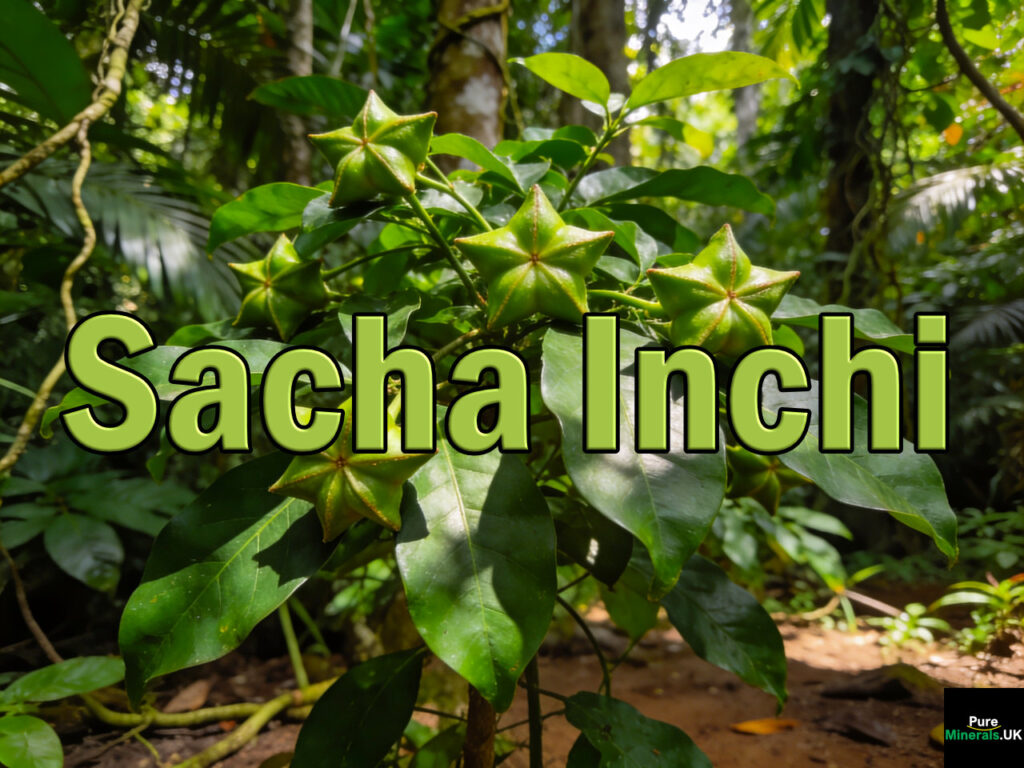
What Is Sacha Inchi and Why Is It Valued?
Sacha Inchi, also known as the Inca nut, is the seed of the tropical plant Plukenetia volubilis. It is valued for its high oil content and distinctive fatty acid profile, particularly its omega-3 content.
Definition
Sacha Inchi is the seed of Plukenetia volubilis, a climbing plant native to the Amazon region, producing star-shaped pods containing oil-rich seeds.
Extended Definition
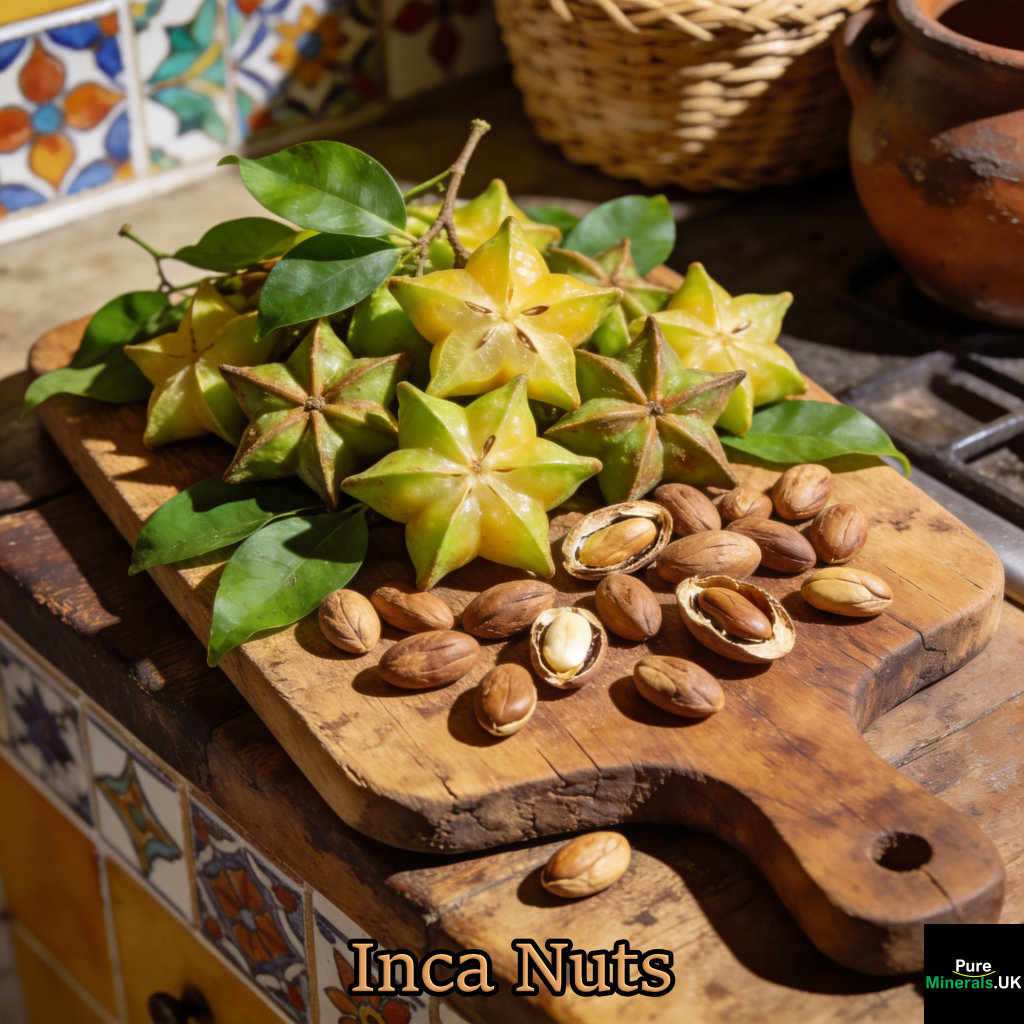
Plukenetia volubilis is a perennial plant native to the Amazon rainforest, where its seeds have been traditionally consumed for centuries. The plant produces distinctive star-shaped pods, each containing several seeds that are rich in oil.
Nutritionally, Sacha Inchi seeds are notable for their high fat content, particularly polyunsaturated fatty acids, including alpha-linolenic acid (ALA), an omega-3 fatty acid, and linoleic acid (omega-6). They also provide moderate amounts of protein and small quantities of carbohydrates.
In addition to fatty acids, Sacha Inchi seeds contain vitamin E and various phenolic compounds, contributing to their stability and nutritional profile. Due to their composition, they are commonly processed into oil or consumed as roasted seeds.
Raw Sacha Inchi seeds are not typically eaten, as they contain naturally occurring compounds that can cause digestive discomfort. Roasting improves both safety and flavour, resulting in a mild, nutty taste. The seeds are also used in snack products, protein powders, and oil-based preparations.
Key Facts
- Botanical Name: Plukenetia volubilis
- Plant Type: Tropical climbing plant (seed)
- Edible Part: Seed (kernel inside the pod)
- Macronutrient Profile: High fat, moderate protein, low carbohydrates
- Notable Micronutrients: Vitamin E
- Natural Compounds: Omega-3 (ALA), omega-6 fatty acids, phenolics
- Typical Preparation: Roasted or pressed into oil
- Common Uses: Snacks, oils, protein products
- Taste Profile: Mild, nutty, slightly earthy
- Culinary Status: Traditional and emerging functional food
Article At A Glance
- Sacha inchi seeds pack 3 grams of protein, 5 grams of healthy fat, and 1 gram of fiber in just a 10-gram serving — making them one of the most nutrient-dense plant foods available.
- The omega-3, omega-6, and omega-9 fatty acid profile in sacha inchi oil rivals that of many popular plant-based oils, with direct benefits for heart and cholesterol health.
- A small study of 30 participants found that taking 10–15 mL of sacha inchi seed oil daily for 4 months improved blood pressure, total cholesterol, LDL, and HDL levels compared to a control group.
- Raw sacha inchi seeds contain antinutrients and alkaloids that can be harmful — roasting significantly reduces these compounds and makes the seeds safe to eat.
- Beyond snacking, sacha inchi comes in several forms, including cold-pressed oil, protein powder, and even leaf tea — each with its own unique health application.
Sacha Inchi Is More Than Just a Trendy Superfood
Most superfoods fade after their moment in the spotlight, but sacha inchi has been quietly earning its reputation for centuries before the wellness world ever caught on.
Native to the Amazon rainforest regions of South America, this small star-shaped seed has been a dietary staple in indigenous Peruvian communities for hundreds of years. What makes it stand out today is not clever marketing — it is the genuinely impressive combination of protein, fiber, heart-healthy fats, and antioxidants packed into every serving. For anyone exploring plant-based nutrition or simply looking to upgrade their diet with whole-food sources of essential nutrients, sacha inchi is worth a serious look.
For those diving deep into the world of functional superfoods and their science-backed benefits, resources like those covering sacha inchi and similar nutrient-dense foods can provide valuable guidance on making informed dietary choices.
What Is Sacha Inchi?
Plukenetia volubilis — more commonly known as sacha inchi — is a perennial climbing plant that produces a distinctive star-shaped fruit. It belongs to the Euphorbiaceae family and thrives in tropical, humid environments, particularly across South America and parts of the Caribbean.
Origins and Traditional Use in South America
Sacha inchi has deep roots in Andean and Amazonian culture. Archaeological evidence suggests that communities in present-day Peru cultivated and consumed the plant for over 3,000 years. The name itself comes from Quechua, the language of the Inca civilization, where “sacha” means wild and “inchi” means peanut — giving it the popular nickname, the Inca nut.
Traditional uses extended beyond food. Indigenous communities applied sacha inchi oil topically for skin care and used various parts of the plant in folk medicine. It was not until the late 20th century that researchers began formally studying the plant’s nutritional composition, sparking a wave of commercial interest that has only grown since.
The Plant, Fruit, and Seed: What You Are Actually Eating
The sacha inchi plant produces a hard, green fruit that turns dark brown as it matures. Inside that fruit are large, flat seeds — typically four to seven per pod — and these seeds are the primary edible part of the plant. When roasted, they develop a mild, nutty flavor that’s a cross between a peanut and a sunflower seed.
The seeds can be consumed whole, cold-pressed into oil, or ground into a fine protein powder. Even the leaves have a use — dried and steeped, they make a mild herbal tea. So when people talk about sacha inchi as a superfood, they are really talking about a versatile whole plant with multiple nutritional applications.
Sacha Inchi Nutritional Profile
What sets sacha inchi apart from other plant-based snacks is just how much it delivers in a small serving. The nutritional density here is genuinely impressive across macronutrients and micronutrients.
Macronutrient Breakdown Per Serving
A standard 0.4-ounce (10-gram) serving of sacha inchi seeds contains the following, according to USDA nutrient data:
Nutrient | Amount Per 10g Serving |
|---|---|
Calories | 70 |
Protein | 3 grams |
Fat | 5 grams |
Carbohydrates | 1 gram |
Fiber | 1 gram |
That macronutrient balance — high fat, moderate protein, low carb — makes sacha inchi particularly useful for those following ketogenic, paleo, or plant-based eating patterns. The protein content is especially notable given the small serving size.
Key Micronutrients: Phosphorus, Potassium, Magnesium, Calcium, and Zinc
Beyond the macros, sacha inchi seeds deliver a meaningful range of essential minerals. Phosphorus supports bone health and energy metabolism. Potassium plays a critical role in regulating blood pressure. Magnesium is involved in over 300 enzymatic reactions in the body, and both calcium and zinc contribute to immune function and structural health. Together, these micronutrients make sacha inchi far more than a simple snack food.
Antioxidants and Phenolic Compounds
Sacha inchi seeds and oil contain notable levels of phenolic compounds and antioxidants, including tocopherols (a form of vitamin E). These compounds help neutralize free radicals in the body, which are linked to oxidative stress and chronic disease development. The antioxidant content is one of the key reasons sacha inchi oil has attracted interest not just as a food ingredient but also as a topical skin care agent.
Unsaturated Fat Content and Heart Health Connection
The fat profile in sacha inchi is dominated by unsaturated fatty acids — the kind consistently associated with reduced cardiovascular risk. These fats help lower LDL (bad) cholesterol while supporting HDL (good) cholesterol, contributing to a healthier lipid profile overall. This is not a coincidence of nature; it is precisely why traditional Andean communities that consumed sacha inchi regularly showed strong markers of metabolic health.
Sacha Inchi Oil Composition
The oil extracted from sacha inchi seeds is where the plant’s fatty acid profile really shines. Cold-pressed sacha inchi oil is exceptionally rich in polyunsaturated fats, which sets it apart from many other commonly used cooking oils.
Omega-3, Omega-6, and Omega-9 Fatty Acid Ratios
Sacha inchi oil contains one of the highest plant-based concentrations of alpha-linolenic acid (ALA), which is the primary plant-derived omega-3 fatty acid. It also contains linoleic acid (omega-6) and oleic acid (omega-9). The balance between these three fatty acid types is what makes sacha inchi oil particularly interesting from a nutritional science perspective — most Western diets are heavily skewed toward omega-6, and a high-ALA oil like sacha inchi helps address that imbalance naturally.
How It Compares to Other Plant-Based Oils
When placed alongside other popular plant-based oils, sacha inchi holds its own remarkably well. Flaxseed oil is often cited as the gold standard for plant-based omega-3s, but sacha inchi oil matches or exceeds it in ALA content while offering a more balanced overall fatty acid profile. Compared to olive oil — which is predominantly omega-9 — or coconut oil, which is largely saturated fat, sacha inchi oil is in a different nutritional category entirely. It is genuinely one of the most omega-rich plant oils available.
How Sacha Inchi Is Produced
Getting sacha inchi from vine to shelf involves a surprisingly careful process. The way the seeds are handled after harvest has a direct impact on their nutritional quality, flavor, and safety — particularly when it comes to reducing naturally occurring antinutrients present in the raw seeds.
Commercial production has expanded significantly over the past two decades, driven largely by growing global demand for plant-based protein and healthy fat sources. Peru remains the world’s leading producer, with cultivation also taking root in other tropical regions, including Thailand, India, and parts of Southeast Asia.
Where It Is Grown and Harvested
Sacha inchi thrives at elevations between 100 and 2,000 meters above sea level, in warm, humid climates with well-drained soil. The plant is a vigorous climber that requires support structures and begins producing fruit within the first year of planting. Harvest typically occurs when the seed pods turn from green to dark brown or black, signaling full maturity. Because the pods do not all ripen at the same time, harvesting is often done in multiple passes across a single growing season.
From Seed to Product: Roasting, Cold-Pressing, and Grinding
Once harvested, the seeds go through different processing paths depending on the intended end product. For whole roasted seeds, the pods are opened, seeds are cleaned, and then oven-roasted at controlled temperatures — a step that is critical because it significantly reduces the antinutrients and alkaloids naturally found in raw sacha inchi seeds. Roasting not only makes the seeds safer to eat but also develops the mild, nutty flavor that makes them enjoyable as a snack.
For sacha inchi oil, cold-pressing is the preferred extraction method. This mechanical process applies pressure to the seeds without heat, preserving the delicate fatty acid structure and the naturally occurring tocopherols (vitamin E compounds) that give the oil its antioxidant properties. The remaining seed meal after pressing is often dried and milled into protein powder — meaning very little of the seed goes to waste during production.
The Health Benefits of Sacha Inchi
The benefits of adding sacha inchi to your diet span several key areas of health. Here is a quick overview of what the research and nutritional science point to:
- Cardiovascular support through improved cholesterol and blood pressure markers
- Gut health improvement via fiber content and prebiotic-like effects observed in animal studies
- Anti-inflammatory action driven by high omega-3 fatty acid and antioxidant content
- Weight management support through a satisfying combination of protein, fiber, and healthy fats
- Skin health benefits when the oil is applied topically, thanks to its tocopherol and fatty acid content
It is worth noting that while the nutritional profile of sacha inchi is well-established, many of the specific health benefit studies are still emerging. Some findings come from animal models, and more large-scale human trials are needed to fully confirm the scope of these benefits. That said, what exists in the literature is genuinely promising.
Cholesterol and Cardiovascular Health
The most clinically supported benefit of sacha inchi to date is its effect on cholesterol levels. A small study involving 30 participants found that those who consumed 10–15 mL of sacha inchi seed oil daily for four months saw meaningful improvements across multiple cardiovascular markers — including blood pressure, total cholesterol, LDL (bad) cholesterol, and HDL (good) cholesterol — compared to a control group. These are significant results for a food-based intervention.
The mechanism behind this benefit is the oil’s high concentration of unsaturated fatty acids, particularly ALA. Unsaturated fats are well-documented in the broader nutritional science literature as supporting healthy lipid metabolism. Sacha inchi delivers these fats in a highly concentrated, bioavailable form, which explains why even relatively small daily doses appear to produce measurable changes in cardiovascular health markers.
Gut Health and Digestive Support
While human research on sacha inchi and gut health is still limited, animal studies have shown promising results. The fiber content in the seeds plays a direct role in supporting healthy digestion, promoting regular bowel movements, and feeding beneficial gut bacteria. Fiber intake is one of the most consistently underappreciated drivers of digestive health, and sacha inchi contributes meaningfully to daily fiber goals even in small servings.
There is also an indirect gut benefit from the oil’s anti-inflammatory fatty acids. Chronic gut inflammation is increasingly linked to a range of digestive disorders, and omega-3-rich foods have been shown across multiple studies to help modulate gut inflammatory responses. Sacha inchi sits comfortably in that category of anti-inflammatory whole foods.
Anti-Inflammatory Properties
The omega-3 fatty acid content in sacha inchi — specifically alpha-linolenic acid — is the primary driver of its anti-inflammatory profile. ALA is a precursor to the longer-chain omega-3s EPA and DHA, which the body uses to produce anti-inflammatory signaling compounds. Combined with the phenolic antioxidants and tocopherols found in sacha inchi oil, this gives the plant a multi-layered approach to reducing systemic inflammation that goes beyond what most common snack foods offer.
Weight Management Support
Sacha inchi’s combination of protein, fiber, and healthy fat creates a powerful satiety effect. Protein and fiber both slow digestion and promote a feeling of fullness, while dietary fat slows gastric emptying — meaning the stomach takes longer to empty after eating, keeping hunger at bay for longer. A 10-gram serving at just 70 calories delivers all three of these satiety-promoting nutrients, making sacha inchi a genuinely smart choice for anyone managing their caloric intake without sacrificing nutrition.
How To Use Sacha Inchi
One of sacha inchi’s greatest strengths is its versatility. Unlike some superfoods that require significant culinary creativity to make palatable, sacha inchi integrates naturally into everyday eating patterns across multiple formats — from grab-and-go snacking to cooking and even skin care routines.
The form you choose will depend largely on your goals. If you are after the protein and fiber benefits, whole roasted seeds or protein powder are your best bet. If cardiovascular or anti-inflammatory benefits are the priority, the cold-pressed oil is the most concentrated source of the beneficial fatty acids. And for a gentle, daily wellness ritual, sacha inchi leaf tea offers a low-effort, low-calorie option.
Roasted Seeds as a Snack or Recipe Ingredient
Roasted sacha inchi seeds are the most straightforward way to enjoy this superfood. They have a mild, nutty flavor that works well on their own as a snack or incorporated into trail mixes, grain bowls, salads, and energy bars. Their texture after roasting sits somewhere between a roasted peanut and a pumpkin seed — satisfying to eat and easy to pair with both sweet and savory flavors.
When using them in recipes, treat roasted sacha inchi seeds the way you would any other nut or seed. They can be roughly chopped and sprinkled over oatmeal, blended into nut butters, or pressed into homemade energy balls. Just remember — always opt for roasted over raw to avoid the antinutrients and alkaloids that are present in the unprocessed seeds.
Sacha Inchi Protein Powder in Smoothies and Baking
Sacha inchi protein powder is one of the cleanest plant-based protein options on the market. It is made from the cold-pressed seed meal left over after oil extraction, which means it retains a solid amino acid profile while remaining low in fat and carbohydrates. A typical serving delivers around 17–24 grams of protein, depending on the brand, which is genuinely competitive with other plant protein powders like pea or hemp. It blends well into smoothies without the gritty texture that plagues some plant proteins, and it works in baked goods like muffins, protein bars, and pancakes, where you want an added nutritional boost without significantly altering flavor.
Sacha Inchi Oil for Cooking and Skin Care
- Salad dressings: Drizzle cold-pressed sacha inchi oil over salads as a finishing oil — its mild, slightly nutty taste pairs well with citrus-based vinaigrettes
- Pasta and grain dishes: Add a tablespoon over cooked quinoa, rice, or pasta just before serving to boost the omega-3 content of the meal
- Smoothies: Blend a teaspoon into smoothies for a fatty acid boost that supports nutrient absorption from other ingredients
- Topical moisturizer: Apply a few drops directly to skin as a lightweight, non-greasy facial oil rich in vitamin E and omega fatty acids
- Hair treatment: Work a small amount through the ends of hair as a nourishing leave-in treatment
It is important to note that sacha inchi oil is best used as a finishing or cold-application oil rather than a high-heat cooking oil. The polyunsaturated fats that make it so nutritionally valuable are also more susceptible to oxidative damage at high temperatures. Heating the oil above its smoke point will degrade the omega-3 fatty acids and reduce its nutritional value significantly.
For skin care specifically, the combination of tocopherols (vitamin E), omega-3, and omega-6 fatty acids in sacha inchi oil makes it particularly effective for dry, inflamed, or aging skin. These fatty acids are structural components of the skin barrier, and topical application helps reinforce that barrier, lock in moisture, and reduce redness associated with skin inflammation.
Whether used in the kitchen or the bathroom cabinet, cold-pressed sacha inchi oil is one of those rare ingredients that genuinely earns its place in both spaces. Look for bottles that specify cold-pressed and unrefined on the label — this ensures the fatty acid structure and antioxidant content are fully intact.
Brewing Sacha Inchi Leaf Tea
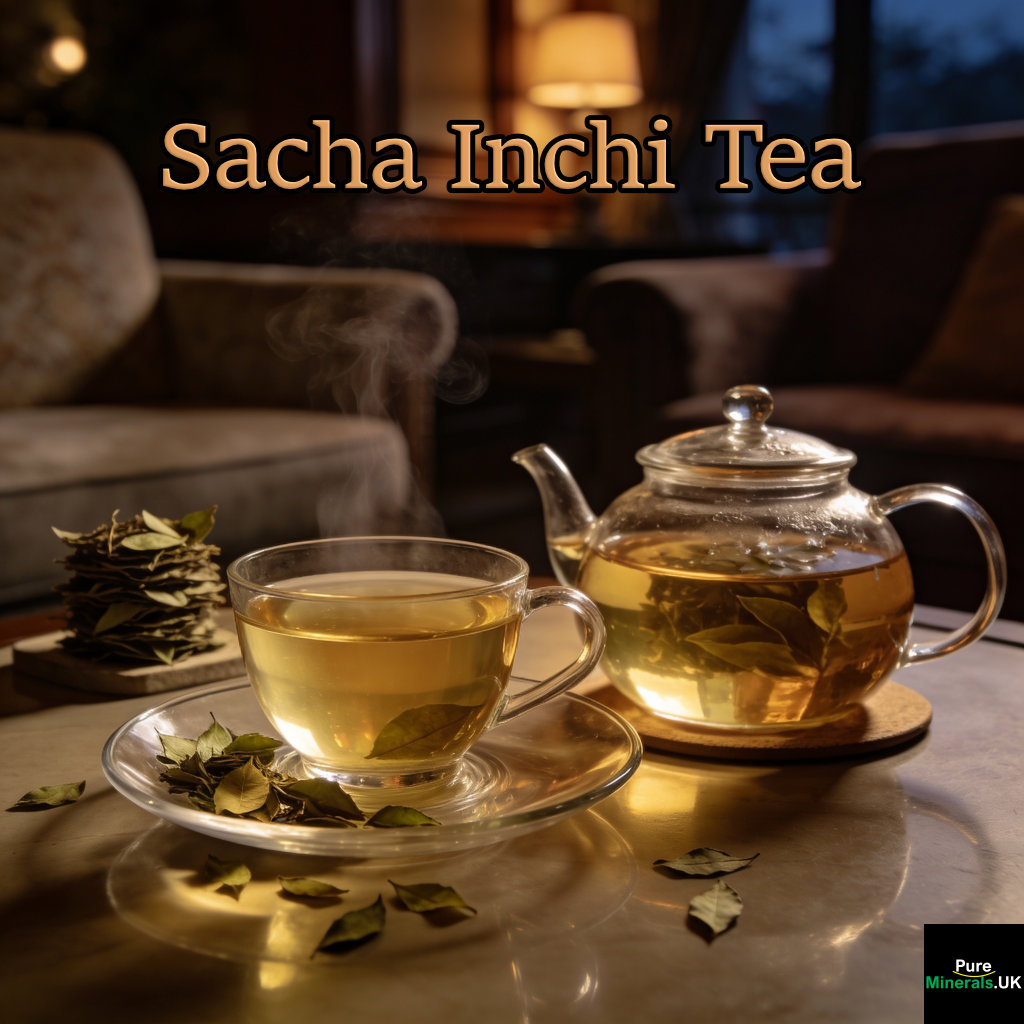
Sacha inchi leaf tea is arguably the least well-known use of the plant, but it is one of the most accessible. Dried sacha inchi leaves are steeped in hot water to produce a mild herbal tea consumed in traditional Andean communities for generations. The flavor is gentle and slightly earthy — easy to drink daily without sweeteners.
While the leaf tea does not carry the same concentrated nutritional punch as the seeds or oil, it still contains antioxidant compounds and is a low-calorie way to incorporate more of the plant’s benefits into your routine. Think of it as the everyday wellness ritual to complement the more nutrient-dense forms of sacha inchi in your diet.
Possible Side Effects and Who Should Use Caution
Sacha inchi is well-tolerated by most people when consumed in moderate amounts, but there are a few important cautions to keep in mind. Some individuals report mild nausea after consuming sacha inchi oil, particularly when taken on an empty stomach — starting with a smaller dose and working up gradually tends to resolve this. Raw sacha inchi seeds contain antinutrients and alkaloids that can be harmful in larger quantities, which is why consuming only roasted seeds is strongly recommended. Allergic reactions are rare but possible, especially for individuals with existing sensitivities to tree nuts or seeds. If you have a known seed or nut allergy, introduce sacha inchi cautiously and consult a healthcare provider beforehand.
Sacha Inchi Deserves a Permanent Place in Your Pantry
- Delivers protein, fiber, and omega-3 fatty acids in a single whole-food source
- Clinically associated with improvements in cholesterol, blood pressure, and lipid profiles
- Available in multiple forms — seeds, oil, protein powder, and leaf tea — for flexible daily use
- One of the highest plant-based sources of alpha-linolenic acid (ALA) omega-3 fat
- Has been used safely in traditional diets for over 3,000 years
Very few single ingredients check this many nutritional boxes simultaneously. Sacha inchi is not a supplement or an extract — it is a whole food with a long history of human use and a growing body of modern nutritional science backing it up. That combination of traditional credibility and emerging clinical support is exactly what separates a genuine superfood from a passing health trend.
The practical versatility of sacha inchi also matters. When a nutrient-dense food can be roasted for a snack, blended into a smoothie, drizzled over a salad, pressed into a skin serum, and brewed into a tea, the barrier to consistent use drops significantly. Consistency is everything when it comes to food-based health strategies, and sacha inchi makes consistency easy.
Start with a bag of roasted sacha inchi seeds or a bottle of cold-pressed oil and build from there. Give it four to six weeks of regular use — even in small amounts — and pay attention to how your energy, digestion, and overall sense of wellbeing shift. The results, backed by both centuries of traditional use and modern nutritional science, tend to speak for themselves.
Important note: Sacha inchi
Sacha Inchi seeds should be consumed only after proper roasting or processing, as raw seeds may contain compounds that can cause digestive discomfort. As with other seeds and nuts, they are energy-dense and should be consumed in moderation. Individuals with sensitivities should introduce them gradually. This information is provided for educational purposes and is not intended as medical advice.
Frequently Asked Questions
Sacha inchi is still relatively new to mainstream health food markets, which means there are plenty of common questions about how to use it, who it is suitable for, and how it stacks up against more familiar options. Here are clear answers to the most frequently asked ones.
Because it comes in several different forms — seeds, oil, powder, and tea — the practical questions around sacha inchi tend to vary depending on what a person is trying to achieve nutritionally. The answers below address the most common use cases and concerns.
Most of these questions come down to two core topics: safety and comparison. Sacha inchi is generally safe, genuinely nutritious, and broadly accessible — but the details matter, especially for people with dietary restrictions or specific health goals.
Is Sacha Inchi Safe To Eat Every Day?
Yes, roasted sacha inchi seeds and cold-pressed sacha inchi oil are safe for daily consumption for most healthy adults. The small study referenced earlier used 10–15 mL of sacha inchi oil daily for four months without reported adverse effects, and the seeds themselves are a standard dietary staple in parts of South America where they are eaten regularly without issue.
The key qualifier is that raw seeds should be avoided in favor of roasted ones. Raw sacha inchi contains antinutrients and alkaloids that oven-roasting significantly reduces. As with any food, moderation is sensible — but daily use of roasted seeds or the oil is consistent with what the research and traditional dietary patterns support.
How Does Sacha Inchi Protein Compare to Whey Protein?
Sacha inchi protein powder is a strong plant-based alternative to whey, though they differ in a few meaningful ways. Whey protein is a complete protein derived from dairy, meaning it contains all nine essential amino acids in significant amounts and is rapidly absorbed — making it particularly effective for post-workout muscle recovery. Sacha inchi protein also contains all essential amino acids, which is relatively rare among plant proteins, but its absorption rate and leucine content (the key amino acid for muscle protein synthesis) are generally lower than whey.
For anyone avoiding dairy, following a vegan or plant-based diet, or simply looking to diversify their protein sources, sacha inchi protein powder is one of the best available options. It blends more smoothly than many other plant proteins, has a milder flavor, and comes with the added benefit of residual omega fatty acids and fiber that whey protein does not provide.
Can You Use Sacha Inchi Oil Directly on Your Skin?
Yes, cold-pressed sacha inchi oil can be applied directly to the skin and is well-suited for topical use. Its lightweight texture absorbs without leaving a heavy or greasy residue, which makes it more user-friendly than heavier oils like castor or coconut oil for facial application. The high tocopherol (vitamin E) content provides antioxidant protection, while the omega-3 and omega-6 fatty acids support the skin’s natural moisture barrier.
For best results, apply two to three drops to clean skin and gently press — rather than rub — into the face or affected area. It works particularly well as a nightly facial oil or a targeted treatment for dry patches, inflamed skin, or areas showing signs of premature aging. As with any new topical product, do a small patch test on the inner arm before applying to the face, especially if you have sensitive skin.
Where Can You Buy Sacha Inchi Seeds or Oil?
Sacha inchi products are increasingly available through major online retailers like Amazon, as well as specialty health food stores and natural grocery chains. When buying roasted seeds, look for single-ingredient products with no added oils, salt, or flavorings to get the cleanest nutritional profile. For sacha inchi oil, prioritize cold-pressed and unrefined options — these preserve the full fatty acid and antioxidant content. Brands like Sacha Vida and similar specialty superfood companies have established reliable supply chains sourcing directly from Peruvian growers, which also supports the farming communities where the plant has been cultivated for millennia.
Is Sacha Inchi Suitable for People With Nut Allergies?
- Sacha inchi is technically a seed, not a tree nut, which botanically places it in a different category from almonds, cashews, or walnuts
- Cross-reactivity between sacha inchi and tree nuts has not been well-studied in clinical literature
- Allergic reactions to sacha inchi, while rare, have been reported
- Anyone with a known tree nut or seed allergy should consult an allergist before trying sacha inchi
The botanical distinction between seeds and tree nuts matters legally and nutritionally, but it does not guarantee that someone with a nut allergy will tolerate sacha inchi without issue. The proteins that trigger nut allergies vary between individuals, and some people with tree nut allergies can safely eat certain seeds while others cannot.
The safest approach for anyone with existing food allergies is to introduce sacha inchi in a very small amount in a controlled setting — ideally after speaking with a healthcare provider or allergist. Start with just a few seeds or a small amount of oil and wait 20–30 minutes before consuming more to observe any early signs of a reaction.
If you have a sesame or pumpkin seed allergy specifically, extra caution is warranted, as these seeds share some structural protein similarities with sacha inchi. Again, the guidance here is not to avoid sacha inchi categorically, but to proceed carefully and with appropriate medical input.
For the majority of people without seed or nut allergies, sacha inchi is a safe, accessible, and genuinely outstanding addition to a health-forward diet — one that has stood the test of time across thousands of years of human use and is only now getting the scientific attention it has long deserved.