

Published: 4 May 2026
This article is periodically reviewed and updated to reflect current scientific understanding by Vic George.
Fact-Checked: 2 other authoritative medical/scientific references. See our Editorial Policy.
What Are Pistachio Nuts and Why Are They Widely Consumed?
Pistachio nuts are edible seeds from the pistachio tree (Pistacia vera), valued for their distinctive flavour, natural green colour, and versatility in a wide range of culinary applications.
Definition
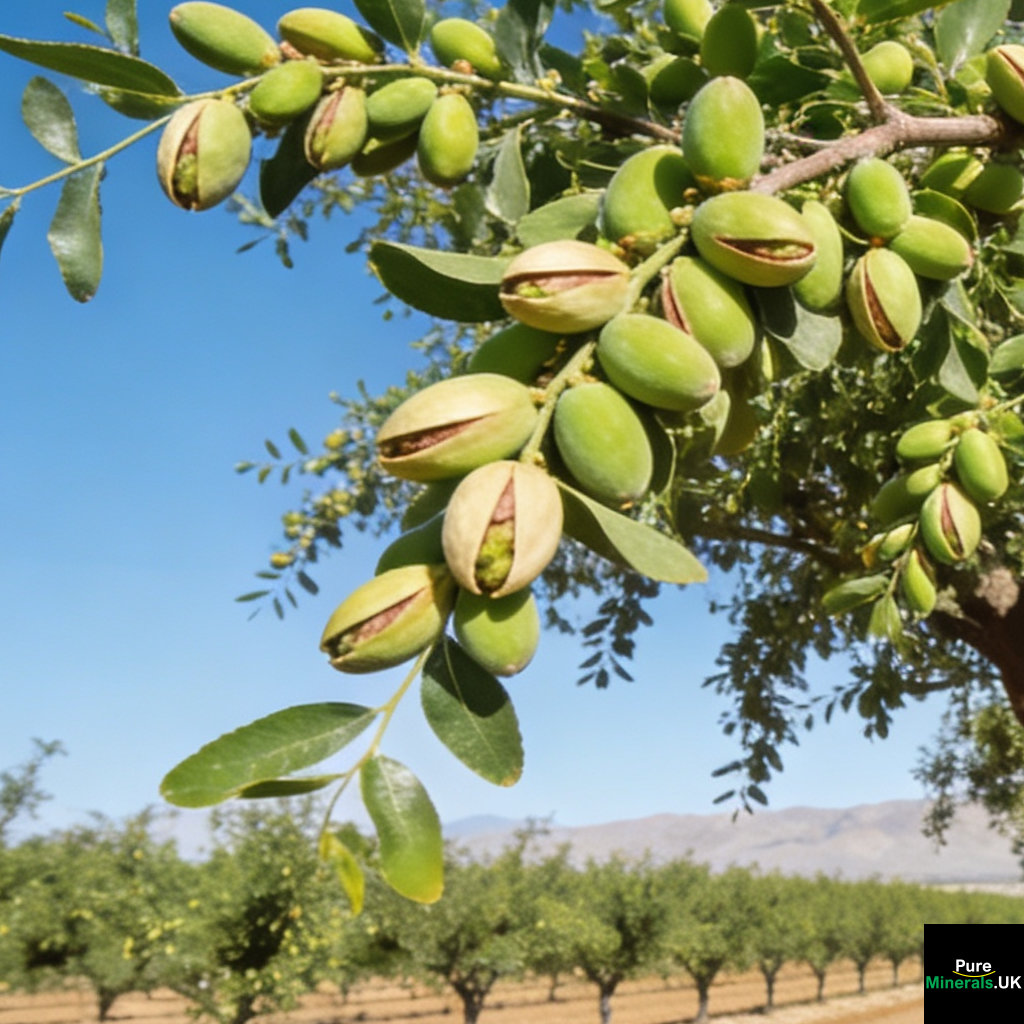
Pistachio nuts are the seeds of the pistachio tree (Pistacia vera), enclosed within a hard shell that naturally splits open when mature.
Extended Definition
The pistachio tree (Pistacia vera) is native to regions of Central Asia and the Middle East and has been cultivated for thousands of years. The seeds develop inside a thin, hard shell that typically splits open upon ripening, allowing relatively easy access to the edible kernel.
Nutritionally, pistachios are rich in fats—primarily unsaturated fatty acids—along with moderate protein and low carbohydrate content. They also provide dietary fibre and are a source of micronutrients such as vitamin B6, potassium, and phosphorus.
Pistachios are notable for their natural green and purple hues, which are due to pigments such as chlorophyll and anthocyanins. They also contain plant compounds, including polyphenols and phytosterols, contributing to their overall nutritional profile.
Culinarily, pistachios are used in a wide variety of applications, including snacks, confectionery, desserts, and savoury dishes. They are commonly eaten roasted and salted, though they are also used raw or ground into pastes and fillings.
Key Facts
- Botanical Name: Pistacia vera
- Plant Type: Deciduous tree (seed/nut)
- Edible Part: Seed (kernel inside the shell)
- Macronutrient Profile: High fat, moderate protein, low carbohydrates
- Notable Micronutrients: Vitamin B6, potassium, phosphorus
- Natural Compounds: Unsaturated fatty acids, polyphenols, phytosterols, pigments
- Typical Preparation: Consumed raw, roasted, or processed into pastes
- Common Uses: Snacks, confectionery, desserts, savoury dishes
- Taste Profile: Mild, slightly sweet, distinctive nutty flavour
- Culinary Status: Widely consumed globally
Article-At-A-Glance
- A single 1-ounce serving of pistachios (about 49 kernels) provides 5.72 grams of protein, making them among the highest-protein nuts.
- Pistachios are one of the only nuts classified as a complete protein, providing all nine essential amino acids your body cannot produce on its own.
- California, Iran, and Turkey produce the vast majority of the world’s pistachios, with the U.S. growing all of its commercial supply across just three states.
- Keep reading to find out why eating pistachios in the shell could help you eat less without even trying.
- Pistachios rank second only to walnuts and pecans in antioxidant content, making them a serious contender in any heart-health conversation.
Pistachios have been feeding people for thousands of years, and modern nutrition science is finally catching up to what ancient cultures already knew.
Few foods pack as much nutritional punch into such a small package. A handful of pistachios gives you complete protein, heart-healthy fats, gut-feeding fiber, and a stack of micronutrients that most people are chronically short on. Whether you grow them, eat them, or just want to understand what makes them special, this guide covers everything from the orchard to the nutrition label.
Pistachios: Ancient Nut, Modern Superfood
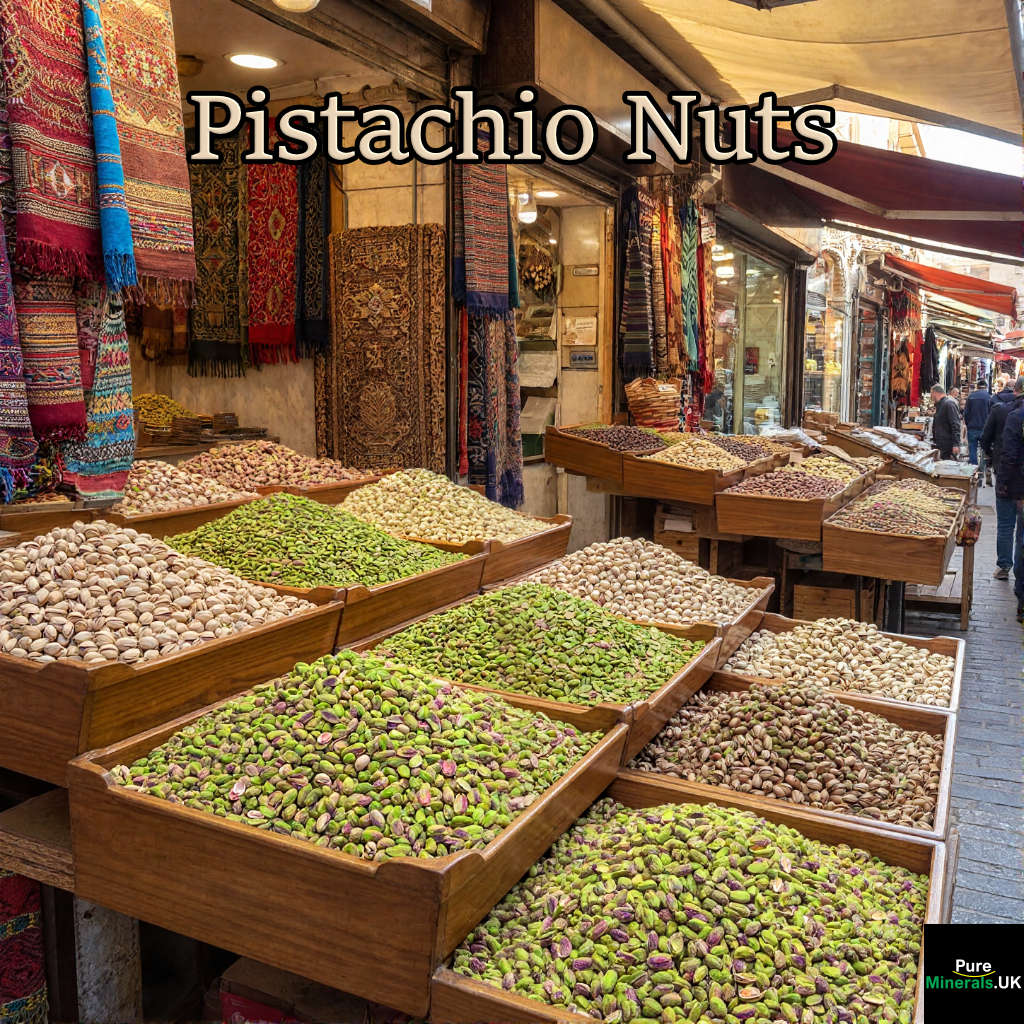
Pistachios belong to the Pistacia vera species and are technically seeds, not nuts, though they are universally grouped with culinary nuts. Native to Central Asia and the Middle East, they have been cultivated for at least 9,000 years. Archaeological evidence points to pistachio consumption in present-day Turkey dating back to 7,000 BCE.
What makes pistachios stand out today is the combination of their macronutrient density and their relatively low calorie count compared to other nuts. They are made up of roughly 20% protein by weight, a ratio that outperforms cashews, almonds, and walnuts. That protein density, combined with fiber and unsaturated fats, makes pistachios one of the most satisfying snack foods in agriculture’s long history of food crops.
- Complete protein with all nine essential amino acids
- High in monounsaturated and polyunsaturated fats
- Rich in potassium, B6, thiamine, and phosphorus
- Second-highest antioxidant content among common nuts
- Naturally low glycemic impact despite carbohydrate content
Where Pistachios Come From
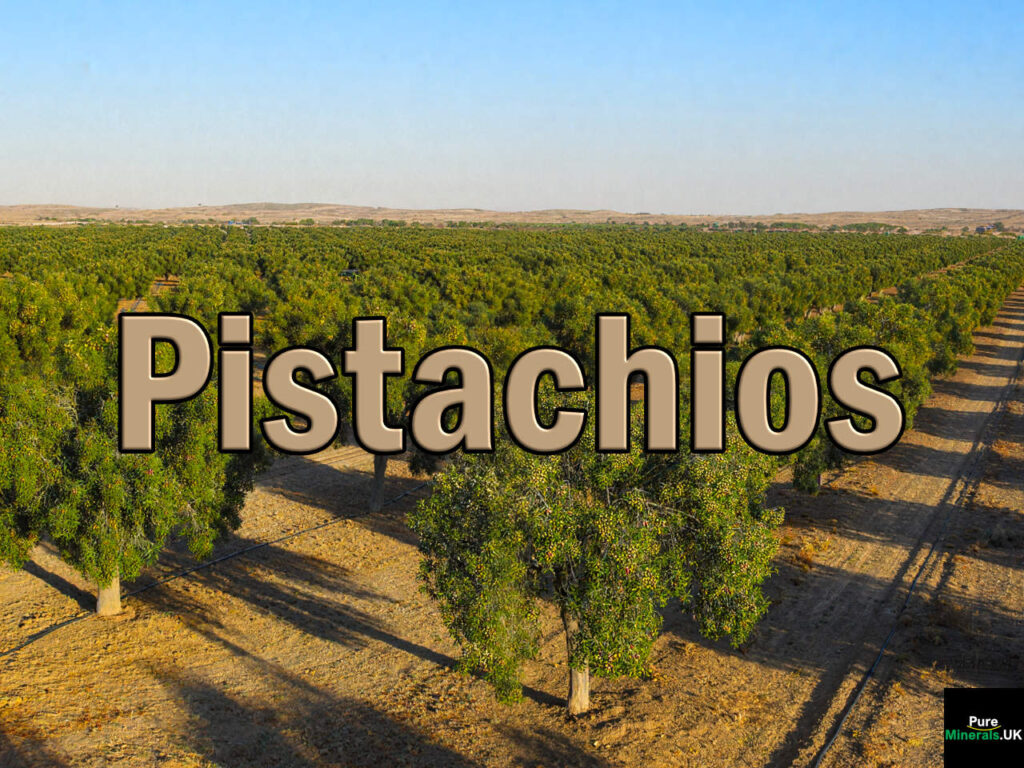
The pistachio tree, Pistacia vera, thrives in arid and semi-arid climates with hot, dry summers and cold winters. This specific climate requirement is what limits commercial production to a relatively small number of regions globally.
Primary Growing Regions: California, Iran, and Turkey
Iran has historically dominated global pistachio production, but the United States has grown into a serious competitor. All U.S. commercial production is concentrated in California, Arizona, and New Mexico, with California’s San Joaquin Valley accounting for the overwhelming majority of domestic supply. Turkey rounds out the top three producers, with its southeastern Gaziantep region famous for producing the small, intensely flavored Antep pistachio, prized in confectionery worldwide.
Climate and Soil Requirements for Pistachio Trees
Pistachio trees demand a very specific set of growing conditions. They need long, hot summers with temperatures regularly exceeding 100°F to fully develop and ripen the nut. Equally important are cold winters, as the trees require a significant number of chilling hours below 45°F to break dormancy properly. They are highly drought-tolerant once established and actually perform better in well-drained, even sandy or rocky soils with low organic matter. Heavy clay soils with poor drainage are one of the fastest ways to kill a pistachio orchard due to root rot susceptibility.
How Long It Takes a Pistachio Tree to Produce Nuts
Patience is the defining characteristic of pistachio farming. Trees typically take between 5 and 7 years to produce their first meaningful crop, and they don’t reach full commercial production until around 15 to 20 years after planting. The upside is that a well-managed pistachio orchard can remain productive for over a century, making it one of the longest-lived commercial nut crops in agriculture.
How Pistachios Are Farmed and Harvested
Pistachio farming is a long-term investment that rewards precision management. From irrigation scheduling to pest control, every decision made in the orchard compounds over decades rather than seasons. For those interested in other types of nuts, exploring the cultivation of pecan nuts can offer additional insights into nut farming.
The Alternate Bearing Cycle Explained
One of the most important agronomic traits of pistachio trees is their tendency toward alternate bearing, a natural cycle where a heavy crop year is followed by a significantly lighter one. This is not a sign of poor management; it is a biological characteristic of the species. In a high-yield year, the tree depletes its carbohydrate reserves so thoroughly that it cannot support another full crop the following season. Growers manage this through careful pruning, irrigation, and nitrogen application to try to moderate the swings between on-years and off-years, though the cycle is never fully eliminated.
Understanding this cycle is critical for financial planning in pistachio operations. A grower who doesn’t account for the off-year in their cash flow projections will consistently run into trouble, regardless of how well the orchard is managed agronomically.
Harvesting Methods: Mechanical Shaking and Collection
Modern pistachio harvesting is almost entirely mechanized. A trunk shaker, a machine that clamps onto the tree’s main trunk and vibrates at high frequency, dislodges the entire crop within seconds. The nuts fall onto catching frames or tarps positioned beneath the canopy, and then move directly into harvest carts for transport. Speed matters enormously at this stage because once the hull begins to separate from the shell, the window to process pistachios without staining or off-flavor development is very short, typically measured in hours rather than days.
Timing the harvest correctly is equally important. Growers monitor hull split percentage and shell color to determine peak harvest timing. Waiting too long allows the hulls to over-ripen and stain the shells, reducing the grade and market value of the crop significantly.
Post-Harvest Processing: Hulling, Drying, and Roasting
After harvest, pistachios go through hulling immediately to remove the soft outer hull. This step must happen fast, ideally within 24 hours of harvest, to prevent hull tannins from leaching into the shell and creating dark staining. After hulling, the nuts are washed and then moved into mechanical dryers to reduce moisture content to safe storage levels, typically below 7%.
Sorting is the next critical step, where split-shell pistachios (which are the premium commercial grade), closed-shell nuts, and blanks are mechanically separated. Split shells are the most desirable because the shell naturally opens as the nut matures, which is an indicator of full kernel development and higher flavor concentration.
Roasting, when applied, typically occurs at temperatures between 250°F and 300°F and serves to enhance flavor through Maillard browning while also further reducing moisture. Salted pistachios are either brine-soaked before roasting or dry-salted after, depending on the processor’s method and the desired end product.
Pistachio Nutrition Facts Per Serving
A standard 1-ounce serving of pistachios is approximately 49 kernels, which makes it one of the most generous serving sizes among common nuts by piece count. That serving delivers around 159 calories, with a macronutrient and micronutrient profile that stands up well against virtually any whole food snack.
Macronutrient Breakdown: Protein, Fat, and Carbohydrates
Pistachios deliver a well-balanced macronutrient profile that sets them apart from most other tree nuts. A single 1-ounce serving contains 5.72 grams of protein, 12.85 grams of fat, and 7.7 grams of carbohydrates, with 3 grams of that carbohydrate total coming from dietary fiber. The net carbohydrate load is relatively low, which is part of why pistachios don’t spike blood sugar the way many carbohydrate-containing snacks do.
The fat content deserves a closer look. The majority of fat in pistachios is unsaturated, split between monounsaturated and polyunsaturated fatty acids. These are the same classes of fat associated with improved cardiovascular markers and reduced LDL cholesterol when substituted for saturated fats in the diet. The fat in pistachios also works alongside the fiber content to slow gastric emptying, which is a major reason why a small serving creates a strong and lasting sense of fullness.
Nutrient | Amount Per 1 oz (28g / ~49 kernels) |
|---|---|
Calories | 159 kcal |
Protein | 5.72 g |
Total Fat | 12.85 g |
Carbohydrates | 7.7 g |
Dietary Fiber | 3 g |
291 mg | |
0.482 mg | |
Thiamine (B1) | 0.247 mg |
137 mg |
Key Vitamins and Minerals in Pistachios
Pistachios are particularly strong in vitamin B6, with one ounce supplying nearly 25% of the recommended daily intake. B6 plays a direct role in protein metabolism, neurotransmitter synthesis, and immune function. Beyond B6, pistachios are a meaningful source of thiamine, potassium, phosphorus, and copper. Potassium is worth highlighting specifically because most adults fall significantly short of daily targets, and pistachios deliver more potassium per serving than most other commonly eaten nuts. Pistachios as a Complete Protein Source
Most plant proteins are incomplete, meaning they lack one or more of the nine essential amino acids that the human body cannot synthesize on its own. Pistachios are one of the rare plant foods that provide all nine, classifying them as a complete protein. This was confirmed in research published in the journal Nutrients, which specifically examined pistachio amino acid profiles and concluded they meet the criteria for a complete protein source. For more information on other types of nuts, you can explore pine nuts and their nutritional benefits.
This distinction matters most for people eating plant-heavy or fully plant-based diets. When a single whole food delivers complete protein alongside fiber, healthy fats, and micronutrients, it earns a different level of priority in diet planning. For agricultural producers, it also reinforces the positioning of pistachios as a premium crop with a compelling nutritional story that supports both domestic and export market demand.
Proven Health Benefits of Eating Pistachios
The health research on pistachios has expanded significantly over the past two decades. Several of the claimed benefits are now supported by systematic reviews and randomized controlled trials, moving pistachios from “probably good for you” to genuinely evidence-backed functional food territory.
Blood Pressure and Cholesterol Reduction
A systematic review and meta-analysis published in Complementary Therapies in Medicine analyzed 33 randomized controlled trials and found that pistachio consumption was associated with improvements in multiple cardiometabolic risk factors, including reductions in systolic blood pressure and LDL cholesterol. The fiber, phytosterols, and unsaturated fatty acid content all contribute to these effects. Pistachios also contain lutein and gamma-tocopherol, two compounds with known anti-inflammatory properties that support vascular health over time.
Gut Health: Pistachios as a Prebiotic Food
The fiber in pistachios functions as a prebiotic, meaning it feeds beneficial bacteria in the large intestine rather than being absorbed in the small intestine. Research has shown that regular pistachio consumption can increase populations of beneficial gut microbiota, including Bifidobacterium and Lactobacillus species. This shift in gut microbiome composition is associated with better digestion, improved immune signaling, and reduced systemic inflammation.
What makes this particularly interesting from an agricultural perspective is that the prebiotic effect is tied to the whole nut’s fiber matrix, not an isolated supplement. The physical structure of the pistachio, how its fiber, fat, and protein are packaged together, appears to influence how the gut processes and ferments the food. This is a key reason why whole food sources consistently outperform isolated nutrient supplements in clinical outcomes.
Blood Sugar Control in Type 2 Diabetes
Despite containing carbohydrates, pistachios have a low glycemic index and have been shown in clinical studies to blunt post-meal blood glucose spikes when eaten alongside higher-glycemic foods. The combination of fiber, fat, and protein slows glucose absorption, making pistachios a strategically useful food for people managing insulin sensitivity or type 2 diabetes. Research has also pointed to pistachio consumption being associated with reduced fasting blood glucose levels over time with regular intake.
Pistachio Shells Reduce Caloric Intake
One of the more practical findings in pistachio research is the “pistachio principle,” which refers to the observation that eating in-shell pistachios leads to lower total calorie consumption compared to eating pre-shelled ones. The physical act of cracking each shell slows the eating pace, and the accumulating pile of empty shells provides a visual cue of how much has already been consumed. Studies have found that people eating in-shell pistachios consume significantly fewer calories in a sitting than those eating shelled pistachios, without feeling less satisfied. For those interested in exploring other nut options, you might want to read about macadamia nuts and their benefits.
Who Should Limit Pistachio Intake
Pistachios are broadly safe and beneficial for most people, but there are two specific groups who need to approach them with caution. Understanding these limitations is just as important as understanding the benefits, especially for growers and food producers positioning pistachios in health-focused markets.
Tree Nut Allergies and Cross-Reactivity Risks
Pistachios are classified as tree nuts, and tree nut allergies are among the most common and potentially severe food allergies in adults and children. Reactions can range from mild oral allergy symptoms like itching and tingling to severe anaphylaxis requiring emergency intervention. People with confirmed tree nut allergies should avoid pistachios entirely unless specifically cleared by an allergist.
Cross-reactivity is an additional concern worth understanding. Pistachios belong to the Anacardiaceae family, the same botanical family as cashews and mangoes. People allergic to cashews in particular have a documented higher risk of reacting to pistachios as well, even if they have never eaten pistachios before. This cross-reactivity is driven by shared protein structures between the species, not by farming or processing practices.
Pistachios on a Low-FODMAP Diet
Pistachios are high in fructans, a type of fermentable carbohydrate that falls under the FODMAP category. For people following a low-FODMAP diet to manage irritable bowel syndrome or other functional gut disorders, pistachios can trigger significant digestive discomfort, including bloating, cramping, and altered bowel habits. The low-FODMAP threshold for pistachios is approximately 10 kernels per sitting, well below the standard 49-kernel serving size, which makes them a food to either avoid or consume very carefully within this dietary framework.
Culinary Uses of Pistachios
Pistachios are one of the most versatile ingredients in both sweet and savory cooking. Their distinctive green color, buttery texture, and mildly sweet, slightly earthy flavor make them a prized addition across a wide range of global cuisines, from Middle Eastern pastries to modern American charcuterie boards.
Sweet Applications: Baklava, Ice Cream, and Sohan
Baklava is probably the most recognized pistachio-forward dessert in the world. The Gaziantep region of Turkey produces a version made with a higher pistachio-to-pastry ratio than most commercial versions, and it carries a protected geographical indication status reflecting its cultural and agricultural significance. The pistachios used are the small, intensely flavored Antep variety, ground coarsely and layered between thin sheets of phyllo with clarified butter and a light sugar syrup.
Pistachio gelato and ice cream have become a benchmark flavor in Italian and American artisan ice cream markets. Authentic pistachio ice cream gets its pale green color naturally from the nut paste itself, not from food coloring. A genuine pistachio base uses blanched, ground pistachios blended into a custard or cream base, producing a flavor that is noticeably more complex and less sweet than artificially flavored versions.
Sohan is a traditional Persian brittle candy made with saffron, butter, cardamom, rose water, and a generous topping of sliced pistachios. It originates from the city of Qom in Iran and represents one of the oldest documented pistachio confections still in commercial production today. For anyone serious about the agricultural history of pistachios, Sohan is a direct link to the crop’s Persian origins and its centuries-long role in regional food culture.
Savory Applications: Pesto, Salads, and Nut Butter
Pistachio pesto is a straightforward substitution for traditional pine nut pesto that produces a richer, more substantial sauce. The method is the same: blend pistachios with fresh basil, garlic, Parmigiano-Reggiano, and good olive oil, adjusting the ratio of nuts to herbs depending on how pronounced you want the pistachio flavor to be. The result pairs particularly well with fresh pasta, roasted vegetables, or as a spread on grilled bread.
In salads, pistachios add crunch, fat, and protein in a way that transforms a side dish into a complete meal component. They work especially well in grain-based salads with farro, freekeh, or quinoa, paired with ingredients like pomegranate seeds, fresh herbs, and citrus dressing. Their color contrast also makes them a natural finishing element for plated dishes where visual presentation matters.
Pistachio butter is an underused alternative to almond or peanut butter that delivers a noticeably more complex flavor profile. It can be made at home by processing roasted, unsalted pistachios in a food processor for 8 to 10 minutes until fully smooth, adding a small amount of neutral oil if needed. The resulting butter is naturally sweet, slightly savory, and works well on toast, in smoothies, or as a base for salad dressings and sauces.
How to Store Pistachios for Maximum Freshness
Pistachios are high in unsaturated fat, which makes them susceptible to oxidation and rancidity if stored improperly. In-shell pistachios can be stored in an airtight container at room temperature for up to three months, but shelled pistachios should be refrigerated and consumed within three months or frozen for up to one year. The key enemies are heat, light, and moisture. Vacuum-sealed packaging extends shelf life significantly, which is why commercially packaged pistachios often outperform bulk-bin versions in freshness over time.
Pistachios Belong in Your Daily Diet
Few crops deliver what pistachios do across the full spectrum of agricultural value, nutritional density, culinary versatility, and long-term orchard economics. A single serving covers meaningful portions of your daily protein, fiber, potassium, and B6 needs, while the research on cardiovascular, gut, and blood sugar benefits continues to strengthen with each new clinical study. Whether you are eating them straight from the shell, working them into a recipe, or evaluating them as a production crop, pistachios consistently reward the investment.
Important note: Pistachio Nuts
Pistachios are generally safe for consumption but may cause allergic reactions in individuals with tree nut allergies. Salted varieties may contribute to increased sodium intake if consumed in excess. As with other nuts, they are energy-dense and should be eaten in moderation. This information is provided for educational purposes and is not intended as medical advice.
Frequently Asked Questions
Pistachios generate a lot of questions, especially among people who are new to thinking about them beyond just a snack food. The following are the most common questions answered directly and clearly.
Before diving into the FAQs, here is a quick summary of what makes pistachios nutritionally distinct from other commonly eaten nuts:
- One of the only plant-based complete proteins
- Highest serving size by piece count among common nuts (49 kernels per oz)
- Second only to walnuts and pecans in antioxidant content
- Strong prebiotic fiber profile that feeds beneficial gut bacteria
- Lower calorie density per serving than almonds, cashews, or macadamia nuts
With that foundation in place, here are the answers to the questions most people ask about pistachios.
Are Pistachios Considered a Nut or a Seed?
Pistachios are technically seeds. The edible part is the seed of the Pistacia vera tree, enclosed in a hard shell that splits naturally when the seed reaches maturity. Botanically, a true nut is a hard-shelled fruit that does not open to release its seed, which means pistachios, along with hazelnuts, cashews, and walnuts, are seeds rather than true nuts. The culinary classification as a nut is a practical grouping based on flavor, texture, and usage rather than botanical accuracy.
How Many Pistachios Should You Eat Per Day?
One ounce per day, approximately 49 kernels, is the standard recommended serving that aligns with most of the clinical research on pistachio health benefits. This amount delivers a meaningful nutritional contribution without pushing calorie intake beyond what most dietary frameworks allow for snacks.
Daily Pistachio Serving Guide:
🟢 1 oz / ~49 kernels — Standard serving, ~159 calories. Ideal for daily snacking and aligns with cardiovascular and gut health research.
🟡 2 oz / ~98 kernels — Suitable for active individuals with higher protein and calorie needs. Still within a healthy range for most adults.
🔴 3+ oz — Calorie load increases significantly. Those managing weight or sodium intake (if salted) should stay at or below 2 oz.
Two ounces per day is well within a healthy range for most active adults and those using pistachios as a primary protein source in plant-based meals. The calorie content scales linearly, so a second serving adds roughly another 159 calories, which is still moderate compared to processed snack alternatives.
If you are eating pistachios specifically for cardiovascular benefits, the research reviewed in Complementary Therapies in Medicine used daily intakes that generally ranged from one to three ounces, with meaningful improvements in cholesterol and blood pressure markers observed across that range.
Are Pistachios Good for Weight Loss?
Yes, pistachios can support weight management despite being a calorie-dense food. The combination of protein, fiber, and fat creates a strong satiety effect that reduces overall calorie intake across the day. The pistachio principle, the observed reduction in calorie consumption when eating in-shell pistachios versus pre-shelled ones, adds a behavioral layer to the weight management benefit. Research has found no evidence that regular pistachio consumption leads to weight gain when consumed in standard serving sizes, and several studies have associated nut consumption generally with lower body weight over time.
Do Pistachios Have More Protein Than Other Nuts?
Pistachios deliver 5.72 grams of protein per ounce, which places them among the top-performing nuts for protein content, roughly comparable to macadamia nuts at around 6 grams per ounce. What separates pistachios is not just the quantity but the quality: they provide all nine essential amino acids, making them a complete protein. Most other nuts do not meet this threshold. For anyone optimizing plant-based protein intake, this distinction makes pistachios a more strategically valuable choice than the raw protein gram count alone would suggest.
Can You Eat Pistachios Raw or Do They Need to Be Roasted?
Pistachios can absolutely be eaten raw. Raw pistachios have a slightly softer texture and a milder, creamier flavor compared to roasted ones. They retain the full complement of heat-sensitive nutrients, including certain antioxidants and B vitamins that can degrade at roasting temperatures, making raw pistachios the better choice from a strict nutritional standpoint.
Roasting, however, is not without benefits. The Maillard reaction that occurs during roasting develops deeper, more complex flavors and creates the crunchy texture that most people associate with pistachios as a snack food. Dry-roasted pistachios without added salt retain most of their nutritional integrity while gaining significantly in flavor intensity.
The one thing to avoid, regardless of raw or roasted, is heavily salted commercial pistachios consumed in large quantities. A single ounce of salted pistachios can contain 120 milligrams of sodium or more, and the ease of eating them in volume means sodium intake can add up quickly. For maximum nutritional benefit with full flavor, dry-roasted unsalted or lightly salted pistachios in the shell are the practical sweet spot for most people.