

Published: 30 April 2026
This article is periodically reviewed and updated to reflect current scientific understanding by Vic George.
Fact-Checked: 1 other authoritative medical/scientific reference. See our Editorial Policy.
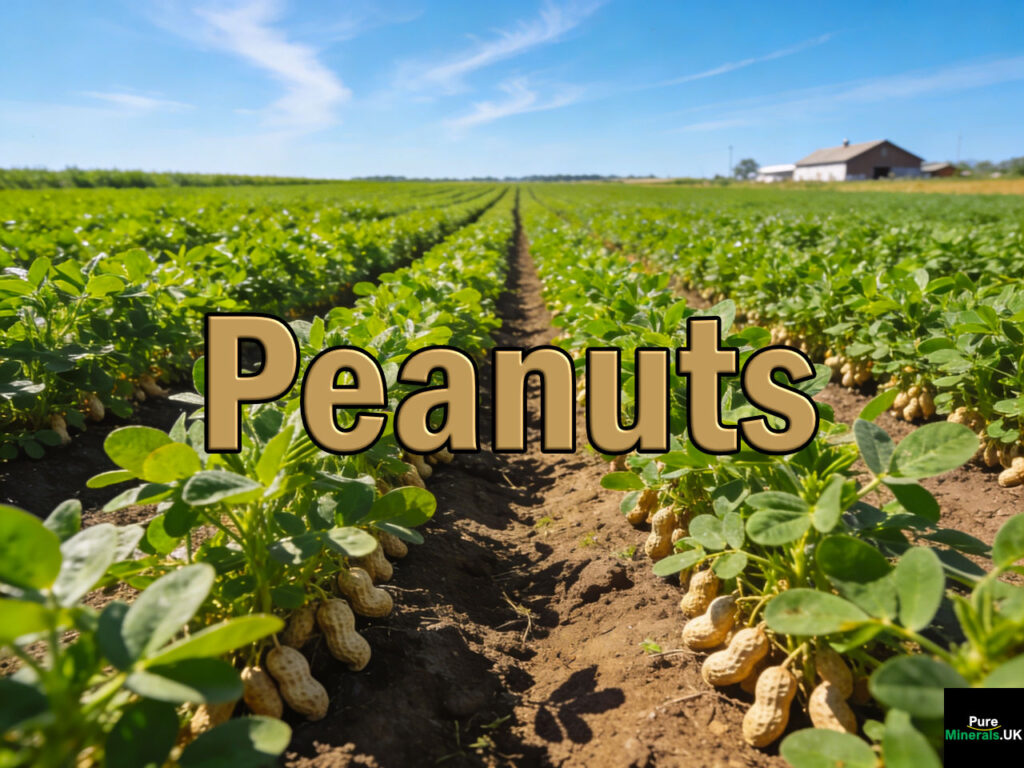
What Are Peanuts and Why Are They So Widely Consumed?
Peanuts, also known as groundnuts, are edible seeds of the plant Arachis hypogaea. Although commonly grouped with nuts in culinary contexts, they are botanically legumes and are widely consumed due to their nutrient density and versatility.
Definition
Peanuts are the seeds of Arachis hypogaea, a leguminous plant that produces pods underground, containing one to several edible kernels.
Extended Definition
The peanut plant (Arachis hypogaea) is unique among commonly consumed “nuts” because it belongs to the legume family (Fabaceae) and develops its pods underground after fertilisation—a process known as geocarpy. Each pod typically contains one to four seeds, commonly referred to as peanuts.
Nutritionally, peanuts are rich in fats, primarily monounsaturated and polyunsaturated fatty acids, and provide a significant amount of plant protein compared to most tree nuts. They also contain dietary fibre and a range of micronutrients, including niacin (vitamin B3), folate, magnesium, and phosphorus.
Peanuts contain various bioactive compounds, including phytosterols, polyphenols, and resveratrol-like compounds, contributing to their overall nutritional profile. They are consumed in many forms, including roasted nuts, peanut butter, oils, and as ingredients in both savoury and sweet dishes.
Due to their affordability and high protein content, peanuts play a significant role in global diets and are used in a wide variety of traditional cuisines, particularly in Asia, Africa, and the Americas.
Key Facts
- Botanical Name: Arachis hypogaea
- Plant Type: Annual legume (seed)
- Edible Part: Seed (kernel inside the pod)
- Macronutrient Profile: High fat, high protein, moderate carbohydrates
- Notable Micronutrients: Niacin, folate, magnesium, phosphorus
- Natural Compounds: Phytosterols, polyphenols, resveratrol-like compounds
- Typical Preparation: Roasted, boiled, ground into paste or oil
- Common Uses: Snacks, peanut butter, cooking oil, sauces, confectionery
- Taste Profile: Rich, nutty, slightly sweet
- Culinary Status: Widely consumed globally
Article at a Glance
- Peanuts are legumes, not nuts — they belong to the same family as beans, lentils, and soy, which shapes their unique nutritional makeup.
- A 100g serving of raw peanuts delivers 567 calories, 25.8g of protein, 49.2g of fat, and 16.1g of carbohydrates, making them one of the most calorie-dense whole foods available.
- Peanuts contain heart-healthy compounds like resveratrol, oleic acid, and magnesium — nutrients directly linked to reduced cardiovascular disease risk.
- Peanut allergies are among the most severe food allergies, triggered by proteins called arachin and conarachin — keep reading to understand the full risk picture.
- Despite their fat content, peanuts are strongly associated with weight management — their high protein and fiber content promote satiety in ways most snacks simply can’t match.
Peanuts punch well above their weight nutritionally — and most people are only scratching the surface of what these small legumes actually offer.
Whether you’re eating them roasted by the handful, spreading peanut butter on toast, or cooking with peanut oil, you’re tapping into one of the most nutrient-dense foods on the planet. Peanuts deliver a rare combination of protein, healthy fats, fiber, vitamins, and antioxidants — all in a compact, affordable, shelf-stable package.
Botanical Classification: Peanuts Are Not Actually Nuts
The name is misleading. Peanuts share almost nothing biologically with tree nuts like almonds, walnuts, or cashews. They are, in fact, a legume — a classification that explains much of their nutritional superiority over true nuts in certain areas.
Peanuts Belong to the Legume Family
Scientifically known as Arachis hypogaea, peanuts are part of the family Fabaceae, placing them in the same category as chickpeas, lentils, black beans, and soybeans. This legume status is why peanuts are notably higher in protein than most tree nuts, and why they carry certain antinutrients — like phytic acid — that are characteristic of legumes rather than macadamia nuts.
- Peanuts are classified as oilseeds due to their high fat content
- A large portion of the global peanut harvest is processed into peanut oil (arachis oil)
- Other common names include groundnuts, earthnuts, and goobers
- They are related to soybeans, lentils, and kidney beans — not almonds or walnuts
This classification matters when you’re evaluating peanuts nutritionally. Their legume origin means they provide a fiber and protein profile much closer to beans than to tree nuts, which tends to make them more filling per calorie.
How Peanuts Grow Underground
Unlike most crops, peanuts develop beneath the soil surface. The plant flowers above ground, but after pollination, the flower stalk bends downward and pushes into the soil, where the peanut pod matures. This unusual growth process is exactly why they’re called “groundnuts” in many parts of the world.
Scientific Name and Origin
The peanut’s scientific name, Arachis hypogaea, literally translates to “below earth” in Greek — a direct reference to how it grows. Peanuts originated in South America, with evidence of cultivation dating back thousands of years in regions that are now Bolivia and Peru. From there, explorers and traders spread peanuts across Africa, Asia, and North America, where they became a dietary staple in countless cultures.
Today, China, India, and the United States are among the world’s top peanut producers. In the U.S. specifically, peanuts are rarely eaten raw — roasting and processing into peanut butter are by far the most common consumption methods, which does affect certain nutritional properties.
Peanut Nutrition Facts (Per 100g Raw)
Raw peanuts are a powerhouse of macronutrients and micronutrients. The numbers below are based on USDA data for 100 grams of raw peanuts — a reference serving used widely in nutritional research.
What stands out immediately is the balance. You’re getting substantial protein, a healthy fat profile dominated by monounsaturated fats, and a modest carbohydrate load — which explains why peanuts have such a low glycemic index despite being energy-dense.
Macronutrient Breakdown
Nutrient | Amount (per 100g raw) |
|---|---|
Calories | 567 kcal |
Protein | 25.8g |
Total Fat | 49.2g |
Carbohydrates | 16.1g |
Dietary Fiber | 8.5g |
Sugar | 4.7g |
Water | 6.5g |
The caloric density here is worth noting — 567 calories per 100g makes peanuts a food that rewards portion awareness. But those calories come loaded with nutritional value, not empty energy. The 8.5g of dietary fiber alone puts peanuts ahead of many grains and vegetables on a per-weight basis.
Protein accounts for roughly 22–30% of total calories in peanuts, depending on variety and preparation. That range places peanuts among the best plant-based protein sources available, rivaling many legumes and surpassing most seeds.
Fat Composition in Peanuts
Of the 49.2g of total fat in raw peanuts, the majority is unsaturated. Monounsaturated fats — primarily oleic acid, the same fat found in olive oil — make up the largest fraction. Polyunsaturated fats, including linoleic acid (an omega-6 fatty acid), account for most of the remainder, with saturated fats representing a relatively small share. This fat profile is one of the key reasons peanuts are consistently associated with cardiovascular benefits in research settings.
Protein Content and Quality
Peanuts deliver 25.8g of protein per 100g — a number that rivals chicken breast on a gram-for-gram basis when you account for the caloric load. The two dominant proteins in peanuts are arachin and conarachin. These storage proteins make up the bulk of peanut protein content and are highly bioavailable, though they are also the primary allergens responsible for peanut allergy reactions.
For vegans, vegetarians, or anyone looking to diversify their protein sources, peanuts offer a convenient and cost-effective option. Peanut butter, flour, and protein powders derived from peanuts are increasingly used in sports nutrition and plant-based food formulation for exactly this reason.
Carbohydrates and Glycemic Index
With only 16.1g of carbohydrates per 100g — and 8.5g of that being fiber — peanuts have a very low net carbohydrate count. Their glycemic index sits well below 55, making them a genuinely low-GI food. This is a key reason they’re frequently recommended for blood sugar management and included in diabetic-friendly eating plans.
Vitamins and Minerals in Peanuts
Beyond macronutrients, peanuts are a meaningful source of several vitamins and minerals that many people don’t get enough of. Their micronutrient density is one of the most underappreciated aspects of their nutritional profile.
Biotin, niacin, folate, thiamine, and vitamin E are among the standout vitamins in peanuts. On the mineral side, phosphorus, magnesium, copper, and manganese appear in significant quantities. These aren’t trace amounts — a standard serving of peanuts can cover a substantial portion of your daily needs for several of these nutrients.
Key Vitamins Found in Peanuts
Peanuts are particularly rich in B vitamins, which play critical roles in energy metabolism, nerve function, and cell production. Biotin (B7) is one of the most abundant vitamins, and peanuts are among the best dietary sources of this vitamin, which is important for fat metabolism and is commonly associated with hair and nail health. Niacin (B3) supports cardiovascular function and DNA repair, while folate (B9) is essential for cell division and is especially critical during pregnancy. Thiamine (B1) and vitamin E round out the key vitamins, with vitamin E acting as a fat-soluble antioxidant that protects cell membranes from oxidative damage.
Essential Minerals in Peanuts
Peanuts deliver an impressive mineral lineup. Phosphorus is present in high quantities — critical for bone formation, kidney function, and energy storage as ATP. Magnesium supports over 300 enzymatic reactions in the body, including muscle contraction, blood pressure regulation, and glucose metabolism. Copper contributes to iron absorption and the maintenance of healthy connective tissue, while manganese plays a role in bone development and antioxidant defense. Even zinc and iron are in notable amounts, making peanuts a particularly useful food for people following plant-based diets, where these minerals are often harder to source.
Bioactive Plant Compounds and Antioxidants
Peanuts contain a wide spectrum of bioactive compounds that go well beyond basic nutrition. These plant chemicals — including phenolic acids, flavonoids, phytosterols, and stilbenes — work at the cellular level to reduce inflammation, neutralize free radicals, and support long-term health. The antioxidant capacity of peanuts is often underestimated, partly because peanuts don’t carry the same “superfood” marketing that surrounds chestnuts or pomegranates. But the research tells a different story.
Resveratrol and Heart Health
Resveratrol is the bioactive compound that puts red wine on the health radar — but peanuts are also a meaningful source. This stilbene antioxidant has been studied extensively for its role in cardiovascular protection, with research suggesting it may improve blood flow, reduce inflammation, and inhibit oxidative stress in arterial walls. The fact that peanuts deliver resveratrol alongside oleic acid and magnesium creates a compounding effect that makes their heart-health credentials particularly strong.
Peanuts also contain significant amounts of p-coumaric acid, a phenolic antioxidant, and roasting has been shown to increase certain antioxidant concentrations in peanuts — making roasted peanuts, in some respects, nutritionally comparable or even superior to raw in terms of antioxidant activity.
Where Most Antioxidants Are Found in the Peanut
The peanut skin — the thin, papery reddish layer surrounding the kernel — is where antioxidant concentration is highest. It contains condensed tannins and other polyphenols in far greater quantities than the kernel itself. This is one reason that peanuts consumed with their skins intact (as in many roasted-in-shell varieties) provide a more complete antioxidant benefit than blanched peanuts, which have the skin removed during processing.
Peanuts and Weight Management
It seems counterintuitive that a 567-calorie-per-100g food would support weight management — but the evidence consistently points in that direction. Peanuts are high in protein and fiber, two nutrients with the strongest satiety signals in the human diet. Studies have found that people who regularly consume peanuts tend to compensate by eating less at subsequent meals, meaning the caloric contribution of peanuts is often offset by reduced intake elsewhere. Peanuts are also a source of insoluble dietary fiber, which research has linked to a reduced risk of weight gain over time. The key, as always, is mindful portioning — a small handful goes a long way.
Proven Health Benefits of Peanuts
The nutritional density of peanuts translates into real, measurable health outcomes. Research spanning cardiovascular health, metabolic function, and digestive health consistently positions peanuts as one of the most beneficial snack foods available — particularly for populations at risk of chronic disease.
It’s worth distinguishing between what peanuts contain and what they actually do in the body. The combination of unsaturated fats, fiber, plant sterols, antioxidants, and magnesium doesn’t just look good on paper — these compounds interact synergistically to produce health effects that individual nutrients alone often can’t replicate.
Heart Disease Risk Reduction
Peanuts contain several nutrients with direct cardiovascular benefits. Oleic acid — the primary monounsaturated fat in peanuts — helps maintain healthy LDL and HDL cholesterol ratios. Magnesium supports healthy blood pressure, and resveratrol helps protect arterial walls from oxidative damage. Plant sterols found in peanuts also compete with dietary cholesterol for absorption in the gut, which can measurably lower circulating LDL levels, similar to the benefits of macadamia nuts.
Regular nut and legume consumption, including peanuts, has been associated with reduced risk of coronary heart disease in population-level research. The combination of cholesterol-lowering fats, anti-inflammatory antioxidants, and blood pressure-regulating minerals makes peanuts one of the more comprehensively heart-protective whole foods in the average diet.
Gallstone Prevention
Frequent peanut consumption has been associated with a lower risk of gallstone formation in both men and women. Gallstones — which are primarily composed of cholesterol — are partly influenced by dietary fat quality and bile acid metabolism. The healthy fat profile of peanuts, combined with their cholesterol-lowering plant sterols, appears to reduce the conditions that favor gallstone development. While peanuts aren’t a treatment for gallbladder disease, their regular inclusion in the diet appears to be a meaningful preventive factor.
Blood Sugar Control for Diabetics
Peanuts have a low glycemic index and a low glycemic load, meaning they produce a minimal spike in blood glucose after consumption. This makes them particularly useful for people managing type 2 diabetes or insulin resistance. The combination of fiber, protein, and healthy fats slows digestion and blunts the postprandial glucose response — a mechanism that helps keep blood sugar levels stable between meals.
For people with diabetes who are managing caloric intake, peanuts offer a rare combination: satisfying, nutrient-dense, blood-sugar-friendly, and portable. Peanut butter — provided it contains no added sugar — shares many of these same glycemic properties and is widely used in diabetic meal planning.
Common Uses of Peanuts
Peanuts are one of the most versatile food crops in the world. From whole roasted peanuts to refined peanut oil, the applications span nearly every category of food production — and the culinary traditions that have grown around peanuts are as diverse as the regions that cultivate them.
Culinary Uses Around the World
In West African cooking, peanuts are a foundational ingredient in stews, soups, and sauces — groundnut soup is a staple across countries like Ghana and Nigeria. In Southeast Asia, peanuts appear in satay sauces, noodle dishes, and as a garnish in everything from Vietnamese bún dishes to Indonesian gado-gado. In the United States, peanut butter dominates, with Americans consuming roughly 700 million pounds of peanut butter annually. In South Asia, peanuts are roasted with spices and eaten as street food, pressed into chikki (a peanut brittle), or blended into chutneys. The global culinary footprint of peanuts is extraordinary for a single legume.
Peanut Oil, Flour, and Protein Products
Beyond whole peanuts and peanut butter, the peanut is processed into several commercially significant products. Peanut oil (arachis oil) is prized in commercial cooking for its high smoke point — around 450°F (232°C) — which makes it ideal for deep frying, stir-frying, and high-heat applications. It has a mild flavor that doesn’t overpower dishes, and its monounsaturated fat profile makes it a healthier choice than many refined vegetable oils.
Peanut flour is made from partially or fully defatted peanuts ground into a fine powder. It’s used in gluten-free baking, protein enrichment of processed foods, and as a thickening agent in sauces. With protein content reaching up to 50% by weight in defatted versions, peanut flour is one of the most protein-concentrated plant-based ingredients available. Peanut protein isolates are increasingly appearing in sports nutrition products, plant-based protein powders, and meat alternatives — driven by their amino acid profile and cost-effectiveness relative to soy or pea protein.
Downsides and Risks of Eating Peanuts
Peanuts are genuinely healthy for most people, but there are real risks and limitations worth understanding. Allergies, antinutrients, and caloric density are the three main areas where peanuts require some caution, and each operates through a different mechanism.
Peanut Allergies and Severity
Peanut allergy is one of the most common and most dangerous food allergies in the world. The primary culprits are arachin and conarachin — the two most abundant storage proteins in peanuts. In sensitized individuals, these proteins trigger an immune response that can range from mild skin irritation and hives to severe anaphylaxis, a life-threatening reaction involving airway constriction, a dramatic drop in blood pressure, and loss of consciousness. Unlike many childhood food allergies, peanut allergy is rarely outgrown and tends to persist into adulthood. Even trace amounts of peanut protein — through cross-contamination in food manufacturing — can trigger reactions in highly sensitized individuals, which is why peanut labeling requirements are strictly enforced in most countries.
Phytic Acid and Nutrient Absorption
Peanuts contain phytic acid (phytate), an antinutrient found throughout the legume and grain families. Phytic acid binds to minerals — particularly iron, zinc, and calcium — in the digestive tract and reduces their absorption. For people who rely heavily on peanuts or other legumes as their primary mineral sources, high phytic acid intake could theoretically contribute to mineral deficiencies over time. This is a more pressing concern in populations where dietary diversity is limited, and peanuts form a large proportion of total caloric intake.
The practical impact for most people eating a varied diet is minimal. Roasting peanuts reduces phytic acid content to some degree, and consuming peanuts alongside vitamin C-rich foods can help offset the inhibitory effect on iron absorption specifically. Soaking raw peanuts before consumption — a traditional preparation method in some cultures — also partially degrades phytic acid, improving the overall mineral bioavailability of the final product.
Caloric Density and Portion Awareness
At 567 calories per 100 grams, peanuts are a calorie-dense food by any measure. A single handful — roughly 28 grams or one ounce — delivers approximately 160 calories, which is easy to underestimate when eating from a bowl or bag. For people managing their caloric intake for weight loss, peanut consumption needs to be deliberate rather than mindless. The satiety benefits are real, but they only work in your favor when portions are controlled.
Peanut butter adds another layer of complexity. Many commercial peanut butters contain added sugar, hydrogenated oils, and salt that significantly alter the nutritional profile from what you’d get eating whole peanuts. Natural peanut butter — made from nothing but ground peanuts — preserves most of the nutritional integrity of whole peanuts and is almost always the better choice when reading labels.
Peanuts Are One of the Most Nutrient-Dense Legumes Available
Few foods deliver as much nutritional value per dollar, per gram of protein, and per serving as peanuts do. They provide a rare overlap of high protein, healthy fats, fiber, B vitamins, essential minerals, and potent antioxidants — all in a form that’s shelf-stable, globally available, and remarkably affordable. For most healthy adults, eating a moderate daily portion of peanuts is a straightforward, evidence-backed way to improve dietary quality, support cardiovascular health, and maintain stable energy levels throughout the day.
Important note: Peanuts
Peanuts are a common allergen and can cause severe allergic reactions in sensitive individuals. They are also susceptible to aflatoxin contamination if improperly stored, so sourcing and storage conditions are important. As with other energy-dense foods, intake should be moderate. This information is provided for educational purposes and is not intended as medical advice.
Frequently Asked Questions
Here are direct answers to the most commonly searched questions about peanut nutrition, safety, and use.
Are Peanuts Healthier Raw or Roasted?
Both forms are nutritious, but they differ in specific ways. Raw peanuts retain more moisture and slightly higher levels of certain heat-sensitive nutrients. Roasted peanuts, on the other hand, have been shown to have higher concentrations of some antioxidants — including p-coumaric acid — because the roasting process increases the bioavailability of certain phenolic compounds. Dry-roasted peanuts without added oil or salt are generally considered the best balance between flavor, convenience, and nutritional integrity. The differences between raw and roasted are relatively small for most people — consistency of consumption matters more than the form.
How Much Protein Is in a Serving of Peanuts?
A standard 1-ounce (28g) serving of raw peanuts contains approximately 7.3 grams of protein. A 2-tablespoon serving of peanut butter delivers roughly 7 to 8 grams, depending on the brand and whether it’s natural or commercial. Per 100 grams, peanuts provide 25.8 grams of protein — one of the highest plant-based protein densities of any whole food.
Can People With Diabetes Eat Peanuts?
Yes — peanuts are actually one of the more diabetes-friendly snack options available. Their glycemic index is low, their glycemic load per serving is minimal, and the combination of protein, fiber, and fat slows glucose absorption significantly. This means eating peanuts produces a much gentler blood sugar response compared to most carbohydrate-based snacks, similar to other low glycemic index nuts like macadamia nuts.
For people with type 2 diabetes specifically, regular peanut consumption may help with blood sugar stability between meals. The key consideration is added ingredients — flavored peanuts with sugar coatings, honey roasting, or sweet peanut butters can undermine these glycemic benefits substantially. Plain peanuts or natural peanut butter are the best choices for blood sugar management.
Why Are Peanuts Called Groundnuts?
Peanuts are called groundnuts because of how they physically grow. After the peanut plant flowers above ground, the fertilized flower stalk elongates and bends downward, pushing into the soil where the peanut pod develops underground. This unique subterranean development process is directly reflected in the name “groundnut,” which is the standard term used across much of Africa, the UK, and South Asia.
The scientific name Arachis hypogaea reinforces this — hypogaea derives from Greek words meaning “under the earth.” The name “peanut” itself refers to the pea-like appearance of the seed and its classification as a legume, connecting it more accurately to its botanical relatives than the word “nut” ever could.
Are Peanuts Safe to Eat Every Day?
- For most healthy adults: Yes — a moderate daily serving of 1 to 2 ounces is associated with health benefits, not risks
- For people with peanut allergies: No — even small amounts can trigger severe or life-threatening reactions
- For people managing weight: Yes, with portion control — their satiety value helps, but caloric density requires awareness
- For people with nut or legume sensitivities: Consult a healthcare provider before regular consumption
- For people on low-oxalate diets: Peanuts contain moderate oxalates and may need to be limited depending on individual kidney health
Daily peanut consumption fits comfortably into most healthy dietary patterns. The research consistently shows that regular consumption — rather than occasional eating — is where the cardiovascular and metabolic benefits become statistically meaningful. A handful a day is a practical, sustainable habit for the majority of adults.
The form matters too. Whole peanuts, dry-roasted peanuts, and natural peanut butter all preserve the core nutritional profile. It’s the heavily processed peanut products — candy-coated varieties, peanut butter with hydrogenated oils, or heavily salted commercial blends — that dilute the health benefits and introduce unnecessary additives.
If you’re incorporating peanuts into a structured eating plan, timing can also play a role. Eating peanuts as a mid-morning or afternoon snack — when blood sugar tends to dip — leverages their low glycemic profile and high satiety value most effectively. Pairing them with fruit or a small amount of complex carbohydrate creates a nutritionally balanced mini-meal that stabilizes energy for hours.
One practical note on storage: peanuts are susceptible to aflatoxin contamination — a toxic compound produced by the mold Aspergillus flavus — when stored in warm, humid conditions. Always store peanuts in a cool, dry place, and buy from reputable suppliers who follow proper storage and testing protocols. This risk is well-managed in commercially sold peanuts in most countries, but it’s worth being aware of, particularly if buying in bulk or from unregulated markets.