

Published: 1 December 2025
Last Updated: 25 February 2026
This article is periodically reviewed and updated to reflect current scientific understanding by Vic George.
Fact-Checked: 2 other authoritative medical/scientific references. See our Editorial Policy.

What Is Vitamin B7 (Biotin) and Why Is This Essential Water-Soluble Vitamin Important for Energy Production, Healthy Hair and Skin, and Metabolic Enzyme Function?
Vitamin B7 (biotin) is a water-soluble nutrient required for the metabolism of carbohydrates, fats, and proteins, as well as the maintenance of healthy hair, skin, and nervous system function. In foods, biotin is found in legumes, nuts, seeds, whole grains, mushrooms, eggs, and many vegetables. Adequate intake supports energy pathways, enzyme activity, and tissue integrity.
Definition:
Vitamin B7 (biotin) is an essential coenzyme that supports key metabolic reactions by assisting carboxylase enzymes involved in energy production, fatty acid synthesis, and amino acid metabolism. Biotin occurs naturally in a wide range of plant and animal foods, including legumes, nuts, seeds, sweet potatoes, mushrooms, eggs, and whole grains.
Extended Definition:
Biotin functions as a coenzyme for several carboxylase enzymes, including pyruvate carboxylase, acetyl-CoA carboxylase, and propionyl-CoA carboxylase. These enzymes are required for gluconeogenesis, fatty acid synthesis, and the breakdown of certain amino acids. Through these roles, vitamin B7 helps maintain metabolic balance, supports keratin infrastructure in hair and nails, and contributes to healthy nervous system function. Because biotin is water-soluble and intestinal bacteria also produce small amounts, deficiency is uncommon but may occur with certain medical conditions or diets high in raw egg whites. Vitamin B7-rich plant foods and eggs help sustain adequate levels.
Key Facts:
- Nutrient type: Water-soluble B-vitamin
- Biological forms: Biotin, biocytin (bound form)
- Primary functions: Energy metabolism, fatty acid synthesis, amino acid breakdown, hair and skin support
- Systems supported: Metabolic, integumentary, nervous
- Preferred dietary sources: Legumes, nuts, seeds, mushrooms, sweet potatoes, eggs, whole grains
- Deficiency considerations: Hair thinning, brittle nails, skin irritation, fatigue, tingling sensations
- Interactions: Works closely with B5 in fatty acid metabolism; requires adequate protein for proper enzyme activity
Key Takeaways
- Vitamin B7 (biotin) is essential for healthy hair, skin, and nails, with deficiency often showing as brittle nails, hair loss, and skin rashes.
- The richest natural sources of biotin include organ meats, eggs, nuts, seeds, and certain vegetables like sweet potatoes and mushrooms.
- Beyond beauty benefits, biotin plays a crucial role in metabolizing carbohydrates, fats, and proteins into energy.
- Most people get adequate biotin from a balanced diet, but supplements may benefit pregnant women, those with certain medical conditions, or people experiencing hair thinning.
- Excessive biotin supplementation can interfere with laboratory test results, so it’s important to inform your healthcare provider if you’re taking biotin supplements.
Biotin, also known as vitamin B7 or vitamin H, is often called the beauty vitamin for good reason. This water-soluble B-complex vitamin plays a starring role in maintaining the health of your hair, skin, and nails. But its benefits extend far beyond beauty, as biotin is essential for converting food into energy and supporting various metabolic processes throughout your body.
When your body has sufficient biotin levels, you may notice stronger hair, more resilient nails, and clearer, more radiant skin. This crucial vitamin works at the cellular level to promote beauty from within, making it a popular ingredient in beauty supplements. The good news? Vitamin B7 is available in many common foods, making it possible to boost your levels naturally through smart dietary choices.
Why Vitamin B7 Is Your Secret Weapon for Healthy Skin
Your skin is your largest organ and often the first to show signs of nutritional deficiencies. Vitamin B7 plays a fundamental role in skin health by supporting the production of fatty acids that nourish skin cells. These fatty acids create a protective barrier that locks in moisture and shields your skin from environmental damage. Without adequate biotin, this barrier weakens, leading to dry, flaky, or irritated skin.
Studies have linked biotin deficiency to various skin conditions, including dermatitis and eczema-like rashes. These conditions often appear first around the eyes, nose, mouth, and other areas where skin is naturally oilier. By maintaining proper biotin levels, you help ensure your skin cells receive the nourishment they need to regenerate properly and maintain a healthy appearance.
While severe biotin deficiency is rare in developed countries, even marginal deficiencies can impact skin health over time. People with digestive disorders, those who regularly consume raw egg whites (which contain avidin, which blocks biotin absorption), and those on certain medications may be more prone to lower vitamin B7 levels. For these individuals, paying close attention to biotin-rich foods or considering supplementation can make a noticeable difference in skin quality and resilience.
The Science Behind Biotin’s Skin Benefits
At the molecular level, biotin functions as a coenzyme for carboxylases, enzymes that help transfer carbon dioxide. This process is essential for the production of fatty acids, which are the building blocks of healthy skin cells. When biotin levels are optimal, your skin cells can efficiently produce these fatty acids, resulting in stronger cell membranes and better moisture retention.
Beyond fatty acid synthesis, vitamin B7 also supports the metabolism of amino acids, the building blocks of proteins like collagen and elastin. These proteins give your skin its structure and elasticity, helping it remain firm and youthful. As you age, your body’s natural production of these proteins decreases, making dietary support through nutrients like biotin increasingly important.
How Vitamin B7 Promotes Collagen Production
Collagen is the most abundant protein in your body and is essential for maintaining skin elasticity and firmness. Vitamin B7 supports collagen production by ensuring your body can efficiently process the amino acids needed to create this important protein. When biotin levels are sufficient, the enzymes involved in collagen synthesis can function optimally, helping your skin maintain its youthful structure and appearance.
The relationship between biotin and collagen is particularly important as you age. After about age 25, collagen production naturally decreases by about 1% per year. This gradual decline contributes to the formation of fine lines, wrinkles, and less resilient skin. By supporting collagen production through adequate biotin intake, you can help slow this process and preserve your skin’s youthful qualities longer.
Cell Renewal and Skin Barrier Function
Your skin constantly renews itself, with new cells forming in the deeper layers and gradually moving to the surface. Vitamin A and vitamin B7 play a key role in this renewal process by supporting cell proliferation and differentiation. With adequate biotin, your skin can more efficiently create healthy new cells, leading to a smoother, more even complexion.
Perhaps even more importantly, vitamin B7 strengthens your skin’s barrier function—the outermost layer that protects against environmental stressors, pollutants, and pathogens. This barrier also helps your skin retain moisture, preventing the dryness and flakiness that can make skin appear dull and aged. When your skin barrier is strong, it’s better equipped to keep irritants out and hydration in, resulting in a healthier, more radiant appearance.
B7’s Role in Reducing Inflammation
Chronic inflammation is a major contributor to skin aging and various skin conditions, from acne to rosacea. Biotin helps regulate inflammatory responses in the body, potentially reducing the severity of inflammatory skin conditions. By supporting proper immune function, vitamin B7 helps your skin respond more appropriately to triggers that might otherwise cause redness, irritation, or breakouts. For more on nutrients that support skin health, check out this article on Vitamin B3.
10 Vitamin B7-rich Sources
1. Egg Yolks

Egg yolks contain a significant amount of vitamin B7; one cooked egg yolk provides about 10 micrograms of biotin, which is around one-third of the recommended daily intake for adults. The vitamin B7 in egg yolks is highly bioavailable, meaning it is easily absorbed and utilized by the body.
Raw egg whites contain a protein called avidin, which binds to biotin and prevents its absorption. Cooking eggs deactivates avidin, so to get the full biotin benefit from eggs, they should be cooked.
2. Organ Meats: Nature’s B7 Powerhouse

Organ meats, especially liver (from beef, chicken, or pork), contain the highest levels of vitamin B7 found in any natural food source. For example, a cooked beef liver serving (about 85 grams) provides approximately 30–35 micrograms of biotin, often exceeding the recommended daily intake for adults (30 micrograms). Kidneys are also high in biotin, though they are less frequently consumed than liver.
Chicken liver is an excellent source of biotin. A typical 85-gram (3-ounce) serving of cooked chicken liver can provide around 180–220% of the recommended daily intake (RDI) for vitamin B7. Chicken liver sausage is made predominantly from chicken liver, so it retains much of the liver’s nutrient profile, including its high biotin content. The exact biotin content in the sausage will depend on the ratio of liver to other non-liver ingredients (such as meat, fat, or breadcrumbs), but products with a high percentage of chicken liver will generally remain biotin-rich. Biotin is relatively stable during cooking, so most of the biotin present in raw chicken liver remains after making sausage.
3. Nuts and Seeds: Convenient Beauty Snacks

Nuts and seeds pack a powerful vitamin B7 punch in a convenient, portable package. Almonds stand out as particularly rich in biotin, with a handful (about 1/4 cup) providing approximately 14 mcg of this beauty-boosting nutrient. Other excellent choices include walnuts, pecans, and sunflower seeds, which deliver not only biotin but also skin-nourishing vitamin E and essential fatty acids that support overall skin health.
For maximum beauty benefits, try incorporating a variety of nuts and seeds into your daily routine. Sprinkle sunflower seeds on salads, add walnuts to oatmeal, or enjoy a small handful of almonds as an afternoon snack. The combination of vitamin B7 with healthy fats in these foods creates a powerful duo that supports not just your skin’s appearance but also its structural integrity from within.
4. Salmon and Other Fatty Fish

Fatty fish like salmon, mackerel, and sardines deliver an impressive beauty package, combining vitamin B7 with omega-3 fatty acids that fight inflammation and support skin barrier function. A 3-ounce serving of salmon provides approximately 5 mcg of vitamin B7 while simultaneously delivering anti-inflammatory nutrients that help calm irritated skin conditions like rosacea or acne.
Biotin Content in Common Fatty Fish (per 3 oz serving)
Salmon: 4-5 mcg
Tuna: 2.5-3 mcg
Sardines: 4-6 mcg
Mackerel: 7-8 mcg
Trout: 4-5 mcg
The beauty benefits of fatty fish extend beyond just vitamin B7n content. The omega-3 fatty acids help maintain the skin’s lipid barrier, locking in moisture and keeping irritants out. This powerful combination makes fatty fish an excellent choice for those looking to improve skin elasticity, reduce inflammation, and achieve that coveted healthy glow from within. For more on how vitamins contribute to skin health, explore the benefits of Vitamin A.
Aim to include fatty fish in your diet at least twice a week to reap maximum beauty benefits. If you’re not a fan of fish, consider a high-quality fish oil supplement alongside other biotin-rich foods to ensure you’re getting these important nutrients regularly.
5. Sweet Potatoes

Sweet potatoes deserve a special place in your beauty nutrition plan, offering not just biotin but also beta-carotene, which your body converts to vitamin A—another crucial nutrient for skin health. A medium sweet potato contains approximately 2.4 mcg of biotin, along with a substantial dose of antioxidants that help protect skin from oxidative damage caused by sun exposure and environmental toxins.
The versatility of sweet potatoes makes them easy to incorporate into various meals. Roast them with a drizzle of olive oil for a simple side dish, blend them into smoothies for a nutrient-dense breakfast, or spiralize them as a healthier alternative to traditional pasta. Their natural sweetness makes them appealing even to picky eaters while delivering important beauty nutrients.
For maximum biotin preservation, avoid boiling sweet potatoes, as water-soluble vitamins like vitamin B7 can leach into the cooking water. Instead, opt for baking, roasting, or steaming to retain more of the beauty-boosting nutrients. The skin of sweet potatoes also contains valuable nutrients, so consider leaving it on after a thorough wash for added fiber and nutrient content.
6. Avocados

Avocados have earned their reputation as a beauty superfood, delivering approximately 2-3 mcg of vitamin B7 per medium fruit alongside a wealth of healthy monounsaturated fats that nourish skin from the inside out. These healthy fats help your body absorb fat-soluble vitamins like A, D, E, and K, which are essential for maintaining healthy, radiant skin. The combination of biotin with these skin-supporting nutrients makes avocados a true beauty powerhouse.
Beyond their biotin content, avocados contain high levels of antioxidants like lutein and zeaxanthin, which help protect skin cells from damage caused by UV radiation and environmental pollutants. Their creamy texture makes them a perfect addition to smoothies, a topping for toast, or a base for nutrient-dense dips like guacamole. For a beauty-boosting breakfast, try mashing avocado on whole-grain toast and topping with a poached egg for a double dose of vitamin B7.
7. Mushrooms

Often overlooked in the beauty nutrition conversation, mushrooms are surprisingly excellent sources of vitamin B7. Portobello mushrooms are particularly noteworthy, with a 100-gram serving providing about 5.6 mcg of vitamin B7n. White button and cremini mushrooms also offer respectable amounts, making them valuable additions to a beauty-focused diet.
Mushrooms offer more than just biotin—they’re one of the few food sources of vitamin D when exposed to UV light during growth. This combination makes them particularly valuable for skin health, as vitamin D plays a crucial role in skin cell growth, repair, and metabolism. It also helps protect the skin from premature aging caused by inflammation and environmental damage.
To maximize the biotin benefits of mushrooms, try incorporating them into your diet several times weekly. Add them to omelets, stir-fries, pasta dishes, or simply sauté them with garlic and herbs for a delicious side dish. For an extra nutritional boost, briefly expose mushrooms to sunlight before cooking, which can increase their vitamin D content significantly while preserving their biotin levels.
8. Legumes

Legumes like lentils, chickpeas, and soybeans provide significant amounts of vitamin B7 while also delivering plant-based protein and fiber that support overall health. A cup of cooked lentils contains approximately 2-3 mcg of biotin, while soybeans offer even more—about 4-5 mcg per cup. This makes legumes an excellent choice for those following plant-based diets who want to ensure adequate biotin intake without relying on animal products. The combination of vitamin B7 with protein is particularly beneficial for hair and nail health, as protein is the primary building material for these structures. For more details on biotin’s health benefits, you can visit the National Institutes of Health’s website.
9. Bananas

While not the highest source of vitamin B7, bananas earn a place on this list due to their convenience and combination of beauty nutrients. One medium banana provides approximately 0.2 mcg of biotin alongside potassium, vitamin C, and vitamin B6—all of which support skin health in various ways. Potassium helps maintain proper hydration levels in cells, vitamin C is essential for collagen production, and vitamin B6 works alongside vitamin B7 to support healthy skin cell turnover. This nutritional profile makes bananas a simple yet effective addition to your beauty nutrition plan, especially when combined with other biotin-rich foods like nut butter or yogurt for a synergistic effect.
10. Dairy Products
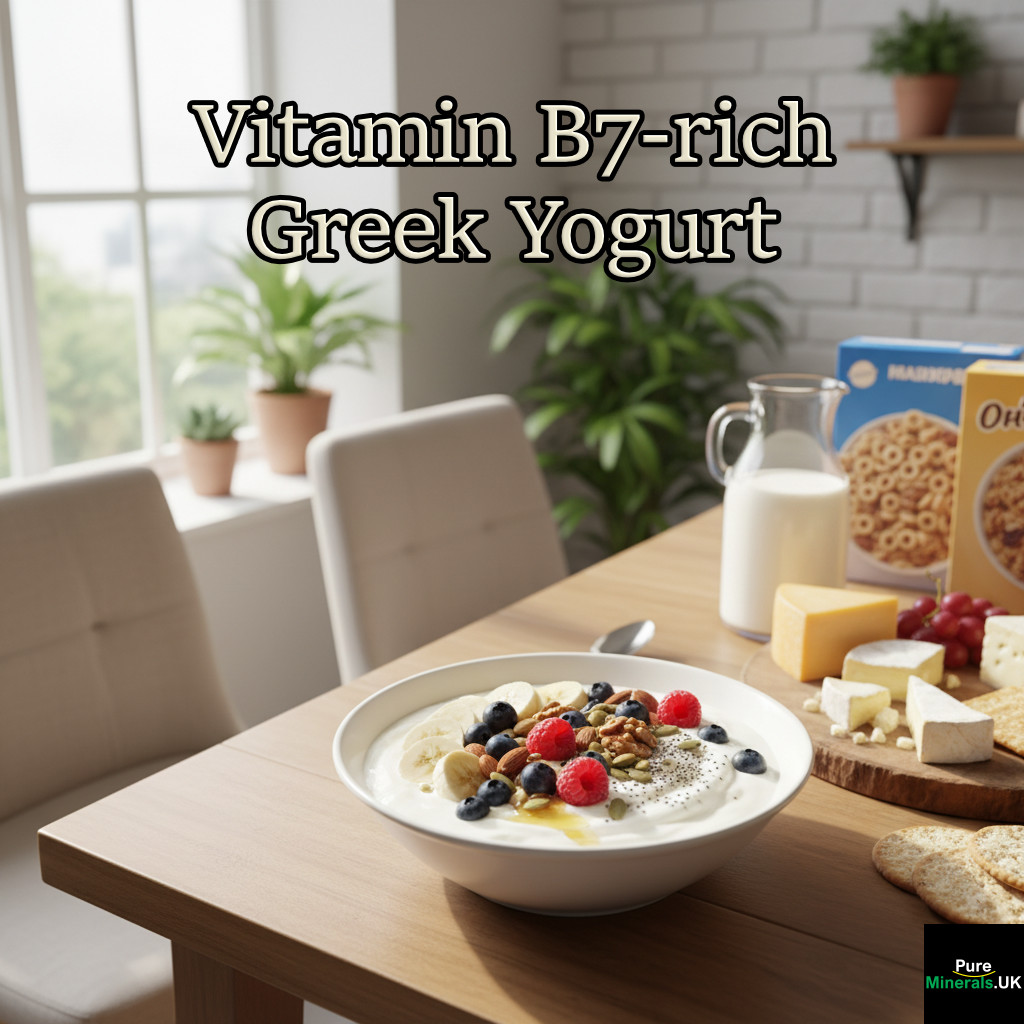
Dairy products like milk, cheese, and yogurt provide varying amounts of vitamin B7 along with other nutrients that support skin, hair, and nail health. Yogurt is particularly noteworthy, with a cup of plain Greek yogurt offering approximately 0.2-0.3 mcg of biotin alongside significant protein, calcium, and probiotics that support gut health, which increasingly appears connected to skin conditions like acne and eczema. For maximum beauty benefits, opt for plain, unsweetened varieties and add your own flavor with biotin-containing fruits like berries or bananas, or top with nuts and seeds for an additional biotin boost. Learn more about how Vitamin B5 supports skin health.
Vitamin B7 Beyond Skin: Hair and Nail Benefits
While biotin’s effects on skin are impressive, many people first discover this nutrient when seeking solutions for thinning hair or brittle nails. Biotin plays a fundamental role in the production of keratin, the primary protein that forms the structure of both hair and nails. Without adequate biotin, keratin production can be compromised, resulting in weaker, more fragile hair strands and nail plates that are prone to splitting and breaking.
Research on biotin’s effects on hair and nail health shows particularly promising results for individuals with brittle nail syndrome—a condition characterized by soft, easily broken nails. Several studies have documented significant improvements in nail thickness and reduced splitting when participants supplemented with vitamin B7. Similarly, while more research is needed on hair growth specifically, clinical observations consistently show improvements in hair quality and reduced shedding with adequate biotin intake.
Signs of Biotin Deficiency in Hair and Nails:
- Thinning hair or excessive hair shedding
- Brittle, splitting nails that break easily
- Ridges or unusual texture in nail plates
- Slow hair growth or nails that seem to stop growing
- Hair that appears dull, lifeless, or lacks natural shine
The beauty industry has capitalized on these benefits, with biotin appearing in numerous hair and nail formulations. However, topical application of vitamin B7 has limited effectiveness compared to ensuring adequate internal levels through diet or supplementation. This is because hair and nails are formed from within, and nutrients must reach the hair follicles and nail matrices through the bloodstream to truly impact their structure and growth.
Stronger Hair Growth and Reduced Hair Loss
Vitamin B7 supports hair growth by providing the nutritional foundation for strong, resilient hair strands. When biotin levels are optimal, the hair follicles can produce keratin more efficiently, resulting in strands that grow more quickly and resist breakage better. This is particularly important considering that hair growth is cyclical, with each follicle going through growth, transition, and resting phases. Adequate biotin helps ensure that follicles spend maximum time in the growth phase while producing the strongest possible hair strands. For those experiencing temporary hair shedding due to stress, hormonal changes, or seasonal factors, ensuring sufficient biotin intake may help minimize loss and support faster regrowth.
Thicker, More Resilient Nails
The impact of vitamin B7 on nail health can be particularly dramatic for those with naturally thin or brittle nails. Clinical studies have shown that biotin supplementation at doses of 2.5 mg daily can increase nail thickness by up to 25% in individuals with brittle nail syndrome, with noticeable improvements often appearing after about 4-6 months of consistent intake. These improvements translate to nails that grow more quickly, resist splitting and peeling, and maintain their integrity even with regular exposure to water and household chemicals. For many people, achieving healthier nails through biotin optimization may reduce or eliminate the need for artificial nail enhancements, allowing natural nails to shine.
Biotin Supplements: What You Need to Know
While obtaining biotin through food sources is ideal, supplements can be beneficial for those with increased needs or difficulty consuming enough biotin-rich foods. Vitamin B7 supplements are available in various forms and potencies, ranging from low-dose options in multivitamins (often 30-100 mcg) to high-potency stand-alone supplements containing 5,000-10,000 mcg per serving. Before starting any supplement regimen, it’s important to understand that while biotin is generally considered safe even at high doses, excessive supplementation can interfere with certain laboratory tests, potentially leading to falsely high or low results for important markers like thyroid hormones and cardiac troponin.
Optimal Dosage for Skin Benefits
For general skin health maintenance, most experts recommend a daily biotin intake of 30-100 mcg, which aligns with the adequate intake (AI) established by nutrition authorities. However, for addressing specific skin concerns or supporting overall beauty goals, higher doses in the range of 1,000-3,000 mcg daily may be more beneficial. These higher doses remain well within the safe range for most individuals, as vitamin B7 is water-soluble and excess amounts are typically excreted through urine. When supplementing for skin health specifically, patience is key—visible improvements typically require at least 3-4 months of consistent intake as skin cells go through their natural renewal cycle.
Best Forms of Vitamin B7 Supplements
Biotin supplements come in several forms, including tablets, capsules, gummies, liquids, and even dissolvable sublingual options. While the form itself doesn’t significantly impact biotin’s effectiveness, certain formulations may offer advantages for specific individuals. For example, liquid or sublingual forms may be preferable for those with digestive concerns, as they bypass some digestive processes and may be absorbed more directly.
When selecting a biotin supplement, look for products from reputable manufacturers that undergo third-party testing for purity and potency. Combination formulas that include other nutrients that work synergistically with vitamin B7—such as other B vitamins, zinc, and silica—may offer enhanced benefits for skin, hair, and nails compared to biotin alone. Some advanced formulations also include adaptogenic herbs or antioxidants that provide additional support for stress management and protection against environmental damage, both of which impact beauty outcomes.
Timing and Absorption Tips
To maximize biotin absorption from supplements, consider taking them with a meal that contains a small amount of healthy fat. While vitamin B7 is water-soluble, the presence of fat can help enhance the absorption of many nutrients. Morning might be the optimal time for most people, as taking supplements early in the day ensures consistent timing and makes it less likely you’ll forget your daily dose. Additionally, you might explore how trace minerals can play a role in nutrient absorption.
Be aware that certain medications and supplements may interact with vitamin B7 or affect its absorption. Antibiotics can disrupt the gut bacteria that naturally produce some biotin, while anticonvulsant medications may increase biotin breakdown in the body. Always inform healthcare providers about all supplements you’re taking, especially before undergoing any laboratory testing, as biotin can interfere with the accuracy of various tests when taken in high doses (typically 5,000 mcg or more). For more information on related nutrients, you can explore our article on vitamin B5.
Potential Side Effects and Precautions
While vitamin B7 is generally considered safe even at high supplemental doses, there are some important considerations to keep in mind. The most significant concern with high-dose biotin supplementation is its potential to interfere with laboratory test results. Biotin can cause falsely high or low readings in various tests, including thyroid function panels, hormone tests, and cardiac markers. This interference can potentially lead to misdiagnosis or inappropriate treatment if medical providers aren’t aware of your supplement regimen.
Always inform your healthcare provider about any supplements you’re taking, including biotin, particularly before scheduled blood work. If you’re taking high-dose biotin (5,000 mcg or higher), it’s recommended to stop supplementation at least 72 hours before laboratory testing to avoid interference with results. While actual side effects from biotin itself are rare, some people report mild digestive discomfort, skin rashes, or acne when starting high-dose supplements. These reactions often resolve as the body adjusts or may indicate the need for a lower dose.
Vitamin B7’s Vital Role in Metabolic Health
Beyond its beauty benefits, vitamin B7 plays a crucial role in your overall metabolic health. As a coenzyme, biotin helps activate key enzymes involved in macronutrient metabolism—the processes that convert the food you eat into usable energy. These enzymes are essential for breaking down carbohydrates, fats, and proteins, allowing your cells to harness their energy and utilize their structural components.
Without sufficient vitamin B7, these metabolic pathways become less efficient, potentially leading to fatigue, weakness, and even neurological symptoms in cases of severe deficiency. For those focused on weight management or athletic performance, ensuring optimal biotin levels can help maximize metabolic efficiency, allowing your body to make the most of the nutrients you consume while supporting consistent energy levels throughout the day.
Energy Production and Fat Metabolism
Vitamin B7 serves as a critical cofactor for five different carboxylase enzymes that facilitate important metabolic reactions. These enzymes play key roles in gluconeogenesis (the production of glucose), fatty acid synthesis, and amino acid metabolism. When biotin levels are optimal, these processes function efficiently, helping maintain consistent energy levels and supporting cellular health throughout your body.
Particularly noteworthy is biotin’s role in fat metabolism. The vitamin helps activate acetyl-CoA carboxylase, an enzyme that catalyzes the first step in fatty acid synthesis. This process is essential not just for energy storage but also for the production of the fatty acids that comprise cell membranes, including those in your skin. By supporting proper fat metabolism, biotin helps ensure your skin cells have the structural components they need to maintain their integrity and barrier function, directly connecting metabolic health to skin appearance.
Blood Sugar Regulation
Emerging research suggests biotin may play a beneficial role in blood sugar regulation, with potential implications for both skin health and overall metabolic wellness. Vitamin B7 works alongside other nutrients, particularly chromium, to support insulin sensitivity—the ability of your cells to respond appropriately to insulin and take up glucose from the bloodstream. This improved insulin function helps maintain more stable blood sugar levels, which can reduce glycation—a process where excess sugar molecules attach to proteins like collagen and elastin, causing them to become stiff and less functional.
Glycation is a major contributor to skin aging, leading to wrinkles, sagging, and loss of radiance. By supporting better blood sugar regulation, adequate biotin intake may help protect your skin’s structural proteins from this damage, preserving their elasticity and function longer. Some studies have even found that combined supplementation with biotin and chromium may help improve glycemic control in people with diabetes, highlighting the vitamin’s potential role in metabolic health beyond its classic functions.
Creating Your Vitamin B7-Powered Beauty Routine
Incorporating biotin-rich foods into your daily routine doesn’t have to be complicated. Start by identifying which biotin sources align with your food preferences and dietary pattern, then intentionally include several of these foods each day. A well-planned approach ensures you’re consistently providing your body with the biotin it needs to support skin, hair, and nail health from within. Complement your internal nutrition with appropriate skincare that focuses on barrier support and hydration, as healthy skin requires both internal nourishment and external protection.
Daily Meal Plan for Maximum Biotin Benefits
Creating a biotin-rich meal plan can be both delicious and simple. For breakfast, consider a nutrient-dense option like Greek yogurt topped with chopped walnuts, sliced banana, and a drizzle of honey—combining several biotin sources in one meal. Mid-morning, a handful of almonds or sunflower seeds provides a convenient biotin boost while satisfying hunger between meals. For lunch, a spinach salad topped with hard-boiled eggs, avocado, and grilled salmon delivers an impressive array of biotin alongside other skin-supporting nutrients like omega-3 fatty acids and antioxidants.
Dinner might include sweet potatoes alongside lean protein like chicken or lentils, with sautéed mushrooms as a side dish for an additional biotin boost. For dessert or an evening snack, fresh berries with a small piece of dark chocolate not only satisfy sweet cravings but also provide antioxidants that complement biotin’s beauty benefits. This approach ensures you’re receiving biotin throughout the day from varied sources, maximizing both absorption and the synergistic effects of consuming biotin alongside other beauty-supporting nutrients.
Combining B7 with Other Beauty Nutrients
For maximum beauty benefits, consider combining biotin-rich foods with other nutrients known to support skin, hair, and nail health. Vitamin C is essential for collagen production and works synergistically with vitamin B7 to promote skin elasticity and strength. Omega-3 fatty acids from sources like fatty fish, walnuts, and flaxseeds help reduce inflammation and support skin barrier function. Zinc plays a crucial role in cell division and protein synthesis, making it important for hair growth and skin renewal, while silicon from foods like cucumbers and bell peppers supports collagen formation and strengthens hair and nails.
Topical Biotin Products Worth Trying
While internal consumption of biotin is most effective for addressing beauty concerns, topical products containing biotin may provide additional benefits, particularly for hair and scalp health. Biotin-infused shampoos and conditioners can help improve the appearance and manageability of hair by coating the strands with a protective layer that reduces breakage and friction damage. Look for formulations that combine biotin with other strengthening ingredients like panthenol, keratin, or rice protein for enhanced results. For scalp health, serums containing biotin along with growth-stimulating ingredients like caffeine, peptides, or botanical extracts may help create an optimal environment for hair follicles, potentially supporting stronger, thicker hair growth over time.
For skin care, biotin is occasionally included in moisturizers and serums designed for dry or mature skin. While topical biotin is unlikely to be absorbed significantly by the skin, these products often contain complementary ingredients that support barrier function and hydration, which can improve overall skin appearance. Consider these products as complementary to your internal biotin strategy rather than replacements, as the most significant beauty benefits come from ensuring adequate biotin levels from within.
Signs You Might Need More Biotin
While severe vitamin B7 deficiency is rare, certain signs may indicate your levels aren’t optimal for beauty benefits. These include thinning hair or excessive shedding, brittle nails that crack or split easily, persistent dry, flaky skin, a red, scaly rash (particularly around the eyes, nose, and mouth), and unusual fatigue or muscle weakness.
Risk factors for lower biotin status include pregnancy, breastfeeding, long-term antibiotic use, certain anticonvulsant medications, digestive disorders that affect nutrient absorption, alcohol dependency, and consuming large amounts of raw egg whites, which contain a protein that blocks biotin absorption. If you notice several of these signs or fall into a high-risk category, consider increasing your consumption of biotin-rich foods or consult with a healthcare provider about appropriate supplementation.
Frequently Asked Questions
Many questions arise when exploring vitamin B7 for beauty benefits. Below are answers to some of the most common concerns about incorporating this important nutrient into your wellness routine. Remember that individual responses to nutrition changes vary, and patience is key when using dietary approaches to address beauty concerns.
How long does it take to see skin improvements from biotin?
Most people begin to notice improvements in skin texture, hydration, and clarity after about 4-8 weeks of consistent adequate biotin intake. This timeline reflects the natural turnover rate of skin cells, which typically takes about 28 days in healthy adults. For more significant concerns or in cases of longer-standing issues, it may take 3-6 months to see dramatic improvements. Factors that can influence how quickly you notice results include your age (cell turnover slows with age), your starting biotin status, overall nutritional status, hydration levels, and whether you’re addressing other factors that impact skin health like stress and sleep quality. Additionally, maintaining adequate Vitamin B5 levels can also support skin health.
To maximize results and see improvements more quickly, combine biotin-rich foods or supplements with proper skincare, adequate hydration, stress management, and sufficient sleep. Taking “before” photos in consistent lighting can help you objectively track subtle improvements that might be difficult to notice day by day. Remember that nutrition-based approaches to beauty work gradually but often produce more sustainable results than quick fixes.
Can biotin cause acne or other skin breakouts?
While vitamin B7 itself rarely causes breakouts, some individuals report experiencing acne after starting high-dose biotin supplements. This effect may be due to an imbalance between vitamin B7 and other B vitamins, particularly B5 (pantothenic acid), which plays a role in regulating oil production and supporting skin barrier function. Vitamin B7 and vitamin B5 compete for absorption in the intestines, so very high biotin intake might theoretically reduce B5 absorption, potentially affecting sebum regulation.
If you notice increased breakouts after starting biotin supplements, consider several approaches: reduce your supplemental dose, ensure you’re getting adequate B5 through diet or a B-complex supplement, increase your water intake to help clear waste products, and use non-comedogenic skincare products. In most cases, any initial breakouts resolve as your body adjusts to the new nutrient levels. If problems persist, consult with a healthcare provider to rule out other potential causes and determine the best approach for your individual situation.
Is it possible to get too much biotin?
Because vitamin B7 is water-soluble, excess amounts are generally excreted through urine rather than stored in the body. No upper limit has been established for biotin intake, and even doses much higher than the daily recommendation (30 mcg for adults) appear well-tolerated by most people. The most significant concern with high-dose biotin supplementation is not toxicity but rather its potential interference with certain laboratory tests, which can lead to misdiagnosis of conditions like thyroid disorders if healthcare providers are unaware of your supplement use.
Does cooking destroy vitamin B7 in foods?
Biotin is relatively stable during most cooking processes, especially compared to some other vitamins. However, as a water-soluble vitamin, some biotin may leach into cooking water when foods are boiled. To preserve maximum biotin content, consider steaming, roasting, or sautéing biotin-rich foods rather than boiling them. When boiling is necessary, you can retain nutrients by using the cooking liquid in soups or sauces. Prolonged exposure to high heat may cause some biotin degradation, so gentle cooking methods are generally preferable for preserving this and other nutrients.
Can children and pregnant women take vitamin B7 supplements?
Vitamin B7 is considered safe and is actually particularly important during pregnancy and childhood, as it supports healthy development and growth. Pregnant women have an increased biotin requirement (30 mcg daily compared to 25 mcg for most adult women), and biotin deficiency appears to be more common during pregnancy due to faster biotin breakdown in the body. For children, the recommended biotin intake varies by age, ranging from 5 mcg daily for infants to 25 mcg for teenagers.
While getting nutrients from food is always the preferred approach, biotin supplements in appropriate doses are generally considered safe for pregnant women and children. However, extremely high doses have not been well-studied in these populations. Always consult with a healthcare provider before starting any supplement regimen during pregnancy or for children, and choose products specifically formulated for these groups when supplements are recommended.
Incorporating biotin-rich foods into your diet is one of the simplest yet most effective steps you can take toward healthier skin, stronger hair, and more resilient nails. Whether you choose to focus on dietary sources or supplement your intake, consistent attention to this often-overlooked nutrient can yield impressive beauty benefits while simultaneously supporting your overall metabolic health. For personalized guidance on optimizing your biotin intake for your specific beauty and health goals, consult with a qualified healthcare provider or registered dietitian.