

Published: 14 April 2026
This article is periodically reviewed and updated to reflect current scientific understanding by Vic George.
Fact-Checked: 2 other authoritative medical/scientific references. See our Editorial Policy.
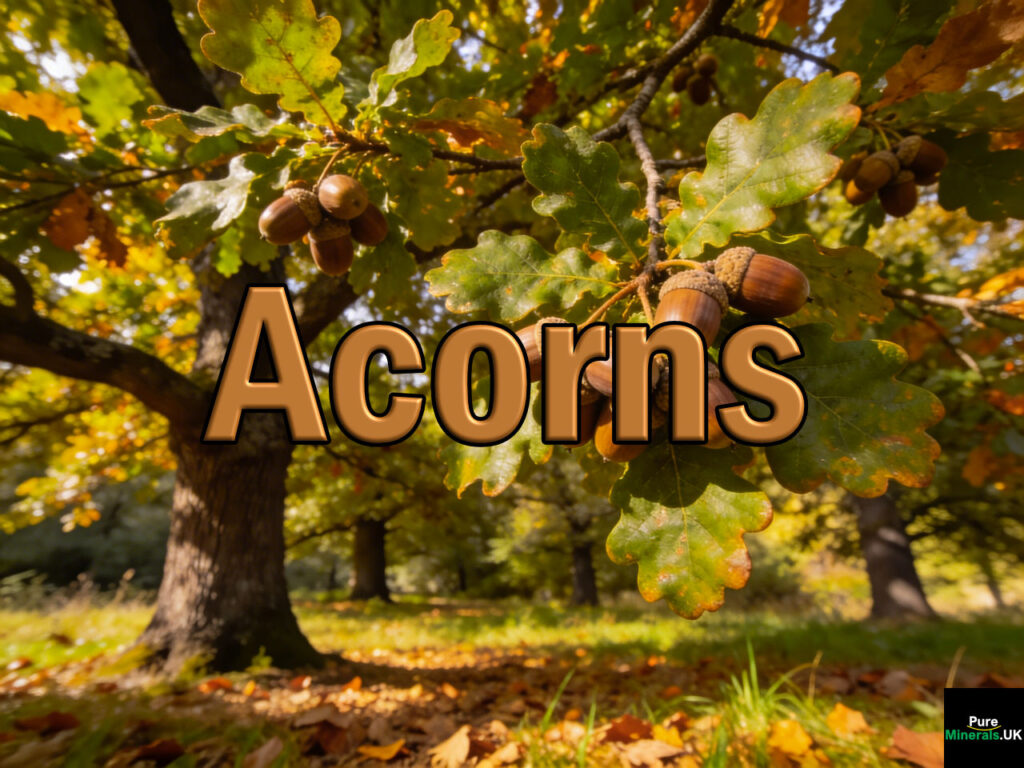
What Is an Acorn and Why Has It Been Used as Food?
Acorns are the edible nuts of oak trees (Quercus species), historically consumed as a staple food in many cultures. While naturally rich in carbohydrates, fibre, and plant compounds, acorns require specific preparation to remove bitter tannins before they are suitable for consumption.
Definition
An acorn is the nut of an oak tree (Quercus spp.), enclosed in a hard shell and partially capped by a cupule. It is classified botanically as a true nut and serves as a seed for oak reproduction.
Extended Definition
Acorns are the nuts of trees in the genus Quercus, which includes hundreds of species distributed across the Northern Hemisphere. As reproductive seeds, acorns contain stored energy in the form of starches, lipids, and proteins to support early seedling growth.
From a nutritional perspective, acorns are notable for their carbohydrate content, dietary fibre, and modest levels of fats—primarily unsaturated fatty acids. They also contain micronutrients such as potassium, magnesium, and small amounts of B vitamins.
However, raw acorns are high in tannins—polyphenolic compounds that impart a strong bitterness and can interfere with nutrient absorption if consumed in significant quantities. Traditional processing methods, including soaking or leaching in water, are used to reduce tannin levels and render the acorns palatable and more suitable for human consumption.
Historically, acorns have been ground into flour, used in porridges, or incorporated into baked goods, particularly during periods of food scarcity or in traditional diets where oak trees are abundant.
Key Facts
- Botanical Name: Quercus spp.
- Plant Type: Deciduous or evergreen tree (seed/nut)
- Edible Part: Seed (kernel inside the shell)
- Macronutrient Profile: Predominantly carbohydrates, with fibre and moderate fats
- Notable Micronutrients: Potassium, magnesium, trace B vitamins
- Natural Compounds: Tannins (polyphenols), flavonoids
- Typical Preparation: Leached (soaked or boiled) to remove tannins, then dried and ground or cooked
- Common Uses: Flour, porridge, traditional baked goods
- Taste Profile: Mild and nutty after processing; bitter when raw
- Culinary Status: Historically significant staple; limited modern use
Article At A Glance
- Acorns are packed with healthy fats, fiber, iron, manganese, and powerful antioxidants like quercetin, catechins, resveratrol, and gallic acid.
- Raw acorns contain tannins that make them bitter and potentially harmful — but soaking or boiling removes tannins and makes them completely safe to eat.
- Indigenous cultures across North America, Europe, and Asia relied on acorns as a dietary staple for thousands of years, and for good reason.
- Acorn flour is a versatile, nutrient-dense alternative to conventional flour that can be used in breads, pastries, and more.
- There’s a surprising reason why some people with nut allergies can still eat acorns safely — keep reading to find out.
Acorns have been quietly sitting beneath oak trees for millennia, largely ignored by modern diets — but they shouldn’t be.
These small, humble nuts are nutritional powerhouses that sustained entire civilizations long before grocery stores existed. Over 450 species of oak trees grow across the globe, mostly throughout the Northern Hemisphere, and every single one produces edible acorns. That’s an extraordinary, renewable, and often completely free food source that most people walk right past.
For those interested in foraging, ancestral eating, or simply expanding their understanding of whole foods, acorns deserve a serious look. Healthline and peer-reviewed research published in PMC (PubMed Central) both confirm that properly prepared acorns are not only safe but genuinely beneficial. The key word there is properly prepared — and we’ll get into exactly what that means.
Acorns Are More Than Just Squirrel Food
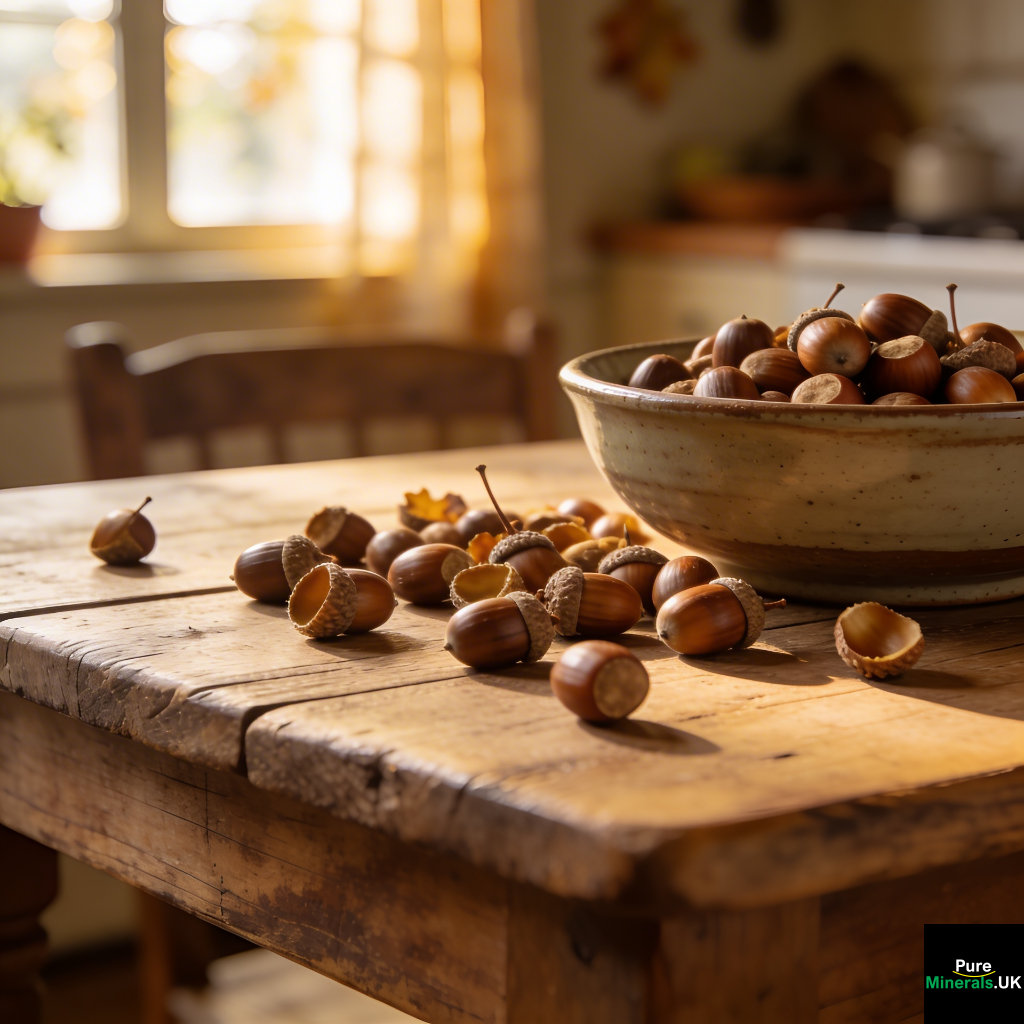
Most people associate acorns with autumn decorations or wildlife, but their history as human food runs deep. Native American tribes ground acorns into flour. Korean cuisine features acorn jelly, called dotorimuk. Mediterranean populations consumed them during times of scarcity and abundance alike. The idea that acorns are inedible or purely animal food is a very modern — and very wrong — assumption.
What changed isn’t the acorn. What changed is that cheaper, more convenient grains took over. But with rising interest in foraging, ancestral nutrition, and sustainable eating, acorns are making a quiet comeback — and the nutritional science backs up every bit of that renewed interest.
Acorn Nutritional Profile
Acorns aren’t just edible filler — they offer a genuinely impressive lineup of macronutrients, micronutrients, and protective plant compounds. The exact profile varies slightly depending on the oak species, but the core nutritional value holds consistently across varieties.
Macronutrients Per 1-Ounce Serving
A standard one-ounce (28g) serving of dried acorns delivers a solid balance of energy-providing macronutrients. Here’s what you can expect:
Nutrient | Amount Per 1 oz (28g) |
|---|---|
Calories | ~110 |
Total Fat | ~7g |
Carbohydrates | ~12g |
Dietary Fiber | ~1g |
Protein | ~2g |
The fat content in acorns is predominantly unsaturated — the same category of heart-supportive fats found in olive oil and avocados. This makes acorns a solid energy-dense food with a favorable fat profile for cardiovascular health.
Key Vitamins and Minerals in Acorns
Beyond macronutrients, acorns are a meaningful source of several essential micronutrients. Iron supports oxygen transport in the blood. Manganese plays a critical role in bone formation, blood clotting, and reducing inflammation. Acorns also provide vitamin A, which supports vision and immune function, and vitamin E, a fat-soluble antioxidant that protects cell membranes from oxidative stress. Together, these nutrients make acorns far more than empty calories.
Beneficial Plant Compounds Found in Acorns
This is where acorns genuinely stand out. Research published in PMC has identified a compelling range of bioactive plant compounds in acorns, including:
- Catechins — also found in green tea, known for their anti-inflammatory and antioxidant effects
- Resveratrol — the same compound associated with cardiovascular protection in red grapes
- Quercetin — a potent flavonoid linked to reduced inflammation and immune support
- Gallic acid — an antioxidant compound with demonstrated antimicrobial properties
These compounds work collectively to protect cells from oxidative damage — the kind of low-grade, chronic cellular stress linked to aging and disease. It’s worth noting that while the plant compounds are well-documented, larger-scale human clinical trials specifically on acorn consumption are still limited, so some benefits are extrapolated from compound-level research.
Health Benefits of Eating Acorns
Properly prepared acorns bring several real, evidence-supported benefits to the table. The nutrients and plant compounds don’t exist in isolation — they work together in ways that make acorns genuinely useful as a functional food.
Antioxidant Protection Against Cell Damage
Acorns are rich in antioxidants, particularly vitamins A and E alongside the plant compounds quercetin, catechins, resveratrol, and gallic acid. Antioxidants neutralize free radicals — unstable molecules that damage cells and contribute to chronic disease when left unchecked. The combination of fat-soluble antioxidants (like vitamin E) and polyphenols (like quercetin) gives acorns a broad-spectrum protective effect across different types of cellular tissue.
That said, while the antioxidant capacity of acorns is well-established at the compound level, Healthline notes that direct human research on the anti-inflammatory and anti-oxidative effects of acorn consumption specifically is still needed. The science is promising — it just hasn’t been fully translated into large-scale clinical studies yet.
Healthy Fats That Support Heart Health
The dominant fats in acorns are unsaturated fatty acids, which have been consistently associated with improved cardiovascular health markers. Unsaturated fats help maintain healthy cholesterol levels and reduce inflammation in arterial walls — two factors central to heart disease prevention. Because acorns are energy-dense with a favorable fat profile, they function similarly to other tree nuts in supporting metabolic and cardiovascular health.
Role of Acorns in Blood Sugar Management
Acorns have a relatively low glycemic impact compared to refined grains, making them a potentially useful food for blood sugar regulation. Their combination of fiber, healthy fat, and protein slows the rate at which glucose enters the bloodstream, preventing the sharp spikes and crashes associated with high-carbohydrate processed foods. This quality made acorn flour a practical dietary staple in traditional cultures long before anyone understood the glycemic index — they simply knew it kept them full and energized.
Traditional and Cultural Uses of Acorns
Acorns didn’t become a widespread food source by accident — they became one because they work. They’re calorie-dense, shelf-stable when dried, and available in massive quantities each fall from trees that require zero cultivation. For pre-agricultural and early agricultural societies, that combination was extraordinarily valuable. The acorn wasn’t a backup food or a famine food in most cultures — it was a planned, intentional dietary cornerstone.
What’s remarkable is how independently different cultures across multiple continents arrived at the same conclusion: acorns, once properly processed, are an excellent food. That cross-cultural consensus speaks louder than any single study.
Acorns as a Staple Food in Indigenous Cultures
Among many Native American tribes, particularly in California, acorns were the single most important food source in the diet. Tribes, including the Miwok, Pomo, and Chumash, developed sophisticated systems for harvesting, processing, and storing acorns — some storing enough to last through multiple seasons. Acorn meal was used to make a thick porridge, flatbreads, and soups that formed the backbone of daily nutrition.
The preparation knowledge was passed down carefully through generations because getting it right mattered. Different oak species were recognized for producing sweeter or more bitter acorns, and specific leaching techniques were matched to the tannin levels of each variety. This wasn’t primitive trial and error — it was a refined, practical food science developed over centuries.
Historical Use in European and Asian Diets
In Europe, acorns served as an important food source during times of grain scarcity, particularly across the Iberian Peninsula, Greece, and parts of the Mediterranean. In Korea, acorn starch is still used today to make dotorimuk — a firm, savory jelly served as a traditional side dish. Japan has its own history of acorn consumption, and archaeological evidence from prehistoric sites across multiple continents confirms that acorn use as food predates recorded history by thousands of years. These aren’t obscure footnotes — they’re evidence of a food that has genuinely sustained human populations across time and geography.
How to Prepare Acorns Safely for Eating
Preparation is everything with acorns. Skip it, and you’re left with a bitter, potentially gut-irritating nut. Do it right, and you have a versatile, nutty-flavored ingredient that works across a surprising range of recipes. The process has a few clear steps, and none of them require special equipment.
1. Identify and Collect Ripe Acorns
Timing and selection matter from the very first step. Look for fully mature, brown acorns with caps still attached — these are your best candidates. Avoid green, unripe acorns entirely, as they contain significantly higher tannin concentrations. Once collected, rinse them thoroughly to remove dirt and debris, then inspect each one carefully. Discard any that appear rotten, moldy, or have small holes indicating insect activity. Hundreds of mature acorns can typically be gathered beneath a single oak tree in autumn, making foraging highly efficient once you know what to look for.
2. Remove Tannins by Soaking or Boiling
This is the non-negotiable step. Tannins are water-soluble, which makes them relatively easy to remove — but you have to do it. There are two reliable methods:
- Cold water soaking: Shell the acorns, grind or chop them, then submerge in cold water. Change the water every 8–12 hours and repeat for several days until the water runs clear and the bitterness is gone. This method preserves more starch structure, which matters if you’re making flour.
- Boiling method: Boil shelled acorns in water, drain, transfer to fresh boiling water, and repeat multiple times until bitterness is removed. This is faster but breaks down some of the starch, which slightly changes the texture of the final product.
Taste-test as you go. Once the sharp bitterness is gone, the tannins have been sufficiently leached out, and the acorns are safe to eat.
3. Dry and Process Into Acorn Flour
After leaching, spread the acorns in a single layer and dry them thoroughly — either in a low-temperature oven around 65–93°C (150–200°F) or in the open air. Once fully dried, grind them using a food processor, high-powered blender, or grain mill until you reach a fine flour consistency. The result is a slightly sweet, earthy flour with a flavor profile often compared to whole wheat with nutty undertones. Store acorn flour in an airtight container in the refrigerator or freezer to preserve its healthy fats and prevent rancidity.
4. Practical Ways to Use Acorns in Cooking
Acorn flour is remarkably flexible in the kitchen. It can be used as a partial or full substitute for wheat flour in breads, muffins, pancakes, and pastries. Whole processed acorns can be roasted and eaten as a snack — try tossing them with cinnamon and a touch of honey before baking for a simple, satisfying treat. They can also be added to soups and stews as a thickening agent or blended into porridge. In Korean cooking, the process of making dotorimuk involves mixing acorn starch with water and cooking it until it sets into a firm, sliceable jelly — a technique that translates easily into modern kitchens.
Safety Risks and Who Should Avoid Acorns
Acorns are safe — but only when handled correctly. The safety concerns around acorns are real and worth understanding clearly, because they’re also entirely preventable with the right preparation approach. The risks come from specific compounds and individual sensitivities, not from the acorn itself as a food category.
It’s also important to separate the risks for humans from the risks for animals, since the two are quite different. A food that’s dangerous for a dog or livestock animal isn’t automatically dangerous for humans, and vice versa. Understanding these distinctions prevents unnecessary fear while keeping safety front and center.
Why Raw Acorns Are Not Safe to Eat
Raw acorns contain high concentrations of tannins — a group of bitter, astringent plant compounds that act as antinutrients. In significant quantities, tannins interfere with protein absorption, irritate the digestive lining, and can cause nausea and gastrointestinal distress. While no formal human toxicity studies exist specifically for raw acorn consumption, the antinutrient load in unprocessed acorns is high enough that they are not recommended to be eaten raw. The fix is straightforward — proper leaching through soaking or boiling removes the tannins effectively, leaving behind a safe and nutritious food. For example, similar antinutrient concerns can be found in other grains like millet, which also requires processing to remove such compounds.
Tannin Toxicity in Livestock and Pets
The tannin story gets significantly more serious when it comes to animals. Livestock — particularly cattle, sheep, and goats — are highly susceptible to tannin toxicity from acorn consumption. When animals graze heavily on fallen acorns or oak leaves, the tannin load can cause severe kidney damage, gastrointestinal hemorrhage, and in extreme cases, death. This condition is well-documented in veterinary literature and is a genuine concern for farmers during autumn months when acorns fall in large quantities.
Dogs face a similar risk. Acorns are considered toxic to dogs due to a combination of tannins and a compound called pyrogallol, which can cause vomiting, diarrhea, lethargy, and in serious cases, kidney or liver damage. If you have dogs that spend time outdoors near oak trees, it’s worth monitoring them closely during acorn season and preventing them from eating fallen nuts. The risk to dogs is real, regardless of whether the acorns are raw or processed — acorns simply are not an appropriate food for canines.
Acorn Allergy and Oak Sensitivity Considerations
Acorns are botanically classified as tree nuts, but they sit in a unique category. People with tree nut allergies — particularly to almonds, walnuts, or cashews — are not automatically allergic to acorns, since acorns belong to the Fagaceae family rather than the Anacardiaceae or Juglandaceae families that include the most common tree nuts. However, cross-reactivity is possible, especially for individuals with known oak pollen allergies, a condition sometimes called oral allergy syndrome (OAS).
If you have a history of seasonal allergies to oak pollen, you may experience mild oral symptoms — itching, tingling, or swelling of the lips and mouth — when eating acorns. This reaction is typically localized and mild in pollen-food allergy syndrome, but anyone with a significant tree nut allergy or history of anaphylaxis should consult a healthcare provider before experimenting with acorns as a food. For most healthy adults with no relevant allergies, properly processed acorns present no meaningful allergic risk.
Acorns Are a Legitimate Superfood Worth Revisiting
Acorns check nearly every box a functional food should check — dense nutrition, protective antioxidants, a favorable fat profile, blood sugar stability, and a millennia-long track record of safe human consumption across multiple continents. The only real barrier between most people and this food is the preparation step, and once you’ve done it a few times, it becomes second nature. The bitterness that makes raw acorns unpleasant is completely removable. What’s left after proper processing is a genuinely impressive, versatile ingredient that deserves a place in the modern natural health toolkit.
Important note: Acorns
Acorns must be properly processed before consumption to reduce tannin content, which can cause digestive discomfort and reduce nutrient absorption when consumed in excess. Only acorns from non-toxic oak species should be used, and correct identification is essential. Acorns are not commonly consumed in modern diets, and individuals with sensitivities to tannins or unfamiliar foods should introduce them cautiously. This information is provided for educational purposes and is not intended as medical advice.
Frequently Asked Questions
Acorns come with a lot of understandable questions — most people have never considered eating them and aren’t sure where to start. The answers below cut through the confusion with clear, practical information.
Can you eat acorns straight off the ground?
No — eating raw acorns directly from the ground is not recommended. Raw acorns contain high levels of tannins that act as antinutrients and can cause digestive irritation, nausea, and may interfere with nutrient absorption. You should also check collected acorns for signs of rot, mold, or insect damage before processing. Always leach the tannins through soaking or boiling before consuming acorns in any form.
How do you remove tannins from acorns?
There are two reliable methods for removing tannins from acorns. The cold water soaking method involves shelling and chopping the acorns, submerging them in cold water, and changing the water every 8–12 hours over several days until the bitterness disappears and the water runs clear. The boiling method is faster — boil shelled acorns, drain the water, transfer to a fresh pot of boiling water, and repeat until the bitterness is gone.
The cold soak method is generally preferred for making acorn flour because it preserves the starch structure. The boiling method works well if you plan to use the acorns whole or in cooked dishes where texture is less critical. Either way, taste-testing throughout the process is the most reliable way to know when the tannins have been sufficiently removed. For those interested in exploring other grains, consider learning about sorghum as an alternative.
Are acorns safe for dogs to eat?
No, acorns are not safe for dogs, and this applies to both raw and processed acorns. The combination of tannins and pyrogallol found in acorns can cause vomiting, diarrhea, abdominal pain, and, in more serious cases, kidney or liver damage in dogs. If your dog has consumed acorns, contact your veterinarian promptly. Keep dogs away from areas with heavy acorn fall during the autumn months as a precautionary measure.
What do acorns taste like after preparation?
Properly leached and dried acorns have a mild, nutty, slightly earthy flavor with subtle sweetness — often described as somewhere between whole wheat and hazelnut. The bitterness from raw acorns is completely gone after proper tannin removal. When roasted, they develop a richer, deeper flavor with a satisfying crunch. As flour, acorns add a warm, wholesome depth to baked goods that pairs especially well with cinnamon, honey, and other warming spices.
Which oak tree species produces the best acorns for eating?
White oak (Quercus alba) is widely considered the best species for eating because its acorns have naturally lower tannin levels than most other oak varieties, which means less processing time and a milder, sweeter final flavor. Bur oak (Quercus macrocarpa) is another excellent choice for the same reason. Red oak acorns (Quercus rubra) are perfectly edible but contain significantly higher tannin levels, requiring more intensive and longer leaching to fully remove bitterness, similar to the process used for wild rice.
If you’re foraging your own acorns, learning to identify white oak trees in your local area is worth the effort. White oak leaves have rounded, smooth lobes — compared to the pointed, bristle-tipped lobes of red oak leaves — which makes identification fairly straightforward once you know what to look for.
Regardless of species, the same preparation principles apply: collect mature brown acorns, check for quality, leach the tannins thoroughly, dry completely, and store properly. The species simply determines how much leaching time you’ll need — not whether the acorn is edible.
Acorns have been a staple food in many cultures around the world, valued for their rich nutritional profile. They are high in carbohydrates, which makes them an excellent energy source. In addition to their nutritional benefits, acorns have been used traditionally in various forms, including acorn flour, which is similar to other ancient grains like sorghum. However, before consuming acorns, it is important to process them correctly to remove tannins, which can be harmful if ingested in large quantities. Understanding these safety considerations is crucial for those looking to incorporate acorns into their diet.