

Published: 4 April 2026
This article is periodically reviewed and updated to reflect current scientific understanding by Vic George.
Fact-Checked: 2 other authoritative medical/scientific references. See our Editorial Policy.
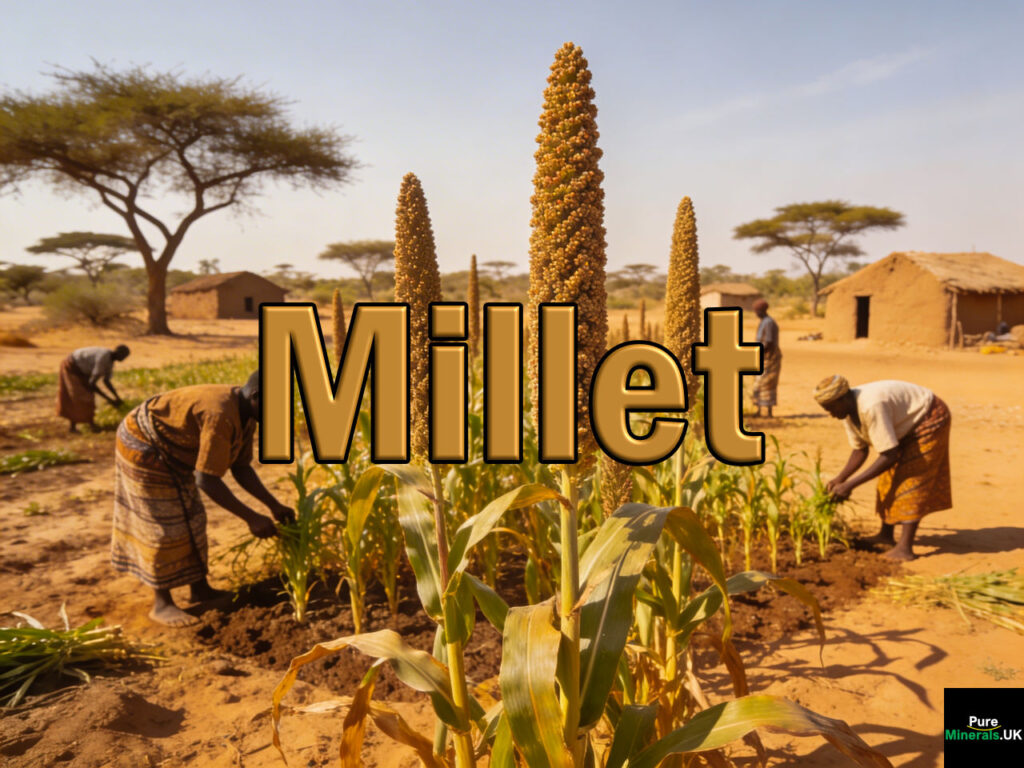
What Is Millet?
Millet refers to a group of small-seeded cereal grains cultivated globally, valued for their resilience, nutritional content, and role as a gluten-free staple in many traditional diets.
Definition
Millet is a collective term for several species of small-grained grasses in the Poaceae family, cultivated for their edible seeds.
Extended Definition
Millet is not a single grain but a category encompassing multiple species, including pearl millet (Pennisetum glaucum), finger millet (Eleusine coracana), and foxtail millet (Setaria italica), among others. These grains have been cultivated for thousands of years across Africa and Asia, particularly in regions with dry or nutrient-poor soils where other cereals may not thrive.
Millet grains are naturally gluten-free and are commonly used as a staple food in parts of India, China, and sub-Saharan Africa. They are consumed as whole grains, ground into flour, or processed into porridges, flatbreads, and fermented foods.
Nutritionally, millet provides complex carbohydrates, dietary fiber, and moderate amounts of protein. It is also a source of minerals such as magnesium, phosphorus, iron, and, in certain varieties like finger millet, calcium. Millet contains bioactive compounds, including polyphenols, which have been studied for their antioxidant properties.
Due to its mild flavour and adaptability, millet is used in both traditional and modern culinary applications, including gluten-free baking and grain-based dishes.
Key Facts
- Botanical Classification: Multiple species (e.g., Pennisetum glaucum, Eleusine coracana, Setaria italica)
- Plant Family: Poaceae
- Common Forms: Whole grain, flour, flakes
- Typical Serving Methods: Boiled, steamed, ground into flour, or fermented
- Taste Profile: Mild, slightly nutty, sometimes slightly sweet
Nutritional Highlights:
- Gluten-free carbohydrate source
- Contains dietary fiber
- Provides magnesium, phosphorus, and iron
- Certain types (e.g., finger millet) are high in calcium
Culinary Uses:
- Porridges and breakfast cereals
- Flatbreads and baked goods
- Grain bowls and side dishes
Notable Compounds:
- Polyphenols
- Phytates
Dietary Suitability:
- Gluten-free, vegan, vegetarian diets
Article At A Glance
- Millet is a naturally gluten-free grain packed with protein, fiber, and essential minerals — making it a powerful alternative to wheat and rice for everyday wellness.
- With a low glycemic index, millet helps regulate blood sugar levels, supporting heart health and stable energy throughout the day.
- The United Nations declared 2023 the International Year of Millets, recognizing its extraordinary nutritional profile and global food security potential.
- Millet contains antinutrients like phytic acid that can reduce mineral absorption — but there’s a simple way to work around this that most people overlook.
- From breakfast porridge to baked goods and salads, millet is one of the most versatile whole grains you can add to your kitchen rotation.
Most people walk right past millet in the grocery store without a second glance — and that’s a mistake worth correcting.
Millet has quietly fed billions of people across Africa and Asia for thousands of years, yet in Western countries, it’s often overlooked in favor of more familiar grains like wheat, oats, or quinoa. That’s starting to change. As more people seek out gluten-free whole grains that actually deliver on nutrition, millet is finally getting the attention it deserves.
Millet Is One of the Most Nutrient-Dense Grains You’re Probably Not Eating
Millet isn’t just a trendy health food — it’s a nutritional powerhouse backed by a growing body of research. It’s rich in protein, antioxidants, dietary fiber, and key micronutrients, all while being completely free of gluten. Research published in Comprehensive Food Science Reviews identifies millet as nutritionally comparable to — and in some areas superior to — major cereal crops like rice, wheat, and maize. The nickname “nutricereals” didn’t come from nowhere.
What Exactly Is Millet?
Millet is a group of small-seeded cereal grains belonging to the grass family Poaceae. Hardy and drought-resistant, these grains thrive in the arid and semi-arid regions of the world where other crops struggle to survive. Despite their tiny size, they pack a remarkable nutritional punch.
A Small-Seeded Grain With Ancient Roots
Millet has been cultivated for thousands of years, primarily by smallholder farmers across Asian and African countries. It looks similar to a small seed, and its nutritional profile closely resembles that of sorghum and other cereals. What sets it apart is its resilience — it grows in poor soil conditions with minimal water, making it a critical food source in regions where other grains simply won’t survive.
Because of this adaptability, millet has historically served as a dietary staple for large portions of the global population. Today, that ancient reliability is being rediscovered by health-conscious eaters around the world, similar to other ancient grains like fonio.
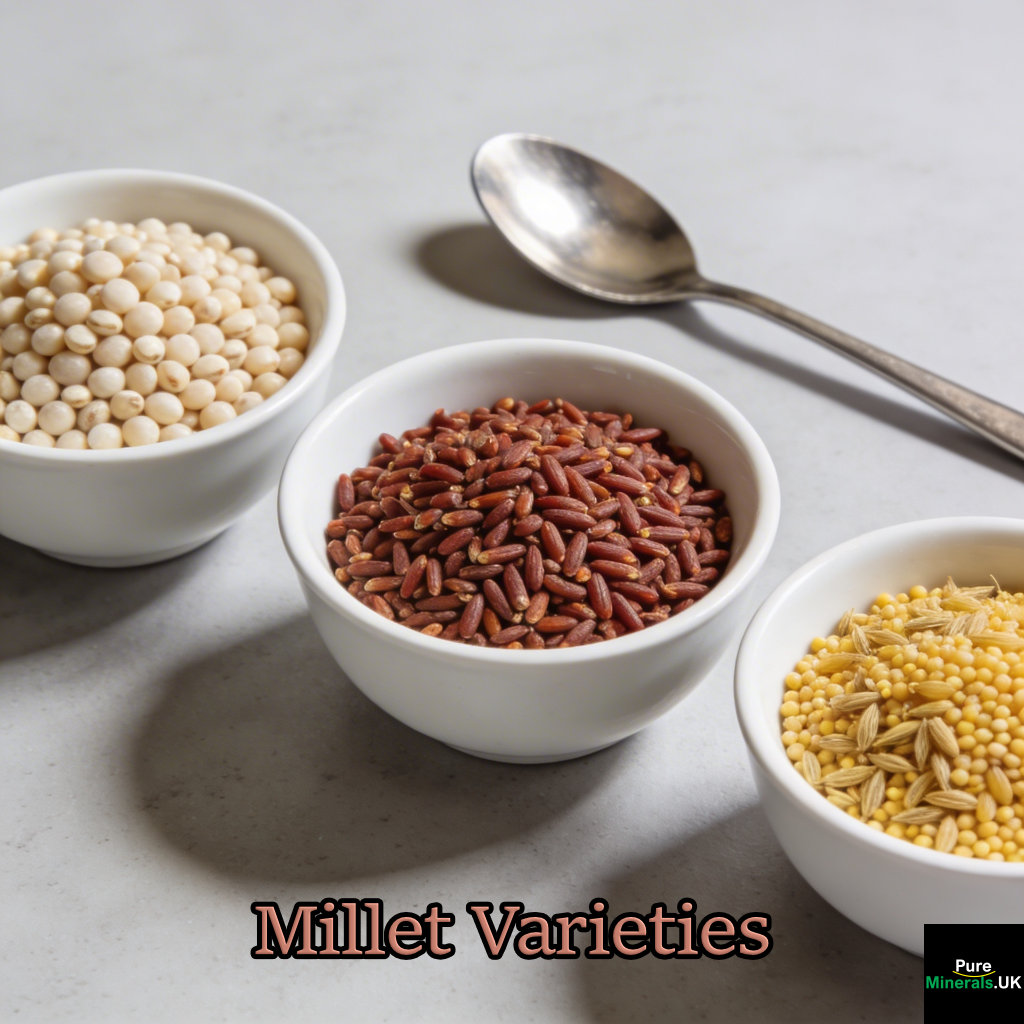
Common Millet Species: Pearl, Foxtail, Finger, and More
The word “millet” doesn’t refer to just one grain — it’s an umbrella term for several species. Each variety has its own distinct nutritional strengths:
- Pearl millet — the most widely grown variety, particularly high in iron and zinc
- Finger millet — contains more calcium than any other cereal grain, making it exceptional for bone health
- Foxtail millet — notable for its high dietary fiber content and antioxidant activity
- Proso millet — a good source of B vitamins and essential amino acids
- Sorghum — sometimes grouped with millets, also gluten-free with a strong mineral profile
Each species brings something slightly different to the table, which is why rotating between varieties can give you a broader spectrum of nutrients over time.
Why the UN Declared 2023 the International Year of Millets
The United Nations and the Food and Agriculture Organization (FAO) designated 2023 as the International Year of Millets — a recognition of the grain’s role in global food security, nutrition, and sustainable agriculture. The declaration highlighted millets’ capacity to grow in challenging climates, their ability to support smallholder farmers, and their dense nutritional profile that can address widespread micronutrient deficiencies.
This wasn’t just a symbolic gesture. It represented a global push to shift dietary patterns toward more sustainable, nutrient-rich food sources — and millet sits right at the center of that conversation.
Millet Nutrition Facts: Energy, Protein, and Key Minerals
Like most cereals, millet is a starchy grain rich in carbohydrates — but the similarity to less nutritious grains largely ends there. Millet delivers a broad spectrum of macronutrients and micronutrients that work together to support energy, muscle function, bone density, and metabolic health.
Carbohydrates and Energy Content
Millet is primarily a carbohydrate source, but importantly, its carbohydrate profile differs from other staple cereals. Millet carbohydrates contain less starch compared to rice, wheat, and maize, which contributes to a lower glycemic index. This means millet releases energy more slowly and steadily, avoiding the blood sugar spikes associated with refined grains. Its soluble dietary fiber content further slows digestion, providing sustained energy that’s particularly beneficial for active individuals and those managing blood sugar levels.
Protein Quality and Essential Amino Acids
Millet proteins are rich in all essential amino acids, with notably high concentrations of cysteine and methionine — two sulfur-containing amino acids that play critical roles in detoxification, metabolism, and tissue repair. This amino acid profile makes millet a particularly valuable protein source for people following plant-based diets, where sulfur-containing amino acids can sometimes be harder to obtain in adequate amounts.
Minerals Found in Millet
Millet’s mineral content is one of its most compelling features. It provides meaningful amounts of phosphorus and magnesium, both essential for bone health, nerve function, and energy metabolism. Finger millet, in particular, stands out — it contains more calcium than any other cereal grain, making it an outstanding choice for bone support without relying on dairy products.
Beyond calcium, millet varieties also supply iron, zinc, and B vitamins — nutrients that are frequently deficient in populations relying heavily on refined grains. This combination of minerals is a key reason why nutrition researchers categorize millets as superior to conventional staple cereals in several meaningful ways.
Millet Is Naturally Gluten-Free
Millet is a certified gluten-free grain, which means it contains none of the gluten proteins — gliadin and glutenin — found in wheat, barley, and rye. For the estimated 1% of the global population with celiac disease, and the larger population dealing with non-celiac gluten sensitivity, millet offers a whole-grain option that doesn’t trigger the immune response or intestinal damage associated with gluten consumption.
Why That Matters for Celiac Disease and Gluten Sensitivity
For people with celiac disease, finding whole grains that are both nutritious and safe is a genuine challenge. Many gluten-free alternatives — like white rice or tapioca — are low in fiber, protein, and micronutrients. Millet solves that problem. It delivers the full nutritional benefits of a whole grain without triggering the autoimmune response that gluten causes in celiac patients. Research confirms that millet proteins are entirely distinct from gluten proteins, making it safe for regular, daily consumption by those with celiac disease or gluten sensitivity.
Beyond celiac disease, many people experience bloating, fatigue, and digestive discomfort from gluten without a formal diagnosis. Swapping in millet as a grain base for meals can be a straightforward dietary adjustment that reduces these symptoms while simultaneously upgrading the nutritional quality of what you’re eating. For those interested in exploring other gluten-free grains, fonio is another nutritious option to consider.
How to Buy Millet Safely on a Gluten-Free Diet
While millet itself contains no gluten, cross-contamination is a real concern during processing and packaging. If you have celiac disease, always look for millet products that are certified gluten-free — meaning they’ve been processed in a dedicated gluten-free facility and tested to contain fewer than 20 parts per million (ppm) of gluten, which is the internationally recognized safety threshold.
Whole millet grain, millet flour, and millet-based snacks are all widely available at health food stores and online retailers. Bob’s Red Mill, for example, offers certified gluten-free whole grain millet that is clearly labeled and processed in a dedicated facility. When in doubt, read the label carefully and contact the manufacturer if cross-contamination risk isn’t explicitly addressed on the packaging.
Health Benefits Backed by Science
Millet’s health benefits go well beyond its gluten-free status. A growing body of research highlights its role in managing blood sugar, supporting cardiovascular health, nourishing gut bacteria, and delivering potent antioxidant compounds. These aren’t isolated claims — they’re consistent findings across multiple nutritional reviews and clinical studies.
What makes millet particularly interesting from a wellness perspective is that its benefits come from multiple mechanisms working simultaneously. The fiber slows digestion. The antioxidants reduce oxidative stress. The low glycemic index prevents blood sugar spikes. Together, these properties make millet one of the most therapeutically interesting whole grains available.
Blood Sugar Regulation and Low-Glycemic-Index
Millet has a significantly lower glycemic index (GI) than refined grains like white rice or white bread. This matters because a lower GI means glucose enters the bloodstream more gradually, preventing the sharp insulin spikes that are associated with type 2 diabetes risk, energy crashes, and increased fat storage. The combination of complex carbohydrates, soluble fiber, and a lower starch content compared to other staple cereals makes millet a smart grain choice for anyone focused on metabolic health or blood sugar management.
Cholesterol and Heart Health
The soluble fiber in millet acts similarly to the fiber in oats — it binds to cholesterol in the digestive tract and helps remove it from the body before it can be absorbed into the bloodstream. Research suggests millet consumption can contribute to lower LDL (bad) cholesterol levels, supporting overall cardiovascular health. Additionally, millet’s magnesium content plays a direct role in maintaining healthy blood pressure and supporting normal heart rhythm.
Gut Health and Prebiotic Fiber
Millet’s dietary fiber acts as a prebiotic — meaning it feeds the beneficial bacteria living in your gut rather than being digested by your body directly. A well-fed gut microbiome is linked to stronger immune function, better mood regulation, improved digestion, and reduced systemic inflammation. The soluble fiber in millet specifically helps prevent constipation and supports regular bowel movements, contributing to overall digestive comfort and long-term gut integrity.
Antioxidant Activity From Phenolics and Flavonoids
Millet is rich in bioactive compounds, including phenolic acids and flavonoids — plant-based antioxidants that neutralize free radicals and reduce oxidative stress throughout the body. Oxidative stress is a key driver of chronic diseases, including heart disease, diabetes, and certain cancers, so a diet consistently rich in antioxidant foods is one of the most powerful preventive strategies available.
Foxtail millet, in particular, has been highlighted in nutritional research for its strong antioxidant activity. Interestingly, using millet flour in baked goods has been shown to significantly enhance their antioxidant content compared to conventional wheat-based recipes — making even everyday baking an opportunity to increase your intake of these protective compounds.
The phytochemical profile of millet — which includes essential fatty acids alongside its phenolic compounds — gives it an anti-inflammatory edge that most refined grain alternatives simply can’t match. Incorporating millet into a regular diet means your body consistently receives a supply of these protective plant compounds, quietly working to reduce inflammation and support long-term cellular health.
The One Downside: Antinutrients in Millet
No food is perfect, and millet is no exception. Like many whole grains, legumes, and seeds, millet contains antinutrients — naturally occurring compounds that can interfere with how well your body absorbs certain nutrients. The most notable antinutrient in millet is phytic acid, though tannins and oxalates are also present in smaller amounts.
What Phytic Acid Does to Mineral Absorption
Phytic acid binds to minerals like iron, zinc, calcium, and magnesium in the digestive tract, forming compounds that the body cannot easily absorb. This means that while millet is rich in these minerals on paper, the actual amount your body absorbs — known as bioavailability — can be lower than the raw numbers suggest. The good news is that simple preparation methods significantly reduce phytic acid content. Soaking millet overnight before cooking, sprouting the grain, or fermenting it (as is traditional in many African and Asian food cultures) can dramatically increase mineral bioavailability. Cooking millet thoroughly also helps. These aren’t complicated techniques — they just require a little planning.
How to Cook and Use Millet in Your Kitchen
Millet is one of the more forgiving whole grains to cook with. It has a mild, slightly nutty flavor that works well in both savory and sweet applications, and it cooks faster than many other whole grains — typically in about 20 minutes on the stovetop. The basic ratio is 1 cup of dry millet to 2 cups of water or broth, brought to a boil and then simmered until the liquid is absorbed.
Toasting dry millet in a pan for 2 to 3 minutes before adding liquid deepens its flavor considerably, bringing out a warm, popcorn-like nuttiness that makes it far more interesting as a side dish or grain bowl base. This one small step transforms millet from simply nutritious to genuinely delicious. For more information on millet, you can read about what millet is and its benefits.
Millet as a Breakfast Porridge
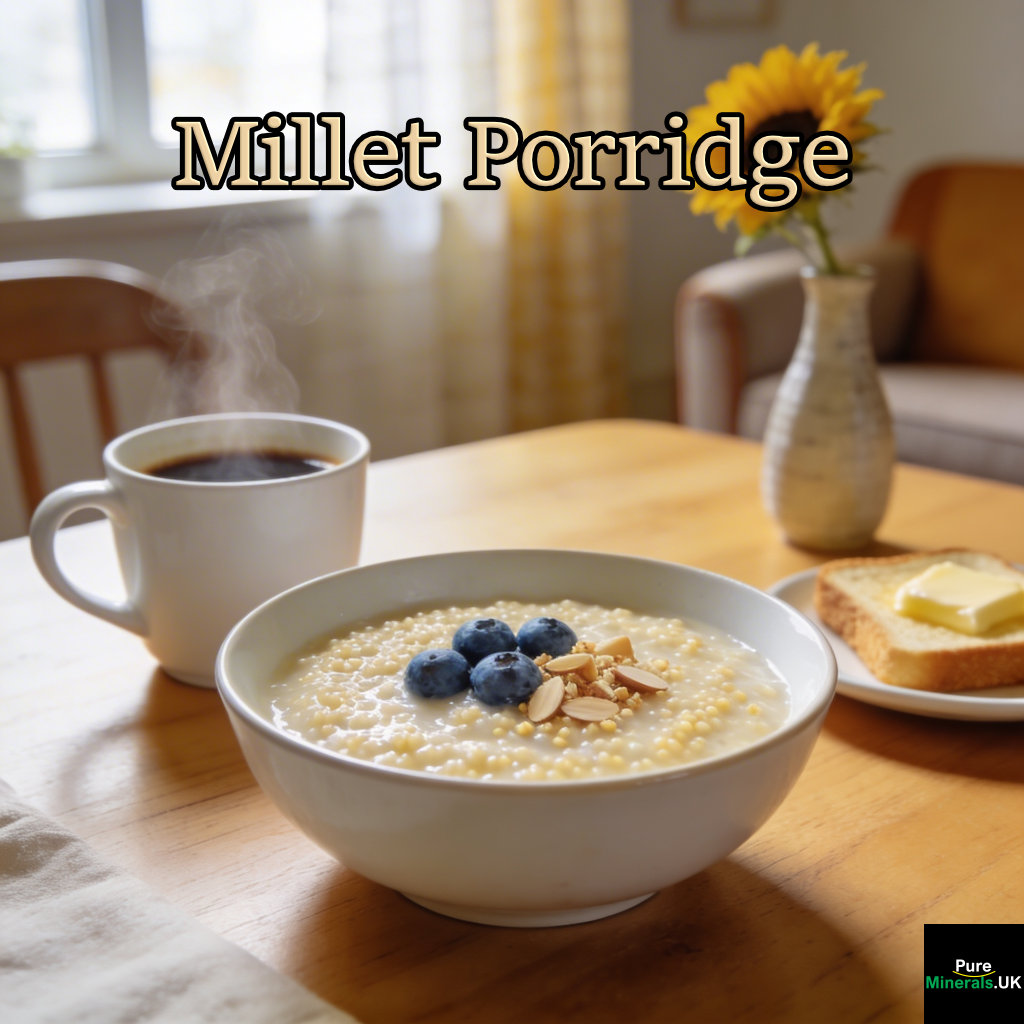
Millet porridge is one of the easiest and most satisfying ways to start incorporating this grain into your daily routine. Cook it with a 1:3 ratio of millet to water or plant-based milk, simmer for about 20 minutes, and you have a creamy, naturally gluten-free base that rivals oatmeal in both texture and nutrition. It holds up well to toppings and doesn’t get gluey the way some grains do.
Top it with sliced banana, a drizzle of raw honey, a pinch of cinnamon, and a handful of walnuts for a breakfast that delivers complex carbohydrates, healthy fats, and natural sweetness without any refined ingredients. For a savory version, cook millet in vegetable broth and top with a soft-boiled egg, sautéed greens, and a sprinkle of sesame seeds — a deeply nourishing meal that keeps energy levels stable for hours.
Using Millet in Salads, Side Dishes, and Baked Goods
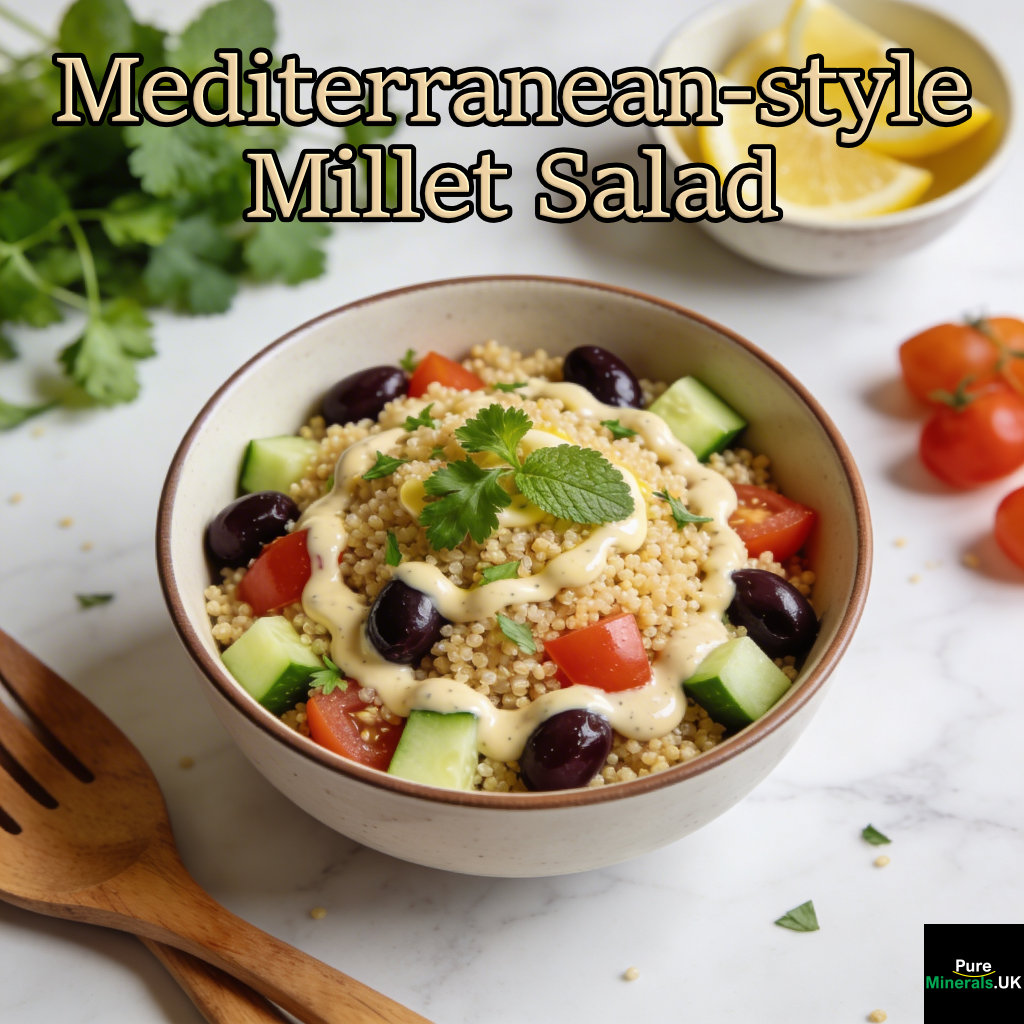
Cooked and cooled millet works beautifully as a grain base for salads — think roasted vegetable grain bowls, Mediterranean-style salads with cucumber, tomato, olives, and lemon tahini dressing, or a simple herb-and-lemon millet salad served alongside grilled fish or chicken. As a side dish, it substitutes directly for rice or couscous and pairs particularly well with stews, curries, and roasted meats. In baked goods, adding whole millet grain gives muffins, breads, and energy bars a pleasant crunch and a nutritional boost — and research confirms that incorporating millet into baked recipes significantly increases their overall antioxidant content compared to standard wheat-based versions.
Cooking With Millet Flour
Millet flour is finely ground whole millet grain, and it’s one of the more versatile gluten-free flours available. It has a mild, slightly sweet flavor that works well in pancakes, waffles, flatbreads, cookies, and quick breads. Because it lacks gluten — the protein network that gives wheat baked goods their elasticity — millet flour works best when combined with a binding agent like eggs, flaxseed meal, or xanthan gum in recipes that need structure.
A simple rule of thumb: in most recipes, you can substitute millet flour for up to 25% of all-purpose flour without significantly changing the texture of the final product. For fully gluten-free baking, combine millet flour with other gluten-free flours like tapioca starch, arrowroot, or brown rice flour to achieve a balanced texture. Bob’s Red Mill Gluten-Free 1-to-1 Baking Flour, which incorporates millet flour as a component, is a reliable, ready-made option for those new to gluten-free baking.
Quick-Reference: Millet Cooking Guide
Whole Grain Millet (stovetop): 1 cup millet + 2 cups water or broth — bring to boil, reduce heat, simmer 18–20 minutes, fluff with fork.
Millet Porridge: 1 cup millet + 3 cups liquid — simmer 20–25 minutes, stirring occasionally for a creamier texture.
Toasted Millet: Dry toast in a skillet for 2–3 minutes before adding liquid for a nuttier, deeper flavor.
Soaked Millet (reduces phytic acid): Soak overnight in water, drain and rinse before cooking. Reduce cooking liquid by approximately ¼ cup.
Millet Flour Substitution: Replace up to 25% of all-purpose flour in standard recipes, or combine with tapioca and brown rice flour for fully gluten-free baking.
Storing millet flour correctly matters — its natural oils can turn rancid faster than refined flours. Keep it in an airtight container in the refrigerator or freezer, where it will stay fresh for up to six months. Whole millet grain, on the other hand, stores well in a cool, dry pantry for up to two years when kept sealed.
Millet Is a Smart, Versatile Grain Worth Adding to Your Diet
Millet earns its place in a wellness-focused kitchen not because of a single standout nutrient, but because of how many things it does well simultaneously. It’s gluten-free, protein-rich, mineral-dense, high in prebiotic fiber, and loaded with antioxidant compounds — all in a grain that costs less per serving than most trendy health foods and cooks in under 25 minutes.
Whether you’re managing blood sugar, supporting gut health, building a more anti-inflammatory diet, or simply looking for a nutritious alternative to white rice and refined grains, millet is one of the most practical upgrades you can make. The simple step of soaking it overnight before cooking removes the main concern around antinutrient content, leaving you with a highly bioavailable, deeply nourishing whole grain that works in virtually any meal format.
Start with one swap per week — replace your morning oatmeal with millet porridge, or use cooked millet in place of rice at dinner. Once you taste how versatile and satisfying it is, working it into regular rotation becomes effortless.
Important note: Millet
Millet is generally safe and well-tolerated when consumed as part of a balanced diet. It contains naturally occurring compounds such as phytates, which may affect mineral absorption, though traditional preparation methods can reduce their impact.
Very high consumption of certain millet varieties has been associated with compounds that may influence thyroid function in specific contexts, particularly where iodine intake is low. Moderate consumption within a varied diet is considered appropriate. Individuals with specific health conditions should consult a qualified nutrition professional before regular use.
Frequently Asked Questions
Millet is one of those foods that tends to raise a lot of questions for people who are new to it — especially those coming from a gluten-free health perspective or looking to diversify their grain intake. If you’re exploring other gluten-free grains, you might also be interested in learning about buckwheat, which is another nutritious option. Here are the most common questions answered clearly and directly.
Is millet healthier than rice or wheat?
In several meaningful ways, yes. Millet has a higher dietary fiber content than both white rice and refined wheat, a lower glycemic index, and a stronger micronutrient profile — particularly for magnesium, phosphorus, and iron. Finger millet contains more calcium than any other cereal grain, which neither rice nor wheat can come close to matching. It also provides a broader amino acid profile, including the sulfur-containing amino acids cysteine and methionine that are limited in rice-dominant diets. For anyone eating refined versions of rice or wheat, the upgrade to whole-grain millet is nutritionally significant.
Can people with celiac disease eat millet every day?
Yes — millet is naturally gluten-free and safe for daily consumption by people with celiac disease, provided it is sourced from a certified gluten-free facility to avoid cross-contamination. Research confirms that millet proteins are entirely distinct from gluten proteins, making it one of the safest whole-grain alternatives available for those with celiac disease or non-celiac gluten sensitivity.
Does millet help with weight loss?
Millet supports weight management in several indirect but meaningful ways. Its high fiber content promotes satiety, helping you feel fuller for longer after meals and reducing the likelihood of overeating. Its low glycemic index prevents the blood sugar spikes and subsequent crashes that often drive cravings for high-calorie snacks. And because it’s a whole grain with a substantial protein content, it supports lean muscle maintenance during calorie-controlled eating. It isn’t a magic weight loss food, but as part of a balanced, whole-food diet, it’s a genuinely useful tool.
What does millet taste like?
Millet has a mild, slightly nutty flavor that most people find very approachable — it’s far less assertive than quinoa and less starchy-tasting than plain white rice. When dry-toasted before cooking, it develops a warm, almost popcorn-like depth of flavor that makes it surprisingly enjoyable as a standalone side dish. In porridge form, it becomes creamy and takes on the flavor of whatever liquid and toppings you use, making it highly adaptable to both sweet and savory applications, similar to how canary seed can be used in various dishes.
Where can you buy millet and millet flour?
Whole millet grain and millet flour are widely available at health food stores, natural grocery retailers like Whole Foods Market and Sprouts, and through major online retailers, including Amazon. Bob’s Red Mill is one of the most accessible brands offering both certified gluten-free whole-grain millet and millet flour, clearly labeled and widely stocked.
For certified gluten-free options specifically, always check the packaging for a third-party gluten-free certification symbol — such as those from the Gluten-Free Certification Organization (GFCO) — which guarantees the product has been tested to below 10 ppm of gluten, a stricter threshold than the FDA’s 20 ppm standard.
International grocery stores — particularly those specializing in Indian, African, or East Asian foods — often carry millet varieties at lower price points than mainstream health food retailers. Pearl millet (known as bajra in Indian markets) and finger millet (ragi) are commonly stocked in these stores and offer an excellent, affordable entry point for experimenting with different millet varieties.
If you’re ready to explore how whole foods like millet can be part of a broader natural wellness strategy, visiting a dedicated wellness resource can help you build a more complete, evidence-informed approach to nutrition and everyday health.