

Published: 4 April 2026
This article is periodically reviewed and updated to reflect current scientific understanding by Vic George.
Fact-Checked: 2 other authoritative medical/scientific references. See our Editorial Policy.
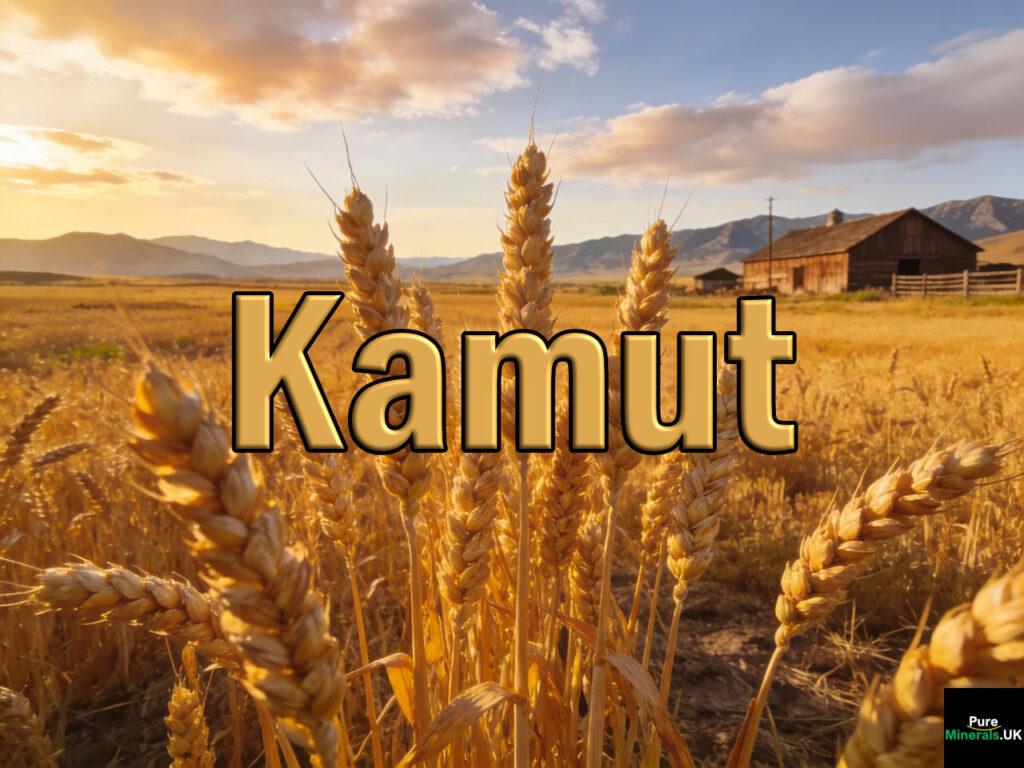
What Is Kamut Wheat?
KAMUT® refers to a trademarked form of Khorasan wheat, an ancient grain valued for its large kernels, rich flavour, and nutritional profile. Kamut® Khorasan wheat is primarily grown under certified organic, dryland farming conditions in the northern Great Plains, including Montana (USA) and parts of southern Alberta and Saskatchewan (Canada). These regions provide a suitable climate for the crop, and the resulting grain is often noted for its relatively high protein content, influenced by both genetic characteristics and growing conditions.
Definition
Kamut is a registered brand name for organically grown Khorasan wheat (Triticum turgidum subsp. turanicum), a heritage cereal grain species. Authentic KAMUT® wheat is grown organically.
Extended Definition
Kamut® wheat is a specific, controlled variety of Khorasan wheat marketed under strict production standards, including organic cultivation and preservation of genetic purity. The grain is known for its large, elongated kernels and golden colour.
Historically, Khorasan wheat is believed to have originated in the Fertile Crescent and surrounding regions. It is considered an ancient grain because it has undergone minimal modern breeding compared to contemporary wheat varieties. Montana and Canada are the primary producers to ensure the quality and trademark integrity.
Nutritionally, Kamut wheat provides complex carbohydrates, a relatively high protein content, and dietary fiber, particularly in whole-grain form. It also contains minerals such as selenium, magnesium, zinc, and iron, along with B vitamins.
Kamut is commonly used as whole berries in salads and grain dishes or milled into flour for bread, pasta, and baked goods. Its flavour is often described as rich, buttery, and slightly sweet.
Key Facts
- Botanical Name: Triticum turgidum subsp. turanicum
- Plant Family: Poaceae
- Common Forms: Whole grain (berries), flour, pasta products
- Typical Serving Methods: Boiled, baked, or milled into flour
- Taste Profile: Nutty, buttery, slightly sweet
Nutritional Highlights:
- Moderate to high protein content
- Contains dietary fiber (whole grain)
- Provides selenium, magnesium, zinc, and iron
Culinary Uses:
- Grain salads and side dishes
- Bread and baked goods
- Pasta products
Notable Compounds:
- Gluten proteins
- Carotenoids (e.g., lutein)
Dietary Suitability:
- Vegetarian diets (not suitable for gluten-free diets)
Key Takeaways
- Kamut® contains up to 40% more protein than modern wheat, making it one of the most nutrient-dense ancient grains available today.
- Khorasan wheat is significantly higher in key minerals like zinc, magnesium, selenium, and potassium — nutrients many people don’t get enough of.
- Clinical research has linked Kamut® consumption to reduced cardiovascular risk markers and lower oxidative stress — keep reading to see exactly what the studies found.
- Despite being easier to digest than modern wheat, Kamut® still contains gluten and is not safe for people with celiac disease.
- Kamut® is incredibly versatile — from pasta and bread to soups and salads, it can replace modern wheat in almost any recipe.
Forget everything you think you know about wheat — Khorasan wheat, sold under the trademarked name Kamut®, is in a different league entirely.
Ancient grains are having a serious moment in nutrition circles, and for good reason. As modern diets drift further from whole, minimally processed foods, grains like Kamut® are stepping back into the spotlight. For anyone focused on nutrition awareness, Kamut® represents exactly the kind of nutrient-dense, ancestral food that modern diets are missing.
Kamut® Is Not Just Another Ancient Grain
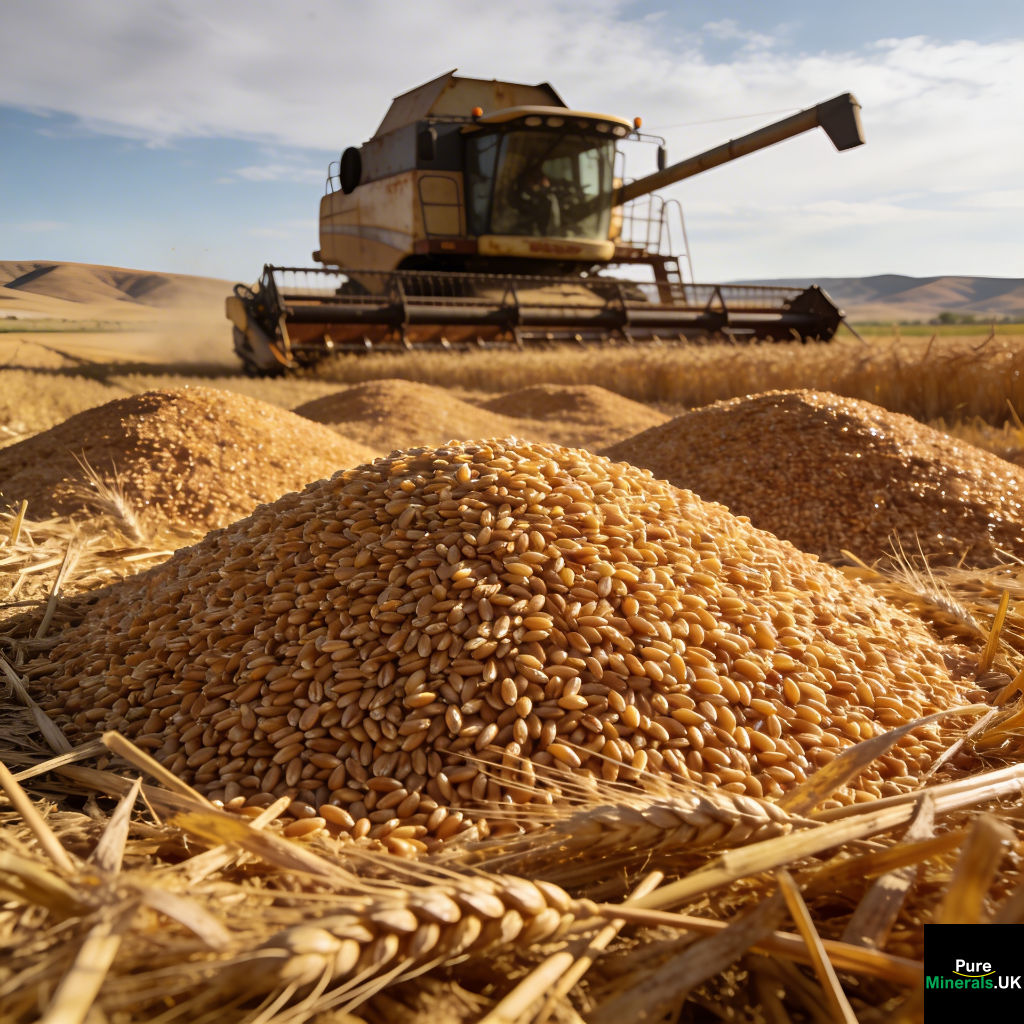
Most people reach for whole wheat or oats without a second thought. But Kamut® quietly outperforms both in several nutritional categories — and it’s been doing so for thousands of years.
What Kamut® Khorasan Wheat Actually Is
Kamut® (pronounced ka-moot) is the trademarked commercial name for Khorasan wheat, an ancient grain variety considered to be a close cousin of durum wheat. The grain has a long and somewhat mysterious history — scientists in the United States, Canada, Italy, Israel, and Russia have all examined its origins and arrived at varying conclusions. What is agreed upon is that it’s one of the oldest cultivated grains on Earth, and it nearly disappeared from the food supply entirely before making a well-deserved comeback.
Today, Kamut® is grown primarily in Saskatchewan, Canada, under strict organic certification standards. Its return to grocery store shelves is driven by three things: its rich, buttery flavor, its impressive nutritional profile, and its reputation for being easier to digest than conventional modern wheat.
- Kamut® is a variety of Khorasan wheat — an ancient grain species distinct from modern bread wheat
- It is a trademarked brand, meaning all commercially sold Kamut® must meet specific quality and organic standards
- The grain is primarily cultivated in Saskatchewan, Canada
- It has a naturally rich, buttery, and slightly nutty flavor profile
- Kamut® is recognized for being more easily digested than modern wheat varieties
How Kamut® Differs From Modern Wheat
Modern wheat has been selectively bred over decades to maximize yield, shelf stability, and gluten content — often at the expense of nutritional value. Khorasan wheat was never subjected to this kind of intensive modification, which is a big part of why it retains such a robust nutrient profile. The grain kernels themselves are noticeably larger than modern wheat berries, and the chemical composition is simply richer across the board.
Kamut® contains up to 40% more protein than modern wheat. It also delivers higher concentrations of zinc, magnesium, selenium, and several polyphenols and fatty acids that are either absent or significantly reduced in commercially grown modern wheat. These aren’t marginal differences — they’re meaningful nutritional gaps that affect how your body actually responds to the grain.
- Protein: Up to 40% more than modern wheat
- Minerals: Higher in zinc, magnesium, phosphorus, potassium, iron, and vanadium
- Polyphenols and fatty acids: Present in greater concentrations than in conventional wheat
- Gluten content: Lower than modern whole wheat, contributing to easier digestion
- Processing: Never subjected to the intensive genetic modification of modern commercial wheat
Why Kamut® Is Certified and Trademarked
The Kamut® trademark exists specifically to protect the integrity of the grain. All products carrying the Kamut® name must be certified organic and must meet strict standards for purity, ensuring the grain is never hybridized or genetically altered. This makes it one of the few commercially available grains where the trademarked name is actually a quality guarantee, not just a marketing label.
Kamut® Nutrition Facts at a Glance
Nutrient | Kamut® Khorasan Wheat | Modern Wheat (Comparison) |
|---|---|---|
Protein | Up to 40% higher | Baseline |
Significantly higher | Lower | |
Significantly higher | Lower | |
Significantly higher | Lower | |
Higher | Lower | |
Significantly higher | Lower | |
Polyphenols | Higher concentration | Lower |
Fatty Acids | Higher concentration | Lower |
The numbers above aren’t trivial. Zinc supports immune function and wound healing. Magnesium plays a role in over 300 enzymatic reactions in the body. Selenium is a critical antioxidant mineral. Potassium is essential for healthy blood pressure. Kamut® delivers all of these in concentrations that modern wheat simply can’t match.
Research published in Nutrition (2012) found that both Kamut® semolina and flour contained significantly higher content of potassium, magnesium, phosphorus, zinc, iron, and vanadium compared to control semolina and flour. This wasn’t a small-scale observation — the mineral differences were directly associated with measurable increases in blood potassium and magnesium levels after participants consumed Kamut® brand products.
Up to 40% More Protein Than Modern Wheat
Protein content is where Kamut® really stands apart. For a grain, delivering up to 40% more protein than its modern counterpart is a substantial nutritional advantage — particularly for people managing their protein intake through whole foods rather than supplements. The protein in Kamut® is also accompanied by a fuller spectrum of B vitamins, which play a direct role in how the body converts that protein and other macronutrients into usable energy.
This combination of high protein and B vitamin content is a core reason why Kamut® is often referred to as a high-energy grain. It’s not just a marketing phrase — it reflects the grain’s genuine ability to provide sustained, functional energy rather than the quick spike-and-crash associated with refined carbohydrates.
Key Minerals: Zinc, Magnesium, and Selenium
Mineral deficiencies are far more common in modern diets than most people realize. Kamut® addresses several of the most prevalent gaps in a single serving:
- Zinc: Supports immune function, protein synthesis, and wound healing
- Magnesium: Involved in over 300 biochemical reactions, including muscle and nerve function
- Selenium: A powerful antioxidant mineral that supports thyroid function and reduces oxidative stress
- Potassium: Critical for healthy blood pressure and heart function
- Iron: Essential for red blood cell production and oxygen transport
- Vanadium: A trace mineral found in higher concentrations in Kamut® than in modern wheat, with emerging research around blood sugar regulation
What makes Kamut® particularly valuable is that these minerals aren’t just present — they’re bioavailable. The research from the 2012 Nutrition study demonstrated that consuming Kamut® products led to actual measurable improvements in blood mineral levels, which means the body is absorbing and utilizing what the grain provides.
Why Kamut® Is Called a High-Energy Grain
The “high-energy” label attached to Kamut® comes down to its macronutrient density and its fiber content working together. The grain is a filling, fibrous food that slows digestion, stabilizes blood sugar, and provides a steady release of energy over time. Combined with its rich protein content and B vitamins, it supports metabolic function in a way that refined grains simply cannot replicate. If you’re looking for a grain that keeps you full for hours while also delivering genuine nutritional value, Kamut® is a strong contender.
Polyphenols and Fatty Acids in Kamut®
Beyond minerals and protein, Kamut® contains a notable concentration of polyphenols — plant compounds that act as antioxidants in the body. These compounds help neutralize free radicals, reduce cellular damage, and support long-term disease prevention. The polyphenol content in Kamut® is measurably higher than in modern wheat, which matters because oxidative stress is increasingly linked to chronic conditions ranging from cardiovascular disease to metabolic disorders.
The fatty acid profile in Kamut® is another underappreciated advantage. Unlike refined grains that are stripped of their natural fats during processing, Kamut® retains a richer spectrum of fatty acids that contribute to cell membrane integrity, hormone production, and nutrient absorption. Together, the polyphenols and fatty acids in Kamut® make it a grain that actively supports cellular health — not just one that fills a macronutrient gap.
Proven Health Benefits of Kamut® Khorasan Wheat
The health claims around ancient grains can get exaggerated fast, but Kamut® has something most trendy superfoods don’t — peer-reviewed clinical research backing its benefits. Studies comparing Kamut® to modern semi-whole-grain wheat have produced consistent and measurable results across multiple health markers.
Reduced Cardiovascular Risk Markers
Clinical Insight: A study published in the European Journal of Clinical Nutrition compared the effects of a diet using Kamut® wheat products versus semi-whole-grain modern wheat products. Participants consumed pasta, bread, and crackers made from one of the two wheat types over the study period. Those consuming Kamut® products saw improvements in blood parameters including potassium, magnesium, and glucose levels — all key markers associated with cardiovascular health and metabolic function.
The cardiovascular implications of these findings are significant. Elevated blood glucose, low magnesium, and poor potassium levels are all independent risk factors for heart disease. The fact that simply substituting Kamut® products for conventional wheat products produced measurable improvements in these markers — without any other dietary intervention — speaks to the grain’s genuine functional value.
What’s particularly compelling is that these weren’t isolated nutrient measurements taken in a lab. The improvements in blood potassium and magnesium were directly correlated with the higher mineral content found in Kamut® semolina and flour compared to control products. The research confirmed that the minerals in Kamut® are not just present — they are being absorbed and making a measurable difference in the bloodstream.
For anyone managing cardiovascular risk through diet, Kamut® represents a practical, food-first strategy. Swapping your standard pasta or bread for Kamut® versions requires no dramatic dietary overhaul — just a smarter grain choice that quietly works in your favor every time you eat it. For more on ancient grains, explore einkorn wheat as another nutritious option.
Lower Oxidative Stress and Inflammation
The polyphenol content in Kamut® plays a direct role in reducing oxidative stress — one of the primary drivers of chronic inflammation in the body. Oxidative stress occurs when free radicals outpace the body’s ability to neutralize them, and over time, this imbalance contributes to aging, arterial damage, and a wide range of chronic diseases. The antioxidant compounds in Kamut® help tip that balance back in the body’s favor.
Research investigating the effects of Kamut® consumption has pointed to improvements in markers associated with oxidative stress and inflammation following the adoption of a diet including organic semi-whole-wheat Kamut® products. These findings align with what we know about the role of polyphenols in reducing systemic inflammation — and they reinforce the case for choosing ancient, minimally processed grains over their modern refined counterparts.
Better Digestion Compared to Modern Wheat
One of the most frequently cited advantages of Kamut® among people who eat it regularly is how much easier it is on the digestive system compared to modern wheat. While Kamut® does contain gluten and is absolutely not suitable for people with celiac disease, many individuals who experience discomfort with conventional wheat products report tolerating Kamut® significantly better.
This is likely related to two factors: Kamut’s lower overall gluten content compared to modern whole wheat, and the fact that it hasn’t been subjected to the intensive hybridization that has altered the protein structure of modern commercial wheat varieties. The result is a grain that is generally considered more hypoallergenic than standard wheat — one of the key drivers behind its growing popularity in health-conscious communities.
It’s worth being clear on one point: Kamut® is not a gluten-free food. If you have been diagnosed with celiac disease or a confirmed severe gluten intolerance, Kamut® is not a safe substitute for gluten-free grains. But for people with general wheat sensitivity or those simply looking for a more digestible whole grain option, it is a meaningful upgrade over conventional wheat products.
Kamut® in the Kitchen: How to Use It
- Add cooked Kamut® grain berries to soups, stews, and grain bowls
- Use Kamut® flour in baked goods like bread, muffins, cookies, and pancakes
- Toss cooked Kamut® grains into salads for added texture and protein
- Use Kamut® pasta in both warm pasta dishes and cold pasta salads
- Serve Kamut® grains as a side dish alongside grilled chicken or fish
- Use Kamut® chips or pita bread as a snack paired with hummus
- Add Kamut® grains to a stir-fry in place of rice
Kamut® is one of the more versatile ancient grains you can work with in the kitchen. Its naturally buttery, slightly nutty flavor means it adds depth to recipes rather than just bulk — and it holds up well in both hot and cold preparations. Whether you’re cooking the whole grain berries from scratch or reaching for Kamut® flour for your next baking project, the swap from conventional wheat is genuinely straightforward.
You’ll find Kamut® products in most health food stores and increasingly in mainstream grocery chains. Look for the grain in the bulk section, or find it packaged as flour, pasta, or crackers. Since all Kamut® is certified organic by trademark requirement, you don’t need to hunt for a specific organic label — if it says Kamut®, it meets the standard.
One practical note: Kamut® flour has a slightly different texture and moisture absorption compared to all-purpose flour, which means some recipes may need minor adjustments. The flavor payoff, however — that rich, almost creamy wheat taste — makes the small amount of recipe testing well worth the effort.
Cooking Kamut® Whole Grain Berries
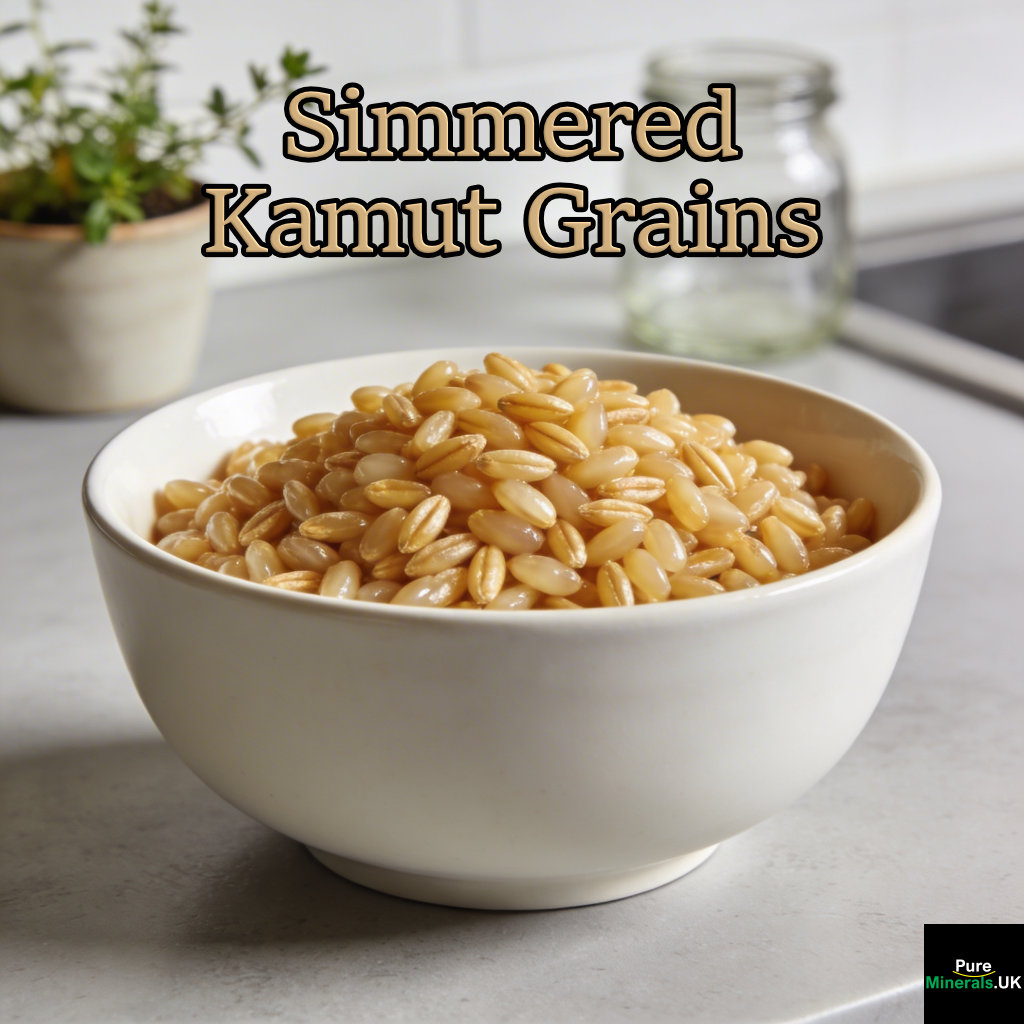
Cooking Kamut® whole grain berries takes longer than most modern grains — expect roughly 45 to 60 minutes of simmering on the stovetop after soaking the berries overnight in cold water. The soaking step is important: it reduces cooking time and improves digestibility by breaking down some of the grain’s natural enzyme inhibitors. Use a 3:1 water-to-grain ratio, bring to a boil, then reduce to a gentle simmer until the berries are tender but still have a satisfying chew. The result is a hearty, protein-rich base for bowls, salads, and side dishes.
Baking With Kamut® Flour: Breads, Pancakes, and Waffles
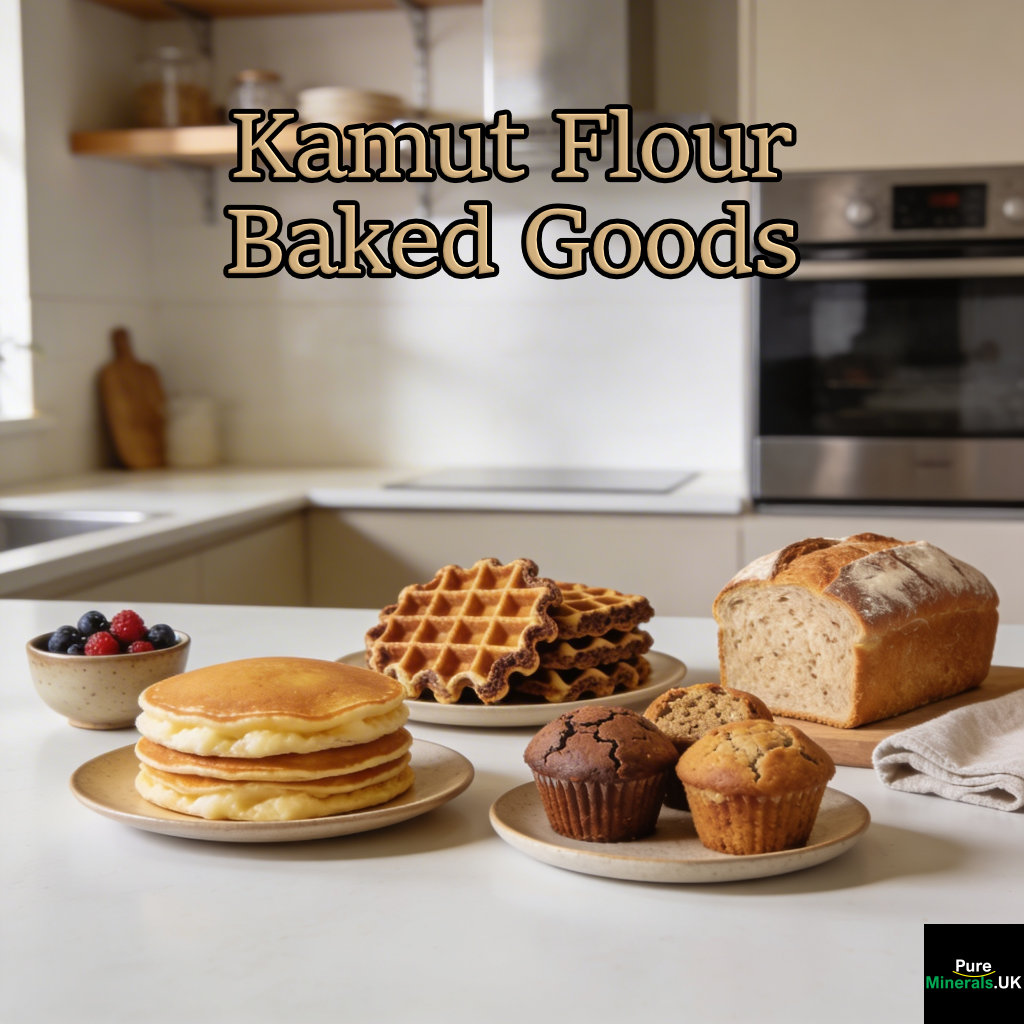
Kamut® flour works beautifully in baked goods, producing a richer flavor than standard whole wheat flour with a slightly denser crumb. For most recipes — pancakes, waffles, muffins, and quick breads — you can substitute Kamut® flour at a 1:1 ratio for whole wheat flour without major issues. For yeasted breads, you may need to slightly increase your liquid content, as Kamut® flour can absorb moisture differently. The buttery undertone it brings to baked goods is one of its most appealing qualities and a strong reason to experiment with it beyond standard whole wheat recipes.
Kamut® in Pasta, Soups, and Salads
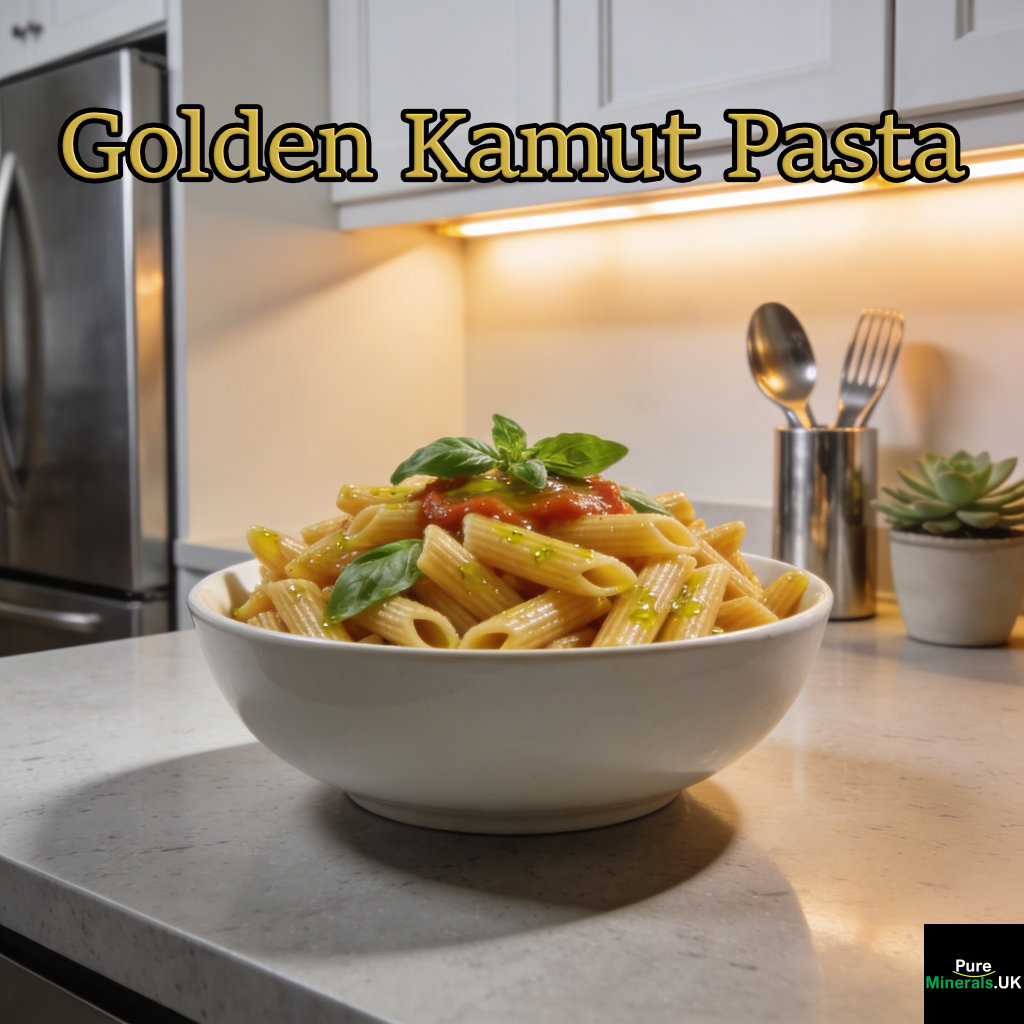
Kamut® pasta is one of the easiest entry points into cooking with this grain — it cooks similarly to regular pasta, holds its shape well, and has a flavor that pairs naturally with both light olive oil-based sauces and heartier tomato or meat-based preparations. Cold Kamut® pasta salads work particularly well, as the grain’s firm texture holds up without becoming mushy after dressing.
In soups and stews, whole Kamut® berries add a satisfying chewiness and soak up surrounding flavors beautifully — think barley in a beef stew, but with better nutrition. For salads, tossing warm or room-temperature cooked Kamut® grains with mixed greens, roasted vegetables, and a lemon vinaigrette is one of the simplest and most nutritionally complete meals you can put together in under 30 minutes.
Where to Buy Kamut® and What to Look For
Kamut® is widely available at health food stores like Whole Foods Market and Natural Grocers, and it’s becoming increasingly common in mainstream supermarkets with a natural foods section. You can also find a broad selection of Kamut® products — including whole grain berries, flour, pasta, crackers, and pita — through online retailers. Since the Kamut® trademark guarantees organic certification, you don’t need to cross-reference a separate organic label. If the packaging says Kamut®, the quality standard is already built in.
Look for whole grain berries in bulk bins for the most economical option, or reach for Kamut® pasta and flour if you want a convenient starting point. Kamut® brand products are produced by a range of manufacturers, so you’ll find everything from breakfast cereals to artisan breads carrying the name. The key is simply looking for the registered trademark — that ® symbol is your quality assurance.
Risks and Who Should Avoid Kamut®
Despite its many advantages, Kamut® is not for everyone. The most important point to understand is that Kamut® contains gluten. While it has a lower gluten content than modern whole wheat and is generally considered more hypoallergenic, it is absolutely not safe for people with celiac disease or a confirmed severe gluten intolerance. Consuming Kamut® with either of these conditions can trigger the same damaging intestinal response as any other gluten-containing grain.
Beyond celiac disease, anyone with a diagnosed wheat allergy should also approach Kamut® with caution and consult a healthcare provider before adding it to their diet. For the general population without these conditions, Kamut® is considered a safe, well-tolerated whole grain with a strong safety record. The key is knowing your own digestive baseline before making the swap.
Kamut® Is Worth Swapping for Modern Wheat
Kamut® is one of the rare foods where the nutritional science and the eating experience both hold up equally well. It delivers measurably more protein, minerals, polyphenols, and fatty acids than modern wheat — and clinical research confirms those nutrients are actually absorbed and reflected in blood markers. It tastes better, digests more easily for most people, and fits into virtually every culinary application where modern wheat is used. For anyone serious about eating for long-term health without abandoning the comfort of bread, pasta, and baked goods, Kamut® is simply the smarter grain choice. Learn more about durum wheat as a modern alternative.
Important note: Kamut®
Kamut wheat contains gluten and is not suitable for individuals with Celiac disease or gluten sensitivity. Although some individuals report improved tolerance compared to modern wheat, this is not consistent and should not be relied upon for those with diagnosed gluten-related disorders. Individuals with specific dietary needs should consult a qualified nutrition professional before regular consumption.
Frequently Asked Questions
Here are answers to the most common questions about Kamut® Khorasan wheat, its safety, nutrition, and how to cook with it.
Is Kamut® safe for people with gluten sensitivity?
Kamut® does contain gluten, so it is not safe for people with celiac disease or a confirmed severe gluten intolerance. Consuming it in either of those cases can cause the same intestinal damage as any other gluten-containing grain, regardless of the grain’s ancient or minimally processed origin.
That said, Kamut® is generally considered more hypoallergenic than modern wheat due to its lower overall gluten content and its unmodified protein structure. Many people who experience bloating, discomfort, or digestive sluggishness with conventional wheat products report tolerating Kamut® significantly better. If you have a mild, non-celiac wheat sensitivity, it may be worth discussing with a healthcare provider whether Kamut® is a suitable option for you.
How does Kamut® compare to spelt or bulgur wheat nutritionally?
Kamut® holds a clear advantage over both spelt and bulgur wheat when it comes to protein content. With up to 40% more protein than modern wheat — and a higher protein concentration than spelt in most comparisons — Kamut® is the stronger choice for anyone prioritizing protein density in their grain selection.
Spelt is another ancient grain with a respectable nutritional profile, and it shares some similarities with Kamut® in terms of digestibility and mineral content. However, Kamut® consistently delivers higher concentrations of key minerals like zinc, magnesium, selenium, potassium, and iron. Bulgur wheat, while a solid whole grain option and a good source of fiber, has been pre-cooked and dried during processing, which can reduce some of its nutrient density compared to intact whole grain berries like Kamut®.
For someone choosing between ancient grains purely on nutritional merit, Kamut® sits at the top of the list for protein, mineral density, and polyphenol content. Spelt is a reasonable runner-up, and bulgur is best appreciated for its convenience and fiber content rather than its raw nutrient concentration.
Can I substitute Kamut® flour 1:1 for regular flour in recipes?
For most recipes — including pancakes, waffles, muffins, cookies, and quick breads — yes, you can substitute Kamut® flour at a 1:1 ratio for whole wheat flour without significant issues. When substituting for all-purpose white flour, the result will be slightly denser with a richer, buttery flavor, which most people find to be a pleasant upgrade. For yeasted breads, you may need to add a small amount of extra liquid to compensate for Kamut® flour’s slightly different moisture absorption rate. A brief period of recipe testing is recommended for more complex baked goods, but the flavor reward makes it worth the effort.
Is Kamut® wheat organic?
Yes — by trademark requirement, all products carrying the Kamut® name must be certified organic. This is one of the defining features of the Kamut® brand and one of the reasons the trademark carries real value for consumers. The grain must also remain free from hybridization and genetic modification to qualify for the Kamut® designation. This means every time you buy a product labeled Kamut®, you are guaranteed an organically grown, non-hybridized ancient grain — no additional label-checking required.
How long does it take to cook Kamut® whole grain berries?
Kamut® whole grain berries require more preparation time than most modern grains, but the process is straightforward. Start by soaking the berries in cold water for a minimum of 8 hours — overnight works best. Soaking reduces cooking time and improves the grain’s digestibility by breaking down enzyme inhibitors naturally present in the grain’s outer bran layer.
After soaking, drain and rinse the berries, then combine them with water at a 3:1 ratio (three cups of water per one cup of grain). Bring the water to a full boil, then reduce the heat to a low simmer and cook uncovered or partially covered for approximately 45 to 60 minutes, until the berries are tender with a firm, chewy bite. If you prefer a softer texture, extend the cooking time by an additional 10 to 15 minutes.
Cooked Kamut® berries store well in the refrigerator for up to five days, making batch cooking a practical strategy. Prepare a large portion at the start of the week and pull from it across multiple meals — grain bowls, salads, soups, and stir-fries — without any additional cooking effort during the week.