

Published: 3 April 2026
This article is periodically reviewed and updated to reflect current scientific understanding by Vic George.
Fact-Checked: 2 other authoritative medical/scientific references. See our Editorial Policy.

What Are Hemp Seeds?
Hemp seeds are the edible seeds of the hemp plant, valued for their balanced protein, essential fatty acids, and micronutrient content in plant-based diets.
Definition
Hemp seeds are the seeds of Cannabis sativa, cultivated varieties that contain negligible levels of psychoactive compounds and are used for food and nutrition.
Extended Definition
Hemp seeds, often sold as “hemp hearts” when hulled, are derived from industrial hemp varieties of Cannabis sativa bred to contain extremely low levels of tetrahydrocannabinol (THC). These seeds have been consumed for centuries and are increasingly recognised as a nutrient-dense food ingredient.
Nutritionally, hemp seeds are notable for their high-quality plant protein, containing all essential amino acids, making them a complete protein source. They are also rich in essential fatty acids, particularly omega-6 (linoleic acid) and omega-3 (alpha-linolenic acid), often present in a ratio considered favourable in dietary contexts.
In addition, hemp seeds provide dietary fiber (primarily in whole, unhulled seeds) and minerals such as magnesium, phosphorus, iron, and zinc. They also contain bioactive compounds, including phytosterols and polyphenols.
Hemp seeds have a mild, nutty flavour and are commonly consumed raw, sprinkled over foods, blended into smoothies, or processed into oils and plant-based milk alternatives.
Key Facts
- Botanical Name: Cannabis sativa
- Plant Family: Cannabaceae
- Common Forms: Whole seeds, hulled seeds (hemp hearts), oil, protein powder
- Typical Serving Methods: Raw, sprinkled on foods, blended into drinks, or used in oil form
- Taste Profile: Mild, nutty, slightly creamy
Nutritional Highlights:
- Complete plant protein source
- Rich in omega-3 and omega-6 fatty acids
- Provides magnesium, phosphorus, iron, and zinc
Culinary Uses:
- Smoothies and protein blends
- Salads and grain bowls
- Plant-based milk and oils
Notable Compounds:
- Essential fatty acids (ALA, linoleic acid)
- Phytosterols
- Polyphenols
Dietary Suitability:
- Vegan, vegetarian, gluten-free diets
Key Takeaways
- Hemp seeds are a complete protein source, delivering all nine essential amino acids — something rare in the plant world.
- Just 3 tablespoons of hemp seeds provide 166 calories, 10g of protein, and 15g of healthy fats, making them one of the most nutrient-dense foods per serving.
- Hemp seeds have an ideal 3:1 omega-6 to omega-3 ratio, which research links to improved heart health and reduced inflammation.
- Despite coming from the Cannabis sativa plant, hemp seeds contain little to no THC or CBD — they won’t get you high.
- Keep reading to find out which everyday health conditions hemp seeds may actively help improve — the skin benefit in particular surprises most people.
Hemp seeds might be the most underrated superfood sitting on grocery store shelves right now.
Technically a nut, hemp seeds (also called hemp hearts when hulled) come from the Cannabis sativa plant. But don’t let that connection confuse you — these tiny seeds carry none of the psychoactive properties associated with marijuana. What they do carry is an extraordinary nutritional profile that has made them a dietary staple across many cultures for thousands of years. Hempseed oil, for instance, has been used as both food and medicine in China for at least 3,000 years.
What makes hemp seeds stand out isn’t just one thing — it’s the combination of complete protein, essential fatty acids, vitamins, and minerals packed into a small, versatile seed. Whether you’re exploring plant-based eating or simply trying to upgrade your daily nutrition, hemp seeds are worth understanding in detail.
Hemp Seeds Pack More Nutrition Than Most People Realize
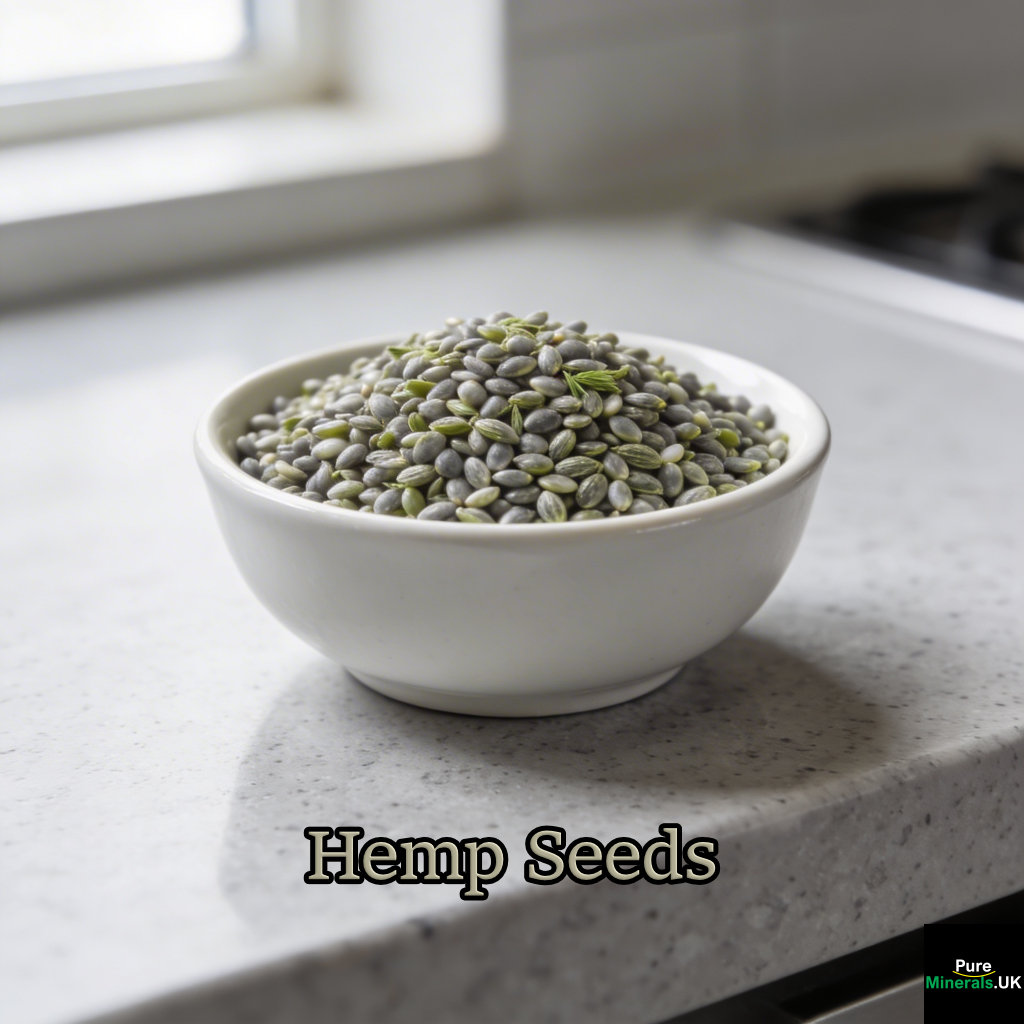
Most people think of hemp seeds as a trendy smoothie topping. In reality, they’re one of the few plant foods that check nearly every nutritional box at once — protein, fat, fiber, vitamins, and minerals — all in a single ingredient.
- All nine essential amino acids (complete protein)
- Over 30% healthy fat content, rich in omega-3 and omega-6
- Vitamin E for antioxidant protection
- Magnesium, phosphorus, potassium, zinc, and iron
- B vitamins for energy metabolism
- Calcium, sulfur, and sodium in meaningful amounts
The nutritional density here is genuinely impressive. Very few single foods — plant or animal — deliver this range of macronutrients and micronutrients simultaneously. That’s what separates hemp seeds from most other seeds and grains.
Hemp Seeds Nutrition Facts
Hemp seeds have a mild, nutty flavor and can be eaten raw, roasted, or cooked. Their nutritional value remains consistent across preparation methods, making them incredibly practical for everyday use.
Calories, Protein, Fat, and Carbohydrates Per Serving
A standard serving of hemp seeds is 3 tablespoons (approximately 30 grams). If you’re interested in exploring other nutritious seeds, you might want to learn more about canary seed. Here’s exactly what that serving delivers:
Nutrient | Amount Per 3 Tbsp Serving |
|---|---|
Calories | 166 |
Protein | 10 grams |
Fat | 15 grams |
Carbohydrates | 5 grams |
Fiber | 1.2 grams |
Sugar | 1 gram |
That 10 grams of protein per serving is comparable to what you’d get from beef or lamb by weight — a fact that surprises most people discovering hemp seeds for the first time.
How Hemp Seeds Compare to Chia Seeds and Flaxseeds
Chia seeds and flaxseeds are both well-known nutritional powerhouses, but hemp seeds hold their own — and in some areas, pull ahead. Hemp seeds deliver significantly more protein per serving than both chia and flax. While chia seeds offer more fiber and flaxseeds are stronger in certain lignans, hemp seeds win on overall protein quality because they provide a complete amino acid profile. Chia and flax do not. For anyone prioritizing protein alongside healthy fats, hemp seeds offer a more well-rounded nutritional package.
The Protein Power of Hemp Seeds
Protein quality matters as much as protein quantity. Hemp seeds excel at both.
Hemp Seeds Contain All Nine Essential Amino Acids
Essential amino acids are ones your body cannot produce on its own — you must get them from food. Hemp seeds contain all nine essential amino acids, which automatically classifies them as a complete protein. This is exceptionally rare in the plant kingdom. Most plant proteins are incomplete, missing one or more essential amino acids, which is why many plant-based eaters need to combine foods like rice and beans to hit the full spectrum. Hemp seeds eliminate that complexity.
25% of Hemp Seed Calories Come From Protein
According to research published in Frontiers in Nutrition, more than 25% of total calories in hemp seeds come from protein. That’s a high protein-to-calorie ratio for any food, let alone a plant-based one. By comparison, eggs — long considered a gold standard for protein — deliver roughly 35% of calories from protein. Hemp seeds come close, while also delivering healthy fats and minerals that eggs don’t provide in the same concentrations.
Hemp Seeds as a Complete Plant-Based Protein Source
Research consistently suggests that hemp’s protein is well-absorbed by the human body, meaning you’re not just consuming protein on paper — you’re actually using it. This bioavailability is partly attributed to the presence of albumin and edestin, two globular proteins found in hemp seeds that are easy for the digestive system to break down. For those interested in exploring other plant-based protein options, amaranth is another nutrient-rich seed worth considering.
For vegans, vegetarians, or anyone simply trying to reduce animal protein without sacrificing nutrition, hemp seeds are a practical, evidence-backed solution. By weight, 30 grams of hemp seeds provides about 11 grams of protein — directly competitive with animal sources.
Healthy Fats in Hemp Seeds
Hemp seeds are over 30% fat by composition, but this is exactly the kind of fat your body needs. The fat profile in hemp seeds is dominated by polyunsaturated fatty acids, which are linked to cardiovascular health, brain function, and reduced systemic inflammation.
The fat content is what makes hemp seeds calorie-dense, so portion awareness matters — but it also makes them deeply satisfying and nutritionally powerful in small amounts. For those interested in exploring similar nutrient-rich options, basil seeds are another great choice.
Omega-3 and Omega-6 Fatty Acids in Hemp Seeds
Hemp seeds are exceptionally rich in two essential fatty acids: alpha-linolenic acid (ALA), an omega-3, and linoleic acid (LA), an omega-6. These are called “essential” because the body cannot synthesize them — they must come from diet. Both play critical roles in managing inflammation, supporting cellular function, and maintaining cardiovascular health.
The 3:1 Omega Ratio and Why It Supports Heart Health
The ratio of omega-6 to omega-3 in hemp seeds sits at approximately 3:1, which nutritional researchers consider optimal for human health. Most Western diets skew heavily toward omega-6 — sometimes at a 15:1 or even 20:1 ratio — which promotes inflammation. Hemp seeds naturally help correct that imbalance. Incorporating them regularly into your diet can contribute to a healthier inflammatory response, which has downstream effects on heart disease risk, joint health, and immune function.
Gamma-Linolenic Acid (GLA) and Its Role in Hormone Balance
Hemp seeds also contain gamma-linolenic acid (GLA), a specific type of omega-6 fatty acid with notable anti-inflammatory properties. GLA is relatively rare in food sources, which makes hemp seeds particularly valuable. It plays a direct role in the production of prostaglandins — hormone-like compounds that regulate inflammation, body temperature, and smooth muscle function.
For women specifically, GLA has been studied in relation to PMS and menopause symptoms. Research suggests that insufficient GLA levels may amplify the body’s sensitivity to the hormone prolactin, which is linked to PMS discomfort. Regular consumption of hemp seeds — which deliver GLA alongside a complete nutritional package — may help moderate these hormonal fluctuations naturally.
Vitamins and Minerals in Hemp Seeds
Quick Mineral Reference: Hemp seeds are a meaningful source of at least eight essential minerals — phosphorus, potassium, sodium, magnesium, sulfur, calcium, iron, and zinc — plus vitamin E and several B vitamins, all in a single 3-tablespoon serving.
Beyond their protein and fat content, hemp seeds deliver a mineral profile that rivals many supplements. These aren’t trace amounts — several of the minerals present in hemp seeds contribute meaningfully toward daily requirements in a single serving. This is what pushes hemp seeds from “healthy food” into genuinely therapeutic territory when consumed consistently.
The combination of vitamins and minerals in hemp seeds works synergistically. Magnesium supports the absorption and metabolism of vitamin D, while zinc and iron work together to support immune function and oxygen transport. Eating hemp seeds isn’t just about hitting individual nutrient targets — it’s about providing your body with a coordinated system of micronutrients that support each other.
Vitamin E in particular stands out because it acts as a fat-soluble antioxidant, protecting the very polyunsaturated fats in hemp seeds from oxidative damage — both in the seed itself and after consumption in your body. This internal protection mechanism is one reason hemp seeds are considered a self-contained nutritional package.
Hemp seeds can be consumed raw without any preparation, which means none of these vitamins and minerals are lost to heat or cooking processes when eaten in their natural state. This preserves the full bioavailable spectrum of nutrients, from the most heat-sensitive B vitamins to the more stable minerals like iron and calcium.
Vitamin E Content and Its Antioxidant Benefits
Vitamin E is a fat-soluble antioxidant that protects cells from oxidative stress — damage caused by free radicals linked to aging, chronic disease, and inflammation. Hemp seeds are a solid natural source of vitamin E, delivering it alongside the healthy fats that are required for fat-soluble vitamin absorption in the first place. This pairing makes hemp seeds particularly efficient at delivering vitamin E, where the body can actually use it.
Oxidative stress is implicated in conditions ranging from cardiovascular disease to skin aging to cognitive decline. Regular intake of vitamin E through whole food sources like hemp seeds — rather than isolated supplements — provides a more balanced antioxidant effect, since food-based vitamin E comes with co-factors that enhance its activity in the body.
Key Minerals: Magnesium, Phosphorus, Zinc, and Iron
The mineral density of hemp seeds is one of their most underappreciated qualities. Magnesium alone is involved in over 300 enzymatic reactions in the human body, including protein synthesis, muscle and nerve function, blood sugar regulation, and blood pressure management. Many people are chronically low in magnesium without realizing it.
Mineral | Primary Role in the Body |
|---|---|
Enzyme function, muscle relaxation, and blood pressure regulation | |
Bone health, energy production, and cell repair | |
Immune defense, wound healing, hormone production | |
Oxygen transport, energy metabolism, and cognitive function |
Phosphorus works in tight partnership with calcium to build and maintain strong bones and teeth. It also plays a critical role in how the body stores and uses energy, making it essential for anyone with an active lifestyle. Hemp seeds provide phosphorus in meaningful amounts alongside calcium, which makes them particularly useful for bone health support.
Zinc and iron round out the mineral profile in ways that directly affect daily energy levels and immune resilience. Iron deficiency is the most common nutritional deficiency globally, and plant-based iron sources like hemp seeds — while non-heme iron, which is absorbed differently than animal-based heme iron — still contribute to overall iron intake, especially when consumed with vitamin C-rich foods that enhance absorption.
Proven Health Benefits of Hemp Seeds
The nutritional profile of hemp seeds isn’t just impressive on paper — it translates into real, measurable health outcomes supported by scientific research. These aren’t speculative benefits based on individual nutrients in isolation. They’re outcomes observed from hemp seed consumption as a whole food.
The three most evidence-supported benefits are cardiovascular health, digestive support, and skin condition improvement. Each one connects directly back to the specific nutrient compounds already discussed — the fatty acids, amino acids, minerals, and antioxidants working together as a system.
Understanding these benefits gives you a clearer picture of why hemp seeds aren’t just a nutritional checkbox to tick — they’re a functional food that actively supports specific systems in the body when consumed consistently over time. For example, canary seeds are another type of seed that offers unique health benefits.
Hemp Seeds Support Heart Health Through Arginine and Nitric Oxide
The Arginine Connection: Hemp seeds are rich in the amino acid arginine, which the body converts into nitric oxide — a molecule that causes blood vessels to dilate and relax, directly lowering blood pressure and reducing the risk of heart disease.
Arginine is an amino acid abundant in hemp seeds, and its cardiovascular effect operates through a well-understood mechanism. When arginine is metabolized, it produces nitric oxide, which signals the smooth muscle cells in blood vessel walls to relax. This vasodilation reduces blood pressure and improves circulation — both key factors in long-term heart health.
The omega-3 and omega-6 fatty acids in hemp seeds add another layer of cardiovascular protection. The ideal 3:1 omega-6 to omega-3 ratio helps regulate the inflammatory processes that contribute to atherosclerosis — the buildup of plaques in arterial walls that leads to heart attacks and strokes. A diet consistently skewed toward omega-6 without adequate omega-3 promotes this inflammatory environment. Hemp seeds naturally help rebalance it, similar to how buckwheat can support a healthy heart.
Taken together — arginine-driven nitric oxide production, optimal fatty acid ratios, and magnesium’s role in blood pressure regulation — hemp seeds offer a genuinely multi-layered approach to cardiovascular support through a single food. That kind of synergistic action is exactly what makes whole food nutrition more effective than isolated supplements targeting single mechanisms.
Hemp Seeds Aid Digestion and Relieve Constipation
Hemp seeds contain both soluble and insoluble fiber, particularly when consumed with the hull intact. Soluble fiber feeds beneficial gut bacteria and helps regulate blood sugar, while insoluble fiber adds bulk to stool and keeps digestion moving efficiently. Together, they support a healthy gut microbiome and reduce the likelihood of constipation, bloating, and sluggish digestion.
Hulled hemp seeds (hemp hearts) contain less fiber than whole hemp seeds since the hull is the primary fiber source. If digestive support is a priority, opting for whole hemp seeds gives you the full fiber benefit. Even hemp hearts, however, still support digestion through their healthy fat content, which lubricates the digestive tract and promotes smoother transit. For a similar fiber-rich option, consider exploring einkorn wheat as an alternative.
Hemp Seeds May Improve Skin Conditions Like Atopic Dermatitis
Research Note: The fatty acid profile of hemp seeds — particularly the balance of omega-3, omega-6, and GLA — has been studied in relation to atopic dermatitis (eczema), with findings suggesting that hemp seed oil may help reduce skin dryness, itchiness, and the need for topical medications.
Atopic dermatitis is a chronic inflammatory skin condition driven in part by dysregulation of the immune system and disruption of the skin’s fatty acid barrier. Hemp seeds address both of these root factors. The GLA content supports healthy prostaglandin production, which regulates inflammation, while the omega-3 fatty acids help modulate the immune response that triggers eczema flare-ups.
The vitamin E in hemp seeds adds an additional layer of skin support. As a topical and dietary antioxidant, vitamin E helps protect skin cells from oxidative damage — one of the contributing factors to skin aging and inflammatory skin conditions. When consumed as food rather than applied topically, vitamin E works systemically, reaching skin cells through the bloodstream.
For people managing chronic skin conditions, hemp seeds offer a dietary intervention that works at the source of inflammation rather than just masking surface symptoms. This approach aligns with the broader philosophy of using food as medicine — addressing root causes through consistent, targeted nutrition rather than reactive treatment.
How to Use Hemp Seeds in Your Diet
One of the most practical things about hemp seeds is how easy they are to incorporate — no cooking required, no strong flavor to work around, and no complex preparation. Their mild, nutty taste makes them genuinely versatile across sweet and savory applications.
Raw, Roasted, or Cooked: The Best Ways to Eat Hemp Seeds
Hemp seeds can be eaten in multiple forms, and each preparation method has its advantages depending on what you’re prioritizing nutritionally and culinarily.
- Raw hemp seeds preserve the full vitamin and enzyme content — the best choice if maximum nutrition is the goal.
- Roasted hemp seeds develop a deeper, nuttier flavor with a satisfying crunch, making them ideal as a snack or salad topper. Roasted hemp seeds (or hemp hearts) make a crunchy, nutty, and nutrient-dense snack or topping. They take 5–10 minutes to prepare by toasting in a dry skillet over low heat or in a 175°C–200°C oven for 10–15 minutes, stirring frequently until golden brown. Cool completely before storing in an airtight container.
- Cooked hemp seeds blend seamlessly into hot dishes like oatmeal, soups, or grain bowls without significantly altering the dish’s flavor profile.
- Hemp seed oil is cold-pressed from the seeds and retains the essential fatty acids — best used as a finishing oil, not for high-heat cooking, as heat degrades its delicate fats.
- Hemp seed protein powder is a processed form that concentrates the protein content, useful for smoothies and baking.
Raw is generally the best default option for preserving the heat-sensitive nutrients like vitamin E and certain B vitamins. If you’re roasting at home, keeping temperatures moderate (under 350°F) and roasting times short helps retain more of the nutritional value compared to commercial high-heat processing.
Hemp seed oil deserves special attention as a culinary and medicinal food in its own right. Used in China for at least 3,000 years as both food and medicine, it delivers the same essential fatty acid profile as the seeds in a more concentrated, easily absorbable form. Drizzled over salads, added to dressings, or taken by the spoonful, it’s one of the most direct ways to access hemp’s omega-3 and GLA benefits.
Easy Ways to Add Hemp Seeds to Everyday Meals
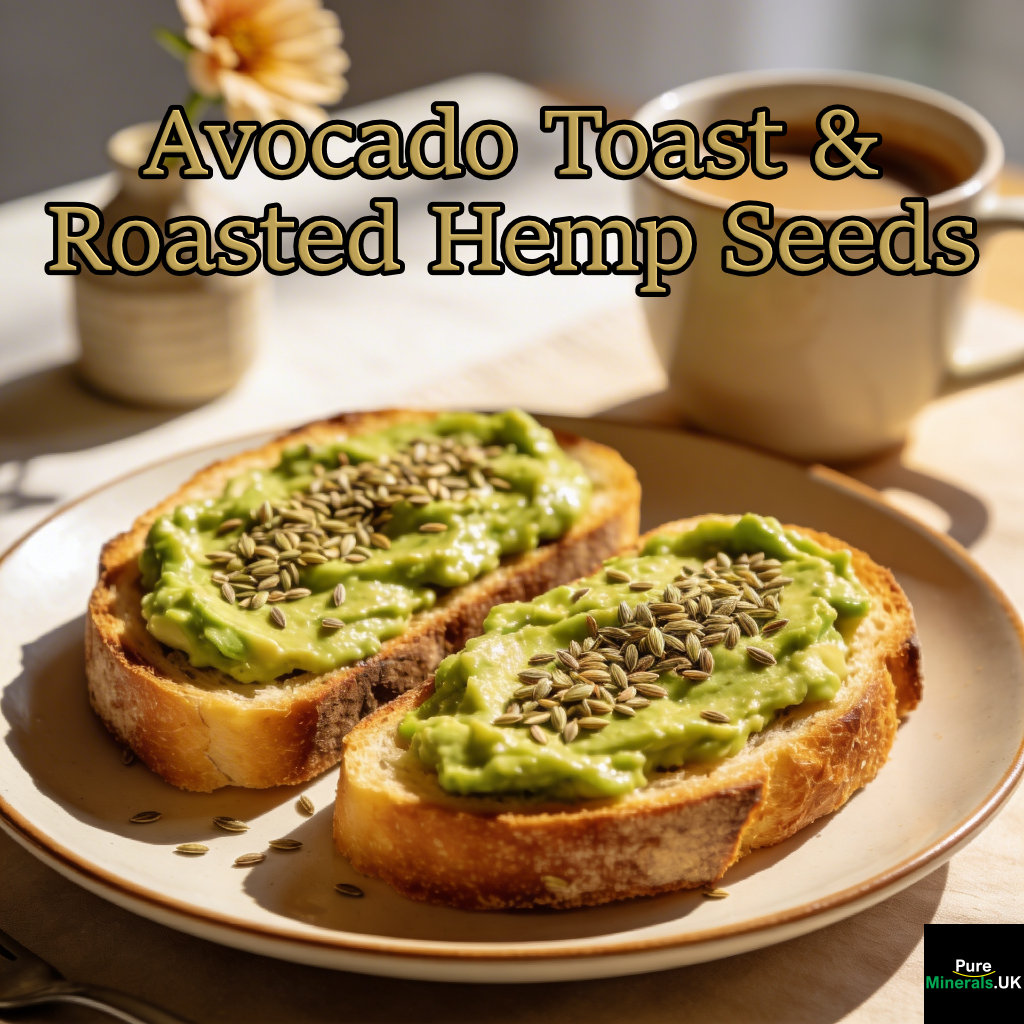
You don’t need to overhaul your diet to benefit from hemp seeds. A consistent 3-tablespoon serving added to existing meals is all it takes to boost your nutritional intake. Here are practical, real-world ways to do it:
Daily Hemp Seed Integration Ideas:
• Stir into morning oatmeal or overnight oats
• Blend into smoothies for a protein boost without changing the flavor
• Sprinkle over yogurt, avocado toast, or grain bowls
• Mix into salad dressings or drizzle hemp oil over greens
• Add to homemade energy balls, granola bars, or baked goods
• Stir into soups or stews just before serving to preserve nutrients
The versatility here is genuine. Unlike some superfoods with strong or polarizing flavors — spirulina being the obvious example — hemp seeds are mild enough that most people can add them to existing meals without noticing a significant taste difference. This makes long-term consistency far more achievable.
Portion matters more than frequency. Rather than eating a large amount occasionally, a daily 3-tablespoon serving gives your body a steady supply of the essential amino acids, fatty acids, and minerals it needs to maintain the health benefits discussed throughout this article. Consistency is where the real nutritional payoff happens.
Hemp Seed Oil as a Food and Medicine
Hemp seed oil is cold-pressed directly from hemp seeds and carries the same exceptional fatty acid profile in a concentrated, liquid form. It has been used as both food and medicine in China for at least 3,000 years — one of the longest track records of any plant-based oil in human history. The oil is particularly rich in polyunsaturated fatty acids, including the rare GLA, making it one of the most nutritionally complete plant oils available.
The critical rule with hemp seed oil is temperature. Its delicate polyunsaturated fats oxidize quickly under heat, which destroys their nutritional value and can produce harmful compounds. Always use hemp seed oil as a finishing oil — drizzled over salads, blended into dressings, stirred into smoothies, or taken directly by the spoonful. Store it in a dark glass bottle in the refrigerator to preserve freshness and prevent rancidity.
Hemp Seeds Side Effects and What to Watch For
Hemp seeds are safe for the vast majority of people, but a few specific considerations are worth understanding before making them a daily staple. The side effects that do exist are manageable and largely related to quantity consumed or individual health circumstances rather than any inherent toxicity in the seeds themselves.
Calorie Density and Recommended Serving Size
At 166 calories per 3-tablespoon serving, hemp seeds are calorie-dense by nature of their high fat content. This isn’t a problem in appropriate amounts — those fats are genuinely beneficial. But eating hemp seeds without portion awareness can lead to unintentional caloric excess, particularly for people monitoring their intake for weight management purposes.
The recommended approach is to treat hemp seeds as a nutritional addition to meals rather than a standalone snack consumed freely. A consistent 3-tablespoon serving once per day delivers significant nutritional value without overloading on calories. Eating multiple large servings daily without adjusting other caloric inputs can tip the balance in the wrong direction over time.
Digestive discomfort is another possibility when introducing hemp seeds too quickly, particularly for people unaccustomed to high-fiber or high-fat foods. Starting with 1 tablespoon per day and gradually increasing to the full serving over one to two weeks gives the digestive system time to adapt without the bloating or loose stools that can accompany a sudden dietary shift.
Potential Interference With Blood-Thinning Medications
Hemp seeds have natural anticoagulant properties — meaning they can mildly inhibit platelet aggregation (blood clotting). For most healthy people, this is a cardiovascular benefit. For individuals taking prescription blood-thinning medications like warfarin (Coumadin) or clopidogrel, however, adding significant amounts of hemp seeds to the diet may amplify the medication’s effect and increase bleeding risk.
Anyone on anticoagulant therapy should speak with their healthcare provider before incorporating hemp seeds regularly into their diet. This isn’t a reason to avoid them entirely — it’s simply a reason to introduce them with medical awareness. The same caution applies to people scheduled for surgery, where blood clotting function needs to be at its normal baseline.
Hemp Seeds Are One of the Most Complete Foods Available
Very few single foods deliver complete protein, essential fatty acids in an optimal ratio, fat-soluble antioxidants, and a full spectrum of critical minerals all at once. Hemp seeds do. Whether you’re building a plant-based diet, supporting cardiovascular health, managing inflammation, or simply trying to eat more nutrient-dense whole foods, three tablespoons of hemp seeds added to your daily meals is one of the highest-return nutritional investments you can make. The evidence is consistent, the application is simple, and the nutritional payoff is substantial.
Important note: Hemp Seeds
Hemp seeds from food-grade industrial hemp contain negligible levels of THC and are considered safe for consumption. However, regulations regarding hemp products may vary by region. Due to their high fat content, excessive intake may contribute to increased caloric intake. Individuals taking medications or managing specific health conditions should consult a qualified nutrition professional before regular use.
Frequently Asked Questions
Hemp seeds generate a lot of questions — particularly around their relationship to cannabis and whether everyday consumption comes with any psychoactive or legal concerns. The answers are straightforward, and understanding them removes any hesitation about adding this genuinely powerful food to your regular diet.
Beyond the cannabis-related questions, people most commonly want to know about serving sizes, safety for different age groups, and how hemp seeds fit into specific health goals like weight management. The following answers address the most frequently asked questions with specific, evidence-based information.
Do Hemp Seeds Contain THC or Make You High?
No. Hemp seeds come from the Cannabis sativa plant, but they contain little to no THC (tetrahydrocannabinol) — the psychoactive compound responsible for the marijuana “high” — and little to no CBD. The seeds themselves do not accumulate cannabinoids in meaningful amounts. Eating hemp seeds will not produce any psychoactive effect, will not cause a failed drug test in typical quantities, and is completely legal in the United States and most countries worldwide.
How Many Hemp Seeds Should You Eat Per Day?
A daily serving of 3 tablespoons (approximately 30 grams) is the standard recommended amount and delivers the full nutritional benefit profile discussed throughout this article — 10 grams of protein, 15 grams of healthy fats, and a meaningful contribution toward daily mineral requirements. Eating hemp seeds every single day is beneficial in this quantity, but because they are high in calories and fat, consistently exceeding this amount without dietary adjustment is not recommended.
Are Hemp Seeds Safe for Children to Eat?
Yes, hemp seeds are generally safe for children and can be a valuable addition to a child’s diet, given their protein, mineral, and healthy fat content. The same portion guidance applies — smaller bodies need smaller servings. For younger children, starting with 1 teaspoon mixed into food is a practical approach. Because hemp seeds contain little to no THC or CBD, there are no cannabis-related safety concerns for children consuming them as food.
What Is the Difference Between Hemp Seeds and Hemp Hearts?
Hemp seeds and hemp hearts refer to the same seed at different stages of processing. Whole hemp seeds have an outer shell — the hull — which is fibrous and somewhat tough in texture. Hemp hearts are hemp seeds that have been hulled, meaning the outer shell has been removed, leaving just the soft inner kernel.
Nutritionally, hemp hearts are nearly identical to whole hemp seeds in terms of protein, fat, vitamins, and minerals. The primary difference is fiber content — the hull is the main source of insoluble fiber in hemp seeds, so hemp hearts contain less fiber than their whole counterparts. If digestive support and fiber intake are priorities, whole hemp seeds are the better choice, similar to basil seeds, which also offer significant fiber content.
From a culinary standpoint, hemp hearts are more popular because of their softer texture and easier integration into recipes. They blend smoothly into smoothies and mix evenly into oatmeal or yogurt without the grittier texture that whole hemp seeds can introduce. Both forms are nutritionally excellent — the choice between them largely comes down to personal texture preference and whether fiber content is a specific dietary goal.
Can Hemp Seeds Help With Weight Loss?
Hemp seeds are not a weight loss food in the direct sense — at 166 calories per 3-tablespoon serving, they’re calorie-dense. However, they can meaningfully support a weight management strategy through their satiety effect. The combination of protein and healthy fats in hemp seeds promotes a feeling of fullness that can reduce overall caloric intake throughout the day by curbing unnecessary snacking and appetite between meals.
Protein is the most satiating macronutrient, and hemp seeds deliver 10 grams per serving alongside fats that slow digestion and stabilize blood sugar. Blood sugar stability is a critical but often overlooked factor in weight management — rapid blood sugar spikes and crashes drive hunger and cravings far more than most people realize. Hemp seeds help flatten that curve, making it easier to maintain consistent, controlled eating patterns.
The practical approach is to use hemp seeds as a nutritional enhancer within a calorie-conscious diet rather than as an addition on top of existing portions. Replacing a less nutritious ingredient with hemp seeds — swapping croutons for hemp seeds on a salad, for instance, or replacing a sugary granola topping with basil seeds — captures the satiety and nutritional benefits without adding net calories to your daily intake.