

Published: 24 March 2026
This article is periodically reviewed and updated to reflect current scientific understanding by Vic George.
Fact-Checked: Includes 1 PubMed-indexed study and 3 other authoritative medical/scientific references. See our Editorial Policy.
What Are Shallots?
Shallots are small bulb vegetables belonging to Allium cepa var. aggregatum, closely related to onions and garlic. They are valued for their mild, slightly sweet flavor and provide vitamins, minerals, and sulfur-containing phytochemicals characteristic of Allium plants.
China is the world’s leading producer of onions and shallots, accounting for 17-22% of global production. In Europe, France (Brittany and Anjou) and the Netherlands are major producers of high-quality shallot sets.
Definition
Shallots are the edible bulbs of Allium cepa var. aggregatum, a member of the Amaryllidaceae family, consumed as a vegetable.
Extended Definition
Shallots belong to the Allium genus, which includes onions, garlic, leeks, and scallions. Unlike single-bulb onions, shallots grow in clusters of small bulbs, each enclosed in a thin, papery skin.
The bulbs consist of layered fleshy scales that store nutrients for the plant. Shallots are typically smaller and more delicate in flavor compared with standard onions, making them widely used in culinary applications where a milder Allium taste is preferred.
Nutritionally, shallots provide dietary fiber, vitamin C, vitamin B6, folate, and potassium. These nutrients contribute to normal metabolic processes, immune function, and fluid balance.
Like other Allium vegetables, shallots contain sulfur-containing compounds derived from amino acids. When the tissue is cut or crushed, enzymatic reactions produce a range of organosulfur compounds responsible for their aroma and flavor.
Shallots also contain flavonoids, particularly quercetin and related polyphenols, which contribute to plant defense mechanisms and biochemical stability.
Due to their balanced flavor profile, shallots are widely used in sauces, dressings, and cooked dishes. They can be consumed raw or cooked, with cooking often enhancing their natural sweetness.
Key Takeaways
- Shallots contain higher concentrations of antioxidants, protein, fiber, and key micronutrients than common onions, making them one of the most nutrient-dense members of the Allium family.
- The sulfur compound quercetin-3,4′-diglucoside is the dominant flavonoid in shallots and plays a central role in their antioxidant and anti-inflammatory properties.
- Shallots are an excellent source of inulin-type fructooligosaccharides (FOS), which resist digestion and feed beneficial gut bacteria — a benefit most people overlook entirely.
- The pungency of shallots is directly tied to alliinase enzyme activity, and growing conditions like soil sulfur levels and climate can dramatically shift how potent a shallot tastes and how medicinal it may be.
- Research published in the Journal of Medicinal Food found that shallots and onions are effective in impacting various events responsible for allergic reactions — one of several evidence-backed benefits worth knowing.
Shallots are quietly one of the most powerful foods you can add to your plate — and most people have no idea what they’re actually eating.
Unlike common onions, shallots deliver a concentrated punch of vitamins, minerals, and plant compounds that have been studied for everything from blood sugar regulation to antimicrobial activity. For anyone interested in food as medicine, shallots deserve far more attention than they get.
Shallots Pack More Punch Than Most Onions
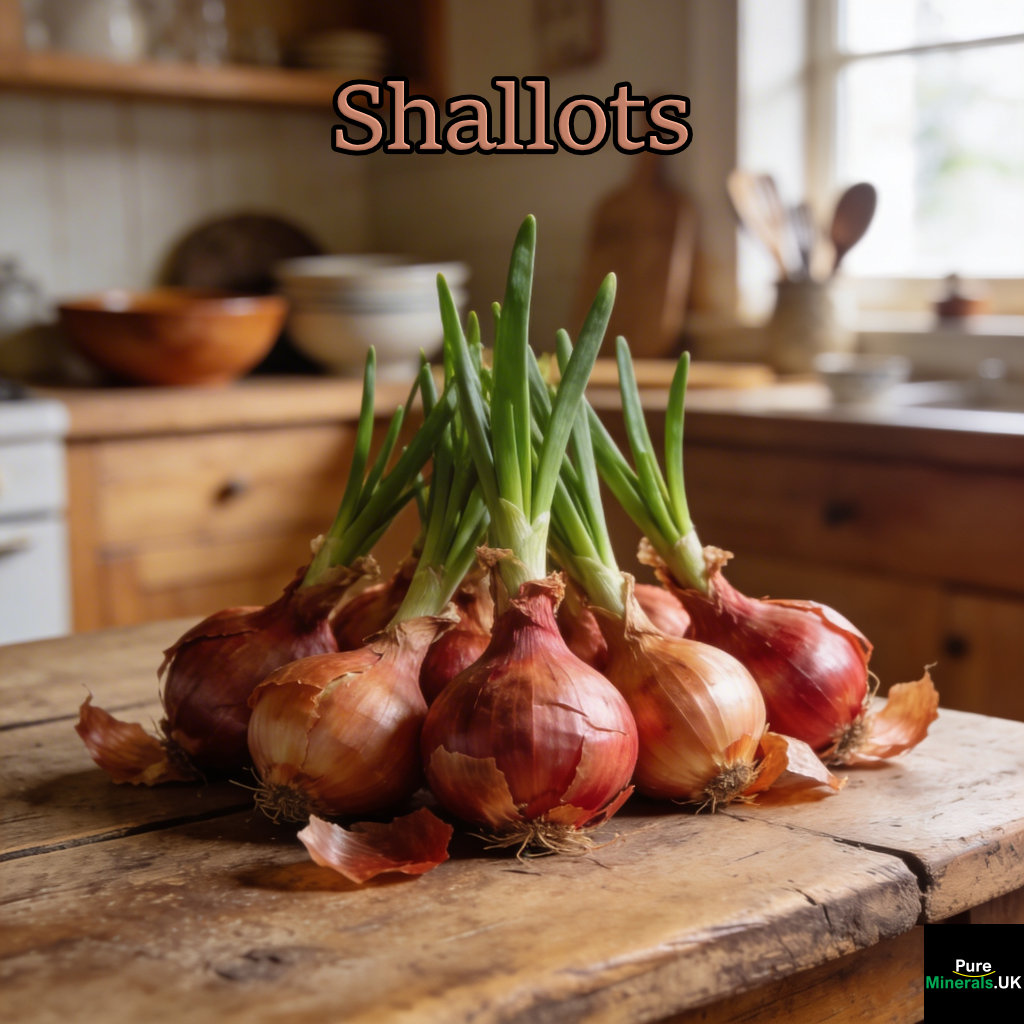
Compared to common onions, shallots are a more concentrated source of protein, fiber, and micronutrients across the board. They’re abundant in sulfur (S) and potassium (K), while remaining low in sodium (Na) — a mineral profile that supports cardiovascular health right out of the gate. They also provide an excellent source of copper, lithium, iron, manganese, and zinc. And compared to the common onion, shallots have been shown to contain up to five times higher concentrations of certain beneficial compounds.
What Makes Shallots Nutritionally Unique
Four major classes of phytochemicals define shallot nutrition: organosulfur compounds, phenolic compounds, polysaccharides, and saponins. Each of these plays a distinct biological role, and together they create a nutritional profile that stands apart from most vegetables in the produce aisle.
Flavonoids: Quercetin and Kaempferol
Shallots are known for their exceptionally high content of phenolic compounds, particularly flavanols. The two most abundant flavonoid compounds identified in shallots are quercetin-3,4′-diglucoside and quercetin-4′-glucoside — both conjugated forms of quercetin bound to sugar molecules. This matters because the conjugated form affects how these compounds are absorbed and used in the body. Additionally, similar phenolic compounds can be found in other vegetables like radish, which also contribute to their nutritional value.
Quercetin itself is a well-researched antioxidant tied to reduced inflammation, antihistamine activity, and cardiovascular protection. Kaempferol, another flavonoid found in shallots, adds additional antioxidant activity and has been studied for its role in cancer-preventive pathways. One study analyzing 11 popular onion varieties found that shallots contained the highest antioxidant activity of all varieties tested.
Inulin and Fructooligosaccharides (FOS)
Shallots contain inulin-type fructooligosaccharides — polysaccharides that are soluble but resistant to hydrolysis in the human gut. In plain terms, they pass through the small intestine undigested and become fermented by beneficial bacteria in the colon. This makes shallots a functional prebiotic food, supporting gut microbiome diversity without adding a digestible sugar load. These FOS compounds are found in higher concentrations in shallots and garlic than in common onions.
Mineral Composition
Mineral
Shallot Status
Notable Role
Abundant
Blood pressure regulation
Abundant
Detoxification, compound synthesis
Excellent source
Enzymatic function, iron metabolism
Excellent source
Oxygen transport
Excellent source
Bone formation, antioxidant defense
Excellent source
Immune function, wound healing
Low
Cardiovascular-friendly profile
Sulfur Compounds: The Science Behind Shallot Pungency
That sharp, almost eye-watering intensity you get when you cut a shallot isn’t just flavor — it’s biochemistry at work. The pungent character of shallots is produced by the hydrolysis of S-alk(en)yl-L-cysteine sulfoxides, a reaction catalyzed by the enzyme alliinase when plant tissue is damaged. Every slice, crush, or chop you make triggers this cascade.
How Alliinase Triggers Allicin Formation
Alliinase is stored separately from its substrates within intact shallot cells. The moment cell walls are broken — through cutting, crushing, or chewing — alliinase comes into contact with cysteine sulfoxide compounds and catalyzes their conversion into biologically active thiosulfinates, including allicin. This is the same mechanism responsible for garlic’s medicinal potency.
The resulting sulfur compounds, particularly ajoene and allyl disulfide (APDS), are where much of the shallots’ known healing activity originates. These compounds carry documented antibacterial, antifungal, and antiviral properties. Research has also linked the oils of shallots — which hold the majority of sulfoxides — to antidiabetic, hypocholesterolaemic, and fibrinolytic biological actions.
This is also why raw shallots deliver a stronger therapeutic punch than cooked ones. Heat denatures alliinase, reducing the enzyme’s ability to produce these active compounds. Letting chopped shallots rest for 10 minutes before cooking gives the reaction time to complete before heat intervenes.
Pyruvic Acid as a Measure of Pungency
Pyruvic acid is produced as a byproduct of the alliinase reaction, and its concentration in shallot tissue is used by researchers as a direct measure of pungency. Higher pyruvic acid content signals more active sulfoxide hydrolysis — and generally, more of those beneficial organosulfur compounds being produced. This makes pyruvic acid content a practical marker for both flavor intensity and potential medicinal value.
How Agroclimatic Conditions Shift Pungency Levels
Where and how a shallot is grown has a measurable effect on its chemical composition. Soil sulfur availability is one of the most significant factors — higher sulfur in the soil means more substrate available for sulfoxide synthesis, resulting in sharper flavor and higher compound concentrations. Temperature, rainfall, and day length also influence flavonoid accumulation and overall antioxidant capacity.
This explains why shallots sourced from different regions can taste dramatically different and may vary in their nutritional potency. Organically grown shallots, cultivated in sulfur-rich soils under optimal agroclimatic conditions, often show higher phenolic content and antioxidant activity in comparative studies.
Health Benefits Backed by Research
Shallots have been studied across multiple areas of human health, and the findings consistently point to a vegetable that does far more than add flavor to a dish. The combination of flavonoids, organosulfur compounds, and prebiotic fiber creates a multi-pathway effect in the body that few single foods can match.
1. Antioxidant Protection Against Oxidative Stress
Out of 11 onion varieties analyzed in one comparative study, shallots ranked highest in antioxidant activity. This matters because oxidative stress — caused by an imbalance between free radicals and antioxidants in the body — is a root driver of chronic diseases, including diabetes, heart disease, and neurodegeneration. The quercetin, kaempferol, and allicin found in shallots work together to neutralize free radicals before they cause cellular damage. Regular consumption of high-antioxidant foods like shallots is one of the most practical and evidence-supported ways to reduce this oxidative burden.
2. Anti-Inflammatory and Antimicrobial Properties
A large body of research confirms that organosulfur compounds in Allium vegetables carry broad-spectrum antimicrobial activity. Shallots specifically have demonstrated antibacterial, antifungal, and antiviral properties in research settings, largely due to the thiosulfinate compounds produced when alliinase is activated. These aren’t mild effects — the same sulfoxide-rich oils responsible for shallot pungency have been shown to inhibit pathogen growth across multiple microbial categories. For anyone dealing with recurring infections or looking to support immune resilience through diet, this is one of the more compelling reasons to use shallots regularly.
3. Blood Sugar Regulation and Insulin Resistance
The sulfoxide compounds in shallots — particularly allyl disulfide (APDS) — have documented antidiabetic properties. The oils derived from shallots and related Allium species have been specifically noted for their ability to support blood glucose regulation through multiple biological mechanisms. Beyond sulfur compounds, the inulin-type FOS in shallots slows carbohydrate absorption in the gut, which naturally buffers post-meal blood sugar spikes. Together, these two mechanisms make shallots a genuinely useful food for anyone managing insulin sensitivity or metabolic health.
4. Cardiovascular and Anticancer Properties
Shallots contribute to heart health through several overlapping pathways. Their high potassium content supports healthy blood pressure, while the fibrinolytic activity of their sulfoxide oils helps prevent abnormal blood clotting. Quercetin has been studied extensively for its ability to reduce LDL oxidation — a key step in atherosclerosis development.
On the anticancer front, the flavonoids and organosulfur compounds in shallots have shown the ability to interfere with cancer cell proliferation pathways in research. Allium vegetables as a class are among the most studied plant families for cancer-preventive properties, and shallots — with their concentrated phytochemical profile — sit near the top of that group. A study in the Journal of Medicinal Food also found shallots effective at impacting various events responsible for allergic reactions, adding immune modulation to their growing list of evidence-backed benefits.
How Shallots Compare to Other Alliums
All Allium vegetables share a common biochemical toolkit — organosulfur compounds, flavonoids, and prebiotic polysaccharides. But the concentrations and specific compound profiles vary significantly between species, and those differences translate into real distinctions in flavor, nutrition, and therapeutic value.
Shallots vs. Common Onions
Shallots are essentially a more concentrated version of the common onion. Compared gram-for-gram, shallots deliver higher levels of protein, dietary fiber, and a wider range of micronutrients, including calcium, iron, magnesium, phosphorus, potassium, zinc, copper, and folate. Their total phenolic content and antioxidant capacity consistently outperform those of common yellow or white onions in comparative analyses.
The FOS content tells a similar story — shallots and garlic contain notably higher concentrations of inulin-type fructooligosaccharides than common onions, giving them a stronger prebiotic effect. If you’re already eating onions for health reasons, swapping in shallots even occasionally is a straightforward upgrade with measurable nutritional payoff.
Shallots vs. Garlic
Garlic is the most pharmacologically studied Allium, largely due to its extremely high allicin yield and potent antimicrobial reputation. Shallots don’t produce allicin at the same concentration, but they compensate with a significantly broader flavonoid profile — particularly quercetin and kaempferol — and a more favorable culinary versatility. Where garlic is often used in small amounts as a flavoring agent, shallots can be consumed in larger quantities as a main ingredient, which may increase the total intake of beneficial compounds per meal.
How to Use Shallots in the Kitchen
Shallots are one of the most versatile ingredients in the kitchen, sitting somewhere between onion and garlic in both flavor and function. Their mild sweetness and complex depth make them ideal as a base for sauces, dressings, and braises, but they’re equally at home eaten raw in vinaigrettes or quick-pickled as a condiment. Unlike common onions, shallots caramelize faster due to their higher sugar content, making them excellent for pan sauces and roasted dishes where you want layered sweetness without a harsh bite.
Raw, Cooked, or Pickled: What Changes Nutritionally
How you prepare shallots has a direct impact on how much of their therapeutic value you actually get. Raw shallots deliver the highest concentration of active sulfur compounds because alliinase remains fully functional at room temperature. The moment heat enters the picture, that enzyme denatures, and the conversion of cysteine sulfoxides into allicin and related thiosulfinates slows significantly. That said, cooking doesn’t eliminate shallots’ benefits — quercetin and kaempferol are relatively heat-stable flavonoids, meaning roasted or sautéed shallots still retain meaningful antioxidant activity.
Pickling shallots in an acidic medium like vinegar preserves their prebiotic FOS content and most of their flavonoid profile while softening the raw pungency. If you want the best of both worlds — palatability and potency — a quick pickle or a 10-minute rest after chopping before light cooking is your best approach. For maximum sulfur compound activity, raw is the clear winner.
Best Dishes for Shallots
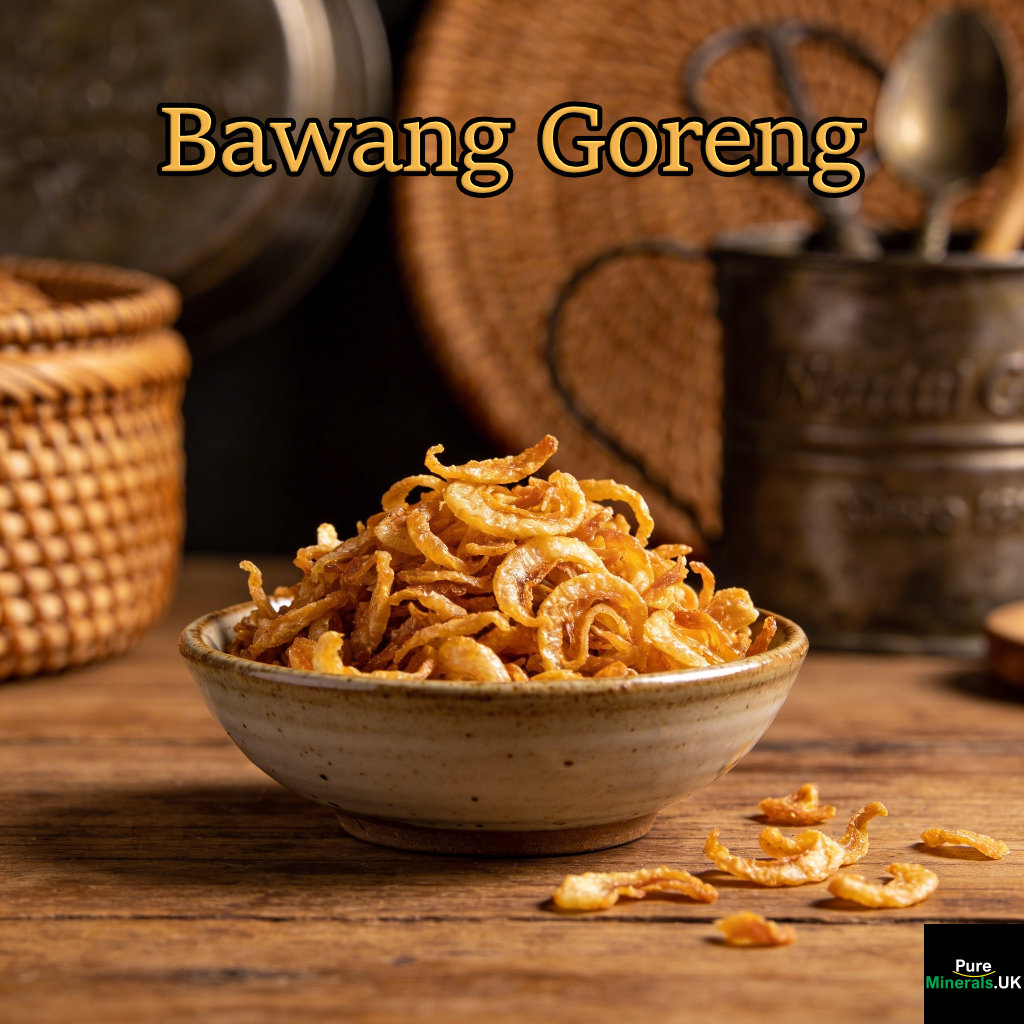
Shallots work in almost any savory context, but they truly shine in applications where their natural sweetness and complexity can come forward. French cooking has long relied on shallots as a foundational ingredient — think classic mignonette sauce, beurre blanc, and confit preparations where shallots are slow-cooked in fat until jammy and caramelized.
Beyond French cuisine, shallots are a staple in Southeast Asian cooking, particularly in Thai, Indonesian, and Vietnamese dishes, where they’re fried crispy and used as a finishing garnish. Here are some of the most effective ways to use shallots regularly:
- Raw in vinaigrettes — finely minced shallots emulsify naturally into dressings and deliver maximum flavonoid content
- Caramelized as a base — slow-cooked in olive oil or butter as the foundation for soups, risottos, and pasta sauces
- Quick-pickled — thinly sliced and soaked in apple cider vinegar for tacos, grain bowls, and sandwiches
- Roasted whole — alongside root vegetables, where their high sugar content concentrates into natural sweetness
- Fried crispy — as a garnish over salads, soups, or curries in the style of Indonesian bawang goreng
- In compound butters — blended with herbs and used to finish steaks or fish
The key is finding consistent ways to incorporate shallots into meals you already make. Replacing common onions with shallots in your regular recipes is the simplest upgrade with the highest nutritional return.
Shallots Are Worth Adding to Your Diet
Shallots bring a rare combination of culinary elegance and genuine nutritional density to the table. With their five-fold higher compound concentrations compared to common onions, their prebiotic FOS content, top-ranked antioxidant activity across Allium varieties, and well-documented antimicrobial and antidiabetic properties, they’re one of the most functional foods you can keep in your kitchen. Eating them regularly — raw, lightly cooked, or pickled — is a straightforward, evidence-backed way to support everything from gut health and blood sugar balance to immune resilience and cardiovascular protection. For anyone serious about using food as medicine, shallots deserve a permanent spot in your rotation.
Important note: Shallots
Shallots are widely recognized as safe when consumed as a food. Individuals with sensitivities to Allium vegetables may experience digestive discomfort. This article is provided for educational purposes only and does not constitute medical advice. Individuals with specific dietary concerns should consult a qualified healthcare professional before making significant dietary changes.
Frequently Asked Questions
Here are answers to the most common questions about shallots and their nutritional benefits.
Are shallots healthier than regular onions?
Yes, shallots are generally more nutrient-dense than common onions. Compared gram-for-gram, shallots contain higher concentrations of protein, dietary fiber, and micronutrients including calcium, iron, magnesium, phosphorus, potassium, zinc, copper, and folate. Their total phenolic content and antioxidant capacity have also been shown to outperform common onion varieties in multiple comparative analyses.
Shallots also contain up to five times higher concentrations of certain beneficial compounds than common onions, and their inulin-type FOS content — which feeds beneficial gut bacteria — is significantly higher than what you’d find in a standard yellow or white onion. For most nutritional metrics, shallots are the stronger choice.
Does cooking shallots destroy their antioxidants?
Cooking shallots does reduce their sulfur compound activity because heat denatures alliinase, the enzyme responsible for converting cysteine sulfoxides into active thiosulfinates like allicin. This means cooked shallots produce fewer of these antimicrobial and antidiabetic sulfur compounds than raw ones.
However, the flavonoids quercetin and kaempferol are considerably more heat-stable, so cooked shallots still retain meaningful antioxidant protection. To preserve the most sulfur compound activity, let chopped shallots rest for about 10 minutes before applying heat — this gives alliinase time to complete the conversion reaction before the enzyme is denatured. For similar benefits, consider exploring the nutritional profile of scallions.
What gives shallots their pungent flavor?
Shallot pungency comes down to a specific enzymatic reaction that’s triggered the moment you damage the plant tissue. Here’s what happens at the biochemical level:
- Intact cells keep alliinase enzyme separated from its substrates, S-alk(en)yl-L-cysteine sulfoxides
- Cutting or crushing breaks cell walls, bringing alliinase into direct contact with those substrates
- Alliinase catalyzes the hydrolysis of sulfoxides into volatile thiosulfinates, including allicin
- Pyruvic acid is released as a byproduct, and its concentration directly reflects how pungent the shallot is
- Agroclimatic conditions like soil sulfur content and growing temperature influence how much substrate is available, making some shallots dramatically sharper than others
This is why a shallot grown in sulfur-rich soil can taste almost as intense as garlic, while one grown in depleted soil might be surprisingly mild. The biochemistry is the same — the raw ingredients available to it are just different.
The volatile sulfur compounds produced in this reaction are also responsible for the eye irritation experienced when cutting shallots, the same mechanism behind the tears triggered by cutting common onions. Chilling shallots before cutting slows the enzymatic reaction slightly and can reduce that irritation.
Can shallots help with blood sugar control?
Research supports shallots as a meaningful dietary tool for blood sugar management through two distinct mechanisms. First, the sulfoxide-rich oils in shallots — particularly allyl disulfide — carry documented antidiabetic properties that influence glucose metabolism. Second, the inulin-type FOS content in shallots resists digestion in the small intestine, slowing carbohydrate absorption and blunting post-meal blood sugar spikes. Together, these pathways make shallots a practical whole-food addition for anyone managing insulin sensitivity or metabolic health, though they work best as part of a broader low-glycemic dietary pattern rather than as a standalone intervention.
What is the difference between inulin and FOS in shallots?
Inulin and fructooligosaccharides (FOS) are closely related but not identical. Inulin is a longer-chain polysaccharide composed of fructose units, while FOS refers to shorter-chain variants of the same compound family. In shallots, the polysaccharides present are specifically classified as inulin-type fructooligosaccharides — meaning they share characteristics of both, sitting in the shorter-to-medium chain range.
What matters practically is what both do in the body: they are soluble, resistant to hydrolysis by human digestive enzymes, and reach the colon intact, where they are fermented by beneficial bacteria. This fermentation process supports microbiome diversity, produces short-chain fatty acids like butyrate, and contributes to gut barrier integrity. Shallots contain higher concentrations of these compounds than common onions, making them a more effective prebiotic food source.
Shallots are a type of vegetable that belongs to the Allium family, which also includes garlic, onions, and leeks. Known for their mild flavor and versatility, shallots are often used in culinary dishes around the world. They are rich in nutrients and contain sulfur compounds, which are believed to have health benefits.