
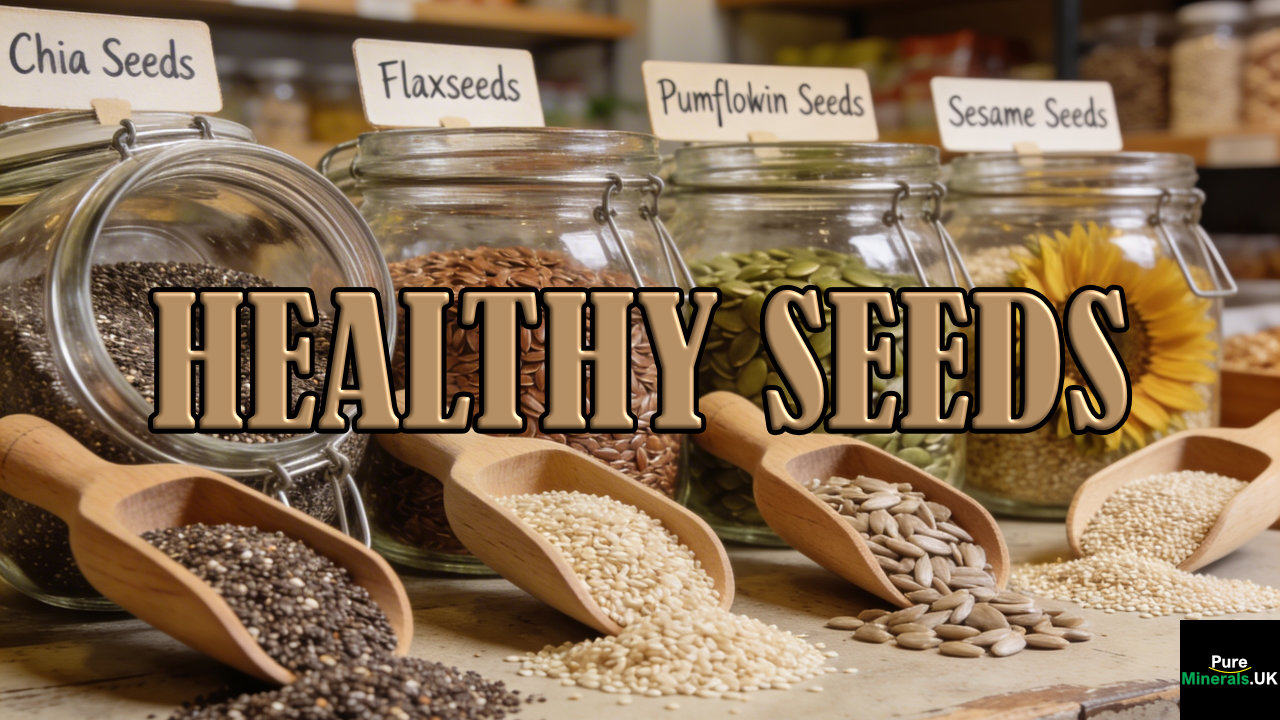
HEALTHY SEEDS GUIDE
What Are Healthy Seeds?
Healthy seeds are edible plant seeds that provide concentrated nutrition, including dietary fiber, plant protein, essential fatty acids, vitamins, minerals, and natural antioxidants. Many commonly consumed seeds—such as flax, chia, sunflower, sesame, pumpkin, and whole grains—contain nutrients needed for plant growth, which also make them nutrient-dense foods for human diets. When eaten regularly as part of a balanced diet, seeds can help increase nutrient diversity and contribute beneficial fats, minerals, and fiber to everyday meals.
Why Include Seeds in the Diet?
Seeds are naturally nutrient-dense because they contain the energy and nutrients required to grow a new plant. As foods, they supply fiber for digestive health, healthy fats that support normal metabolic function, plant-based protein, and important minerals such as magnesium, zinc, iron, and phosphorus. Adding a variety of seeds and whole grains to meals can help improve overall dietary balance while providing texture and flavor to many dishes.
Kamut
Linseed
Millet
Psyllium seeds
Rice
Rye
Sorghum
Spelt
Sunflower
Teff
Triticale
Wild rice
Introduction to Healthy Seeds
Healthy seeds are among the most fundamental foods in the human diet. From ancient grains that sustained early civilizations to modern “superfood” seeds added to smoothies and salads, these compact biological packages contain the nutrients required to produce an entirely new plant. Because of this biological role, seeds are naturally dense in energy, protein, essential fatty acids, vitamins, minerals, and protective phytochemicals. When consumed as part of a balanced diet, they can contribute valuable nutrients that support overall nutritional adequacy.
In botanical terms, a seed is the mature ovule of a plant, containing an embryo and the stored nutrients required for germination and early growth. This stored nutrition is what makes seeds nutritionally significant for humans. The plant invests energy into the seed so that a new plant can emerge under favorable conditions. As a result, healthy seeds are typically rich in macronutrients such as carbohydrates, protein, and fats, as well as micronutrients like magnesium, zinc, iron, selenium, and B vitamins. Many seeds also contain natural antioxidants and polyphenols that help protect the seed from environmental damage, and these compounds can also contribute to dietary antioxidant intake.
Across cultures and throughout history, seeds and grains have played a central role in food systems. Wheat, rice, barley, maize, and millet formed the backbone of early agricultural societies and continue to provide a significant portion of the world’s caloric intake today. Alongside these cereal grains, smaller edible seeds—such as sesame, flax, sunflower, and pumpkin seeds—have long been valued for their nutritional richness and culinary versatility. In many traditional cuisines, seeds are used to thicken sauces, enrich breads, add texture to dishes, or produce oils that serve as important cooking fats.
From a nutritional perspective, seeds provide several key components that are often under-consumed in modern diets. Many healthy seeds contain substantial amounts of dietary fiber, which supports digestive function and helps maintain normal bowel activity. Fiber also contributes to satiety, meaning foods containing seeds may help people feel fuller after meals. Whole grains and seeds often provide both soluble and insoluble fiber, each with distinct physiological roles in digestion.
Another notable feature of many healthy seeds is their lipid composition. Seeds such as flax, chia, hemp, sunflower, and sesame contain beneficial fatty acids, including polyunsaturated fats and essential fatty acids that the body cannot synthesize on its own. These fats play roles in cell membrane structure, metabolic signaling, and the absorption of fat-soluble vitamins. Because seeds concentrate these lipids within their storage tissues, even small portions can contribute meaningful amounts of these nutrients.
Healthy seeds also contribute plant-based protein to the diet. While individual seeds may vary in amino acid composition, many provide useful quantities of protein that complement other foods in a balanced diet. When combined with legumes, grains, or vegetables, seeds can help diversify the protein sources consumed throughout the day.
Micronutrient density is another reason healthy seeds are often included in nutrition-focused diets. Minerals such as magnesium, iron, phosphorus, zinc, and potassium occur in notable amounts in many seeds and grains. These minerals support a wide range of physiological functions, including energy metabolism, nerve signaling, and the maintenance of normal muscle and bone function. Because seeds store nutrients required for early plant growth, they often contain these minerals in concentrated forms.
Beyond basic nutrients, seeds also provide various phytochemicals and bioactive compounds. Polyphenols, lignans, phytosterols, and other plant compounds are present in different seed varieties. These substances are part of the plant’s natural defense system and can contribute to the overall nutritional profile of seed-based foods.
Incorporating healthy seeds into everyday meals is relatively simple, as they are highly versatile ingredients. Whole seeds can be sprinkled onto salads, cereal, yogurt, or roasted vegetables to add texture and nutritional density. Ground seeds, such as flaxseed meal, can be mixed into baked goods, pancakes, or smoothies. Seeds can also be blended into sauces, dressings, or spreads to create creamy textures without relying solely on dairy products.
Many traditional foods already include seeds as essential components. Sesame seeds are widely used in Middle Eastern and Asian cuisine, appearing in breads, pastes such as tahini, and spice mixtures. Sunflower and pumpkin seeds are often eaten roasted as snacks or incorporated into breads and salads. Flax and chia seeds are commonly added to cereals, smoothies, and baked goods for additional fiber and healthy fats. Whole grains such as oats, barley, and wheat form the basis of porridges, breads, and grain bowls.
If you are seeking to increase your dietary variety, seeds can be used in many creative ways. They can be toasted to enhance flavor, ground into seed butters, blended into smoothies, or used as toppings for soups and vegetable dishes. Sprouted seeds and grains are also used in some cuisines, as germination can change texture and flavor while activating certain enzymes within the seed.
It is worth noting that healthy seeds are typically energy-dense foods due to their fat and carbohydrate content. Moderation and variety are therefore key when incorporating them into a balanced diet. Rotating different types of seeds can help provide a broader range of nutrients while maintaining dietary diversity.
Overall, healthy seeds and grains represent one of the most concentrated natural sources of nutrition available in plant foods. Their combination of fiber, essential fatty acids, protein, minerals, and phytochemicals makes them a valuable addition to many dietary patterns. Whether used as whole grains, culinary seeds, or nutrient-rich toppings, seeds offer a simple and practical way to enhance both the nutritional value and culinary diversity of everyday meals.
The Four Main Types of Healthy Seeds
Although many edible seeds appear in modern diets, they generally fall into four broad categories based on their botanical origin and culinary use. Understanding these categories can help clarify the differences between grains, pseudocereals, nutritional seeds, and culinary seeds. Each group contributes unique nutrients and plays a different role in food preparation.
Cereal Grains
Cereal grains are the healthy seeds of grass plants belonging to the botanical family Poaceae. These seeds have been cultivated for thousands of years and form the foundation of many traditional diets around the world. Because they are rich in carbohydrates, cereal grains have historically served as major sources of dietary energy.
Whole-grains also provide fiber, B vitamins, minerals such as magnesium and iron, and small amounts of plant protein. When the entire grain kernel is consumed—including the bran, germ, and endosperm—the nutritional value remains largely intact.
Common cereal grains include:
- Wheat
- Rice
- Oats
- Barley
- Rye
- Sorghum
- Millet
- Corn (maize)
- Teff
- Triticale
Whole-grain cereals are widely used in breads, porridges, grain bowls, and many traditional dishes across global cuisines.
Pseudocereals
Pseudocereals are healthy seeds from non-grass plants that are used in the same way as grains. Although they are not botanically classified as cereals, they are typically cooked and eaten similarly to grains and provide comparable nutritional benefits.
Pseudocereals are often valued for their protein content and mineral density. Some, such as quinoa and amaranth, contain all nine essential amino acids, making them complete plant protein sources.
Examples of pseudocereals include:
- Quinoa
- Amaranth
- Buckwheat
These seeds are naturally gluten-free and are frequently used in grain bowls, porridges, salads, and gluten-free baking.
Nutritional and Oil Seeds
This group includes healthy seeds that are particularly rich in oils, essential fatty acids, fiber, and minerals. These seeds are commonly marketed as nutritional or “superfood” seeds due to their nutrient density.
Many of these seeds contain beneficial fats such as omega-3 and omega-6 fatty acids, along with antioxidants and plant-based protein. Because they are energy-dense, they are often consumed in smaller portions compared with cereal grains.
Examples include:
- Chia seeds
- Flax seeds (linseed)
- Sunflower seeds
- Pumpkin seeds
- Hemp seeds
- Sesame seeds
These seeds are often added to salads, smoothies, cereals, baked goods, and snack mixes. They may also be used to produce oils, spreads, and seed butters.
Culinary and Spice Seeds
Some edible seeds are primarily used for flavor rather than as staple foods. These are often referred to as culinary or spice seeds. While they are typically used in smaller quantities, they still contribute useful nutrients and bioactive plant compounds.
Many of these seeds have been used for centuries in traditional cuisines to enhance the flavor and aroma of foods.
Examples include:
- Cumin seeds
- Coriander seeds
- Fennel seeds
- Caraway seeds
- Dill seeds
- Mustard seeds
- Nigella seeds
- Fenugreek seeds
In addition to their culinary roles, these seeds are often included in spice blends, pickling mixtures, and traditional seasoning preparations.
How to Store Seeds Properly (and Prevent Rancidity)
Because many edible healthy seeds contain natural oils, proper storage is important to maintain their freshness, flavor, and nutritional quality. The fats found in seeds—especially polyunsaturated fats—can gradually oxidize when exposed to air, heat, light, and moisture. This process, commonly known as rancidity, can lead to unpleasant flavors and reduce the quality of the oils contained in the seeds.
Fortunately, seeds store well when kept under the right conditions. The key factors to control are temperature, oxygen exposure, light, and moisture.
Keep Seeds Cool and Dry
Healthy seeds last longest when stored in a cool, dry environment. A pantry or kitchen cupboard away from heat sources is usually suitable for short-term storage. However, for seeds that contain higher amounts of natural oils—such as flax, chia, hemp, sunflower, and sesame seeds—cooler temperatures can significantly extend shelf life.
For longer storage, many people keep these seeds in the refrigerator. Cold temperatures slow the oxidation of oils and help maintain freshness for several months.
Use Airtight Containers
Exposure to air can gradually degrade the oils found in seeds. Storing seeds in airtight glass jars or sealed containers helps reduce oxygen exposure and prevents moisture from entering the container.
Opaque or dark containers can provide additional protection from light, which also contributes to oil degradation over time.
Refrigeration for High-Oil Seeds
Seeds with higher oil content benefit most from refrigeration. Examples include:
- Flax seeds
- Chia seeds
- Hemp seeds
- Sunflower seeds
- Pumpkin seeds
- Sesame seeds
When kept refrigerated in sealed containers, these seeds can maintain good quality for extended periods.
Whole Seeds vs. Ground Seeds
Whole seeds generally store longer than ground seeds because the protective outer layer of the seed helps shield the oils from oxygen and light.
Once seeds are ground or milled, the exposed oils can oxidize more quickly. For example, ground flaxseed is best stored in an airtight container in the refrigerator and used within a relatively short period to maintain freshness.
Freezing Seeds for Long-Term Storage
Freezing is another effective option for long-term storage. Many seeds freeze well because their low moisture content prevents damage from ice crystal formation. Frozen seeds can often be used directly from the freezer without thawing.
Recognizing Signs of Rancidity
Fresh seeds usually have a mild, nutty aroma. If seeds develop a bitter taste or a sharp, paint-like odor, the oils may have begun to oxidize. In such cases, it is generally best to discard them and replace them with a fresh supply.
Buying Seeds in Practical Quantities
Because seeds are nutrient-dense foods typically used in small portions, purchasing them in moderate quantities can help ensure they are consumed while still fresh. Many people find it useful to buy smaller amounts more frequently rather than storing large quantities for extended periods.
Proper storage helps preserve the natural flavor, oils, and nutrients found in edible seeds. By keeping seeds cool, dry, and protected from air and light, they can remain a fresh and nutritious addition to meals for months.
- Plant Minerals Guide — Essential mineral elements required for human physiology, cellular function, and metabolic balance.
- Vitamins Guide — Comprehensive reference covering all major vitamins, their biological roles, and natural food sources.
- Vitamin-Associated Nutrients — Critical supporting compounds that interact with vitamins, including cofactors, enzymes, and synergistic nutrients.
- Fruits Guide — Nutrient-dense fruits with detailed analysis of their mineral content, phytochemicals, and health benefits.
- Superfoods Guide — Exceptional whole foods recognised for their concentrated nutrient density and therapeutic potential.
- Healthy Seeds Guide — Edible plant seeds packed with dietary fiber, plant protein, essential fatty acids, vitamins, minerals, and natural antioxidants.
- Herbs and Spices Guide — Medicinal and culinary plants rich in trace minerals, antioxidants, and bioactive compounds.
- Vegetables Guide — nutrient-dense edible plant parts vital for a healthy diet, providing fiber, vitamins, and minerals.
- Glossary of Terms — Complete alphabetical index of all topics, nutrients, foods, and technical terminology across the entire Pure Minerals system.
About | Our Videos | Copyright 2023 - Privacy Policy | Affiliate Disclaimer | Legal Disclaimer | Editorial Disclaimer