

Published: 1 April 2026
This article is periodically reviewed and updated to reflect current scientific understanding by George Wesler.
Fact-Checked: 1 other authoritative medical/scientific reference. See our Editorial Policy.
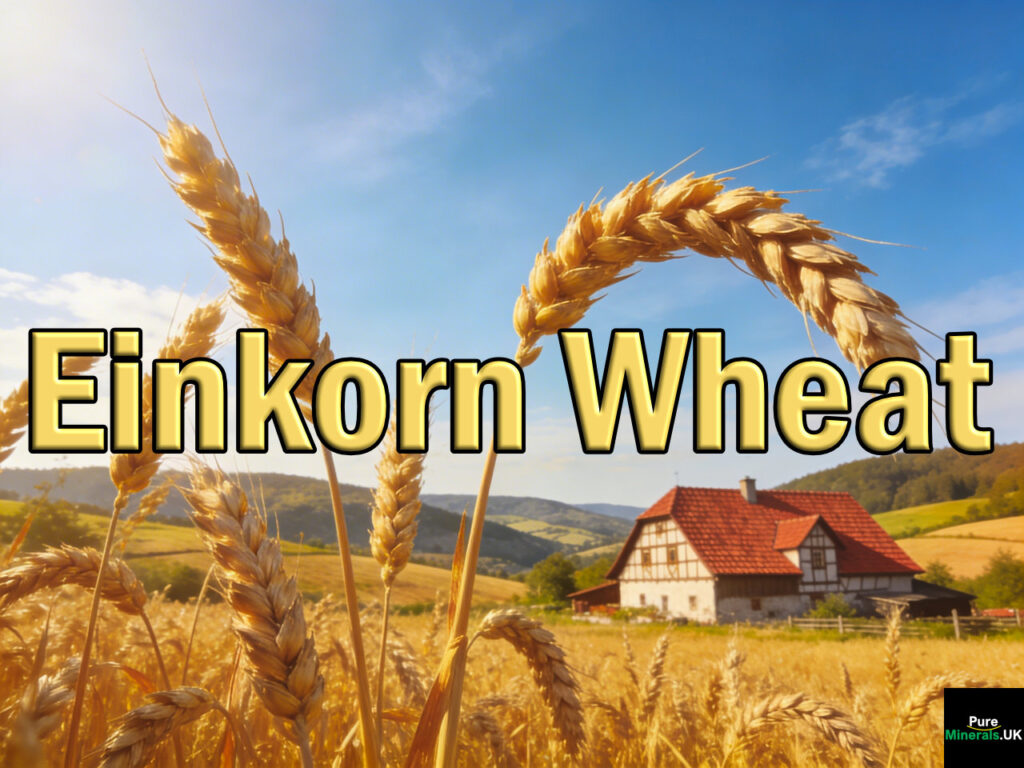
What Is Einkorn Wheat?
Einkorn wheat is one of the earliest domesticated wheat species, valued as an ancient grain for its nutritional profile and traditional cultivation history.
Definition
Einkorn wheat is a cereal grain derived from Triticum monococcum, a primitive wheat species cultivated since early agricultural periods.
Extended Definition
Einkorn is considered one of the oldest forms of cultivated wheat, with origins tracing back over 10,000 years to early farming communities in the Near East. Unlike modern wheat varieties, einkorn has remained largely unchanged through selective breeding, retaining its original genetic structure.
The grain is characterised by smaller kernels and a softer gluten structure compared to modern wheat species such as durum and common wheat. It is typically grown in low-input agricultural systems and is often associated with traditional and heritage farming practices.
Nutritionally, einkorn wheat contains a relatively high protein content, along with dietary fiber and a range of micronutrients including iron, magnesium, and zinc. It is also noted for its carotenoid content, particularly lutein, which contributes to its slightly golden colour.
Einkorn can be consumed as whole berries, cracked grain, or milled into flour for use in breads, pastas, and baked goods. Its flavour is often described as richer and slightly sweeter than that of modern wheat.
Key Facts
- Botanical Name: Triticum monococcum
- Plant Family: Poaceae
- Common Forms: Whole grain (berries), flour, cracked grain
- Typical Serving Methods: Boiled, baked, or milled into flour for breads and pasta
- Taste Profile: Mild, slightly sweet, nutty
Nutritional Highlights:
- Higher protein content than some modern wheat varieties
- Contains dietary fiber
- Provides iron, magnesium, and zinc
Culinary Uses:
- Traditional breads and flatbreads
- Pasta and grain dishes
- Baking applications
Notable Compounds:
- Carotenoids (e.g., lutein)
- Gluten proteins (different structure from modern wheat)
Dietary Suitability:
- Vegetarian diets (not suitable for gluten-free diets)
Key Takeaways
- Einkorn is the most ancient cultivated wheat on Earth, with only 14 chromosomes compared to modern wheat’s 42 — making it genetically simpler and easier on your digestive system.
- Einkorn wheat contains roughly 30% more protein and 30% less starch than modern wheat, along with significantly higher levels of carotenoids, B vitamins, and essential minerals.
- Unlike modern wheat, einkorn has about 50% less phytic acid, which means your body can actually absorb more of the nutrients it contains.
- Einkorn wheat is not gluten-free, but its simpler gluten structure may make it a better option for those with gluten sensitivity — keep reading to find out exactly why.
- From pasta to sourdough bread, einkorn flour is surprisingly versatile in the kitchen and has a rich, nutty flavor that most people prefer over conventional flour.
Most people don’t realize that the wheat they eat today barely resembles what humans consumed for thousands of years.
Today’s modern wheat has been hybridized and modified so extensively that its nutritional profile, gluten structure, and digestibility have all changed dramatically. Einkorn wheat, on the other hand, has remained virtually untouched since it was first cultivated in the Fertile Crescent around 10,000 BCE. For anyone serious about natural health, this grain deserves a serious look. Resources like Einkorn.com have been instrumental in bringing this ancient grain back to modern kitchens, offering both whole grain einkorn berries and freshly milled flour for everyday use.
What you’ll find here is a complete breakdown of what makes einkorn wheat nutritionally superior, how it compares to the flour sitting in your pantry right now, and exactly how to start using it.
Einkorn Wheat Is the Oldest Wheat on Earth — And the Most Nutritious
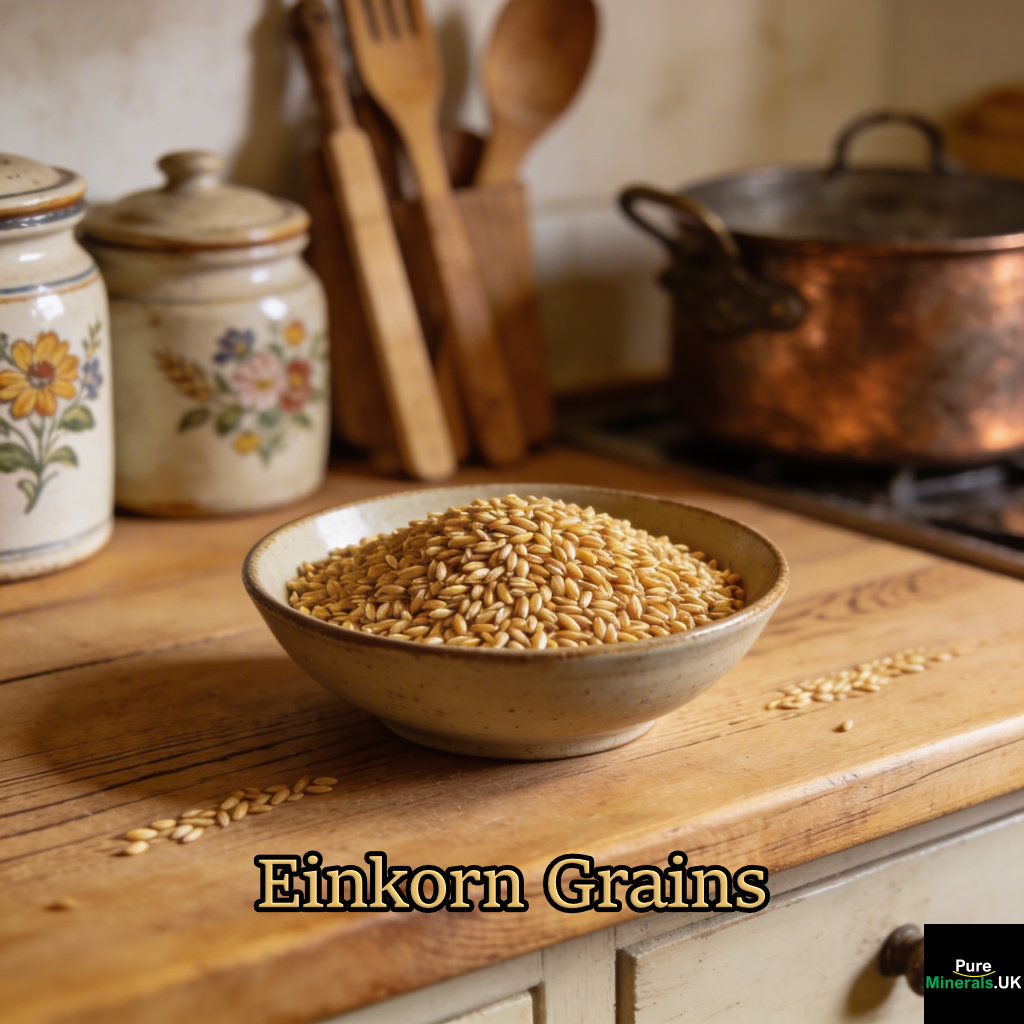
Einkorn (Triticum monococcum) is the oldest known cultivated wheat variety still available today. It is the wheat “Grandparent,” the most primitive form of cultivated wheat. It was a dietary staple for ancient civilizations across the Middle East and Europe, and it remained widely used until industrial agriculture pushed it aside in favor of higher-yield modern varieties. The trade-off? Modern wheat produces more grain per acre but delivers significantly less nutrition per serving.
What makes einkorn wheat stand out isn’t just its age — it’s what hasn’t been changed about it. Because it has never been hybridized or genetically altered, einkorn retains a nutritional integrity that modern wheat simply can’t match. Higher protein, more vitamins, better mineral availability, and a gluten structure that’s fundamentally different from anything you’ll find in a standard bag of all-purpose flour.
Einkorn vs. Modern Wheat: What Makes It Different
The differences between einkorn and modern wheat go far deeper than marketing language about “ancient grains.” The distinctions are measurable, structural, and nutritionally significant.
Chromosome Count: 14 vs. 42
Einkorn is a diploid grain, meaning it carries just two sets of chromosomes — 14 total. Modern bread wheat (Triticum aestivum) is hexaploid, carrying six sets for a total of 42 chromosomes. Emmer wheat falls in between with 28. This matters because chromosomal complexity directly affects the grain’s protein structures, gluten composition, and how your body processes it. A simpler genetic profile means simpler proteins — and that simplicity is a significant part of why many people find einkorn easier to tolerate.
The “Hulled” vs. “Free-Threshing” Difference
Einkorn (and Emmer) are “hulled” wheats. The kernel is tightly wrapped in a tough outer skin (husk) that doesn’t come off during harvest. This makes them harder and more expensive to process. Ordinary bread wheat was bred to be “free-threshing,” meaning the husk falls off easily, making it perfect for mass production.
Protein Content: 30% More Than Modern Wheat
Einkorn wheat consistently tests higher in protein than modern wheat varieties. Gram for gram, einkorn flour contains approximately 30% more protein than standard hard red wheat flour. This isn’t marginal — it represents a meaningful nutritional upgrade, particularly for people using grain-based foods as a primary protein source in their diet. For those exploring alternative grains, buckwheat is another option to consider for its unique nutritional benefits.
Starch Content: 30% Less Than Modern Wheat
At the same time, einkorn carries roughly 30% less starch. Less starch and more protein means a better macronutrient ratio overall — one that supports a more stable blood sugar response compared to refined modern wheat products like durum wheat.
Gluten Structure: Simpler and Easier to Digest
Einkorn wheat contains gluten — this is important to be clear about. It is not a safe option for those with celiac disease. However, the gluten in einkorn is structurally different from the gluten in modern wheat. It contains a higher ratio of gliadin to glutenin, and the specific gliadin proteins present are different in structure from those in modern bread wheat. Research published in the International Journal of Food Sciences and Nutrition has explored einkorn as a potential reintroduction wheat for those coming off gluten-free diets, specifically because of its simpler gluten architecture.
Bread Wheat contains high levels of D-genome proteins, which create the “stretchy” gluten that allows bread to rise high and fluffy. Einkorn wheat lacks the D-genome entirely. Its gluten is chemically different—more water-soluble and fragile. You cannot knead Einkorn like regular dough; it’s more like mixing a heavy paste.
Einkorn Wheat Nutrition Facts Per 30g Serving
Here’s a look at the general nutritional profile of einkorn whole wheat flour per 30g serving compared to modern whole wheat flour:
Nutrient | Einkorn (per 30g) | Modern Whole Wheat (per 30g) |
|---|---|---|
Calories | ~110 | ~100 |
Protein | ~6g | ~4g |
Total Fat | ~1.5g | ~0.5g |
Carbohydrates | ~20g | ~22g |
Fiber | ~3g | ~3g |
Starch | Lower (~30% less) | Higher |
Macronutrient Breakdown
The macronutrient profile of einkorn is distinctly more favorable than that of modern wheat. More protein, more healthy fat from essential fatty acids, and fewer carbohydrates from starch. The crude fat content in einkorn is notably higher than in hard red wheat, contributing to its characteristic rich, buttery flavor and providing additional essential fatty acids that support overall health.
Key Micronutrients: Zinc, Manganese, Iron, and Niacin
Einkorn wheat delivers meaningfully higher concentrations of several critical micronutrients compared to modern wheat. It contains significantly more zinc, manganese, and iron — three minerals that are commonly deficient in grain-heavy diets precisely because modern wheat’s high phytic acid content blocks their absorption. Einkorn also provides niacin (vitamin B3) and other B-complex vitamins in higher quantities, supporting energy metabolism and nervous system function.
Vitamins in Einkorn Wheat
One of the most compelling arguments for switching to einkorn is its vitamin density. Across multiple nutritional categories, einkorn wheat outperforms modern wheat — and in some cases by a substantial margin.
Vitamin A and Beta-Carotene
Einkorn’s distinctive golden-yellow color isn’t just visual — it’s a direct indicator of its beta-carotene content. Beta-carotene is the precursor to vitamin A, and einkorn contains significantly more of it than modern wheat varieties. This is one of the clearest nutritional advantages you can actually see before you even eat the grain.
Vitamin A plays a critical role in immune function, vision health, and skin cell regeneration. Most people associate beta-carotene with orange vegetables like carrots and sweet potatoes, but einkorn wheat is a surprisingly rich grain-based source — one that’s easy to incorporate into everyday meals without changing your diet dramatically.
The beta-carotene in einkorn is part of a broader carotenoid profile that sets this grain apart from anything produced by modern agricultural wheat breeding. When researchers have compared einkorn flour to conventional whole wheat flour, the carotenoid content difference is dramatic and consistent across studies.
- Beta-carotene supports immune defense and healthy vision
- Acts as a powerful antioxidant, neutralizing free radicals
- Contributes to einkorn’s characteristic buttery yellow color
- More bioavailable when consumed with healthy dietary fats
- Higher concentrations found in einkorn than in modern hard red wheat
Pairing einkorn-based foods with olive oil, butter, or avocado actually enhances beta-carotene absorption — making traditional recipes that already combine fats with grain-based ingredients an ideal delivery method.
Vitamin B6 (Pyridoxine)
Einkorn wheat is notably higher in pyridoxine — commonly known as vitamin B6 — compared to modern wheat. B6 is involved in over 100 enzymatic reactions in the body, including amino acid metabolism, neurotransmitter synthesis, and the production of hemoglobin. Given that einkorn is already higher in protein than modern wheat, the elevated B6 content is particularly well-suited: your body needs more B6 to metabolize more protein, and einkorn delivers both together in a naturally balanced ratio.
Riboflavin and Thiamine
Both riboflavin (B2) and thiamine (B1) are present in einkorn wheat at levels that compare favorably to modern wheat. These two B vitamins are essential for converting food into usable cellular energy. Thiamine supports carbohydrate metabolism and nerve function, while riboflavin plays a key role in energy production and acts as a cofactor for antioxidant enzymes. For anyone eating einkorn as a core part of a whole-food diet, these B vitamins contribute meaningfully to daily energy and metabolic health.
Lutein: The Powerful Antioxidant Carotenoid
Lutein is one of einkorn’s most underappreciated nutritional assets. Best known for its role in protecting eye health — specifically reducing the risk of macular degeneration and cataracts — lutein is present in einkorn at levels far exceeding those found in modern wheat. It accumulates in the retina and lens of the eye, acting as a natural filter against oxidative damage from blue light and UV exposure. The fact that a grain can deliver meaningful lutein alongside protein, B vitamins, and minerals makes einkorn genuinely unique in the world of whole foods.
Minerals in Einkorn Wheat
Mineral content alone gives einkorn a strong argument over modern wheat — but the real story isn’t just how much is present. It’s how much your body can actually use. Einkorn contains roughly 50% less phytic acid than modern wheat, which directly translates to better mineral absorption at the cellular level. More minerals in the grain, plus fewer absorption blockers, equals a substantially better mineral delivery system overall.
Phosphorus and Potassium
Einkorn contains approximately 30% more phosphorus than modern wheat varieties. Phosphorus is the second most abundant mineral in the human body and plays a fundamental role in bone structure, energy production via ATP, and kidney function. Most people focus on calcium for bone health, but phosphorus is equally critical — and einkorn delivers it in meaningful amounts per serving.
Potassium levels in einkorn wheat are also elevated compared to modern wheat, with roughly 30% higher concentrations. Potassium supports healthy blood pressure, proper muscle contraction, and electrolyte balance. In a dietary landscape where most people are chronically under-consuming potassium, getting more from a staple grain like einkorn is a practical and effortless upgrade.
Magnesium, Zinc, and Manganese
Einkorn wheat delivers approximately 30% more magnesium, zinc, and manganese than modern wheat — three minerals that work synergistically in the body. Magnesium is involved in over 300 biochemical reactions, including muscle and nerve function, blood sugar regulation, and protein synthesis. Zinc drives immune response and wound healing. Manganese supports bone formation and antioxidant enzyme activity. Getting all three in higher concentrations from a single food source — with better bioavailability due to lower phytic acid — makes einkorn a genuinely functional grain, not just a trendy one.
Health Benefits Backed by Einkorn’s Nutritional Profile
The health benefits of einkorn wheat aren’t based on marketing claims — they follow directly from its measurable nutritional profile. Higher protein, more vitamins, superior mineral content, lower phytic acid, and a simpler gluten structure all translate into real, practical advantages for the people eating it regularly.
What makes einkorn particularly compelling from a natural health perspective is that none of these benefits require supplementation, processing, or fortification. The grain delivers them in their whole, unmodified form — the same way it has for thousands of years, much like durum wheat.
Carotenoids and Disease Prevention
The elevated carotenoid content in einkorn wheat — particularly beta-carotene and lutein — plays a meaningful role in long-term disease prevention. Carotenoids are potent antioxidants that help neutralize free radicals, reduce oxidative stress, and have been associated with a lower risk of certain cancers, cardiovascular disease, and age-related eye conditions. Modern whole wheat contains very little of these compounds by comparison, making einkorn a significantly better choice for anyone using their diet as a proactive health tool.
Lower Phytic Acid for Better Mineral Absorption
Phytic acid is an anti-nutrient found in all grains, nuts, and seeds. It binds to minerals like zinc, iron, magnesium, and calcium in the digestive tract, preventing their absorption and essentially making those minerals unavailable to your body. Einkorn wheat contains approximately 50% less phytic acid than modern wheat. This means that even though einkorn already has more minerals than conventional flour, your body retains a much higher proportion of what it ingests — a double benefit that no amount of mineral fortification in processed modern wheat can replicate.
Easier Digestion for Those With Gluten Sensitivity
Einkorn’s simpler gluten structure — a result of its diploid chromosomal makeup — means the gluten proteins it contains are structurally different from those in modern hexaploid wheat. Research cited by the National Institutes of Health has explored einkorn as a potential transitional grain for individuals with non-celiac gluten sensitivity, noting that its unique gliadin profile may provoke a less intense immune response than modern wheat gluten. It is critical to note that einkorn is not appropriate for individuals with celiac disease, as it still contains gluten. However, for those navigating gluten sensitivity without a celiac diagnosis, einkorn represents one of the most well-researched and promising alternatives available in whole grain form.
See our “Wheat” article for a comparison of the genetic structure of einkorn, emmer, durum, and bread wheat.
Traditional and Modern Culinary Uses for Einkorn Wheat
Einkorn flour behaves differently from modern wheat flour in the kitchen — and once you understand why, working with it becomes intuitive. Because einkorn has a higher fat content and a weaker gluten network, it absorbs liquid more slowly and produces a softer, more delicate dough. The reward is baked goods with a richer flavor, a tender crumb, and that unmistakable golden color that comes from all those carotenoids.
The following table is a quick guide on the use of einkorn and emmer wheat:
| Grain | Best For… | Handling Style | Texture Result |
| Einkorn | Cookies, Brownies, Pancakes, Light Sourdough | Delicate: Don’t over-mix; it can “break” and turn gummy. | Velvety, soft, and buttery. |
| Emmer | Rustic loaves, Flatbreads, Pasta, Pizza dough | Sturdy: Great for long, cold overnight ferments. | Dense, chewy, and deeply nutty. |
Baked Goods: Bread, Cookies, Crackers, and Bagels
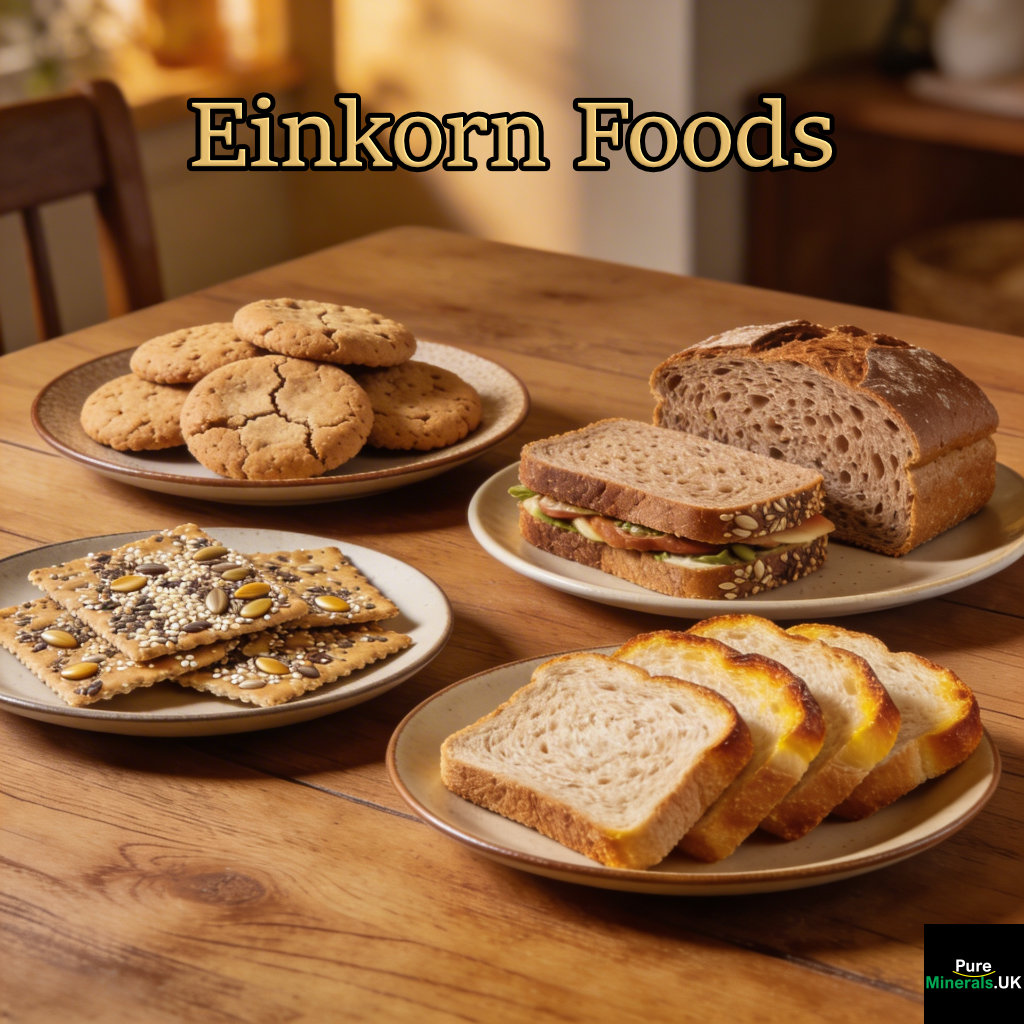
Einkorn wheat shines in baked goods. Its nutty, slightly sweet flavor profile elevates everything from a simple sandwich loaf to shortbread cookies and seeded crackers. Because the gluten structure is weaker than modern wheat, einkorn bread tends to be denser — but when made correctly, it produces a beautifully moist, flavorful loaf with a hearty texture that holds up well for sandwiches and toast. For cookies, crackers, and quick breads, the difference in gluten strength is essentially a non-issue, and the results are consistently excellent.
Pasta and Pizza Dough
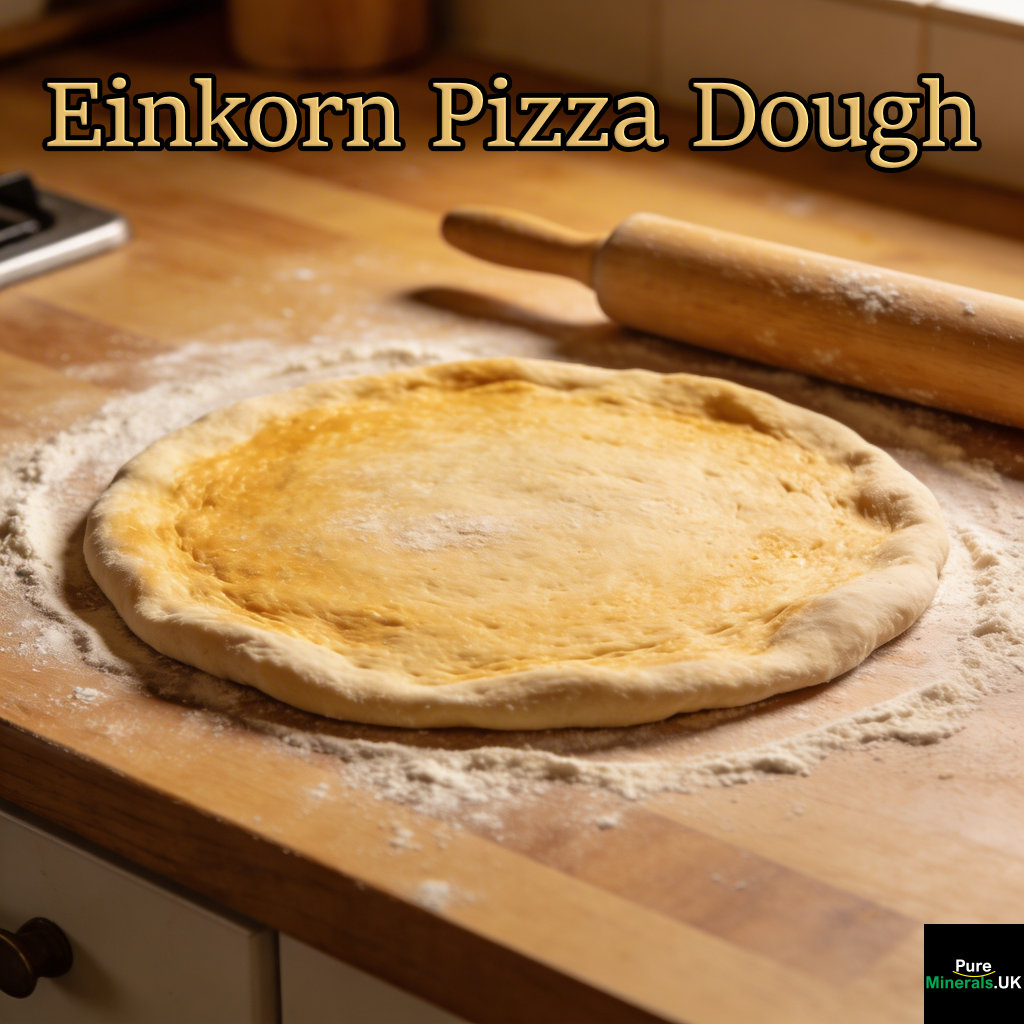
Einkorn pasta is one of the most practical ways to incorporate this grain into a regular diet. The higher protein content gives homemade pasta a firm, satisfying bite, and the flavor is noticeably richer than standard semolina-based pasta. When making einkorn pasta dough, work with slightly less liquid than a conventional recipe calls for and allow the dough to rest longer — this gives the flour time to hydrate fully and makes rolling significantly easier.
For pizza dough, einkorn wheat yields a crust with a crisp exterior and a softer, more flavorful interior than typical bread-flour pizza bases. The dough is less elastic and won’t stretch as far as conventional pizza dough, so rolling it out rather than hand-stretching gives better results. The finished crust has a depth of flavor that’s hard to achieve with standard flour, and the golden color from the carotenoids makes it visually distinct right out of the oven. For those interested in exploring other ancient grains, amaranth is another nutritious option to consider.
The “Golden Rule” for Success
If you are just starting, don’t jump straight to 100% ancient grain bread—it can be frustratingly flat and dense. Instead, use the 25% Rule:
- Take your favorite bread recipe.
- Replace 25% of the bread flour with Einkorn.
- You will get almost all the flavor and nutritional benefits while keeping the “rise” and “fluffiness” provided by the modern wheat.
Substituting Einkorn Flour in Everyday Recipes
Einkorn wheat flour is not a true 1:1 substitute by volume in most recipes — but the adjustment is straightforward once you know the rule. Because einkorn absorbs liquid more slowly than modern wheat flour, you’ll typically want to reduce the liquid in a recipe by about 15–20% and avoid overmixing the dough. Overmixing breaks down einkorn’s more fragile gluten network and can result in a crumbly or gummy texture.
A practical starting point: if a recipe calls for 1 cup of all-purpose flour, use 1 cup of einkorn flour but reduce the total liquid by 2–3 tablespoons. From there, adjust by feel. Einkorn dough should be soft and slightly tacky but not sticky. With a small amount of recipe testing, most people find that einkorn integrates seamlessly into their existing baking routine — with noticeably better flavor and nutrition as the payoff.
Einkorn Wheat Is Worth Switching To
Einkorn wheat isn’t a wellness trend — it’s the grain humans ate before modern agriculture changed everything. More protein, fewer digestive complaints, higher vitamin and mineral content, less phytic acid, and a flavor that genuinely surpasses anything modern wheat delivers. Whether you start with a bag of einkorn flour for baking or whole einkorn berries for cooking, making the switch is one of the most straightforward nutritional upgrades you can make to a grain-based diet. Dr. Axe offers both whole grain and flour options sourced from organically grown einkorn, making it easy to get started.
Important note: Einkorn wheat
Einkorn wheat contains gluten and is not suitable for individuals with Celiac disease. Although some individuals report improved tolerance compared to modern wheat, this is not universal and should not be relied upon as a substitute in cases of diagnosed gluten-related disorders.
As with all grains, individuals with sensitivities or specific dietary requirements should consult a qualified nutrition professional before regular consumption.
Frequently Asked Questions
Einkorn wheat raises a lot of questions — especially for people who are newer to ancient grains or managing specific dietary concerns. Below are the most common questions answered directly and clearly.
Is Einkorn Wheat Safe for People With Celiac Disease?
No. Einkorn wheat is not safe for individuals with celiac disease. It contains gluten, and despite having a structurally different gluten profile from modern wheat, it can still trigger the autoimmune response associated with celiac disease. Anyone with a confirmed celiac diagnosis must avoid einkorn entirely, along with all other wheat varieties.
For people with non-celiac gluten sensitivity — a distinct condition that does not involve the same autoimmune mechanism — einkorn may be better tolerated due to its simpler gliadin protein structure. However, this should always be explored in consultation with a qualified healthcare provider rather than through self-experimentation.
How Does Einkorn Flour Taste Compared to Regular Flour?
Einkorn has a distinctly nutty, slightly sweet, buttery flavor that most people find noticeably more complex and enjoyable than standard all-purpose or whole wheat flour. The high carotenoid content contributes both to its golden color and to its rich flavor profile. Many home bakers who switch to einkorn report that they can’t go back to conventional flour once they’ve tasted the difference — particularly in bread, pasta, and cookies where the grain’s flavor is front and center.
Can You Use Einkorn Flour as a 1:1 Substitute for Modern Wheat Flour?
Not directly, but the adjustment is minor. Einkorn absorbs liquid more slowly than modern wheat flour due to its different protein and fat composition. The standard adjustment is to reduce the liquid in any given recipe by approximately 15–20% and avoid overmixing. Once you’ve made this adjustment a few times, it becomes second nature — and the results in terms of flavor and texture are consistently superior.
Is Einkorn Wheat Genetically Modified?
Einkorn is one of the few grains that has never been hybridized or genetically modified. It exists today in essentially the same genetic form it did when it was first cultivated over 10,000 years ago. With its original 14 chromosomes fully intact, einkorn is as close to an unaltered, naturally occurring grain as exists in modern agriculture, which is a significant part of what makes it so nutritionally compelling compared to the extensively modified wheat varieties that dominate food production today.
Where Can You Buy Einkorn Wheat or Einkorn Flour?
Einkorn wheat and einkorn flour are available through specialty health food stores, some larger grocery retailers with expanded natural food sections, and online retailers. Availability has grown significantly in recent years as consumer interest in ancient grains has increased.
For the most reliable sourcing, many natural health enthusiasts purchase directly from dedicated einkorn suppliers who can confirm organic growing practices and proper handling. Whole einkorn berries, all-purpose einkorn flour, and whole wheat einkorn flour are the most common product formats available — each suited to different culinary applications.
Einkorn wheat is a type of ancient grain that has been gaining popularity due to its high nutritional value. It is rich in protein, minerals, and vitamins, making it an excellent choice for those looking to enhance their diet with more wholesome ingredients. Additionally, einkorn wheat is often used in traditional culinary practices, offering a unique flavor and texture that sets it apart from modern wheat varieties.