

Published: 2 April 2026
This article is periodically reviewed and updated to reflect current scientific understanding by Vic George.
Fact-Checked: Includes 1 PubMed-indexed study. See our Editorial Policy.
What Is Fonio?
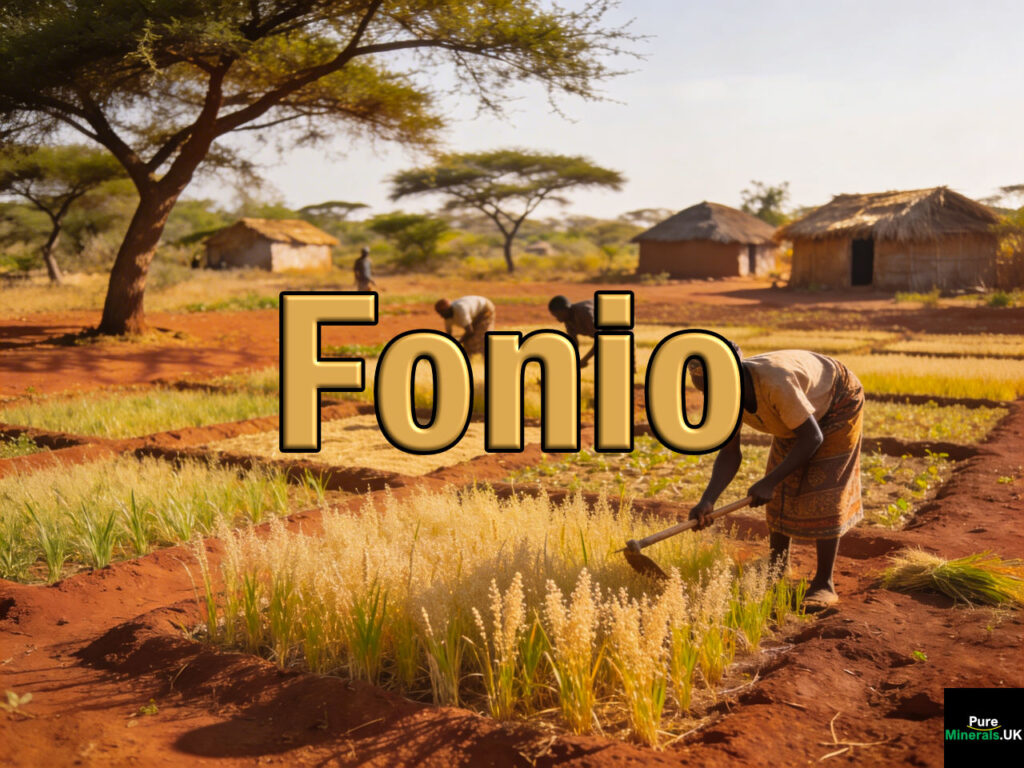
Fonio is a small-seeded cereal grain native to West Africa, traditionally cultivated as a fast-growing, nutrient-rich staple food in semi-arid regions.
Definition
Fonio is an edible grain derived primarily from Digitaria exilis, a species of grass cultivated for its small, nutrient-dense seeds.
Extended Definition
Fonio is considered one of the oldest cultivated grains in Africa, with a long history of use across countries such as Guinea, Mali, Senegal, and Burkina Faso. It is highly valued for its resilience, as it can grow in poor soils and under dry conditions where other crops may fail.
The grain consists of extremely small seeds that cook quickly and have a light, fluffy texture similar to couscous when prepared. Fonio is naturally gluten-free and is often used as an alternative to wheat-based grains in traditional and modern diets.
Nutritionally, fonio provides complex carbohydrates, modest amounts of protein, and dietary fiber. It also contains minerals such as iron, magnesium, and zinc. Some analyses indicate that fonio contains relatively higher levels of certain amino acids, including methionine and cysteine, compared to other cereal grains, though overall protein content remains moderate.
Fonio is commonly prepared as a porridge, steamed grain dish, or flour for baked goods. Its mild flavour makes it adaptable to both savoury and sweet preparations.
Key Facts
- Botanical Name: Digitaria exilis
- Plant Family: Poaceae
- Common Forms: Whole grain, flour
- Typical Serving Methods: Steamed, boiled, or cooked as porridge
- Taste Profile: Mild, slightly nutty, earthy
Nutritional Highlights:
- Gluten-free carbohydrate source
- Contains dietary fiber
- Provides iron, magnesium, and zinc
Culinary Uses:
- Porridge and breakfast dishes
- Grain-based side dishes (similar to couscous)
- Flour for baking
Notable Compounds:
- Essential amino acids (including methionine and cysteine)
- Polyphenols
Dietary Suitability:
- Gluten-free, vegan, vegetarian diets
Key Takeaways: Fonio, the Ancient African Supergrain
- Fonio is the oldest known cultivated grain in Africa, with roots stretching back thousands of years in West African agriculture and traditional medicine.
- It cooks in as little as 5 minutes, making it one of the fastest-cooking whole grains available — faster than rice, quinoa, or couscous.
- Fonio is naturally gluten-free and considered one of the most nutritious African cereals, making it a smart swap for people with celiac disease or gluten sensitivity.
- One cooked cup provides around 170 calories and delivers key minerals including iron, zinc, magnesium, and copper — nutrients many people are chronically low in.
- There’s a surprising reason why fonio thrives where most crops fail — and it has everything to do with why this grain may matter more in the future than it does today.
Fonio Is the Ancient African Grain You Should Already Be Eating
Most people have never heard of fonio — and that’s exactly the problem.
While supermarkets stock their shelves with quinoa and cauliflower rice, one of the world’s oldest, most nutritious, and most sustainable grains has been quietly feeding West African communities for thousands of years. Fonio (pronounced fone-yo) is a tiny but mighty whole grain that cooks faster than almost anything in your pantry, packs serious nutritional value, and happens to be completely gluten-free. If you care about what you put in your body and how your food choices affect the planet, fonio deserves a place in your kitchen.
Food Revolution Network, a leading voice in plant-based and whole food education, highlights fonio as one of the most exciting rediscovered crops in modern nutrition. And once you understand what this grain actually does — nutritionally, environmentally, and culinarily — it’s hard to ignore.
What Exactly Is Fonio?
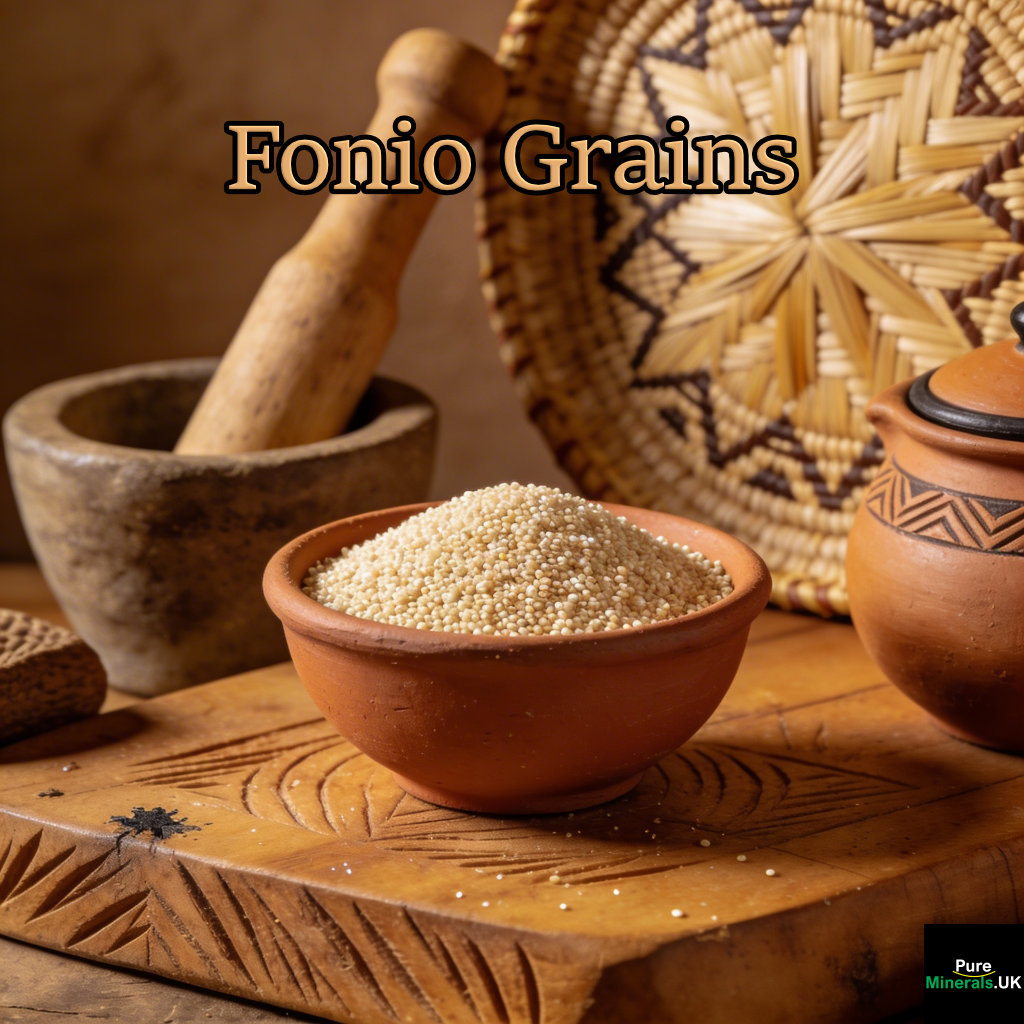
Fonio is the oldest known cultivated grain in Africa. It belongs to the millet family and is closely related to other staple African crops like pearl millet and sorghum. Technically, it’s classified as a pseudocereal — similar to quinoa and buckwheat — meaning it’s a seed that’s consumed and cooked like a grain. The seeds themselves are incredibly tiny, even smaller than quinoa, which contributes to its impressively fast cook time.
White Fonio vs. Black Fonio: What Is the Difference?
There are two main varieties of fonio, and while they’re closely related, they have some meaningful differences worth knowing:
- White fonio (acha): The more widely grown and consumed variety. It cooks quickly, has a mild flavor, and is easier to find outside of Africa.
- Black fonio (iburu): Less common, takes longer to cook, but contains higher fiber content, making it especially valuable from a digestive health standpoint.
For most people exploring fonio for the first time, white fonio is the practical starting point — widely available through specialty retailers and online, and easy to work with in everyday cooking. If you’re interested in exploring other ancient grains, you might also want to learn about amaranth, which offers unique nutritional benefits.
How Fonio Tastes and Feels
Fonio has a rich, nutty flavor that’s often compared to couscous, but lighter. It has a slightly earthy undertone with a fluffy, delicate texture when cooked properly. Unlike some whole grains that can taste dense or heavy, fonio feels surprisingly light on the palate — which is part of why it’s so versatile in both savory and sweet recipes.
Where Fonio Comes From
Fonio grows primarily across the Sahel region of West Africa — a band of semi-arid land stretching from Senegal and Guinea in the west to Nigeria and beyond in the east. Countries like Senegal, Guinea, Mali, Burkina Faso, and Nigeria have cultivated this grain for millennia. In Senegal alone, fonio holds deep cultural and ceremonial significance, often served at important gatherings and used in traditional medicinal practices.
What makes fonio’s origin story remarkable is where it grows. This grain thrives in poor, depleted soils under drought conditions where most crops simply cannot survive. It requires no fertilizers, minimal water, and matures rapidly — often within 6 to 8 weeks. In regions increasingly threatened by climate change and food insecurity, fonio isn’t just a nutritious food. It’s a lifeline, similar to how amaranth is valued for its resilience and nutritional benefits.
Fonio Nutrition Facts
Fonio earns its “supergrain” reputation not through marketing, but through measurable nutritional data. Research cited by Springer has classified fonio as one of the most nutritious of all African cereals. For a grain this small, the nutrient density is genuinely impressive — and it holds up well compared to more familiar Western grains.
Calories, Carbs, and Protein per Serving
One cup of cooked fonio — prepared from just a quarter cup of dry grain — delivers approximately 170 calories. The bulk of those calories comes from complex carbohydrates, which provide sustained energy rather than the sharp blood sugar spikes associated with refined grains. It also contains a modest amount of protein per serving, contributing to its role as a filling, energizing food.
Key Vitamins and Minerals in Fonio
Where fonio truly stands out is in its mineral profile. A single serving provides meaningful amounts of:
- Iron — critical for oxygen transport and energy metabolism
- Zinc — essential for immune function and wound healing
- Magnesium — supports muscle function, sleep, and hundreds of enzymatic reactions
- Copper — plays a role in iron absorption and connective tissue health
These are minerals that many people — particularly those on plant-based or restricted diets — struggle to get enough of consistently. Fonio provides them in a form that’s easy to cook, easy to digest, and easy to incorporate into daily meals.
Why Fonio Is Naturally Gluten-Free
Fonio does not contain gluten. As a member of the millet family rather than the wheat family, it naturally lacks the gluten proteins — gliadin and glutenin — that cause reactions in people with celiac disease or non-celiac gluten sensitivity. This makes it a genuinely safe and nutritious alternative to wheat-based grains, not just a processed substitute.
Published research on PubMed has confirmed that whole-meal fonio flour can be used to create gluten-free flour and baked goods with strong structural and nutritional results. That’s significant because many gluten-free flours struggle to perform well in baking without added gums or binders — fonio flour holds up remarkably well on its own.
For anyone navigating a gluten-free lifestyle, fonio offers something rare: a whole grain option with genuine flavor, real nutrition, and culinary versatility — not just a compromise.
Quick Nutrition Snapshot: Cooked Fonio (1 cup / ~186g)
🔴 Calories: ~170 | 🔵 Carbohydrates: Primary macronutrient | 🟢 Protein: Present in modest amounts
⭐ Key Minerals: Iron, Zinc, Magnesium, Copper
✅ Gluten-Free: Yes, naturally | ✅ Whole Grain: Yes | ✅ Low input crop: Grows in poor soils with minimal water
Why Fonio Is a Smart Choice for Gluten-Free Diets
Switching to a gluten-free diet doesn’t have to mean sacrificing nutrition or flavor — but finding whole grains that deliver on both is harder than it sounds. Most gluten-free products on the market are made from refined starches like white rice flour or tapioca, which strip out the fiber, minerals, and protein that make whole grains worth eating in the first place. Fonio sidesteps all of that entirely because it was never a processed substitute to begin with. It’s a naturally whole, minimally processed grain with a nutritional profile that stands on its own.
Why Most Gluten-Free Grains Fall Short — and Where Fonio Fits In
Most commercially available gluten-free products rely on refined flours that lack fiber and key minerals. Fonio is different because it’s a whole grain by default — nothing is stripped out, nothing is added back in. It delivers iron, zinc, magnesium, and copper in its natural form, with a light texture and nutty flavor that works across a wide range of recipes. For anyone eating gluten-free by necessity or by choice, fonio fills a real gap in the pantry.
What makes fonio particularly practical for gluten-free cooking is its behavior in the kitchen. It absorbs liquid evenly, cooks without turning gummy, and produces a light, fluffy result that many gluten-free grains simply cannot replicate. Brown rice can turn mushy. Buckwheat can overpower a dish. Fonio stays out of the way while still delivering whole-grain nutrition — and that’s a rare quality.
Research published on PubMed has shown that whole-meal fonio flour performs well in gluten-free baking applications, producing biscuits and baked goods with solid structure and good nutritional outcomes. This puts fonio in an elite category of gluten-free flours that actually work without relying on additives or complicated binding agents.
How Fonio Compares to Other Gluten-Free Grains
To understand where fonio fits, it helps to see how it stacks up against the most popular gluten-free grains already on store shelves. Quinoa is the most obvious comparison — both are pseudocereals, both are gluten-free, and both are considered nutritionally dense whole grains. But fonio cooks significantly faster than quinoa and has a milder, less bitter flavor that many people find easier to cook with regularly.
Brown rice is another common staple for gluten-free eaters, but it takes 40 to 50 minutes to cook and has a heavier texture. White rice cooks faster but loses most of its fiber and mineral content in processing. Fonio threads the needle — it cooks in about 5 minutes, retains its whole grain integrity, and delivers a texture that’s closer to couscous than rice, which opens it up to a much wider range of culinary applications. Couscous is a staple North African dish consisting of tiny, steamed granules of rolled semolina wheat, not a grain like rice or quinoa.
Millet, fonio’s closest relative among mainstream grains, is nutritionally similar but takes longer to prepare and has a slightly more pronounced grain-forward taste. For people who already enjoy millet, fonio is an easy and often preferred upgrade.
Grain | Gluten-Free | Cook Time | Whole Grain | Key Minerals |
|---|---|---|---|---|
Fonio | ✅ Yes | ~5 minutes | ✅ Yes | Iron, Zinc, Magnesium, Copper |
Quinoa | ✅ Yes | ~15 minutes | ✅ Yes | Iron, Magnesium, Phosphorus |
✅ Yes | ~45 minutes | ✅ Yes | Magnesium, Phosphorus | |
White Rice | ✅ Yes | ~18 minutes | ❌ No | Minimal |
Millet | ✅ Yes | ~20 minutes | ✅ Yes | Magnesium, Iron, Phosphorus |
Buckwheat | ✅ Yes | ~15 minutes | ✅ Yes | Magnesium, Copper, Manganese |
Benefits for People With Celiac Disease or Gluten Sensitivity
For people with celiac disease, the stakes around gluten cross-contamination are genuinely high — even trace amounts of gluten can trigger an immune response that damages the small intestine. Fonio, being naturally gluten-free and not a close botanical relative of wheat, barley, or rye, is considered a safe grain option. As always, those with celiac disease should look for certified gluten-free labeling to ensure the product was processed in a gluten-free facility.
Beyond celiac disease, people with non-celiac gluten sensitivity — a condition increasingly recognized by researchers — often report better digestion and reduced inflammation when they replace wheat-based grains with naturally gluten-free whole grains like amaranth. The bonus of fonio’s mineral density means that switching to it isn’t just about removing something harmful. It’s actively adding nutritional value back into a diet that may have been depleted by years of relying on processed gluten-free alternatives.
How to Cook Fonio Fast
One of fonio’s most underrated qualities is how quickly it goes from dry grain to finished dish. Unlike most whole grains that require soaking, extended boiling, or careful timing, fonio is genuinely forgiving and fast. The standard ratio is 1 part dry fonio to 2 parts water or broth, and the whole process takes about 5 minutes from start to finish.
There are three reliable methods for cooking fonio at home, each suited to slightly different situations. All three produce great results — the best one depends on what you’re making and what equipment you have available.
1. Stovetop Method
Bring your liquid to a boil, add a pinch of salt and a small amount of oil or butter if desired, then stir in dry fonio. Reduce the heat immediately, cover the pot, and let it steam for 3 to 5 minutes. Remove from heat, fluff with a fork, and it’s ready to serve. The stovetop method gives you the most control over texture and is the best option for savory dishes like grain bowls, pilafs, and side dishes.
2. Microwave Method
Combine fonio and water in a microwave-safe bowl using the same 1:2 ratio. Cover loosely and microwave on high for 2 to 3 minutes. Let it sit covered for another minute before fluffing. This method is ideal when you need a fast, low-effort option and don’t want to dirty a pot.
The microwave method works best for single servings or when you’re adding fonio to a pre-made dish like a warm salad or stuffed vegetable recipe. The texture is slightly softer than stovetop, which can actually be an advantage in certain recipes like porridge or grain-based casseroles.
3. Steaming Method
The traditional West African method of cooking fonio involves steaming — and it produces the lightest, most separated texture of all three methods. Rinse the fonio, then steam it over boiling water in a fine mesh steamer or traditional couscoussier for about 5 minutes. Fluff, season, and serve. This technique is especially well-suited for ceremonial dishes and elaborate recipes where texture matters most.
Steaming takes slightly more equipment and attention than the stovetop method, but the result is worth it — particularly if you’re serving fonio as a centerpiece grain dish rather than a simple side.
Fonio Recipes to Try at Home
Fonio’s mild, nutty flavor makes it one of the most adaptable grains in the kitchen. It works equally well in warm savory dishes, light salads, baked goods, and comforting porridges. The recipes below cover the most practical and crowd-pleasing ways to start cooking with fonio — no specialized culinary skills required.
Savory Turmeric Fonio Porridge
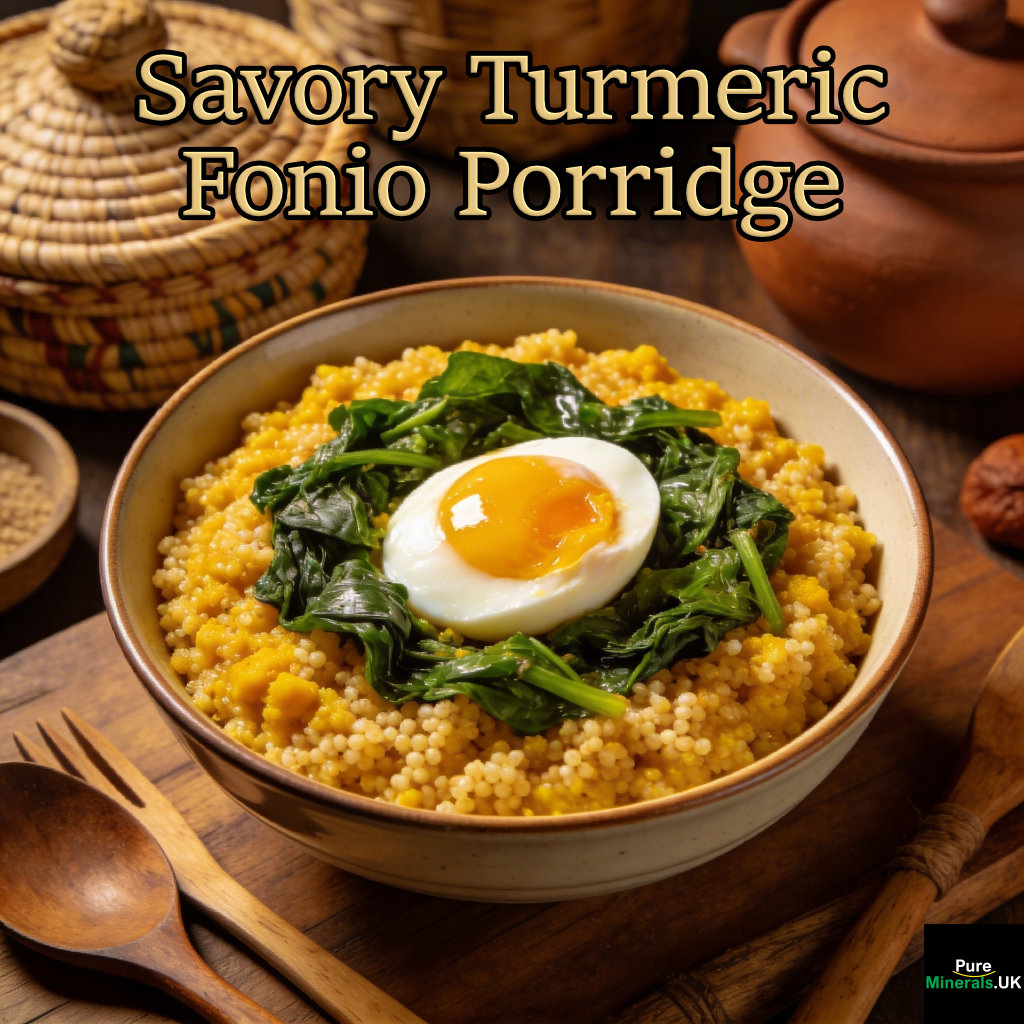
This dish is a simple, deeply nourishing bowl that comes together in under 10 minutes. Cook fonio on the stovetop using vegetable broth instead of water, then stir in a generous pinch of ground turmeric, a small amount of coconut oil or ghee, and sea salt to taste. Top with sautéed leafy greens, a soft-boiled egg, or roasted chickpeas, depending on your dietary preferences. The turmeric adds anti-inflammatory properties and a warm golden color, while the broth gives the fonio a savory depth that plain water can’t match. This recipe works equally well as a quick weekday breakfast or a light dinner.
Fonio Baked Goods: Biscuits, Bread, and Cakes
Whole-meal fonio flour performs remarkably well in baking — a fact backed by published nutritional research. Its fine texture and mild flavor make it a natural fit for gluten-free biscuits, quick breads, and even layer cakes. When substituting fonio flour in baking, start with a blend — typically 50% fonio flour and 50% another gluten-free flour like almond or oat — to achieve the best structure and moisture balance. Pure fonio flour works well in recipes where a tender, slightly crumbly texture is desirable, like shortbread-style cookies or drop biscuits.
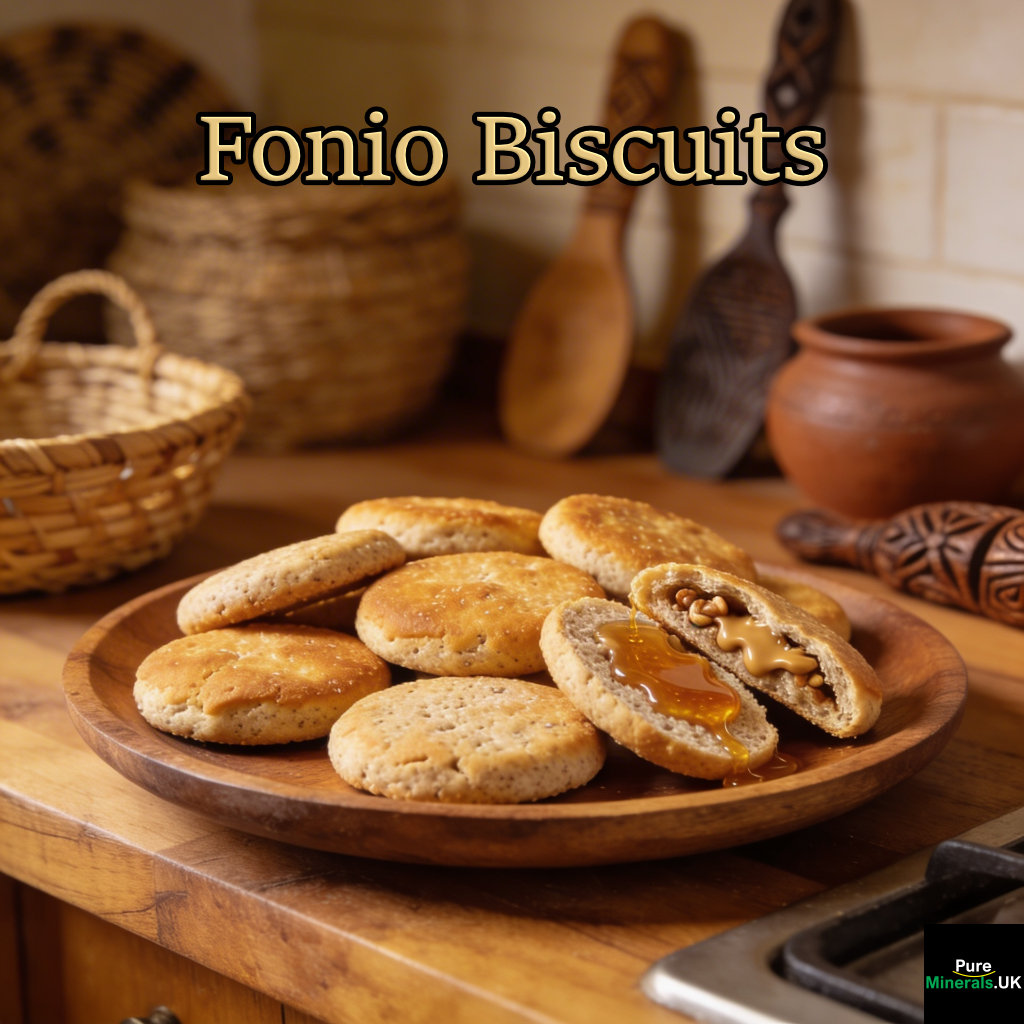
For a simple fonio biscuit, combine fonio flour with baking powder, salt, cold butter or coconut oil, and just enough plant-based milk to bring the dough together. Bake at 210°C for 12 to 14 minutes until golden. The result is a light, slightly nutty biscuit that pairs beautifully with soups, stews, or a simple smear of nut butter and honey.
Fonio as a Rice or Couscous Substitute in Everyday Meals
Fonio steps in wherever rice, couscous, or quinoa would normally go — and in many cases, it does the job better. Use it as a base for grain bowls topped with roasted vegetables and tahini dressing. Serve it alongside grilled fish or braised chicken the way you would steamed rice. Stir it into soups during the last few minutes of cooking as a thickener with added nutrition. Because fonio absorbs the flavors of whatever liquid or sauce surrounds it, it transforms completely depending on how you season it — making it one of the most genuinely versatile whole grains you can keep on hand.
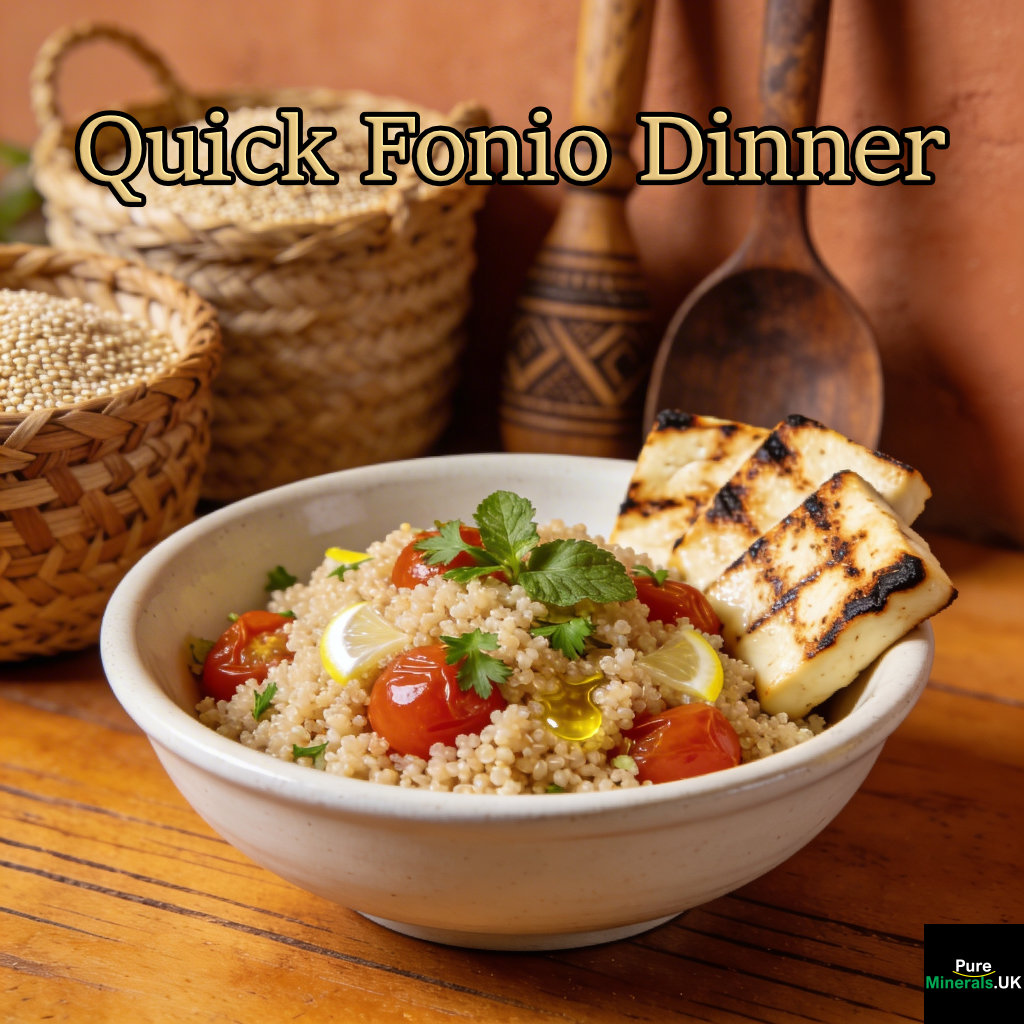
For a quick weeknight dinner, cook fonio in seasoned vegetable broth, toss it with roasted cherry tomatoes, fresh herbs, olive oil, and a squeeze of lemon, and serve it warm or at room temperature. It comes together in under 15 minutes and works as a complete side dish or a light main with added chickpeas or grilled halloumi. Once you start cooking with it regularly, reaching for fonio instead of white rice or instant couscous becomes second nature.
Where to Buy Fonio
Fonio is increasingly available outside of West Africa, though you may not find it at every mainstream grocery store just yet. Your best options for sourcing quality fonio include:
- Online retailers — Amazon and specialty food sites carry several brands of whole grain fonio and fonio flour, including the popular Yolélé Foods brand founded by Senegalese-American chef Pierre Thiam, which has been instrumental in bringing fonio to Western markets.
- African and international grocery stores — Many cities with West African communities have specialty markets that stock fonio regularly, often at lower prices than mainstream retail.
- Natural health food stores — Shops like Whole Foods Market and similar natural grocery retailers increasingly carry fonio in their grains and specialty diet sections.
- Bulk food stores — Some bulk retailers and co-ops stock fonio alongside other whole grains like millet and amaranth, allowing you to buy exactly the quantity you need.
When purchasing fonio, look for products that are certified gluten-free if you have celiac disease, and check that the packaging lists whole grain fonio as the only ingredient for the cleanest option. Fonio flour should ideally be stone-ground whole meal rather than refined, which preserves more of its natural mineral content.
Fonio Is Worth Adding to Your Gluten-Free Kitchen
Fonio doesn’t ask much from you — just 5 minutes, a pot, and some water. What it gives back is impressive: whole grain nutrition, natural gluten-free status, a genuinely pleasant flavor, and the kind of cooking versatility that makes weekly meal prep easier rather than more complicated.
- It cooks faster than any other whole grain — around 5 minutes on the stovetop
- It’s naturally gluten-free with no processing required
- It delivers iron, zinc, magnesium, and copper in every serving
- It works in savory dishes, baked goods, porridges, salads, and more
- It grows sustainably in poor soils with minimal water, making it an environmentally responsible choice
- It has been nourishing communities in West Africa for thousands of years — that kind of track record matters
There’s also something meaningful about choosing fonio beyond personal health. Supporting demand for this grain helps sustain the livelihoods of West African smallholder farmers and contributes to the broader food system conversation about crop diversity, climate resilience, and the wisdom embedded in indigenous food traditions. Your grocery choices have reach, and fonio is one where personal nutrition and broader impact genuinely align.
If you’ve been searching for a whole grain that fits a gluten-free lifestyle without compromise — one that actually tastes good, cooks fast, and nourishes deeply — fonio is your answer. Start with a bag of white fonio, try the stovetop method with vegetable broth, and go from there. Most people who cook it once make it a permanent part of their pantry.
Important note: Fonio
Fonio is generally well-tolerated and considered safe as part of a balanced diet. As with other grains, it contains natural compounds such as phytates, which may affect mineral absorption when consumed in large amounts, though traditional preparation methods can help mitigate this. Individuals with specific dietary conditions or sensitivities should consult a qualified nutrition professional before making significant dietary changes.
Frequently Asked Questions
Fonio is still unfamiliar to many people outside of West Africa, which means questions come up quickly once someone discovers it. The answers below cover the most common points of confusion and practical concerns for anyone considering adding fonio to their diet.
Is fonio safe for people with celiac disease?
Yes — fonio is naturally gluten-free. It belongs to the millet family and does not contain the gluten proteins found in wheat, barley, or rye. For people with celiac disease, fonio is considered a safe grain option because it is botanically unrelated to gluten-containing cereals.
That said, cross-contamination during processing is always a concern for those with celiac disease. To be fully safe, look for fonio products that carry a certified gluten-free label, which indicates they were produced in a dedicated gluten-free facility. Most reputable brands selling fonio in Western markets now include this certification, given the growing awareness of celiac disease among their customer base.
How long does fonio take to cook?
Fonio cooks in approximately 3 to 5 minutes using the stovetop method — making it the fastest-cooking whole grain widely available. Even the traditional steaming method takes only about 5 minutes once the water is boiling. There is no soaking required, no extended simmering, and no complicated prep. For busy households or anyone who struggles to consistently cook whole grains from scratch, fonio’s speed is one of its most practical advantages.
What does fonio taste like?
Fonio has a mild, nutty flavor with a slightly earthy undertone. It’s most commonly compared to couscous in both taste and texture, though fonio is lighter and fluffier when cooked correctly. Unlike some whole grains that have a strong, assertive flavor that can dominate a dish, fonio is subtle enough to absorb the flavors of whatever broth, seasoning, or sauce it’s cooked with.
This makes fonio exceptionally versatile. In a savory context seasoned with cumin and garlic, it tastes bold and warming. In a sweet porridge with coconut milk and cinnamon, it tastes gentle and comforting. The grain itself stays out of the way while still contributing a pleasant, slightly toasty background note that makes dishes feel complete rather than flat.
Fonio Flavor & Texture at a Glance
Flavor: Mild, nutty, slightly earthy — absorbs surrounding flavors well
Texture (cooked): Light, fluffy, fine-grained — similar to couscous but softer
Closest comparisons: Couscous, millet, light quinoa
Works best with: Broths, spiced sauces, fresh herbs, roasted vegetables, citrus dressings
Avoid: Overcooking — fonio becomes mushy quickly if left too long on heat after the liquid absorbs
Can I use fonio flour as a 1:1 substitute for wheat flour?
Not directly. Fonio flour lacks gluten, which means it won’t provide the same elasticity and structure that wheat flour does in yeast-leavened breads and certain baked goods. Using 100% fonio flour in a recipe designed for wheat flour will typically result in a denser, more crumbly product — which can actually be desirable in cookies, shortbreads, and drop biscuits, but less so in sandwich bread or pizza dough.
The most practical approach is to use fonio flour as part of a blend. A mix of 50% fonio flour with 50% almond flour, oat flour, or a commercial gluten-free all-purpose blend tends to produce well-structured baked goods with good flavor and texture. Published research has confirmed that whole-meal fonio flour performs strongly in gluten-free biscuit and baked good applications, so for those specific uses, a higher ratio of fonio flour is entirely workable.
Where is fonio grown, and is it widely available?
Fonio is grown primarily across the Sahel region of West Africa — a semi-arid belt that includes Senegal, Guinea, Mali, Burkina Faso, Nigeria, and several neighboring countries. It has been cultivated in this region for thousands of years and remains a culturally significant staple crop for many communities, particularly in Guinea, which is one of the largest producers.
Outside of Africa, fonio is becoming increasingly available through online retailers, natural food stores, and specialty markets serving African diaspora communities. Brands like Yolélé Foods have played a significant role in introducing fonio to North American and European consumers, and its presence in mainstream retail is growing steadily alongside broader interest in ancient grains and gluten-free whole foods.
If you can’t find fonio locally, ordering online is reliable and cost-effective — a 1 to 2-pound bag of whole grain fonio is enough to experiment with multiple recipes before committing to larger quantities. Once you cook it for the first time, most people find that it quickly becomes a regular pantry item rather than a one-time curiosity.
Eating well doesn’t have to mean complicated — and fonio proves that point better than almost any grain on the market today.