

Published: 26 March 2026
This article is periodically reviewed and updated to reflect current scientific understanding by Vic George.
Fact-Checked: 2 other authoritative medical/scientific references. See our Editorial Policy.

What Are Turnips?
Turnips are the edible roots of Brassica rapa subsp. rapa, a root vegetable cultivated for its swollen storage root and, in some cases, its leafy greens. They are valued for their fiber, vitamin C content, and characteristic glucosinolate compounds found in cruciferous vegetables.
Definition
Turnips are the edible swollen roots of Brassica rapa subsp. rapa, a member of the Brassicaceae family consumed as a root vegetable.
Extended Definition
Turnips belong to the Brassicaceae family, which includes cabbage, broccoli, mustard greens, and kale. These plants are characterized by the presence of glucosinolates, sulfur-containing compounds involved in plant defense.
The edible portion of the turnip is a thickened root that develops underground, serving as a storage organ for nutrients. The root is typically white with a purple or greenish upper portion, depending on the variety.
Turnips can be harvested at different stages. Younger turnips tend to be milder and more tender, while mature turnips develop a stronger flavor and firmer texture.
Nutritionally, turnips provide dietary fiber, vitamin C, potassium, and small amounts of folate and calcium. Vitamin C contributes to antioxidant processes and normal immune function, while fiber supports digestive health.
Turnips also contain glucosinolates, which are converted into isothiocyanates and related compounds when the plant tissue is cut or chewed. These compounds contribute to the vegetable’s characteristic flavor and serve protective roles in the plant.
The leaves of the turnip plant, often referred to as turnip greens, are also edible and provide additional nutrients, including vitamin K and carotenoids.
Turnips are commonly used in soups, stews, roasting, and mashing, and are a traditional component of many regional cuisines.
Key Facts
Botanical name:Brassica rapa subsp. rapa
Plant family: Brassicaceae
Common classification: Root vegetable (cruciferous)
Origin: Europe and Asia
Edible part: Swollen root (and leaves)
Typical color: White with purple or green upper portion
Primary nutrients: Fiber, vitamin C, potassium, folate
Key phytonutrients: Glucosinolates, isothiocyanates, flavonoids
Energy density: Low
Notable compounds: Sulfur-containing phytochemicals typical of cruciferous vegetables
Culinary uses: Roasting, mashing, soups, stews, and side dishes
Article At A Glance
- Turnips are a low-calorie cruciferous vegetable packed with vitamin C, fiber, and powerful plant compounds called glucosinolates that support long-term health.
- Both the turnip root and its leafy greens are edible and nutritious — the greens actually contain higher concentrations of several key vitamins than the root itself.
- Glucosinolates found in turnips have been linked to reduced cancer risk, antibacterial effects, and better blood sugar regulation — making this humble vegetable more powerful than it looks.
- Turnips have a low glycemic index, making them a smart swap for higher-carb vegetables like potatoes, especially for people managing blood sugar or body weight.
- From raw salads to roasted sides and mashed dishes, turnips are surprisingly versatile — and their greens work just as well sautéed or tossed into soups.
Turnips Pack More Nutrition Than Most People Realize
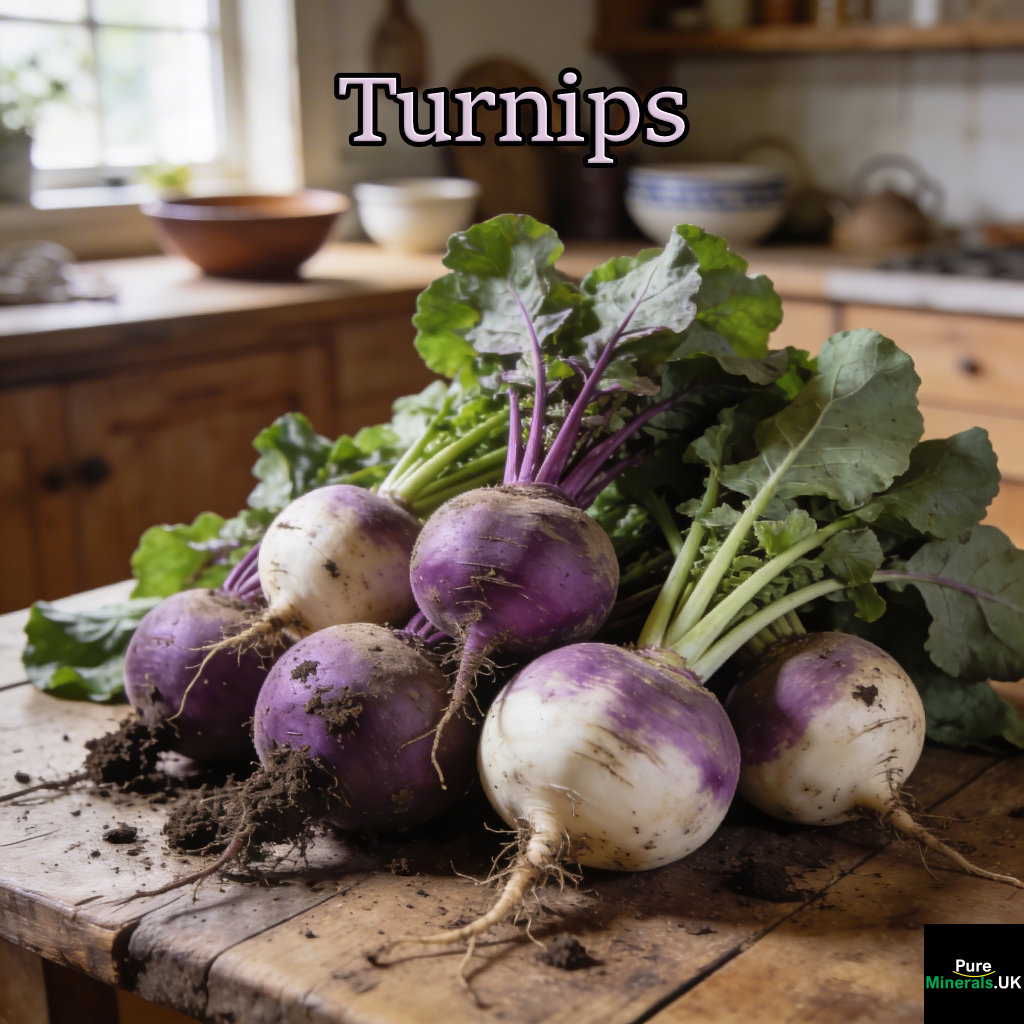
Turnips are one of the most underrated vegetables in the produce aisle — and the nutrition data makes a strong case for giving them a second look.
Most people know turnips as an old-fashioned root vegetable, something their grandparents might have grown in a backyard garden. But the science behind what’s actually inside a turnip tells a much more interesting story. These purple-and-white roots belong to the Brassica family — the same group that includes broccoli, kale, and Brussels sprouts — which means they carry many of the same powerful plant compounds that make cruciferous vegetables so well-studied in nutrition research.
For anyone focused on eating for health, turnips offer a rare combination: low calorie density, meaningful fiber content, and a broad spectrum of micronutrients. Whether you’re exploring nutrition for general wellness or managing a specific health condition, understanding what turnips bring to the table is worth your time.
- Turnips are members of the Brassicaceae (cruciferous) vegetable family
- Both the root and the leafy greens are edible and nutritionally valuable
- They’re rich in vitamin C, fiber, glucosinolates, and multiple antioxidants
- Low calorie count makes them suitable for weight management and blood sugar control
- Widely available, affordable, and easy to prepare in multiple ways
Compare turnips with rutabaga (swede, neeps).
Turnip Nutritional Profile: What’s Inside This Root Vegetable
One medium raw turnip (approximately 122 grams) delivers a solid range of nutrients without a significant calorie load. Here’s a breakdown of what you’re getting: Learn more about turnip nutrition.
What stands out immediately is the vitamin C content — roughly 30% of the daily value in a single medium root. That’s a meaningful contribution from a vegetable most people don’t even think to include in their weekly shopping.
Macronutrients: Low in Calories, High in Fiber
At just around 34 calories per medium turnip, this is one of the most calorie-efficient vegetables you can eat. The carbohydrate content sits at roughly 8 grams, but a significant portion of that comes from dietary fiber, which slows digestion and helps stabilize blood sugar. That fiber also contributes to satiety — meaning turnips can help you feel fuller for longer despite their low calorie count.
The fat content is negligible, and while turnips aren’t a high-protein food, the roughly 1 gram of protein per serving still contributes to your overall daily intake when eaten regularly. For anyone following a low-calorie or plant-forward eating plan, these macros are genuinely useful.
Key Vitamins and Minerals in Turnips
Beyond vitamin C, turnips provide a useful range of micronutrients that support everyday body functions. Potassium supports healthy blood pressure and muscle function. Folate is essential for cell division and particularly important during pregnancy. Calcium and magnesium both play roles in bone density and nerve signaling. Together, these minerals make turnips a solid contributor to daily nutritional needs — especially when eaten alongside the greens.
Turnip Greens vs. Turnip Root: Nutritional Differences
Here’s where things get really interesting. The leafy green tops of turnips are even more nutrient-dense than the root itself, yet most people discard them entirely. One cup (55 grams) of raw turnip greens contains:
- Vitamin A (provitamin A): 318 micrograms — approximately 35% of the daily recommended amount
- Vitamin C: ~33mg, exceeding 30% of the daily value
- Vitamin K: Significant amounts that support blood clotting and bone metabolism
- Folate: Higher concentrations than found in the root
- Calcium: Notable levels that support bone health
Throwing away turnip greens is essentially discarding a free side of highly nutritious leafy greens. They’re in the same nutritional league as kale and collard greens, and they deserve a spot on your plate just as much as the root does. For more on the benefits of turnips, check out this detailed article.
Glucosinolates in Turnips and Why They Matter
If there’s one compound that separates cruciferous vegetables from everything else in the produce section, it’s glucosinolates. These sulfur-containing plant chemicals are found throughout the Brassica family, and turnips are a reliable source of them.
Understanding glucosinolates helps explain why nutrition researchers have spent decades studying vegetables like turnips, broccoli, and cabbage — and why the findings keep pointing in the same direction.
What Glucosinolates Are and How They Work
Glucosinolates are naturally occurring compounds that the plant produces as a defense mechanism against pests and pathogens. When you chew or chop a turnip, an enzyme called myrosinase activates and breaks glucosinolates down into biologically active byproducts — including isothiocyanates and indoles. These byproducts are what researchers believe are responsible for many of the health-protective effects associated with cruciferous vegetable consumption.
Cancer Risk Reduction Linked to Glucosinolate Intake
The link between glucosinolate-rich vegetables and reduced cancer risk has been examined in multiple studies. Turnips contain glucosinolates that break down into isothiocyanates — compounds studied for their ability to inhibit the growth and spread of cancer cells. Vitamin C, also present in meaningful amounts in turnips, adds to this effect by acting as an antioxidant that helps neutralize cell-damaging free radicals.
It’s worth noting that research in this area, while promising, has been conducted largely in laboratory and animal settings. Human clinical evidence is still developing. That said, the consistent findings across multiple studies have made glucosinolate intake an active area of cancer prevention research.
Antibacterial and Anti-Inflammatory Effects
Glucosinolate byproducts don’t just interact with cancer pathways — they also demonstrate antibacterial properties in research settings. Isothiocyanates have shown activity against several harmful bacterial strains, suggesting that regular consumption of glucosinolate-rich vegetables like turnips may contribute to a more resilient internal environment.
The anti-inflammatory angle is equally worth noting. Chronic inflammation is a root driver of conditions including heart disease, type 2 diabetes, and certain cancers. Turnips contain both glucosinolates and antioxidant compounds — including vitamin C and anthocyanins (responsible for the purple color of the turnip’s skin) — that work together to reduce inflammatory signaling in the body.
Eating anti-inflammatory foods regularly doesn’t produce overnight results, but the cumulative effect of consistent intake is well-documented in nutritional epidemiology. Turnips, eaten a few times per week, represent a practical and affordable way to build that foundation.
- Glucosinolates break down into isothiocyanates and indoles when turnips are chopped or chewed
- Isothiocyanates have been studied for their role in inhibiting cancer cell growth and spread
- Antibacterial activity has been observed in glucosinolate byproducts in research settings
- Anthocyanins in turnip skin contribute antioxidant and anti-inflammatory effects
- Vitamin C adds a complementary antioxidant layer to the glucosinolate activity
Blood Sugar Control and Glucosinolates
Animal studies suggest that turnips may carry antidiabetic effects, with glucosinolate compounds playing a role in how the body processes glucose. The low glycemic index of turnips means they cause a slower, more gradual rise in blood sugar compared to starchy vegetables like potatoes or corn. For people managing type 2 diabetes or insulin resistance, this makes turnips a genuinely useful dietary tool — not just a low-calorie swap, but a vegetable with active compounds that may support better glucose regulation.
The Full Scope of Turnip Health Benefits
Glucosinolates get most of the research attention, but turnips deliver health benefits through several other mechanisms as well. Their antioxidant content, fiber profile, and micronutrient density each contribute independently — and together, they make a compelling case for regular consumption.
Antioxidants Like Anthocyanins and Lutein
The distinctive purple skin of turnips isn’t just cosmetic. That color comes from anthocyanins — a class of antioxidant pigments also found in blueberries, red cabbage, and purple grapes. Anthocyanins have been studied for their role in reducing oxidative stress, supporting cardiovascular health, and potentially slowing age-related cognitive decline. Eating the whole turnip, skin included, gives you direct access to these compounds.
Turnip greens also contain lutein, a carotenoid antioxidant strongly associated with eye health. Lutein accumulates in the retina and is widely studied for its ability to reduce the risk of age-related macular degeneration and cataracts. Most people associate lutein with eggs or spinach, but turnip greens are a plant-based source worth adding to the list.
Weight Management: Low Glycemic Index, High Satiety
Turnips are a non-starchy vegetable with a low glycemic index, meaning they have a minimal effect on blood sugar levels after eating. Research consistently links this type of food to healthier body weight outcomes — partly because low-glycemic foods reduce the blood sugar spikes that trigger hunger and overeating cycles.
The fiber content reinforces this effect. Dietary fiber adds bulk to meals, slows gastric emptying, and feeds beneficial gut bacteria — all of which contribute to a stronger sense of fullness after eating. Swapping potatoes or other higher-carb sides for turnips a few times per week is a practical, low-effort strategy for reducing calorie intake without sacrificing volume on the plate.
Bone Health, Liver Protection, and Eye Health
Turnip greens are a source of both vitamin K and calcium — two nutrients directly involved in bone metabolism. Vitamin K activates proteins that bind calcium into bone tissue, and inadequate intake of either nutrient is associated with reduced bone density over time. The folate in turnip greens supports cell replication and is especially critical during periods of rapid growth. Some early research also points to glucosinolate compounds supporting liver detoxification pathways, though this area of study is still developing.
How Turnips Fit Into a Healthy Diet
Turnips are flexible enough to fit into almost any dietary framework — from Mediterranean eating patterns to low-carb and plant-based diets. Their low calorie density means you can eat a generous portion without displacing other important food groups, and their mild, slightly peppery flavor pairs well with a wide range of ingredients. The key is eating both the root and the greens to capture the full nutritional value this vegetable has to offer.
Dietary Goal
How Turnips Help
Weight Management
Low calorie, high fiber, low glycemic index
Blood Sugar Control
Minimal glucose spike, potential antidiabetic compounds
Heart Health
Anthocyanins, potassium, and anti-inflammatory compounds
Bone Health
Calcium, vitamin K, and magnesium in greens
Eye Health
Lutein and provitamin A in turnip greens
Cancer Risk Reduction
Glucosinolates, isothiocyanates, and vitamin C
Immune Support
High vitamin C content in both root and greens
One thing that makes turnips particularly practical is cost and availability. They’re among the most affordable vegetables in most grocery stores and farmers’ markets, they store well in a cool, dry place for several weeks, and they’re available year-round in many regions. Nutritional value doesn’t always have to come with a premium price tag.
Pairing turnips with healthy fats — like olive oil when roasting, or avocado in a salad — also helps your body absorb fat-soluble nutrients like provitamin A and lutein more efficiently. This is a simple preparation tweak that meaningfully increases the nutritional return from each serving.
How Much to Eat and How Often
There’s no single prescribed serving size for turnips, but incorporating them two to three times per week gives you consistent access to their glucosinolates, antioxidants, and micronutrients. One medium root per serving is a reasonable portion for most people, and a cup of the greens alongside it covers a significant portion of daily vitamin A, C, and K needs in one meal.
Who Should Be Cautious With Turnip Consumption
For most people, turnips are entirely safe and beneficial. However, because turnips belong to the cruciferous family, people with thyroid conditions — particularly hypothyroidism — are sometimes advised to moderate their intake of raw cruciferous vegetables. Raw glucosinolates can interfere with iodine uptake in the thyroid when consumed in very large amounts. Cooking turnips significantly reduces this effect, so lightly steaming or roasting them is a practical solution for anyone with thyroid concerns.
People taking blood-thinning medications like warfarin should also be mindful of the vitamin K content in turnip greens, as significant changes in vitamin K intake can affect how these medications work. Consistency in intake is generally more important than avoidance — but it’s worth discussing with a healthcare provider if this applies to you.
How to Grow Turnips
Culinary Uses: How to Cook Turnips
Turnips are far more versatile in the kitchen than their reputation suggests. The root has a crisp texture when raw and becomes tender and slightly sweet when cooked — particularly when roasted at high heat, which caramelizes its natural sugars. The greens behave similarly to other leafy brassicas and respond well to quick cooking methods like sautéing or wilting into soups and stews.
Raw, Roasted, Mashed, and Pickled Preparation Methods
Raw turnip slices or matchsticks work well in slaws and salads — they add crunch and a mild radish-like bite that balances well with creamy dressings. For cooked preparations, roasting at around 200°C with avocado oil, salt, and pepper is one of the simplest and most rewarding approaches. The edges caramelize, and the interior softens into something almost buttery in texture. If you enjoy roasted vegetables, you might also like experimenting with salsify as another unique ingredient.
Mashed turnips are a lower-carb alternative to mashed potatoes. Boiling and mashing them with butter, garlic, and a splash of cream produces a silky, slightly peppery side dish that most people find genuinely satisfying. Turnips also pickle exceptionally well — quick-pickling with vinegar, salt, and spices produces vibrant, tangy slices common in Middle Eastern cuisine that can be ready in as little as 24 hours. For a similar root vegetable, consider trying rutabaga, which also offers a unique flavor profile.
How to Use Turnip Greens in Everyday Meals
Turnip greens are best treated like a heartier version of spinach or Swiss chard. They hold up well in soups and braised dishes, where they absorb surrounding flavors without turning to mush. A classic Southern-style preparation involves sautéing them in olive oil with garlic, a pinch of red pepper flakes, and a squeeze of lemon — simple, fast, and nutritionally excellent. They’re also a natural addition to lentil soups, stir-fries, and grain bowls where you’d normally reach for kale or collard greens.
If you’re adding turnip greens to a salad, younger, smaller leaves work best raw — the more mature leaves can turn slightly bitter and tough, so those are better cooked. One of the most practical things you can do is wash and chop the greens immediately after buying your turnips, store them in a container with a damp paper towel, and treat them as a ready-to-use leafy green throughout the week. That removes the barrier of preparation and makes it far more likely you’ll actually use them.
Simple Turnip Recipes Worth Trying

You don’t need elaborate techniques to get the most out of turnips. Here are a few reliable recipes that showcase different preparation methods and flavor profiles:
- Roasted Turnips with Honey and Thyme: Cube one large turnip, toss with olive oil, fresh thyme, a drizzle of honey, salt, and pepper. Roast at 200°C for 25–30 minutes until golden and caramelized. The honey balances the natural peppery bite of the root beautifully.
- Turnip and Potato Mash: Use a 50/50 ratio of turnip and potato for a mash that’s lower in carbohydrates but still creamy and satisfying. Boil both until fork-tender, drain, and mash with butter, roasted garlic, salt, and a splash of warm cream or plant-based milk.
- Sautéed Turnip Greens with Garlic: Heat olive oil in a wide pan over medium heat, add three to four cloves of minced garlic, cook for one minute, then add washed turnip greens. Toss frequently and cook for four to five minutes until wilted. Finish with lemon juice and a pinch of sea salt.
- Quick-Pickled Turnips: Slice turnips thinly, pack into a jar with a few slices of raw beet (for color), and cover with a mixture of white vinegar, water, salt, and a pinch of sugar. Seal and refrigerate for 24–48 hours. The result is a tangy, vibrant condiment that works alongside grilled meats, grain bowls, or sandwiches.
- Turnip and White Bean Soup: Dice one medium turnip and add it to a pot with white beans, diced onion, carrots, vegetable broth, and a handful of turnip greens. Simmer for 20–25 minutes and season with fresh herbs. This is a complete, fiber-rich meal that takes less than 30 minutes.
Turnips Are a Low-Effort, High-Reward Addition to Your Diet
Turnips deliver genuine nutritional value — vitamin C, glucosinolates, fiber, antioxidants, and a full lineup of essential minerals — at a fraction of the cost and calorie count of most nutrition-dense foods. The greens double your return, offering eye-health compounds like lutein and provitamin A that most people aren’t getting enough of. Whether you’re roasting the root, sautéing the greens, or blending both into a hearty soup, this is a vegetable that earns its place on your plate every single week.
Important note: Turnips
Turnips are widely recognized as safe to eat. As with other cruciferous vegetables, they contain naturally occurring compounds that may interact with certain metabolic conditions when consumed in unusually large quantities. This article is provided for educational purposes only and does not constitute medical advice. Individuals with specific dietary concerns should consult a qualified healthcare professional before making significant dietary changes.
Frequently Asked Questions
Turnips generate a lot of questions from people who are curious about adding them to their diet but aren’t sure where to start. Here are direct answers to the most common ones, including their nutritional benefits.
Are Turnips Healthier Cooked or Raw?
Both preparations offer nutritional value, but in different ways. Raw turnips retain more of their heat-sensitive vitamin C and glucosinolates, while cooking softens the texture and can slightly reduce the goitrogenic effect of raw glucosinolates, which matters for people with thyroid concerns. Roasting and steaming preserve more nutrients than boiling, where water-soluble vitamins can leach out. For most people without specific health concerns, varying between raw and cooked preparations gives you the broadest nutritional benefit.
Can You Eat Turnip Greens?
Yes — and you absolutely should. Turnip greens are edible, nutritious, and arguably more nutrient-dense than the root itself. One cup of raw turnip greens provides around 35% of the daily recommended amount of vitamin A, meaningful amounts of vitamin C, vitamin K, folate, and calcium. They can be eaten raw in salads (use younger leaves), sautéed with garlic, wilted into soups, or braised low-and-slow in the Southern tradition.
The only practical caveat is that the greens are more perishable than the root. They’ll typically last three to five days in the refrigerator when stored properly with a damp paper towel in a sealed container, while the root itself can last several weeks in cool, dry storage.
Are Turnips Good for Weight Loss?
Turnips are an excellent food for weight management. They’re low in calories (around 34 calories per medium root), high in dietary fiber that promotes satiety, and have a low glycemic index that reduces the blood sugar fluctuations associated with hunger and overeating. Research consistently links non-starchy, low-glycemic vegetables to healthier weight outcomes. Using turnips as a partial replacement for higher-calorie, higher-carb sides like potatoes or rice is a practical, evidence-aligned strategy for reducing overall calorie intake without reducing meal volume or satisfaction.
How Do Turnips Compare to Potatoes Nutritionally?
Turnips come out ahead on several key metrics when placed side by side with potatoes. A medium potato contains roughly 130 calories and 30 grams of carbohydrates, compared to a medium turnip’s approximately 34 calories and 8 grams of carbohydrates. Potatoes have a significantly higher glycemic index, meaning they cause a faster and larger blood sugar spike after eating.
That said, potatoes do provide more potassium and slightly more protein per serving. The comparison isn’t about one being universally superior — it’s about recognizing that turnips are a genuinely useful swap when you’re trying to reduce caloric density or glycemic load without eliminating root vegetables from your meals entirely. A 50/50 turnip-to-potato mash, for example, captures the best of both nutritional profiles.
Can Diabetics Eat Turnips?
Turnips are generally considered a diabetes-friendly vegetable. Their low glycemic index means they produce a gradual, minimal rise in blood sugar rather than a sharp spike — which is exactly what people with type 2 diabetes or insulin resistance need from their carbohydrate sources. The fiber content slows digestion further, contributing to more stable post-meal glucose levels.
Animal studies have also suggested potential antidiabetic properties tied to glucosinolate compounds in turnips, though human clinical research on this specific mechanism is still developing. From a practical standpoint, turnips can comfortably replace higher-glycemic vegetables in most meals without requiring significant portion restrictions.
As with any dietary change for people managing diabetes, it’s worth discussing specific quantities and meal planning strategies with a registered dietitian who can tailor guidance to individual blood sugar response patterns and medication protocols. That said, turnips are broadly recognized as a safe and beneficial choice within a diabetes-conscious eating plan.