

Published: 24 March 2026
This article is periodically reviewed and updated to reflect current scientific understanding by Vic George.
Fact-Checked: 1 other authoritative medical/scientific reference. See our Editorial Policy.
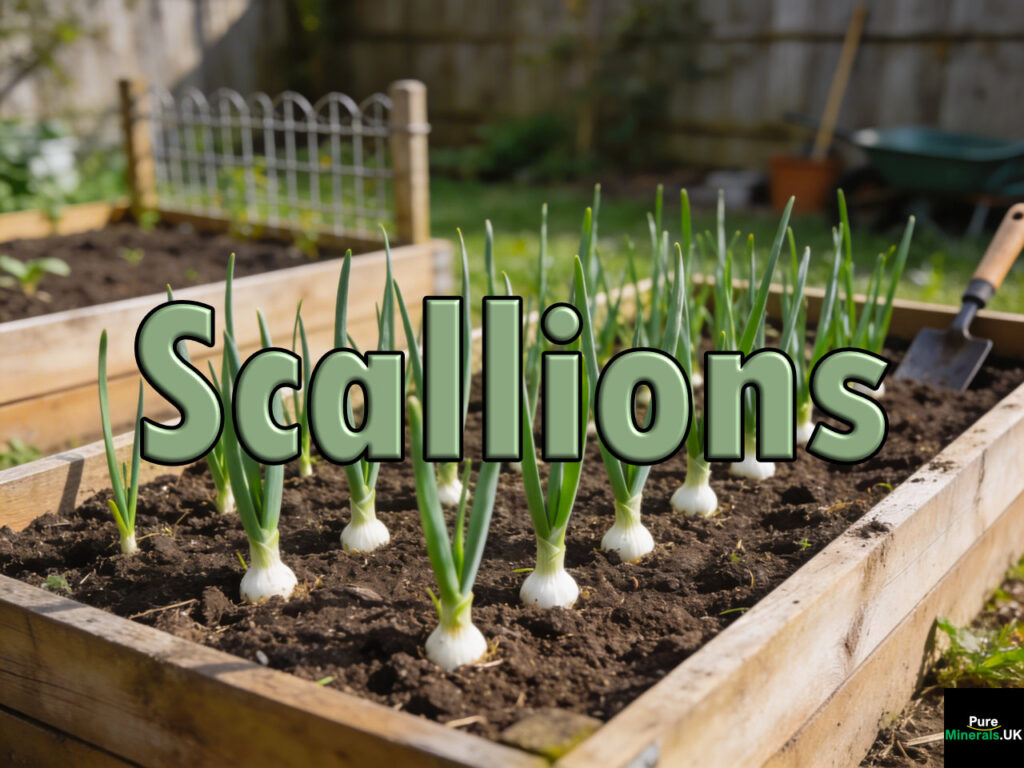
What Are Scallions?
Scallions, also known as green onions, are the young, immature plants of Allium fistulosum or closely related Allium species, harvested before the bulb fully develops. They are valued for their mild flavor and provide vitamins, minerals, and sulfur-containing phytochemicals characteristic of Allium vegetables.
Definition
Scallions are the edible leaves and undeveloped bulbs of Allium fistulosum or related species, consumed as a vegetable.
Extended Definition
Scallions belong to the Allium genus, which includes onions, garlic, leeks, and shallots. These plants are known for producing sulfur-containing compounds that contribute to their characteristic aroma and flavor.
Unlike mature onions, scallions are harvested at an early stage of development when the bulb is either absent or only slightly formed. The plant consists of a white base transitioning into hollow green leaves, both of which are edible.
Nutritionally, scallions provide vitamin K, vitamin C, folate, and small amounts of vitamin A precursors, along with potassium. Vitamin K contributes to normal blood clotting and bone metabolism, while vitamin C supports antioxidant processes.
Scallions also contain organosulfur compounds derived from sulfur-containing amino acids. When the plant tissue is cut or crushed, enzymatic reactions produce compounds responsible for the characteristic aroma and flavor associated with Allium vegetables.
In addition, scallions contain flavonoids and polyphenols that function in plant defense and contribute to their biochemical profile.
Due to their mild taste, scallions are often used raw or lightly cooked, serving as both a vegetable and a garnish in many culinary traditions.
Key Facts
Botanical name: Allium fistulosum (and related species)
Plant family: Amaryllidaceae
Common classification: Allium vegetable
Origin: East Asia
Edible part: Leaves and undeveloped bulb
Typical color: White base with green leaves
Primary nutrients: Vitamin K, vitamin C, folate, potassium
Key phytonutrients: Organosulfur compounds, flavonoids, polyphenols
Energy density: Very low
Notable compounds: Sulfur-containing phytochemicals characteristic of Allium vegetables
Culinary uses: Garnishes, salads, stir-fries, soups, and sauces
Key Takeaways
- Scallions are one of the most nutrient-dense garnishes you can add to your cooking, offering significant amounts of Vitamin K, Vitamin C, and folate in every serving.
- The green tops and white bulb ends of a scallion have slightly different flavor profiles and nutritional nuances — knowing which part to use and when can elevate your dishes.
- Scallions belong to the Allium family and contain sulfur compounds linked to immune support and antioxidant activity, though in milder concentrations than garlic or onions.
- Raw scallions preserve the most nutrients, especially Vitamin C — a detail that matters more than most home cooks realize.
- Whether you’re tossing them raw into a salad or finishing a bowl of ramen, there’s a right way to use every part of this versatile allium.
That little bundle of scallions sitting in your crisper drawer is doing a lot more work than you think.
Most people treat scallions as an afterthought — a quick garnish sprinkled over a finished dish. But these slender members of the Allium family are quietly one of the most nutritionally complete vegetables you can keep on hand. They’re low in calories, rich in fat-soluble vitamins, loaded with antioxidants, and versatile enough to work raw or cooked. For culinary enthusiasts who care about both flavor and what goes into their food, scallions deserve a much closer look.
Scallions Pack More Nutrition Than Most People Realize
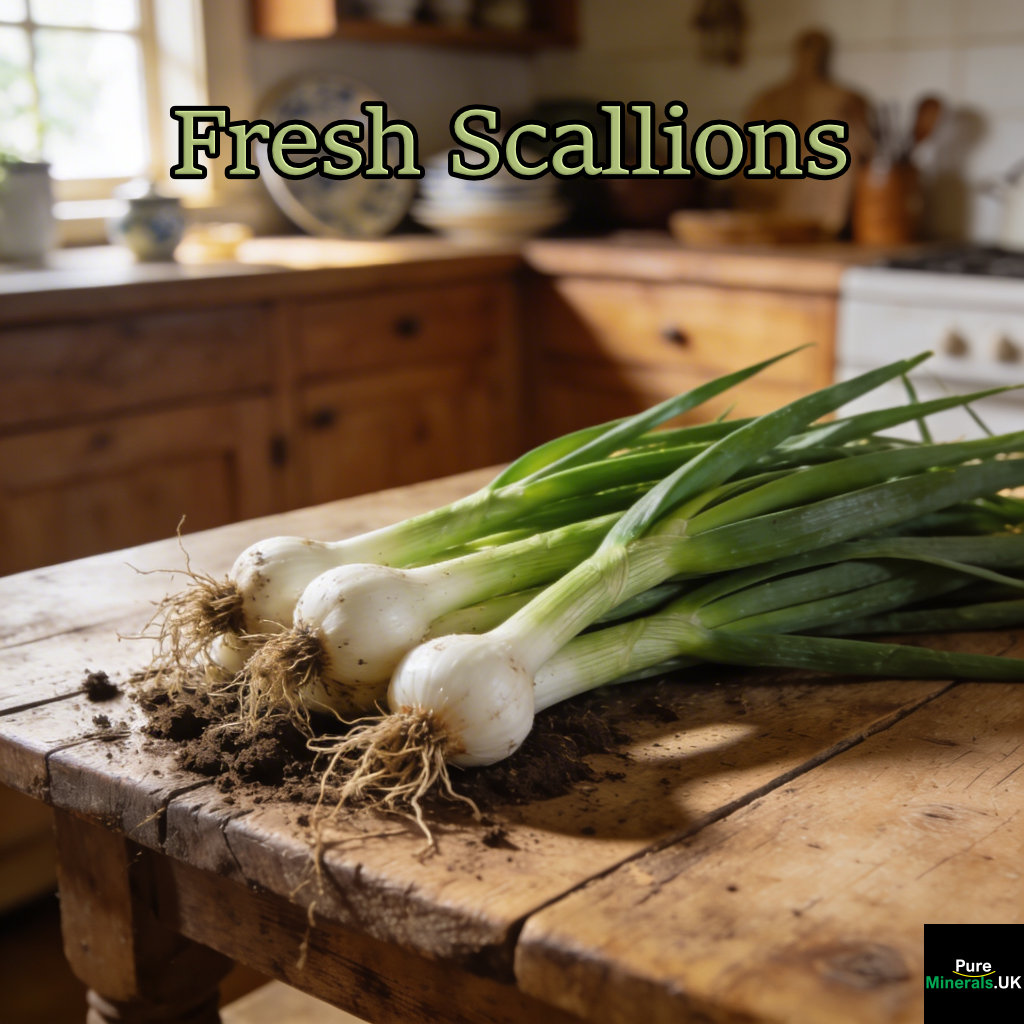
Scallions are often underestimated simply because of how they’re used — a small handful scattered over a dish doesn’t feel like it should add up to much. But the nutritional density of scallions is surprisingly high relative to their size and calorie count. A single 100-gram serving delivers a meaningful percentage of your daily requirements for several key vitamins and minerals, all for roughly 32 calories.
They’re members of the Allium genus, the same botanical family that includes garlic, leeks, chives, and bulb onions. This lineage matters because it means scallions carry the same class of beneficial sulfur-containing compounds that have made garlic a staple in both kitchens and health discussions for centuries. The difference is that scallions deliver these compounds with a much more approachable, milder flavor — making them easy to eat regularly and in larger quantities than you might consume garlic or onion.
Scallion Nutritional Profile: Vitamins and Minerals Breakdown
The nutritional composition of scallions is dominated by Vitamin K, with meaningful contributions from Vitamin C, Vitamin A (via beta-carotene), folate, and manganese. Here’s a look at what a 100-gram serving of raw scallions provides. For those interested in other nutrient-rich vegetables, radishes also offer a variety of vitamins and minerals.
Nutrient | Amount per 100g | % Daily Value (approx.) |
|---|---|---|
Calories |
32 kcal |
— |
|
207 µg |
~173% | |
|
18.8 mg |
~21% | |
|
997 IU |
~20% | |
|
64 µg |
~16% | |
|
0.16 mg |
~7% | |
Fiber |
2.6 g |
~10% |
|
276 mg |
~6% |
Vitamin K: The Standout Nutrient in Scallions
Vitamin K is where scallions genuinely shine. A 100-gram serving provides over 170% of the recommended daily intake — making scallions one of the most concentrated dietary sources of this fat-soluble vitamin available in a common, affordable vegetable. Vitamin K is essential for blood clotting, and it plays a direct role in bone mineralization by activating proteins that bind calcium into bone tissue. Research has linked adequate Vitamin K intake to improved bone density and a reduced risk of fractures, particularly in older adults.
It’s worth noting that Vitamin K is fat-soluble, meaning your body absorbs it more efficiently when consumed alongside dietary fat. Drizzling scallions with olive oil or tossing them into a dish that contains healthy fats isn’t just good cooking — it’s a good nutrition strategy.
Vitamin C and Immune Support
Scallions provide a solid hit of Vitamin C, delivering around 21% of the daily recommended intake per 100-gram serving. Vitamin C is a well-established antioxidant that supports immune function by stimulating the production and activity of white blood cells. It also plays a critical role in collagen synthesis, which matters for skin integrity, wound healing, and connective tissue health.
One practical culinary note: Vitamin C is heat-sensitive. It begins to degrade when exposed to high temperatures, which means raw applications — slicing scallions over a finished dish, blending them into a cold sauce, or mixing them into a fresh salsa — preserve more of this nutrient than sautéing or boiling would. If you’re cooking scallions, adding them at the very end of the cooking process is the best approach for retaining their Vitamin C content.
Scallions also contain quercetin, a flavonoid antioxidant that works alongside Vitamin C to support immune defense. Quercetin has been studied for its anti-inflammatory properties and its potential role in reducing oxidative stress at the cellular level.
Folate, Vitamin A, and Other Key Nutrients
Folate (Vitamin B9) is another notable nutrient in scallions, providing around 16% of the daily recommended intake per 100 grams. Folate is critical for DNA synthesis and cell division, making it especially important during pregnancy and periods of rapid growth. It also supports healthy red blood cell formation and is linked to cardiovascular health through its role in regulating homocysteine levels in the blood.
Scallions also provide beta-carotene, which the body converts to Vitamin A on demand. Vitamin A supports vision (particularly low-light vision), immune function, and healthy cell turnover. The green tops of scallions are the primary source of beta-carotene — another reason to use the entire scallion rather than discarding the darker green ends.
Calorie and Macronutrient Content
At just 32 calories per 100 grams, scallions are an extremely low-calorie way to add flavor, color, and nutrition to a dish. They contain minimal fat, around 7 grams of carbohydrates (of which 2.6 grams is fiber), and about 1.8 grams of protein per 100 grams. The fiber content supports digestive health and contributes to a feeling of satiety.
Sulfur Compounds in Scallions
The characteristic bite and aroma of any Allium vegetable — whether it’s garlic, leeks, or scallions — comes down to sulfur chemistry. These compounds are produced when the plant’s cell walls are damaged, triggering an enzymatic reaction that converts non-volatile precursors into volatile, biologically active sulfur molecules. It’s why cutting an onion triggers a different aroma than a whole, uncut one sitting on your counter.
What Sulfur Compounds Are and Where They Come From
In scallions specifically, the primary sulfur compounds belong to a class called thiosulfinates and organosulfur compounds, including allicin precursors and various sulfides. These are produced when the enzyme alliinase comes into contact with sulfur-containing amino acids (like alliin) stored in separate cellular compartments. Cutting, crushing, or chewing the scallion breaks the cell walls and triggers this enzymatic reaction, similar to the process observed in salsify.
The result is a cascade of sulfur compounds that contribute both to the flavor of scallions and to their potential health benefits. These molecules are also responsible for the mild but distinctive sharpness you taste when biting into a raw scallion.
How Scallions Compare to Garlic and Onions in Sulfur Content
Scallions contain sulfur compounds, but in noticeably lower concentrations than garlic or bulb onions. Garlic is the most sulfur-dense of the Allium family — a single crushed clove releases significantly more allicin than an entire scallion. Bulb onions fall in the middle, with a sharper, more pungent sulfur profile than scallions but milder than garlic. This is precisely what makes scallions so versatile in the kitchen: you get the flavor complexity and some of the health benefits associated with sulfur compounds, without the intensity that can overpower a dish or linger on the breath.
Health Benefits Linked to Allium Sulfur Compounds
The organosulfur compounds found in scallions have been studied for their potential antimicrobial, anti-inflammatory, and antioxidant properties. These compounds may help protect cells from oxidative damage, support cardiovascular health by influencing cholesterol metabolism, and contribute to immune defense. While much of the most robust research in this area focuses on garlic — which has higher concentrations of these compounds — the broader Allium family, including scallions, shares this beneficial chemistry.
Regular consumption of Allium vegetables as a group has been associated with cardiovascular and immune health benefits in nutritional research. The milder sulfur profile of scallions means they’re easier to incorporate into daily meals without the strong flavor commitment of garlic or raw onion, which is arguably their most practical health advantage. Eating them consistently and in reasonable quantities is more achievable for most people. For a similar mild flavor, consider adding radishes to your meals.
White vs. Green Parts: Nutritional and Flavor Differences
Every part of a scallion is edible, but the white end and the green tops are not identical in flavor or nutrition. The white bulb end has a more concentrated onion flavor — sharper, slightly more pungent, and closer in taste to a mild bulb onion. It holds up better to heat, which makes it the better choice for sautéing, stir-frying, or adding to soups early in the cooking process.
The green tops are milder, fresher, and more herbaceous in flavor, with a slightly grassy note that works beautifully as a raw finish. Nutritionally, the green tops carry more beta-carotene and chlorophyll — the dark green color is a direct indicator of higher Vitamin A precursor content. The white end tends to have a slightly higher concentration of sulfur compounds, contributing to its stronger bite.
How to Use Scallions in the Kitchen
Scallions are one of the most kitchen-flexible vegetables you can keep stocked. They bridge the gap between an aromatic base ingredient and a finishing herb, which means they can do real work at almost every stage of cooking. The key is matching the right part of the scallion to the right application — something that separates a thoughtful cook from one who just trims the roots and uses whatever’s left.
Raw Applications: Salads, Garnishes, and Dips
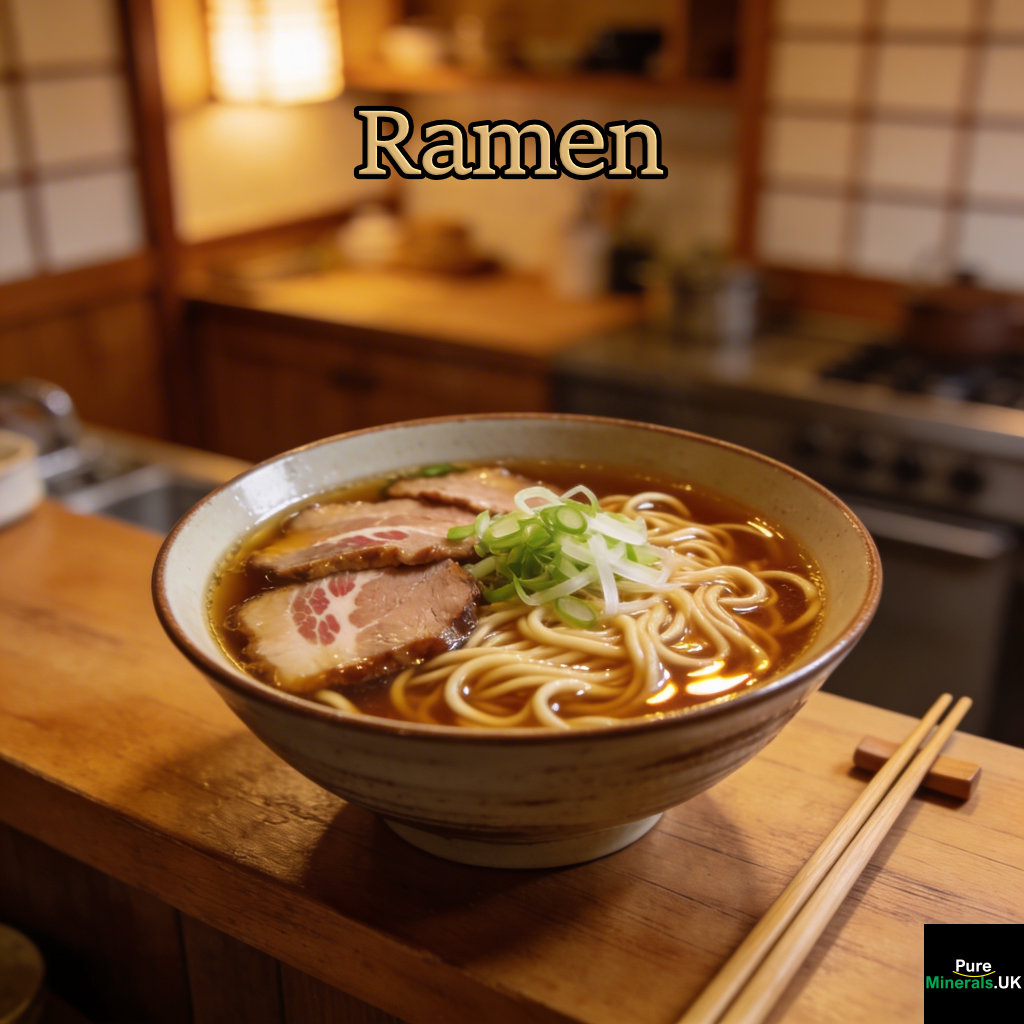
Raw scallions bring sharp, clean brightness to a dish. Thinly sliced on the bias, they make a classic garnish for the Japanese noodle dish ramen, the Vietnamese soup dish pho, the Asian savoury rice porridge dish congee, and grilled meats — their mild bite cuts through richness without overwhelming the other flavors. In cold applications such as grain salads, cucumber salads, or creamy dips like a scallion-spiked sour cream or labneh, the green tops add color, texture, and a fresh allium flavor that dried onion powder cannot replicate. For maximum nutrient retention, particularly Vitamin C and heat-sensitive antioxidants, raw is always the best route.
Cooked Applications: Stir-Fries, Soups, and Grilling
When heat enters the equation, scallions transform. The white ends, added early in a stir-fry alongside ginger and garlic, soften and sweeten as they cook, building an aromatic base that’s less sharp than onion but more complex than shallots. In Chinese and Korean cooking especially, scallions cooked in oil are a foundational flavor layer — think scallion oil noodles (cong you ban mian), where the slow infusion of scallion into neutral oil creates a condiment of remarkable depth from a single humble ingredient.
Whole scallions can also be grilled directly over high heat — charred on the outside, tender and sweet inside. This technique is central to dishes like the Catalan calcots, and it’s equally at home on a backyard grill alongside a piece of skirt steak or salmon. The char brings a mild smokiness that completely reframes how most people think about this vegetable.
Which Part to Use and When
A simple rule covers most situations: use the white and light green parts when cooking with heat, and reserve the dark green tops for raw finishing or last-minute additions. The white end has better structural integrity under heat and a flavor that mellows and sweetens as it cooks. The dark green tops are more delicate — they wilt quickly and lose their fresh character if exposed to high heat for more than a few seconds. Add them at the very end, off the heat, to preserve their color, texture, and brightness.
How to Buy, Store, and Prep Scallions
Getting the most out of scallions starts at the market. A fresh, high-quality scallion will outperform a limp, aging one in both flavor and nutrition — and they deteriorate faster than most people realize once they’re past their prime.
What to Look For When Buying Scallions
- Firm, crisp white ends with no soft spots, browning, or sliminess at the root end
- Bright, deep green tops that stand upright — yellowing or wilting greens signal age
- Tight, compact bundles with uniform thickness, which indicate even growth and freshness
- No strong ammonia or fermented smell — fresh scallions should have a clean, mild onion aroma
- Moist but not wet roots — excess moisture at the root end can indicate improper storage or the beginning of rot
Thinner scallions tend to be more tender and milder in flavor, making them ideal for raw applications. Thicker scallions have a more robust flavor and hold up better when grilled or sautéed whole.
When it comes to storage, keeping scallions upright in a glass of water in the refrigerator — like a bouquet — is one of the most effective methods for extending their freshness. Change the water every day or two, and they can stay crisp and usable for up to two weeks. Alternatively, wrap them loosely in a slightly damp paper towel and store them in an open plastic bag in the crisper drawer, which works well for up to a week.
Prepping scallions is straightforward: trim the root end and any damaged or yellowed green tips, then rinse the entire scallion under cold running water, paying attention to the area where the white meets the green, where soil can accumulate. For most applications, slicing on a sharp bias — at roughly a 45-degree angle — gives you the best visual presentation and increases the surface area for maximum flavor release.
Storage Tips to Keep Scallions Fresh Longer
- Upright in water: Place scallions root-end down in a glass or jar with about an inch of water, cover the tops loosely with a plastic bag, and refrigerate. Change the water every one to two days — they’ll stay fresh and crisp for up to two weeks using this method.
- Damp paper towel wrap: Wrap the scallions loosely in a slightly damp paper towel, place them in an open or loosely sealed bag, and store them in the crisper drawer. This works well for up to one week.
- Freezing for cooked use: Slice scallions and freeze them in a single layer on a baking sheet, then transfer to a freezer-safe container. Frozen scallions lose their crispness but work perfectly in soups, stir-fries, and cooked applications.
- Keep them dry before storing: Excess moisture on the scallions themselves (not at the roots) accelerates decay. Pat them dry before wrapping if you’ve already washed them.
- Don’t store near ethylene-producing fruits: Apples, pears, and bananas release ethylene gas, which speeds up deterioration in leafy vegetables, including scallion tops. Keep them on a separate shelf.
One technique worth knowing: if your scallions have gone slightly limp but aren’t spoiled, submerging the entire bunch in a bowl of ice water for 15 to 20 minutes will revive them almost completely. The cold water causes the cell walls to firm back up, restoring most of their original crispness. This works particularly well for the green tops, which tend to wilt faster than the white ends. If you’re interested in learning more about similar vegetables, you might want to explore pattypan squash as another culinary option.
If you grow your own scallions — which is remarkably easy, even on a windowsill — you can regrow them almost indefinitely from the white root ends. Place the trimmed white ends with roots attached in a small glass of water on a sunny windowsill, and new green tops will emerge within a few days. This gives you a continuous supply of fresh scallion greens without any additional cost or effort.
For longer-term preservation, pickling the white ends in a simple rice vinegar brine with a pinch of sugar and salt produces a condiment that keeps for weeks in the refrigerator and adds a bright, tangy allium punch to banh mi, grain bowls, and tacos. It’s a smart way to use the entire bunch when you’ve trimmed the green tops for a garnish and don’t want to waste what’s left.
Scallions Are a Simple Upgrade to Both Flavor and Health
Scallions are one of the rare ingredients that genuinely deliver on both flavor and nutrition without asking much in return — no elaborate prep, no special technique, no high cost. A single bunch covers everything from an aromatic base for a weeknight stir-fry to a crisp, bright finishing garnish that makes a bowl of soup look and taste intentional. The Vitamin K content alone makes them worth keeping stocked. Add the Vitamin C, folate, beta-carotene, quercetin, and organosulfur compounds, and you have a vegetable that earns its place in the refrigerator every single week.
Important note: Scallions
Scallions are widely recognized as safe to eat. Individuals with sensitivities to Allium vegetables may experience digestive discomfort. This article is provided for educational purposes only and does not constitute medical advice. Individuals with specific dietary concerns should consult a qualified healthcare professional before making significant dietary changes.
Frequently Asked Questions
Scallions come up frequently in cooking questions, and a few specific points tend to cause consistent confusion — particularly around terminology, nutrition, and best practices for raw consumption. For more information on their health benefits, check out this article on scallions’ health benefits. Here are the most common questions answered clearly.
What is the difference between scallions and green onions?
Scallions and green onions are the same thing — the terms are used interchangeably in most markets and recipes. Both refer to young onion plants harvested before the bulb has fully developed, leaving a straight white end rather than a rounded bulb. In some regions, “green onions” is the preferred term, while “scallions” is more common in the northeastern United States and in professional culinary contexts. The only meaningful distinction some sources draw is that true scallions are a specific variety (Allium fistulosum) that never develops a bulb, while green onions can be any young onion harvested early — but in everyday cooking and nutrition, this distinction has no practical impact.
Are scallion greens more nutritious than the white parts?
Yes, in several specific ways. The dark green tops contain significantly more beta-carotene, which the body converts to Vitamin A, and more chlorophyll than the white ends. The deeper the green color, the higher the concentration of these compounds. This makes the green tops particularly valuable for Vitamin A intake and antioxidant activity.
The white ends, on the other hand, tend to have a slightly higher concentration of sulfur compounds, which contribute to their sharper flavor and are linked to the antimicrobial and cardiovascular benefits associated with Allium vegetables. Both parts contribute meaningfully to the overall nutritional profile of scallions — using the entire scallion rather than discarding either end is always the better nutritional choice.
How much Vitamin K is in scallions?
A 100-gram serving of raw scallions provides approximately 207 micrograms of Vitamin K, which represents roughly 173% of the recommended daily intake for most adults. This makes scallions one of the most concentrated everyday sources of Vitamin K available — surpassing many other vegetables commonly associated with this nutrient.
Because Vitamin K is fat-soluble, pairing scallions with a source of dietary fat significantly improves absorption. Cooking them in a small amount of olive oil, or serving them raw alongside an avocado-based dish or a vinaigrette-dressed salad, ensures your body is actually utilizing the Vitamin K you’re consuming rather than passing it through unabsorbed.
Can you eat scallions raw every day?
For most people, yes — raw scallions are safe and beneficial to eat daily. Their mild flavor makes them easy to incorporate into everyday meals without palate fatigue, and their nutritional density means regular consumption delivers consistent benefits across Vitamin K, Vitamin C, folate, and antioxidant intake. You might also enjoy exploring other vegetables like radishes, which offer a different nutritional profile.
The one consideration worth noting is for anyone taking blood-thinning medications such as warfarin (Coumadin). Because scallions are high in Vitamin K, which plays a direct role in blood clotting, consuming large or dramatically varying amounts can interfere with medication effectiveness. This doesn’t mean avoiding scallions — it means keeping consumption consistent so that Vitamin K intake remains stable and predictable for dosage management. Anyone in this situation should discuss dietary Vitamin K with their healthcare provider.
Do scallions lose their nutrients when cooked?
Some nutrients are reduced by heat, while others are largely unaffected. Vitamin C is the most heat-sensitive nutrient in scallions — it begins to degrade at temperatures above 70°C (158°F), so prolonged cooking will reduce its content meaningfully. Adding scallions at the very end of cooking, or using them raw, is the best strategy for preserving Vitamin C.
Vitamin K, by contrast, is relatively stable under heat and is not significantly reduced by normal cooking methods. Folate has moderate heat sensitivity — some is lost during prolonged high-heat cooking, but light sautéing or brief exposure to heat retains most of it. The sulfur compounds responsible for scallions’ flavor and some of their health benefits are also partially volatile, meaning they dissipate with extended cooking time.
Scallions, also known as green onions, are a versatile ingredient used in various cuisines around the world. They are rich in vitamins A, C, and K, and provide a good source of dietary fiber. Additionally, scallions contain sulfur compounds that may have potential health benefits. These compounds are also found in other vegetables like radishes, which are known for their peppery flavor and nutritional value. Scallions can be used both raw and cooked, making them a staple in salads, soups, and stir-fries.