

Published: 21 March 2026
This article is periodically reviewed and updated to reflect current scientific understanding by Vic George.
Fact-Checked: 2 other authoritative medical/scientific references. See our Editorial Policy.
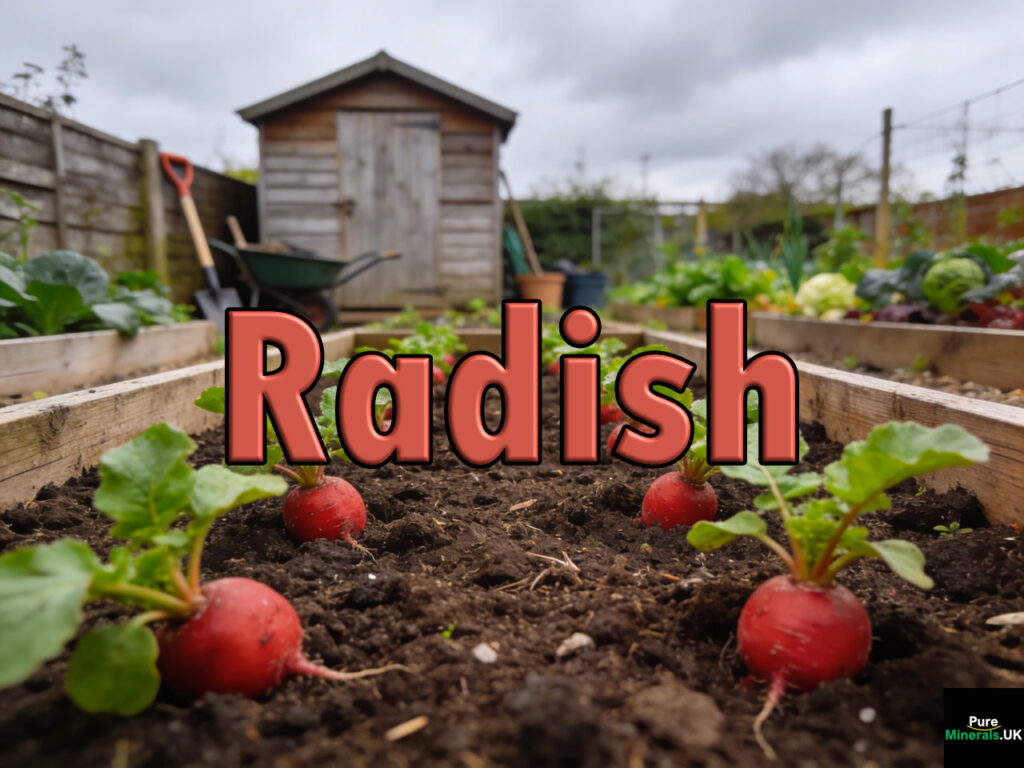
What Are Radishes?
Radishes are edible root vegetables belonging to Raphanus sativus, cultivated in a range of varieties, including small red radishes and larger forms such as daikon. They are valued for their crisp texture, peppery flavor, and content of vitamins, minerals, and glucosinolate compounds.
Definition
Radishes are the edible roots of Raphanus sativus, a member of the Brassicaceae family, consumed as a root vegetable.
Extended Definition
Radishes belong to the Brassicaceae family, which includes cabbage, broccoli, mustard greens, and kale. This family is characterized by the production of glucosinolates, sulfur-containing compounds involved in plant defense.
The edible portion of the radish is a swollen taproot that develops underground. Red radishes are typically small, round, and harvested early, while daikon radishes are larger, elongated, and milder in flavor.
The peppery taste of radishes is due to glucosinolates and their enzymatic breakdown products, such as isothiocyanates, which are released when the plant tissue is cut or chewed.
Nutritionally, radishes provide vitamin C, potassium, folate, and dietary fiber. Vitamin C contributes to antioxidant processes and normal immune function, while fiber supports digestive health.
Radishes also contain flavonoids, phenolic compounds, and small amounts of anthocyanins in red varieties, contributing to their coloration and plant defense mechanisms.
Both the root and the leaves of the radish plant are edible, although the root is the most commonly consumed part.
Radishes are typically eaten raw in salads and garnishes, but they can also be pickled, roasted, or incorporated into cooked dishes.
Key Facts
Botanical name: Raphanus sativus
Plant family: Brassicaceae
Common classification: Root vegetable
Origin: Asia, particularly Southeast Asia
Edible part: Taproot (and leaves)
Typical color: Red, white (daikon), or pink depending on variety
Primary nutrients: Vitamin C, fiber, potassium, folate
Key phytonutrients: Glucosinolates, isothiocyanates, flavonoids, anthocyanins (red varieties)
Energy density: Very low
Notable compounds: Sulfur-containing phytochemicals characteristic of cruciferous vegetables
Culinary uses: Salads, pickles, garnishes, roasting, and cooked dishes
Key Takeaways
- Radishes are far more nutritious than their reputation suggests — the leaves alone contain calcium levels reaching 238 mg per 100g and vitamin C twice that of the root.
- Radish leaves rank third among super vegetables according to the American Center for Public Science, scoring high on vitamin K, lutein, and vitamin C.
- The most nutritious part of the radish is the part most people throw away — radish leaves have 3 to 10 times higher levels of calcium, magnesium, iron, zinc, riboflavin, and folic acid compared to the root.
- Radish contains powerful phytochemicals, including glucosinolates, flavonoids, and polyphenols that are linked to cardiovascular support, blood sugar regulation, and anticancer activity.
- Different radish varieties have distinct bioactive profiles — white radish leaves are rich in flavonoids and glucosinolates, while red radish leaves are packed with phenolic compounds.
Most people slice a radish, toss it in a salad, and move on — but that single habit means missing out on one of the most nutrient-dense vegetables available.
Radish is a root vegetable consumed globally, yet its full nutritional story rarely makes it to the dinner table conversation. Whether you are focused on natural health, reducing inflammation, or simply eating smarter, radish — especially its leaves — deserves a much closer look. Resources like the NIH highlight underappreciated whole foods, such as radish, as key players in preventive nutrition.
Radishes Pack More Nutrition Than Most People Realize
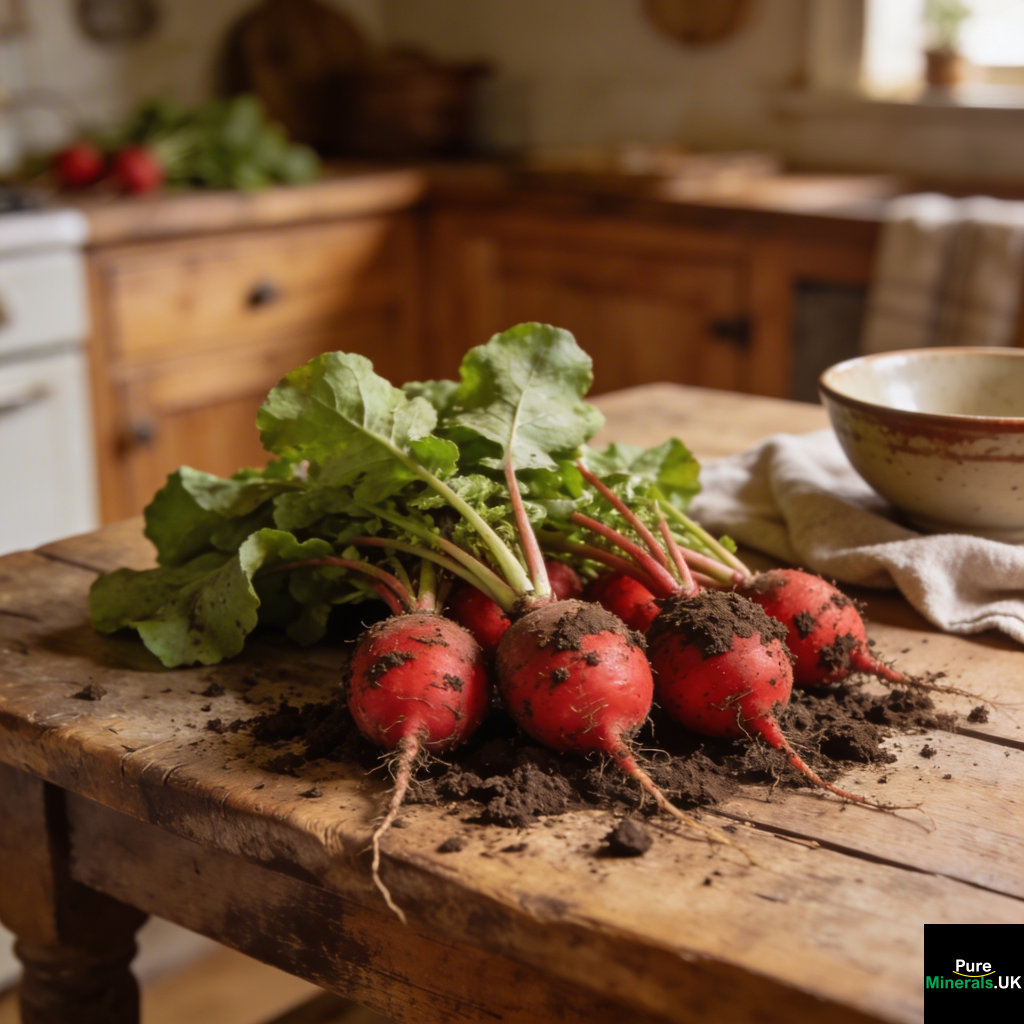
Radish is low in calories but dense in micronutrients, phytochemicals, and bioactive compounds that support multiple body systems. It contains flavonoids, nonflavonoid polyphenols, fats and fat-related compounds, terpenes and their derivatives, and organic acids — making it far more complex nutritionally than its crisp, peppery profile suggests.
Calcium Content Reaches 238 mg — Higher Than Most Root Vegetables
The calcium content in radish leaves reaches 238 mg per 100g, which is the highest among all its nutritional components. That figure puts radish leaves ahead of many commonly consumed vegetables when it comes to bone-supporting minerals. For anyone relying on plant-based sources of calcium, this is a number worth paying attention to.
Beyond calcium, radish leaves contain magnesium, iron, and zinc — all critical minerals that play roles in energy metabolism, immune response, and cellular repair. These are not trace amounts either; research shows levels 3 to 10 times higher in the leaves than in the roots.
Vitamin C in Radish Leaves Is Twice That of the Root
The vitamin C content in radish leaves reaches 51 mg per 100g, exactly double the concentration found in the root. Vitamin C is essential for collagen synthesis, immune function, and antioxidant defense — and getting it from whole food sources means you also benefit from the synergistic compounds that come with it, similar to other vegetables like radicchio.
Riboflavin and folic acid are also significantly higher in the leaves, reinforcing the case that the green tops carry the bulk of radish’s nutritional firepower. Folic acid, in particular, is critical for DNA synthesis and is especially important for pregnant women and those with high cellular turnover needs.
Radish Leaves Rank Third Among Super Vegetables by the American Center for Public Science
The American Center for Public Science scored vegetables based on calories, vitamin K, lutein, vitamin C, and other nutritional markers. Radish leaves ranked third among all super vegetables evaluated — a ranking that most people would find surprising given how routinely those leaves are discarded.
Common Radish Varieties and What Sets Them Apart
Not all radishes are created equal. The variety you choose affects not just flavor and texture, but also the specific bioactive compounds you are getting. While most nutritional research has focused heavily on white radish, other varieties bring their own unique phytochemical profiles to the table.
Understanding these differences helps you make more targeted choices depending on your health goals — whether that is maximizing antioxidant intake, supporting liver function, or simply adding more diversity to your diet. For example, incorporating radicchio can be a great way to enhance your meal plan with antioxidants.
Daikon Radish
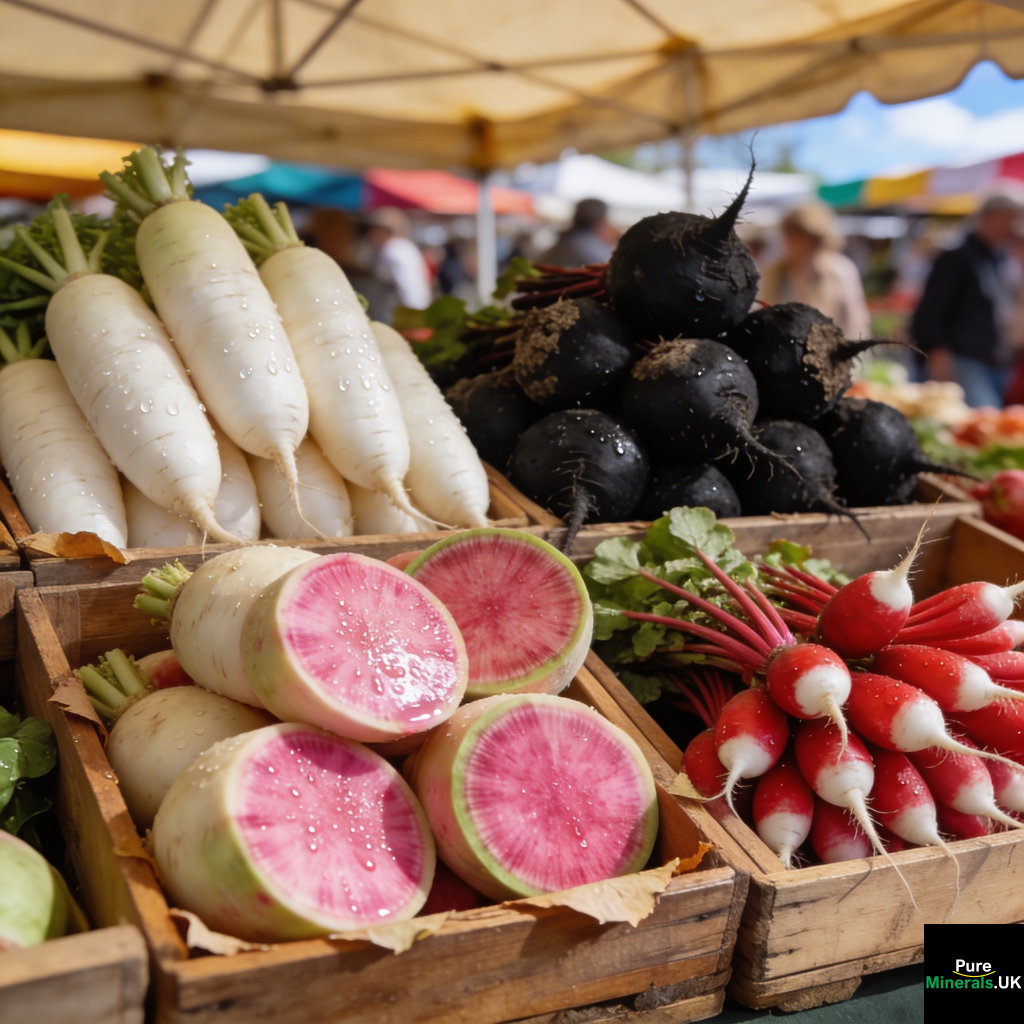
Daikon is a long, white variety most common in East Asian cuisines and is one of the most researched radish types. It is particularly rich in glucosinolates and flavonoids, especially in its leaves. Daikon has a mild, slightly sweet flavor compared to smaller red radishes, making it versatile in both raw and cooked preparations.
- High in glucosinolates, which break down into cancer-research-relevant compounds
- Leaves are rich in flavonoids and ascorbic acid
- Commonly used in fermented dishes like kimchi and Japanese pickles
- Supports digestive health through its fiber and enzyme content
Watermelon Radish
Watermelon radish is a visually striking variety with a pale green exterior and a vivid magenta interior. It belongs to the daikon family but is distinguished by its high anthocyanin content, the same class of pigment-based antioxidants found in blueberries and red cabbage. Anthocyanins have been associated with cardiovascular and anti-inflammatory benefits in multiple studies.
Its flavor is milder and slightly sweeter than standard red radishes, which makes it a popular choice for raw preparations where you want color and nutrition without sharpness. If you are interested in exploring other mild-tasting vegetables, consider learning more about parsnips as well.
Black Radish
Black radish has the most pungent flavor of common varieties and has a long history of use in European herbal medicine, particularly for liver and gallbladder support. It contains notably high levels of glucosinolates and has been studied for its potential role in stimulating bile production, which supports fat digestion and liver detoxification pathways.
French Breakfast Radish
French Breakfast radishes are an elongated, mild variety typically eaten raw with butter and salt in classic French culinary tradition. While they are lower in pungency, they still carry a solid vitamin C content and are a reliable source of folate and potassium. Their mild flavor makes them one of the most approachable varieties for people new to eating radishes regularly.
Each of these varieties offers a distinct nutritional angle. Rotating between them is a practical way to capture a broader range of bioactive compounds rather than relying on a single type.
The Nutritional Profile of Radish Root vs. Radish Leaves
One of the most striking revelations in recent radish nutrition research is the consistent finding that the leaves outperform the roots across nearly every measured nutritional category. The root has long been the focus of consumption, but that habit appears to be more cultural than nutritional.
Research consistently shows radish leaves have higher levels of protein, ash, dietary fiber, and ascorbic acid compared to the roots. This has led scientists to suggest that radish leaves should be reconsidered — not as agricultural waste, but as a functional food and potential raw material for nutraceutical development.
Protein, Fiber, and Ash: Why the Leaves Win
Ash content in nutritional science refers to the total mineral residue left after burning a food sample — it is a proxy measurement for overall mineral density. Higher ash content in radish leaves signals a richer mineral profile overall, not just in isolated minerals like calcium. Combined with higher dietary fiber, the leaves support both gut microbiome health and more sustained satiety than the root alone provides.
Protein content is also meaningfully higher in the leaves, which matters for plant-based eaters looking to maximize protein from non-legume vegetable sources. While radish will never replace lentils as a protein source, the leaves add incremental value that the root simply does not.
Key Vitamins and Minerals Found in Radish
Radish delivers a broad spectrum of micronutrients that support daily physiological function. The root provides solid amounts of vitamin C, folate, and potassium, while also containing smaller quantities of vitamin B6, riboflavin, and thiamine. These are not exotic compounds — they are the foundational vitamins your body uses every single day for energy production, immune defense, and nerve signaling.
The mineral profile of radish root includes potassium, which supports healthy blood pressure, along with phosphorus for bone health and manganese for antioxidant enzyme function. What makes radish stand out is that these nutrients are delivered at very low caloric cost, making it one of the more efficient whole food sources of micronutrients available.
Caloric Density and Macronutrient Breakdown
Radish root is extremely low in calories — roughly 16 to 18 calories per 100g — making it one of the least calorie-dense vegetables you can eat. The macronutrient split skews heavily toward carbohydrates, with minimal fat and a small but present protein contribution. Most of the carbohydrates come from fiber and simple sugars, which means the glycemic impact is low and the digestive benefits are real.
Radish leaves, by contrast, carry a slightly higher caloric density relative to the root, driven by their elevated protein and fiber content. That trade-off is worth it nutritionally. The leaves deliver more of what matters — minerals, vitamins, and bioactive compounds — per gram consumed than the root does.
Phytochemicals in Radish: The Compounds Behind the Health Claims
The true nutritional power of radish lies beneath its surface — in a complex matrix of phytochemicals that interact with human biology in measurable, documented ways. Radish contains flavonoids, nonflavonoid polyphenols, glucosinolates, terpenes, organic acids, and sulfur compounds. These are not passive ingredients; they actively influence inflammation, cellular health, and metabolic function.
Glucosinolates and Their Role in Cancer Research
Glucosinolates are sulfur-containing compounds found in cruciferous vegetables, and radish is a significant source of them, particularly in white radish leaves. When glucosinolates are broken down through chewing or cooking, they produce biologically active metabolites, including isothiocyanates and indoles. These metabolites have been the subject of significant cancer research due to their ability to influence detoxification enzyme activity and inhibit the proliferation of certain cancer cell lines.
It is important to note that most of this research is still in early or preclinical stages. The evidence is promising and directionally consistent, but glucosinolate intake from radish alone should not be positioned as a cancer treatment. What it does represent is a compelling reason to include radish — particularly its leaves — as part of a broader cancer-preventive dietary strategy.
Flavonoids and Polyphenols: Antioxidant Powerhouses
Radish contains a rich array of flavonoids, including quercetin, kaempferol, and anthocyanins, depending on the variety. These compounds function as antioxidants, neutralizing free radicals that contribute to cellular aging, chronic inflammation, and disease progression. White radish leaves are notably rich in flavonoids, while red radish varieties tend to carry higher anthocyanin concentrations — the same pigment-based compounds found in berries and red wine.
Nonflavonoid polyphenols add another layer of antioxidant activity, working synergistically with flavonoids to enhance the overall protective effect. This is why whole food consumption of radish tends to be more beneficial than isolated supplementation — the compounds work together in ways that are difficult to replicate in a capsule.
Phenolic Compounds: Total Content Reaches 695.07 mg/100g in Leaves
Phenolic compounds are among the most studied bioactive substances in plant nutrition, linked to anti-inflammatory, antimicrobial, and antioxidant activity. In radish leaves, the total phenolic content has been measured at up to 695.07 mg per 100g — a figure that places radish leaves in competitive territory with better-known phenolic-rich foods.
There are significant differences in phenolic content across radish varieties, which makes variety selection relevant if you are optimizing for this specific compound class. Red radish leaves are particularly rich in phenolic acids, while white radish leaves lean more toward flavonoid-class compounds. Knowing this distinction lets you choose your variety based on targeted nutritional goals rather than just availability or taste preference.
Phenolic compounds in radish also show antiviral properties, which has drawn increasing research interest since the early 2020s. While the data is still developing, the presence of both antioxidant and antiviral phenolics in a single low-calorie vegetable makes radish a genuinely compelling dietary addition from a preventive health standpoint.
Sulfur Compounds and Organic Acids
The pungent, peppery bite of radish comes directly from its sulfur compound content — primarily isothiocyanates released when radish tissue is damaged by cutting or chewing. These same compounds responsible for the sharp flavor are also responsible for several of radish’s documented health effects, including its potential liver-supportive and antimicrobial properties. Black radish in particular has the highest concentration of these sulfur-based compounds among common varieties.
Organic acids in radish, including citric acid and malic acid, contribute to its digestive benefits by supporting stomach acid balance and enhancing the bioavailability of minerals like iron and calcium. These acids are part of why radish has traditionally been used as a digestive aid across multiple food cultures, from East Asian to Eastern European culinary traditions — a use that modern nutritional science increasingly supports.
Proven Health Benefits Backed by Research
Radish is not a superfood in the marketing sense — it is a functional food in the scientific sense. Its health benefits are the direct result of its phytochemical composition acting on specific biological pathways. The research base is strongest for cardiovascular health, blood sugar regulation, and immune support, though findings on anticancer potential and liver function are growing steadily.
What is particularly notable is that many of these benefits are attributed to the leaves, not the root, which reinforces the argument for whole-plant consumption. Discarding the leaves means discarding a significant portion of the therapeutic potential that makes radish worth eating in the first place.
Cardiovascular Health
Numerous research groups have documented that the phytochemicals in radish leaves offer well-documented cardiovascular benefits. Flavonoids — particularly quercetin and anthocyanins — have been associated with reduced oxidative stress in arterial walls, improved endothelial function, and lower markers of systemic inflammation, all of which are directly tied to cardiovascular disease risk. The potassium content in both root and leaves further supports healthy blood pressure regulation by counteracting the effects of excess dietary sodium.
Blood Sugar Regulation and Diabetes
Radish has been studied for its potential role in blood sugar regulation, with particular interest in its glucosinolate and fiber content. Dietary fiber slows glucose absorption in the gut, reducing post-meal blood sugar spikes — a benefit relevant to both diabetic management and prevention. Some research has also explored the role of specific radish compounds in supporting insulin sensitivity, though this area requires more robust human clinical trials before firm conclusions can be drawn.
Immune System Support and Anti-Inflammatory Effects
Vitamin C remains one of the most established immune-supporting nutrients, and radish leaves deliver it at double the concentration of the root. Regular intake of vitamin C-rich whole foods has been consistently linked to reduced duration and severity of common infections, as well as lower levels of systemic inflammatory markers.
Beyond vitamin C, the flavonoids and phenolic compounds in radish contribute to its anti-inflammatory profile by inhibiting pro-inflammatory enzymes and signaling pathways. This is not a single-compound effect — it is the result of multiple phytochemicals working in concert, which is why whole radish consumption produces broader effects than any single extracted compound would.
Radish leaves also contain zinc, a mineral that plays a direct role in immune cell development and function. Zinc deficiency is associated with impaired immune response, and plant-based sources of zinc — including radish leaves — provide a meaningful contribution toward daily requirements, especially for those not consuming animal products.
At a Glance: Radish Leaf vs. Root Nutritional Comparison (per 100g)
Nutrient
Radish Root
Radish Leaves
Vitamin C
~25 mg
~51 mg
Calcium
~25 mg
~238 mg
Iron
Lower
3–10x higher
Magnesium
Lower
3–10x higher
Riboflavin
Lower
3–10x higher
Folic Acid
Lower
3–10x higher
Zinc
Lower
3–10x higher
Total Phenolics
Lower
Up to 695.07 mg/100g
The Case for Eating Radish Leaves
Radish leaves are almost universally discarded in Western cooking — trimmed off at the market, composted at home, or simply never considered edible. That habit is costing people access to the most nutrient-dense part of the plant. The evidence is clear: radish leaves contain higher levels of protein, calcium, vitamin C, dietary fiber, and a broader range of bioactive compounds than the root that most people actually eat. Changing this single habit — saving and using the greens — may be one of the simplest, lowest-cost upgrades available in everyday nutrition.
Why Western Diets Discard the Most Nutritious Part
Western food culture has historically centered on the root of the radish while treating the leaves as agricultural waste — something to trim off before the vegetable ever reaches the kitchen. This pattern is partly practical (leaves wilt faster than roots) and partly cultural, shaped by supermarket presentation that removes the tops before sale. But the nutritional cost of that habit is significant. The leaves contain the majority of radish’s most potent compounds, and discarding them means consuming the least nutritious portion of the plant while throwing away the best part.
Radish Leaves as a Natural Preservative and Nutraceutical Ingredient
Emerging research has identified radish leaves as a potential raw material for nutraceutical development — meaning they are being studied not just as food, but as a source of concentrated bioactive compounds for use in functional health products. Their high phenolic content gives them natural antimicrobial and antioxidant properties that researchers believe could be harnessed as natural food preservatives, reducing dependence on synthetic additives in processed food production.
The flavonoid content in radish leaves — particularly from white radish varieties — has drawn attention for its stability and bioavailability, two qualities that matter enormously when developing plant-based health supplements. The fact that radish leaves are currently treated as agricultural by-products makes them an economically attractive raw material. For the home consumer, this research simply reinforces the message: the leaves are not a garnish — they are the functional core of the plant.
How to Use Radish and Its Leaves in the Kitchen
Using radish leaves is simpler than most people expect. They have a slightly peppery, earthy flavor similar to arugula — assertive when raw, mellowing considerably with heat. The key is treating them like any other dark leafy green rather than a novelty ingredient.
- Sauté with garlic and olive oil as a quick side dish, similar to how you would cook spinach or mustard greens
- Blend into green smoothies where the peppery flavor is masked by fruit
- Add to soups and stews in the final few minutes of cooking to preserve nutrient content
- Use as a pizza or flatbread topping after baking, like you would fresh arugula
- Blend into pesto as a substitute for or addition to basil
- Chop finely into grain bowls with lemon and olive oil as a raw green element
The radish root itself is equally flexible. It holds up well in stir-fries, roasts beautifully at high heat (which mellows the sharpness considerably), and is a traditional base for fermented preparations like Korean kkakdugi — cubed daikon kimchi — that deliver both nutritional and probiotic benefits.
One practical note: buy radishes with the leaves still attached whenever possible. Bundled radishes with full green tops are far more common at farmers’ markets than in supermarkets, where tops are usually removed before sale. That single-sourcing choice gives you access to the full plant — and the full nutritional profile that comes with it, similar to other vegetables like radicchio.
Raw, Pickled, or Cooked: How Preparation Affects Nutrition
Raw radish preserves the highest concentration of glucosinolates and vitamin C, both of which are sensitive to heat. When you eat radish raw, the mechanical action of chewing ruptures plant cells and activates the enzyme myrosinase, which converts glucosinolates into their active metabolites — the compounds most relevant to anticancer and detoxification research. This conversion does not happen as effectively in cooked radish because heat deactivates myrosinase.
That said, cooking radish is not without its benefits. Heat breaks down cell walls, increasing the bioavailability of certain minerals and making the leaves easier to digest for people sensitive to raw cruciferous vegetables. Lightly steaming or sautéing strikes a reasonable balance — some heat-sensitive nutrients are lost, but mineral bioavailability improves and digestive tolerance increases. Pickling, particularly through lacto-fermentation, preserves many nutrients while adding beneficial bacteria that support gut health.
Practical Ways to Add Radish Leaves to Meals
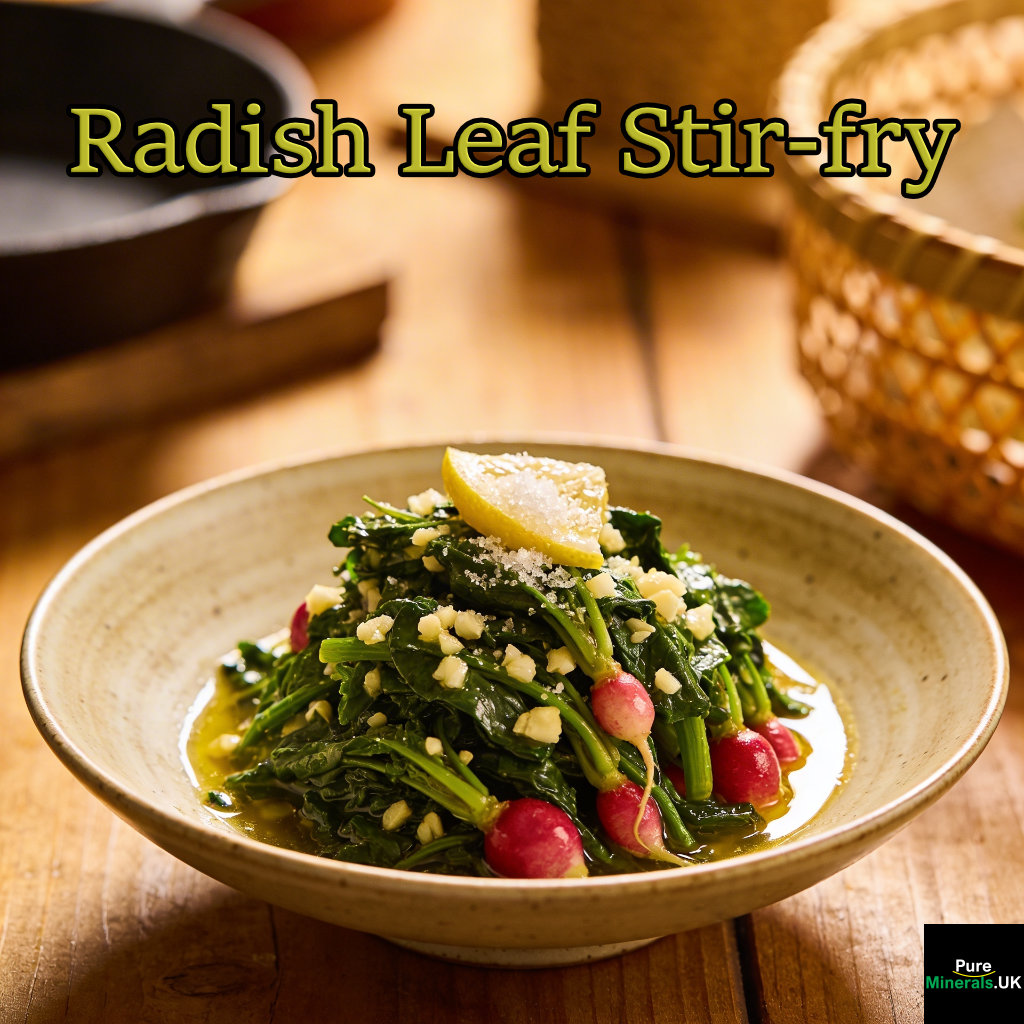
The simplest entry point is the radish leaf stir-fry. Heat a tablespoon of sesame or olive oil, add minced garlic, toss in washed radish leaves, and cook for two to three minutes until wilted. Season with a pinch of sea salt and a squeeze of lemon. The result is a mineral-dense side dish that takes less time to prepare than most people spend scrolling for dinner ideas.
For a higher-impact nutritional approach, combine raw radish root sliced thin with lightly wilted radish leaves, dressed with apple cider vinegar, olive oil, and toasted seeds. This gives you the glucosinolate benefits of the raw root alongside the concentrated minerals of the cooked leaves — a genuinely complete nutritional package from a single plant source.
Radish Is a Nutritional Asset You Are Likely Underusing
Radish is inexpensive, widely available, and backed by a growing body of research that positions it as one of the more functional vegetables available in everyday markets. The root delivers solid micronutrient value at near-zero caloric cost. The leaves deliver concentrated minerals, vitamins, and phytochemicals that rival vegetables sold at a significant premium. Using the whole plant — root and leaf — is one of the most straightforward, evidence-based upgrades you can make to a natural health-focused diet.
Important note: Radish
Radishes are widely recognized as safe to eat. As with other cruciferous vegetables, they contain naturally occurring compounds that may interact with certain metabolic conditions when consumed in unusually large quantities. This article is provided for educational purposes only and does not constitute medical advice. Individuals with specific dietary concerns should consult a qualified healthcare professional before making significant dietary changes.
Frequently Asked Questions
Radish and its leaves come with a few common questions worth addressing directly — particularly around safety, variety selection, and storage. The answers are mostly reassuring and practically useful.
Below are the most frequently asked questions about radish nutrition, answered with the specificity this topic deserves.
Are Radish Leaves Safe to Eat Raw?
Yes, radish leaves are safe to eat raw for most people. They have a peppery, slightly bitter flavor when raw and are nutritionally at their peak in this form, with maximum vitamin C and glucosinolate content. People with thyroid conditions should be mindful of raw cruciferous vegetable intake in very large quantities, as glucosinolates can interfere with iodine uptake at extremely high doses — but the amounts found in normal dietary portions of radish leaves do not present a meaningful risk for most individuals.
Which Radish Variety Has the Highest Nutritional Value?
This depends on which nutrients you are prioritizing. White radish (daikon) leaves are richest in flavonoids and glucosinolates, making them the strongest choice for antioxidant and potential anticancer compound intake. Red radish varieties carry higher phenolic and anthocyanin concentrations, which are particularly associated with cardiovascular and anti-inflammatory benefits. Black radish leads in sulfur compound content, making it the traditional choice for liver and digestive support.
If a single answer is needed, white daikon radish leaves offer the broadest and most researched nutritional profile. But rotating between varieties is the most effective strategy for capturing the full range of bioactive compounds radish has to offer.
How Does Radish Support Heart Health?
Radish supports cardiovascular health through multiple simultaneous mechanisms. Its flavonoid content — particularly quercetin and anthocyanins — reduces oxidative stress in arterial walls and supports healthy endothelial function. Its potassium content helps regulate blood pressure by counterbalancing dietary sodium. Its dietary fiber contributes to healthy cholesterol levels by binding bile acids in the gut. These are not speculative benefits — they are the documented effects of compounds that radish contains in meaningful quantities, similar to those found in mustard greens.
What Are Glucosinolates and Why Do They Matter?
Glucosinolates are naturally occurring sulfur-containing compounds found in all cruciferous vegetables, and radish — particularly its leaves — is a meaningful dietary source. On their own, glucosinolates are relatively inert. The action happens when they are broken down by the enzyme myrosinase, activated through chewing or cutting the plant tissue. This breakdown produces active metabolites, including isothiocyanates and indoles.
These metabolites have been studied extensively for their ability to support the body’s detoxification enzyme systems — particularly Phase II detoxification in the liver — and for their potential to inhibit the growth of certain cancer cell lines in laboratory and early clinical research. Glucosinolates are also part of why radish has a long traditional use as a digestive and liver-supportive food across multiple cultures.
White radish leaves are particularly rich in glucosinolates compared to other radish varieties, which is part of why daikon — the most common white radish — has been the primary focus of phytochemical research in this area. Eating radish raw or lightly cooked maximizes glucosinolate conversion, since the enzyme myrosinase is heat-sensitive and deactivates at high temperatures.
Glucosinolate Activity at a Glance
Stage
What Happens
Health Relevance
Raw radish is chewed or cut
Myrosinase enzyme is activated
Initiates glucosinolate breakdown
Glucosinolates break down
Isothiocyanates and indoles are produced
Active compounds with documented biological effects
Metabolites enter circulation
Interact with detoxification enzyme pathways
Supports liver Phase II detoxification
High-heat cooking applied
Myrosinase deactivated
Reduced but not eliminated glucosinolate benefit
For practical purposes, eating radish raw — as a salad ingredient, sliced into a grain bowl, or consumed whole as a snack — is the most efficient way to capture the full glucosinolate benefit. If cooking is preferred, light steaming or quick sautéing preserves more activity than boiling or high-heat roasting.
How Should Radish Leaves Be Stored to Preserve Nutrients?
Radish leaves are more perishable than the root, which is the practical reason most supermarkets remove them before sale. Vitamin C and folate are the most vulnerable nutrients — both degrade with exposure to heat, light, and oxygen. Proper storage slows this degradation meaningfully.
The most effective storage method is to separate the leaves from the root immediately after purchase, since the root continues to draw moisture from the leaves if left attached, accelerating wilting and nutrient loss. Wrap the leaves loosely in a slightly damp paper towel and store in a sealed bag or airtight container in the refrigerator.
- Separate leaves from the root immediately after purchase to prevent moisture transfer
- Wrap in a lightly damp paper towel to maintain humidity without sogginess
- Store in an airtight container or sealed bag in the refrigerator crisper drawer
- Use within two to three days for maximum vitamin C and folate content
- Avoid washing until just before use — excess moisture accelerates decay
- Blanch and freeze if you cannot use them within three days — this preserves minerals and most phytochemicals
For those who grow their own radishes or shop at farmers’ markets where full-leaf bunches are common, harvesting or purchasing in smaller, more frequent quantities is the most reliable way to always have fresh leaves available rather than storing large batches.
One underused option is blanching and freezing radish leaves in small portions, similar to how you would freeze spinach or kale. Blanching for 60 to 90 seconds in boiling water, followed by immediate transfer to an ice bath, deactivates the enzymes responsible for nutrient degradation and locks in the mineral content for weeks rather than days.
Dried radish leaves are another traditional preservation method used in East Asian cooking, where sun-dried radish leaf powder is added to soups and porridges as a mineral supplement. While drying does reduce vitamin C content significantly, fat-soluble nutrients and minerals are largely preserved — making dried radish leaves a practical pantry option when fresh is not available.