

Published: 19 March 2026
This article is periodically reviewed and updated to reflect current scientific understanding by Vic George.
Fact-Checked: 1 other authoritative medical/scientific reference. See our Editorial Policy.
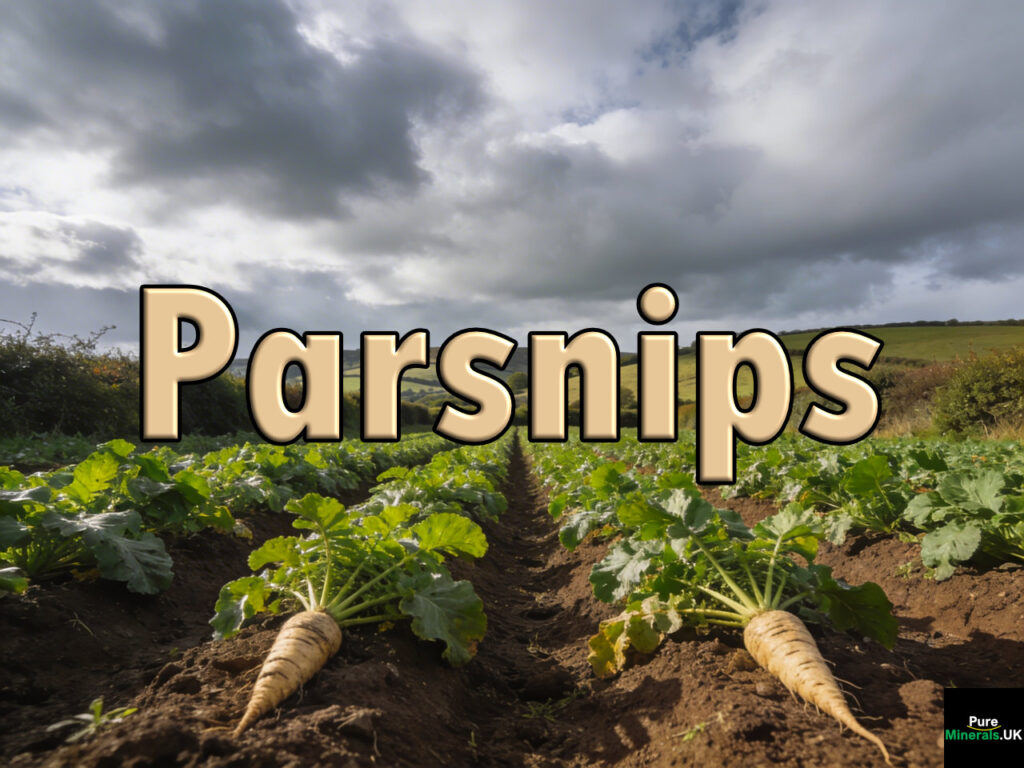
What Are Parsnips?
Parsnips are the edible taproots of Pastinaca sativa, a root vegetable cultivated for its sweet flavor and high carbohydrate content. They are valued as a starchy vegetable providing dietary fiber, vitamins, minerals, and plant-derived compounds.
Definition
Parsnips are the edible taproots of Pastinaca sativa, a cultivated member of the Apiaceae family consumed as a root vegetable. The Netherlands, France, Germany, and Spain are the biggest exporters of parsnips.
Extended Definition
Parsnips belong to the Apiaceae family, which includes carrots, celery, parsley, and fennel. The plant develops a thickened taproot that serves as a storage organ for carbohydrates, particularly in the form of starches and sugars.
As parsnips mature, especially after exposure to cold conditions, some of their starch content is converted into sugars, contributing to their characteristic sweet flavor.
Nutritionally, parsnips provide complex carbohydrates, dietary fiber, vitamin C, folate, potassium, and small amounts of vitamin E. These nutrients support normal metabolic processes, digestive function, and electrolyte balance.
Parsnips also contain polyphenols and flavonoids, which function as part of the plant’s natural defense mechanisms. Additionally, they contain furanocoumarins, naturally occurring compounds found in several Apiaceae plants that contribute to plant protection.
The vegetable has a relatively higher energy density compared with non-starchy vegetables due to its carbohydrate content. It is commonly used in cooked preparations such as roasting, boiling, mashing, and soups.
Parsnips are typically harvested after the first frost in cooler climates, which enhances their sweetness and flavor.
Key Facts
Botanical name: Pastinaca sativa
Plant family: Apiaceae
Common classification: Starchy root vegetable
Origin: Europe and Western Asia
Edible part: Taproot
Typical color: Creamy white
Primary nutrients: Carbohydrates, fiber, vitamin C, folate, potassium
Key phytonutrients: Polyphenols, flavonoids, furanocoumarins
Energy density: Moderate
Notable compounds: Furanocoumarins (plant defense compounds)
Culinary uses: Roasting, mashing, soups, stews, and purees
At A Glance
- Parsnips deliver impressive nutrition — one cup of raw parsnips provides about 23mg of vitamin C (roughly 26% of your daily recommended intake), plus fiber, potassium, folate, and magnesium.
- Their fiber content is a standout feature — with 5 to 7 grams of fiber per serving, parsnips help regulate digestion and slow down sugar absorption despite having a glycemic index of 52.
- Not all parsnips are safe to eat — wild parsnips contain high levels of furanocoumarin compounds that can be hazardous, making it critical to know the difference before foraging.
- Parsnips have fewer carbs than potatoes but more fiber, making them a smart swap for people watching their carbohydrate intake without sacrificing nutrients.
- From roasting to ricing, parsnips are surprisingly versatile — keep reading to discover the best ways to cook them and unlock their natural sweetness.
Parsnips: More Than Just a Pale Carrot
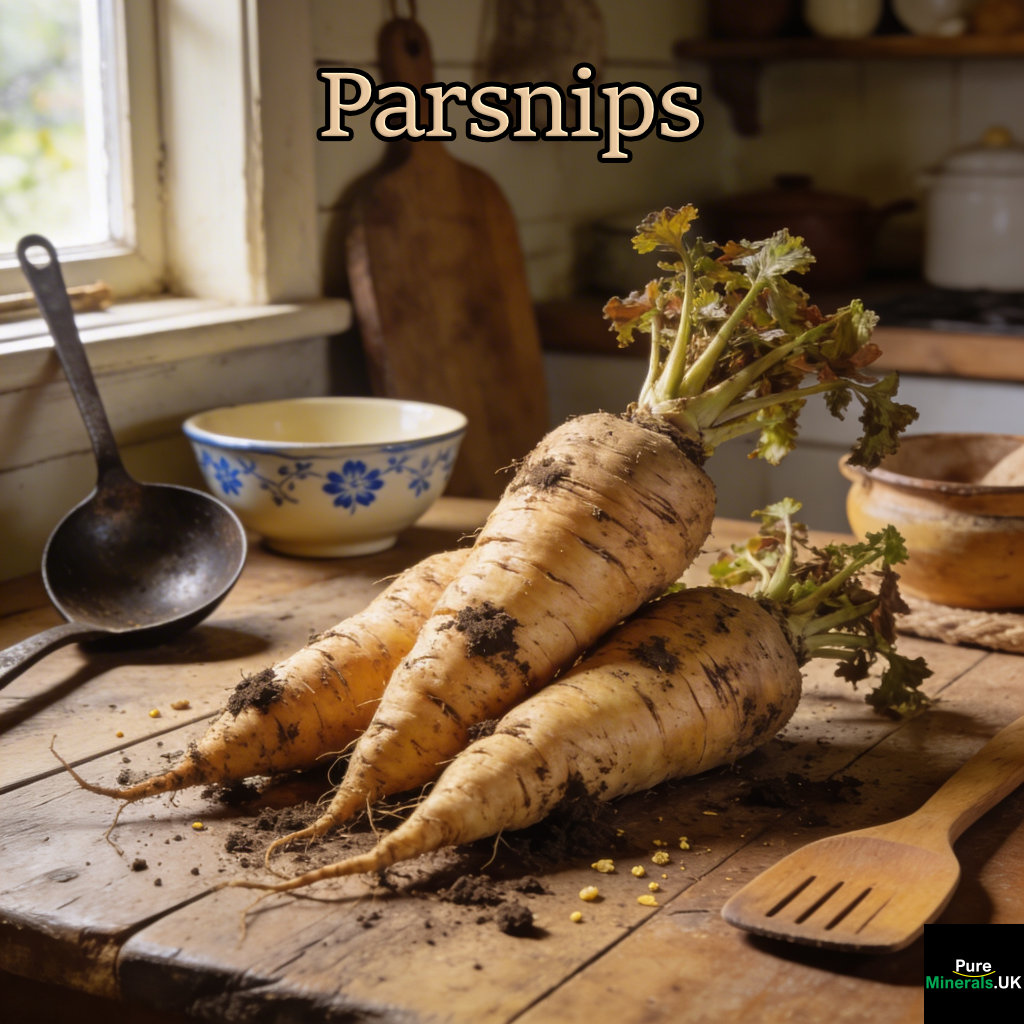
Parsnips are one of the most underrated root vegetables in the produce aisle — and once you understand what they bring to the table nutritionally, that’s hard to justify.
At first glance, a parsnip looks like a white carrot. That’s not far off — both belong to the same plant family, and parsnips are actually a cultivated subspecies of Pastinaca sativa, a wild plant native to Europe and Central Asia. But where carrots lean sweet, parsnips bring something more complex: a nutty, earthy flavor with a hint of spice that deepens when cooked. Their color ranges from white to cream to pale yellow, and their sweetness intensifies noticeably after the first frost, which is why they’re considered peak produce from late fall through early spring.
For anyone looking to expand their vegetable rotation or boost nutrient density in their meals, parsnips deserve serious attention. Resources like nutrition guides have highlighted parsnips as a genuinely nutrient-rich option that goes far beyond their humble appearance.
Nutritional Profile of Parsnips
Parsnips pack a meaningful mix of macronutrients and micronutrients into a relatively low-calorie package. Whether you’re eating them raw or cooked, they consistently deliver fiber, vitamins, and minerals that contribute to a well-rounded diet.
Calories, Protein, Fat, and Carbohydrates in Raw Parsnips
A half-cup serving of raw, sliced parsnip contains approximately 100 calories, 2 grams of protein, 0 grams of fat, 24 grams of carbohydrates, 7 grams of fiber, 6 grams of sugar, and just 13 milligrams of sodium. That fiber-to-carb ratio is worth noting — 7 grams of fiber out of 24 grams of total carbs means a significant portion of those carbs won’t spike your blood sugar the way refined carbohydrates do.
Compared to a similarly sized serving of potato, parsnips come in with fewer total carbs and more fiber, which makes them a smarter option for people managing blood sugar or following lower-carb eating patterns.
Vitamins Found in Parsnips
Parsnips are particularly rich in vitamin C and folate. One full cup of raw parsnips delivers roughly 23 milligrams of vitamin C — that’s approximately 26% of the daily recommended intake. Even after boiling (without salt), parsnips retain about 20 milligrams of vitamin C, or around 22% of the daily recommended intake, so cooking doesn’t eliminate this benefit.
Beyond vitamin C, parsnips also contain:
- Folate (Vitamin B9) — important for cell division and DNA synthesis
- Niacin (Vitamin B3) — supports energy metabolism
- Riboflavin (Vitamin B2) — involved in red blood cell production
- Vitamin K — essential for blood clotting and bone health
Minerals Found in Parsnips
The mineral content in parsnips supports several critical body functions, from heart health to bone strength. Key minerals include:
- Potassium — helps regulate blood pressure and supports heart function
- Magnesium — involved in over 300 enzymatic reactions in the body
- Calcium — contributes to bone density and muscle function
- Iron — necessary for oxygen transport in red blood cells
Plant Compounds in Parsnips
Beyond vitamins and minerals, parsnips contain naturally occurring plant compounds that contribute to their health profile in ways that go deeper than basic nutrition labels show.
Antioxidants and Their Role in Cell Protection
Parsnips contain antioxidants — compounds that neutralize free radicals in the body. Free radicals are unstable molecules that, when left unchecked, can damage cells and contribute to chronic disease over time. By incorporating antioxidant-rich foods like parsnips into your regular diet, you’re giving your body a steady supply of protective compounds.
The vitamin C in parsnips acts as a powerful antioxidant, supporting immune function while also supporting collagen synthesis and iron absorption.
Furanocoumarin Compounds: Wild vs. Cultivated Parsnips
This is one of the most important distinctions to understand about parsnips. Wild parsnips contain significantly higher concentrations of furanocoumarin compounds in their stems and sap compared to cultivated varieties. These compounds can be hazardous, causing skin reactions, blistering, and photosensitivity when there’s contact with the plant followed by sun exposure. Cultivated parsnips sold in grocery stores are safe to eat, but foraging wild parsnips is strongly discouraged unless you have expert-level plant identification skills.
Carbohydrates in Parsnips
Carbohydrates in parsnips are often misunderstood. Yes, they’re a starchy root vegetable — but the type and quality of those carbs matter far more than the raw number on a nutrition label.
Glycemic Index of Parsnips
Parsnips have a glycemic index (GI) of 52, which places them in the moderate GI range. The glycemic index measures how quickly a food raises blood sugar on a scale from 0 to 100. Foods with a GI under 55 are generally considered low-to-moderate, meaning they cause a slower, more gradual rise in blood sugar compared to high-GI foods like white bread or instant rice.
What makes parsnips particularly interesting is that despite their moderate GI, their high fiber content significantly blunts the blood sugar response. The fiber physically slows down sugar absorption in the digestive tract, meaning the glucose from parsnips enters your bloodstream more gradually than the GI number alone would suggest. For similar benefits, you might also consider incorporating jicama into your diet.
Glycemic Index Reference Guide
GI Category
GI Range
Examples
Low GI
0 – 55
Parsnips (52), lentils, most fruits
Moderate GI
56 – 69
Brown rice, oatmeal, sweet potato
High GI
70+
White bread, instant rice, baked potato
Fiber Content and Blood Sugar Regulation
One serving of parsnips provides about 21% of the daily recommended fiber intake for women and around 13% for men. That’s significant. Dietary fiber doesn’t just support digestion — it actively slows the rate at which sugar is absorbed into the bloodstream, which helps prevent the sharp glucose spikes that can follow a high-carb meal. For parsnips specifically, this means their moderate glycemic index of 52 is further softened by their fiber content, making them a more blood-sugar-friendly option than many other starchy vegetables.
How Parsnips Compare to Potatoes for Carb Content
Parsnips contain fewer total carbohydrates than white potatoes while delivering more fiber per serving. A half-cup of raw parsnips has 24 grams of carbs and 7 grams of fiber, whereas a comparable serving of white potato comes in with more total carbs and significantly less fiber. If you’re looking for a root vegetable that satisfies the same craving as a potato but with a better nutrient-to-carb ratio, parsnips are worth the swap — especially roasted, where their natural sugars caramelize and make them taste almost indulgent.
Health Benefits of Parsnips
The nutritional makeup of parsnips translates directly into real, measurable health benefits. These aren’t vague wellness claims — they’re backed by the specific vitamins, minerals, and fiber compounds found in each serving.
Vitamin C and Immune System Support
Vitamin C is one of parsnips’ most notable nutrients, and its role in immune function is well-established. It stimulates the production and activity of white blood cells, which are the body’s primary defense against infection. One cup of raw parsnips delivers approximately 23 milligrams of vitamin C — about 26% of the daily recommended intake — making it a meaningful contributor to your daily immune support without needing a supplement.
Vitamin C in parsnips also works as an antioxidant, helping to reduce oxidative stress at the cellular level. Even cooked parsnips retain a substantial amount — around 20 milligrams per cup when boiled — so you don’t have to eat them raw to get the benefit. For those exploring diverse vegetables, consider adding jicama to your diet as well.
Fiber and Digestive Health
With 5 to 7 grams of fiber per serving, parsnips are a genuinely strong source of dietary fiber. Fiber is what keeps the digestive system moving efficiently — it adds bulk to stool, supports healthy bowel movements, and feeds the beneficial bacteria in your gut microbiome. Regular fiber intake is consistently linked to a lower risk of constipation, improved gut health, and reduced risk of colorectal issues over time. Adding parsnips to your weekly meals is one of the simplest ways to meaningfully increase your fiber intake without relying on supplements or processed high-fiber products like kohlrabi.
Potassium and Cardiovascular Health
Parsnips are a solid source of potassium, a mineral that plays a direct role in keeping your heart healthy. Potassium helps regulate blood pressure by counteracting the effects of sodium in the body — essentially helping your blood vessels relax and reducing strain on the heart. According to WebMD, this mineral also lowers your risk for kidney stones, making parsnips a doubly beneficial food for anyone focused on long-term cardiovascular and kidney health.
Most people don’t get enough potassium from their diet. Adding parsnips to soups, stews, or roasted vegetable medleys is a practical, food-first way to close that nutritional gap without overhauling your entire diet.
Culinary Uses of Parsnips
Parsnips are far more versatile in the kitchen than most people give them credit for. Their earthy sweetness holds up well to high heat, blends smoothly when pureed, and absorbs surrounding flavors when slow-cooked, which makes them adaptable across a wide range of cooking styles and cuisines.
How to Select and Store Parsnips
When shopping, look for parsnips that are firm, relatively smooth, and free of deep blemishes or shriveled skin. A few minor surface spots are fine, but avoid any that look dried out or excessively soft. Smaller to medium-sized parsnips tend to be sweeter and less fibrous than very large ones, which can have a woodier core. At home, store them unwashed in the refrigerator — they’ll keep well for one to two weeks and actually continue to develop sweetness in cold storage. If you’re interested in exploring other vegetables, consider trying kohlrabi, which can also be a delightful addition to your meals.
Best Cooking Methods for Parsnips
Roasting is the most popular method for a reason — high oven heat caramelizes the natural sugars in parsnips, producing a deeply sweet, slightly crispy result that’s hard to beat. Beyond roasting, parsnips can be:
- Mashed — blended with butter or olive oil as a lower-carb alternative to mashed potatoes
- Riced — grated raw and lightly sautéed as a grain-free rice substitute
- Spiralized into noodles — used in place of pasta with light sauces
- Added to soups and stews — where they soften and add body and sweetness to broths
- Baked — thinly sliced, seasoned, and baked until crisp for a nutritious snack
- Fried — thickly sliced and fried in beef tallow as a potato substitute
Flavor Pairings That Work Well With Parsnips
Parsnips pair naturally with warm spices like cumin, coriander, and nutmeg. They also work beautifully alongside apples, honey, ginger, and fresh herbs like thyme and rosemary. In savory dishes, parsnips complement chicken, lamb, and lentils particularly well. Their mild bitterness balances sweet glazes, and their starchy texture provides contrast in lighter dishes built around leafy greens or citrus-based dressings.
Parsnip Recipes to Try at Home
The best way to get comfortable with parsnips is to start cooking them — and these four recipes cover the full range of what this vegetable can do, from simple weeknight sides to a showstopping baked dessert.
Baked Parsnip Chips

Baked parsnip chips are one of the easiest snacks you can make with this vegetable, and they’re genuinely satisfying. Peel and slice parsnips as thinly and evenly as possible — a mandoline slicer works best for consistent thickness. Toss the slices in a light coating of olive oil, season with sea salt and smoked paprika, and spread them in a single layer on a parchment-lined baking sheet. Bake at 375°F for 20 to 25 minutes, flipping halfway through, until golden and crisp. Watch them closely in the final few minutes — they can go from perfectly crispy to burnt quickly due to their natural sugar content.
Honey-Roasted Parsnips

This is the recipe that converts parsnip skeptics. Cut parsnips into even batons, toss them with olive oil, a drizzle of honey, fresh thyme, and a pinch of salt, then roast at 400°F for 25 to 30 minutes until caramelized at the edges. The honey amplifies the parsnip’s natural sweetness while the high heat creates crispy edges and a tender interior. It’s an ideal side dish for roasted chicken or lamb, and it takes less than 35 minutes from prep to plate.
Parsnip and Potato Gratin

Layering thinly sliced parsnips with potato in a cream-based gratin is one of the most satisfying ways to combine the two vegetables. The parsnip adds a subtle nuttiness and slight sweetness that cuts through the richness of the cream, giving the dish more complexity than a standard potato gratin.
Layer alternating slices of parsnip and potato in a buttered baking dish, pour over a mixture of heavy cream, garlic, and grated Gruyère, then bake covered at 350°F for 45 minutes before uncovering for a final 15 minutes to brown the top. The result is deeply comforting and far more interesting than a standard potato gratin.
Apple and Parsnip Bundt Cake

If you’ve never baked with parsnips, this recipe is the best introduction. Much like carrot cake, grated parsnip adds moisture, subtle sweetness, and a tender crumb to baked goods without making them taste like a vegetable dish. Combine grated parsnip with diced apple, warm spices like cinnamon and nutmeg, brown sugar, eggs, oil, and flour, then bake in a greased bundt pan at 350°F for 50 to 55 minutes. Finish with a simple vanilla glaze or cream cheese frosting. It’s an unexpected dessert that consistently impresses — and it’s a genuinely clever way to add nutrients to something people already love eating. For more unique vegetables, explore kohlrabi and its culinary uses.
Parsnips Are a Nutrient-Dense Root Vegetable Worth Adding to Your Diet
Parsnips deliver a remarkable combination of vitamin C, potassium, folate, fiber, and protective plant compounds in every serving — all in a vegetable that’s widely available, affordable, and incredibly versatile in the kitchen. Whether you roast them as a side dish, blend them into soups, or bake them into a bundt cake, the nutritional payoff is consistent. They offer more fiber than many comparable root vegetables, support immune function, cardiovascular health, and digestion, and provide a more balanced carbohydrate profile than white potatoes. For anyone looking to eat more nutrient-dense whole foods without complicating their grocery list, parsnips are one of the simplest upgrades you can make.
Important note: Parsnips
Parsnips are widely recognized as safe when consumed as a food. The plant contains naturally occurring compounds that can cause skin sensitivity in some individuals when handling the raw plant. This article is provided for educational purposes only and does not constitute medical advice. Individuals with specific dietary concerns should consult a qualified healthcare professional before making significant dietary changes.
Frequently Asked Questions
Are Parsnips Healthier Than Carrots?
Parsnips and carrots are close relatives, and both are highly nutritious, but they have different strengths. Parsnips contain more fiber and folate per serving than carrots, while carrots are richer in beta-carotene — the compound the body converts into vitamin A. Neither is objectively “healthier.” The better answer is that eating both gives you a broader spectrum of nutrients than relying on either one alone. If fiber and blood sugar management are your priorities, parsnips have a slight edge. If you’re focused on vitamin A intake, carrots win that category.
Can You Eat Parsnips Raw?
Yes, parsnips can be eaten raw. They have a crisp texture similar to a carrot and a flavor that’s earthy, mildly sweet, and slightly spicy when uncooked. Raw parsnips work well grated into slaws, thinly sliced into salads, or cut into sticks for dipping.
That said, cooking parsnips — particularly roasting — brings out a deeper sweetness and softens the texture significantly, which most people prefer. Raw parsnips retain slightly more vitamin C than cooked versions, but both preparations offer strong nutritional value. It comes down to personal taste and how you’re planning to use them in a meal.
Do Parsnips Raise Blood Sugar?
Parsnips have a glycemic index of 52, which places them in the low-to-moderate range. More importantly, their high fiber content — 5 to 7 grams per serving — slows down the rate at which sugar is absorbed into the bloodstream, meaning they’re unlikely to cause sharp blood sugar spikes. People managing diabetes or insulin resistance should still be mindful of portion sizes, but parsnips are generally considered a blood-sugar-friendly root vegetable when eaten as part of a balanced meal that includes protein and healthy fats.
What Do Parsnips Taste Like?
Parsnips taste like a more complex version of a carrot — earthy, mildly sweet, slightly nutty, and with a faint spicy undertone. Their sweetness intensifies noticeably after exposure to cold temperatures, which is why parsnips harvested after the first frost taste sweeter than those picked earlier in the season. When roasted, the natural sugars caramelize, and the flavor deepens into something almost rich and buttery. When raw, the taste is sharper and more peppery. Most people who try roasted parsnips for the first time are surprised by how sweet and satisfying they are.
Are Wild Parsnips Safe to Eat?
No — wild parsnips are not safe to handle or eat without significant caution. Wild parsnip (Pastinaca sativa) looks nearly identical to the cultivated variety sold in grocery stores, but it contains much higher concentrations of furanocoumarin compounds in its sap, stems, and leaves. These compounds become activated by sunlight and can cause severe skin reactions — including painful blistering, redness, and long-lasting skin discoloration — simply from contact with the plant in outdoor conditions.
Ingesting wild parsnip carries additional risks, and even experienced foragers treat it with extreme caution. The safest and most practical approach is to simply buy cultivated parsnips from a grocery store or farmers’ market. Cultivated varieties have been selectively grown to contain far lower levels of these compounds, making them completely safe to handle, cook, and eat.
If you encounter a plant in the wild that resembles a parsnip, do not touch it with bare skin and do not attempt to harvest it unless you have confirmed identification from an expert botanist. The visual similarity between wild and cultivated parsnips is close enough that even knowledgeable plant enthusiasts make identification errors. For example, some plants, such as leeks, may also share a visual resemblance to parsnips.
Beyond the furanocoumarin risk, wild parsnips have also spread aggressively across roadsides and disturbed land throughout North America and are considered an invasive species in many regions. This is another strong reason to leave them alone in the wild and source your parsnips through conventional food channels instead.
For anyone passionate about getting the most from nutrient-rich whole foods like parsnips, exploring trusted nutrition resources can help you make smarter, more informed choices every day at the table.