

Published: 18 March 2026
This article is periodically reviewed and updated to reflect current scientific understanding by Vic George.
Fact-Checked: 2 other authoritative medical/scientific references. See our Editorial Policy.
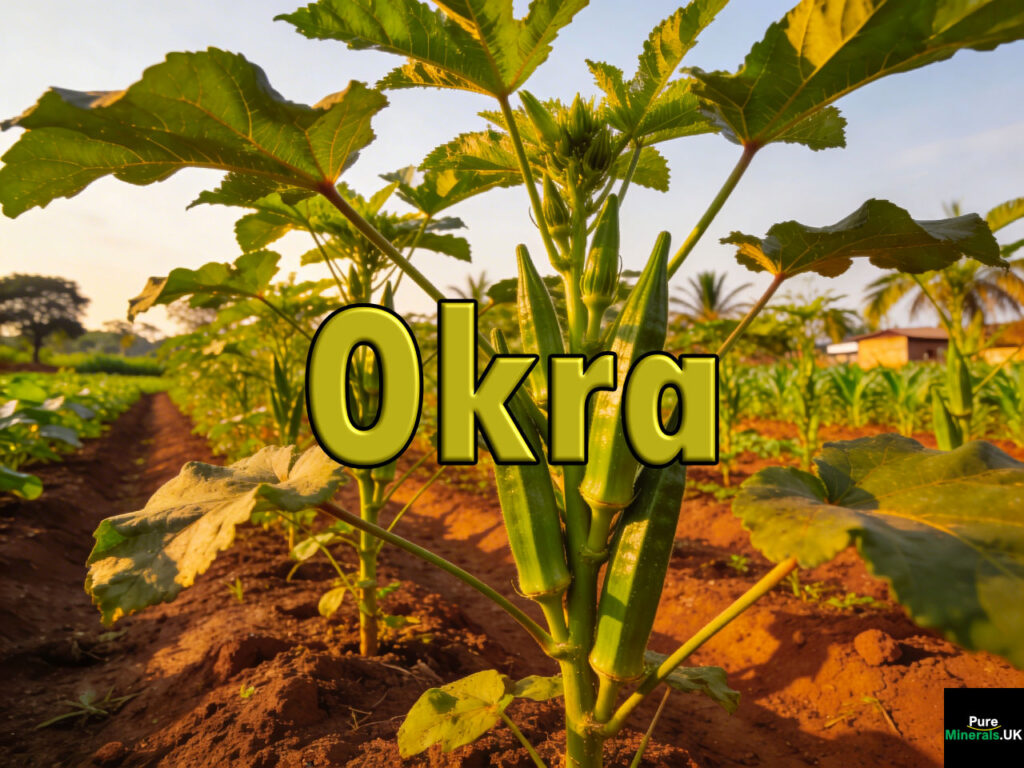
What Is Okra?
Okra is the edible seed pod of Abelmoschus esculentus, a flowering plant cultivated for its fibrous pods and characteristic mucilaginous texture. It is widely used as a vegetable in tropical and subtropical cuisines and provides dietary fiber, vitamins, minerals, and plant-derived compounds.
Definition
Okra is the immature edible pod of Abelmoschus esculentus, a member of the Malvaceae family, consumed as a vegetable. India is the world’s largest commercial okra producer, contributing roughly 60–70% of global production, followed by Nigeria. Other large commercial producers include Sudan, Pakistan, and Ghana. In the United States, commercial production is concentrated in southern states, particularly Georgia and South Carolina.
Extended Definition
Okra belongs to the Malvaceae family, which also includes hibiscus and cotton. The plant produces long, green, or red tapering pods, roughly 2–4 inches long when tender. Inside, they contain numerous small, edible white seeds, which are harvested while still immature to preserve tenderness.
A defining feature of okra is its mucilage, a viscous, gel-like substance composed primarily of soluble fiber polysaccharides. This mucilage contributes to the vegetable’s characteristic texture and plays a role in plant hydration and protection. When sliced and cooked, okra releases the sticky juice, which acts as a thickening agent.
Nutritionally, okra provides dietary fiber, vitamin C, vitamin K, folate, magnesium, and potassium. Fiber content includes both soluble and insoluble forms, which contribute to digestive processes.
Okra also contains polyphenols, flavonoids, and carotenoids, which function as part of the plant’s natural defense systems and contribute to its biochemical profile.
The seeds within the pod provide additional nutrients, including small amounts of protein and healthy fats.
Okra is widely used in culinary traditions worldwide, including African, Middle Eastern, Indian, and Southern United States cuisines. It can be prepared by frying, boiling, stewing, or roasting, and is often used as a thickener in soups and stews because of its mucilage.
Key Facts
Botanical name: Abelmoschus esculentus
Plant family: Malvaceae
Common classification: Fruit, vegetable (seed pod)
Origin: Africa, particularly Ethiopia and surrounding regions
Edible part: Immature seed pods
Typical color: Green (most common), also red varieties
Primary nutrients: Fiber, vitamin C, vitamin K, folate, magnesium, potassium
Key phytonutrients: Polyphenols, flavonoids, carotenoids
Energy density: Low
Notable compounds: Mucilage (soluble fiber polysaccharides)
Culinary uses: Stews, soups, frying, roasting, and thickening dishes
Article At A Glance
- One cup (100g) of raw okra delivers fiber, protein, folate, magnesium, and vitamins C, K1, and A — making it one of the most nutrient-dense vegetables you can add to your diet.
- Okra’s signature sliminess comes from mucilage, a gel-like substance that’s actually beneficial for cholesterol management and digestive health.
- Research suggests okra may support blood sugar regulation in people with prediabetes and type 2 diabetes, backed by systematic reviews of clinical evidence.
- Okra contains lectin, a protein studied for its potential to inhibit human cancer cell growth — though more human trials are still needed.
- Keep reading to discover the specific cooking techniques that eliminate the slime factor, plus three easy recipes that make okra genuinely delicious.
Okra is one of those vegetables that most people walk past at the grocery store — and that’s a mistake worth correcting.
Also known as lady’s finger, okra is a flowering plant whose seed pods are eaten as a vegetable in cuisines across Southern America, Africa, and South Asia. It comes in both red and green varieties, though the red turns green when cooked, and both taste identical. Biologically, okra is classified as a fruit — but in the kitchen, it’s treated like a vegetable. Health-conscious cooks and nutrition researchers alike have taken a serious interest in what this humble pod brings to the table.
Okra Is More Nutritious Than Most People Realize

The reputation okra has for being slimy or difficult to cook has long overshadowed what it actually offers nutritionally. Strip that away, and you’re looking at a vegetable that punches well above its weight — low in calories, high in micronutrients, and uniquely rich in compounds that most other vegetables simply don’t contain.
Okra Nutritional Snapshot: 1 Cup (100g) Raw
🟢 Calories: ~33 kcal | Carbs: 7g | Protein: 2g | Fiber: 3.2g | Fat: 0.2g
🟢 Vitamin C: 23mg (~26% DV) | Vitamin K1: 31.3mcg (~26% DV)
🟢 Folate: 60mcg (~15% DV) | Magnesium: 57mg (~14% DV)
🟢 Vitamin A: 36mcg | Calcium: 82mg | Potassium: 299mg
Source: Healthline / USDA-aligned nutritional data
What stands out immediately is the protein content. Most vegetables contribute negligible protein, but okra provides a meaningful amount — enough that it’s considered somewhat unique in the plant food world. Combined with its fiber content, okra helps you feel fuller for longer and supports a more balanced blood sugar response after meals, similar to the benefits of jicama.
Okra’s Nutritional Profile: What’s Actually Inside
Understanding okra’s nutritional makeup helps explain why so many traditional cultures have relied on it for centuries. It’s not a superfood in the buzzword sense — it’s just genuinely well-rounded in nutrients that matter for everyday health.
Here’s what makes okra’s nutritional profile stand out from the average vegetable:
- Vitamins C and K1 — both present in significant amounts, supporting immunity and blood clotting, respectively
- Folate — critical for DNA synthesis and especially important during pregnancy
- Magnesium — supports muscle function, nerve signaling, and energy metabolism
- Antioxidants — including polyphenols, flavonoids, and isoquercetin
- Mucilage — a unique gel-like fiber with cholesterol-binding properties
- Lectin — a protein with emerging research into cancer cell inhibition
Each of these compounds plays a distinct role in your body, and together they make a compelling case for adding okra to your regular rotation.
Vitamins C and K: Immune and Blood Health
Vitamin C in okra supports your immune system at a fundamental level. It’s a water-soluble nutrient that your body can’t produce on its own, which means you need regular dietary sources. Okra delivers roughly 26% of your daily value per cup. Vitamin K1, meanwhile, is fat-soluble and essential for proper blood clotting. Getting enough vitamin K1 from foods like okra is one of the more straightforward ways to keep those pathways functioning correctly.
Folate and Magnesium: Essential for Daily Function
Folate is one of the B vitamins, and its role in supporting healthy pregnancies is well-established — it’s critical for neural tube development in early fetal growth. But folate isn’t just for pregnancy. It plays an ongoing role in DNA repair and red blood cell production throughout life.
Magnesium is quietly one of the most important minerals in the human body, involved in over 300 enzymatic reactions. Despite that, many people don’t get enough of it. Okra contributes about 14% of your daily value per cup, making it a useful addition to a magnesium-conscious diet.
Protein and Fiber: Rare for a Vegetable
Two grams of protein per cup might not sound like much, but in the vegetable world, that’s notable. Most non-starchy vegetables contribute almost no protein. Combined with over 3 grams of fiber, okra creates a genuinely satisfying eating experience — one that supports satiety, gut health, and stable energy levels throughout the day.
The Health Benefits Backed by Science
The nutritional data alone make a case for okra, but the research into its specific health effects goes even further. Several peer-reviewed studies and systematic reviews have examined okra’s impact on blood sugar, heart health, and even cancer cell behavior.
Blood Sugar Regulation
A systematic review and meta-analysis published by Mokgalaboni et al. (2023) examined clinical evidence across multiple trials and found that okra demonstrated meaningful effects on glycemic control in both pre-diabetic and type 2 diabetic patients. The mechanism is largely attributed to okra’s mucilage and fiber content, which slows glucose absorption in the digestive tract. This makes okra a particularly smart addition to meals where blood sugar management matters.
Heart Disease Risk Reduction
Elevated cholesterol is one of the most well-documented risk factors for cardiovascular disease. Okra’s mucilage has been shown to bind to cholesterol during digestion, preventing it from being absorbed into the bloodstream and instead moving it out through the stool. A study published in the journal Nutrients (PMC8399980) confirmed this cholesterol-binding mechanism, adding scientific weight to what traditional medicine practitioners have long observed about okra’s role in heart health.
Beyond mucilage, okra’s polyphenol content adds another layer of cardiovascular protection. Research published in a 2019 study (PMID 31333108) found that polyphenols may help prevent both heart disease and stroke, further reinforcing okra’s value as a heart-protective food.
Brain Health and Polyphenols
The main antioxidants in okra — polyphenols including flavonoids and isoquercetin — have been studied for their neuroprotective potential. Polyphenols help reduce oxidative stress in the brain, which is increasingly linked to cognitive decline and neurological conditions. While more targeted human research is required on okra, the polyphenol compounds it contains are among the most studied plant-based compounds in brain health research.
Potential Anticancer Properties
Okra contains a protein called lectin, which has been studied for its ability to inhibit the growth of human cancer cells. Test-tube research has shown that okra extract may prevent cancer cell growth by up to 63%, and a separate study in metastatic mouse melanoma cells found that okra extract triggered cancer cell death. These findings are promising, though it’s important to note that these studies were conducted in laboratory settings — not in human clinical trials. More research is needed before drawing definitive conclusions.
What Is Mucilage and Why Does Okra Get Slimy
If you’ve ever cooked okra and ended up with something that resembled a bowl of slippery gel, you’ve experienced mucilage firsthand. It’s the defining characteristic that polarizes okra lovers and skeptics alike — but understanding what it actually is changes the conversation entirely. Interestingly, other vegetables like fiddlehead ferns also have unique textures that can be intriguing to explore.
Mucilage is a thick, gel-like polysaccharide substance produced naturally inside the okra pod. It’s not a sign of spoilage or poor quality. It’s a bioactive compound with real health value — and one that can be managed effectively with the right cooking techniques, similar to how endive can be prepared.
The Science Behind the Slime
- Mucilage is a complex carbohydrate made up of sugar residues, including galactose, rhamnose, and galacturonic acid
- It becomes viscous and gel-like when it contacts water or heat
- The more okra is cut and exposed to moisture, the more mucilage is released
- Acidic environments — like tomato-based sauces — break down mucilage and significantly reduce sliminess
- High-heat, dry cooking methods prevent mucilage from activating fully
A 2021 review by Dantas et al. identified okra mucilage as a functional food component with significant technological and health applications — meaning it’s being studied not just for its effects in the body, but also for potential uses in food manufacturing and pharmaceutical formulations.
The key takeaway is that the slime people try to avoid is actually the most bioactive part of the vegetable. Binding cholesterol, slowing glucose absorption, and supporting digestive health are all functions tied directly to mucilage.
Why Mucilage Is Actually Good for You
Think of mucilage as a soluble fiber that works like a sponge in your digestive tract. It slows the movement of food through your gut, giving your body more time to absorb nutrients while simultaneously trapping cholesterol molecules and escorting them out of your system. For anyone managing blood sugar or cardiovascular risk, this is a meaningful functional benefit — not just a culinary inconvenience to work around.
How to Reduce Sliminess When Cooking
The good news is that reducing okra’s sliminess is entirely manageable once you know the rules. Cook okra at high heat, keep the pods as whole as possible for as long as possible, and never crowd your pan — overcrowding drops the temperature and triggers steaming instead of searing, which releases more mucilage. Adding okra to an acidic base like tomatoes neutralizes the gel. Pickling is another effective method. Roasting in a dry oven or grilling until slightly charred are two of the most reliable paths to okra that is tender, flavorful, and completely slime-free.
How Okra Is Used Around the World
Okra has deep culinary roots across multiple continents. Its versatility in both wet and dry cooking methods has made it a staple in cuisines that otherwise share very little in common. It tastes mild and slightly grassy, often described as similar to eggplant or green beans.
Southern American Cuisine and Gumbo
In the American South, okra is most famously associated with gumbo — the rich, slow-cooked stew that is practically the emblem of Louisiana cooking. In this context, okra’s mucilage is not something to fight against. It’s a feature. The gel thickens the stew naturally, eliminating the need for as much roux and giving gumbo its characteristic body and texture. For a different twist, you might consider adding mustard greens to your gumbo for an extra layer of flavor.
Beyond gumbo, Southern cooking uses okra fried, pickled, and stewed. Fried okra — sliced into rounds, coated in seasoned cornmeal, and pan-fried — is one of the most popular preparations, and it’s one where the sliminess completely disappears in favor of a crispy, savory bite. If you’re interested in other unique vegetables, you might want to explore kohlrabi as well.
African and South Asian Cooking Traditions
Okra is believed to have originated in Africa, and it remains central to the cuisines of countries like Ethiopia, Nigeria, and Egypt. In West African cooking, okra is often used in soups and stews where its thickening properties are considered essential rather than something to avoid. In South Asia — particularly in India — okra is known as bhindi and is prepared as a dry stir-fry with spices like cumin, turmeric, and coriander, where high-heat cooking keeps the texture firm and non-sticky.
Okra Around the World: At a Glance
🇺🇸 American South — Gumbo, fried okra, pickled okra
🇳🇬 Nigeria / West Africa — Okra soup, used as a natural thickener
🇪🇹 Ethiopia — Slow-cooked stews with spiced butter and legumes
🇮🇳 India — Bhindi masala, dry stir-fried with aromatic spices
🇪🇬 Egypt / Middle East — Bamia, a tomato-based okra and lamb stew
What these traditions share is an intuitive understanding of how okra behaves in different cooking environments. Cultures that use okra in wet dishes lean into the mucilage. Cultures that prefer a cleaner texture cook it hot and dry. Both approaches work — they’re just solving different culinary problems.
The global reach of okra also reflects how nutrient-dense, affordable, and adaptable it is as a crop. It thrives in hot climates, stores reasonably well, and integrates into almost every flavor profile from savory and spiced to tangy and herbaceous.
Simple Okra Recipes to Try at Home
The best way to overcome any hesitation about okra is to cook it yourself using a method that plays to its strengths. These three recipes are straightforward, use accessible ingredients, and each one tackles the texture question differently — so you can find what works for your palate.
Before you start, here’s what to look for when buying okra at the store:
- Choose pods that are bright green, firm, and smooth — avoid any with soft spots or browning tips
- Smaller pods (under 4 inches) tend to be more tender and less fibrous
- Store unwashed okra in the refrigerator in a paper bag for up to four days
- Wash and dry okra thoroughly right before cooking — excess moisture increases sliminess
Each recipe below uses a different technique — dry roasting, wet stewing, and high-heat stir-frying — so you get a clear picture of okra’s full culinary range.
Roasted Okra with Garlic and Olive Oil
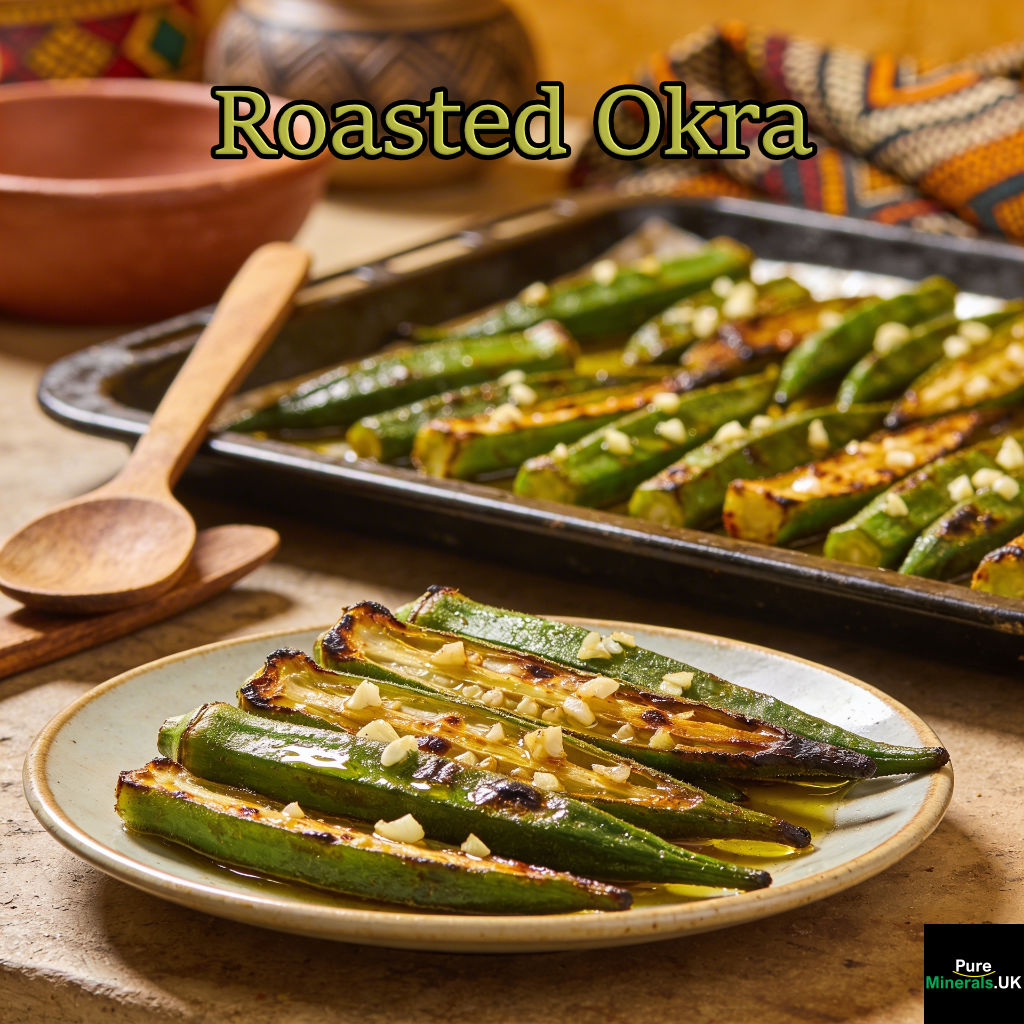
This is the easiest entry point for okra skeptics. Roasting at high heat in a dry oven evaporates moisture before mucilage can form, leaving you with pods that are tender inside with slightly crisp, caramelized edges.
Ingredients: 400g whole okra pods, 3 tablespoons olive oil, 3 cloves garlic (minced), ½ teaspoon sea salt, ¼ teaspoon black pepper, optional pinch of smoked paprika.
Method: Preheat your oven to 220°C (425°F). Wash and completely dry the okra pods, then toss them whole with olive oil, garlic, salt, and pepper. Spread in a single layer on a baking sheet — do not overlap. Roast for 15 to 20 minutes, turning once halfway through, until the pods are lightly charred at the tips. Serve immediately as a side dish or with a squeeze of lemon juice.
Classic Southern Okra Gumbo

Famous in gumbo, okra is also fried, stewed, sautéed, grilled, or pickled. In Southern cuisine, gumbo is a heavily seasoned, slow-simmered stew that serves as the official state cuisine of Louisiana. It is a ‘melting pot’ dish, blending West African, French, Spanish, and Native American culinary traditions into a single dish.
Classic Southern Okra Gumbo — Ingredients at a Glance
🧅 400g okra, sliced into rounds
🍗 300g andouille sausage or smoked chicken, sliced
🍅 1 can (400g) diced tomatoes
🧄 1 medium onion, 3 celery stalks, 1 green bell pepper (the “holy trinity”)
🧄 4 cloves garlic, minced
🍲 1 litre chicken or vegetable stock
☀️ Spices: smoked paprika, thyme, cayenne, bay leaves, salt and pepper
🌿 3 tablespoons oil + 3 tablespoons plain flour (for the roux)
Start by making a dark roux — this is the flavor backbone of any good gumbo. Heat oil in a heavy-bottomed pot over medium heat, whisk in the flour, and stir continuously for 10 to 15 minutes until it turns a deep amber-brown color. Do not rush this step. A pale roux means a flat-tasting gumbo.
Add your onion, celery, and green pepper to the roux and cook for 5 minutes until softened. Stir in the garlic and sausage, then pour in the stock and tomatoes. Add your spices, bring everything to a gentle boil, then reduce the heat and simmer for 20 minutes. Add the sliced okra in the final 15 minutes of cooking — this is where the mucilage goes to work, thickening the stew naturally from the inside out. The acid in the tomatoes also helps keep the texture smooth rather than stringy.
Serve over white rice and finish with fresh parsley or green onion. The result is a deeply savory, layered stew where the okra disappears into the broth structurally but contributes everything nutritionally — fiber, antioxidants, mucilage, and micronutrients — in every single spoonful.
Spiced Okra Stir-Fry
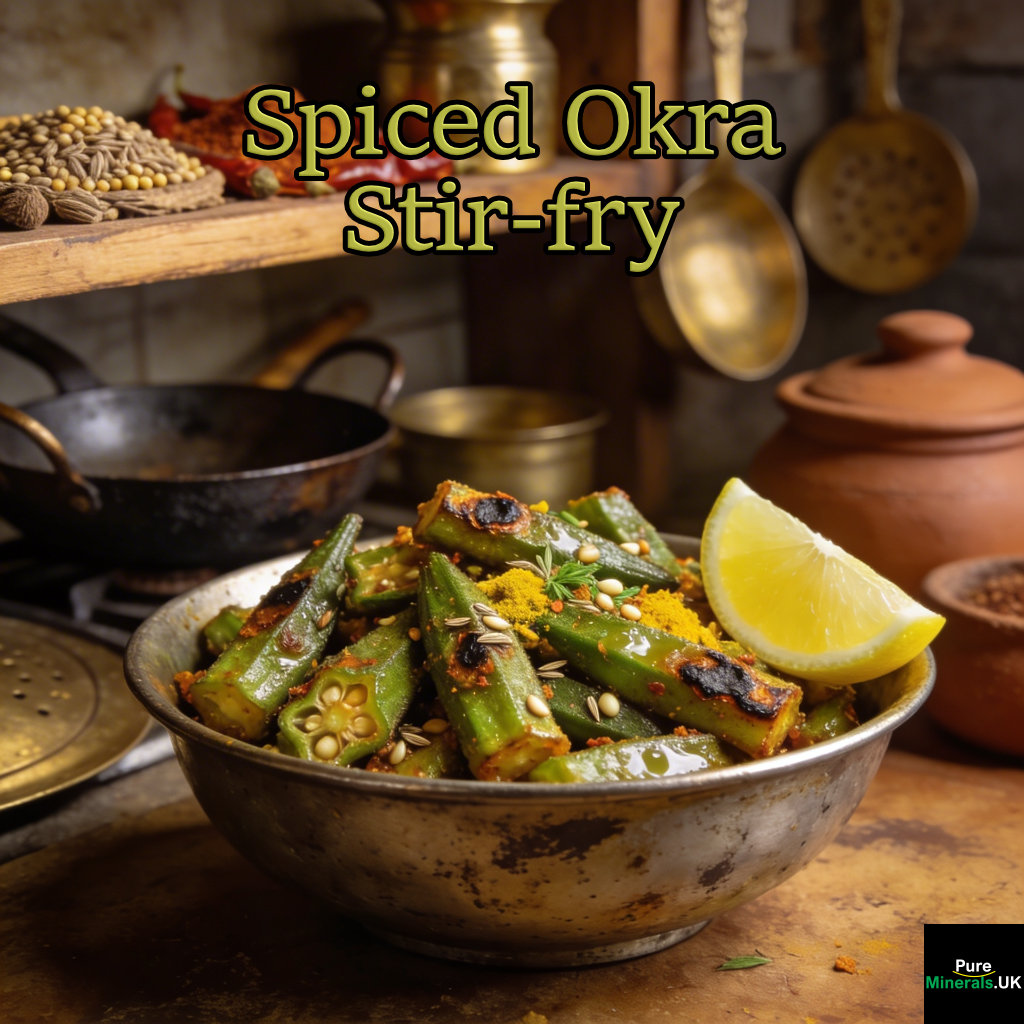
Inspired by the Indian preparation of bhindi masala, this recipe uses high heat and aromatic spices to produce okra that is firm, fragrant, and completely slime-free. Heat 2 tablespoons of neutral oil in a wide skillet or wok over high heat. Add 400g of okra sliced lengthwise, spread in a single layer, and do not stir for the first 2 to 3 minutes — let the surface sear. Then add 1 teaspoon each of cumin seeds, ground coriander, and turmeric, plus a pinch of cayenne. Toss well and cook for another 4 to 5 minutes until the okra is tender with a lightly blistered exterior. Finish with a squeeze of fresh lemon juice and serve alongside flatbread or rice.
Add Okra to Your Diet and Feel the Difference
Okra is one of the rare foods that delivers on every level — nutritionally dense, functionally bioactive, globally versatile, and genuinely delicious when cooked correctly. Whether you’re drawn to it for blood sugar management, heart health, its antioxidant content, or simply because you want more variety in your vegetable rotation, the case for okra is clear and well-supported by both tradition and science.
Start with the roasted version if you’re new to it. Once you see how easy it is and how good it tastes without any sliminess, you’ll be more confident moving on to gumbo or a spiced stir-fry. Look for smooth, firm green pods under four inches at your local market, keep them dry in the fridge, and cook them within four days. That’s all it takes to make okra a regular part of your diet.
Important note: Okra
Okra is widely recognized as safe for consumption. Its mucilage content may affect texture and digestion in some individuals. This article is provided for educational purposes only and does not constitute medical advice. Individuals with specific dietary concerns should consult a qualified healthcare professional before making significant dietary changes.
Frequently Asked Questions
Here are answers to the most common questions people have about okra before adding it to their diet.
Is okra safe to eat every day?
Yes, okra is safe for most people to eat daily as part of a balanced diet. It is low in calories and rich in fiber, vitamins, and antioxidants. The one caveat worth knowing is that okra contains oxalates — naturally occurring compounds that can contribute to kidney stone formation in people who are already prone to them. If you have a history of calcium oxalate kidney stones, speak with your doctor before making okra a daily staple. For the general population, daily consumption is not a concern.
Does cooking okra destroy its nutrients?
Some nutrient loss is inevitable with any cooking method — vitamin C, being water-soluble, is particularly sensitive to heat and leaches into cooking water when okra is boiled. However, methods like roasting, stir-frying at high heat, and steaming preserve significantly more of the nutritional value than prolonged boiling.
The good news is that okra’s mucilage and polyphenol content remain largely intact through most cooking methods, meaning the compounds most associated with blood sugar regulation and cardiovascular protection survive the cooking process reasonably well. Eating a mix of raw okra (in salads or pickled) and cooked okra is an easy way to capture the full nutritional spectrum.
What is the best way to reduce okra’s slimy texture?
The most reliable methods are high-heat dry cooking — roasting at 220°C or stir-frying in a very hot pan with minimal crowding — and cooking okra in an acidic environment like a tomato-based sauce. Keeping pods whole for as long as possible before cutting minimizes mucilage release. Drying okra thoroughly before it hits the pan is equally important, since surface moisture accelerates sliminess. Pickling is another effective option that eliminates texture concerns while adding a bright, tangy flavor.
Is okra okay for people with diabetes?
The evidence strongly supports okra as a beneficial food for blood sugar management. A systematic review and meta-analysis by Mokgalaboni et al. (2023) reviewed multiple clinical trials and found that okra consumption had a measurable positive effect on glycemic control in both pre-diabetic and type 2 diabetic patients. The fiber and mucilage in okra slow the absorption of glucose in the digestive tract, which helps prevent sharp blood sugar spikes after meals. That said, okra should be considered a dietary support tool — not a replacement for prescribed medical treatment or medications.
What does okra taste like, and how do I pick a good one at the store?
Okra has a mild, slightly grassy flavor with a subtle sweetness that sits somewhere between green beans and asparagus. When roasted or fried, it develops a pleasant nuttiness and a crisp exterior that most people find immediately appealing. Its flavor is gentle enough to absorb whatever spices or sauces it’s cooked with, which is part of what makes it so adaptable across different cuisines.
When selecting okra at the store, look for pods that are bright green, smooth, and firm to the touch. Avoid anything with dark spots, soft patches, or dried-out tips — these are signs of age and will result in a tough, fibrous texture when cooked. Size matters too: pods under four inches long are consistently more tender than larger ones, which can become woody and stringy.
Both red and green varieties are available depending on the season and your local market. Don’t be put off by red okra — it tastes the same and turns green the moment it hits heat. Store your pods unwashed in a paper bag in the refrigerator and aim to cook them within three to four days of purchase for the best texture and nutritional value. If you’re interested in exploring other unique vegetables, consider trying kohlrabi as well.
The bottom line is that good okra is easy to spot once you know what you’re looking for, and the difference between fresh and aging pods is immediately noticeable in both flavor and texture. When in doubt, go smaller and firmer — you can’t go wrong. If you’re exploring other greens, consider trying mustard greens for a peppery twist in your dishes.