

Published: 13 March 2026
This article is periodically reviewed and updated to reflect current scientific understanding by Vic George.
Fact-Checked: 1 other authoritative medical/scientific reference. See our Editorial Policy.

What Is Endive?
Endive is a leafy vegetable derived primarily from Cichorium endivia, a member of the Asteraceae family. It is valued for its crisp texture, slightly bitter flavor, and nutritional content, including dietary fiber, vitamins, and plant-derived compounds.
Definition
Endive is the edible leaf of Cichorium endivia, a cultivated plant in the Asteraceae family, consumed as a leafy vegetable.
Extended Definition
Endive belongs to the Asteraceae family, which also includes lettuce, chicory, artichoke, and dandelion. It is closely related to chicory species and is known for its slightly bitter taste, a characteristic produced by naturally occurring plant compounds.
Two main cultivated forms of endive are commonly recognized: curly endive (also called frisée) and broad-leaf endive (often referred to as escarole). These varieties differ in leaf shape and texture but share similar nutritional properties.
The leaves provide dietary fiber, vitamin K, folate, and small amounts of vitamin C and potassium. Vitamin K contributes to normal blood clotting and bone metabolism, while folate supports normal cellular metabolism.
Endive contains plant-derived bitter compounds known as sesquiterpene lactones. These compounds play protective roles in the plant by deterring herbivores and contributing to the vegetable’s characteristic flavor.
The leaves also contain polyphenols and flavonoids that function as part of the plant’s natural defense systems and contribute to its biochemical profile.
Endive is commonly consumed raw in salads, where its crisp texture and mild bitterness provide contrast to sweeter ingredients. It may also be lightly cooked or braised in various culinary traditions.
Key Facts
Botanical name: Cichorium endivia
Plant family: Asteraceae
Common classification: Leafy vegetable
Origin: Mediterranean region
Edible part: Leaves
Typical color: Pale green to dark green
Primary nutrients: Fiber, vitamin K, folate, vitamin C, potassium
Key phytonutrients: Sesquiterpene lactones, flavonoids, polyphenols
Energy density: Very low
Notable compounds: Naturally occurring bitter compounds characteristic of chicory plants
Culinary uses: Salads, braised dishes, soups, and garnishes
Key Takeaways
- Endive is one of the most nutrient-dense leafy greens available, delivering vitamin K, vitamin A, folate, and fiber in a single low-calorie serving of just 17 calories per 100g.
- A single cup of raw endive provides roughly 72% of your daily vitamin K needs, making it one of the most efficient dietary sources of this critical bone-health nutrient.
- Endive contains kaempferol, a powerful flavonoid linked to antioxidant, anti-inflammatory, anticancer, and cardioprotective effects in preclinical research.
- There are three distinct varieties of endive — curly (frisée), Belgian, and broad-leafed (escarole) — and they differ significantly in taste, texture, and culinary use.
- Most people skip endive at the grocery store because they don’t know how to use it — but there are surprisingly simple ways to add it to everyday meals, including one preparation method that completely transforms its bitter flavor.
Endive is one of those vegetables that sits quietly in the produce aisle while spinach and kale get all the attention — but its nutritional profile tells a very different story.
It belongs to the chicory family (Cichorium endivia) and has been cultivated for centuries, valued both as a food and as a medicinal plant. Nutrition-focused resources have highlighted endive as a standout source of key micronutrients that most people fall short on, particularly vitamin K and folate. Whether you’re looking to strengthen your bones, support digestion, or simply diversify your greens, endive is worth a serious look.
Endive Packs More Nutrition Than Most People Realize
For just 17 calories per 100 grams, endive delivers a concentrated hit of vitamins and minerals that rivals vegetables with two or three times its calorie count. It’s the kind of nutritional density that makes it especially valuable for anyone managing calorie intake without wanting to sacrifice micronutrient quality.
Only 17 Calories Per 100g With a Dense Nutrient Profile
A half-cup serving of raw chopped endive — approximately 25 grams — contains a surprisingly complete micronutrient lineup. A single cup (about 50 grams) steps that up further, providing 542 IU of vitamin A, 36 micrograms of folate, and 13 milligrams of calcium, according to USDA FoodData Central data. You’re getting meaningful nutritional value from what is, essentially, a very light food.
Folate is particularly worth highlighting here. It’s a B vitamin that plays a critical role in DNA synthesis and cell division, and it’s one of the most commonly under-consumed nutrients in the average diet. Endive gives you a real contribution toward your daily target without requiring large portion sizes.
Vitamin K Alone Covers 72% of Your Daily Value Per Serving
A single half-cup serving of endive covers approximately 72% of your daily vitamin K requirement. A full cup provides 57.8 micrograms of vitamin K, according to USDA FoodData Central. This fat-soluble vitamin is essential for two major biological functions: blood coagulation and bone metabolism. Without adequate vitamin K, the proteins responsible for directing calcium into bones — rather than soft tissue — can’t function properly.
Most people associate calcium and vitamin D with bone health and stop there. But vitamin K is the third pillar of that system, and research published in Nutrition (2014) confirms its central role in bone health outcomes. Endive is one of the most efficient ways to hit your vitamin K target in a single serving.
3.1 Grams of Fiber Per 100g Serving
Endive’s fiber content is another reason it punches above its weight. At 3.1 grams of fiber per 100 grams, it contributes meaningfully to the 25–38 grams most adults need daily — a target that research consistently shows the majority of people don’t reach. Fiber from vegetables like endive has been associated with reduced risk of coronary heart disease and colorectal cancer, according to data on fruit and vegetable consumption.
The Three Types of Endive Are Not the Same
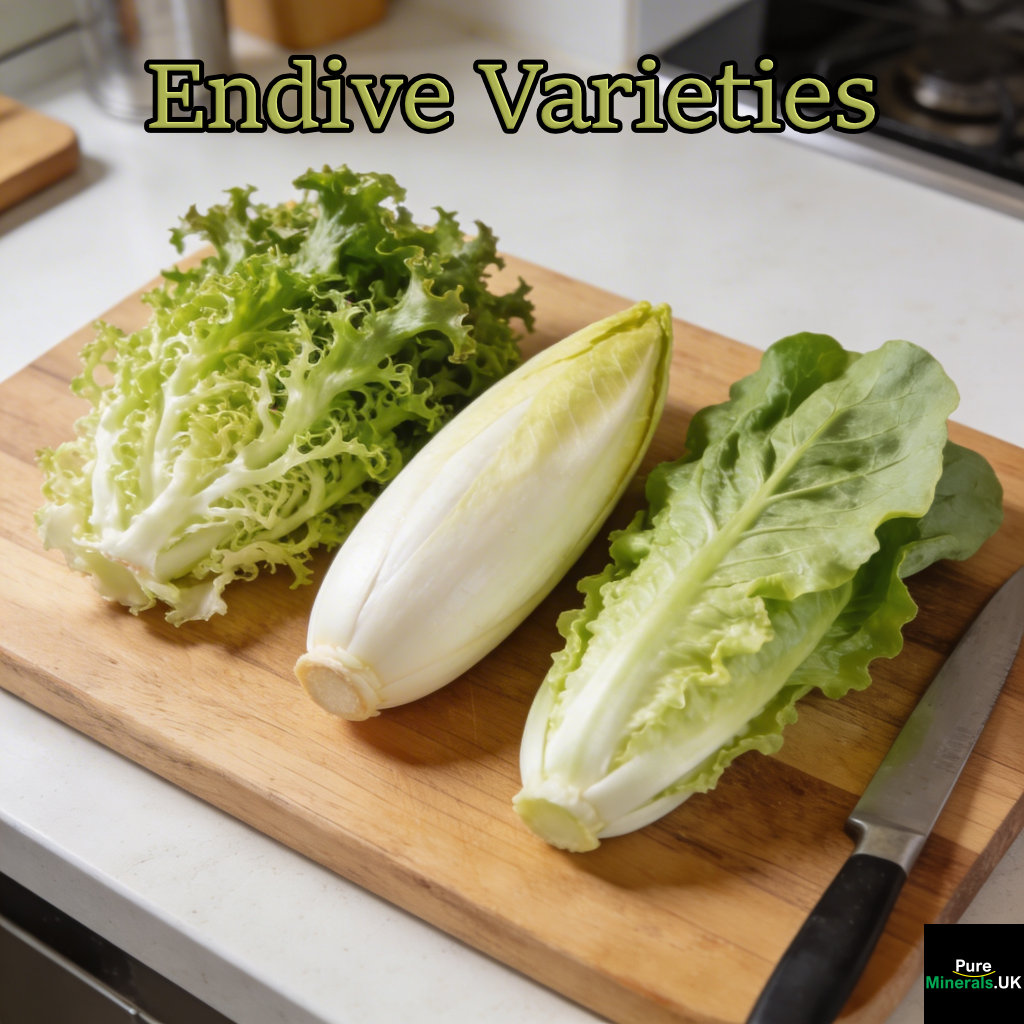
One of the most common sources of confusion around endive is the naming. “Endive” is used interchangeably for several distinct vegetables, and the terminology shifts depending on whether you’re in the U.S., Europe, or a specialty grocery store. Getting clear on which variety you’re dealing with matters both nutritionally and in the kitchen.
All three main varieties belong to the chicory family, but they differ in bitterness, texture, appearance, and the ways they’re best used in cooking. Here’s how they break down:
Curly Endive (Frisée): The Most Bitter Variety
Frisée features feathery, tightly curled leaves that are pale yellow at the center and darker green toward the outer edges. It’s the most bitter of the three varieties and is most commonly used raw in salads, where its texture adds contrast. In terms of pronunciation, curly endive is said as “in-dive,” not “ahn-deev.”
Belgian Endive: Pale, Mild, and Discovered by Accident in 1830
Belgian endive (Cichorium intybus var. foliosum endive) is the variety most people encounter at upscale grocery stores. Its leaves are tightly packed, pale yellow to white, and shaped like a torpedo — perfect for using as a natural wrap or scoop. The bitterness is more moderate than frisée, and it’s pronounced “ahn-deev.” Red endive, also known as radicchio, is a specific sub-variety with a reddish hue and a slightly more intense bite.
Belgian endive was reportedly discovered by accident in 1830 in Belgium, when chicory roots left in a dark cellar began sprouting pale, tightly packed leaves. That happy accident is now one of Europe’s most prized salad vegetables.
Broad-Leafed Endive (Escarole): The Mildest of the Three
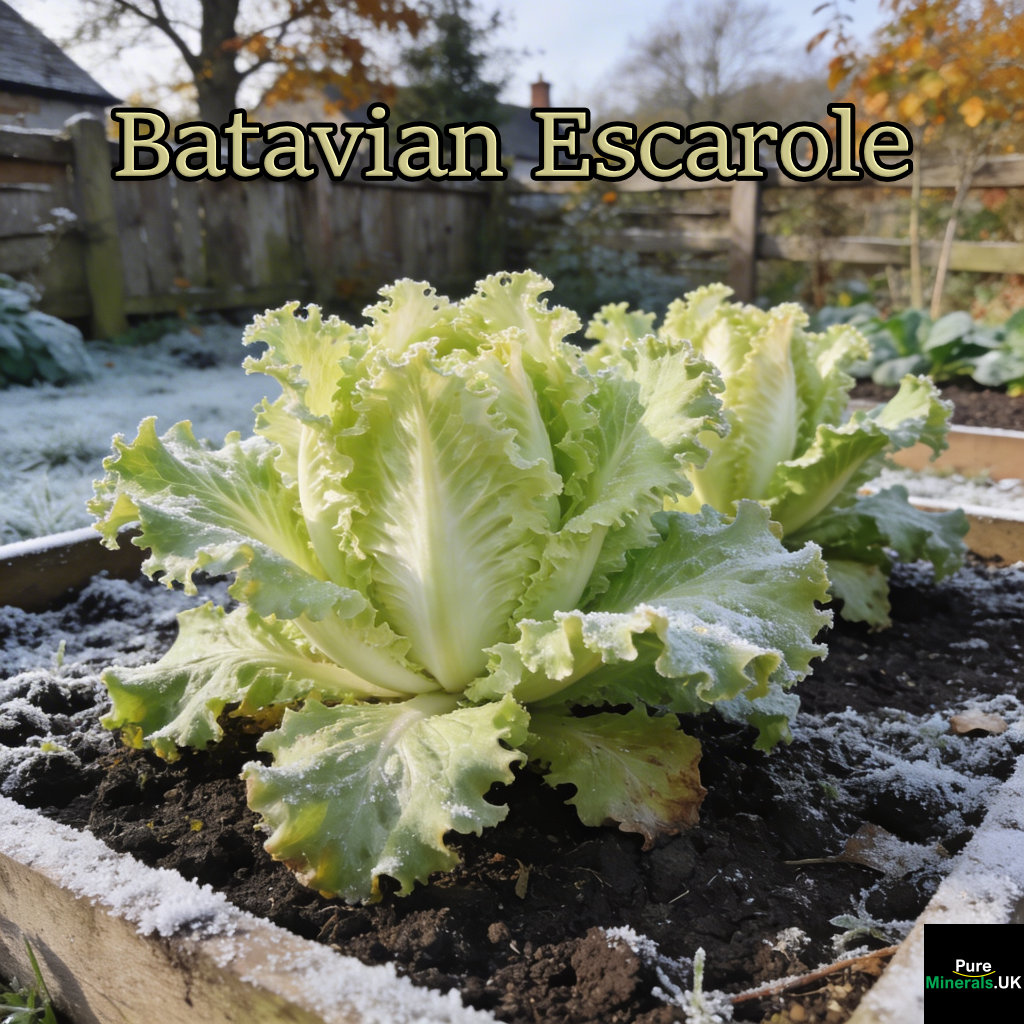
Escarole has wider, flatter leaves compared to its curly cousin and sits at the mild end of the bitterness spectrum. It’s the most cooking-friendly variety — its sturdy leaves hold up well in soups and sautés, and heat significantly reduces whatever bitterness remains. If you’re new to endive and want to ease in, escarole is your starting point.
Tips for Growing Endive in Mild Northern Climates
Endive, particularly Belgian endive (also known as witloof or chicory), is grown commercially in France, Belgium, and the Netherlands. France produces roughly half of the world’s 450,000 tons of endive. Growers there specialize in forcing the roots in dark, temperature-controlled chambers, using hydroponic methods to produce the white, bitter heads. California Endive Farms in Rio Vista is the largest U.S. producer, with fields in the California Delta region and production facilities that offer a year-round supply.
- Types: Select Curly (Frisée) for summer salads. Batavian (Escarole) is excellent for winter hardiness.
- Sowing: Sow endive seeds indoors from February. If sowing outside, sow endive seeds from April to August, using a “little and often” approach for continuous harvesting.
- Conditions: Endive needs sun or partial shade and plenty of watering to prevent bolting.
- Protection: Protecting endive with cloches or in a greenhouse from October allows for harvesting right through winter.
- Blanching: For a milder flavour, cover the heart with a pot or plate about ten days before harvesting to exclude light.
Kaempferol: The Bitter Compound Behind Endive’s Health Power
Endive’s characteristic bitterness isn’t just a flavor quirk — it’s a signal of bioactive compounds at work. Among the most researched of these is kaempferol, a flavonoid present in endive that has attracted significant scientific attention for its wide-ranging biological effects.
What Kaempferol Is and Why It Matters
Kaempferol is a naturally occurring flavonoid — a type of polyphenol — found in a range of fruits and vegetables, with endive being one of the more concentrated dietary sources. Flavonoids are plant compounds that function as antioxidants, meaning they help neutralize free radicals that can damage cells and contribute to chronic disease over time.
What makes kaempferol stand out among flavonoids is the breadth of its studied effects. Preclinical research has documented antioxidant, anti-inflammatory, antimicrobial, anticancer, cardioprotective, neuroprotective, and antidiabetic properties — a profile that few single compounds can match. While much of this research is still in early stages, the consistency of findings across multiple study types makes kaempferol one of the more compelling reasons to add endive to your regular diet.
Links to Reduced Cancer and Cardiovascular Disease Risk
Numerous preclinical studies have examined the relationship between kaempferol-rich food consumption and reduced disease risk, particularly for cardiovascular disease and certain cancers. The research points to kaempferol’s ability to interfere with pathways involved in abnormal cell growth and inflammation — two processes that sit at the root of both conditions. While no single food is a cure or guaranteed prevention, the consistent association between kaempferol-rich diets and reduced disease risk markers is worth noting.
Anti-Inflammatory, Antioxidant, and Neuroprotective Properties
Chronic inflammation is now widely recognized as an underlying driver of conditions ranging from arthritis and metabolic syndrome to neurodegenerative diseases like Alzheimer’s. Kaempferol has demonstrated the ability to suppress key inflammatory signaling pathways in preclinical studies, which helps explain its documented anti-inflammatory effects.
The neuroprotective angle is particularly interesting. Research suggests kaempferol may help protect neurons from oxidative stress and inflammatory damage — two mechanisms that contribute to cognitive decline. While this doesn’t mean eating endive will prevent neurological disease, it does mean that regularly consuming kaempferol-rich vegetables contributes to a dietary environment that supports brain health over time.
Beyond kaempferol, endive also contains two additional flavonoids worth knowing: quercetin and myricetin. Both have independently documented antioxidant activity, meaning endive is delivering multiple lines of antioxidant defense in a single serving — not just one compound working alone.
Endive’s Key Bioactive Compounds at a Glance
Kaempferol — Antioxidant, anti-inflammatory, anticancer, cardioprotective, neuroprotective, antidiabetic (preclinical evidence)
Quercetin — Antioxidant, anti-inflammatory, linked to immune and cardiovascular support
Myricetin — Antioxidant activity, studied for potential roles in metabolic health
Four Evidence-Based Health Benefits of Endive
The nutrients and bioactive compounds in endive don’t exist in isolation — they translate into real, documented health effects. Here are four of the most well-supported benefits backed by the nutritional data and research available.
1. Supports Healthy Digestion and Regularity
Endive’s fiber content — 3.1 grams per 100 grams — plays a direct role in keeping the digestive system functioning properly. Dietary fiber adds bulk to stool, supports regular bowel movements, and feeds the beneficial bacteria in your gut microbiome. Research on fruit and vegetable consumption consistently links adequate fiber intake from plant sources to a reduced risk of colorectal cancer and improved gastrointestinal health overall. Including endive in your diet is one straightforward way to move the needle on daily fiber intake without dramatically increasing calorie consumption.
2. Delivers Powerful Antioxidants Including Quercetin and Myricetin
Antioxidant Compound | Type | Primary Documented Effect |
|---|---|---|
Kaempferol | Flavonoid | Multi-target: anti-inflammatory, anticancer, neuroprotective |
Quercetin | Flavonoid | Antioxidant, cardiovascular, and immune support |
Myricetin | Flavonoid | Antioxidant, metabolic health research |
Vitamin A (as beta-carotene) | Fat-soluble vitamin | Eye health, immune function, skin integrity |
Free radical damage accumulates silently over time, contributing to accelerated aging and the development of chronic disease. Dietary antioxidants from whole food sources — like the flavonoids in endive — are one of the most effective ways to counteract this process because they’re delivered alongside other synergistic nutrients rather than in isolation.
One cup of raw endive provides 542 IU of vitamin A, which also functions as an antioxidant in the body. Combined with the three flavonoids listed above, a single serving of endive delivers a layered antioxidant response — multiple compounds targeting oxidative stress through different mechanisms simultaneously. For more insights into antioxidant-rich foods, consider exploring chard and its health benefits.
3. Strengthens Bones Through High Vitamin K Content
Most bone health conversations focus on calcium and vitamin D, but vitamin K is the missing piece that actually directs calcium where it needs to go. Vitamin K activates proteins like osteocalcin, which binds calcium to bone tissue. Without sufficient vitamin K, even high calcium intake may not translate into strong bones. At 57.8 micrograms of vitamin K per cup — covering roughly 72% of the daily recommended value — endive is one of the most efficient dietary sources of this often-overlooked nutrient, similar to collard greens.
4. Supports Heart Health via Fiber and Flavonoid Content
Endive contributes to cardiovascular health through two separate mechanisms working in parallel. First, its dietary fiber helps reduce LDL cholesterol levels by binding to cholesterol in the digestive tract and preventing its absorption. Research on vegetable and fruit fiber intake has linked adequate consumption to a meaningfully reduced risk of coronary heart disease.
Second, the flavonoids in endive — particularly kaempferol — have demonstrated cardioprotective properties in preclinical research, with mechanisms including reduced arterial inflammation and improved endothelial function. Together, fiber and flavonoids make endive a legitimately heart-supportive food, not just a low-calorie salad filler.
How to Use Endive in Your Diet
Endive is more versatile than most people give it credit for. The bitterness that makes some people hesitant is actually easy to manage — either by pairing it with the right ingredients or by applying heat, which significantly mellows its flavor. Once you know the basics, working endive into your regular rotation becomes straightforward.
Raw in Salads and as Wraps

Belgian endive’s torpedo-shaped leaves are practically designed for use as a natural wrap or appetizer scoop. The firm, slightly cupped leaves hold fillings like ground turkey, diced vegetables, and herbs together without falling apart — making them a lower-carb alternative to tortillas or bread rolls. In salads, curly endive (frisée) adds textural contrast and a pleasantly bitter bite that pairs well with acidic dressings, citrus, nuts, and cheeses that balance its intensity. For more nutritious leafy greens, consider trying collard greens in your meals.
Cooked in Soups, Stir-Fries, and Curry Dishes
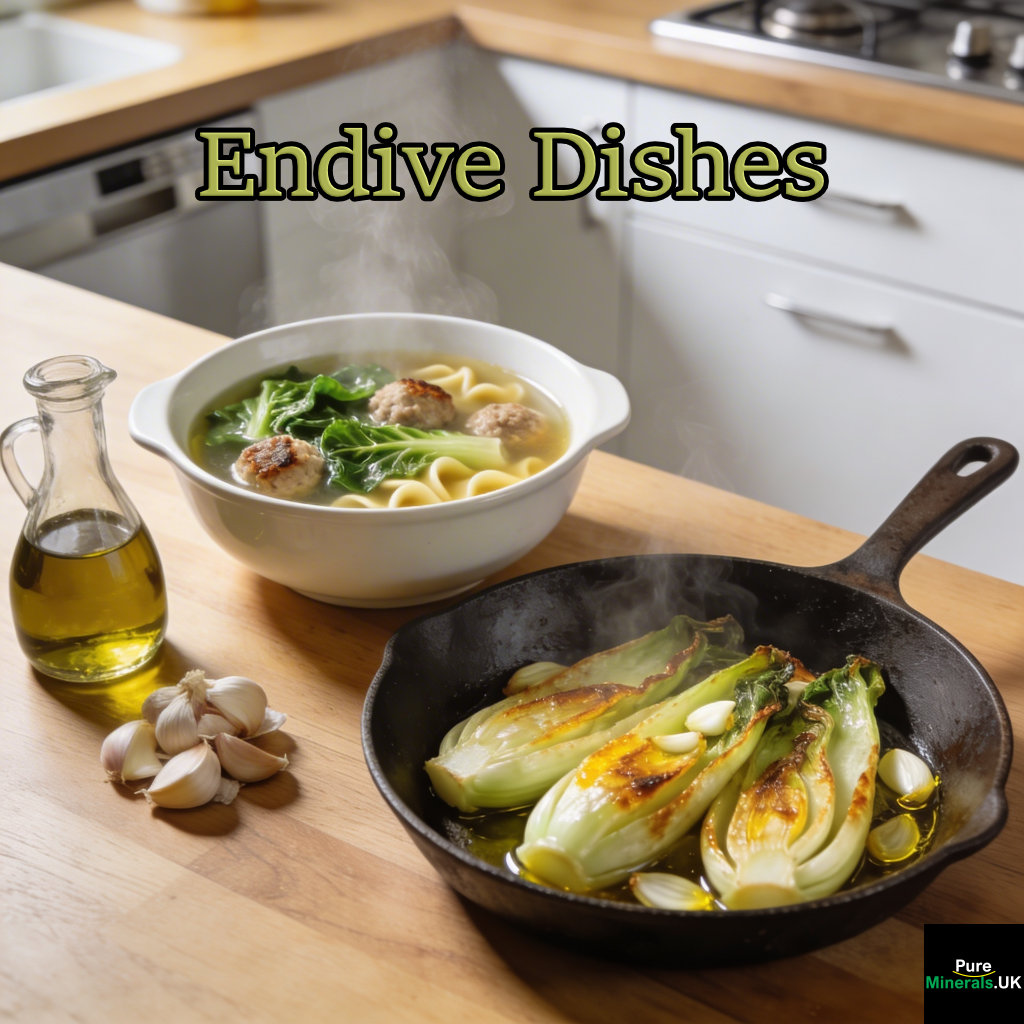
Heat is the simplest trick for anyone who finds raw endive too bitter. Cooking breaks down the compounds responsible for that sharp flavor, leaving something much more mellow and slightly sweet. Escarole is the best variety for hot applications — its broader, sturdier leaves hold their structure in soups and sautés without turning to mush. A classic Italian wedding soup traditionally uses escarole as its green of choice for exactly this reason. Stir-frying Belgian endive with a splash of olive oil and garlic is another quick method that delivers a tender, lightly caramelized result in under five minutes. For more inspiration, explore these healthy ways to cook vegetables.
Juicing: Why You Should Blend It With Other Vegetables
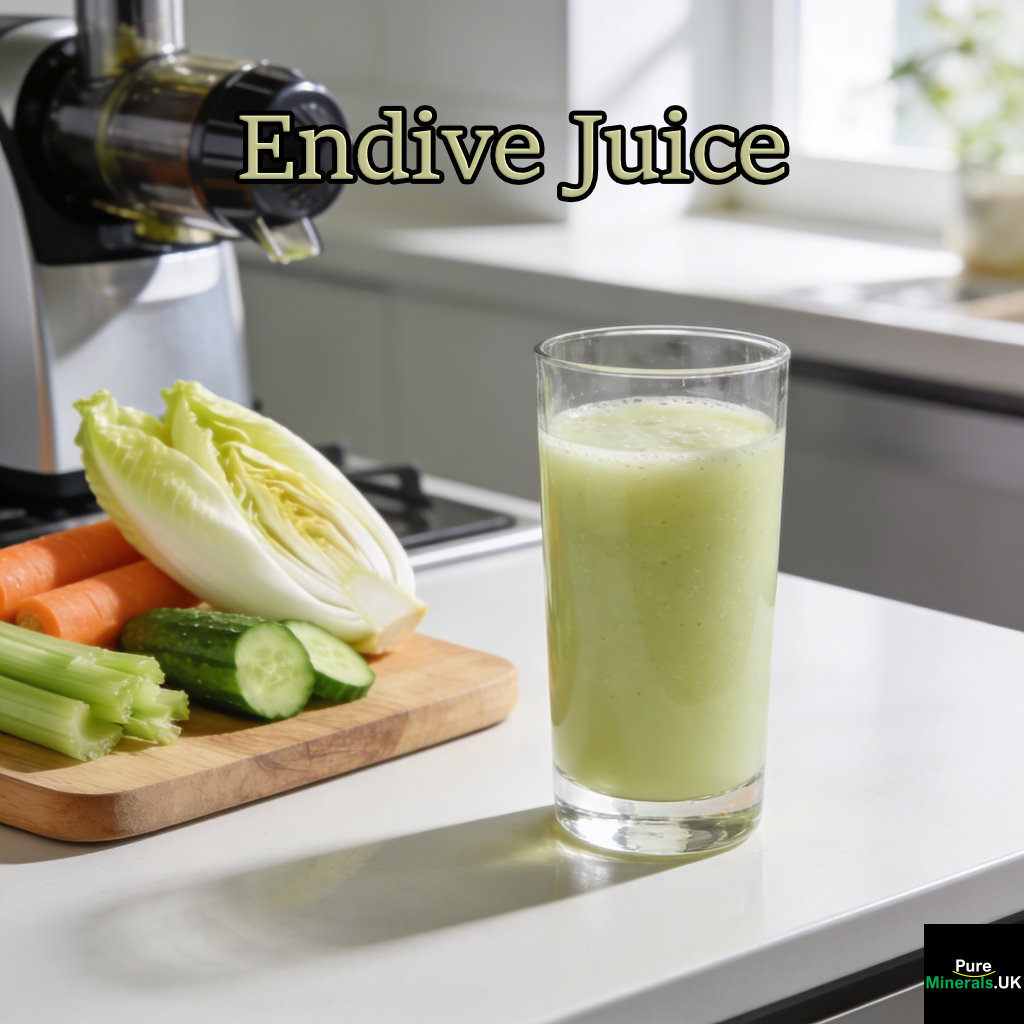
Endive can be juiced, but going straight to endive juice is an acquired taste — the bitterness is concentrated and intense on its own. The practical approach is to blend it with naturally sweeter vegetables like carrots, cucumber, or celery to create a more balanced flavor profile. This method still delivers the full spectrum of endive’s water-soluble nutrients, including folate and vitamin C, in a highly bioavailable liquid form. Think of endive as the nutritional backbone of a juice blend rather than the star flavor.
Endive Is an Easy Swap for Common Greens
If you regularly use arugula, romaine, or spinach, endive can be used in most of the same applications with minimal adjustment. Its calorie profile is comparable, its nutrient density is competitive, and its flavor adds something those familiar greens don’t — a mild bitterness that stimulates digestive enzymes and keeps a dish from tasting flat. Swapping half your romaine for curly endive in a salad, for example, introduces a new layer of flavor while quietly upgrading the vitamin K and flavonoid content of your meal.
The real advantage of adding endive to your rotation is variety itself. Nutritional science consistently supports eating a wide range of plant foods rather than cycling through the same two or three greens repeatedly. Different vegetables contain different polyphenol profiles, and endive’s kaempferol, quercetin, and myricetin combination is one you won’t get from spinach or kale in the same concentrations. Rotating endive into your diet just two or three times per week is enough to meaningfully broaden your antioxidant intake.
Important note: Endive
Endive is widely recognized as safe for consumption. Individuals with allergies to plants in the Asteraceae family should exercise caution. This article is provided for educational purposes only and does not constitute medical advice. Individuals with specific dietary concerns should consult a qualified healthcare professional before making significant dietary changes.
Frequently Asked Questions
Endive generates a lot of questions — mostly because the naming is confusing, the taste is unfamiliar, and most people have never been shown how to use it. The answers below cover the most common points of confusion clearly and practically.
Whether you’re encountering endive for the first time or trying to get more consistent about including it in your diet, these questions address the practical side of working with this vegetable day to day.
What Does Endive Taste Like, and Does Cooking Change It?
Raw endive tastes bitter — the intensity depends on the variety, with curly endive (frisée) being the sharpest and escarole being the mildest. Belgian endive sits in the middle, with a moderate bitterness and a slightly nutty undertone. Cooking changes the flavor significantly. Heat breaks down the bitter compounds, softening the taste to something closer to mildly sweet and savory. If you’ve tried raw endive and found it too sharp, roasting or sautéing it with olive oil is a reliable way to make the flavor much more approachable.
Is Endive the Same as Chicory?
Endive and chicory are closely related but not identical. Both belong to the Cichorium genus, which is why they share a family resemblance in both flavor and appearance. True endive (Cichorium endivia) includes curly endive and escarole. Belgian endive (Cichorium intybus var. foliosum) is technically a variety of common chicory rather than true endive, which is where the confusion originates. In practical terms, the names are often used interchangeably in grocery stores and recipes, but botanically, they are distinct plants within the same genus.
How Much Endive Should You Eat to See Health Benefits?
There is no single prescribed dose, but context from the nutritional data is helpful here. A single cup of raw endive — approximately 50 grams — provides 57.8 micrograms of vitamin K (around 72% of the daily value), 542 IU of vitamin A, 36 micrograms of folate, and a meaningful contribution toward daily fiber targets. Eating one to two cups two to three times per week as part of a varied diet is a realistic and sufficient starting point for capturing endive’s key nutritional benefits without overhauling your entire eating pattern.
Where Can You Buy Endive?
All three varieties of endive are available at most major supermarkets, though availability varies by region and season. Belgian endive is the most consistently stocked variety in the U.S. and is typically found in the specialty produce section rather than alongside standard salad greens. Frisée and escarole appear more frequently at farmers’ markets, natural food stores like Whole Foods Market, and stores with dedicated international or European produce sections.
When selecting endive, look for heads that are firm and tightly packed with no browning on the leaf edges. Belgian endive should be pale yellow to white — exposure to light turns the leaves green and intensifies the bitterness. Store it wrapped in a damp paper towel inside the refrigerator, away from direct light, and use it within three to five days of purchase for the best flavor and texture.
If fresh endive isn’t available locally, escarole is the most commonly found variety year-round in most U.S. grocery chains and is an excellent substitute in any cooked application. Curly endive may be labeled simply as “chicory” depending on the store.
Variety | Where to Find It | Best Used For | Bitterness Level |
|---|---|---|---|
Belgian Endive | Specialty produce sections, most major supermarkets | Wraps, raw appetizers, and sautéing | Moderate |
Curly Endive (Frisée) | Farmers’ markets, Whole Foods Market, natural food stores | Raw salads, garnish | High |
Broad-Leafed Endive (Escarole) | Most major supermarkets often label it “chicory.” | Soups, sautés, stir-fries | Low to Moderate |
Can You Eat Endive Every Day?
Yes — for most people, eating endive daily is safe and nutritionally beneficial. Its low calorie count, high micronutrient density, and fiber content make it well-suited to frequent consumption without any meaningful risk of excess for the average healthy adult.
The one nutrient to be aware of with daily consumption is vitamin K. At 57.8 micrograms per cup, endive is a significant source, and eating large amounts every day could be a consideration for people taking warfarin (Coumadin) or other anticoagulant medications. Vitamin K directly affects how these medications work, so consistency in intake — rather than elimination — is typically the guidance from healthcare providers. If you’re on blood thinners, speak with your doctor about appropriate portion sizes rather than avoiding endive entirely.
Outside of that specific scenario, there’s no evidence to suggest that daily endive consumption poses any health risk. In fact, the consistent delivery of kaempferol, quercetin, folate, and fiber from regular endive intake is more likely to be protective than problematic. Dietary variety still matters — rotating endive with other leafy greens ensures you’re covering the full spectrum of plant-based micronutrients and polyphenols rather than relying on one source alone.
A practical approach is to use endive as one of two or three greens you rotate through your weekly meals. That way, you’re benefiting from its unique nutritional profile without narrowing your diet unnecessarily. Two to three servings per week is enough to make a real difference in vitamin K and flavonoid intake; daily use is fine if it fits your preferences and your health context supports it.
Nutrient | Per Cup Raw Endive (~50g) | % Daily Value |
|---|---|---|
Calories | ~8.5 kcal | <1% |
Vitamin K | 57.8 mcg | ~72% |
Vitamin A | 542 IU | ~11% |
Folate | 36 mcg | ~9% |
Calcium | 13 mg | ~1% |
Dietary Fiber | ~1.6 g | ~6% |
Endive earns its place on the plate not through hype, but through a genuinely strong nutritional profile that most people simply haven’t been introduced to yet. From vitamin K and folate to kaempferol and digestive fiber, every part of this vegetable is working toward something useful in the body. If you’re interested in exploring other nutritious vegetables, you might want to learn about the benefits of collard greens as well.