

Published: 12 March 2026
This article is periodically reviewed and updated to reflect current scientific understanding by Vic George.
Fact-Checked: 1 other authoritative medical/scientific reference. See our Editorial Policy.

What Is Eggplant (Aubergine)?
Eggplant, also known as Aubergine, is the edible fruit of Solanum melongena, a plant belonging to the Solanaceae family. Although botanically classified as a fruit, it is commonly used as a vegetable in culinary traditions and valued for its fiber content, phytochemicals, and culinary versatility. It is also known as the nightshade family, which includes tomatoes, potatoes, and peppers. The plant produces glossy, fleshy fruits that vary in size, shape, and color depending on the cultivar.
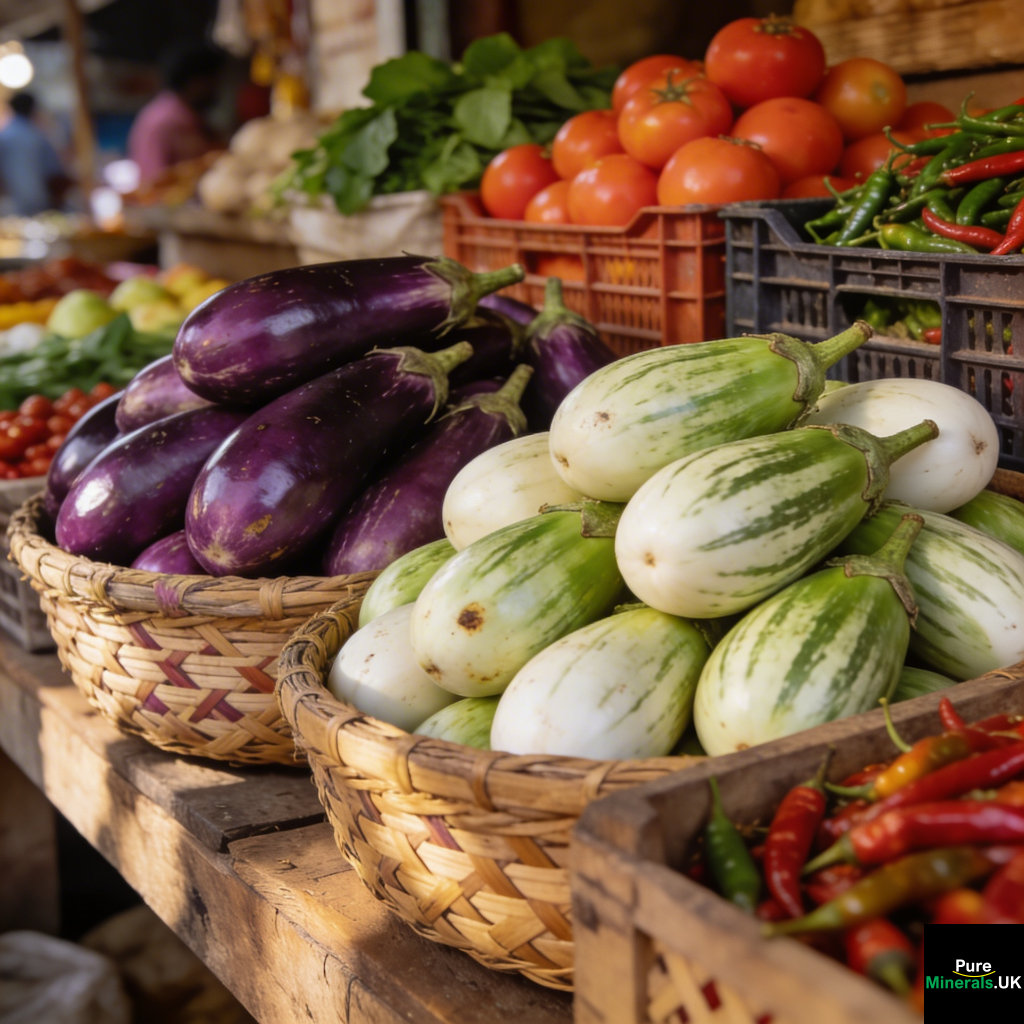
The most widely recognized variety is the large, deep-purple eggplant, although cultivars also exist in white, green, lavender, and striped forms. The fruit contains a soft interior flesh with small, edible seeds.
Nutritionally, eggplant provides dietary fiber, manganese, potassium, and several B vitamins. Its high water content and relatively low energy density make it a commonly used ingredient in balanced diets.
Eggplant also contains various phytochemicals, including phenolic compounds and anthocyanins. The purple skin of wide varieties contains nasunin, an anthocyanin pigment that contributes to the fruit’s coloration and functions as part of the plant’s protective system against environmental stress.
Like other members of the nightshade family, eggplant contains naturally occurring glycoalkaloids, including small amounts of solanine-related compounds. These compounds serve as defense chemicals in plants but occur in eggplant at levels typically considered safe when consumed as food.
Eggplant is widely used in global cuisines and can be grilled, roasted, baked, sautéed, or incorporated into stews and sauces.
Key Facts
Botanical name: Solanum melongena
Plant family: Solanaceae
Common classification: Fruit vegetable
Origin: South Asia, particularly the Indian subcontinent
Edible part: Fruit
Typical color: Deep purple (most common), also white, green, and striped varieties
Primary nutrients: Fiber, manganese, potassium, B vitamins
Key phytonutrients: Anthocyanins (nasunin), phenolic compounds, flavonoids
Energy density: Low
Notable compounds: Glycoalkaloids, plant pigments responsible for purple coloration
Culinary uses: Grilling, roasting, stews, sauces, and baked dishes
Key Takeaways
- Eggplant is a nutrient-dense food that delivers fiber, vitamins, and powerful antioxidants in very few calories — making it one of the most underrated vegetables in a healthy diet.
- The purple skin of eggplant contains nasunin, a rare anthocyanin antioxidant found almost exclusively in eggplant that actively protects cells from oxidative damage.
- Chlorogenic acid, one of eggplant’s key phytochemicals, has been studied for its potential to reduce LDL cholesterol, manage blood sugar, and fight inflammation.
- Not all eggplants are equal — antioxidant levels vary significantly between varieties, with purple-skinned types generally outperforming white or green ones in phytochemical content.
- How you cook eggplant matters — certain methods preserve its nutrients better than others, and knowing the difference can help you get the most out of every meal.
Most people think of eggplant as just a spongy filler in lasagna or a supporting player in ratatouille — but the nutritional story behind this deep-purple vegetable is far more impressive than its reputation suggests.
Eggplant, also known as aubergine, belongs to the nightshade family Solanaceae and is botanically classified as a berry — though we treat it entirely as a savory vegetable in cooking. It’s cultivated globally and consumed across Mediterranean, South Asian, Middle Eastern, and East Asian cuisines.
What Eggplant Actually Does for Your Body
Before getting into the specifics, it’s worth understanding the broad scope of what eggplant brings to the table — because it goes well beyond basic vitamins.
Eggplant Is More Nutritious Than Most People Realize
Eggplant doesn’t always get the spotlight in nutrition conversations, but it earns its place as a genuinely functional food. It’s packed with bioactive compounds, dietary fiber, and micronutrients that support several body systems simultaneously. Its low calorie content makes it even more valuable as a dietary staple.
Calorie Count and Macronutrient Breakdown
One cup of cooked eggplant (approximately 99 grams) contains roughly 35 calories, making it one of the lowest-calorie cooked vegetables available. Its macronutrient profile is straightforward: about 8.6 grams of carbohydrates, 0.2 grams of fat, and 0.8 grams of protein per cup. The carbohydrate content is largely offset by its fiber, which means the net impact on blood sugar is relatively modest.
What makes this breakdown useful in practice is how filling eggplant is relative to its calorie cost. The combination of high water content (roughly 92%) and dietary fiber creates a satisfying bulk without the caloric load you’d get from grains or starchy vegetables.
Key Vitamins and Minerals in Eggplant
Eggplant provides a respectable range of micronutrients. A single cup of cooked eggplant delivers meaningful amounts of:
- Manganese — supports bone formation and metabolic function
- Folate (Vitamin B9) — essential for cell division and particularly important during pregnancy
- Potassium — supports heart function and helps regulate blood pressure
- Vitamin K1 — plays a role in blood clotting and bone metabolism
- Vitamin C — contributes to immune defense and collagen synthesis
- Niacin (Vitamin B3) — supports energy metabolism
None of these are present in overwhelming quantities, but together they contribute meaningfully to daily nutritional targets — especially when eggplant is eaten regularly as part of a varied diet.
Fiber Content and Its Role in Digestion
One cup of cooked eggplant contains about 2.5 grams of dietary fiber. That fiber is a mix of soluble and insoluble types, both of which play distinct roles. Soluble fiber slows digestion and helps moderate blood sugar spikes. Insoluble fiber adds bulk to stool and supports regular bowel movements. Together, they create an environment in the gut that supports both digestive efficiency and long-term colon health.
Phytochemicals: The Real Power Behind Eggplant’s Health Benefits
If the vitamins and minerals are eggplant’s foundation, its phytochemicals are where things get genuinely exciting. Eggplant is classified as one of the principal vegetables with high antioxidant capacity, primarily due to its rich profile of anthocyanins and phenolic compounds. These bioactive compounds are not just incidental — they are the reason eggplant is increasingly studied for its role in disease prevention.
Nasunin: The Antioxidant Unique to Eggplant
Nasunin is a specific anthocyanin found concentrated in the purple skin of eggplant — and it’s one of the most studied phytochemicals in the entire nightshade family. It functions as a potent free radical scavenger, meaning it neutralizes unstable molecules that would otherwise damage cell membranes and DNA. Research has shown that nasunin is particularly effective at protecting lipids in brain cell membranes from oxidative stress. This is one reason why leaving the skin on during cooking is always the better nutritional choice.
Chlorogenic Acid and Its Role in Disease Prevention
Chlorogenic acid is the most abundant phenolic compound in eggplant, and it’s one of the most bioactive. Studies have linked chlorogenic acid to a measurable reduction in LDL cholesterol oxidation — a key step in the development of arterial plaque. It also shows antiviral, antibacterial, and anti-carcinogenic properties in laboratory research.
Beyond cardiovascular protection, chlorogenic acid has demonstrated an ability to inhibit an enzyme called glucose-6-phosphatase, which plays a role in glucose release into the bloodstream. This mechanism is part of why eggplant is frequently discussed in the context of blood sugar management and type 2 diabetes risk reduction.
Anthocyanins: Why Purple Eggplant Is Especially Beneficial
Anthocyanins are the water-soluble pigments responsible for the deep purple, red, and blue colors across many fruits and vegetables — and eggplant is among the richest vegetable sources available. These compounds work as antioxidants, anti-inflammatory agents, and may even play a role in protecting against certain cancers. The concentration of anthocyanins is highest in the skin, which is why consuming eggplant with the skin intact significantly increases the nutritional return of each serving. For more insights, explore the benefits of eggplant.
Research published in journals studying vegetable bioactives has consistently shown that anthocyanin-rich foods are associated with reduced markers of chronic inflammation and oxidative stress. Purple eggplant varieties — particularly the common globe eggplant seen in most grocery stores — rank among the top anthocyanin sources in the vegetable kingdom.
How Antioxidant Levels Differ Between Eggplant Varieties
Not every eggplant delivers the same antioxidant punch. Studies analyzing multiple commercial varieties have found significant differences in total phenolic content, anthocyanin concentration, flavonoid levels, and overall antioxidant capacity. Purple varieties — including purple large, purple medium, and purple small — consistently outperform white and long green varieties in nearly every antioxidant category.
Long green eggplants, while still nutritious, tend to have lower anthocyanin content simply because the pigment responsible for those compounds is less present in their skin. White eggplants follow a similar pattern. If maximizing antioxidant intake is a priority, choosing deeply pigmented purple varieties is the most straightforward way to do it.
That said, all eggplant varieties contribute chlorogenic acid and other phenolic compounds regardless of skin color — so even white or striped eggplants are still worthwhile nutritional choices. The differences are a matter of degree, not category. For those interested in exploring other nutrient-rich vegetables, consider adding celeriac to your diet as well.
How Eggplant Supports Heart Health
Eggplant’s combination of fiber, potassium, antioxidants, and polyphenols creates a meaningful case for its role in cardiovascular health. The chlorogenic acid and anthocyanins in eggplant work together to reduce oxidative stress on arterial walls and limit LDL cholesterol oxidation — two of the primary mechanisms behind plaque buildup and heart disease progression.
Studies suggest that the antioxidant compounds in eggplant may improve heart function and offer measurable protection against cardiovascular disease, though researchers note that more large-scale human trials are needed to fully confirm these effects. What’s already well-supported is that diets consistently high in fiber and polyphenol-rich vegetables — eggplant among them — are associated with lower rates of heart disease. The potassium content also contributes to helping regulate blood pressure, reducing the strain on the cardiovascular system over time.
Eggplant and Blood Sugar Control
Eggplant has earned genuine attention in discussions around blood sugar management, and it’s not without good reason. Its unique combination of soluble fiber and specific phenolic compounds creates a two-pronged effect on glucose metabolism that makes it a smart choice for people managing or trying to prevent type 2 diabetes.
How Fiber Slows Sugar Absorption
The soluble fiber in eggplant forms a gel-like substance in the digestive tract that physically slows the absorption of glucose into the bloodstream. This blunts the sharp blood sugar spikes that typically follow a carbohydrate-heavy meal. Over time, consistently moderating these spikes reduces the demand placed on insulin-producing cells in the pancreas.
This mechanism is not unique to eggplant — it applies to all high-fiber vegetables — but eggplant’s low glycemic profile combined with its fiber content makes it particularly effective as a starchy food substitute. Using roasted eggplant in place of pasta or rice in a meal, for example, can meaningfully lower the glycemic load of the entire dish without sacrificing volume or satisfaction.
Polyphenols and Their Effect on Glucose Metabolism
Chlorogenic acid, eggplant’s dominant polyphenol, inhibits glucose-6-phosphatase, an enzyme involved in releasing stored glucose from the liver into the bloodstream. By slowing this process, chlorogenic acid effectively reduces fasting glucose levels. This is a well-documented biochemical pathway, and it’s one of the reasons polyphenol-rich foods like eggplant are consistently flagged in nutritional research on diabetes prevention.
Does Eggplant Help With Weight Management?
Eggplant won’t melt fat on its own, but it’s a genuinely practical tool for anyone trying to manage their weight through diet. Its caloric density is extremely low, its fiber content promotes satiety, and its versatility in the kitchen means it can substitute for calorie-heavy ingredients without making meals feel like a compromise.
Low Calorie Density and High Fiber: A Practical Combination
- One cup of cooked eggplant contains just 35 calories — fewer than almost any other cooked vegetable
- Its 92% water content adds volume and physical fullness to meals without adding caloric load
- The 2.5 grams of fiber per cup slows gastric emptying, keeping you fuller for longer after eating
- Eggplant absorbs the flavors of whatever it’s cooked with, making it an easy swap for higher-calorie ingredients like meat or pasta
- It has a low glycemic index, meaning it won’t trigger the blood sugar crashes that lead to rebound hunger
The real-world application here is straightforward. Replacing a cup of cooked pasta with roasted eggplant in a dish saves well over 150 calories while actually increasing fiber and micronutrient content. That kind of substitution, done consistently, adds up. For other low-calorie options, consider adding cucumber to your meals.
It’s also worth noting that eggplant’s sponge-like texture means it absorbs oil readily during cooking — which can significantly increase its calorie content if you’re not mindful. Grilling, roasting at high heat with minimal oil, steaming, or air-frying are all methods that preserve the low-calorie advantage eggplant naturally offers.
How Eggplant Compares to Other Low-Calorie Vegetables
Vegetable | Calories per Cup (Cooked) | Fiber (g) | Water Content (%) |
|---|---|---|---|
Eggplant |
35 |
2.5 |
92% |
Zucchini |
27 |
1.8 |
95% |
Broccoli |
55 |
5.1 |
89% |
Cauliflower |
29 |
2.9 |
92% |
Spinach |
41 |
4.3 |
91% |
Eggplant holds its own in the low-calorie vegetable category. While it doesn’t lead on fiber compared to broccoli or spinach, its combination of low calories, solid fiber content, and exceptional culinary versatility gives it a practical edge in everyday meal planning.
Eggplant in the Kitchen: Culinary Role Across Cultures
Few vegetables have traveled as far or integrated as deeply into as many cuisines as eggplant. From the Mediterranean to Southeast Asia, eggplant appears in iconic dishes that span thousands of years of culinary history. Its mild, slightly bitter flavor and uniquely absorbent texture make it one of the most adaptable vegetables in any kitchen — capable of taking on the character of whatever it’s cooked with, much like celeriac.
Popular Global Dishes That Feature Eggplant

In Mediterranean cooking, eggplant is a cornerstone ingredient. Greek moussaka layers it with spiced ground meat and béchamel sauce. Italian cuisine features it prominently in caponata — a sweet and sour Sicilian relish — and in eggplant parmigiana, where it’s breaded, fried, and layered with tomato sauce and cheese. French ratatouille combines it with zucchini, tomatoes, and herbs in a slow-cooked vegetable stew that’s as nutritious as it is deeply flavorful.
In Middle Eastern cooking, baba ganoush is perhaps the most globally recognized eggplant dish — charred eggplant blended with tahini, lemon, and garlic into a smoky, protein-complemented dip. Across South Asia, eggplant is a primary ingredient in baingan bharta, where it’s roasted over an open flame and mashed with onions, tomatoes, and spices. In China and Japan, eggplant is commonly stir-fried with garlic sauce or simmered in miso — preparations that highlight how differently the same vegetable can be used when approached through the lens of a distinct culinary tradition.
How Different Cooking Methods Affect Nutrient Retention
How you cook eggplant has a direct impact on how much nutritional value ends up on your plate. Heat, water, and fat all interact with eggplant’s bioactive compounds in different ways — and some methods are significantly better than others at preserving what makes this vegetable worth eating in the first place. For instance, learning about healthy ways to cook broccoli can offer insights into similar techniques that might be beneficial for eggplant as well.
- Grilling and roasting at high heat preserve most antioxidants while concentrating flavor through moisture loss — the char from grilling also adds a depth that makes eggplant more satisfying without added calories
- Steaming is one of the gentlest methods and retains water-soluble nutrients like folate and vitamin C more effectively than boiling
- Boiling causes leaching of water-soluble vitamins and some polyphenols into the cooking water — if you boil eggplant, using the cooking liquid in soups or sauces recovers some of that nutritional loss
- Frying dramatically increases calorie content due to oil absorption — eggplant can absorb up to five times more oil than other vegetables because of its porous internal structure
- Air frying offers a practical middle ground, producing a texture similar to pan-frying while keeping oil use minimal and antioxidant damage low
- Microwaving is surprisingly effective at preserving antioxidants due to short cooking times and minimal water use
The key takeaway is simple: dry heat methods with minimal oil — roasting, grilling, air frying — give you the best nutritional return. Keep the skin on during any cooking method to retain nasunin and the bulk of eggplant’s anthocyanin content.
Best Eggplant Varieties to Use for Different Dishes
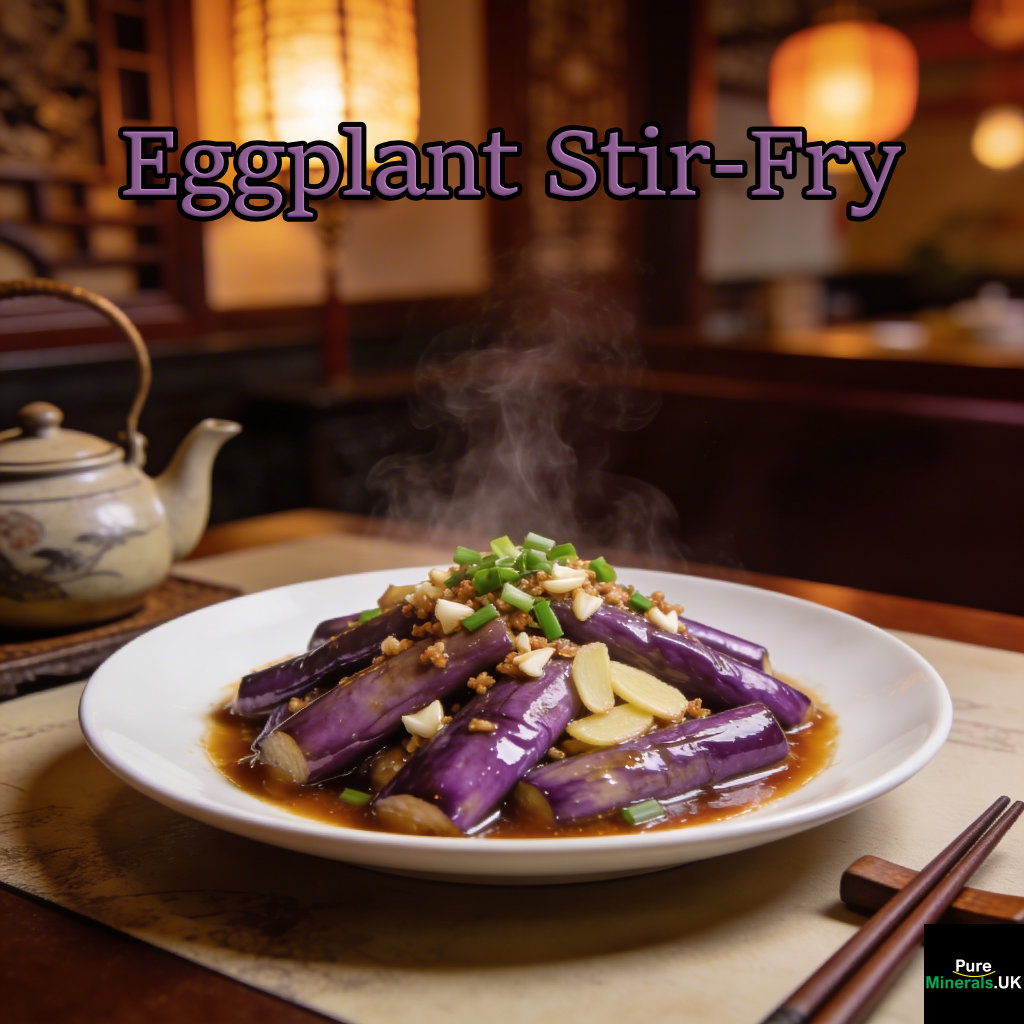
Choosing the right variety for a dish isn’t just about flavor — it affects texture, cooking behavior, and nutritional output. Globe eggplant (the large, deep-purple variety most common in Western grocery stores) is the most versatile and the richest in anthocyanins. Japanese and Chinese eggplants are longer, thinner, and have fewer seeds, making them ideal for stir-fries and quick sautés where a tender, less bitter result is preferred.
Italian eggplant is smaller than globe but similarly rich in flavor, making it well-suited for roasting and grilling. White eggplant has a creamier, milder flavor with a firmer flesh that holds up well in curries and braises, though its antioxidant content is lower due to the absence of skin pigmentation. For maximum phytochemical benefit, deeply colored purple varieties are consistently the best choice.
Eggplant Is a Simple Addition With Serious Nutritional Payoff
Eggplant won’t single-handedly transform your health, but it’s one of those vegetables that quietly does a lot. Low in calories, rich in fiber, loaded with rare antioxidants like nasunin, and packed with polyphenols that actively support heart health, blood sugar regulation, and cellular protection — it earns every bit of its place in a genuinely healthy diet. The fact that it’s affordable, globally available, and works across dozens of cuisines makes the barrier to adding it into regular rotation almost nonexistent.
Start with what you already cook. Add roasted eggplant to pasta dishes, swap it in for meat in grain bowls, or grill thick slices as a side. Keep the skin on. Use dry heat. Eat it often. The nutritional benefits compound with consistency, and eggplant is one of the easiest vegetables to eat consistently.
Important note: Eggplant
Eggplant is widely recognized as safe when consumed. As a member of the nightshade family, it contains naturally occurring glycoalkaloids that are present at levels considered safe in normal dietary consumption. This article is provided for educational purposes only and does not constitute medical advice. Individuals with specific dietary sensitivities should consult a qualified healthcare professional before making significant dietary changes.
Frequently Asked Questions
Here are answers to the most common questions people have about eggplant’s nutritional profile and how to get the most out of it.
Is eggplant a fruit or a vegetable?
Botanically, eggplant is a fruit — specifically a berry — because it develops from the flower of the plant and contains seeds. It belongs to the genus Solanum within the nightshade family Solanaceae, the same family as tomatoes and peppers, which are also technically fruits.
In culinary and nutritional contexts, however, eggplant is universally treated as a vegetable. Its savory flavor profile, low sugar content, and the way it’s prepared and consumed in cooking all align with vegetable classification. For practical dietary purposes, think of it as a vegetable — the botanical distinction doesn’t change how you should eat it or what it does for your health.
Which color eggplant is the most nutritious?
Deep purple eggplant varieties are the most nutritious, particularly when it comes to antioxidant content. The dark pigmentation is a direct indicator of high anthocyanin and nasunin concentrations — both of which are predominantly found in the skin. Studies comparing multiple commercial varieties have consistently found that purple eggplants outperform white and green varieties in total phenolic content, flavonoid levels, and overall antioxidant capacity. For a diverse nutritional intake, consider incorporating other vegetables like chayote into your diet.
White and green eggplants still offer nutritional value through chlorogenic acid and dietary fiber, but if you’re specifically trying to maximize phytochemical intake, reach for the darkest purple variety available — and always keep the skin on during cooking.
Does cooking eggplant destroy its antioxidants?
Cooking does affect antioxidant levels in eggplant, but the degree of loss depends entirely on the method used. High-moisture methods like boiling cause the most significant losses because water-soluble antioxidants leach out of the vegetable into the cooking liquid. Dry heat methods — particularly roasting, grilling, and air frying — preserve the majority of eggplant’s phenolic compounds and anthocyanins. Microwaving, despite being easy to overlook as a serious cooking method, is actually one of the most antioxidant-preserving options due to its short cooking time and low water use. The bottom line: cook eggplant with dry heat, keep the skin on, and avoid prolonged boiling to retain the most nutritional benefit.
How much eggplant should you eat per week?
There is no established official serving recommendation specifically for eggplant, but general dietary guidelines support eating a wide variety of vegetables daily. Incorporating eggplant two to three times per week as part of a varied vegetable intake is a practical and nutritionally sound approach. A standard serving is approximately one cup of cooked eggplant, which delivers meaningful fiber, antioxidants, and micronutrients within a very low calorie budget.
For people specifically interested in leveraging eggplant’s polyphenol content for cardiovascular or blood sugar benefits, more frequent consumption as a regular dietary staple — rather than an occasional ingredient — is likely more effective. Consistency matters more than any single large serving.
Is eggplant safe to eat for people with nightshade sensitivity?
Eggplant belongs to the nightshade family, which means it contains small amounts of alkaloids — including solanine — that some people with nightshade sensitivity or autoimmune conditions report reacting to. Symptoms in sensitive individuals can include digestive discomfort, joint inflammation flare-ups, or skin reactions. However, it’s important to note that nightshade sensitivity is not an allergy in the clinical sense for most people, and the evidence linking nightshades to systemic inflammation in the general population is not conclusive.
True eggplant allergies do exist, but are relatively uncommon. They typically involve oral allergy syndrome — tingling or mild swelling in the mouth — that is linked to cross-reactivity with certain pollens. Cooking eggplant thoroughly reduces alkaloid content and may improve tolerability for mildly sensitive individuals. For those looking for alternative vegetables, consider incorporating collard greens into your diet.
If you suspect a nightshade sensitivity, the most practical approach is an elimination trial: remove nightshades from your diet for three to four weeks and reintroduce them one at a time to observe your body’s response. A registered dietitian can help structure that process effectively and ensure you’re not unnecessarily eliminating a nutritious food group without confirmed cause. For most people, eggplant is completely safe and genuinely beneficial to eat regularly.
Eggplants, also known as aubergines, are a versatile and nutritious vegetable that can be used in a variety of dishes. They are low in calories and high in fiber, making them an excellent addition to a healthy diet. Eggplants contain a range of vitamins and minerals, including vitamin C, vitamin K, and potassium. Additionally, they are rich in antioxidants, which can help protect the body against damage from free radicals.