

Published: 12 April 2026
This article is periodically reviewed and updated to reflect current scientific understanding by Vic George.
What Is Triticale?
Triticale is a hybrid cereal grain developed by crossing wheat and rye, combining desirable traits of both parent species for agricultural and nutritional use.
Definition
Triticale is a man-made hybrid grain derived from the cross between wheat (Triticum spp.) and rye (Secale cereale), classified botanically as × Triticosecale.
Extended Definition
Triticale was developed in the late 19th and early 20th centuries through plant breeding efforts aimed at combining the high yield and grain quality of wheat with the hardiness and disease resistance of rye. The resulting hybrid exhibits improved tolerance to poor soils, drought, and cold climates compared to many wheat varieties.
Although widely used as animal feed, triticale is also cultivated for human consumption in certain regions and is increasingly explored for its potential in whole-grain and specialty food products. It can be milled into flour, used in breads, or consumed as a whole grain.
Nutritionally, triticale provides complex carbohydrates, dietary fiber, and moderate to high protein content. It also contains minerals such as magnesium, phosphorus, and iron, along with B vitamins. Its nutritional profile reflects contributions from both wheat and rye, including the presence of gluten proteins.
Triticale flour can be used in baking, though its gluten properties differ from wheat, often resulting in denser baked products.
Key Facts
- Botanical Name: × Triticosecale
- Plant Family: Poaceae
- Common Forms: Whole grain, flour
- Typical Serving Methods: Boiled, baked, or milled into flour
- Taste Profile: Mild, slightly nutty, with subtle rye-like notes
Nutritional Highlights:
- Contains dietary fiber
- Moderate to high protein content
- Provides magnesium, phosphorus, and iron
Culinary Uses:
- Bread and baked goods
- Whole-grain dishes
- Blended flours
Notable Compounds:
- Gluten proteins
- Polyphenols
Dietary Suitability:
- Vegetarian diets (not suitable for gluten-free diets)
Article-At-A-Glance: What Farmers Need to Know About Triticale
- Triticale is the world’s first man-made cereal grain, created by crossing wheat (Triticum) and rye (Secale), combining the yield potential of wheat with the ruggedness of rye.
- It contains more lysine than wheat, a higher overall protein content than corn and barley, and offers meaningful fiber levels that support both human and animal gut health.
- Triticale thrives in poor soils and harsh climates where wheat struggles, making it a strategic crop for farmers facing climate pressure or degraded land conditions.
- Poland leads global triticale production, but the grain is gaining ground across Europe, with Italy ranking it fifth among small grain cereals.
- One often-overlooked detail about triticale’s gluten structure could change how bakers and food processors approach this grain entirely — more on that below.
Most farmers have heard of triticale, but very few are actually growing it — and that gap is worth closing.
Triticale is a hybrid cereal grain developed by crossing wheat and rye, engineered specifically to carry the strengths of both parent crops. It delivers wheat’s high yield potential alongside rye’s natural toughness in difficult growing conditions. For farmers dealing with marginal soils, shifting rainfall patterns, or rising input costs, triticale represents a practical and underutilized option. Resources like Farmbrite, a farm management platform built to help farmers track crops, livestock, and operations, are increasingly seeing interest from growers exploring alternative cereal crops like triticale as part of smarter, more resilient farm strategies.
What Triticale Actually Is
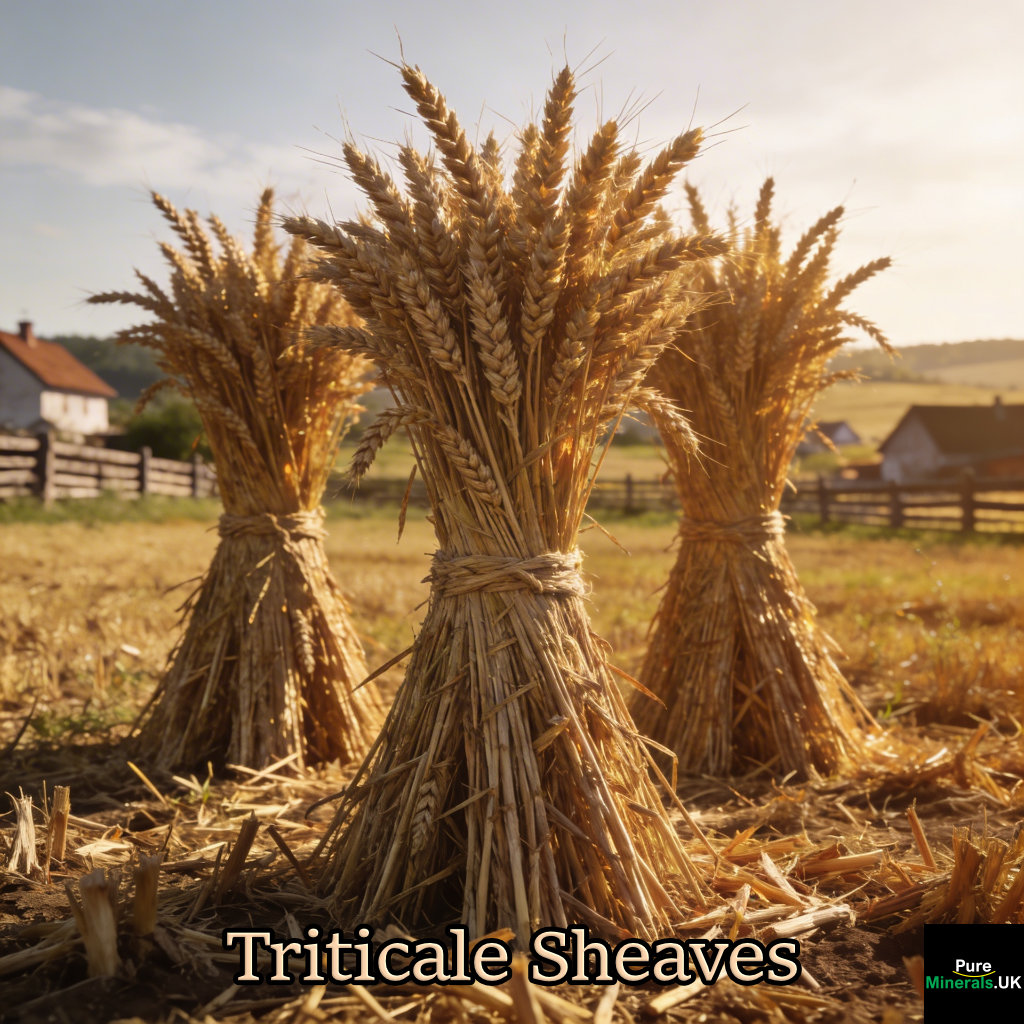
Triticale is not a naturally occurring grain. It was deliberately created in a laboratory setting during the late 19th century, making it the first cereal grain in history to be produced entirely through human-directed hybridization. That origin story matters because it explains exactly why triticale behaves the way it does in the field and in the kitchen.
The Wheat-Rye Cross That Created a New Cereal
The earliest successful crosses between wheat and rye took place in Scotland and Germany. Breeders had a clear goal: capture wheat’s productivity and grain quality while inheriting rye’s ability to survive in poor soils, resist disease, and tolerate environmental stress. Achieving a stable, fertile triticale variety took decades of intensive research, with the most significant breakthroughs arriving in the mid-20th century. What came out of those programs was a grain that could genuinely perform where wheat could not.
How Triticale Gets Its Name
The name triticale is a straightforward portmanteau. It combines Triticum, the Latin genus name for wheat, with Secale, the Latin genus name for rye. The name reflects exactly what the grain is: a direct genetic merger of its two parent species.
Primary and Secondary Triticale Varieties
Not all triticale is the same. Varieties are classified by their chromosomal origin, specifically whether they are octoploid or hexaploid, depending on which wheat genome — common wheat or durum wheat — was used in the hybridization with rye. Primary triticales are those derived directly from initial wheat-rye crosses, while secondary triticales have undergone further breeding and stabilization.
Modern breeding programs have expanded the focus considerably. Today’s triticale development targets not just grain yield but also biomass productivity, forage quality, and genotype performance across a range of environmental conditions. Breeders are selecting for varieties with high whole-plant productivity, which makes triticale relevant far beyond just the grain harvest. Learn more about other grains like spelt and their agricultural benefits.
Triticale Nutrition: Protein and Fiber by the Numbers
Triticale’s nutritional profile is one of its strongest arguments for wider adoption. It consistently outperforms several mainstream cereals on key nutritional metrics, which matters both for human food applications and for livestock feed formulations.
Higher Lysine Content Compared to Wheat
Lysine is an essential amino acid, meaning the body cannot produce it on its own and must obtain it from food. Most cereal grains are notoriously low in lysine, which limits their value as standalone protein sources. Triticale flour contains a significantly higher lysine content than wheat flour, giving it a more balanced amino acid profile overall. This makes triticale particularly valuable in livestock feed, where lysine deficiency is a common and costly problem.
Fiber Levels That Support Gut Health
Triticale carries meaningful dietary fiber levels that support digestive health in both humans and animals. Its fiber composition contributes to gut motility and feeds beneficial gut bacteria, which is increasingly recognized as a key factor in overall health outcomes. For livestock producers, a feed grain that supports gut health can translate directly into better feed conversion and animal performance.
On the human food side, triticale flour’s fiber content positions it as a more nutritious alternative to refined white flour, particularly as consumer demand for whole grain options continues to grow. Specialty food retailers and online grain suppliers have responded to this demand, with triticale flour becoming increasingly available to home bakers and small-scale food producers.
Why Triticale Outperforms Wheat in Tough Conditions
This is where triticale earns its reputation. Wheat is productive under ideal conditions, but its performance drops sharply when soils are acidic, sandy, or low in fertility. Triticale, having inherited rye’s genetic resilience, maintains productivity in exactly those difficult environments where wheat gives up ground.
Farmers working with degraded soils or operating in regions with variable rainfall have found triticale to be a more dependable option than wheat in practical field conditions. The grain does not just tolerate stress — it was specifically bred to handle it.
How It Handles Poor Soil and Harsh Climates
Triticale grows where wheat simply will not. It tolerates acidic soils, low-fertility ground, and drought conditions that would cause wheat yields to collapse. This trait comes directly from the rye side of its genetics, which evolved over centuries in the harsh, sandy soils of Northern and Eastern Europe. For farmers in regions with degraded or marginal land, triticale can turn an unproductive field into a viable harvest.
Disease Resistance Inherited From Rye
Rye carries natural resistance to several fungal diseases that routinely damage wheat crops, and triticale inherits a meaningful portion of that resistance. This translates to reduced fungicide inputs in many growing environments, which lowers production costs and reduces chemical load on the soil. While triticale is not immune to all diseases, its inherited resistance gives it a practical advantage over wheat in regions where fungal pressure is high.
Higher Biomass Production in Dry Mediterranean Environments
Research from Mediterranean growing regions highlights one of triticale’s most underappreciated qualities: its ability to produce high biomass even under water-limited conditions. Where wheat struggles to maintain canopy cover and stem development during dry periods, triticale continues to build plant material at a competitive rate. This makes it especially attractive for dual-purpose farming systems where both grain yield and forage yield matter.
Modern triticale breeding programs have specifically targeted this trait. Breeders are selecting genotypes with high whole-plant productivity, focusing on varieties that can deliver consistent biomass across variable rainfall seasons. The result is a crop that gives farmers more flexibility in how they use it — grain harvest, green chop, silage, or standing forage — depending on seasonal conditions.
In Italy, where triticale ranks fifth among small grain cereals after durum wheat, bread wheat, barley, and oats, much of the interest in the crop is driven by its performance in dry southern regions. Farmers there have found it a reliable option when summer moisture is scarce, and other cereals fail to justify input costs.
Field Note: In Mediterranean dryland systems, triticale’s biomass advantage over wheat becomes most visible during seasons with below-average spring rainfall. Its deeper root system and rye-derived drought tolerance allow it to keep growing during moisture stress periods when wheat has already stalled.
Radiation Use Efficiency Advantage Over Wheat
Triticale captures and converts solar radiation into plant biomass more efficiently than wheat under certain growing conditions. This radiation use efficiency (RUE) advantage means that triticale can produce more dry matter per unit of sunlight it receives, which is a meaningful edge in environments where growing seasons are short or where solar radiation is the limiting factor rather than water or nutrients. For more insights on triticale, explore its use in triticale flour.
This efficiency advantage compounds over a season. A crop that converts sunlight more effectively builds a canopy faster, shades out weeds more aggressively, and produces more harvestable material from the same land area. For farmers looking to maximize output from limited inputs, RUE is not just an academic metric — it has direct implications for profitability.
- Deeper root systems improve water and nutrient uptake from subsoil layers
- Faster canopy closure suppresses weed competition earlier in the season
- Higher RUE supports greater dry matter accumulation per hectare
- Dual-purpose use as grain and forage increases per-acre value
- Reduced fungicide requirements lower overall input costs compared to wheat
Triticale vs. Wheat vs. Rye: A Direct Comparison
Trait | Triticale | Wheat | Rye |
|---|---|---|---|
Protein Content | Higher than corn and barley; comparable to or exceeding wheat | Moderate to high | Moderate |
Lysine Content | Higher than wheat | Low | Moderate |
Soil Tolerance | Acidic, sandy, low-fertility soils | Prefers fertile, well-drained soils | Excellent on poor soils |
Disease Resistance | Strong, inherited from rye | Moderate; susceptible to several fungi | High natural resistance |
Gluten Quality | Weaker, less elastic than wheat | Strong, elastic gluten | Very weak gluten |
Primary Use | Feed, forage, flour, energy crop | Food, flour, feed | Feed, bread, whiskey |
Biomass Yield | High, especially in dry conditions | Moderate | Moderate to high |
How Triticale Is Used in Food and Farming
Triticale is a genuinely versatile crop. Depending on the farming system, it can serve as a high-protein livestock feed grain, a forage crop cut for silage, a milling grain for specialty flour, or even a dedicated energy crop for biogas production. That range of end uses is part of what makes it strategically interesting for modern farming operations looking to diversify revenue streams from a single crop.
Triticale as Animal Forage and Feed
The majority of triticale grown worldwide never reaches a human plate. It goes directly into livestock systems, either as harvested grain mixed into feed rations or as whole-plant forage cut and ensiled before grain maturity. Both uses leverage the crop’s core strengths: high protein, strong amino acid profile, and reliable biomass production.
As a feed grain, triticale competes directly with corn and barley. Its protein content is generally higher than both, and its lysine levels address one of the most common amino acid deficiencies in cereal-based feed rations. Poultry, swine, and cattle operations have all incorporated triticale into feed programs with positive results, particularly where locally grown grain reduces dependency on imported feed commodities.
As a forage crop, triticale offers flexibility that few other small grains can match. It can be grazed in the vegetative stage, cut for hay, or harvested as whole-plant silage at the soft dough stage when both energy and protein content are near their peak. This makes it a practical fit for mixed livestock operations running both grain and forage systems on the same land base, similar to how spelt is utilized in some farming practices.
Triticale forage also holds up well in silage fermentation. Its sugar content at the soft dough stage supports good lactic acid fermentation, resulting in stable silage with strong palatability and intake by cattle. Dairy and beef producers using triticale silage as part of a total mixed ration (TMR) have reported consistent animal acceptance.
- Higher lysine than wheat reduces the need for synthetic amino acid supplementation in feed rations
- Whole-plant silage at the soft dough stage captures both energy and protein in one cut
- Grazing triticale in early vegetative stages provides high-quality winter or early spring forage
- Strong fermentation characteristics make triticale a reliable silage crop
- Local production reduces feed cost volatility tied to commodity grain markets
Triticale Flour in Baking and Cooking
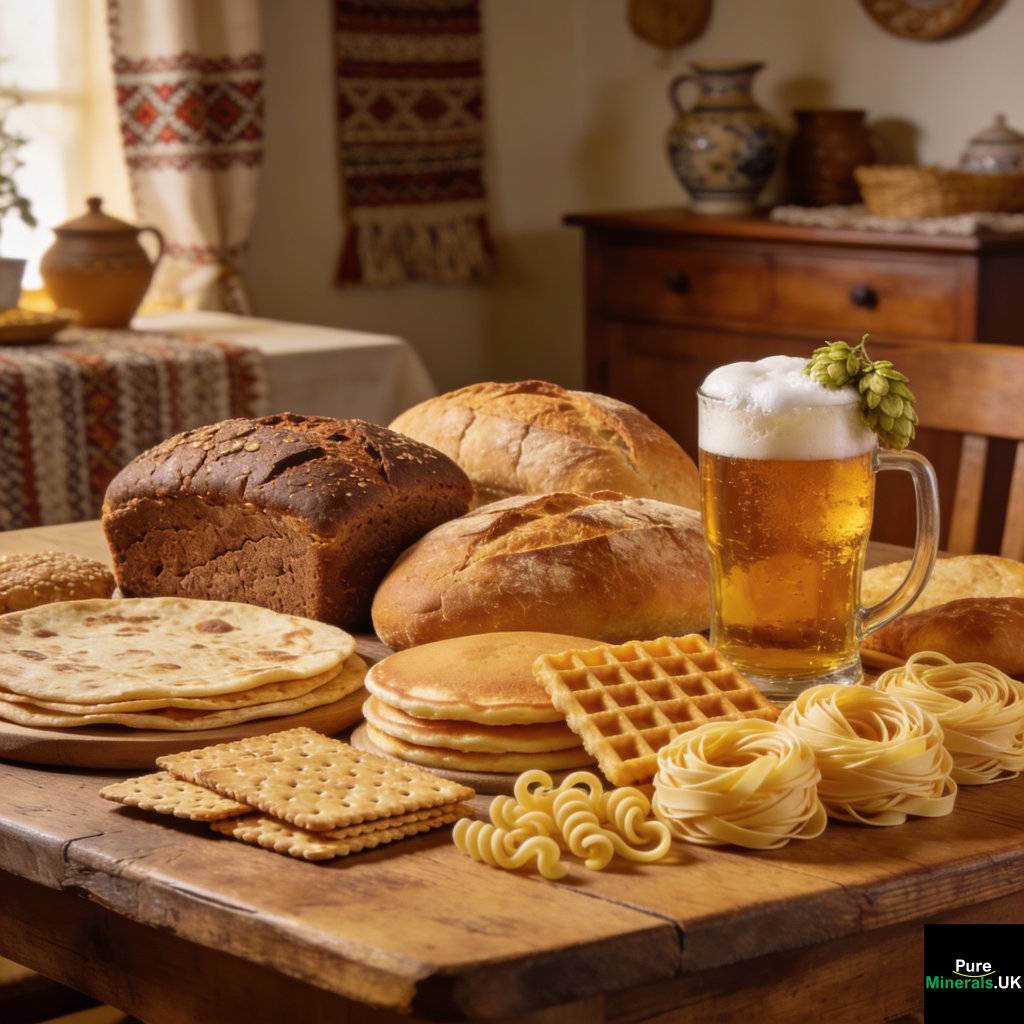
Triticale flour has carved out a genuine niche in the specialty baking world, valued for its nutty flavor, higher protein content, and more balanced amino acid profile compared to standard wheat flour. It works well in dense breads, flatbreads, pancakes, muffins, pasta, and extruded snack products.
- Dense whole-grain loaves and country-style breads
- Flatbreads and crackers where gluten extensibility is less critical
- Pancakes and waffles where tenderness is more important than structure
- Fresh pasta and noodles
- Extruded snack products
- Craft beer and distilled spirits where their fermentable sugar profile is an advantage
Triticale flour is increasingly available through specialty food retailers and online grain suppliers, reflecting growing consumer interest in diverse and nutritious whole grain options. However, it is not as widely available as traditional cereals. Home bakers and small artisan bakeries have been early adopters, experimenting with partial substitution of triticale flour in recipes traditionally made with wheat flour. It is often sold in health food shops, sometimes under the name “tritibread” when baked, a blend of 40% triticale and 60% wheat flour.
The flavor profile of triticale flour is notably different from plain wheat flour. It carries a mild, slightly earthy and nutty character that many bakers find appealing, particularly in rustic or whole-grain style products where a more complex flavor is desirable. Some craft brewers have also picked up on this flavor dimension, using triticale as a specialty malt grain to add character to small-batch beers.
The one consistent adjustment bakers need to make is hydration. Because triticale’s gluten is weaker and less elastic than wheat gluten, doughs made with triticale flour behave differently — they are softer, stickier, and less able to hold gas during fermentation. Understanding this characteristic upfront prevents frustration and allows bakers to adapt their techniques effectively.
Triticale as an Energy Crop
- High biomass yield per hectare makes triticale competitive as a biogas feedstock
- Whole-plant harvest before grain maturity maximizes fermentable organic matter
- Can be integrated into crop rotations alongside dedicated energy crops
- Lower input requirements compared to corn silage reduce energy crop production costs
Modern triticale breeding programs have explicitly included biomass yield and quality as selection targets, which has improved the crop’s suitability for anaerobic digestion systems. The result is triticale varieties that produce more fermentable material per hectare while maintaining the agronomic resilience the crop is known for.
For farms with biogas infrastructure or supply agreements with energy producers, triticale offers a way to fill rotational gaps with a high-value energy crop that also improves soil health compared to continuous corn silage. The crop’s winter hardiness means it can be established in autumn and harvested the following spring or early summer, fitting neatly into many existing rotation structures. Learn more about the benefits of similar grains like spelt for crop rotation.
In regions where renewable energy incentives support on-farm biogas production, triticale’s combination of low input cost, high biomass output, and rotational flexibility makes it a financially interesting option alongside or in place of dedicated energy maize.
The Gluten Difference: What Bakers and Processors Should Know
- Triticale gluten is structurally weaker and less elastic than wheat gluten
- Doughs made with triticale flour are softer, stickier, and less gas-retentive
- Higher hydration adjustments are typically needed when working with triticale flour
- Blending triticale flour with stronger wheat flour can improve dough handling without sacrificing nutritional gains
- Triticale’s gluten profile makes it unsuitable as a direct one-for-one replacement for bread wheat flour in high-volume yeast-leavened products
The gluten in triticale behaves differently from wheat gluten because the hybridization process produces a protein network that lacks the full extensibility and elasticity of pure wheat gluten. This is not a flaw — it is simply a characteristic that requires a different approach in processing and formulation. Bakers who understand it can work with it effectively; those who expect triticale to behave like wheat flour will be consistently disappointed.
For food processors developing products at scale, this gluten difference is actually an opportunity in certain product categories. Pasta, extruded snacks, flatbreads, and crackers do not rely on strong gluten development the way a pan loaf does, which means triticale flour’s protein content and amino acid advantages can be captured without fighting against its gluten limitations.
Blending is the most practical solution for bakers who want to use triticale flour in yeast-leavened breads. Replacing 20 to 40 percent of bread wheat flour with triticale flour delivers a meaningful nutritional upgrade — more lysine, more fiber, a more complex flavor — while retaining enough gluten strength from the wheat fraction to produce an acceptable loaf structure. This blending approach has become the standard recommendation from bakers who have worked extensively with triticale flour.
Where Triticale Is Grown Today
Triticale production is concentrated heavily in Europe, where the grain has found its most consistent commercial footing. While it is grown across multiple continents, European farmers have driven the majority of global acreage, particularly in countries with cooler climates and soils that favor rye-like crops. Global interest is growing as climate variability pushes more farmers toward stress-tolerant alternatives to conventional wheat.
Poland as a Global Production Leader
Poland stands out as the world’s single largest producer and consumer of triticale. Polish agriculture has embraced the crop at scale, integrating it into both livestock feed systems and human food production chains. The country’s soil profile, which includes large areas of light, sandy, acidic ground where wheat underperforms, makes triticale a naturally superior fit for Polish farming conditions.
- Poland leads global triticale acreage by a significant margin
- The grain is used extensively in Polish pig and poultry feed rations
- Triticale flour appears in traditional Polish baked goods and specialty grain products
- Polish breeding programs have produced some of the most agronomically advanced triticale varieties available globally
- The crop is deeply embedded in Polish agricultural policy as a strategic domestic feed grain
Polish investment in triticale breeding has had ripple effects across European agriculture. Varieties developed in Poland have been adopted across Germany, France, Belarus, and Ukraine, expanding the crop’s continental footprint significantly. That breeding infrastructure gives Poland an ongoing competitive advantage in triticale agronomy and variety development.
For farmers outside Poland looking at triticale for the first time, Polish production data offers a useful proof of concept. The crop’s performance at commercial scale in Poland demonstrates that triticale is not a niche experimental grain but a fully viable, large-scale cereal crop capable of anchoring a serious farming operation. For more information on other grains, you can explore the benefits of rye as well.
European Production Figures and Italy’s Role
Across Europe, triticale ranks as a significant secondary cereal crop in several countries. In Italy specifically, triticale ranks fifth among small grain cereals, trailing only durum wheat, bread wheat, barley, and oats. While its production area remains smaller than the major wheat categories, it sits meaningfully above rye, reflecting genuine farmer interest in its performance advantages. Italy’s dry southern regions and central hill zones have been particularly receptive to triticale as a drought-tolerant alternative in rotations previously dominated by durum wheat.
Triticale Is a Smart Bet for Farmers
The agricultural case for triticale has never been stronger than it is right now. With unpredictable rainfall patterns, input costs rise, and marginal land becomes harder to farm profitably with conventional cereals, triticale’s unique combination of stress tolerance, nutritional value, and production flexibility positions it as one of the most practical crop additions a farmer can make. It is not a replacement for wheat across every situation, but on challenging ground and in difficult seasons, it consistently outperforms. Farmers who have not yet evaluated triticale as part of their rotation are leaving yield, quality, and profitability on the table.
Important note: Triticale
Triticale contains gluten and is not suitable for individuals with Celiac disease or gluten sensitivity. As a hybrid grain, triticale may offer agronomic advantages, but its nutritional suitability is similar to that of other gluten-containing cereals. Individuals with specific dietary conditions should consult a qualified nutrition professional before regular consumption.
Frequently Asked Questions
Triticale raises a few consistent questions from farmers, bakers, and nutritionists encountering it for the first time. Here are direct answers to the ones that come up most often, including how it compares to rye in terms of nutritional benefits and agricultural uses.
Is Triticale Safe for People With Gluten Intolerance?
No. Triticale contains gluten and is not safe for people with celiac disease or non-celiac gluten sensitivity. While its gluten structure differs from wheat gluten in terms of elasticity and protein network organization, it still contains the gluten proteins that trigger immune responses in sensitive individuals. Anyone managing a gluten-related condition should avoid triticale flour and triticale-containing products entirely.
Can Triticale Be Grown in the Same Conditions as Wheat?
Triticale can be grown under the same conditions as wheat, but its real advantage appears when conditions are suboptimal. On fertile, well-drained soils with adequate moisture, triticale performs comparably to wheat. On acidic, sandy, or low-fertility soils — or in regions with erratic rainfall — triticale consistently outperforms wheat by maintaining yield stability where wheat struggles. It thrives in cooler climates and is well-suited to autumn planting as a winter cereal in most temperate growing regions.
What Animals Benefit Most From Triticale Feed?
Poultry and swine benefit the most from triticale-based feed rations, primarily because of the grain’s higher lysine content relative to wheat and corn. Lysine is the first-limiting amino acid in both pig and poultry nutrition, meaning it is the nutrient most likely to restrict growth and performance when deficient. Triticale’s naturally higher lysine levels reduce or eliminate the need for synthetic lysine supplementation in many formulations, lowering feed cost while maintaining animal performance.
Cattle also benefit significantly from triticale, particularly in forage and silage forms. Whole-plant triticale silage harvested at the soft dough stage provides a well-balanced combination of energy and protein that fits efficiently into total mixed rations for both dairy and beef systems. Grazing triticale in the vegetative stage delivers high-quality early-season forage that supports strong daily gains in growing cattle and maintains milk production in dairy cows during the winter-to-spring transition period.
How Does Triticale Flour Affect Baking Results Compared to Wheat Flour?
Triticale flour produces softer, denser, and less elastic doughs than wheat flour due to its weaker gluten network. Bakers working with triticale flour for the first time should expect doughs that are stickier and less able to trap gas during fermentation, which results in a tighter, denser crumb in yeast-leavened products. The practical solution is to blend triticale flour with bread wheat flour at a 20 to 40 percent replacement rate, which preserves enough gluten strength from the wheat fraction while capturing triticale’s nutritional and flavor benefits. For flatbreads, crackers, pasta, and quick breads, triticale flour performs well without blending adjustments.
Is Triticale Considered an Ancient Grain?
No. Triticale is the opposite of an ancient grain. It is the world’s first man-made cereal, created entirely through deliberate laboratory hybridization in the late 19th century. Ancient grains are defined by their long, unmodified history of cultivation stretching back thousands of years — grains like emmer, einkorn, spelt, and amaranth. Triticale has no natural history of that kind.
That said, triticale’s modern origin does not diminish its nutritional or agricultural value. Its higher lysine content, strong fiber levels, and stress tolerance are real, measurable advantages that stand on their own merits regardless of the grain’s relatively recent creation. The fact that it was engineered is actually central to why it performs so well — it was designed with specific agricultural and nutritional goals in mind from the start.
Farmers and consumers who associate the term “ancient grain” with quality or nutritional superiority should evaluate triticale on its actual measured nutritional profile rather than its origin story. By most objective nutritional metrics, triticale compares favorably to many grains that carry the ancient grain label, and its field performance in challenging conditions exceeds most of them.