

Published: 21 December 2025
Last Updated: 15 January 2026
This article is periodically reviewed and updated to reflect current scientific understanding by George Wesler.

What Is Moringa and Why Is This Nutrient-Dense Herbal Leaf Used for Micronutrient Support, Antioxidant Protection, and Metabolic Balance?
Moringa is a nutrient-dense herbal leaf widely used to support overall nutrition, antioxidant defence, and metabolic balance. Derived from the leaves of the moringa tree, it has a long history of traditional use in parts of Africa and South Asia as a nourishing food-herb rather than a stimulant or tonic. Moringa is commonly consumed as a dried leaf powder, capsule, or tea and is valued for broad nutritional support.
Definition:
Moringa is a medicinal and nutritional plant whose leaves contain a wide range of vitamins, minerals, amino acids, and antioxidant compounds. The most commonly used species is Moringa oleifera. The leaves are dried and powdered or extracted to provide concentrated micronutrient and phytonutrient support.
Extended Definition:
Moringa is often described as a nutrient-rich functional herb, providing naturally occurring vitamins, minerals, polyphenols, and plant proteins that contribute to overall nutritional adequacy. Its bioactive constituents include flavonoids, phenolic acids, and glucosinolates, which support antioxidant activity and metabolic regulation. Traditionally, moringa leaves were used as a dietary supplement to support vitality, immune resilience, and recovery during periods of nutritional stress. Unlike stimulant herbs, moringa supports energy indirectly by improving nutrient availability and cellular efficiency. Benefits are typically gradual and reflect consistent dietary inclusion rather than acute effects. Because of its dense nutritional profile, moringa is often used as a foundational food-herb rather than a targeted remedy.
Key Facts:
- Herb name: Moringa
- Botanical name: Moringa oleifera
- Herb type: Nutrient-dense food-herb
- Key compounds: Polyphenols, flavonoids, glucosinolates, micronutrients
- Primary uses: Nutritional support, antioxidant protection, metabolic balance
- Systems supported: Metabolic, immune, digestive, cellular
- Common forms: Leaf powder, capsules, tea, extracts
- Use considerations: Generally well tolerated; effects reflect regular use; leaves are preferred over root or bark in nutritional contexts
- Typical pairing: Often paired with vitamin C, iron-rich foods, or whole-food supplements to enhance nutritional intake
Key Takeaways
- Moringa oleifera contains exceptional levels of vitamins, minerals, and antioxidants, with leaves providing 7 times more vitamin C than oranges and 4 times more calcium than milk.
- Every part of the moringa plant has practical uses—from water purification with crushed seeds to medicinal applications using roots, bark, and leaves.
- Modern research supports traditional claims that moringa may help manage blood sugar levels, reduce inflammation, and lower cholesterol.
- NatureBotanica’s plant-based supplements feature moringa as a cornerstone ingredient for those seeking sustainable nutrition solutions.
- Moringa thrives in challenging environments, making it a promising solution for combating malnutrition in resource-limited regions worldwide.
Moringa oleifera stands as one of nature’s most impressive gifts, packed with nutrients and healing properties that have supported communities for centuries. This remarkable plant has earned its “miracle tree” nickname through its ability to thrive in harsh conditions while offering exceptional nutritional density in virtually every part—from roots to seeds, bark to leaves. What makes this plant truly extraordinary isn’t just its resilience, but the concentrated wealth of nutrients it provides in a single, sustainable package.
Why Moringa Is Called “The Miracle Tree”

The moringa tree has earned its title as “The Miracle Tree” through centuries of providing life-sustaining benefits across various cultures. Native to parts of Africa and Asia, this fast-growing plant can reach heights of 25-35 feet in just a few years, producing nutrient-rich leaves year-round even in drought conditions. Its remarkable ability to thrive in poor soil where other food crops fail has made it invaluable in regions facing food insecurity. Beyond just survival, moringa offers exceptional medicinal properties that traditional healers have utilized for generations to treat everything from skin infections to digestive issues.
Perhaps most impressive is moringa’s comprehensive nutritional profile, which addresses multiple deficiencies simultaneously. When malnutrition threatens communities, moringa provides proteins, vitamins, minerals, and antioxidants in an easily accessible form. The tree’s water-purifying capabilities further cement its “miracle” status—its crushed seeds can clarify turbid water by binding to contaminants and causing them to sink, making potentially harmful water safer to drink in areas lacking modern filtration systems. For these reasons, supplement companies have recognized moringa’s potential as a cornerstone of natural wellness solutions.
Moringa’s Impressive Nutritional Profile
Few plants on earth can match the nutritional density found in moringa leaves. Gram for gram, these unassuming green leaves contain more vitamin A than carrots, more vitamin C than oranges, more calcium than milk, more potassium than bananas, and more iron than spinach. This nutritional powerhouse provides all nine essential amino acids—a rarity in plant sources—making it a complete protein comparable to eggs or milk. The concentration of these nutrients makes even small amounts of moringa significantly beneficial to overall health.
Essential Vitamins and Minerals Found in Moringa
Moringa leaves contain a remarkable spectrum of vitamins and minerals critical for optimal body function. The vitamin A content in moringa supports vision health, immune function, and cellular growth, while its abundant vitamin C boosts immunity and enhances iron absorption. Vitamin E acts as a powerful antioxidant, protecting cells from oxidative damage. The mineral profile is equally impressive, with calcium and magnesium supporting bone health, iron preventing anemia, and potassium helping regulate fluid balance and nerve signals. These nutrients work synergistically, making moringa particularly valuable for addressing multiple nutritional needs simultaneously.
What truly sets moringa apart from other green vegetables is the bioavailability of its nutrients. Many of the vitamins and minerals in moringa are bound to natural plant compounds that enhance absorption in the digestive system. A single tablespoon of moringa leaf powder (about 8 grams) contains approximately 14% of the daily requirement for vitamin A, 9% for protein, and nearly 10% for calcium—concentrated nutrition that can make a meaningful difference even when consumed in small amounts. For more detailed information, refer to the complete guide to moringa benefits.
Nutrient | Amount in 100g fresh moringa leaves | Comparison to common foods |
|---|---|---|
Vitamin C | 220 mg | 7x more than oranges |
Vitamin A | 6,780 μg | 10x more than carrots |
Calcium | 440 mg | 4x more than milk |
Potassium | 259 mg | 3x more than bananas |
Protein | 6.7 g | Comparable to eggs with all essential amino acids |
Protein Content That Rivals Common Animal Sources
Moringa leaves contain approximately 6.7 grams of protein per 100 grams—a remarkable amount for a leafy green. What makes this protein content truly exceptional is that moringa contains all nine essential amino acids that the human body cannot produce on its own. This complete amino acid profile is rarely found in plant sources, making moringa particularly valuable for those following plant-based diets. The protein quality score of moringa leaves approaches that of animal products like eggs and milk, without the associated saturated fats or cholesterol.
The high-quality protein in moringa supports muscle maintenance, enzyme production, and immune function. For communities facing protein malnutrition, moringa provides a sustainable solution that can be grown locally with minimal resources. Unlike many animal protein sources that require significant land, water, and feed inputs, moringa trees produce protein-rich leaves year-round with minimal environmental impact. This efficiency makes moringa an increasingly important food source as global protein demands rise alongside growing environmental concerns.
Antioxidant Properties That Fight Free Radicals
Moringa leaves are packed with powerful antioxidants that combat oxidative stress and neutralize harmful free radicals in the body. These compounds include quercetin, chlorogenic acid, and vitamin C, which work together to protect cells from damage that can lead to chronic diseases and premature aging. Research has shown that moringa’s antioxidant activity is comparable to or exceeds that of common antioxidant-rich foods like blueberries and green tea, making it an exceptional addition to any health-conscious diet.
What makes moringa’s antioxidant profile particularly valuable is the diversity of compounds it contains. While some foods may offer high levels of a single antioxidant, moringa provides a spectrum of protective compounds that address different types of cellular damage. This comprehensive approach to antioxidant protection helps explain why traditional medicine systems have long valued moringa for promoting longevity and overall wellness. Regular consumption of moringa may help reduce inflammation, support immune function, and potentially lower the risk of developing chronic conditions associated with oxidative damage.
Amino Acid Composition
Moringa’s protein quality is exceptional due to its balanced amino acid profile, containing all nine essential amino acids that humans must obtain from food. This makes moringa particularly valuable for vegetarians and vegans seeking complete protein sources. The leaves contain significant amounts of arginine and histidine—amino acids especially important for children’s growth—as well as methionine and cysteine, which are often limited in other plant proteins.
Beyond the essential amino acids, moringa provides numerous non-essential amino acids that support various bodily functions. These include glutamic acid, which plays a role in brain function; aspartic acid, which helps metabolize amino acids and produces immunoglobulins and antibodies; and glycine, which is crucial for the synthesis of collagen, glutathione, and creatine. This comprehensive amino acid profile contributes to moringa’s ability to support tissue repair, enzyme production, and overall protein synthesis throughout the body. Additionally, some people explore other natural supplements like ashwagandha for its potential health benefits.
Traditional Uses Across Different Cultures
Throughout history, moringa has been an integral part of traditional medicine systems across Africa, India, and parts of Asia. Ancient documents from India dating back to 150 BCE describe the therapeutic use of moringa pods for over 300 health conditions, earning it the Sanskrit name “shigru,” meaning “quill” or “sharp stick,” referring to its pod shape and powerful effects. In Ayurvedic medicine, different parts of the moringa tree have been prescribed for thousands of years to address imbalances in the body’s doshas and treat everything from liver disorders to joint pain.
African traditional healers have similarly treasured moringa for generations, employing its leaves, seeds, bark, and roots in numerous remedies. In countries like Ghana, Nigeria, and Senegal, moringa has been used to treat anemia, high blood pressure, diabetes, and infections. These cultures recognized moringa’s potent anti-inflammatory and antimicrobial properties long before modern science confirmed them. The plant’s versatility in traditional healing practices speaks to its broad spectrum of bioactive compounds and their effectiveness in addressing various health conditions naturally and holistically.
Ancient Medicinal Applications in India and Africa
In ancient India, Ayurvedic practitioners utilized moringa extensively, with each part of the plant assigned specific medicinal properties. The roots were crushed and applied as poultices for inflammatory conditions like arthritis, while bark extracts were used to treat digestive disorders and expel intestinal worms. Leaf preparations were commonly prescribed for anemia, anxiety, asthma, blackheads, blood impurities, bronchitis, and fever—showcasing the plant’s versatility in treating diverse conditions. These applications have been documented in ancient texts like the Charaka Samhita and Sushruta Samhita, foundational works in Ayurvedic medicine dating back thousands of years.
African healing traditions similarly embraced moringa’s medicinal potential through distinct applications. In Senegal and Nigeria, healers used moringa leaf infusions to control blood glucose levels in diabetic patients and reduce hypertension. Pregnant women were often given moringa to increase milk production and provide essential nutrients. When infectious diseases struck communities, moringa preparations were administered to boost immunity and fight bacterial infections. These traditional uses align remarkably well with modern research findings, validating the wisdom of traditional healing knowledge passed down through generations. For more information on natural remedies, you can explore the benefits of black seed as well.
Historical Water Purification Techniques
One of moringa’s most remarkable traditional applications has been water purification—a practice that dates back centuries in rural communities across Sudan, Malawi, Indonesia, and other regions with limited access to clean water. The process involves crushing moringa seeds and adding them to turbid water, where natural proteins in the seeds act as coagulants that bind to contaminants, causing them to clump together and settle at the bottom. This simple but effective technique can remove up to 99% of impurities and significantly reduce bacterial content, making water safer to drink without modern filtration infrastructure.
- Crushed moringa seeds can purify water by removing 90-99% of bacteria and sediment
- One seed can purify approximately 1 liter of turbid water
- The purification method requires no external energy and uses locally available resources
- The process leaves no harmful residues and creates biodegradable waste
- This technique has been documented in use since at least the 19th century in Sudan
Historical records show that this water purification technique wasn’t merely a survival practice but a sophisticated understanding of moringa’s natural properties. Communities developed specific methods for harvesting, processing, and applying the seeds to maximize their clarifying effects. The seeds were typically harvested when fully mature, dried in the shade, crushed using stone mortars, and then mixed with a small amount of clean water to form a solution that was added to contaminated water. After stirring rapidly and then slowly, communities would allow the water to settle for several hours before carefully decanting the clarified water—a process remarkably similar to modern flocculation techniques used in water treatment plants.
What makes this traditional knowledge especially valuable is its sustainability and accessibility. Unlike chemical water treatments that require ongoing supplies and technical expertise, moringa-based purification can be implemented using locally grown trees and simple tools. This approach represents indigenous science at its finest—practical solutions developed through generations of observation and refinement. Today, researchers are studying these traditional techniques to develop improved water treatment methods for humanitarian applications in regions facing water insecurity.
Culinary Traditions Using Moringa
Across South and Southeast Asia, moringa has been incorporated into diverse culinary traditions for centuries. In India, tender moringa pods (known as drumsticks) are essential ingredients in sambhar, avial, and numerous curry dishes. The pods are typically split and cooked until tender, allowing diners to extract the soft inner pulp while discarding the fibrous outer portion. In the Philippines, the young leaves are added to tinola, a traditional chicken soup believed to strengthen the immune system, while in Indonesia, the leaves feature prominently in sayur bening, a clear vegetable soup valued for its nourishing properties. For those interested in exploring other beneficial plants, consider learning about holy basil, another plant with a rich history in traditional cuisines.
Culinary Traditions Using Moringa
Across South and Southeast Asia, moringa has been incorporated into diverse culinary traditions for centuries. In India, tender moringa pods (known as drumsticks) are essential ingredients in sambhar, avial, and numerous curry dishes. The pods are typically split and cooked until tender, allowing diners to extract the soft inner pulp while discarding the fibrous outer portion. In the Philippines, the young leaves are added to tinola, a traditional chicken soup believed to strengthen the immune system, while in Indonesia, the leaves feature prominently in sayur bening, a clear vegetable soup valued for its nourishing properties. For those interested in exploring other beneficial plants, holy basil is another traditional herb with a rich history in Asian cuisine.
African cuisines have equally embraced moringa in creative and nutritious preparations. In Ghana and Nigeria, fresh moringa leaves are incorporated into stews and soups to enhance their nutritional value, particularly for nursing mothers and children. The leaves are sometimes dried and powdered to create a shelf-stable ingredient that can be added to virtually any dish as a nutritional boost. This culinary versatility has allowed communities to maximize moringa’s benefits even during seasons when fresh vegetables are scarce. The mild spinach-like flavor of young leaves makes moringa adaptable to numerous regional flavor profiles, explaining its widespread adoption across different food cultures.
Health Benefits Backed by Modern Science
Contemporary research has begun to validate many traditional claims about moringa’s medicinal properties through rigorous scientific studies. Clinical trials have demonstrated moringa’s potential to reduce blood sugar levels in diabetic patients, with one study showing a significant reduction in post-meal blood glucose after participants consumed moringa leaf powder. The plant’s high antioxidant content has been linked to reduced markers of oxidative stress and inflammation in multiple human and animal studies. These findings help explain moringa’s longstanding reputation for promoting overall wellness and addressing chronic conditions.
Perhaps most promising are studies investigating moringa’s impact on cardiovascular health. Research published in the Journal of Ethnopharmacology demonstrated that regular consumption of moringa leaf powder can lead to meaningful reductions in total cholesterol, LDL (bad) cholesterol, and triglycerides while increasing HDL (good) cholesterol levels. Other studies have explored moringa’s ability to support liver function, enhance wound healing, and potentially inhibit certain types of cancer cell growth. While more research is needed to fully understand these mechanisms, the growing body of scientific evidence supports moringa’s status as a functional food with genuine therapeutic potential.
Blood Sugar Management Properties
Multiple clinical studies have demonstrated moringa’s ability to help regulate blood glucose levels, making it potentially valuable for individuals with diabetes or at risk of developing the condition. The plant contains several compounds that appear to slow the digestion of carbohydrates and sugar, preventing rapid spikes in blood glucose after meals. Isothiocyanates found in moringa leaves have been shown to reduce insulin resistance at the cellular level, helping cells respond more effectively to insulin signals. A study published in the Journal of Diabetes found that participants who consumed 8 grams of moringa leaf powder daily for 40 days showed a significant reduction in fasting and post-meal blood sugar levels.
The blood sugar-regulating effects of moringa appear to work through multiple pathways. The plant’s high fiber content slows carbohydrate absorption, while specific flavonoids help increase insulin production from pancreatic beta cells. Additionally, moringa’s anti-inflammatory properties may reduce the chronic inflammation that contributes to insulin resistance. These complementary mechanisms make moringa particularly promising as a natural approach to blood sugar management when incorporated into a balanced diet and healthy lifestyle.
Cholesterol-Lowering Effects
Research into moringa’s impact on cholesterol levels has produced encouraging results that align with traditional uses of the plant for heart health. Studies have found that moringa leaf extract can significantly reduce total cholesterol and LDL (low-density lipoprotein) levels while increasing beneficial HDL (high-density lipoprotein) cholesterol. This cholesterol-modulating effect appears to result from bioactive compounds in moringa that inhibit cholesterol absorption in the intestines and enhance the conversion of cholesterol into bile acids in the liver, facilitating its elimination from the body. For similar benefits, you might also explore the effects of milk thistle on cholesterol.
A randomized controlled trial published in the Journal of Medicinal Food found that participants with mildly elevated cholesterol who consumed 4.4 grams of moringa leaf powder daily for 50 days experienced an average reduction of 1.6% in total cholesterol and 6.3% in LDL cholesterol compared to the control group. Even more impressive, their HDL cholesterol increased by 10.2%, significantly improving their overall cholesterol profile. These effects, while modest, suggest that regular consumption of moringa as part of a heart-healthy diet could contribute to improved cardiovascular outcomes over time.
Anti-Inflammatory Benefits
Chronic inflammation underlies many modern health conditions, from arthritis to heart disease and diabetes. Moringa contains a remarkable array of anti-inflammatory compounds, including quercetin, chlorogenic acid, and various isothiocyanates, that help modulate the body’s inflammatory response. Laboratory and clinical studies have shown that moringa extract can reduce the production of pro-inflammatory cytokines and enzymes, effectively dampening inflammation at the molecular level. This anti-inflammatory action may explain many of moringa’s traditional uses for pain relief and managing inflammatory conditions.
What makes moringa’s anti-inflammatory properties particularly valuable is their gentle, balanced approach. Unlike some pharmaceutical anti-inflammatories that can cause side effects with long-term use, moringa appears to modulate inflammation through multiple pathways without disrupting the body’s natural healing processes. A study in the Journal of Inflammation found that moringa leaf extract not only reduced inflammatory markers but also enhanced antioxidant activity, providing dual protection against cellular damage. For individuals dealing with chronic inflammatory conditions, incorporating moringa into their wellness routine may offer a complementary approach to managing symptoms and supporting overall inflammatory balance. Additionally, exploring other anti-inflammatory herbs like boswellia could further support these efforts.
Potential Impact on Brain Health
Emerging research suggests moringa may offer neuroprotective benefits that support cognitive function and potentially reduce the risk of neurodegenerative diseases. The plant’s high content of antioxidants, particularly vitamin E, quercetin, and phenolic compounds, helps protect brain cells from oxidative damage—a key factor in age-related cognitive decline. Animal studies have demonstrated that moringa leaf extract can enhance memory and learning capacity while reducing markers of brain inflammation and oxidative stress. These findings align with traditional uses of moringa to enhance mental clarity and cognitive performance.
Particularly interesting is moringa’s potential role in supporting brain health through its impact on the gut-brain axis. The plant’s unique combination of prebiotic fibers, anti-inflammatory compounds, and essential nutrients may help maintain a healthy gut microbiome, which increasingly appears connected to brain health and mood regulation. While human clinical trials are still limited, preliminary research suggests that moringa’s neuroprotective properties warrant further investigation, especially given the growing global burden of dementia and other cognitive disorders.
Digestive System Support
Traditional healing systems have long valued moringa for its ability to support digestive health, and modern research is beginning to uncover the mechanisms behind these effects. Moringa leaves contain a significant amount of dietary fiber—both soluble and insoluble—that promotes healthy digestion by adding bulk to stools, feeding beneficial gut bacteria, and supporting regular bowel movements. Additionally, moringa contains isothiocyanates and flavonoids with antimicrobial properties that may help maintain a balanced gut microbiome by inhibiting the growth of pathogenic bacteria while supporting beneficial species.
Beyond basic digestive function, moringa appears to offer protective benefits for the digestive tract itself. Studies have shown that moringa extract can help strengthen the mucosal barrier that lines the intestines, potentially reducing gut permeability (“leaky gut”) and associated inflammation. The plant’s anti-inflammatory properties may also help soothe irritation in the digestive tract, making it potentially beneficial for conditions like irritable bowel syndrome or mild gastritis. For those dealing with digestive discomfort or seeking to optimize gut health, moringa represents a gentle, nutrient-rich approach to supporting the digestive system.
Different Parts of the Moringa Plant and Their Uses
One of moringa’s most remarkable characteristics is that virtually every part of the plant offers unique benefits and applications. The leaves, richest in nutrients and most commonly consumed, can be used fresh, cooked like spinach, or dried and powdered for long-term storage. The young seed pods, often called “drumsticks,” are harvested while still tender and prepared in curries and soups for their high mineral content and distinctive flavor. Mature seeds yield a high-quality oil (known as ben oil) used in cooking, cosmetics, and even as a mechanical lubricant due to its resistance to rancidity.
Even the less commonly used parts of moringa offer valuable applications. The bark contains compounds with medicinal properties and has been used in traditional remedies for liver disorders. The roots, though used more cautiously due to their potent compounds, have featured in treatments for inflammation when properly prepared. The flowers, which can be consumed cooked or in teas, contain high levels of potassium and calcium. This remarkable versatility has earned moringa its reputation as a “giving tree,” providing multiple resources from a single plant that requires minimal inputs to thrive.
Leaves: The Most Nutrient-Dense Part

Moringa leaves represent the most nutritionally concentrated part of the plant and are widely used across various cultures. Fresh leaves can be added to salads, soups, and stir-fries much like spinach, while dried leaves are ground into a fine powder that can be incorporated into almost any dish. The leaves contain the highest protein content in the plant (up to 27% by dry weight), along with exceptional levels of vitamins A, C, and E, calcium, potassium, and antioxidant compounds. This nutritional density makes even a small amount of moringa leaves a significant dietary contribution.
Beyond their nutritional value, moringa leaves contain unique phytochemicals with medicinal properties. These include niazimicin and pterygospermin, which have demonstrated antibacterial and anticancer potential in laboratory studies. The leaves also contain quercetin, a powerful antioxidant that helps neutralize free radicals and reduce inflammation. For practical daily use, moringa leaf powder offers the most versatile and shelf-stable option—it can be added to smoothies, sprinkled on meals, or encapsulated as a supplement. Just one tablespoon daily provides a significant nutrient boost that supports overall health and addresses specific nutritional gaps.
Seeds: Purification and Oil Production
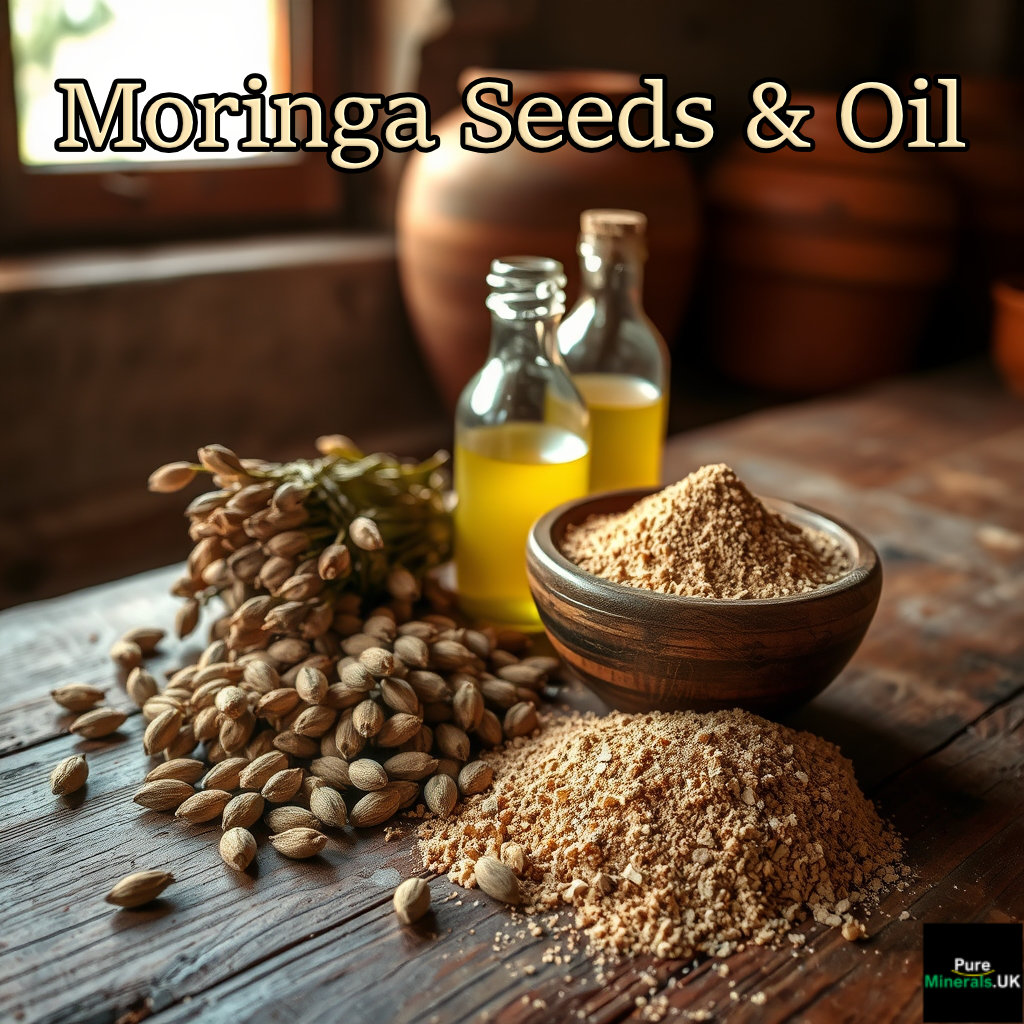
Moringa seeds serve dual purposes as both a water purification agent and a source of valuable oil. When crushed, the seeds release proteins that function as natural coagulants, attracting contaminants in water and causing them to clump together and settle. This remarkable property has been utilized for centuries in regions with limited access to water treatment facilities, and modern research confirms that moringa seed powder can remove up to 99% of bacteria and particulate matter from turbid water. A single mature seed can purify approximately one liter of water, making this a sustainable solution for communities facing water insecurity.
“The water purification properties of moringa seeds represent one of humanity’s earliest examples of natural bioremediation technology. Ancient communities discovered that these unassuming seeds could transform cloudy, potentially dangerous water into a clearer, safer drinking source—a gift of immense value in regions where clean water access determines survival.” — Journal of Water, Sanitation and Hygiene for Development
When pressed, moringa seeds yield ben oil (sometimes called “behen oil”), a clear, odorless oil with exceptional stability and resistance to rancidity. This oil contains approximately 70% oleic acid—a heart-healthy monounsaturated fatty acid also found in olive oil—along with unique plant sterols and tocopherols that contribute to its antioxidant properties and stability. In cosmetic applications, moringa oil has gained popularity for its ability to moisturize skin without clogging pores, its anti-aging properties, and its effectiveness as a natural hair conditioner. The oil’s stability at high temperatures also makes it valuable for cooking, particularly in regions where refrigeration is limited.
Pods: Culinary Applications and Nutrients
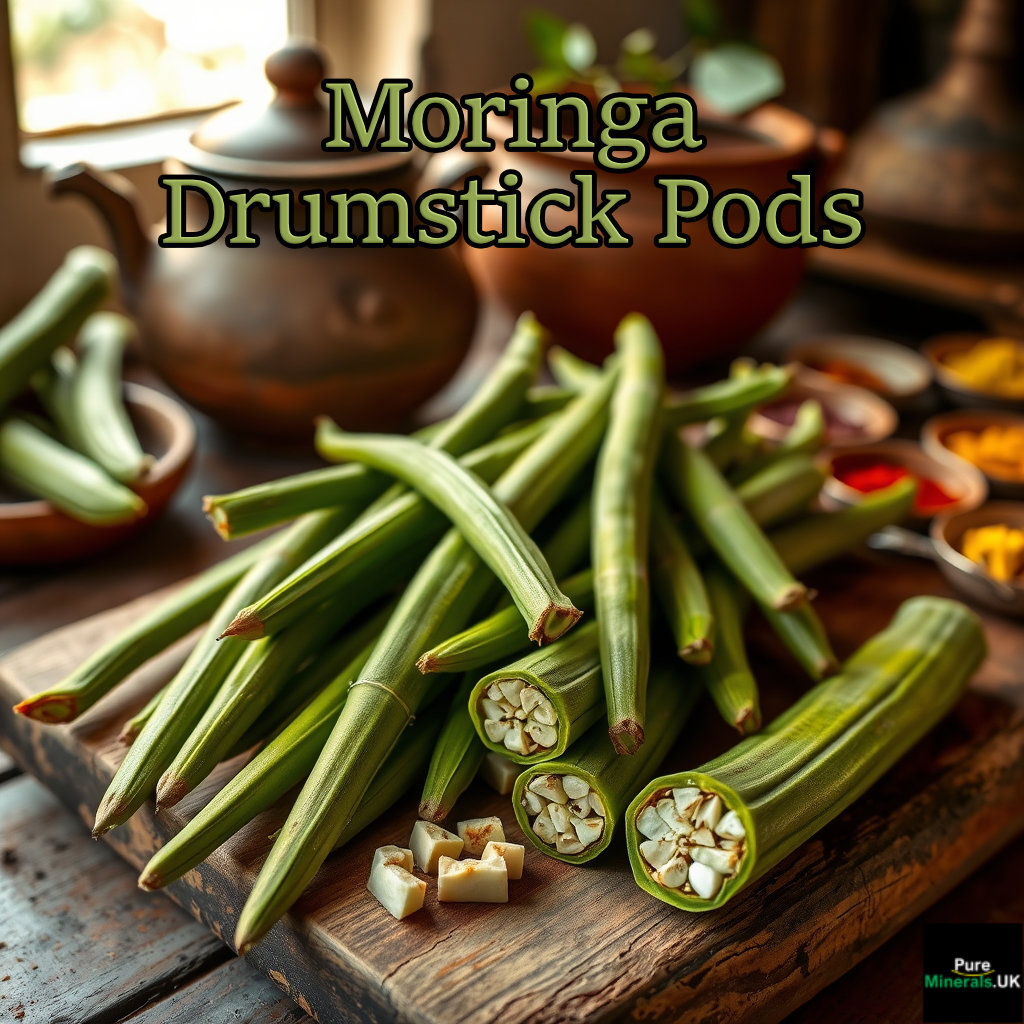
Moringa pods, often called “drumsticks” due to their long, slender shape, are harvested while young and tender for use in numerous traditional dishes across South Asia and parts of Africa. These immature seed pods contain a soft, nutritious pulp and immature seeds surrounded by a fibrous exterior. When cooked, the pods develop a distinctive asparagus-like flavor that complements curries, stews, and soups. Nutritionally, the pods provide significant amounts of vitamin C, potassium, magnesium, and dietary fiber, making them a valuable addition to meals.
In traditional Indian cuisine, moringa pods feature prominently in dishes like sambar, avial, and various regional curries. Typically, the pods are cut into 2-3 inch sections and cooked until tender, allowing diners to extract the nutrient-rich pulp by pulling the pieces between their teeth. This unique eating experience has made moringa pods a beloved ingredient in many cultures. Beyond their culinary appeal, the pods contain unique compounds like niazirin, niazimicin, and pterygospermin, which research suggests may have antibacterial and anticancer properties. For those interested in growing moringa for food production, pod-bearing varieties offer this additional nutritional resource beyond the commonly used leaves.
Roots and Bark: Traditional Remedies
The roots and bark of the moringa tree contain potent compounds that have been utilized in traditional medicine systems, though they require careful preparation and dosage. The bark contains alkaloids like moringine and moringinine that have demonstrated antibacterial and anti-inflammatory properties in preliminary studies. Traditional healers have used bark decoctions to treat digestive disorders, joint pain, and as a general tonic. The bark also yields a fiber that has been used to make ropes and paper in some cultures, showcasing moringa’s versatility beyond medicinal applications.
Moringa roots contain spirochin and pterygospermin, compounds with significant antimicrobial activity that have been used traditionally to treat various infections. However, modern research has identified certain compounds in the roots that require caution—particularly during pregnancy, as they may have abortifacient properties at high concentrations. For this reason, contemporary usage generally focuses on the leaves, pods, and seeds rather than roots and bark. Those interested in the traditional applications of these plant parts should consult with knowledgeable practitioners familiar with proper preparation methods and appropriate dosing to ensure safety and effectiveness.
How to Add Moringa to Your Daily Diet

Incorporating moringa into your daily routine can be remarkably simple and adaptable to various culinary preferences. For beginners, moringa powder offers the easiest entry point—start with just half a teaspoon daily mixed into smoothies, juices, or yogurt, gradually increasing to one or two teaspoons as your palate adjusts to its distinctive earthy flavor. This approach allows you to experience moringa’s benefits while acclimating to its taste. Those who enjoy cooking can experiment with fresh or dried moringa leaves added to soups, stews, and stir-fries in the same way you might use spinach or kale, keeping in mind that moringa cooks more quickly than many greens.
Beyond these basic applications, creative cooks have developed numerous ways to make moringa a seamless part of everyday meals. The powder can be incorporated into baking recipes like breads, muffins, and energy bars, where other flavors help balance moringa’s natural taste. Moringa tea, prepared by steeping dried leaves in hot water, offers a gentle way to enjoy its benefits while creating a calming ritual. For those who find the flavor challenging, moringa capsules provide a taste-free alternative, though they miss the culinary versatility that makes moringa so adaptable to different food traditions. Whatever method you choose, consistency is key to experiencing moringa’s cumulative nutritional benefits.
Moringa Powder in Smoothies and Drinks

Smoothies and beverages represent perhaps the simplest and most popular way to incorporate moringa powder into daily nutrition. The powder blends easily into liquid bases, and the sweet flavors of fruits can effectively complement moringa’s earthy notes. A basic starter recipe combines one teaspoon of moringa powder with a banana, a cup of plant-based milk, and optional additions like berries, nut butter, or honey. This simple approach delivers moringa’s complete nutritional profile in an easily digestible form that can be adjusted to personal taste preferences.
Beyond smoothies, moringa powder can enhance various beverages throughout the day. Morning coffee or hot chocolate can accommodate a small amount (¼-½ teaspoon) without significantly altering the flavor profile while adding nutritional benefits. Fresh juices, particularly those with green vegetables or citrus fruits, pair well with moringa powder and help mask its distinctive taste for newcomers. For a refreshing afternoon option, try adding moringa to lemonade with a touch of ginger or mint—the bright flavors balance moringa’s earthiness while creating a revitalizing drink with added nutritional value. The versatility of these liquid applications makes them ideal for those just beginning to explore moringa’s benefits.
Cooking with Fresh Moringa Leaves
Fresh moringa leaves offer a unique culinary experience for those with access to them through local markets, specialty grocers, or home gardens. These delicate leaves cook quickly and can be used much like spinach or other tender greens in various dishes. When preparing fresh moringa leaves, it’s best to remove them from the tough stems before cooking, as the stems can remain fibrous even after cooking. The leaves can then be lightly steamed, sautéed, or added to soups and stews in the final few minutes of cooking to preserve their nutrients and delicate flavor.
In traditional recipes, fresh moringa leaves are often paired with aromatics like garlic, ginger, and onions, which complement their mild, slightly peppery taste. In the Philippines, the classic dish tinola combines chicken, moringa leaves, and green papaya in a ginger-infused broth, creating a nourishing meal that has sustained generations. African cuisines frequently incorporate moringa leaves into groundnut (peanut) stews, where their earthy flavor blends harmoniously with the rich, savory base.
For Western palates, fresh moringa leaves can be treated much like spinach—added to omelets, pasta dishes, or grain bowls for a nutritional boost. The leaves wilt quickly when exposed to heat, so they’re best added at the end of cooking to retain their vibrant green color and maximum nutrient content.
Moringa Tea Preparation
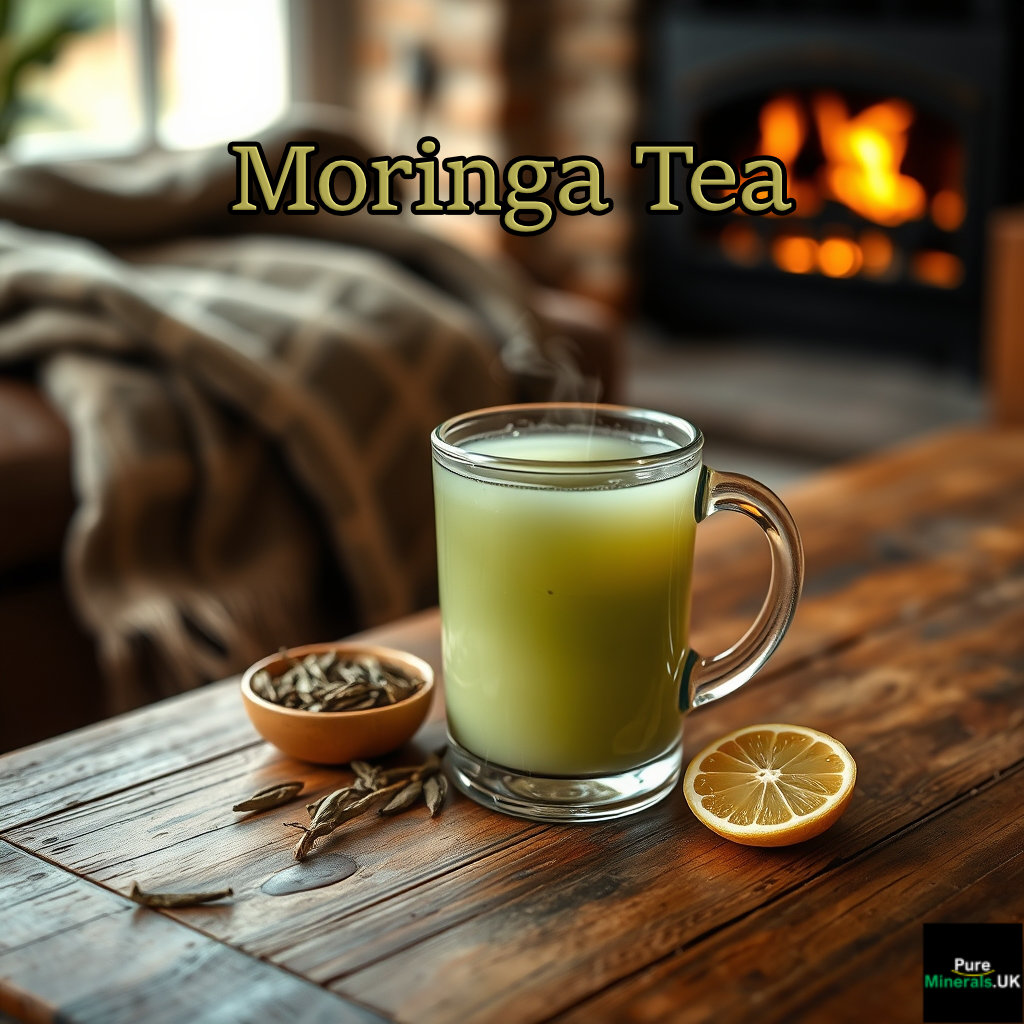
Moringa tea offers a simple, soothing way to enjoy this plant’s benefits while creating a moment of mindful ritual in your day. Traditional preparation involves steeping dried moringa leaves in hot water for 3-5 minutes, creating a light green infusion with a mild, grassy flavor similar to green tea but without the caffeine. For a more robust flavor, you can use moringa leaf powder (about ½ teaspoon per cup), though this creates a slightly more textured beverage. The tea can be enjoyed hot or cold, with optional additions like lemon, honey, or mint to enhance its natural taste.
Beyond the basic preparation, moringa tea can be combined with other beneficial herbs to create customized wellness blends. Pairing moringa with ginger creates a warming drink that supports digestion and provides anti-inflammatory compounds from both plants. Adding lemongrass contributes a bright, citrusy note while enhancing the tea’s relaxing properties. For those seeking immune support, a combination of moringa, elderberry, and a touch of cinnamon makes a particularly potent blend during seasonal challenges. These moringa tea variations can be prepared fresh or made in larger batches to store in the refrigerator for convenient daily consumption.
Moringa Oil Uses
Moringa seed oil, sometimes called “ben oil,” offers versatility beyond nutritional applications, extending into skincare, hair care, and culinary uses. In skincare, the oil’s high oleic acid content (similar to olive oil) makes it deeply moisturizing without clogging pores, while its antioxidants help combat free radical damage that contributes to premature aging. The oil absorbs readily into the skin, leaving a non-greasy finish that makes it suitable for all skin types, including sensitive and acne-prone skin. For hair care, moringa oil can be applied as a pre-wash treatment to nourish the scalp and strengthen hair follicles, or as a lightweight styling oil to add shine and protect against environmental damage.
Culinary applications of moringa oil take advantage of its high smoke point (approximately 400°F/200°C) and oxidation resistance, making it suitable for cooking methods from sautéing to baking. The oil has a mild, slightly nutty flavor that complements both savory and sweet dishes without overpowering other ingredients. Its exceptional stability means it can be stored without refrigeration for up to two years without becoming rancid—a significant advantage in regions with limited cold storage. When purchasing moringa oil, look for cold-pressed, unrefined varieties that retain the maximum nutritional benefits, including vitamin E, antioxidants, and beneficial fatty acids that support heart and skin health.
Growing Moringa: A Sustainable Solution
Cultivating your own moringa tree represents one of the most sustainable ways to access this nutritional powerhouse year-round. Moringa oleifera thrives in tropical and subtropical climates but can be grown successfully in temperate regions as an annual crop or as a container plant that’s brought indoors during colder months. From seed to harvest-ready tree can take as little as 8-12 months in optimal conditions, with leaves available for harvesting much sooner—often within 60 days of planting. This rapid growth makes moringa an exceptional choice for sustainable food production, particularly in regions facing nutritional challenges or limited growing space.
Beyond personal nutrition, growing moringa contributes to environmental sustainability in multiple ways. The tree’s deep taproot helps prevent soil erosion and can access groundwater inaccessible to many crops, reducing irrigation needs once established. Moringa’s dense foliage provides shade that cools the surrounding area while its fallen leaves return nutrients to the soil, improving fertility over time. As a nitrogen-fixing plant, moringa enhances soil health without requiring chemical fertilizers. These environmental benefits, coupled with moringa’s extraordinary nutritional density, make it an increasingly important crop in agroforestry systems designed for resilience in the face of climate change and food security challenges.
Climate and Soil Requirements
Moringa thrives in tropical and subtropical regions with temperatures between 25°C-35°C (77°F and 95°F), though it can tolerate temperatures as low as 10°C (50°F) for short periods. The tree performs best in full sunlight with at least six hours of direct exposure daily, which maximizes leaf production and nutrient density. While moringa can survive in drought conditions once established, thanks to its deep taproot system, regular watering during the first few months after planting ensures optimal growth and establishment.
In regions with seasonal cold, moringa can be grown as an annual crop harvested before winter, or in containers that can be moved indoors during freezing temperatures. For those interested in other drought-resistant plants, holy basil is another option that thrives in similar conditions.
One of moringa’s most remarkable characteristics is its ability to grow in poor, even alkaline soils where many food crops would fail. The tree prefers well-draining sandy or loamy soil with a pH between 6.5 and 7.5, but it can adapt to a wide range of soil conditions provided there is adequate drainage to prevent root rot.
Moringa actually performs better in moderately poor soil than in highly fertile or heavily fertilized ground, which tends to produce excessive leaf growth at the expense of structural strength. This adaptability to challenging soil conditions makes moringa particularly valuable in regions facing soil degradation or where quality agricultural land is limited, offering a nutritional solution that works with, rather than against, local environmental constraints.
Planting and Harvesting Methods
Moringa can be propagated either from seeds or cuttings, with each method offering distinct advantages. Seeds germinate readily within 5-12 days when planted one inch deep in well-draining soil and kept consistently moist but not waterlogged. Direct seeding works well in areas without frost, while starting seeds indoors in containers allows for better control over early growth conditions. Alternatively, stem cuttings of 3-6 feet (1-2 meters) taken from mature trees can be planted directly in their final position, where they will develop roots within 1-2 months—a method that produces fruiting trees more quickly than growing from seed. For commercial production, spacing plants 3 feet (1 meter) apart creates a hedge-like growth pattern ideal for intensive leaf harvesting.
Harvesting moringa leaves can begin as soon as the plants reach 3-5 feet in height, typically 3-5 months after planting seeds or 1-2 months after planting cuttings. The most sustainable harvesting method involves cutting branches 12-24 inches from the main trunk, which promotes branching and increases subsequent leaf production. Regular harvesting every 35-45 days maximizes annual yield while maintaining plant health.
For leaf production, “coppicing” (cutting the main stem 1-2 feet above ground level) after the first harvest encourages multiple stems to develop, substantially increasing leaf yield in subsequent harvests. Fresh leaves should be harvested in the morning for maximum nutrient content and can be used immediately or dried in shade for 3-4 days until completely crisp before grinding into powder for longer-term storage.
Safety Considerations and Potential Side Effects
While moringa leaves are generally recognized as safe for most individuals when consumed in food amounts, understanding potential interactions and appropriate usage is important for maximizing benefits. The most commonly reported side effect from consuming moringa leaves or powder is mild digestive discomfort, particularly when beginning supplementation. This can include temporary bloating or loose stools, which typically resolve as the body adjusts to the fiber content. Starting with small amounts (½ teaspoon of powder daily) and gradually increasing consumption helps minimize these effects while allowing the digestive system to adapt.
It’s important to distinguish between different parts of the moringa plant when considering safety. While the leaves, pods, and seed oil are generally safe for most individuals, the roots, bark, flowers, and unripe pods contain compounds that require more caution, particularly during pregnancy. The roots contain substances that may stimulate the uterus and should be avoided by pregnant women. Additionally, moringa may enhance the effects of medications for diabetes and hypertension, potentially requiring dosage adjustments under medical supervision. As with any nutritional supplement, consulting with a healthcare provider before beginning regular moringa consumption is advisable, especially for individuals with existing health conditions or those taking medications.
Recommended Dosage Guidelines
Finding the optimal dosage of moringa depends on individual health goals, the form being used, and personal tolerance. For moringa leaf powder, most research studies showing benefits have used doses ranging from 3 to 10 grams daily, typically divided into two or three smaller doses throughout the day. A practical approach for beginners is to start with ½ teaspoon (approximately 1 gram) daily for the first week, gradually increasing to 1-2 teaspoons (2-4 grams) daily over several weeks as your body adjusts. This gradual introduction helps minimize digestive adjustment and allows you to observe how your body responds to this nutrient-dense addition.
Different forms of moringa may require adjusted dosing approaches. Fresh leaves can be consumed in larger amounts, similar to other leafy greens, with 1-2 cups being a reasonable serving. Moringa tea typically uses 1-2 teaspoons of dried leaves (or 1 teaspoon of powder) per cup, consumed 1-3 times daily. For moringa seed oil, 1-2 teaspoons daily is commonly recommended for internal use. Commercial moringa supplements in capsule form usually contain 400-500mg of powder per capsule, with recommended doses of 2-4 capsules daily. As with any nutritional approach, consistency offers greater benefits than occasional high doses, and individual needs may vary based on specific health conditions, goals, and overall diet quality.
Pregnancy and Breastfeeding Precautions
During pregnancy, a cautious approach to moringa consumption is recommended. While the leaves are traditionally used in some cultures to support maternal nutrition, scientific evidence regarding safety during pregnancy is limited. The root, bark, and flowers contain compounds that may stimulate uterine contractions and should be strictly avoided during pregnancy. For pregnant women interested in moringa’s nutritional benefits, moderate consumption of leaves (either fresh in cooking or as small amounts of powder—no more than 1 teaspoon daily) is generally considered the safest approach, and only after consulting with a healthcare provider familiar with botanical supplements.
Pregnancy Stage | Moringa Part | Safety Status | Recommendations |
|---|---|---|---|
First Trimester | Leaves | Use with caution | Consult healthcare provider; limit to small amounts if approved |
Second/Third Trimester | Leaves | Use with caution | Maximum 1 teaspoon powder daily if approved by healthcare provider |
All Trimesters | Roots/Bark/Flowers | Avoid completely | May stimulate uterine contractions |
Breastfeeding | Leaves | Generally considered safe | May support milk production; start with small amounts |
For breastfeeding mothers, moringa leaves have traditionally been used as a galactagogue (a substance that promotes milk production) in various cultures. Some research supports this traditional application, with studies indicating that moringa supplementation may increase breast milk volume in the weeks following delivery. A study published in the Philippine Journal of Pediatrics found that mothers consuming moringa leaf powder experienced a significant increase in milk production compared to those taking a placebo. While these results are promising, breastfeeding mothers should still begin with small amounts (½ teaspoon of powder daily) and monitor both their own response and their infant’s reaction before gradually increasing to the commonly recommended 1-2 teaspoons daily.
Medication Interactions to Be Aware Of
Moringa contains bioactive compounds that may interact with certain medications, particularly those for managing diabetes and hypertension. The plant has demonstrated blood sugar-lowering effects in research, which means it may enhance the action of anti-diabetic medications like metformin, insulin, and sulfonylureas. While this synergy could be beneficial in theory, it creates a risk of hypoglycemia (excessively low blood sugar) if medication dosages aren’t adjusted accordingly. Individuals taking diabetes medications should monitor their blood glucose levels closely when adding moringa to their routine and consult with their healthcare provider about potential dosage adjustments.
Similarly, moringa’s potential to lower blood pressure may compound the effects of antihypertensive medications like lisinopril, amlodipine, or hydrochlorothiazide. This interaction could result in blood pressure dropping too low, causing symptoms like dizziness, lightheadedness, or fainting. Moringa also contains compounds that may affect how drugs are metabolized in the liver, potentially altering the effectiveness of medications processed through certain cytochrome P450 pathways. Those taking thyroid medications should be aware that moringa contains goitrogens, compounds that may affect thyroid function when consumed in very large amounts, though moderate consumption is unlikely to cause significant interactions.
To minimize potential medication interactions, individuals taking prescription drugs should observe these precautions: inform all healthcare providers about moringa consumption; start with minimal amounts (½ teaspoon of powder) and increase gradually; maintain consistency in timing and amount of consumption rather than taking occasional large doses; monitor relevant health markers (blood sugar, blood pressure); and schedule medication reviews if adding moringa as a regular supplement. These cautious approaches allow for the potential benefits of moringa while minimizing risks of adverse interactions.
“The line between therapeutic effect and unwanted interaction can be fine when combining bioactive plants with pharmaceutical medications. With moringa, the same properties that make it valuable for supporting healthy blood sugar and blood pressure in normal individuals may require medication adjustments in those already being treated for these conditions. This doesn’t mean avoidance is necessary—rather, it calls for mindful integration with proper monitoring and medical supervision.” — Journal of Ethnopharmacology
Moringa’s Role in Global Nutrition and Sustainability
Beyond individual health benefits, moringa represents a powerful tool in addressing global nutrition challenges and creating sustainable food systems. In regions facing food insecurity and malnutrition, moringa’s exceptional nutritional density, combined with its ability to thrive in harsh growing conditions, offers a practical solution that empowers communities. The tree requires minimal inputs once established, resists many pests and diseases naturally, and produces leaves year-round in tropical climates. These characteristics have led organizations like the Food and Agriculture Organization (FAO) of the United Nations to promote moringa cultivation as part of strategies to combat malnutrition, particularly among vulnerable populations like pregnant women and children.
From an environmental perspective, moringa offers numerous sustainability advantages. The tree’s deep roots help prevent soil erosion and access groundwater unavailable to shallow-rooted crops, reducing irrigation needs. As climate change brings more frequent droughts to many regions, moringa’s drought tolerance becomes increasingly valuable. The tree also sequesters carbon effectively while providing shade that reduces ground temperature and evaporation, creating microclimate benefits. These environmental attributes, coupled with moringa’s exceptional nutritional yield per acre, position it as an important crop for both planetary and human health in a changing climate. Organizations and companies in the supplement industry are increasingly recognizing moringa’s potential to address interconnected challenges of nutrition, livelihood generation, and environmental restoration.
Important Note:
Avoid medicinal doses of Moringa during pregnancy. Leaf preparations are generally safer than root or bark. This information is for educational purposes only and is not intended to diagnose, treat, cure, or prevent disease.
Frequently Asked Questions
As moringa gains popularity in Western markets, many consumers have questions about how to best incorporate this traditional superfood into their modern lifestyles. Common inquiries focus on practical aspects of selection, storage, preparation, and expected benefits. Understanding these fundamentals helps new users have realistic expectations and maximize the value they receive from moringa products. The following questions address the most common points of confusion while providing evidence-based, practical guidance for those exploring moringa’s potential.
While individual responses to moringa vary based on overall diet, lifestyle, and health status, consistent use typically produces gradual improvements rather than dramatic overnight changes. Most research studies showing measurable health benefits from moringa supplementation involved daily consumption over periods of 4-12 weeks. This reflects the nature of nutritional interventions generally, which tend to produce cumulative effects through consistent application rather than quick fixes. For those new to moringa, approaching it as a nutritional enhancement to an already balanced diet rather than a miracle cure leads to more satisfying long-term outcomes.
Can moringa help with weight loss?
Moringa may support weight management efforts through several complementary mechanisms, though it should be viewed as a helpful addition to healthy eating patterns rather than a standalone solution. The leaf powder provides a significant amount of nutrition for very few calories, helping to satisfy nutrient needs while maintaining a caloric deficit when desired. Its fiber content promotes feelings of fullness and supports healthy digestion, potentially reducing overall food intake. Additionally, preliminary research suggests moringa may help regulate blood sugar and improve insulin sensitivity, which can reduce cravings and support more stable energy levels throughout the day.
Several small studies have examined moringa’s potential effects on weight management parameters. A study published in the Journal of Medicinal Food found that participants taking moringa supplements showed modest reductions in body mass index (BMI) compared to placebo groups over 8 weeks, even without specific dietary restrictions. The researchers attributed this effect partly to moringa’s anti-inflammatory properties and its impact on fat metabolism. However, these benefits were most pronounced when moringa supplementation was combined with regular physical activity and mindful eating. For practical application, incorporating 1-2 teaspoons of moringa powder into a morning smoothie or breakfast may help manage hunger throughout the day while providing nutritional support for overall metabolic health.
How does moringa powder taste, and what can mask its flavor?
Moringa powder has a distinctive earthy, grassy flavor often described as similar to matcha but with slight hints of spinach or horseradish. This taste profile comes from the plant’s natural compounds, including beneficial antioxidants and chlorophyll. The intensity of this flavor varies between brands and processing methods, with fresh, high-quality moringa typically having a more vibrant but balanced taste. For those new to moringa, the flavor can be an acquired taste, but numerous strategies can help make it more palatable while you adjust.
- Blend with fruit smoothies (banana, pineapple, and mango work especially well to mask the flavor)
- Mix into chocolate-based recipes where the rich cocoa flavor complements moringa’s earthiness
- Combine with honey, maple syrup, or dates in recipes to balance with natural sweetness
- Add to strongly flavored dishes like curries, soups, or stews where other spices dominate
- Incorporate into baked goods like muffins, breads, or energy balls with complementary flavors
- Pair with citrus flavors (lemon, lime, orange) that brighten and balance moringa’s green notes
- Start with smaller amounts (¼-½ teaspoon) and gradually increase as your palate adjusts
For those who find the taste particularly challenging, encapsulated moringa supplements offer a flavor-free alternative while still providing nutritional benefits. However, many users report that their taste perception of moringa changes over time, with the initial grassiness becoming less pronounced as they grow accustomed to it. This adaptation process reflects our palate’s remarkable ability to adjust to natural, whole-food flavors, especially when associated with positive health experiences. With consistent use, many people find they not only tolerate but come to appreciate moringa’s distinctive taste as a signature of its potent nutritional properties.
Is moringa safe for children to consume?
Moringa leaves and leaf powder are generally considered safe for children when incorporated into their diet in age-appropriate amounts. In fact, in many parts of Africa and Asia where moringa grows natively, the plant has traditionally been included in children’s diets specifically to address nutritional needs during growth and development. The leaf’s impressive content of vitamin A, calcium, iron, and protein makes it particularly valuable for supporting healthy growth, immune function, and cognitive development in children. For young children (1-6 years), starting with very small amounts—approximately ¼ teaspoon of powder added to foods like smoothies, yogurt, or oatmeal—allows their digestive systems to adjust while providing nutritional benefits.
How long does moringa powder stay fresh?
Properly stored moringa powder typically maintains its nutritional potency for 12-18 months, though its optimal freshness period is within the first 6 months after production. The powder’s shelf life depends significantly on storage conditions, with exposure to heat, light, moisture, and air all accelerating nutrient degradation. To maximize freshness, store moringa powder in an airtight, opaque container kept in a cool, dry place away from direct sunlight. Some nutritional components, particularly vitamin C and certain antioxidants, may diminish over time even with proper storage, which is why regular replacement with fresh product is recommended for those seeking maximum benefits.
Quality indicators for moringa powder include consistent vibrant green color, a fresh grassy scent, and fine texture without clumping (which may indicate moisture exposure). Premium moringa products often use specialized packaging with oxygen absorbers or nitrogen flushing to remove oxygen from the package before sealing, significantly extending shelf life. Refrigeration is not necessary but can extend optimal freshness, particularly in humid climates. If you notice your moringa powder developing a musty smell, showing color changes to brown or yellow, or forming clumps that don’t break apart easily, these are signs that it may be past its prime and should be replaced to ensure you’re receiving maximum nutritional benefit from this remarkable superfood.
Can moringa replace multivitamin supplements?
Moringa provides an impressive spectrum of nutrients that overlap with many components found in multivitamin supplements, though whether it can fully replace them depends on individual nutritional needs and overall diet quality. The leaf powder contains significant amounts of vitamins A, C, and E, along with B vitamins, calcium, potassium, iron, and magnesium—addressing many common nutritional gaps. Unlike synthetic vitamins, moringa provides these nutrients in natural forms, complete with cofactors and phytonutrients that may enhance absorption and utilization. This “food-based” nutrient delivery system aligns with the growing understanding that isolated nutrients often don’t provide the same benefits as those consumed within their natural food matrix.
However, moringa does have nutritional limitations compared to comprehensive multivitamin formulations. It contains minimal vitamin D, vitamin B12, and certain minerals like selenium and iodine that may be included in multivitamins. For individuals with specific deficiencies, restricted diets, or higher nutrient needs due to pregnancy, illness, or intense physical activity, moringa may serve better as a complementary approach rather than a complete replacement. The optimal strategy for many may be using moringa as a foundation of natural, food-based nutrition while selectively supplementing specific nutrients based on individual needs as determined through nutritional assessment or testing.
This personalized approach, ideally developed with guidance from a nutrition-oriented healthcare provider, can maximize the benefits of moringa’s whole-food nutrition while addressing any specific gaps in your unique nutritional profile.
For those seeking the most comprehensive approach to natural supplementation, moringa can be paired with other nutrient-dense foods like spirulina (for B vitamins), chia seeds (for omega-3 fatty acids), and mushroom extracts (for immune support) to create a more complete nutritional foundation. This “superfood synergy” approach often provides greater benefits than single-nutrient supplementation while maintaining the advantages of food-based nutrition. Whether you’re looking to enhance your diet with moringa’s remarkable nutrient density or seeking alternatives to conventional supplements, understanding both the strengths and limitations of this extraordinary plant helps you make informed decisions for your health journey.
Discover how plant-based supplements harness the power of moringa and other natural ingredients, such as ginseng, to support your wellness journey sustainably.