

Published: 18 December 2025
Last Updated: 25 April 2026
This article is periodically reviewed and updated to reflect current scientific understanding by Vic George.
Fact-Checked: 1 other authoritative medical/scientific reference. See our Editorial Policy.

What Is Ginkgo biloba and Why Is This Traditional Herbal Remedy Used for Circulation, Cognitive Function, and Memory Support?
Ginkgo biloba is a traditional medicinal herb widely used to support healthy circulation, cognitive function, and memory. Derived from the leaves of the ginkgo tree, one of the oldest living tree species on Earth, ginkgo has been used for centuries in traditional Chinese medicine. Modern use focuses on its role in supporting blood flow, brain function, and age-related cognitive resilience.
Definition:
Ginkgo biloba is a medicinal plant whose leaves contain bioactive compounds that support circulation and neurological function. It is best known for its flavonoids and terpene lactones, which contribute to antioxidant activity and vascular support. Ginkgo is typically used as a standardized leaf extract to ensure consistent levels of its active constituents.
Extended Definition:
Ginkgo biloba supports circulation by influencing blood vessel tone and promoting healthy blood flow, particularly to the brain and extremities. Its key compounds, including ginkgo flavone glycosides and terpene lactones such as ginkgolides and bilobalide, contribute to antioxidant protection and support normal platelet activity. These actions make ginkgo especially valued for cognitive clarity, memory support, and sensory function. Unlike stimulants, ginkgo does not increase energy directly but supports the delivery of oxygen and nutrients to tissues. Benefits are typically gradual and associated with consistent use over time. As ginkgo can influence blood flow, individuals using anticoagulant medication or preparing for surgery usually treat use as a considered medical decision.
Key Facts:
- Herb name: Ginkgo biloba
- Botanical name: Ginkgo biloba
- Herb type: Traditional circulatory and cognitive-support herb
- Key compounds: Flavone glycosides, ginkgolides, bilobalide
- Primary uses: Circulation support, cognitive function, memory, and sensory support
- Systems supported: Circulatory, nervous, and cognitive
- Common forms: Standardized leaf extracts, capsules, tablets, tinctures
- Use considerations: Avoid combining with anticoagulant medication without medical guidance; effects are gradual
- Typical pairing: Often paired with phosphatidylserine, omega-3 fatty acids, or B vitamins for cognitive support
Key Takeaways
- Ginkgo biloba leaf extract contains potent flavonoids and terpenoids that have demonstrated neuroprotective and circulatory benefits in numerous studies.
- With over 1,000 years of traditional use in Asian medicine, this ancient tree species has survived for 270 million years, making it a living fossil with remarkable resilience.
- The standardized extract EGb 761 has shown promising results in improving cognitive function and memory, particularly in cases of age-related decline.
- Quality matters significantly when choosing Ginkgo supplements, with standardized extracts containing 24% flavonoids and 6% terpenoids being the most studied.
- Our Maca Spectrum combines 3000mg of Maca root with Ginkgo biloba, Panax Ginseng, Ginger root, L-Arginine, Damiana leaf, organic Black Pepper, and Zinc, to offer tailored support for fertility and reproduction, testosterone levels, immune system support, and much more.
The search for natural remedies that support brain health has led many to discover the remarkable properties of one of Earth’s oldest living tree species. Ginkgo biloba, with its distinctive fan-shaped leaves, offers more than just aesthetic beauty—it contains a complex array of compounds that have been studied extensively for their effects on human health. Several companies have been at the forefront of researching and providing high-quality Ginkgo biloba extracts that preserve the plant’s full spectrum of beneficial components.
Ginkgo biloba isn’t just another supplement—it’s a living connection to Earth’s ancient past, offering wisdom through its chemistry that modern science is only beginning to fully appreciate. Let’s explore the fascinating story behind this exceptional plant and the compelling research on its leaf extracts that continues to intrigue health researchers worldwide.
The Remarkable Ginkgo Biloba: Nature’s Cognitive Enhancer
Imagine a tree so resilient it has remained virtually unchanged for 270 million years—surviving ice ages, continental shifts, and even nuclear devastation. This isn’t science fiction; it’s the remarkable story of Ginkgo biloba. Often called a “living fossil,” this extraordinary species has outlasted countless others that have long since disappeared from our planet. Its incredible longevity as a species mirrors the health-promoting effects its extracts may have on human longevity and brain function.
What Makes Ginkgo Biloba Special?
Beyond its historical significance, Ginkgo biloba stands apart from other medicinal plants due to its unique biological profile and impressive resilience. This isn’t just another herb—it’s a botanical anomaly with no close living relatives, belonging to its own division of the plant kingdom. The tree’s exceptional qualities have made it a subject of fascination for botanists, historians, and medical researchers alike.
The Living Fossil: 270 Million Years of Resilience

The Ginkgo biloba we recognize today appears virtually identical to fossil specimens dating back 270 million years. When dinosaurs roamed the Earth, these distinctive fan-shaped leaves were already falling from ancient forests. Once widespread across the globe, wild Ginkgo populations eventually retreated until they were found almost exclusively in a small region of China, where Buddhist monks preserved them in temple gardens. This incredible evolutionary staying power suggests exceptional biological resilience—qualities that may translate to its medicinal applications.
Hiroshima Survivor: First Plant to Regrow After Atomic Bombing
Perhaps the most dramatic testament to Ginkgo’s resilience came in 1945 when several specimens survived the atomic bombing of Hiroshima. These trees, though charred and damaged, were among the first living things to regrow after the devastation, sprouting new buds while the surrounding area remained barren. Today, these “hibaku” trees stand as living monuments, still producing leaves whose extracts are sometimes specially harvested for their symbolic healing properties. This extraordinary resilience against radiation damage has prompted scientific interest in Ginkgo’s potential protective mechanisms against cellular damage.
Unique Biological Features of the Maidenhair Tree

The Ginkgo tree, often called the Maidenhair tree for its resemblance to Maidenhair fern leaves, possesses several unusual biological characteristics. Unlike most seed-bearing plants, Ginkgo is dioecious, meaning individual trees are either male or female.

Female trees produce notoriously malodorous seeds with fleshy outer coverings containing butyric acid—the same compound responsible for rancid butter’s smell. Despite this unpleasant feature, the seeds have been used in traditional Asian cuisine and medicine for centuries.
What truly sets Ginkgo apart, however, is the remarkable circulatory system that allows it to effectively transport nutrients throughout its massive structure, sometimes reaching heights of over 100 feet. This efficient vascular system may help explain the extract’s effects on human circulation. The tree also produces unique defensive compounds against insects and pathogens—many of which contribute to its medicinal properties in human health applications.
Powerful Compounds in Ginkgo Leaf Extract
The magic of Ginkgo lies in its complex phytochemical profile. While many plants contain beneficial compounds, Ginkgo biloba’s unique combination of bioactive substances works synergistically to produce its health effects. These compounds have evolved over millions of years as part of the tree’s defense and survival mechanisms, and now we’re discovering how they may benefit human physiology.
Flavonoids: Natural Antioxidants That Fight Free Radicals
The leaf extracts of Ginkgo biloba contain powerful flavonoid compounds that serve as potent antioxidants in the human body. These plant-based chemicals, including quercetin, kaempferol, and isorhamnetin, neutralize harmful free radicals that can damage cells and accelerate aging. What makes Ginkgo’s flavonoids particularly valuable is their ability to penetrate the blood-brain barrier, offering protection to vulnerable neural tissue where other antioxidants cannot reach. This specialized action may help explain why Ginkgo extracts have demonstrated such promising effects on cognitive health.
Terpenoids: Ginkgolides and Bilobalide
Unique to Ginkgo biloba are its terpene lactones, particularly ginkgolides A, B, C, J, and M, along with bilobalide. These complex molecules are responsible for many of the extract’s most significant therapeutic effects. Ginkgolides act as powerful platelet-activating factor (PAF) antagonists, which help prevent abnormal blood clotting while improving circulation. Bilobalide, on the other hand, has demonstrated remarkable neuroprotective properties, shielding brain cells from damage caused by reduced oxygen flow and supporting mitochondrial function within neurons. Learn more about the benefits of ginseng and its role in enhancing circulation and cognitive function.
Research has shown these terpenoids can reduce inflammation in the brain and help preserve the integrity of neural cell membranes, potentially slowing age-related cognitive changes. Their molecular structure is so unique and complex that scientists have struggled to synthesize them artificially, highlighting the irreplaceable value of the natural Ginkgo leaf extract.
EGb 761: The Standardized Extract Used in Research
Most scientific studies on Ginkgo biloba utilize a specific standardized extract known as EGb 761. This carefully formulated extract contains precisely 24% flavonoid glycosides and 6% terpene lactones, ensuring consistent potency and reproducible effects. The standardization process involves multiple extraction steps that concentrate the beneficial compounds while removing potentially harmful ones like ginkgolic acids. When reviewing research on Ginkgo’s benefits, it’s important to note that these findings typically reference this standardized formula rather than raw leaf powder or unstandardized preparations.
Brain Health Benefits Backed by Science
The cognitive benefits of Ginkgo biloba extract have been the subject of extensive scientific investigation, with research spanning decades and involving thousands of participants. While not every study shows dramatic effects, the weight of evidence suggests significant potential for supporting brain health, particularly in aging populations. From enhancing memory to potentially slowing neurodegenerative processes, Ginkgo’s effects on the brain represent its most well-documented benefits.
Memory and Concentration Enhancement
Multiple clinical trials have examined Ginkgo’s effects on memory, attention, and overall cognitive performance. The extract appears to be particularly effective at improving short-term memory recall and enhancing concentration in adults experiencing age-related decline. One significant study published in the Journal of Psychiatric Research found that participants taking 180mg of standardized Ginkgo extract daily demonstrated measurable improvements in attention and memory processing after just six weeks. These benefits seem most pronounced in adults over 50, though some research suggests younger individuals under cognitive stress may also experience enhanced mental clarity.
Alzheimer’s Disease: Slowing Cognitive Decline
Perhaps the most promising area of Ginkgo research relates to its potential effects on Alzheimer’s disease and dementia. A landmark study published in JAMA found that patients with mild to moderate Alzheimer’s who took EGb 761 showed significantly slower decline in cognitive function and daily living skills compared to those taking a placebo. The extract appears to work through multiple mechanisms, including reducing amyloid-beta protein aggregation (a key factor in Alzheimer’s pathology), improving mitochondrial function, and enhancing cerebral blood flow. While Ginkgo cannot cure neurodegenerative diseases, evidence suggests it may help slow their progression and improve the quality of life for those affected. Another compound that is being researched for its potential cognitive benefits is phosphatidylserine.
More recent research has explored Ginkgo’s potential as a preventative measure against cognitive decline. A 20-year longitudinal study found that older adults who regularly took Ginkgo supplements had a 70% lower incidence of Alzheimer’s development compared to non-users, though more controlled trials are needed to confirm this remarkable finding. For those interested in exploring other natural supplements, Ginseng is another option often discussed in the context of cognitive health.
How Ginkgo Improves Blood Flow to the Brain
One of the primary mechanisms behind Ginkgo’s cognitive benefits is its ability to enhance cerebral circulation. The extract dilates blood vessels through nitric oxide pathways, relaxing arterial walls and allowing more oxygen and glucose to reach brain tissues. Additionally, Ginkgo reduces blood viscosity and prevents platelets from excessively clumping together, which helps maintain smooth blood flow through even the smallest capillaries that feed delicate neural structures. This improved microcirculation becomes increasingly valuable as we age and natural vascular elasticity diminishes.
Brain imaging studies have confirmed these effects, showing increased cerebral blood flow in specific regions associated with memory and cognitive processing after Ginkgo administration. For individuals experiencing “brain fog” or cognitive fatigue, this boost in circulation often translates to noticeably improved mental clarity within just a few hours of taking a dose.
Neuroprotective Effects Against Age-Related Damage
Beyond its circulatory benefits, Ginkgo biloba extract provides direct neuroprotection through multiple pathways. Its potent antioxidant properties shield neurons from oxidative stress—a major factor in brain aging and neurodegeneration. The extract also stabilizes cell membranes, making neurons more resilient to damage from environmental toxins and metabolic byproducts. Perhaps most impressively, research suggests Ginkgo can modulate gene expression related to cellular longevity, potentially extending the functional lifespan of brain cells.
Circulation Benefits Beyond the Brain
While cognitive enhancement receives the most attention, Ginkgo’s circulatory benefits extend throughout the entire body. The same mechanisms that improve blood flow to the brain—vessel dilation, reduced blood viscosity, and improved microcirculation—provide similar benefits to other organs and tissues. This makes Ginkgo extract particularly valuable for conditions related to compromised circulation, from cold extremities to more serious vascular disorders.
Blood Thinning Properties Without Medication Risks
Ginkgo biloba naturally inhibits platelet aggregation, creating a mild blood-thinning effect that improves circulation without the serious bleeding risks associated with pharmaceutical anticoagulants. This property makes it particularly useful for individuals with sluggish circulation who want to maintain healthy blood flow. The extract achieves this through its unique ginkgolide compounds, which specifically block platelet-activating factor (PAF) without affecting the entire clotting cascade. This targeted action explains why Ginkgo can improve circulation while maintaining a strong safety profile compared to prescription blood thinners.
Peripheral Artery Disease Relief
For individuals suffering from peripheral artery disease (PAD), Ginkgo biloba extract offers particularly promising benefits. Multiple clinical studies have shown that standardized Ginkgo extract can significantly increase pain-free walking distance in PAD patients, sometimes by more than 300 feet compared to placebo groups. The extract works by improving blood flow to the extremities, reducing the cramping and pain that typically occur during physical activity. Unlike some pharmaceutical options, Ginkgo achieves this without dangerous side effects, making it a valuable complementary approach for managing this challenging condition.
Heart Health Support
Beyond its effects on peripheral circulation, Ginkgo biloba may offer meaningful support for cardiovascular health. Research indicates the extract can help reduce oxidative damage to heart tissue, protect endothelial cells lining blood vessels, and support healthy blood pressure levels already within normal range. These combined benefits may explain why long-term Ginkgo users often demonstrate better cardiovascular outcomes in observational studies. The extract’s ability to maintain flexible, responsive blood vessels is particularly valuable as we age and natural arterial elasticity begins to decline.
Interestingly, Ginkgo’s cardiac benefits appear most pronounced under conditions of stress or low oxygen availability, suggesting the extract helps the heart adapt to challenging conditions rather than simply stimulating function. This adaptive support makes it especially valuable for individuals concerned about maintaining heart health during aging. For those interested in complementary herbal remedies, exploring the benefits of ginseng might also be worthwhile.
Traditional Chinese Medicine Applications

Long before modern science began investigating Ginkgo biloba, this remarkable tree held an esteemed place in traditional Chinese medicine (TCM). Ancient physicians recognized the plant’s healing properties through careful observation and documented applications that show remarkable alignment with today’s scientific findings. Understanding these traditional uses provides valuable context for appreciating Ginkgo’s place in the modern wellness landscape.
1000+ Years of Medicinal Use in Asia
Ginkgo’s documented medicinal use dates back over a millennium in Chinese medical texts, where it was primarily valued for its effects on circulation, particularly to the extremities and brain. Traditional practitioners prescribed Ginkgo leaves for what they called “deficient brain qi”—symptoms we might now recognize as cognitive impairment or memory issues. The seeds were used differently, often for respiratory and digestive complaints. This long history of observed effects provides valuable ethnobotanical evidence supporting Ginkgo’s therapeutic potential, which modern research continues to validate through scientific investigation.
Treatment for Respiratory Conditions
In traditional Asian medicine, Ginkgo extracts were commonly used to address asthma, chronic coughs, and bronchitis—applications that initially puzzled Western researchers. Modern studies have since confirmed that Ginkgo contains powerful anti-inflammatory compounds that can indeed help relax bronchial passages and reduce respiratory inflammation. The extract’s ability to inhibit platelet-activating factor (PAF)—a key molecule involved in allergic and inflammatory responses—may explain its traditional use for respiratory issues, particularly those with an allergic component. Additionally, other natural remedies like Boswellia have been studied for their anti-inflammatory properties, offering potential complementary benefits.
Kidney and Bladder Support
Another traditional application of Ginkgo involved supporting kidney and bladder health. Ancient texts described using Ginkgo preparations for what they called “leaking qi” related to urinary function. Contemporary research suggests there may indeed be merit to these applications, as Ginkgo’s circulatory benefits extend to these vital filtration organs. The extract’s ability to improve microcirculation and reduce oxidative damage may support healthy kidney function, particularly in aging individuals or those with compromised circulation. Some studies even suggest Ginkgo may help maintain healthy kidney function during the use of certain medications known to affect renal health.
How to Use Ginkgo Biloba Effectively
With so many Ginkgo products on the market, choosing the right supplement and using it correctly can significantly impact your results. Quality, dosage, timing, and form all play important roles in experiencing the full benefits of this remarkable botanical. Understanding these factors helps ensure you’re getting the genuine therapeutic potential Ginkgo has to offer.
Finding Quality Supplements: What to Look For
The quality of Ginkgo biloba supplements varies dramatically across the market, making careful selection essential. Look for products specifically stating they contain standardized extract with 24% flavone glycosides and 6% terpene lactones—the same proportions used in most clinical research. Reputable manufacturers should provide third-party testing verification and clearly state the concentration of active ingredients on their labels. Avoid products that don’t specify the exact type of extract or concentration of key compounds, as these may contain inferior leaf powder or inadequate levels of beneficial components. Our shop’s Ginkgo extracts undergo rigorous testing to ensure they match the exact specifications used in scientific research, providing the full spectrum of beneficial compounds in their optimal ratios.
Recommended Dosages for Different Conditions
Research suggests that effective dosages of standardized Ginkgo extract typically range from 120mg to 240mg daily, divided into two or three doses. For general cognitive support and mild memory concerns, 120mg daily often proves sufficient. More significant cognitive challenges or circulatory issues may benefit from the higher end of the dosage range at 240mg daily. Some conditions show best results with consistent use over 6-12 weeks, though circulatory benefits often become noticeable within 2-4 weeks. For acute cognitive performance, some studies suggest a single dose of 120mg may temporarily enhance mental processing and attention within hours.
Here’s a simple dosage guide based on clinical studies:
- General cognitive support: 120mg daily (40mg three times daily or 60mg twice daily)
- Age-related cognitive decline: 120-240mg daily
- Circulatory support: 120-160mg daily
- Tinnitus and vertigo: 160mg daily
- Peripheral vascular conditions: 120-240mg daily
Timing Your Intake for Maximum Benefits
For optimal absorption and sustained benefits, it’s best to divide your Ginkgo intake throughout the day rather than taking a single large dose. Most research protocols administer Ginkgo with meals to reduce the mild digestive discomfort some people experience. Many users find taking their final dose at least 4 hours before bedtime helps avoid the mild stimulation that can occasionally affect sleep quality. For enhanced cognitive performance during specific activities, some studies suggest taking a dose approximately 60-90 minutes beforehand, when blood levels of active compounds typically peak. Maintaining a consistent daily schedule helps maintain stable levels of the beneficial compounds in your system.
Tea vs. Extracts vs. Capsules: Which Form Works Best?
While Ginkgo leaf tea has traditional uses, standardized extracts in capsule or tablet form typically provide more reliable therapeutic benefits. This is because many of Ginkgo’s most valuable compounds are not easily extracted in water, requiring specialized processes to concentrate them to clinically effective levels. If you prefer the ritual of tea, understand that it may offer mild benefits but won’t match the potency of standardized extracts.
Liquid extracts offer the advantage of faster absorption and easier dosage adjustment, while capsules provide convenience and precise dosing. For those with sensitive palates, capsules also avoid the naturally bitter taste of Ginkgo compounds that some find unpleasant in liquid forms.
Safety Considerations and Potential Side Effects
Standardized Ginkgo biloba extract boasts an impressive safety profile, particularly when compared to many pharmaceutical alternatives targeting similar conditions. In clinical trials, side effects are generally mild and infrequent, with most participants tolerating the extract very well. However, as with any biologically active substance, certain precautions and awareness of potential interactions are important, especially when combined with other supplements like ginseng.
Most adverse effects reported in studies are transient and mild, including occasional headache, digestive discomfort, or dizziness that typically resolve as the body adjusts to the supplement. These effects are more common at higher dosages and often disappear with continued use or when taken with food. The extract’s blood-thinning properties, while beneficial for circulation, do require special consideration for certain individuals.
Drug Interactions to Be Aware Of
Ginkgo’s antiplatelet effects mean it may enhance the action of blood-thinning medications like warfarin, aspirin, or clopidogrel, potentially increasing bleeding risk when combined with these drugs. Similarly, certain antidepressants (particularly MAOIs and SSRIs) may interact with Ginkgo compounds, though evidence for these interactions comes primarily from case reports rather than controlled studies. The extract may also affect how the liver processes certain medications, potentially altering their effectiveness. Always consult with a healthcare provider about potential interactions, particularly if you’re taking prescription medications for heart conditions, blood clotting disorders, seizures, or mood disorders.
Who Should Avoid Ginkgo Supplements
While Ginkgo is appropriate for many adults, certain groups should exercise caution or avoid these supplements entirely. Individuals with bleeding disorders or those scheduled for surgery should discontinue Ginkgo at least two weeks before procedures due to its blood-thinning effects. People with epilepsy should consult healthcare providers before use, as some case reports suggest Ginkgo might lower seizure threshold in susceptible individuals. Those with diabetes should monitor blood glucose levels when starting Ginkgo, as it may subtly affect insulin sensitivity. Pregnant and breastfeeding women should generally avoid Ginkgo due to insufficient safety data in these populations, despite its long traditional use.
Common Side Effects and How to Minimize Them
The most frequently reported side effects of Ginkgo biloba extract include mild headache, digestive discomfort, dizziness, heart palpitations, and allergic skin reactions. Many of these can be minimized by starting with a lower dose and gradually increasing to the desired amount, allowing your body to adjust to the extract’s effects. Taking Ginkgo with food often reduces digestive complaints, while dividing your daily intake into smaller doses taken throughout the day can minimize headaches or dizziness. If you experience persistent or severe side effects, it’s wise to discontinue use and consult a healthcare provider. Some individuals may simply have a sensitivity to Ginkgo compounds that makes this particular botanical unsuitable for their biochemistry, despite its benefits for many others.
It’s worth noting that much of the concern about Ginkgo’s safety stems from confusion between leaf extracts (which have an excellent safety profile) and raw seeds (which contain toxic compounds when consumed unprocessed). Standardized leaf extracts have demonstrated remarkable safety in numerous clinical trials, with side effect rates often comparable to placebo groups.
The Future of Ginkgo in Modern Medicine
As research into Ginkgo biloba continues to evolve, we’re witnessing a fascinating convergence of ancient wisdom and cutting-edge science. Recent advances in analytical techniques have allowed researchers to identify previously unknown compounds in Ginkgo extracts and better understand how these constituents work synergistically to produce the plant’s remarkable effects. Several promising areas of investigation include Ginkgo’s potential role in addressing mitochondrial dysfunction (increasingly recognized as a factor in neurodegeneration), its effects on gene expression related to longevity pathways, and its ability to modulate the gut-brain axis through anti-inflammatory mechanisms.
Perhaps most exciting is the growing recognition that Ginkgo’s multi-target approach—simultaneously addressing circulation, inflammation, oxidative stress, and neural protection through dozens of complementary compounds—may offer advantages over single-compound pharmaceuticals for complex, multifactorial conditions like age-related cognitive decline. This holistic action aligns perfectly with the emerging understanding that many chronic health challenges require comprehensive approaches rather than silver-bullet solutions. As modern medicine continues to appreciate the value of such natural complexity, Ginkgo biloba stands poised to bridge traditional wisdom and contemporary science in the pursuit of enhanced cognitive and circulatory health.
Important Note:
Ginkgo Biloba may increase bleeding risk. Not recommended alongside anticoagulants or before surgery. This information is for educational purposes only and is not intended to diagnose, treat, cure, or prevent disease.

Our Maca Spectrum combines 3000mg of Maca root with Ginkgo biloba, Panax Ginseng, Ginger root, L-Arginine, Damiana leaf, organic Black Pepper, and Zinc, to offer tailored support for fertility and reproduction, testosterone levels, immune system support, and much more.
Ginkgo Nuts
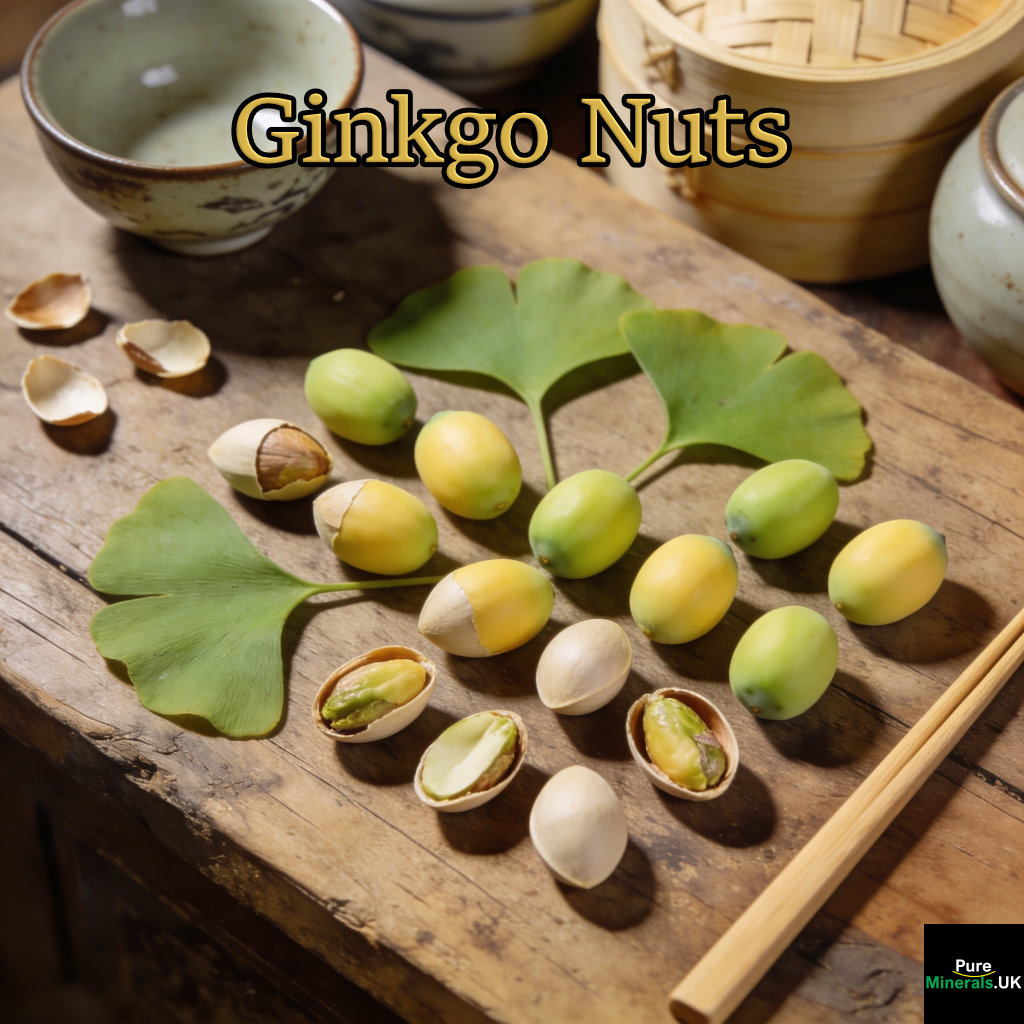
Ginkgo nuts are the edible seeds of the Ginkgo tree. They are often referred to as silver apricots or Ginnan and are encased in a fleshy, malodorous pulp. They are used in traditional East Asian cuisine for their distinctive texture and mild flavour, particularly in Chinese, Japanese, and Korean cuisines. They are typically consumed in small quantities as part of cooked dishes. Ginkgo nuts are enclosed within a fleshy outer layer and a hard inner shell, with the edible kernel inside.
Ginkgo nuts are commonly included in soups, rice dishes, boiled, roasted, and festive preparations, where they contribute a firm yet slightly waxy texture and a subtle flavour.
Nutritionally, the nuts provide carbohydrates, including starch, along with small amounts of protein and minimal fat compared to most nuts. They also contain trace amounts of minerals such as potassium and magnesium.
Despite their culinary use, ginkgo nuts contain naturally occurring compounds, including 4′-O-methylpyridoxine (ginkgotoxin), which can interfere with vitamin B6 metabolism if consumed in excessive amounts. For this reason, they are traditionally eaten in limited quantities and always cooked before consumption.
Important note: Ginkgo Nuts
Ginkgo nuts should be consumed only in small quantities and always after cooking, as excessive intake may cause adverse effects due to naturally occurring compounds such as ginkgotoxin. Children and sensitive individuals may be more susceptible. Proper identification and preparation are essential. This information is provided for educational purposes and is not intended as medical advice.
Frequently Asked Questions
After decades of research and traditional use, Ginkgo biloba remains one of the most studied botanical supplements worldwide. Yet many people still have important questions about how to use it effectively and safely. Here are answers to some of the most common queries, based on the latest scientific understanding and clinical experience with this remarkable plant extract.
These answers reflect both the promising research supporting Ginkgo’s benefits and the responsible approach to using any botanical supplement—appreciating its potential while understanding its limitations and appropriate applications. As with any health decision, personalized guidance from knowledgeable healthcare providers remains invaluable.
How long does it take for ginkgo biloba to work?
Ginkgo biloba’s effects typically develop along different timelines depending on what benefits you’re seeking. Acute cognitive benefits like improved attention and mental processing can sometimes be noticed within 1-3 hours after a single dose of 120-240mg. Circulatory benefits often become noticeable within 2-4 weeks of consistent use, while significant effects on memory and cognitive function typically require 6-12 weeks of daily supplementation to reach their full potential. Some research suggests that the neuroprotective benefits may continue to develop with longer-term use, with some studies showing increasing advantages after 6-12 months of regular supplementation. Individual responses vary considerably based on personal biochemistry, the specific condition being addressed, and the quality of the extract being used.
Can I take ginkgo biloba with blood pressure medication?
Ginkgo biloba may interact with certain blood pressure medications, though the evidence is somewhat mixed. The extract can enhance the effects of some antihypertensive drugs, potentially leading to excessive blood pressure reduction in sensitive individuals. Conversely, Ginkgo’s mild stimulant effects might slightly counteract these medications in others. If you’re taking blood pressure medication, it’s advisable to consult with your healthcare provider before adding Ginkgo to your regimen. They may recommend monitoring your blood pressure more closely during the initial weeks of combined use or adjusting medication dosages if necessary.
It’s worth noting that Ginkgo itself has modest effects on blood pressure in most people, with some studies suggesting it may help maintain healthy pressure levels through its vascular-relaxing properties. This effect tends to be regulatory rather than strongly hypotensive, but the interaction with dedicated blood pressure medications deserves careful consideration.
What’s the difference between leaf extracts and ginkgo seeds?
Ginkgo biloba leaf extracts and seeds differ significantly in their chemical composition, traditional uses, and safety profiles. The standardized leaf extracts used in most research and quality supplements contain beneficial flavonoids and terpenes (ginkgolides and bilobalide) with proven health effects and excellent safety records. These compounds support circulation, cognitive function, and neuroprotection. In contrast, Ginkgo seeds contain unique compounds not found in the leaves, including potentially toxic ginkgotoxin that can cause seizures if improperly prepared.
In traditional Asian medicine, the seeds were used for entirely different purposes than the leaves, primarily for respiratory and urinary conditions after specific detoxification processing. Modern supplements almost exclusively use standardized leaf extracts rather than seed preparations due to their superior safety profile and more extensively researched benefits.
Is ginkgo biloba safe during pregnancy?
Ginkgo biloba is generally not recommended during pregnancy or breastfeeding due to insufficient safety data in these populations. The extract’s antiplatelet effects could theoretically increase bleeding risk during delivery, and some research suggests it may affect hormone levels relevant to pregnancy maintenance. While there are no definitive studies proving harm in pregnant women, the prudent approach is to avoid Ginkgo during pregnancy and lactation unless specifically recommended by a qualified healthcare provider familiar with botanical medicine. This cautious stance reflects the ethical limitations of conducting research on pregnant women rather than evidence of specific harm.
Women planning pregnancy should discuss all supplements with their healthcare providers, ideally before conception. For those interested in herbal alternatives, exploring options like ginseng might be beneficial under professional guidance.
How does ginkgo compare to other cognitive enhancers?
When compared to other cognitive-enhancing supplements, Ginkgo biloba offers several distinctive advantages. Unlike stimulant-based cognitive enhancers that temporarily boost alertness but may cause jitteriness or crashes, Ginkgo works through sustainable mechanisms like improved cerebral circulation, reduced oxidative stress, and enhanced neural connectivity. Compared to single-compound nootropics, Ginkgo’s complex mixture of active constituents addresses multiple aspects of brain health simultaneously. Research suggests Ginkgo’s effects may be more pronounced in older adults or those with existing cognitive concerns, while some synthetic nootropics show stronger acute effects in healthy young adults. The extract’s excellent safety profile and extensive research history—spanning decades and thousands of participants—also give it an advantage over newer cognitive enhancers with limited long-term safety data.
For those seeking holistic brain support rather than intense short-term cognitive enhancement, Ginkgo offers a balanced approach that supports long-term brain health while providing modest improvements in daily cognitive function. Its effects tend to build gradually with consistent use rather than producing dramatic immediate changes.