

Published: 30 March 2026
This article is periodically reviewed and updated to reflect current scientific understanding by George Wesler.
Fact-Checked: 1 other authoritative medical/scientific reference. See our Editorial Policy.

What Is Canary Seed?
Canary seed refers to the small, hard seeds of Phalaris canariensis, traditionally used as bird feed but now cultivated in specific varieties for human consumption.
Definition
Canary seed is an edible grain from Phalaris canariensis, a grass species, processed into dehulled, hairless forms suitable for human diets.
Extended Definition
Historically, canary seed has been used primarily as feed for birds due to the presence of silica-based hairs on the seed hull, which are unsuitable for human consumption. However, modern agricultural developments have produced “hairless” or glabrous varieties specifically designed for safe human use.
These improved varieties are now marketed as a novel grain, often processed into flour or plant-based milk alternatives. Canary seed is naturally gluten-free and is being explored for its relatively high protein content compared to many traditional cereal grains.
Nutritionally, canary seed provides protein, dietary fiber, and unsaturated fats, along with minerals such as magnesium and phosphorus. It also contains naturally occurring enzymes, including lipase, which have been studied in food science contexts.
Due to its mild flavour, canary seed is typically used in blended flours, cereals, or beverages rather than as a standalone grain. Its use in human diets remains relatively niche but is expanding in health-focused markets.
Key Facts
- Botanical Name: Phalaris canariensis
- Plant Family: Poaceae
- Common Forms: Dehulled seeds, flour, plant-based milk
- Typical Serving Methods: Ground into flour, blended into drinks, or used in grain mixes
- Taste Profile: Mild, slightly nutty
Nutritional Highlights:
- Relatively high protein content
- Contains dietary fiber
- Provides magnesium and phosphorus
Culinary Uses:
- Gluten-free baking
- Plant-based milk alternatives
- Blended grain products
Notable Compounds:
- Enzymes (e.g., lipase)
- Polyphenols
Dietary Suitability:
- Gluten-free, vegan, vegetarian diets
Article-At-A-Glance: Canary Seed Plant Protein
- Hairless canary seed (alpiste) received novel food approval from Health Canada in 2016, making it officially safe for human consumption as a cereal grain — a major turning point for this overlooked crop.
- Canary seed flour contains 19–21% protein by weight, significantly outpacing oat (14.3%) and wheat (16.35%), making it a standout option for plant-based protein intake.
- The essential amino acid profile in canary seed — including tryptophan, leucine, isoleucine, and phenylalanine — is a key reason plant-based dieters should pay close attention to this grain.
- Brown and yellow canary seed cultivars differ in bioactive strength, and understanding which one does what could change how you shop for it.
- Traditional bird food, canary seed, contains silica fiber that is NOT safe for human consumption — only the de-hulled, hairless alpiste variety should ever be eaten.
Most people have only ever seen canary seed in a bag of birdfeed — but that’s about to change.
This small, pale grain has quietly been making its way into the conversation around plant-based protein, and for good reason. Researchers and food scientists have been studying Phalaris canariensis L. — the canary grass plant — for years, and what they’ve found is impressive enough to challenge some of the most established grains in the human diet. For plant-based dieters looking to diversify their protein sources beyond soy, pea, and hemp, canary seed is a genuinely exciting new frontier. Resources like Alpiste.eu have been tracking the emergence of this grain for human use and offer a useful starting point if you’re researching edible canary seed options.
Canary Seed Is Not Just Bird Food Anymore
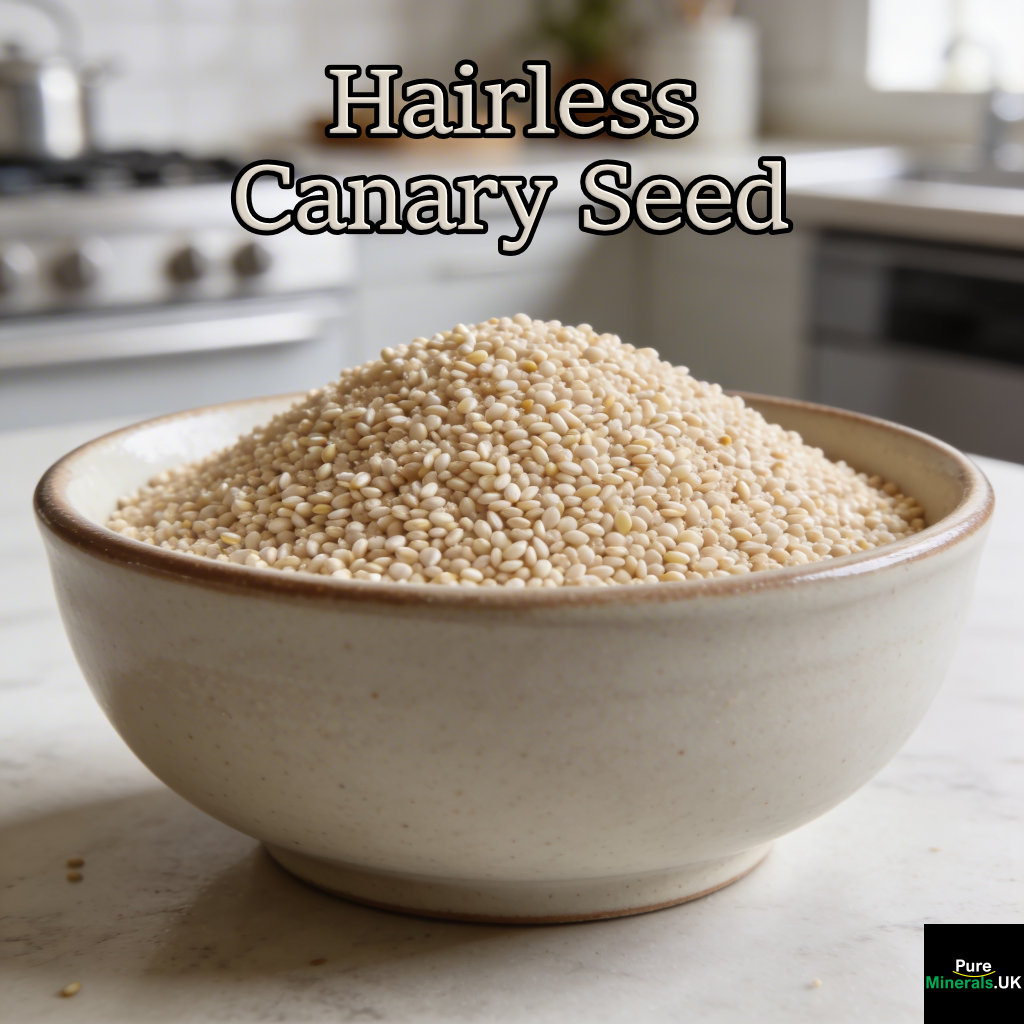
For most of its cultivated history, canary seed was grown exclusively to feed birds. Canada alone holds over 75% of the global canary seed market, producing it almost entirely as birdseed. But researchers in Canada changed that trajectory by developing a new hairless (glabrous) variety of canary seed that removed the key barrier to human consumption: the silica-laced, hair-like fibers covering the traditional seed’s hull.
The Difference Between Bird Canary Seed and Edible Hairless Canary Seed
Regular canary seed — the kind you’d find in a pet store — is covered in fine hair-like fibers made of silica. The human digestive system cannot process this material safely, making traditional canary seed off-limits for eating. The hairless variety, developed through selective breeding (not genetic modification), removes these fibers entirely. The result is a clean, de-hulled grain that contains the same remarkable nutritional profile without the digestive hazard.
In Spanish-speaking countries, this edible version is known as alpiste, and it has been incorporated into drinks, health foods, and supplements for decades — formally classified as safe for human consumption by Spanish Royal Decree as far back as 1967. For other nutritious grains, you might explore amaranth, known for its rich protein content.
How Health Canada Approved Hairless Canary Seed for Human Consumption in 2016
In 2016, both brown and yellow hairless canary seed cultivars received novel food approval from Health Canada, formally recognizing them as safe cereal grains for human use. This was a landmark decision that opened the door for canary seed to enter the North American food market as a legitimate ingredient. Before this approval, the supply of the hairless variety was simply too limited for it to reach commercial shelves in any meaningful quantity. That supply gap has been narrowing steadily, and edible canary seed (alpiste) is now available to North American consumers through specialty health food channels.
Why Silica Fiber in Traditional Canary Seed Makes It Unsafe to Eat
It’s worth being direct about this: do not eat birdseed. The silica fiber found in hairy canary seed varieties is indigestible and can cause real gastrointestinal distress. This isn’t a minor caveat — it’s the entire reason a distinct edible variety had to be developed in the first place. If you’re sourcing canary seed for food use, always confirm it is the glabrous (hairless), de-hulled alpiste variety, not the standard birdseed variety. The packaging and sourcing matter here more than with almost any other grain.
Canary Seed Protein: What the Numbers Actually Show
Canary seed isn’t just interesting — it’s genuinely competitive in the plant protein space when you look at the actual data. Its protein content, digestibility, and amino acid composition place it above many grains that people already rely on daily.
19–21% Protein Content Compared to Wheat and Oat
Across four hairless canary seed cultivars studied, protein content ranged from approximately 19% to 21% by weight (w/w). To put that in context:
- Oat flour: ~14.3% protein (w/w)
- Wheat flour: ~16.35% protein (w/w)
- Canary seed flour: 19–21% protein (w/w)
- Quinoa: ~14–15% protein
- Amaranth: ~13–14% protein
That gap between canary seed and oat is not trivial — it represents a meaningfully higher protein load per gram of flour consumed. For plant-based dieters who rely heavily on grain-based foods to hit their daily protein targets, swapping in canary seed flour — even partially — can shift the nutritional math in your favor. Additionally, exploring other high-protein grains like amaranth can further enhance your dietary options.
The grain also contains bran, germ, and starchy endosperm, just like wheat, oats, barley, and rye, confirming its classification as a true cereal grain. It’s not a pseudo-grain like quinoa or buckwheat — it’s a full cereal with a protein punch that those pseudo-grains don’t match.
In Vitro Protein Digestibility of 84% and What It Means for Your Body
High protein content only matters if your body can actually absorb and use it. This is where digestibility becomes the critical second number, and canary seed holds up well. Studies indicate that hairless canary seed demonstrates strong in vitro protein digestibility, reflecting how effectively digestive enzymes can break down its proteins into usable peptides and amino acids. Several studies have confirmed that hairless canary seeds make an excellent addition or supplement to conventional feed formulations precisely because they promote growth and enhance protein digestibility — a finding with clear implications for human nutrition as well.
The proteins in canary seed can form tightly structured configurations that make them more resistant to some proteolytic enzymes. This dual nature — partially digestible, partially resistant — may actually enhance certain bioactive effects, as resistant peptide fractions have shown functional activity in antioxidant and antihypertensive assays. The full picture of in vivo protein utilization in humans is still being established, but the in vitro data is consistently encouraging.
Essential Amino Acid Profile and Why It Matters for Plant-Based Diets
Beyond total protein quantity, canary seed carries a higher content of essential amino acids than many common grains — specifically tryptophan, phenylalanine, isoleucine, and leucine. These are amino acids your body cannot synthesize on its own, making dietary sources non-negotiable. Leucine in particular plays a central role in muscle protein synthesis, which is why it’s a primary target in sports nutrition research. For plant-based dieters who aren’t eating animal products, having a grain source that contributes meaningfully to leucine and tryptophan intake is a real advantage — not a marketing claim, but a measurable nutritional distinction.
Bioactive Properties That Set Canary Seed Apart
The protein story is compelling on its own, but canary seed’s bioactive properties are what truly separate it from the crowd. Researchers studying the low molecular weight (<3 kDa) fractions of hairless canary seed flour — the tiny peptide fragments that remain after simulated gastrointestinal digestion — have found functional activity across multiple health-relevant pathways. This isn’t folklore nutrition; it’s measurable biochemical activity studied in controlled in vitro conditions and compared directly against oat and wheat.
Antioxidant Activity: How Canary Seed Outperforms Oat and Wheat
Overall, hairless canary seeds have demonstrated equivalent or superior antioxidant activity compared to both wheat and oat across standard assays. Using DPPH radical scavenging and iron chelation methods — two of the most widely used measures of antioxidant capacity in food science — canary seed consistently performed at or above the benchmark set by these two dominant cereal grains. For a plant-based dieter whose grain intake forms a large portion of total caloric load, this means every serving is doing more oxidative work than an equivalent serving of buckwheat or whole wheat flour.
ACE Inhibition and Antihypertensive Peptides Identified by Mass Spectrometry
One of the most clinically relevant findings in canary seed research is its antihypertensive activity — specifically, its ability to inhibit Angiotensin-Converting Enzyme (ACE). ACE inhibition is the same mechanism targeted by a class of prescription blood pressure medications. When specific proteins are digested, they release peptide fragments that can block ACE activity, reducing the conversion of angiotensin I to angiotensin II and helping to relax blood vessels. For more detailed information, you can refer to this research article on the subject.
The antihypertensive activity found in hairless canary seed was described as especially high, particularly in the yellow cultivar. This wasn’t a minor signal buried in the data; it was one of the most prominent bioactive findings across the entire study of the four cultivars. Researchers identified these bioactive peptides using mass spectrometry, giving the findings a level of analytical rigor that goes well beyond general nutritional profiling.
What makes this particularly interesting for plant-based dieters is context. Most whole food plant sources with meaningful ACE-inhibitory activity are fermented foods or legumes. Having a cereal grain — one that can be milled into flour and used in everyday cooking — with this level of antihypertensive peptide activity is genuinely unusual and worth paying attention to.
- ACE inhibition was identified in the low molecular weight (<3 kDa) digestate fractions of both yellow and brown hairless canary seed cultivars
- Yellow canary seed showed particularly strong antihypertensive activity compared to the brown cultivar
- Mass spectrometry was used to identify the specific antihypertensive peptides present after simulated gastrointestinal digestion
- Antihypertensive activity was found to be equivalent or superior to oat and wheat under the same testing conditions
It’s important to note that these findings are in vitro, meaning they reflect activity in a lab-simulated digestive environment. In vivo studies in humans are still needed to confirm how these peptides behave after full digestion and absorption. But the direction of the evidence is consistent and meaningful, similar to research on amaranth for its health benefits.
Antidiabetic Activity Found in Low-Molecular-Weight Digestate Fractions
Beyond blood pressure, canary seed has also demonstrated antidiabetic activity in vitro. Studies on both hairy and hairless canary seed varieties have found that protein digestate fractions contain components capable of inhibiting enzymes linked to blood sugar regulation. This activity has been documented in research on Phalaris canariensis L. proteins, and the hairless cultivars show this activity at levels comparable to or better than conventional cereals tested under the same conditions.
For plant-based dieters managing blood sugar — whether due to diabetes, pre-diabetes, or simply a metabolic health focus — this is a meaningful data point. It doesn’t mean canary seed is a diabetes treatment. What it does mean is that this grain may offer functional benefits beyond basic macronutrient delivery, contributing to a dietary pattern that supports metabolic health over time.
Brown vs. Yellow Cultivars: Key Differences in Bioactivity
Not all canary seed is identical in its functional properties. Brown canary seed cultivars consistently showed the highest antioxidant activity in both the DPPH radical scavenging and iron chelation assays, making them the stronger choice if antioxidant intake is your primary goal. The yellow cultivar, on the other hand, showed superior antihypertensive activity — making it more relevant if cardiovascular support is the focus. Both cultivars received Health Canada’s novel food approval in 2016, and both are nutritionally strong. But understanding this distinction lets you make a more targeted choice depending on your health priorities.
How Canary Seed Flour Works in the Kitchen
Understanding the science is one thing — actually cooking with canary seed is another. The good news is that this grain translates well into everyday kitchen use, particularly once it’s been milled into flour. Its structural similarity to wheat as a true cereal grain means it behaves in recognizable ways when baked, blended, or cooked. For a similar gluten-free option, you might also consider buckwheat, which shares some culinary characteristics.
Canary seed contains bran, germ, and starchy endosperm — the same three components found in wheat and oats. This means it can be processed similarly: milled into whole grain or refined flour, rolled into flakes, or used as a whole seed in grain bowls and porridges. Its relatively high protein content also gives it slightly more binding capacity than lower-protein grain flours, which has practical implications for baking structure and texture.
Flavor Profile and Texture When Milled Into Flour
Canary seed flour has a mild, slightly nutty flavor — subtle enough to blend seamlessly into most baked goods without overpowering other ingredients. The texture is fine and smooth when milled, comparable to a light whole wheat flour. It doesn’t carry the strong grassiness of some alternative grain flours, which makes it more versatile and approachable for home bakers experimenting with it for the first time. Research into canary seed as a blending flour confirms its compatibility with standard baking applications, noting its potential as a nutritional upgrade in mixed-flour formulations.
How to Substitute Canary Seed Flour in Baking Recipes
Recipe Type
Recommended Canary Seed Flour Substitution
Notes
Bread (yeasted)
20–30% of total flour weight
Higher substitution may reduce gluten network strength; blend with bread flour
Muffins & Quick Breads
25–40% of total flour weight
Works well; adds protein density and mild nuttiness
Pancakes & Waffles
Up to 50% substitution
Very compatible; slight texture upgrade with higher protein content
Cookies & Bars
30–50% of total flour weight
Pairs well with oat flour blends for added structure
Pasta (homemade)
20–25% of total flour weight
Best blended with semolina or all-purpose; improves protein per serving
Start on the lower end of these substitution ranges the first time you bake with canary seed flour. Because its protein content is higher than wheat and oat flour, it can absorb liquid slightly differently, and your batter or dough may need minor moisture adjustments. Add liquid one tablespoon at a time if a recipe feels too dry.
One practical advantage of canary seed flour as a blending ingredient is that it doesn’t require a complete recipe overhaul. You’re not replacing the entire structure of a recipe — you’re upgrading its nutritional profile while keeping familiar textures intact. Research published in Food Chemistry by Abdel-Aal, Hucl, Shea Miller, Patterson, and Gray (2011) specifically examined canary seed’s microstructure and nutrient composition as a blending flour, concluding it holds real potential for food use in this exact application.
For plant-based bakers already working without eggs or dairy, canary seed flour slots in without creating additional challenges. Its binding properties — supported by that elevated protein content — can actually help compensate for the structural role eggs would otherwise play in conventional recipes.
Using Canary Seed as a Milk Substitute
In Spanish-speaking countries, alpiste canary seed has long been used to make a plant-based milk drink — blending soaked seeds with water and straining the result into a smooth, protein-rich liquid. The process is nearly identical to making oat milk or rice milk at home. Soak the de-hulled alpiste seeds overnight, blend with fresh water at roughly a 1:4 seed-to-water ratio, then strain through a fine mesh or nut milk bag. The result is a mild, slightly creamy milk alternative that carries the same protein advantages as the whole seed.
Given canary seed’s strong amino acid profile — particularly its levels of leucine, isoleucine, tryptophan, and phenylalanine — canary seed milk offers something most commercial plant milks don’t: a meaningful essential amino acid contribution per serving. Most oat milks and rice milks are primarily carbohydrate-dense with minimal protein. Canary seed milk flips that ratio in a more favorable direction for plant-based dieters focused on protein quality, not just caloric content.
Where to Source Edible Canary Seed (Alpiste)
Sourcing the right canary seed is the most critical step — and the most commonly confused one. You are looking specifically for de-hulled, hairless alpiste canary seed that is explicitly labeled for human consumption. Health food stores, specialty Latin American grocery stores, and online health food retailers are your most reliable options. In North America, availability has been growing steadily since the 2016 Health Canada approval, but it is still far from mainstream supermarket shelves.
When purchasing online, look for products that clearly state glabrous or hairless variety, confirm the seed has been de-hulled, and verify it is not a birdseed blend. Sites like Alpiste.eu focus specifically on edible canary seed and are a useful reference point for understanding what properly processed alpiste should look like before you buy.
The Future of Canary Seed as a Mainstream Grain
Nutritional Metric
Canary Seed
Oat
Wheat
Quinoa
Protein Content (w/w)
19–21%
~14.3%
~16.35%
~14–15%
Antioxidant Activity
Superior
Moderate
Moderate
Moderate
Antihypertensive Activity
Especially High
Moderate
Low–Moderate
Not well studied
Antidiabetic Activity
Demonstrated in vitro
Demonstrated in vitro
Limited
Limited
High (comparable to amaranth/quinoa)
Moderate
Moderate
High
Higher than quinoa & buckwheat
Moderate
Moderate
Moderate
Human Consumption Approval
Health Canada 2016
Long-established
Long-established
Long-established
The data points in that table tell a clear story: canary seed is not a novelty grain chasing a trend. It outperforms or matches established cereals across nearly every functional and nutritional category that matters to plant-based dieters. The limiting factor has never been what the seed can do — it has always been supply, awareness, and regulatory approval. Two of those three barriers are now resolved.
Canada’s dominant position in global canary seed production — over 75% market share — means the agricultural infrastructure to scale hairless variety production is already in place. What’s needed now is consumer demand driving food manufacturers to invest in canary seed as an ingredient. A handful of early-adopter health food brands have already begun incorporating alpiste into protein blends, flour mixes, and functional beverages, particularly in markets where alpiste has an existing cultural foothold, like Spain and Latin America.
The research pipeline is also building momentum. Studies have investigated phenolic profiles, antioxidant activity in germinated canary seed, antihypertensive peptides identified by mass spectrometry, and the full gastrointestinal digestate behavior of both yellow and brown cultivars. Each published paper adds another layer of credibility to what plant-based food developers are already beginning to suspect: this grain belongs in the same conversation as quinoa, amaranth, and oat — and on some metrics, it belongs above them.
What canary seed still needs is in vivo human studies to confirm the bioactive effects observed in vitro. The researchers themselves note this gap honestly — the antioxidant, antihypertensive, and antidiabetic activities are clearly present in laboratory conditions, but their expression in the human body after full digestion and absorption requires further investigation. That research is coming. In the meantime, the nutritional case for adding hairless canary seed to a plant-based diet is already strong enough to act on.
Important note: Canary Seed
Only specially developed hairless (glabrous) varieties of canary seed are suitable for human consumption. Traditional birdseed varieties contain silica fibers in the hull that may pose a health risk if ingested. As a relatively novel food ingredient, individuals should introduce canary seed gradually and monitor tolerance. Those with grain sensitivities or specific health conditions should consult a qualified nutrition professional before regular consumption.
Frequently Asked Questions
The questions below cover the most common points of confusion around canary seed for human consumption, especially for plant-based dieters encountering this grain for the first time.
Is Canary Seed Safe for Humans to Eat?
Yes, but only the hairless (glabrous), de-hulled alpiste variety is safe for human consumption. This variety received novel food approval from Health Canada in 2016 and has been recognized as safe for human use in Spain since 1967 under Spanish Royal Decree. Standard birdseed canary seed contains silica fiber that the human digestive system cannot safely process and should never be eaten. Always confirm your source is selling the edible hairless variety before consuming.
What Is the Difference Between Alpiste and Regular Canary Seed?
Alpiste is the Spanish name for the edible, hairless variety of canary seed developed specifically for human consumption. Regular canary seed — the kind sold as birdfeed — is covered in fine silica-laced hair-like fibers that are indigestible and unsafe for humans. The hairless alpiste variety was developed through selective breeding (not genetic modification) to remove these fibers entirely, producing a clean cereal grain with the same nutritional profile but none of the digestive hazard. Beyond that key structural difference, both come from the same plant species: Phalaris canariensis L.
How Much Protein Does Canary Seed Have Compared to Other Grains?
Canary seed flour contains 19–21% protein by weight, which is significantly higher than oat flour (~14.3%) and wheat flour (~16.35%), and above common pseudo-grains like quinoa (~14–15%) and amaranth (~13–14%). It also carries a favorable essential amino acid profile, with higher levels of leucine, isoleucine, tryptophan, and phenylalanine than many conventional cereal grains — making it particularly relevant for plant-based dieters focused on amino acid completeness, not just raw protein quantity.
Can People With Gluten Intolerance Eat Canary Seed?
Canary seed is a true cereal grain in the same botanical family as wheat, oats, barley, and rye. While it is structurally a cereal, current research has not definitively classified its gluten content or cross-reactivity with gluten-sensitive individuals. The grain has not been widely studied in the context of celiac disease or non-celiac gluten sensitivity specifically.
If you have been diagnosed with celiac disease or a confirmed gluten sensitivity, consult with a healthcare provider before incorporating canary seed flour into your diet. Additionally, sourcing and processing environments matter — cross-contamination with wheat during milling is a real risk unless the product is explicitly certified gluten-free. Treat it with the same caution you would oat products until more targeted research is available.
What Does Canary Seed Taste Like?
Canary seed has a mild, slightly nutty flavor that is subtle and approachable — much closer to a light whole wheat or mild oat flavor than anything sharp or grassy. When milled into flour, the taste blends seamlessly into baked goods without competing with other flavors. It doesn’t carry the bitterness some people detect in buckwheat or the strong earthiness of teff.
As a whole seed used in porridges or grain bowls, it has a pleasant, slightly chewy texture with that same mild nuttiness. When blended into a milk drink — as is traditional with alpiste in Spanish-speaking cultures — the flavor is clean and lightly creamy, making it one of the more palatable grain milk options compared to, say, oat milk or rice milk, which can taste quite starchy.
The understated flavor profile is actually one of canary seed’s practical strengths as a culinary ingredient. It enhances the nutritional value of whatever it’s added to without demanding attention or requiring significant recipe adjustments to mask it. For plant-based cooks building flavor-forward dishes, that kind of neutral versatility is genuinely useful.