

Published: 30 March 2026
This article is periodically reviewed and updated to reflect current scientific understanding by George Wesler.
Fact-Checked: Includes 1 PubMed-indexed study and 1 other authoritative medical/scientific reference. See our Editorial Policy.

What Is Buckwheat?
Buckwheat refers to the triangular seeds of a broadleaf plant used as a gluten-free pseudograin, widely consumed in traditional and modern diets for its nutritional value and versatility. 52 percent of commercial buckwheat is produced in Russia. Commercial growing is concentrated in the northern plains of the USA, with major producers in North Dakota and others in New York, Maine, and Oregon. The plant grows quickly in cooler climates.
Definition
Buckwheat is an edible seed derived from plants in the genus Fagopyrum, commonly consumed as a grain substitute despite not belonging to the grass family.
Extended Definition
Buckwheat is classified as a pseudocereal, meaning it is used similarly to cereal grains but comes from a non-grass plant in the Polygonaceae family. The two most commonly cultivated species are Fagopyrum esculentum (common buckwheat) and Fagopyrum tataricum (tartary buckwheat).
Unlike wheat, buckwheat is naturally gluten-free and suitable for individuals following gluten-free diets. It has been cultivated for centuries across Asia and Europe, forming a staple in dishes such as soba noodles in Japan and kasha (toasted buckwheat groats) in Eastern Europe.
Nutritionally, buckwheat is notable for its relatively high protein content compared to many grains, including a balanced amino acid profile. It also provides dietary fiber and is rich in minerals such as magnesium, manganese, and phosphorus.
Buckwheat contains bioactive compounds such as rutin, a flavonoid associated with antioxidant activity in laboratory studies. The seeds can be consumed whole as groats, milled into flour, or processed into noodles and other food products.
Key Facts
- Botanical Name: Fagopyrum esculentum (primary species)
- Plant Family: Polygonaceae
- Common Forms: Whole groats, toasted groats (kasha), flour, noodles
- Typical Serving Methods: Boiled, toasted, ground into flour, or processed into noodles
- Taste Profile: Earthy, nutty, slightly robust
Nutritional Highlights:
- Rich in dietary fiber
- Contains high-quality plant protein
- Provides magnesium, manganese, and phosphorus
Culinary Uses:
- Porridge and grain dishes
- Gluten-free baking
- Noodles (e.g., soba)
Notable Compounds:
- Rutin (flavonoid)
- Polyphenols
Dietary Suitability:
- Gluten-free, vegetarian, vegan diets
Why Buckwheat Belongs in Your Kitchen
- Buckwheat is 100% gluten-free — it’s not related to wheat at all, making it a safe and nutritious option for people with celiac disease or gluten intolerance.
- It outperforms most common cereal grains in protein content, key minerals like zinc and copper, and antioxidant plant compounds like rutin and D-fagomine.
- Buckwheat contains unique bioactive compounds — including fagopyritols and fagopyrins — that most people have never heard of, but research suggests they play a significant role in blood sugar management and heart health.
- 1.4% of the global population has celiac disease and needs reliable gluten-free food sources — buckwheat is one of the most nutritionally complete options available to them.
- Not all buckwheat products are created equal — the type of buckwheat, how it’s processed, and what it’s paired with dramatically affect its nutritional value and health impact.
Buckwheat has nothing to do with wheat — and once you understand what it actually is, you’ll see why nutritionists and food scientists are paying serious attention to it.
This pseudocereal has been quietly delivering high-quality protein, essential minerals, and powerful plant compounds for centuries. Today, researchers are catching up with what traditional food cultures already knew. Nutrition resources are increasingly highlighting buckwheat as one of the most versatile and functional gluten-free foods available — and the science backs that up.
Buckwheat Is Not What Most People Think It Is
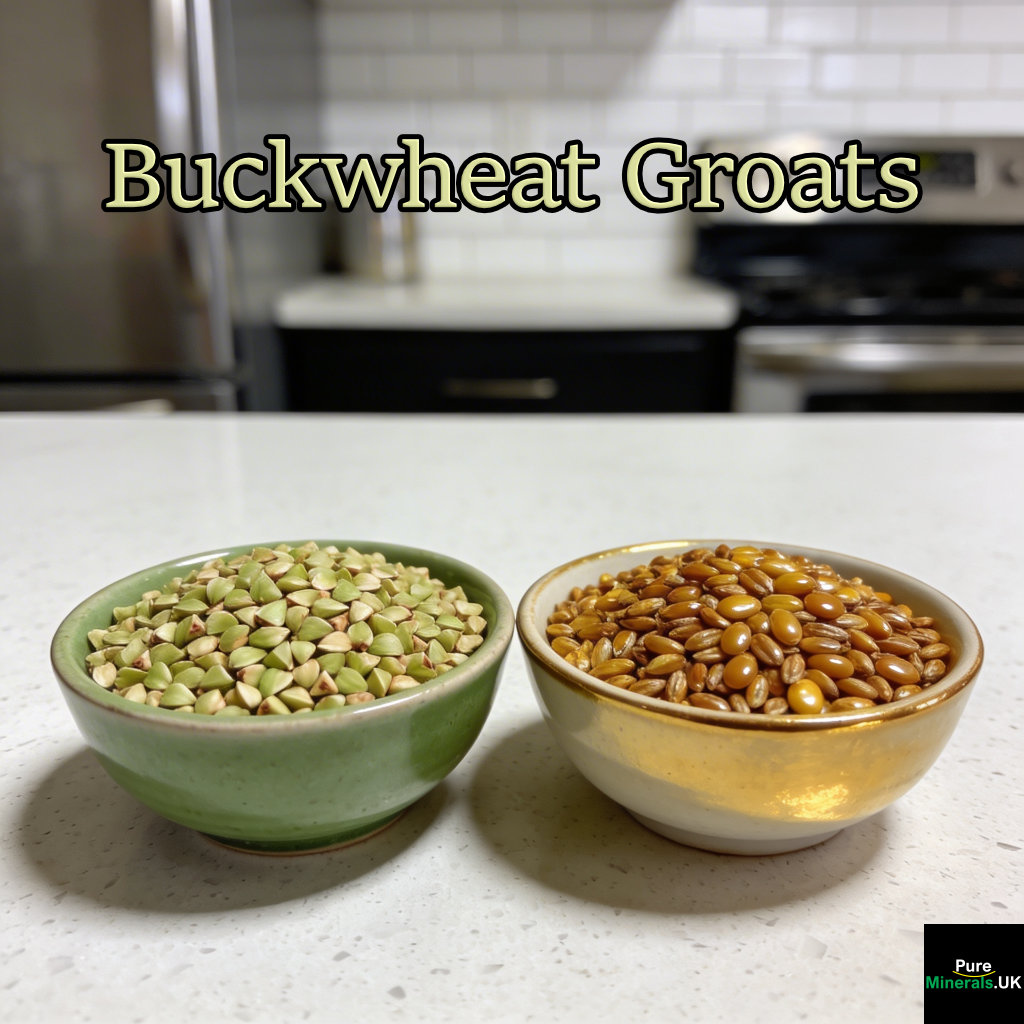
Most people hear “buckwheat” and assume it’s a type of wheat. It isn’t. Buckwheat belongs to a completely different plant family — Polygonaceae — and is more closely related to rhubarb and sorrel than to any grain grass. It’s what food scientists call a pseudocereal: a seed that gets used like a grain but doesn’t come from a grass plant.
No Wheat, No Gluten — Here’s What Buckwheat Actually Is
Buckwheat is naturally and completely free of gluten proteins. Unlike wheat, barley, and rye — which all contain gluten — buckwheat contains none of the gliadin or glutenin proteins that trigger reactions in people with celiac disease or non-celiac gluten sensitivity. It’s grown as a flowering crop, and its triangular seeds (called groats) are harvested, hulled, and used in a wide range of food products from flour to noodles to tea.
This distinction matters enormously. It means buckwheat isn’t just a “tolerated” alternative for gluten-sensitive individuals — it’s a genuinely nutrient-dense food that stands on its own merits, independent of its gluten-free status.
Common Buckwheat vs. Tartary Buckwheat: What’s the Difference
There are two main cultivated species worth knowing. Common buckwheat (Fagopyrum esculentum) is the variety most widely grown and consumed globally. Tartary buckwheat (Fagopyrum tataricum) is hardier, grows at higher altitudes, and is especially prominent in parts of Asia. Tartary buckwheat is notably higher in rutin — a key flavonoid antioxidant — compared to common buckwheat, which makes it of particular interest to researchers studying cardiovascular and metabolic health. For everyday cooking, both are excellent choices.
Why 1.4% of the World Population Needs Gluten-Free Foods Like Buckwheat
Celiac disease affects approximately 1.4% of the global population. For these individuals, consuming gluten triggers an immune response that damages the lining of the small intestine, impairing nutrient absorption and causing a range of serious health complications. The challenge isn’t just avoiding gluten — it’s finding gluten-free foods that are also genuinely nutritious.
Many commercial gluten-free products are made with refined starches like white rice flour or tapioca starch, which offer very little nutritional value. Buckwheat flips that equation entirely. It brings real nutritional density to gluten-free formulations, helping to close the nutrient gap that celiac patients frequently face.
Buckwheat’s Nutritional Profile Beats Most Cereal Grains
Gram for gram, buckwheat delivers a nutritional package that most common cereal grains simply can’t match. It’s rich in protein, dietary fiber, essential minerals, and bioactive compounds — all in a naturally gluten-free seed. Research published on buckwheat’s composition consistently identifies it as a nutrient-dense pseudocereal with a profile superior to many traditional cereal crops.
Protein Content Higher Than Most Common Grains
Buckwheat’s protein content is one of its standout features. Whole grain buckwheat delivers a meaningful amount of protein per serving, and crucially, the amino acid profile is well-balanced — including lysine, an essential amino acid that is typically low in common cereal grains like wheat, rice, and corn. This makes buckwheat a particularly valuable protein source for plant-based diets and for populations where cereal grains are the dietary staple.
The protein in buckwheat is also considered highly digestible compared to many legumes, making it practical as a daily dietary protein contributor. For people relying on gluten-free diets, where protein variety can be limited, this is a significant advantage.
- Lysine-rich: Buckwheat contains meaningful levels of lysine, which is deficient in most cereal grains
- Higher protein density: Buckwheat’s protein content surpasses that of rice, corn, and several other common grains
- Good digestibility: Its protein is more bioavailable than many plant-based protein sources
- Complete amino acid support: Contains all essential amino acids, though not in equal proportions
Fiber That Feeds Your Gut
Buckwheat is a solid source of dietary fiber, including both soluble and insoluble types. The fiber in buckwheat supports healthy digestion, helps regulate bowel movements, and — importantly — acts as a prebiotic, feeding beneficial gut bacteria. For individuals with celiac disease who often deal with gut damage and disrupted microbiomes, this prebiotic action is especially valuable.
Soluble fiber in buckwheat also plays a role in slowing glucose absorption after meals, which contributes directly to the blood sugar management benefits that researchers have repeatedly noted in buckwheat studies.
Key Minerals: Zinc, Copper, and Potassium
According to USDA data, buckwheat is particularly rich in manganese, copper, magnesium, phosphorus, and zinc. These aren’t trace amounts — they’re meaningful contributions to daily mineral requirements. Magnesium supports muscle function and cardiovascular health. Zinc is critical for immune function and wound healing. Copper plays a key role in iron metabolism and the formation of red blood cells, much like amaranth, another nutrient-rich pseudograin.
For people following gluten-free diets — who are statistically at higher risk of micronutrient deficiencies — buckwheat’s mineral density makes it one of the most practical foods to incorporate regularly.
Where Most of Buckwheat’s Nutrients Are Stored in the Grain
The nutritional value of buckwheat is not evenly distributed throughout the seed. The outer hull and bran layers contain the highest concentrations of fiber, minerals, and bioactive plant compounds. This means that whole-grain buckwheat flour retains far more nutritional value than refined or light buckwheat flour, where those outer layers have been removed. When choosing buckwheat products, whole grain options will consistently deliver more of what makes buckwheat worth eating in the first place.
Bioactive Compounds That Make Buckwheat a Functional Food
Beyond basic macronutrients and minerals, buckwheat contains a remarkable array of bioactive compounds — molecules that interact with biological systems in ways that support health beyond basic nutrition. This is what separates buckwheat from being merely a “nutritious grain” and elevates it to what food scientists classify as a functional food with genuine nutraceutical potential.
Rutin and Flavonoids: Buckwheat’s Most Powerful Plant Compounds
Rutin is the star of buckwheat’s flavonoid lineup, and Tartary buckwheat contains it in particularly high concentrations. Rutin is a plant pigment with well-documented antioxidant and anti-inflammatory properties. It strengthens capillary walls, supports circulation, and has been studied for its potential role in reducing blood pressure and protecting against cardiovascular damage. Buckwheat also contains other flavonoids, including quercetin and kaempferol, both of which contribute to its overall antioxidant activity.
Phenolic Acids, Peptides, and D-Fagomine
Buckwheat contains a range of phenolic acids — including caffeic acid, chlorogenic acid, and ferulic acid — that work as antioxidants by neutralizing free radicals and reducing oxidative stress in the body. These compounds are concentrated in the bran layer of the grain, which is another reason why whole-grain buckwheat products are nutritionally superior to refined versions.
D-fagomine is one of buckwheat’s more unique bioactive compounds. It’s a sugar-like molecule that has shown the ability to inhibit certain enzymes involved in carbohydrate digestion, which slows glucose release into the bloodstream after a meal. Research has also indicated that D-fagomine may help reduce the adhesion of harmful bacteria in the gut, suggesting a secondary benefit for digestive health. This is a compound you won’t find in wheat, rice, or corn.
Fagopyritols and Fagopyrins: Lesser-Known but Significant
Fagopyritols are inositol-based compounds found almost exclusively in buckwheat. They’ve drawn scientific interest for their potential role in insulin signaling — specifically, their structural similarity to compounds involved in glucose metabolism. Early research suggests fagopyritols may contribute to the blood-sugar-lowering effects that buckwheat is increasingly recognized for, though more human clinical trials are needed to fully establish the mechanisms.
Fagopyrins, on the other hand, are the photosensitizing pigments found in buckwheat sprouts and flowers. They’re present in very small amounts in the grain itself and are not considered a concern at normal dietary intake levels. However, they are worth noting for anyone consuming concentrated buckwheat sprout extracts or supplements, where the levels can be higher. At standard food quantities, buckwheat remains safe and well-tolerated for the vast majority of people. For those exploring other nutritious options, basil seeds also offer unique health benefits.
Health Benefits Backed by Research
The bioactive compounds in buckwheat don’t just exist on paper — they translate into measurable health outcomes that researchers have been studying with growing interest. From blood sugar control to cardiovascular support, buckwheat’s functional benefits are increasingly well-documented and make a compelling case for its regular inclusion in the diet.
Blood Sugar Management
Buckwheat has a relatively low glycemic index compared to refined cereal grains, and the combination of D-fagomine, fagopyritols, soluble fiber, and resistant starch all work together to slow carbohydrate digestion and moderate post-meal blood glucose spikes. Research has highlighted buckwheat’s potential as a dietary tool for people managing type 2 diabetes or insulin resistance. The fiber content adds another layer of benefit by slowing gastric emptying, giving the body more time to process glucose gradually rather than in one sharp surge.
Heart Health Support
Rutin — buckwheat’s most abundant flavonoid — directly supports cardiovascular health by reinforcing blood vessel walls and reducing inflammation in the vascular system. Buckwheat also contains a favorable ratio of arginine and other amino acids that contribute to healthy blood pressure regulation. Its magnesium content further supports heart muscle function and helps maintain normal blood pressure levels. Together, these components make buckwheat a genuinely heart-supportive food, not just a gluten-free substitute.
Antioxidant Protection Against Disease
Oxidative stress — the cellular damage caused by an imbalance between free radicals and antioxidants in the body — is a root driver of chronic diseases, including cardiovascular disease, type 2 diabetes, and certain cancers. Buckwheat’s combination of rutin, quercetin, phenolic acids, and other antioxidant compounds gives it a strong capacity to neutralize free radicals and reduce this oxidative burden.
The antioxidant activity of buckwheat is not static — it changes depending on how the grain is processed. Raw, whole-grain buckwheat retains the highest antioxidant capacity. Heat processing, fermentation, and germination each affect the levels of specific compounds differently, with fermentation actually shown to enhance the bioavailability of certain phenolic acids in some studies.
- Rutin and quercetin neutralize free radicals and reduce systemic inflammation
- Chlorogenic acid has been associated with reduced risk of type 2 diabetes in observational research
- Ferulic acid protects cell membranes from oxidative damage
- Whole-grain processing preserves the highest levels of these protective compounds
- Fermented buckwheat products may offer enhanced bioavailability of key phenolic compounds
What makes buckwheat’s antioxidant profile particularly practical is that these benefits are accessible through everyday foods — buckwheat noodles, buckwheat pancakes, or simply cooked groats — rather than through supplements or extracts.
Fighting Malnutrition in Developing Countries
Buckwheat’s low cost of cultivation, hardiness in poor soil conditions, and impressive nutritional density make it a serious candidate for addressing malnutrition in regions where access to diverse food sources is limited. Its high protein content with a balanced amino acid profile, combined with meaningful mineral levels, means that even modest daily consumption can contribute significantly to meeting nutritional needs. Food scientists have specifically identified buckwheat as a tool for mitigating protein and micronutrient deficiencies in populations that rely heavily on lower-nutrition staple grains.
Buckwheat as the Go-To Gluten-Free Ingredient
The gluten-free market has grown rapidly, but nutritional quality hasn’t always kept pace with demand. Buckwheat occupies a unique position in this space — it’s one of the very few gluten-free ingredients that brings genuine nutritional value to the table rather than simply filling the structural role that gluten would otherwise play in baked goods and pasta products.
Why Most Gluten-Free Products Fall Short on Nutrition
The majority of commercial gluten-free products are built on a foundation of refined starches — white rice flour, potato starch, tapioca starch, and corn starch. These ingredients provide texture and structure but offer minimal protein, fiber, or micronutrients. The result is that many people following a strict gluten-free diet end up inadvertently consuming a diet that is lower in fiber and key minerals than they would get from even a standard wheat-based diet. This nutritional gap is a documented concern among dietitians working with celiac patients.
How Buckwheat Fills the Nutritional Gap for Celiac Patients
Substituting refined gluten-free starches with buckwheat flour — either partially or fully — substantially improves the nutritional profile of gluten-free products. Research on buckwheat-enriched gluten-free bread, cookies, and noodles consistently shows improvements in protein content, fiber levels, mineral density, and antioxidant activity compared to standard gluten-free formulations. For celiac patients who are already managing gut damage and compromised nutrient absorption, every nutritional upgrade in their daily diet matters. Buckwheat doesn’t just make gluten-free food safer — it makes it genuinely better.
How Buckwheat Is Used in Food Products
Buckwheat’s versatility in the kitchen is one of its most underappreciated qualities. It moves seamlessly across food categories — from hearty savory dishes to baked goods to hot beverages — and performs well in both traditional recipes and modern food product development. Food scientists have developed buckwheat-based versions of nearly every major gluten-free product category, consistently achieving results with strong nutritional profiles and good consumer acceptance.
The key to buckwheat’s culinary flexibility lies in its starch structure and protein composition. Unlike wheat, it doesn’t form gluten networks, but its starches gelatinize well with heat, and its proteins contribute to structure in baked products. When blended with other gluten-free flours or binding agents like psyllium husk or xanthan gum, buckwheat flour produces products that are texturally competitive with their wheat-based counterparts.
Buckwheat Groats, Flour, Noodles, and Tea

Whole buckwheat groats can be cooked like rice or oats and eaten as a base grain — this is the foundation of the Eastern European dish kasha, where toasted groats are simmered in broth. Buckwheat flour is the traditional base for Japanese soba noodles, French galettes (savory crepes), and Russian blini. Buckwheat tea — made by steeping roasted buckwheat groats in hot water — is widely consumed in Japan and Korea and delivers antioxidant compounds, including rutin, in a caffeine-free beverage. Each of these applications taps into different aspects of buckwheat’s nutritional profile, from its protein and fiber in flour-based products to its soluble antioxidants in tea form.
Buckwheat Cookies: More Protein and Fiber Than Wheat-Based Cookies

Research on buckwheat-fortified baked goods has shown that cookies made with buckwheat flour contain measurably higher protein and dietary fiber than standard wheat-based cookies, while also contributing greater mineral content — particularly magnesium, zinc, and phosphorus. Studies on buckwheat biscuits and cookies have confirmed good organoleptic quality, meaning the flavor, texture, and appearance meet consumer expectations. The slightly earthy, nutty flavor of buckwheat actually enhances many baked goods, adding complexity that refined wheat flour lacks. For parents looking to improve the nutritional quality of snacks for children on gluten-free diets, buckwheat cookies are one of the most straightforward upgrades available.
Sensory Quality and Consumer Acceptance of Buckwheat Products
One of the most common concerns with functional food ingredients is whether the nutritional improvements come at the cost of taste and texture. With buckwheat, the research is encouraging. Multiple studies evaluating consumer acceptance of buckwheat-enriched breads, noodles, cookies, and extruded snack products have reported positive sensory outcomes. The characteristic flavor of buckwheat — described as earthy, slightly bitter, and nutty — is generally well-received, particularly when buckwheat is used at moderate inclusion levels (typically 30–50% of the flour blend).
At higher substitution levels, the flavor becomes more pronounced, and the texture of baked goods can become denser. Food product developers typically address this through optimized formulation — adjusting hydration levels, fermentation times, and the ratio of buckwheat to other gluten-free flours to achieve the best balance of nutrition and palatability. The bottom line: buckwheat doesn’t require consumers to sacrifice enjoyment for nutrition, which is one of the main reasons food scientists continue to prioritize it in gluten-free product development.
One Thing to Watch Out For With Buckwheat
Buckwheat contains compounds called fagopyrins, which are photosensitizing agents found predominantly in the green parts of the buckwheat plant — leaves, stems, and flowers — and in much smaller amounts in the seeds used for food. At normal dietary intake levels through buckwheat groats, flour, or noodles, fagopyrin exposure is not a health concern for most people.
However, buckwheat can trigger genuine allergic reactions in some individuals, and importantly, buckwheat allergy is independent of wheat allergy — you can be allergic to one without being allergic to the other. Reactions can range from mild oral allergy symptoms to severe anaphylaxis in sensitized individuals, and buckwheat allergy is notably more common in countries like Japan and Korea, where buckwheat consumption is high and lifelong. If you’re introducing buckwheat into your diet for the first time — especially for a child — start with small amounts and monitor for any adverse response.
Important note: Buckwheat
Buckwheat is generally safe for consumption and is well-tolerated as a gluten-free alternative to wheat. However, some individuals may experience allergic reactions, particularly with frequent or high intake. Raw buckwheat greens and sprouts contain compounds such as fagopyrin, which may increase sensitivity to sunlight in large amounts. Proper preparation and moderate consumption are recommended. Individuals with known sensitivities should consult a qualified nutrition professional before regular use.
Frequently Asked Questions About Buckwheat
Buckwheat generates a lot of questions, and understandably so — it occupies an unusual space in the food world, straddling the line between grain and seed, traditional staple and modern superfood. The following answers cut through the confusion with straightforward, evidence-based responses.
Is Buckwheat Safe for People With Celiac Disease?
Yes — buckwheat is inherently gluten-free and is considered safe for people with celiac disease. It contains none of the gliadin or glutenin proteins that trigger the immune response associated with celiac disease, making it one of the most nutritionally valuable naturally gluten-free foods available to this population.
The important caveat is cross-contamination. Buckwheat that is grown, processed, or packaged in facilities that also handle wheat, barley, or rye may contain trace amounts of gluten from contact contamination. For people with celiac disease — where even small amounts of gluten can trigger intestinal damage — it’s essential to choose buckwheat products that are certified gluten-free, meaning they’ve been tested and confirmed to contain fewer than 20 parts per million (ppm) of gluten, which is the internationally recognized threshold for gluten-free labeling.
When buying buckwheat flour, groats, or packaged buckwheat products, look for a certified gluten-free label from a recognized certification body. Don’t assume that “naturally gluten-free” on a label means the product is safe from cross-contamination — the certification is what provides that assurance.
Celiac-Safe Buckwheat Checklist:
- Look for certified gluten-free labeling (not just “naturally gluten-free”)
- Check that the product is manufactured in a dedicated gluten-free facility
- Avoid bulk bins at grocery stores — cross-contamination risk is high
- When eating out, confirm that soba noodles are 100% buckwheat — many commercial soba blends contain wheat flour
- Introduce buckwheat gradually if you’re newly diagnosed and your gut is still healing
Does Buckwheat Taste Like Wheat?
No — buckwheat has a distinctly different flavor from wheat. It’s earthy, slightly nutty, and mildly bitter, with a robust flavor profile that is more pronounced than most neutral grain flours. Many people find it deeply satisfying and complex, particularly in savory applications like buckwheat noodles, pancakes, or grain bowls. The flavor intensity increases with toasting — roasted buckwheat groats (kasha) have a richer, nuttier profile than raw groats — and can be modulated in baked goods by adjusting the ratio of buckwheat to milder flours like rice or oat flour.
What Is the Best Way to Add Buckwheat to Your Daily Diet?
The most practical entry point for most people is cooked buckwheat groats. Rinse, simmer in water or broth for about 15–20 minutes, and use as a base for grain bowls, as a side dish, or stirred into soups. The texture is similar to coarse rice or farro, and it absorbs surrounding flavors well.
For baking, replacing 25–40% of your existing gluten-free flour blend with whole grain buckwheat flour is a straightforward upgrade that improves the nutritional profile without dramatically altering the final product’s texture. This works well in pancakes, muffins, quick breads, and cookies.
If you prefer a beverage approach, roasted buckwheat tea (sobacha in Japanese) is an easy, caffeine-free option that delivers antioxidant compounds, including rutin, in a warming drink format — no cooking required.
|
Buckwheat Form |
How to Use It |
Key Nutritional Benefit |
|---|---|---|
|
Whole groats (raw) |
Cook like rice; use in bowls, soups, side dishes |
Full fiber, mineral, and protein content |
|
Toasted groats (kasha) |
Use as a hot cereal or grain side dish |
Enhanced flavor; retains most nutrients |
|
Buckwheat flour (whole grain) |
Replace 25–50% of flour in baked goods |
High in rutin, fiber, protein, and minerals |
|
Soba noodles (100% buckwheat) |
Use in hot or cold noodle dishes |
Good protein; ensure certified gluten-free |
|
Buckwheat tea (sobacha) |
Steep roasted groats in hot water for 5 minutes |
Antioxidant-rich, caffeine-free |
One practical tip: if you’re new to buckwheat, start with the milder raw groats or light buckwheat flour before moving to darker whole-grain flour or kasha — the flavor is significantly gentler, which makes it easier to incorporate into meals you’re already preparing.
Is Buckwheat a Complete Protein?
Buckwheat contains all nine essential amino acids, which technically places it in the category of complete proteins. However, the amino acid proportions are not perfectly balanced — like most plant proteins, certain amino acids are present in lower quantities than others. What sets buckwheat apart from other cereal grains is its notably higher lysine content, an amino acid that is deficient in wheat, rice, and corn. This makes buckwheat a particularly valuable protein source when combined with other plant foods, such as amaranth, and a meaningful contributor to total protein quality in both vegetarian and gluten-free diets.
Can You Be Allergic to Buckwheat Even if You Are Not Allergic to Wheat?
Yes, absolutely. Buckwheat allergy is a completely separate condition from wheat allergy or celiac disease. The allergenic proteins in buckwheat are distinct from those in wheat, and sensitization to one does not imply sensitization to the other. Buckwheat allergy is an IgE-mediated immune response, meaning it involves the same mechanism as classic food allergies to peanuts or shellfish.
Buckwheat allergy is relatively rare in Western countries but is more prevalent in Japan and Korea, where buckwheat is a dietary staple and lifelong exposure from childhood is common. In these regions, buckwheat is recognized as a significant food allergen requiring mandatory labeling. Symptoms can range from mild — itching, hives, oral tingling — to severe, including anaphylaxis in highly sensitized individuals.
If you have existing food allergies, particularly to other seeds or pseudocereals, it’s worth being cautious when introducing buckwheat. There is also documented cross-reactivity between buckwheat and latex in some individuals, which is worth noting for anyone with latex allergy.
For the vast majority of people, buckwheat is completely safe and exceptionally well-tolerated. But if you develop any unusual symptoms — skin reactions, digestive distress, or respiratory symptoms — after consuming buckwheat, consult an allergist for proper testing before continuing to include it in your diet.
If you’re ready to make smarter gluten-free food choices backed by real nutritional science, exploring the resources and guidance available through health-focused platforms can help you build a diet that’s not just gluten-free but genuinely nourishing.
Buckwheat is a highly nutritious pseudograin that is naturally gluten-free and rich in fiber, protein, and essential minerals. It is a versatile ingredient that can be used in a variety of culinary dishes, from breakfast porridges to savory salads.