

Published: 6 May 2026
This article is periodically reviewed and updated to reflect current scientific understanding by Vic George.
Fact-Checked: Includes 1 PubMed-indexed study and 1 other authoritative medical/scientific reference. See our Editorial Policy.
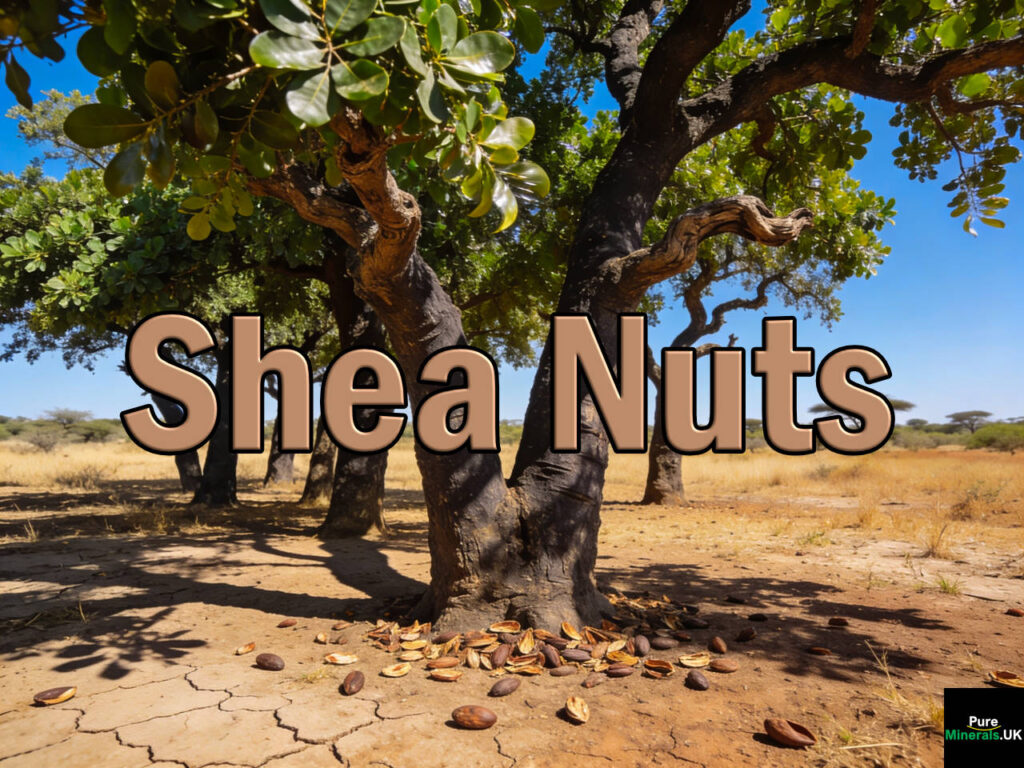
What Are Shea Nuts and Why Are They Traditionally Important?
Shea nuts are the seeds of the shea tree (Vitellaria paradoxa), widely valued in West Africa as the source of shea butter, a fat used in both culinary and cosmetic applications.
Definition
Shea nuts are the seeds of the shea tree (Vitellaria paradoxa), containing oil-rich kernels that are processed into shea butter.
Extended Definition
The shea tree (Vitellaria paradoxa) grows naturally across the savannah regions of West and Central Africa. Its fruits contain a large seed, commonly called a shea nut, enclosed within a fleshy outer pulp.
The kernel inside the seed is rich in fats and serves as the primary source of shea butter. Traditionally, the kernels are dried, roasted, ground, and processed to extract the fat. In many regions, shea butter has historically been used as a cooking fat and remains an important part of local food systems.
Nutritionally, shea nuts are high in fats, particularly stearic and oleic acids. They also contain small amounts of protein and carbohydrates, along with naturally occurring compounds such as tocopherols and plant sterols.
Although shea butter is better known internationally for cosmetic use, food-grade shea butter continues to be used in traditional cuisines and industrial food applications in some regions.
Key Facts
- Botanical Name: Vitellaria paradoxa
- Plant Type: Tropical tree (seed)
- Edible Part: Kernel (processed into shea butter)
- Macronutrient Profile: Very high fat, minimal protein and carbohydrates
- Notable Micronutrients: Vitamin E compounds (tocopherols)
- Natural Compounds: Stearic acid, oleic acid, phytosterols
- Typical Preparation: Dried, roasted, and processed into butter
- Common Uses: Cooking fat, traditional foods, cosmetic products
- Taste Profile: Mild, slightly nutty when food-grade
- Culinary Status: Traditional regional food ingredient
Key Takeaways
- Shea nuts are packed with oleic acid, stearic acid, linoleic acid, and palmitic acid — a fatty acid profile that makes shea butter one of the most skin-compatible natural fats available.
- Beyond fats, shea nuts contain Vitamins A, E, and F, plus triterpene alcohols with documented anti-inflammatory properties.
- Shea trees (Vitellaria paradoxa) are native to West Africa, where shea nuts have been used for centuries as both a cooking fat and a traditional medicine.
- The way shea butter is processed matters — raw, unrefined Grade A shea butter retains the most bioactive compounds and nutritional value.
- Triterpenes in shea nuts may deactivate collagen-destroying enzymes, which have significant implications for joint health and skin aging — keep reading to find out how.
Shea Nuts Pack More Nutrition Than Most People Realize
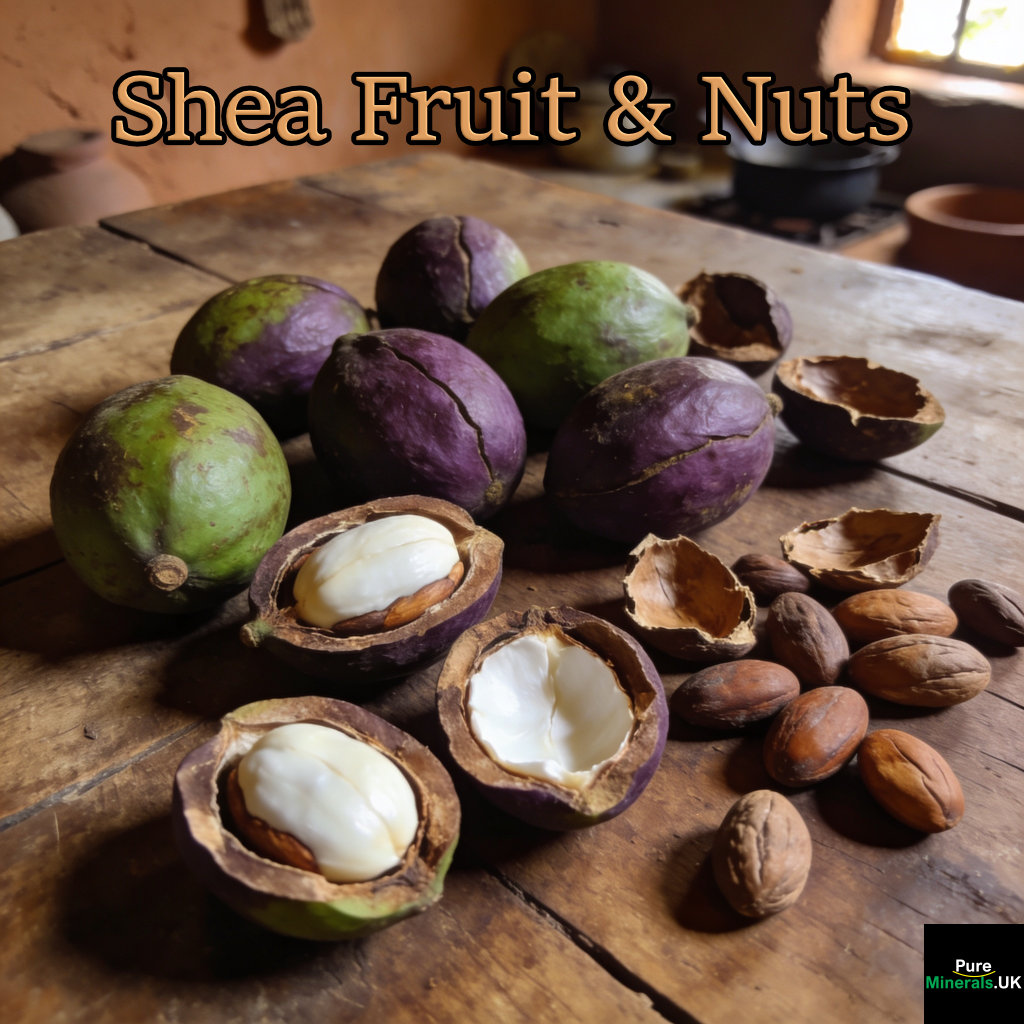
Most people know shea butter as a moisturizer, but the shea nut itself is a dense nutritional package that goes far beyond skin hydration.
Shea nuts come from the Vitellaria paradoxa tree, native to the semi-arid savannah regions of West Africa. These trees take up to 20 years to mature and can produce nuts for over 200 years, making them a deeply embedded resource in the ecology and economy of the region. Natural remedy communities have long recognized shea as one of the most versatile plant-derived substances on earth. What makes the nut so powerful is its unusually rich combination of fatty acids, fat-soluble vitamins, triterpene alcohols, and waxy cetyl esters — all of which work together to produce effects that single-ingredient compounds simply cannot replicate.
The exact nutritional composition of a shea nut depends heavily on where it was grown. Soil quality, rainfall, and regional climate across the shea belt — which stretches from Senegal to Uganda — all influence the concentration of bioactive compounds in the harvested nut.
The Fatty Acid Profile of Shea Nuts
The fat extracted from shea nuts is made up of four primary fatty acids: oleic, stearic, linoleic, and palmitic. This specific combination is what gives shea butter its unique texture, stability, and skin-compatible properties.
Oleic Acid: The Dominant Fat in Shea Nuts
Oleic acid is the most abundant fatty acid in shea, typically making up between 40–60% of its total fat content. It’s a monounsaturated omega-9 fatty acid — the same one found in high concentrations in olive oil. When applied to skin, oleic acid penetrates deeply into the lipid layers, carrying fat-soluble vitamins like A and E with it. This makes it an effective delivery mechanism for the other beneficial compounds in the nut.
Oleic acid also plays a role in restoring the skin’s natural lipid barrier, which is critical for people dealing with dry or damaged skin. Because it absorbs rapidly, it doesn’t leave a heavy residue — a quality that makes shea butter stand apart from heavier occlusive moisturizers like petroleum jelly.
Stearic Acid and Its Role in Skin Conditioning
Stearic acid makes up roughly 20–50% of shea’s fatty acid profile, depending on origin. It’s a saturated fat that gives shea butter its solid consistency at room temperature. On the skin, stearic acid functions as a conditioning agent — it softens the outer layers, helps restore flexibility to dry or cracked skin, and supports the skin barrier without clogging pores. It also acts as an emulsifier, helping oil and water-based ingredients blend effectively in topical formulations. For those interested in exploring other natural oils, the mongongo nuts offer unique benefits and uses.
Linoleic and Palmitic Acid Content
Linoleic acid (an omega-6 fatty acid) and palmitic acid round out the shea nut’s fatty acid profile in smaller but significant amounts. Linoleic acid is essential — meaning the body cannot produce it on its own — and it plays a direct role in maintaining the skin’s water barrier. Low levels of linoleic acid are associated with conditions like acne and eczema. Palmitic acid, meanwhile, contributes to the emollient texture of shea and helps stabilize its formulation.
Together, oleic and linoleic acid create a natural balance in shea butter. Oleic acid promotes deep absorption while linoleic acid keeps the skin barrier intact, so the butter nourishes without overwhelming the skin’s own oil production.
Vitamins and Bioactive Compounds in Shea Nuts
The fatty acids in shea nuts get most of the attention, but the vitamin and phytochemical content is equally important — and in some cases, even more therapeutically significant.
Shea nuts contain a concentrated mix of fat-soluble vitamins and plant-derived compounds that work synergistically with the fatty acids. These include Vitamins A, E, and F, triterpene alcohols, triglycerides, and cetyl esters. Each brings something distinct to the table.
Vitamins A, E, and F Concentrations in Shea Nuts
Vitamin A in shea supports healthy skin cell turnover and promotes circulation, which is why shea butter is often recommended for fading scars and improving skin tone over time. Vitamin E is a well-established antioxidant that neutralizes free radicals, protecting skin cells from oxidative damage caused by UV exposure and environmental stressors. Vitamin F — technically a combination of linoleic and alpha-linolenic acids — supports the skin’s lipid barrier, keeping moisture locked in and irritants out.
Triterpene Alcohols and Their Anti-Inflammatory Properties
Triterpenes are naturally occurring chemical compounds found in raw shea nuts and unrefined shea butter. Research has found that these compounds deactivate enzymes responsible for breaking down collagen fibers, which is significant for both skin aging and joint health. A study published on the effects of shea nut oil triterpene concentrate found evidence of attenuated knee osteoarthritis development in animal models, pointing to real anti-inflammatory potential. The plant esters from these triterpenes also slow the production of cytokines, reducing inflammatory responses in the skin.
Triglycerides and Cetyl Esters
Shea’s triglycerides are the primary fat molecules that deliver nourishment directly to the skin. They act as a “refatting” agent, replenishing the lipids that are stripped away by harsh soaps, weather, or skin conditions. Cetyl esters are the waxy fraction of shea that creates a protective seal on the skin’s surface, locking in moisture without a greasy finish. For more information on similar nuts, explore the benefits of macadamia nuts.
- Triglycerides: Replenish lipids and restore deep moisture to the skin
- Cetyl esters: Form a protective wax layer that seals in hydration
- Vitamins A & E: Antioxidant protection and support for cell regeneration
- Vitamin F: Maintains the skin’s lipid barrier and prevents moisture loss
- Triterpene alcohols: Anti-inflammatory compounds that may protect collagen and reduce joint inflammation
- Oleic acid: Deep-penetrating fatty acid that carries nutrients into the skin
- Linoleic acid: Essential fatty acid that supports the skin barrier and may reduce eczema flare-ups
What makes shea nuts uniquely valuable is how all of these compounds work together. No single ingredient explains the full range of benefits — it’s the synergy between the fats, vitamins, and phytochemicals that makes the whole greater than the sum of its parts.
Traditional Uses of Shea Nuts in West Africa
Long before shea butter appeared on store shelves, shea nuts were a cornerstone of daily life across West Africa — used for food, medicine, and skin care for centuries.
The shea tree (Vitellaria paradoxa) holds deep cultural significance in countries like Ghana, Mali, Burkina Faso, and Nigeria. Communities living within the shea belt have developed sophisticated methods of harvesting and processing the nut over generations, passing down techniques that preserve its nutritional integrity. Women, in particular, have historically been the primary harvesters and processors of shea — a role that has given them significant economic agency in their communities.
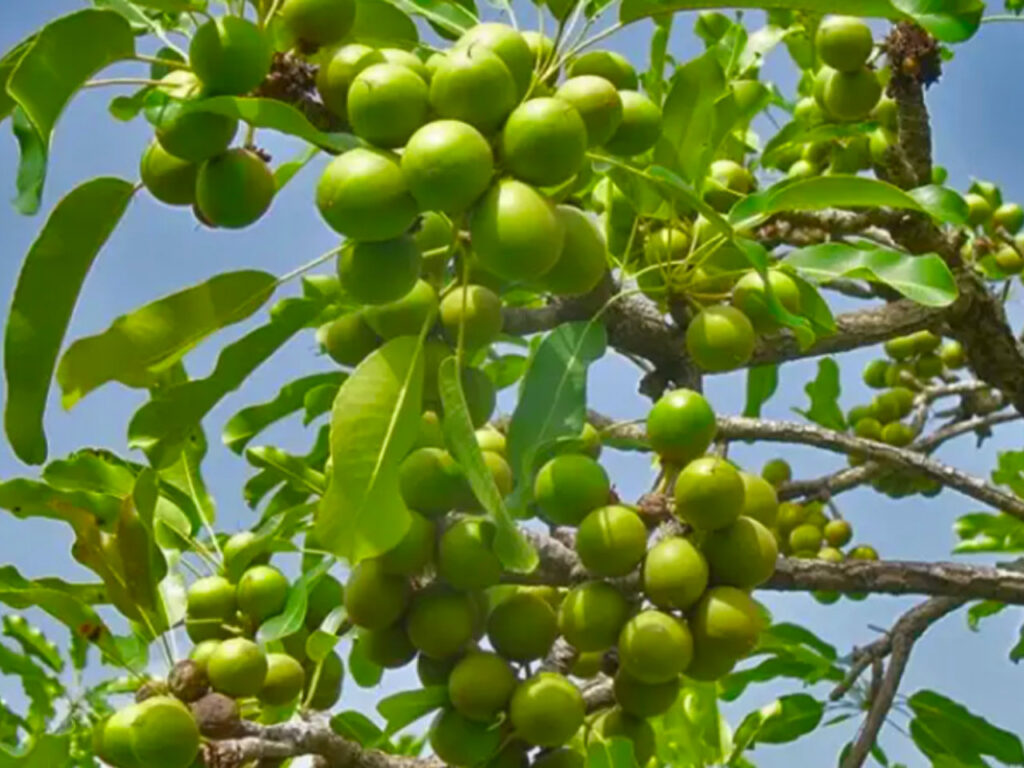
The above image of developing shea nuts on the shea nut tree is from the Eastern and Southern Africa Small-scale Farmers’ Forum (ESAFF) website. The ESAFF brings together small-scale farmers into a social movement to influence favorable agriculture policies and practices at global, continental, regional, national, and local levels.
Culinary Uses as a Cooking Fat
In many West African households, shea butter has traditionally served as a primary cooking fat, used much like vegetable oil or lard is used in Western cooking. Its high stearic acid content gives it a high smoke point and solid stability at room temperature, making it practical for frying, sautéing, and as a base for stews. In some regions, it’s also blended into porridge and used to enrich sauces. While refined commercial shea butter is rarely marketed for food use today, raw shea from local production is still consumed in traditional diets across the region.
Medicinal Applications in Indigenous Communities
Traditional healers across West Africa have long applied shea butter to wounds, burns, and inflammatory skin conditions. It has been used to treat nasal congestion, muscle soreness, and joint pain — applications that align closely with the now-documented anti-inflammatory properties of its triterpene content. Mothers have used it to soothe babies’ skin, protect against harsh dry-season winds, and condition hair. A 2020 experimental study comparing burn healing effects found evidence supporting the use of raw shea butter in wound recovery, lending scientific weight to practices that communities had already trusted for generations.
From Shea Nut to Shea Butter: The Production Process
Turning a raw shea nut into usable shea butter is a labor-intensive process. Traditionally done entirely by hand, each stage of production directly affects the final product’s nutritional quality and potency.
1. Harvesting and Cracking Shea Nuts
Shea Butter Grades at a Glance
Grade
Processing Level
Nutrient Retention
Best Use
Grade A
Raw / Unrefined
Highest
Skin care, medicinal, culinary
Grade B
Refined
Moderate
Cosmetic formulations
Grade C
Highly Refined
Low
Industrial use
Grade D
Lowest Quality Refined
Minimal
Industrial use only
Grade E
Off-spec / Contaminated
None
Not suitable for skin or food
Shea nuts are harvested from the ground after they naturally fall from the tree — typically between June and August. The ripe fruits are collected, and the outer pulp is removed to reveal the nut inside. This pulp is edible and is sometimes consumed locally for its sweet flavor.
Once collected, the nuts are dried — either in the sun or through controlled drying — to reduce moisture content before storage or processing. Drying is a critical step: improper drying leads to mold growth and rancidity, which degrades the fatty acid profile of the final butter. After drying, the hard outer shell is cracked open, typically by hand using stones, to extract the inner kernel.
The kernel is what contains the fat. It’s smaller than the full nut and must be separated cleanly from the shell fragments before further processing begins. In traditional production, this step is done entirely by hand — a time-consuming but essential part of maintaining product quality.
2. Roasting and Grinding Shea Nuts
The extracted kernels are roasted over an open fire or in large pots. Roasting serves two purposes: it develops the characteristic nutty aroma of shea butter and makes the kernels easier to grind. However, roasting temperature and duration must be carefully controlled — excessive heat at this stage begins to degrade heat-sensitive compounds like Vitamin E and some triterpenes.
After roasting, the kernels are ground into a thick paste using stone grinders or mechanical mills. The grinding process breaks down the cellular structure of the kernel, releasing the fat-rich oil. The resulting paste is dark, aromatic, and dense — the raw material from which shea butter is separated in the next stage.
3. Churning and Separating the Fat
The ground paste is combined with water and churned vigorously — traditionally by hand in large calabash gourds — to separate the fat from the water and non-fat solids. This process can take hours of continuous manual labor. As the fat separates, it rises to the surface in a frothy layer that is skimmed off and collected.
The collected fat is then boiled in water to remove remaining impurities. As it cools, the shea butter solidifies on top and is scooped out, shaped, and left to set. What remains is raw, unrefined shea butter — off-white to ivory in color with a rich, slightly smoky scent from the roasting stage.
4. Refining vs. Raw Unrefined Shea Butter
Raw, unrefined Grade A shea butter retains the full spectrum of vitamins, triterpenes, fatty acids, and cetyl esters. It has a natural color ranging from off-white to grayish-yellow and a distinct nutty odor. The more shea butter is refined — through processes like bleaching, deodorizing, and chemical filtration — the more of these bioactive compounds are stripped away. Refined shea butter may look cleaner and smell neutral, but it loses much of what makes the nut nutritionally valuable in the first place.
For maximum benefit — whether for skin care, medicinal use, or culinary purposes — raw Grade A shea butter is the gold standard. When purchasing, look for labels that say “raw,” “unrefined,” and “Grade A,” and, where possible, choose fair trade certified products that support the West African communities at the heart of shea production.
How Shea Nut Nutrition Translates to Skin and Health Benefits
Every bioactive compound in the shea nut has a specific mechanism of action — and when you understand what each one does, the wide range of reported benefits starts to make complete sense.
Shea Butter as a Sunscreen Agent
Research published on comparative sunscreen studies of shea butter from Nigeria found that shea butter contains natural UV-absorbing compounds that give it measurable sun protection properties. While it doesn’t replace a broad-spectrum SPF sunscreen, its natural sunscreen factor makes it a useful complementary layer of protection — particularly in communities where commercial sunscreen access is limited.
The combination of Vitamins A and E in shea also plays a secondary role in sun protection by neutralizing free radicals generated by UV exposure. Vitamin E in particular is well-documented as a photoprotective antioxidant that reduces UV-induced oxidative stress on skin cells, helping to limit long-term damage from sun exposure even after the fact.
Anti-Inflammatory Effects on Joint and Skin Conditions
The triterpene alcohols in shea nuts are where the anti-inflammatory story gets particularly compelling. These plant-derived compounds work by slowing the production of cytokines — the signaling proteins that trigger and sustain inflammatory responses in the body. When applied topically, shea’s triterpenes essentially tell your immune system to dial back the inflammation, which is why it works so well on red, irritated, or reactive skin.
A study examining shea nut oil triterpene concentrate found that it attenuated knee osteoarthritis development in rat models, suggesting that the anti-inflammatory action extends beyond the skin’s surface and may have meaningful implications for joint health. While human clinical trials are still needed to confirm the full extent of these effects, the mechanism is well-established, and the results are promising.
For skin conditions specifically, shea’s anti-inflammatory properties have been compared favorably to medicated creams in treating eczema. Research has suggested that shea butter may work just as well as some prescription-grade topical treatments for eczema management — a significant finding given that shea is natural, low-risk, and widely accessible.
The burn healing research adds another layer to this picture. A 2020 experimental study comparing raw South African shea butter to commercial Libyan market samples found evidence supporting shea’s effectiveness in accelerating burn wound recovery. The combination of anti-inflammatory triterpenes and refatting triglycerides creates an environment where damaged skin can repair itself more efficiently.
Shea Nut Bioactive Compounds and Their Primary Actions
Compound
Primary Mechanism
Key Benefit
Triterpene alcohols
Inhibits cytokine production; blocks collagen-degrading enzymes
Reduces skin and joint inflammation
Oleic acid
Deep skin penetration; lipid barrier integration
Delivers nutrients into deeper skin layers
Linoleic acid
Restores lipid barrier; regulates skin hydration
Reduces eczema and barrier dysfunction
Vitamin E
Free radical neutralization; UV damage mitigation
Antioxidant protection and photoprotection
Vitamin A
Promotes cell turnover and circulation
Supports scar fading and skin renewal
Triglycerides
Refatting agent; lipid replenishment
Deep moisture restoration
Cetyl esters
Surface occlusion; moisture sealing
Locks in hydration without greasiness
Skin Barrier Repair and Moisture Retention
When the skin barrier is compromised — whether by harsh soaps, cold weather, skin conditions, or simply aging — it loses its ability to hold water effectively. Shea butter addresses this directly through two complementary mechanisms. The triglycerides act as a refatting agent, replenishing the lipids that have been stripped away and restoring the skin’s natural moisture reservoir. The cetyl esters then seal the surface, forming a protective wax layer that slows transepidermal water loss. Together, they create both the deep nourishment and the surface protection needed for genuine, lasting hydration — not just temporary relief.
Shea Nuts Are a Nutritional and Cultural Powerhouse Worth Knowing
The shea nut is one of those rare natural substances where traditional wisdom and modern science have arrived at the same conclusion: this is something worth paying attention to.
From its fatty acid profile to its fat-soluble vitamins and triterpene content, every layer of the shea nut’s nutritional makeup has a demonstrable purpose. The communities of West Africa understood this intuitively centuries before researchers began mapping the biochemistry. What science has done is confirm and expand on what generations of traditional use have already established.
- Choose raw, unrefined Grade A shea butter to get the full nutritional and therapeutic profile
- Look for fair trade certified products to support the West African women who harvest and process shea
- Be aware that the shea nut’s composition varies by region — origin matters when evaluating potency
- Understand that refining strips bioactive compounds — a neutral smell and white color often signal reduced efficacy
- Recognize that shea is low-allergenic despite being a tree nut product — it contains very little of the proteins that trigger nut allergies
Whether you’re using shea butter as a daily moisturizer, a targeted treatment for inflamed skin, or exploring its role in traditional medicine, the nutritional foundation of the shea nut is what makes every application effective. The nut’s value isn’t a marketing claim — it’s chemistry.
As global demand for shea continues to grow, understanding what’s actually inside the nut helps you make smarter choices about the products you buy and the remedies you trust. Raw, minimally processed, and sourced responsibly — that’s where the full power of the shea nut lives.
Important note: Shea nuts
Only food-grade shea products intended for culinary use should be consumed. Some commercial shea products are formulated exclusively for cosmetic applications and are not suitable for ingestion. Individuals with sensitivities to tree nuts should exercise caution. This information is provided for educational purposes and is not intended as medical advice.
Frequently Asked Questions
Below are answers to the most common questions about shea nut nutrition, traditional use, and how to get the most from shea butter products.
What nutrients are found in shea nuts?
Shea nuts contain a dense array of bioactive nutrients, most of which are concentrated in the fat extracted from the kernel. The nutritional profile includes four primary fatty acids, multiple fat-soluble vitamins, triterpene alcohols, triglycerides, and cetyl esters — all working together to produce shea butter’s well-documented effects.
- Oleic acid: Monounsaturated fatty acid that penetrates deeply and carries other nutrients into the skin
- Stearic acid: Saturated fat that conditions skin and gives shea butter its solid consistency
- Linoleic acid: Essential omega-6 fatty acid that repairs the skin barrier and reduces inflammatory skin conditions
- Palmitic acid: Contributes to the texture and stability of shea butter
- Vitamin A: Supports cell turnover, circulation, and scar reduction
- Vitamin E: Antioxidant that protects against UV-induced oxidative damage
- Vitamin F: A combination of linoleic and alpha-linolenic acids that maintains the lipid barrier
- Triterpene alcohols: Anti-inflammatory phytochemicals that inhibit cytokine production and collagen breakdown
- Triglycerides: Primary fat molecules that replenish lipids and restore deep moisture
- Cetyl esters: Waxy compounds that seal surface moisture without a greasy finish
The exact concentration of each nutrient varies depending on where the shea tree was grown, the soil and climate conditions in that region, and how the nut was processed after harvest. Raw, unrefined shea retains the highest concentrations across all of these compounds.
How are shea nuts traditionally used in West Africa?
In West Africa, shea nuts have been used for centuries as both a cooking fat and a medicinal remedy. The extracted butter is used in cooking similarly to vegetable oil, applied to wounds and burns, used to treat joint pain and nasal congestion, and applied to skin and hair as a protective and conditioning treatment. Women across the shea belt have historically been the primary harvesters and processors, giving shea production deep cultural and economic significance in the region.
What is the difference between refined and unrefined shea butter?
Unrefined shea butter — classified as Grade A — is raw, minimally processed, and retains its full complement of vitamins, triterpenes, fatty acids, and cetyl esters. It has a natural off-white to ivory color and a distinct nutty scent. Refined shea butter has been bleached, deodorized, and chemically filtered to produce a white, odorless product — but this process removes the very compounds responsible for shea’s therapeutic benefits. For skin care, medicinal use, or nutritional applications, unrefined Grade A shea butter is significantly more effective.
Can shea nut products cause allergic reactions?
Shea butter is technically derived from a tree nut, but it contains very low levels of the proteins that typically trigger tree nut allergies. As a result, allergic reactions to shea butter are uncommon, even among people with tree nut sensitivities. That said, reactions are not impossible — anyone with a known tree nut allergy should patch test shea products before full application and consult a healthcare provider if uncertain.
What makes shea butter effective for skin conditions like eczema?
Shea butter addresses eczema through multiple simultaneous mechanisms, which is part of why it performs so well compared to single-ingredient treatments. Its linoleic acid content directly repairs the compromised lipid barrier that characterizes eczema-prone skin, while its triglycerides replenish moisture at a deeper level. The cetyl esters then seal the surface to prevent further water loss.
On top of that, shea’s triterpene alcohols slow cytokine production, reducing the inflammatory response that causes redness, itching, and irritation. Vitamins A and E add antioxidant protection and support healthy cell turnover, helping damaged skin recover more effectively. Research has suggested that shea butter may be comparably effective to medicated creams for eczema management — a notable finding for a natural, low-risk remedy.
Because shea absorbs rapidly into the skin, it also provides quick relief during active flare-ups rather than sitting on the surface as a barrier alone. For best results with eczema or other inflammatory skin conditions, raw, unrefined Grade A shea butter delivers the most complete set of active compounds — and therefore the most comprehensive therapeutic effect.
Shea nuts are a vital source of nutrition and have been traditionally used in various cultures for their numerous health benefits. The nuts are primarily known for their role in the production of shea butter, a popular ingredient in cosmetics and skincare products. Similar to macadamia nuts, shea nuts are rich in healthy fats and essential nutrients, making them a valuable addition to a balanced diet. The process of extracting shea butter involves several steps, including cracking, roasting, and grinding the nuts to release their oils. This traditional method has been passed down through generations and continues to be an important economic activity in many African countries.