

Published: 31 March 2026
Last Updated: 1 April 2026
This article is periodically reviewed and updated to reflect current scientific understanding by Vic George.
Fact-Checked: 1 other authoritative medical/scientific reference. See our Editorial Policy.
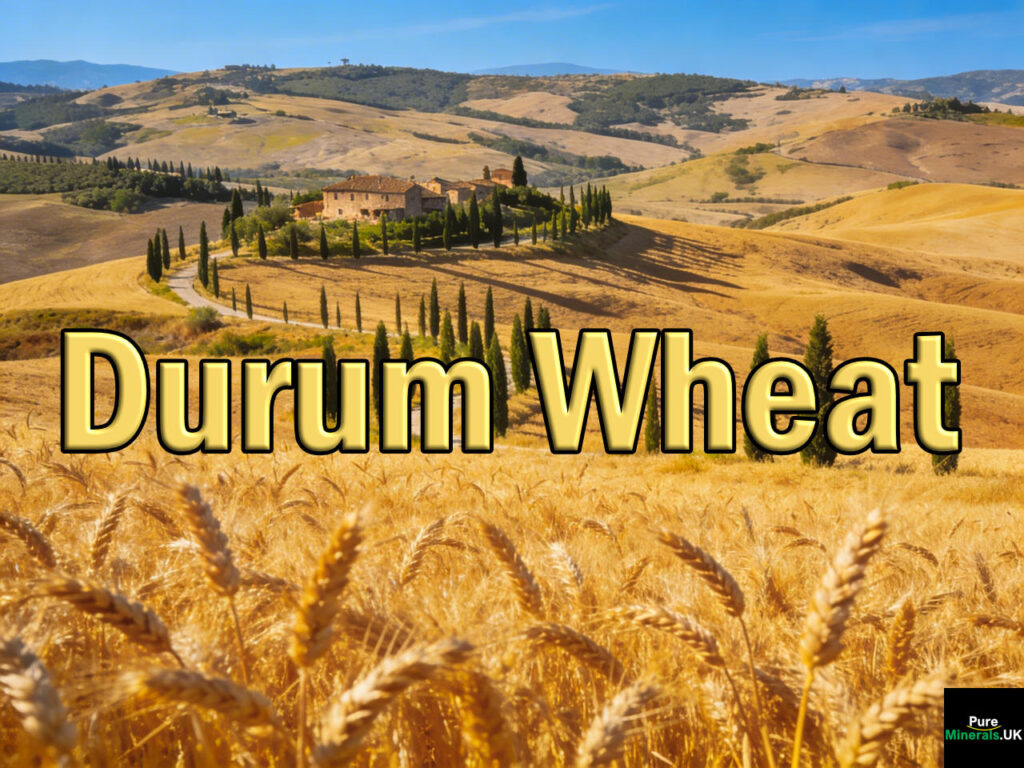
What Is Durum Wheat?
Durum wheat is a hard variety of wheat cultivated for its dense, protein-rich kernels, commonly processed into semolina and used in pasta and related food products. It is primarily produced in countries with hot, dry summers and mild winters. The top global producers include Canada, Italy, Mexico, Turkey, and the United States.
Definition
Durum wheat is a cereal grain derived from Triticum durum, a species of wheat known for its high protein content and firm endosperm structure.
Extended Definition
Durum wheat is one of the hardest types of wheat and differs from common wheat (Triticum aestivum) in both structure and culinary application. Its kernels are typically amber-coloured and have a high gluten strength, making them particularly suitable for producing firm-textured foods such as pasta and couscous.
When milled, durum wheat produces semolina, a coarse flour widely used in pasta making, as well as finer flours for breads and baked goods in certain regional cuisines. It is a staple in Mediterranean, North African, and Middle Eastern diets.
Nutritionally, durum wheat provides complex carbohydrates, moderate amounts of protein, and dietary fiber (especially in whole-grain forms). It also contains minerals such as selenium, magnesium, and iron, along with B vitamins including folate and niacin.
The protein content of durum wheat is generally higher than that of common wheat, contributing to its functional properties in food processing. However, like all wheat varieties, it contains gluten.
Key Facts
- Botanical Name: Triticum durum
- Plant Family: Poaceae
- Common Forms: Whole grain, semolina, durum flour, pasta products
- Typical Serving Methods: Boiled (pasta), steamed (couscous), baked (bread and flatbreads)
- Taste Profile: Mild, slightly nutty, wheaty
Nutritional Highlights:
- Rich in complex carbohydrates
- Moderate to high protein content
- Provides selenium, magnesium, and iron
Culinary Uses:
- Pasta and noodles
- Couscous and bulgur
- Semolina-based dishes and baked goods
Notable Compounds:
- Gluten proteins (gliadin and glutenin)
- Carotenoids (e.g., lutein, contributing to the yellow colour)
Dietary Suitability:
- Vegetarian diets (not suitable for gluten-free diets)
Key Takeaways: Durum Wheat Benefits for Pasta
- Durum wheat is the gold standard grain for pasta, delivering superior texture, structure, and nutritional value compared to common bread wheat.
- With a glycemic index of just 47 compared to 68 for common wheat pasta, durum wheat pasta is a smarter carbohydrate choice for blood sugar management.
- A 100-gram serving of durum wheat packs 13.7 grams of protein and key minerals, including iron, magnesium, and phosphorus — all without the saturated fat found in animal proteins.
- Durum wheat contains twice the lutein of bread wheat, a powerful antioxidant linked to eye health and beyond.
- There is one critical thing to know about the iron in durum wheat that most people overlook — and a simple kitchen trick that fixes it entirely.
Most people eating pasta have no idea they’re consuming one of the most nutritionally strategic grains on the planet.
Durum wheat (Triticum turgidum durum) is the hardest wheat species commercially grown, and that hardness is exactly what makes it so valuable in the kitchen. It produces a pasta that holds its shape, carries sauce beautifully, and delivers a firm bite that softer wheat simply cannot replicate. For anyone passionate about cooking, understanding what durum wheat actually does — both in your food and in your body — changes the way you look at every bowl of pasta you make.
Durum Wheat Is Not Your Average Grain
Two wheat species dominate global food production: bread wheat (Triticum aestivum vulgare), also called common wheat, and durum wheat (Triticum turgidum durum). They look similar on the surface, but their properties are dramatically different where it counts — in the kitchen and on the nutrition label.
How Durum Wheat Differs From Common Bread Wheat
Durum wheat is significantly harder than bread wheat, which directly affects how it’s milled and what it becomes. When milled, durum wheat produces semolina — a coarse, pale-yellow flour with a slightly gritty texture. Common wheat mills into the fine, white flour most people use for baking. That coarseness in semolina isn’t a flaw. It’s what gives durum wheat pasta its signature density and al dente texture that holds up under heat and sauce.
The color difference is also telling. Durum wheat’s natural golden-yellow pigment comes from its high lutein content — a carotenoid antioxidant that bread wheat contains in far smaller amounts. That yellow hue in quality dried pasta isn’t dye. It’s nutrition you can see.
Why Its High Protein and Gluten Content Matter
Durum wheat is exceptionally high in protein and gluten, which creates a strong, elastic dough. This is exactly what pasta needs to be extruded through dies, rolled thin, or shaped without tearing. The strong gluten network also means pasta maintains its structure during cooking rather than turning soft and sticky. For bread, however, that same high gluten content requires careful handling — overwork the dough, and it becomes tough rather than chewy.
What Semolina Actually Is
Semolina is the flour milled specifically from the endosperm of durum wheat. It’s coarser than all-purpose flour, pale yellow in color, and slightly rough to the touch. This is the base ingredient for dried pasta, couscous, some flatbreads, and a range of traditional desserts across Mediterranean and Middle Eastern cuisines. When a pasta package lists semolina as its first ingredient, that’s a reliable signal of quality.
Durum Wheat Nutrition Facts
Durum wheat isn’t just a culinary tool — it’s a genuinely dense source of nutrition. The numbers per 100-gram serving tell a clear story.
Calories, Protein, and Macronutrients Per 100 Grams
Nutrient | Amount per 100g |
|---|---|
Calories | 339 kcal |
Protein | 13.7 grams |
Fat | 2.5 grams |
34 milligrams | |
3.5 milligrams | |
144 milligrams | |
508 milligrams |
Key Minerals: Iron, Magnesium, and Phosphorus
The mineral profile of durum wheat is impressive, particularly its phosphorus content at 508 milligrams per 100 grams. Phosphorus plays a critical role in bone health, energy production, and cell repair. Magnesium at 144 milligrams supports muscle function, nerve signaling, and hundreds of enzymatic processes in the body. Iron at 3.5 milligrams contributes to oxygen transport in the blood — though there’s an important nuance to how well your body actually absorbs this iron, which we’ll get into shortly.
Proven Health Benefits of Durum Wheat
The case for durum wheat goes well beyond its kitchen performance. Each of its key nutritional properties connects directly to real health outcomes, and several of them are measurably superior to what common wheat offers.
Here is a quick overview of the core benefits before we break each one down:
- Lower glycemic index than common wheat pasta
- Rich in folate, essential for cell growth and healthy pregnancies
- High plant-based protein with minimal saturated fat
- Contains twice the lutein of bread wheat
- Higher dietary fiber than common wheat flour
Lower Glycemic Index Than Common Wheat Pasta
This is one of the most compelling reasons to choose durum wheat pasta over alternatives. The glycemic index (GI) measures how quickly a food raises blood sugar after eating. Durum wheat pasta scores a GI of 47, which places it firmly in the low-GI category. By comparison, pasta made from common wheat has a GI of 68 — a 44% higher blood sugar impact from essentially the same food category.
A lower glycemic index means slower glucose release, more sustained energy, and less of the blood sugar spike-and-crash cycle that leads to hunger shortly after eating. For anyone managing their energy levels, weight, or blood sugar, that difference between 47 and 68 is not trivial.
High Folate Content Supports Cell Growth and Pregnancy
One cup of uncooked enriched durum wheat semolina contains 306 micrograms of folate. Folate is a B vitamin that plays a non-negotiable role in DNA synthesis and cell division — two processes that are especially critical during pregnancy. It’s one of the primary nutrients recommended to ward off neural tube defects like spina bifida in developing babies. Even outside of pregnancy, adequate folate supports healthy red blood cell formation and overall cellular repair.
Plant-Based Protein Without Saturated Fat
At 13.7 grams of protein per 100 grams, durum wheat semolina delivers a serious protein punch for a plant-based ingredient. What makes this particularly valuable is what’s absent alongside that protein — saturated fat. Unlike animal proteins, semolina gives you the amino acid building blocks your body needs for muscle repair and enzyme production without the cardiovascular burden that comes with high saturated fat intake. For anyone building meals around plant-forward eating, semolina is one of the most efficient protein sources available in the grain category.
Twice the Lutein of Bread Wheat for Eye Health
Durum wheat contains approximately twice the lutein concentration of common bread wheat. Lutein is a carotenoid antioxidant that accumulates in the retina and lens of the eye, where it acts as a natural filter against harmful blue light and oxidative damage. Higher dietary lutein intake has been associated with reduced risk of age-related macular degeneration and cataracts.
This is also why quality durum wheat semolina and the pasta made from it have that distinctive golden-yellow color. That pigment is the lutein itself — visible proof of a nutritional advantage that bread wheat simply can’t match. When you’re buying dried pasta, that deep yellow color is actually something worth looking for.
Higher Dietary Fiber Than Common Wheat Flour
Durum wheat flour contains more dietary fiber than flour milled from common bread wheat. Dietary fiber supports digestive regularity, feeds beneficial gut bacteria, helps regulate cholesterol levels, and contributes to satiety after meals. A higher-fiber pasta base means your bowl of spaghetti is doing more work for your gut health than a comparable dish made with refined common wheat flour — a meaningful distinction for everyday meals.
Iron in Durum Wheat: What You Need to Know
With 3.5 milligrams of iron per 100 grams, durum wheat looks like an excellent source of this essential mineral on paper. Iron is critical for producing hemoglobin — the protein in red blood cells that carries oxygen throughout your body. Iron deficiency remains one of the most prevalent nutritional deficiencies globally, according to research published in JAMA, making every reliable dietary iron source worth paying attention to.
However, there’s a critical distinction that changes how you should think about — and cook with — durum wheat’s iron content.
Nonheme vs. Heme Iron and Why It Matters
The iron in durum wheat is nonheme, the plant-based form of this mineral. Your body absorbs nonheme iron significantly less efficiently than heme iron, which comes from meat, poultry, and seafood. Heme iron absorption rates are generally much higher than those of nonheme iron, which can vary widely depending on what else is in your meal. This doesn’t make durum wheat a poor iron source — it just means you need to be strategic about how you pair it, perhaps with chickpeas to enhance absorption.
How Vitamin C Boosts Iron Absorption From Semolina
The fix is straightforward: pair your semolina dishes with foods rich in Vitamin C. Ascorbic acid — the active compound in Vitamin C — chemically converts nonheme iron into a form your body absorbs much more readily. Practically speaking, this means serving pasta with a tomato-based sauce, squeezing lemon over a semolina dish, or building a meal that includes red peppers, broccoli, or citrus alongside your wheat-based ingredients. It’s a small habit with a measurable nutritional payoff.
See our “Wheat” article for a comparison of the genetic structure of einkorn, emmer, durum, and bread wheat.
How to Use Durum Wheat Semolina in Your Kitchen
Durum wheat semolina is one of the most versatile pantry staples you can keep on hand. It’s available in most grocery stores and specialty food retailers, and it stores exceptionally well — keep it in an airtight container in a cool, dry place, or extend its shelf life significantly by refrigerating or freezing it. The coarse grind that defines semolina is also what makes it so adaptable across both savory and sweet applications.
From fresh pasta to slow-cooked porridge, the range of what semolina can do in a kitchen is genuinely broad. Here’s a practical overview of the most impactful ways to work with it:
Semolina Kitchen Uses at a Glance
Fresh Pasta: Spaghetti, ravioli, linguini — semolina produces a firm, elastic dough that holds shape through cooking.
Dried Pasta & Couscous: The traditional base for commercially dried pasta and hand-rolled couscous across North African cuisines.
Flatbreads & Breads: Can be blended with softer flours for texture — handle the dough gently to avoid toughness from the high gluten content.
Porridge & Breakfast: Cooked with milk or water into a smooth, sweet breakfast porridge similar in style to cream of wheat.
Desserts: Semolina cake, cookies, and puddings are staples across Mediterranean and Middle Eastern baking traditions.
Thickener: Stir into stews and sauces to add body without the starchiness of cornstarch or all-purpose flour.
What makes semolina particularly rewarding to cook with is how differently it behaves depending on the application. In pasta dough, it’s firm and demanding. In a slow-cooked pudding, it becomes silky and rich. Understanding those differences is what separates a good semolina dish from a great one, much like how buckwheat can vary in texture and flavor depending on its preparation.
Storage matters more than most people realize. Semolina’s natural oils can go rancid if stored improperly, especially in warm or humid environments. An airtight glass jar in the refrigerator keeps it fresh for months and ensures the flavor stays clean and slightly nutty — the way good semolina should taste.
Fresh Pasta: Spaghetti, Ravioli, and Linguini
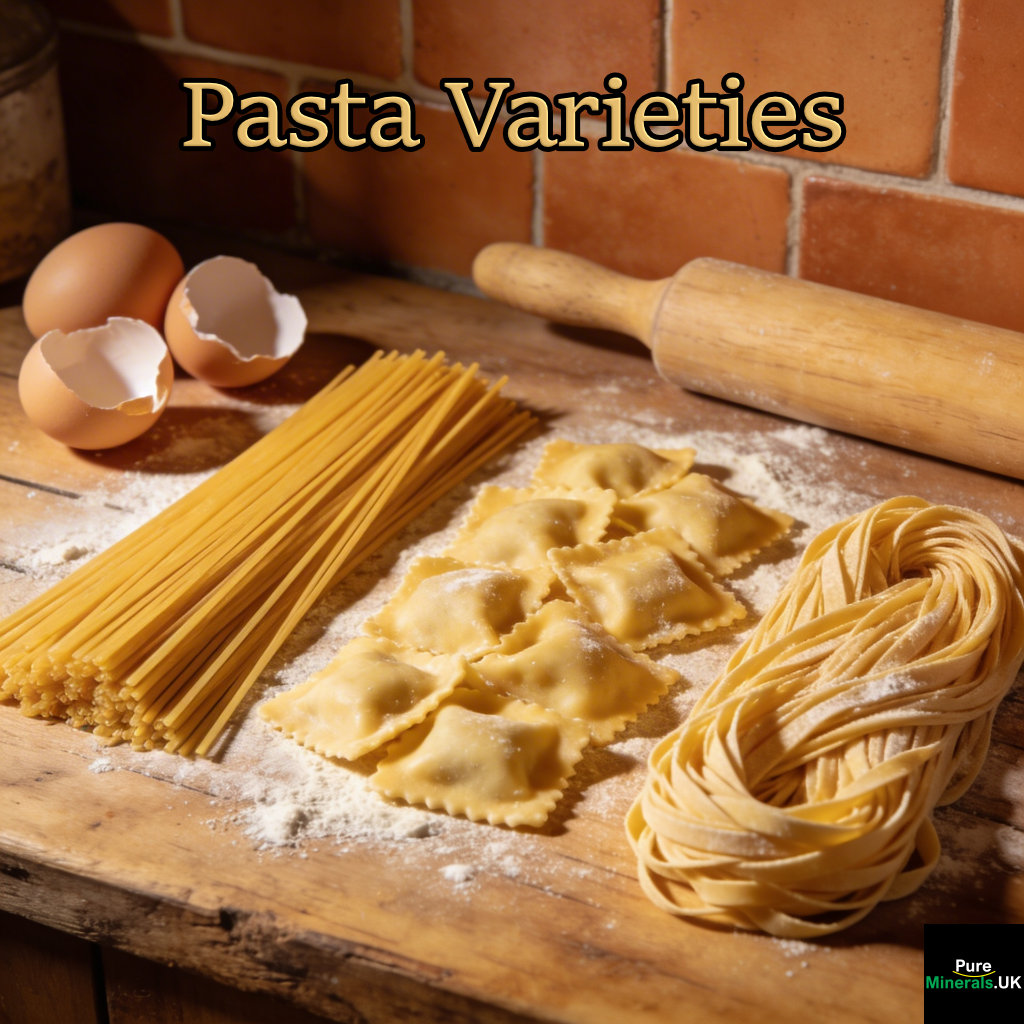
Making fresh pasta with durum wheat semolina is one of the most rewarding things you can do with this ingredient. The high protein and gluten content create a dough that’s strong enough to roll thin without tearing, yet elastic enough to pass through a pasta machine with ease. The result is a pasta with genuine chew and structural integrity — qualities that egg pasta made from softer flour simply cannot replicate.
The classic ratio for a simple semolina pasta dough is roughly 2 parts semolina to 1 part water, worked until smooth and rested for at least 30 minutes before rolling. Some recipes incorporate a small amount of all-purpose flour to soften the texture slightly for filled pastas like ravioli, where a more pliable sheet helps the edges seal cleanly.
Linguini and spaghetti cut from semolina dough hold up especially well in oil-based sauces and broths, where their firm texture becomes an asset rather than a limitation. Run it through a pasta machine, cut to shape, and cook in well-salted boiling water for 2 to 3 minutes — fresh semolina pasta cooks faster than dried, and the window between perfectly al dente and overdone is narrow, so stay close to the pot.
Desserts, Porridge, and Sweet Semolina Recipes
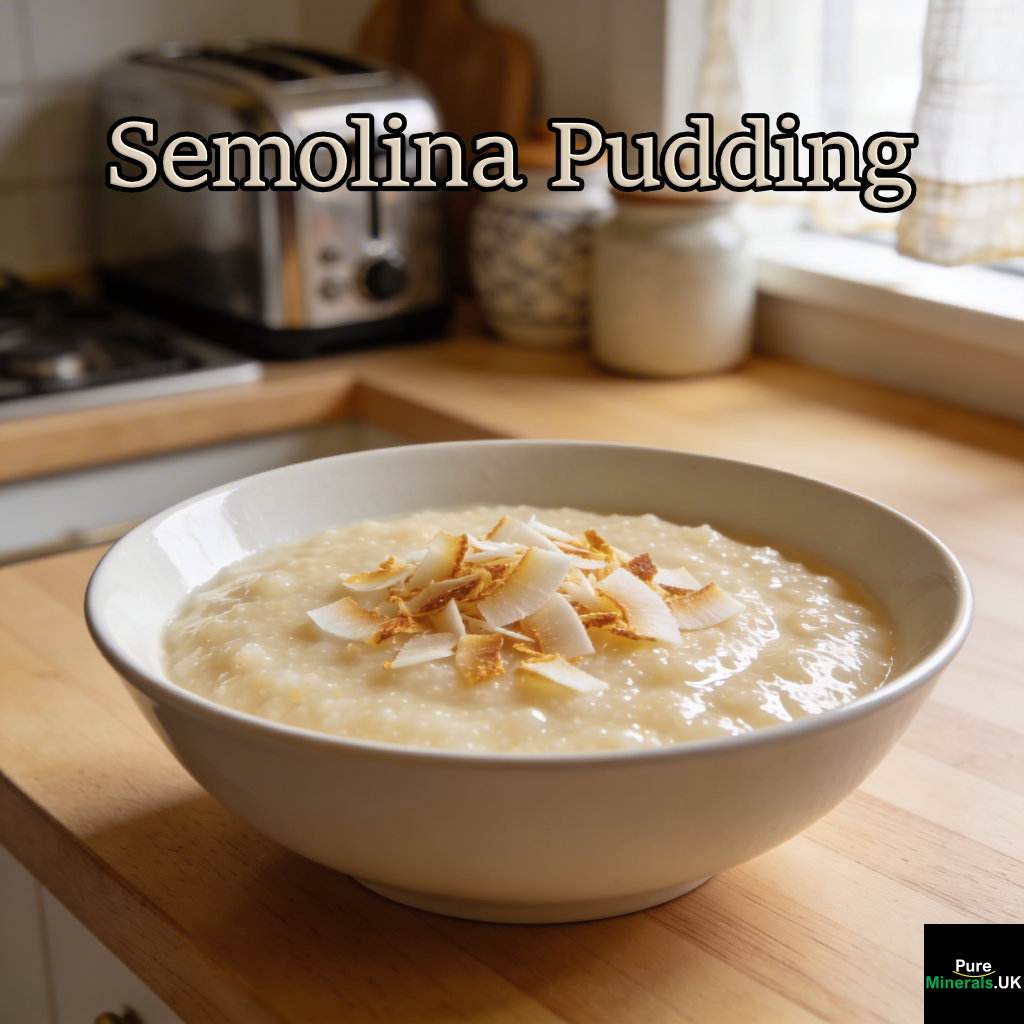
Sweet semolina preparations are deeply embedded in culinary traditions from the Mediterranean to South Asia, and for good reason — the grain’s natural nuttiness and slightly coarse texture create desserts with a satisfying body that refined flour can’t produce.
- Semolina cake — dense, moist, and often soaked with citrus syrup in Greek and Middle Eastern traditions
- Semolina pudding — slow-cooked with milk, sugar, and vanilla into a creamy, thick dessert similar to rice pudding in texture
- Sweet semolina porridge — cooked with milk or water and topped with honey, nuts, or fruit for a warm breakfast alternative to oatmeal
- Semolina cookies — crumbly, buttery shortbreads with a slightly gritty texture that gives them a distinctive bite
- Halva — a traditional semolina-based confection cooked with butter and sugar, popular across Greek, Turkish, and Indian cuisines
The key to sweet semolina dishes is patience with the cooking process. Whether you’re making porridge or pudding, semolina needs time over low to medium heat to fully hydrate and soften. Rush it, and you’ll get a grainy texture. Give it time and consistent stirring, and it transforms into something genuinely luxurious.
Semolina cake deserves special mention for how accessible it is. A basic recipe combines semolina, sugar, yogurt, oil, and baking powder — mixed, baked, and then drenched in warm lemon or orange syrup while still hot. The grain absorbs the syrup as it cools, producing a dessert that’s moist, fragrant, and completely different from anything made with all-purpose flour.
For breakfast applications, semolina porridge can be on the table in under 10 minutes. Bring 2 cups of milk to a gentle simmer, whisk in half a cup of fine semolina, and stir continuously for 3 to 5 minutes until thick. Sweeten with honey, add a pinch of cardamom or cinnamon, and top with toasted almonds. It’s a protein-rich, low-GI start to the day that keeps energy levels stable for hours.
Using Semolina as a Thickener or Crispy Coating
Beyond pasta and desserts, semolina has two underrated savory roles that serious cooks should know about. First, stirred into a simmering stew or braise, a tablespoon or two of semolina thickens the liquid gradually without the gummy, starchy quality that cornstarch can produce. It integrates cleanly and adds a subtle body that feels natural rather than processed. Second, semolina makes an outstanding coating for proteins and vegetables before pan-frying or roasting. Its coarse grain creates a crust that crisps faster and holds longer than all-purpose flour, especially on fish fillets, sliced eggplant, or pan-fried halloumi.
Bread and Flatbread: Tips for Handling High-Gluten Dough
Durum wheat semolina can absolutely be used for bread and flatbreads, but its high gluten content demands a different approach than softer wheat flours. The gluten network in semolina dough is strong and tight, which means overworking it produces a loaf or flatbread that’s dense and tough rather than chewy and open. The practical fix most experienced bakers use is to blend semolina with a portion of all-purpose or bread flour — typically a 50/50 ratio — which softens the crumb while keeping the semolina’s flavor and golden color intact.
Resting the dough is non-negotiable with semolina bread. After mixing, allow at least 30 to 45 minutes of rest time before shaping so the gluten has time to relax. For flatbreads like Italian pane di Altamura — a protected designation of origin bread from Puglia made exclusively with durum wheat semolina — the dough is handled with deliberate gentleness at every stage. The result is a bread with a thick, golden crust, a dense interior, and a rich, wheaty flavor that common wheat bread simply doesn’t produce.
Durum Wheat Is One of the Smartest Grains You Can Eat
When you trace everything durum wheat delivers — the low glycemic index, the high plant-based protein, the lutein content, the folate, the mineral density, the fiber — what emerges is a grain that earns its place in any kitchen for reasons far beyond tradition. Most people eat it as pasta without a second thought. But understanding what’s actually happening nutritionally and structurally with every plate changes how you cook with it, how you pair it, and how much you appreciate the result.
The next time you make pasta from scratch, choose a quality semolina, pair the finished dish with a Vitamin C-rich ingredient, and cook it to a true al dente. You’ll be making a meal that’s not just satisfying — it’s genuinely working in your favor.
Important note: Durum wheat
Durum wheat contains gluten and is not suitable for individuals with Celiac disease or gluten sensitivity. As with other cereal grains, whole-grain forms provide more fiber and micronutrients than refined products. Individuals with specific dietary conditions or sensitivities should consult a qualified nutrition professional before regular consumption.
Frequently Asked Questions
Here are the most common questions people ask about durum wheat, answered directly with the details that actually matter.
Is Durum Wheat Healthier Than Regular Wheat?
In several measurable ways, yes. Durum wheat contains more dietary fiber, approximately twice the lutein, and produces pasta with a significantly lower glycemic index (47) compared to common wheat pasta (68). It’s also higher in protein per gram. For everyday cooking, especially pasta-based meals, durum wheat offers a meaningful nutritional edge over common bread wheat in multiple categories simultaneously.
Is Pasta Made From Durum Wheat Good for Weight Management?
Durum wheat pasta’s low glycemic index of 47 means it releases glucose into the bloodstream slowly, which helps maintain satiety for longer after eating and reduces the likelihood of energy crashes that drive snacking. Combined with its protein content and fiber, a properly portioned serving of durum wheat pasta is a far more weight-management-friendly carbohydrate choice than many people assume pasta to be.
Does Durum Wheat Contain Gluten?
Yes, durum wheat contains gluten — and in relatively high amounts compared to common wheat. This is actually a functional advantage in cooking, as the strong gluten network is what gives durum wheat pasta its firm texture and structural integrity. However, it means durum wheat is entirely unsuitable for anyone with celiac disease or a diagnosed gluten intolerance. There is no gluten-free version of semolina — if gluten is a concern, the ingredient needs to be avoided entirely.
- Celiac disease: Durum wheat must be completely avoided — even trace amounts of gluten trigger an immune response that damages the small intestine.
- Non-celiac gluten sensitivity: Symptoms vary, but durum wheat semolina will likely cause the same reactions as any other gluten-containing grain.
- Wheat allergy: Separate from gluten sensitivity — a wheat allergy involves an immune response to wheat proteins broadly, not just gluten, so durum wheat triggers it as well.
- No gluten sensitivity: Durum wheat is safe, nutritious, and one of the best grain choices available for everyday cooking.
It’s worth noting that the high gluten content in durum wheat is a natural characteristic of the species — not something added during processing. Semolina labeled as “100% durum wheat semolina” will always be a high-gluten product regardless of brand or milling method.
What Is the Difference Between Semolina and Regular Flour?
Semolina is milled specifically from the endosperm of durum wheat and has a noticeably coarser grind, pale yellow color, and slightly gritty texture. Regular all-purpose flour is typically milled from common bread wheat to a much finer consistency and is white or off-white in color. The two behave very differently in recipes — semolina produces denser, chewier textures, while all-purpose flour creates softer, lighter results.
From a nutritional standpoint, semolina is higher in protein, lutein, and generally fiber compared to refined all-purpose flour. It’s also lower on the glycemic index, making it a more nutritionally complete choice when the recipe allows for it. Fine semolina — sometimes labeled “semolina rimacinata” (twice-milled) — bridges the gap between the two in terms of texture and is particularly useful for pasta doughs where a slightly softer sheet is needed.
Can You Eat Durum Wheat if You Have an Iron Deficiency?
Durum wheat provides 3.5 milligrams of nonheme iron per 100 grams, which contributes meaningfully to daily iron intake. However, nonheme iron — the plant-based form — is absorbed less efficiently by the body than heme iron from meat and seafood. For someone managing iron deficiency, this means durum wheat can be part of a supportive diet, but it shouldn’t be relied upon as a standalone iron source without strategic pairing.
Best Vitamin C Pairings to Boost Iron Absorption From Semolina Dishes
🍅 Tomatoes & tomato sauce — A natural match for pasta; the ascorbic acid directly enhances nonheme iron uptake from every bite.
🍋 Lemon juice — Squeeze over semolina-based dishes or use in dressings served alongside; even small amounts make a measurable difference.
🍓 Red and green bell peppers — Among the highest Vitamin C vegetables by weight; excellent in pasta dishes and grain salads.
🥦 Broccoli — Pairs well in baked semolina dishes or alongside pasta; adds both Vitamin C and additional fiber.
🍊 Citrus fruits — Oranges and grapefruit, served as a side or squeezed into a dressing, effectively boost absorption from the main grain dish.
🥥 Kiwifruit — Exceptionally high in Vitamin C; works as a post-meal fruit to support iron absorption from the full meal.
The ascorbic acid in Vitamin C converts nonheme iron into a more bioavailable form during digestion, which is why pairing matters more than total iron content alone. A semolina dish served with a simple tomato sauce is already doing this work automatically — one of many reasons the Italian tradition of pasta al pomodoro is so nutritionally sound without trying to be.
If you are clinically iron-deficient and working with a healthcare provider on dietary adjustments, including durum wheat semolina as a regular part of meals — consistently paired with Vitamin C-rich ingredients — makes practical sense. It’s a reliable, everyday iron contributor that requires no supplementation or special preparation beyond thoughtful ingredient pairing.
For anyone exploring the full nutritional and culinary potential of durum wheat, the deeper you go into this grain, the more it rewards you — whether you’re making a bowl of pasta from scratch, a golden semolina cake, or a hearty stew thickened with a spoonful of coarse-ground flour.