

Published: 31 March 2026
This article is periodically reviewed and updated to reflect current scientific understanding by Vic George.
Fact-Checked: 1 other authoritative medical/scientific reference. See our Editorial Policy.
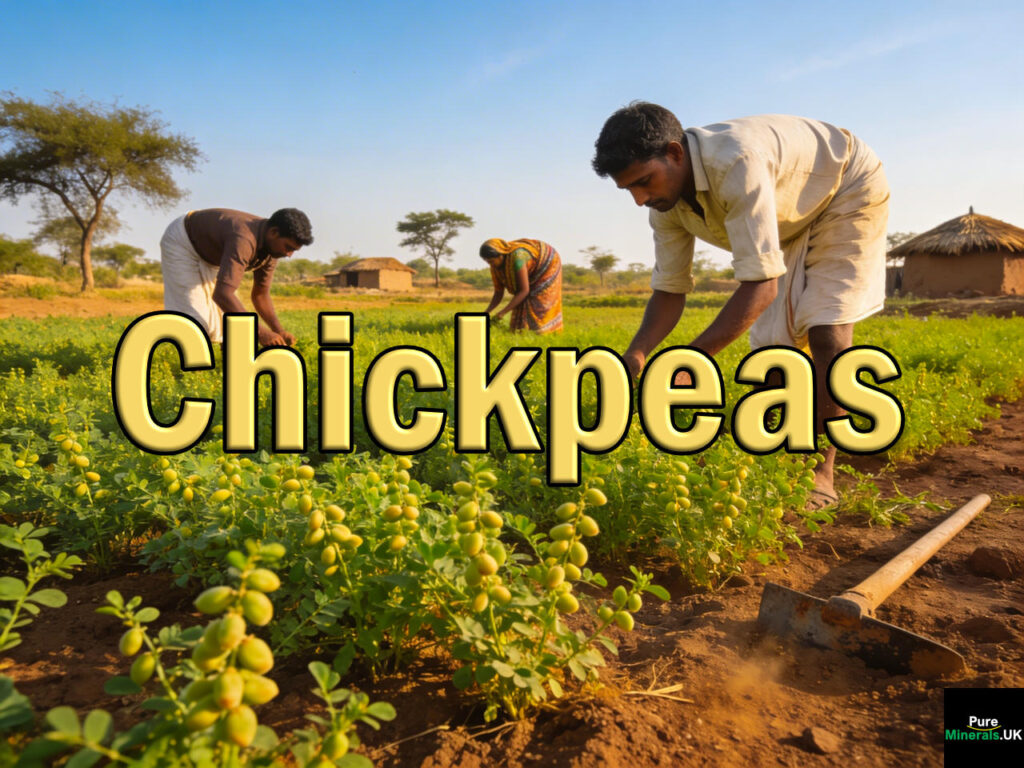
What Are Chickpeas?
Chickpeas are edible legume seeds widely consumed across global cuisines, valued for their protein content, dietary fiber, and versatility in both whole and processed forms.
Definition
Chickpeas are the seeds of Cicer arietinum, a leguminous plant cultivated for its nutrient-dense edible pulses.
Extended Definition
Chickpeas, also known as garbanzo beans, are one of the oldest cultivated legumes, with origins in the Middle East and widespread use across Mediterranean, South Asian, and African cuisines. India is the leading producer of chickpeas, responsible for around three-quarters of global production. Other commercial producers include Australia, Myanmar, Pakistan, Turkey, Ethiopia, and Canada.
They belong to the Fabaceae family and are classified as pulses—dry edible seeds harvested from leguminous plants.
There are two primary types:
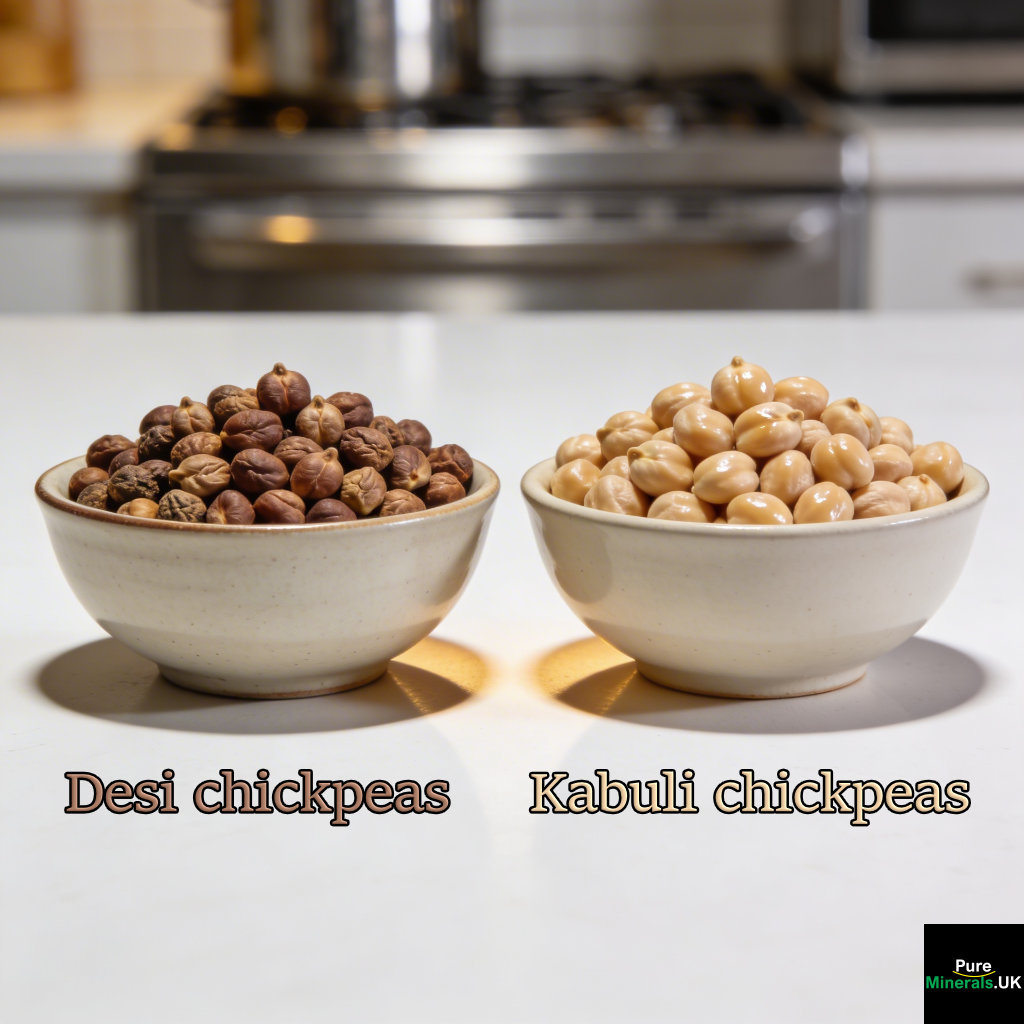
- Desi chickpeas: Smaller, darker, and rough-coated
- Kabuli chickpeas: Larger, lighter-coloured, and smoother
Nutritionally, chickpeas are notable for their high protein content relative to many plant foods, along with substantial dietary fiber. They provide key minerals such as iron, magnesium, phosphorus, and potassium. Chickpeas also contain resistant starch and slowly digestible carbohydrates, contributing to sustained energy release.
They are commonly consumed boiled, roasted, or ground into flour (gram flour or besan), and are central to dishes such as hummus, falafel, and a wide range of stews and curries.
Key Facts
- Botanical Name: Cicer arietinum
- Plant Family: Fabaceae
- Common Forms: Whole dried seeds, canned chickpeas, flour (besan/gram flour)
- Typical Serving Methods: Boiled, roasted, mashed, or ground into flour
- Taste Profile: Mild, nutty, slightly earthy
Nutritional Highlights:
- High in plant-based protein
- Rich in dietary fiber
- Provides iron, magnesium, phosphorus, and potassium
Culinary Uses:
- Hummus and dips
- Curries and stews
- Roasted snacks
- Gluten-free flours and batters
Notable Compounds:
- Resistant starch
- Polyphenols
- Saponins
Dietary Suitability:
- Vegan, vegetarian, gluten-free diets
Article at a Glance – Chickpeas
- One cup of cooked chickpeas delivers 14.5 grams of protein — comparable to black beans and lentils, making them a powerhouse for plant-based diets.
- Chickpeas are an incomplete protein, missing the essential amino acid methionine, but pairing them with quinoa or other whole grains creates a complete amino acid profile.
- The fiber and protein combination in chickpeas works together to curb appetite, support blood sugar regulation, and aid digestive health — all backed by research.
- Chickpeas are rich in iron, manganese, copper, and zinc, making them especially valuable for vegans and vegetarians who may be at higher risk of mineral deficiencies.
- Keep reading to discover the most effective ways to use chickpeas in everyday cooking to maximize their nutritional benefits without sacrificing flavor.
Most people underestimate what a humble can of chickpeas is actually doing for their body.
Chickpeas, also known as garbanzo beans, have been a dietary staple across the Middle East, South Asia, and the Mediterranean for thousands of years — and modern nutrition science keeps confirming what traditional diets figured out long ago. For healthy living enthusiasts looking to build a nutrient-dense diet without relying heavily on animal products, chickpeas are one of the most efficient foods you can add to your plate.
Chickpeas Pack More Nutrition Than Most People Realize
A single 1-cup (164-gram) serving of cooked chickpeas is genuinely impressive on a nutrition label. It is not just a protein source — it is a multi-nutrient food that checks several boxes at once, from macronutrients to essential minerals your body depends on daily.
14.5 Grams of Protein Per Cup
That one cup of cooked chickpeas delivers approximately 14.5 grams of protein, which sits comfortably alongside other respected legumes like black beans and lentils. For context, that is a meaningful contribution toward the average adult’s daily protein target of 50 grams. The protein in chickpeas also supports muscle strength, bone health, and keeps appetite hormones in check — which we will get into shortly.
12.5 Grams of Fiber Per Serving
Chickpeas are exceptionally high in dietary fiber, providing around 12.5 grams per cooked cup. That is nearly half the recommended daily intake for most adults in a single serving. Most of that fiber is soluble, meaning it slows digestion, feeds beneficial gut bacteria, and helps stabilize blood sugar levels after meals. The combination of high fiber and high protein is genuinely rare in a single whole food.
Top Minerals: Manganese, Copper, Iron, and Zinc
Beyond protein and fiber, chickpeas are loaded with micronutrients that many people fall short on. One cup provides approximately 25–27% of the Daily Value for iron, along with significant amounts of manganese, copper, and zinc. These minerals play critical roles in energy metabolism, immune function, and red blood cell production. For anyone eating a plant-forward diet, this mineral density makes chickpeas an especially strategic food choice.
Chickpeas Are an Incomplete Protein — Here Is What to Pair Them With
Here is something worth knowing before you swap all your meat for chickpeas: they are technically an incomplete protein source. That does not make them less valuable — it just means you need to be intentional about how you eat them.
Chickpeas contain all of the essential amino acids your body cannot produce on its own, except for methionine. Methionine is critical for metabolism, detoxification, and tissue repair, so getting it from other food sources in your diet is non-negotiable. The good news is that this is easy to do with simple, whole-food pairings.
The One Essential Amino Acid Chickpeas Lack
Methionine is the missing piece in chickpeas’ amino acid profile. While chickpeas are unusually well-rounded for a legume — delivering a broader amino acid range than many other plant proteins — methionine remains low. Research published in the International Journal of Food Science and Technology confirms that pairing chickpeas with a methionine-rich whole grain resolves this gap entirely, creating a complete protein from two plant-based sources.
This is not a dealbreaker. It is simply a prompt to think about your meals as a whole rather than in isolation. You do not even need to combine them in the same meal — getting complementary amino acids throughout the day is sufficient. For example, incorporating buckwheat into your diet can help achieve this balance.
Here are the best whole grain and food pairings to complete the protein profile of chickpeas: consider combining them with buckwheat for a nutritious and protein-rich meal.
- Quinoa — one of the few plant foods that is itself a complete protein and an excellent methionine source
- Brown rice — a classic legume pairing that has been used across cultures for centuries
- Whole wheat bread or pita — practical for everyday meals like hummus wraps or chickpea sandwiches
- Farro or barley — nutrient-dense ancient grains that pair naturally in soups and grain bowls
- Oats — a less obvious but effective pairing for breakfast-style chickpea dishes
Best Whole Grain Pairings to Complete the Protein Profile
Quinoa stands out as the top pairing for chickpeas specifically because it contributes methionine while also adding its own complete amino acid profile to the meal. A chickpea and quinoa bowl, for example, is not just delicious — it is nutritionally complete in a way that a chickpea-only dish is not. This combination is particularly useful for athletes, older adults, and anyone with elevated protein needs.
Brown rice and chickpeas are the more traditional route, common in South Asian and Middle Eastern cuisines. The combination has fed populations for generations, and nutritionally, it works — the rice fills the methionine gap while chickpeas bring the lysine that grains typically lack. It is a natural nutritional partnership built into culinary history.
Health Benefits Backed by Evidence
The research on chickpeas is not speculative. There is a growing body of evidence linking regular chickpea consumption to measurable improvements in appetite regulation, blood sugar control, heart health, and iron status. These are not minor benefits — they are the kinds of outcomes that shift long-term health trajectories.
What makes chickpeas especially interesting from a health perspective is that their benefits are largely driven by the combination of nutrients working together, rather than any single compound. Fiber, protein, and micronutrients, much like those found in buckwheat, reinforce each other in ways that isolated supplements simply cannot replicate.
Appetite Control Through Protein and Fiber
Protein and fiber are the two most powerful nutrients for appetite regulation, and chickpeas deliver both in meaningful quantities. Research published in Applied Physiology, Nutrition, and Metabolism found that people who ate chickpeas reported greater satiety and consumed fewer calories at subsequent meals compared to those who did not. The mechanism is straightforward — protein triggers satiety hormones while soluble fiber slows gastric emptying, keeping you fuller for longer without additional calories.
This makes chickpeas a particularly smart food for anyone managing their weight or trying to reduce snacking between meals. The automatic calorie reduction that comes from feeling full longer is one of the most sustainable approaches to healthy weight management.
Blood Sugar Regulation and Low-Glycemic-Index
Chickpeas have a low glycemic index (GI), meaning they cause a slow, gradual rise in blood sugar rather than a sharp spike. This matters enormously for energy levels, mood stability, and long-term metabolic health. The soluble fiber in chickpeas slows the absorption of carbohydrates into the bloodstream, while the protein content further blunts the glycemic response. For people managing type 2 diabetes or insulin resistance, this combination is genuinely useful, similar to other low-GI foods like yam.
Beyond the GI rating, chickpeas also contain resistant starch — a type of carbohydrate that bypasses digestion in the small intestine and ferments in the large intestine, feeding beneficial gut bacteria and contributing to improved insulin sensitivity over time. This makes chickpeas a smart carbohydrate choice, not just a protein source.
Heart Health Support From Magnesium and Potassium
Chickpeas contain notable amounts of both magnesium and potassium — two minerals directly tied to cardiovascular health. Potassium helps regulate blood pressure by counteracting the effects of sodium, while magnesium supports a healthy heart rhythm and relaxes blood vessel walls. Together, they create a nutritional environment that actively supports heart function rather than just avoiding harm.
The fiber in chickpeas adds another layer of heart protection. Soluble fiber binds to cholesterol in the digestive tract and helps remove it from the body before it enters circulation. Regular consumption of high-fiber legumes like chickpeas has been associated with lower LDL cholesterol levels, which is one of the primary risk factors for cardiovascular disease.
Iron Content and Red Blood Cell Production
With approximately 26% of the Daily Value for iron per cooked cup, chickpeas are one of the better plant-based iron sources available. Iron is essential for producing hemoglobin — the protein in red blood cells that carries oxygen throughout the body. Low iron is the most common nutritional deficiency worldwide, and plant-based eaters are particularly vulnerable since non-heme iron from plants is absorbed less efficiently than heme iron from meat. Pairing chickpeas with vitamin C-rich foods like tomatoes, bell peppers, or lemon juice significantly boosts non-heme iron absorption and makes a real difference in how much your body actually uses.
How Chickpeas Fit Into a Plant-Based Diet
For anyone eating a vegetarian or vegan diet, chickpeas are not just a nice addition — they are a nutritional cornerstone. They provide the kind of dense, satiating nutrition that makes plant-based eating practical and sustainable rather than a constant exercise in compensating for what is missing. For example, other nutritious options like wax beans can also complement a plant-based diet.
The versatility of chickpeas makes them uniquely easy to incorporate across breakfast, lunch, dinner, and snacks. Unlike some plant proteins that require significant preparation or cooking skill to make palatable, chickpeas work straight from the can, roasted in the oven, blended into dips, or simmered in curries and stews with minimal effort.
Replacing Meat With Chickpeas Without Losing Protein
Swapping chickpeas for meat in a meal does not have to mean sacrificing protein — it means rethinking the protein source. A cup of cooked chickpeas at 14.5 grams of protein is not going to match a 6-ounce chicken breast gram-for-gram, but combined with a whole grain and eaten in generous portions, chickpeas can anchor a meal with substantial protein content. The key is building the plate intentionally — chickpeas plus quinoa, whole grain bread, or brown rice creates a complete, high-protein meal without any animal products required.
Why Vegans and Vegetarians Rely on Chickpeas
It comes down to the nutrient density. Chickpeas simultaneously address several nutritional gaps that plant-based eaters commonly face — protein, iron, zinc, and fiber — in a single affordable, widely available food. They also provide choline, a nutrient critical for brain health that is difficult to obtain in adequate amounts on a vegan diet. For someone navigating a plant-forward lifestyle, chickpeas reduce the number of nutritional gaps they need to fill through supplements or highly processed fortified foods.
Culinary Uses for Chickpeas
Chickpeas are one of the most culinary flexible ingredients in any kitchen. They absorb spices and marinades exceptionally well, hold their shape during cooking, and transform in texture depending on how they are prepared — creamy when blended, crispy when roasted, hearty when slow-cooked in a stew. That range of textures and applications is rare in a single ingredient.
Whether you are working with canned chickpeas for convenience or dried chickpeas for cost savings and texture control, the culinary possibilities are extensive. Dried chickpeas require soaking overnight and longer cooking times, but they tend to hold their shape better in dishes where texture matters. Canned chickpeas are pre-cooked and ready to use immediately — rinsing them before use reduces the sodium content significantly, which is worth doing as a habit.
Roasted Chickpeas as a High-Protein Snack
Roasted chickpeas have earned their place as one of the best whole-food snack options available
Blood Sugar Regulation and Low-Glycemic-Index
Chickpeas have a low glycemic index (GI), meaning they cause a slow, gradual rise in blood sugar rather than a sharp spike. This matters enormously for energy levels, mood stability, and long-term metabolic health. The soluble fiber in chickpeas slows the absorption of carbohydrates into the bloodstream, while the protein content further blunts the glycemic response. For people managing type 2 diabetes or insulin resistance, this combination is genuinely useful.
Heart Health Support From Magnesium and Potassium
Chickpeas contain notable amounts of both magnesium and potassium — two minerals directly tied to cardiovascular health. Potassium helps regulate blood pressure by counteracting the effects of sodium, while magnesium supports a healthy heart rhythm and relaxes blood vessel walls. Together, they create a nutritional environment that actively supports heart function rather than just avoiding harm.
The fiber in chickpeas adds another layer of heart protection. Soluble fiber binds to cholesterol in the digestive tract and helps remove it from the body before it enters circulation. Regular consumption of high-fiber legumes like chickpeas has been associated with lower LDL cholesterol levels, which is one of the primary risk factors for cardiovascular disease.
Iron Content and Red Blood Cell Production
With approximately 25–27% of the Daily Value for iron per cooked cup, chickpeas are a significant plant-based source of dietary iron. Iron is essential for producing hemoglobin — the protein in red blood cells that carries oxygen throughout the body. Low iron is the most common nutritional deficiency worldwide, and plant-based eaters are particularly vulnerable since non-heme iron from plants is absorbed less efficiently than heme iron from meat. For those looking to diversify their diet, exploring other iron-rich foods like amaranth can be beneficial.
Pairing chickpeas with vitamin C-rich foods like tomatoes, bell peppers, or lemon juice significantly boosts non-heme iron absorption. This simple habit makes a measurable difference in how much iron your body actually uses from a plant-based meal, and it is easy to implement naturally in most chickpea dishes.
How Chickpeas Fit Into a Plant-Based Diet
For anyone eating a vegetarian or vegan diet, chickpeas are not just a nice addition — they are a nutritional cornerstone. They provide the kind of dense, satiating nutrition that makes plant-based eating practical and sustainable rather than a constant exercise in compensating for what is missing.
The versatility of chickpeas makes them uniquely easy to incorporate across breakfast, lunch, dinner, and snacks. Unlike some plant proteins that require significant preparation or cooking skill to make palatable, chickpeas work straight from the can, roasted in the oven, blended into dips, or simmered in curries and stews with minimal effort.
Replacing Meat With Chickpeas Without Losing Protein
Swapping chickpeas for meat in a meal does not have to mean sacrificing protein — it means rethinking the protein source. A cup of cooked chickpeas at 14.5 grams of protein is not going to match a 6-ounce chicken breast gram-for-gram, but combined with a whole grain and eaten in generous portions, chickpeas can anchor a meal with substantial protein content. The key is building the plate intentionally — chickpeas plus quinoa, whole grain bread, or brown rice creates a complete, high-protein meal without any animal products required.
Why Vegans and Vegetarians Rely on Chickpeas
It comes down to the nutrient density. Chickpeas simultaneously address several nutritional gaps that plant-based eaters commonly face — protein, iron, zinc, and fiber — in a single affordable, widely available food. They also provide choline, a nutrient critical for brain health that is difficult to obtain in adequate amounts on a vegan diet. For a variety of nutrient-dense options, consider exploring other foods like amaranth.
For someone navigating a plant-forward lifestyle, chickpeas reduce the number of nutritional gaps they need to fill through supplements or highly processed fortified foods. That kind of whole-food nutritional efficiency is exactly what makes chickpeas a staple rather than just an occasional ingredient.
Culinary Uses for Chickpeas
Chickpeas are one of the most culinary flexible ingredients in any kitchen. They absorb spices and marinades exceptionally well, hold their shape during cooking, and transform in texture depending on how they are prepared — creamy when blended, crispy when roasted, hearty when slow-cooked in a stew.
Whether you are working with canned chickpeas for convenience or dried chickpeas for cost savings and texture control, the culinary possibilities are extensive. Dried chickpeas require soaking overnight and longer cooking times, but tend to hold their shape better in dishes where texture matters. Canned chickpeas are pre-cooked and ready to use immediately — rinsing them before use reduces sodium content significantly, which is a habit worth building.
Roasted Chickpeas as a High-Protein Snack
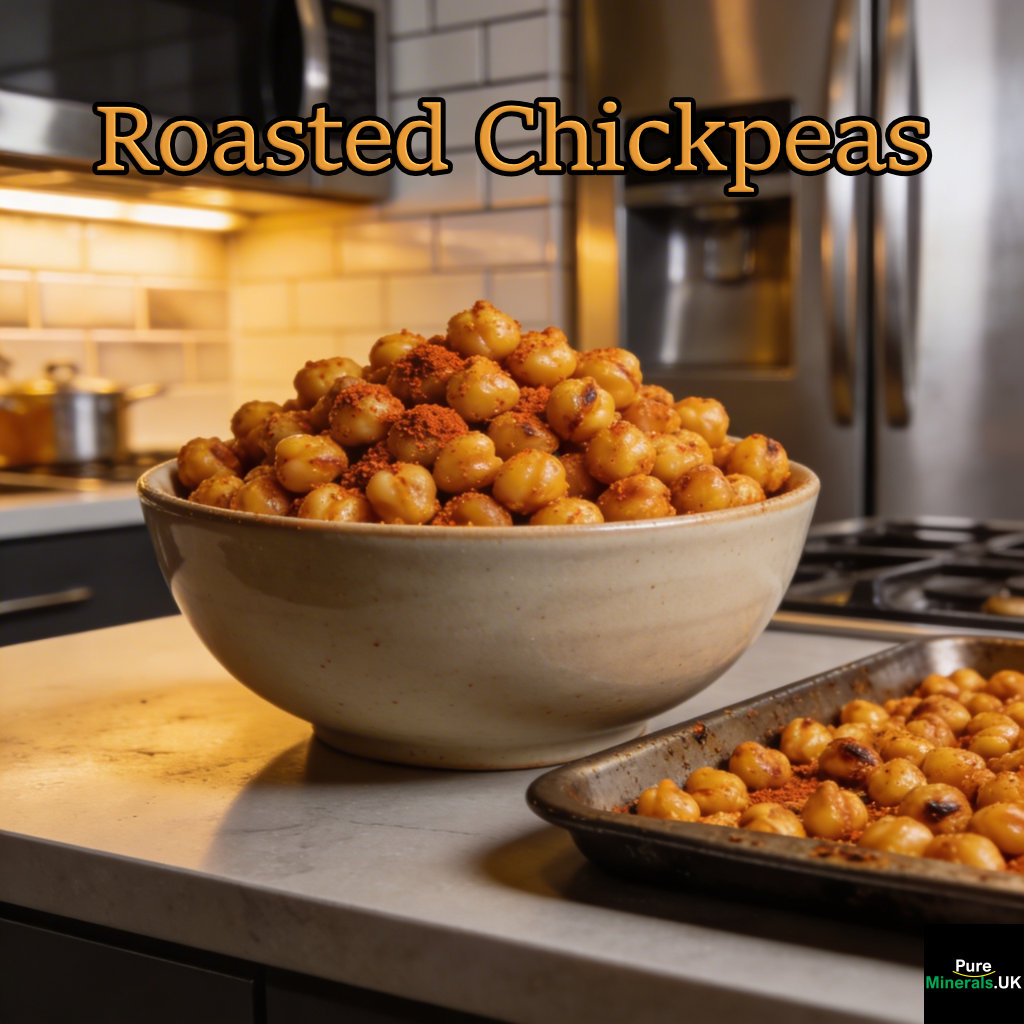
Roasted chickpeas have earned their place as one of the best whole-food snack options available. Toss a drained, rinsed can of chickpeas in olive oil, smoked paprika, garlic powder, and a pinch of sea salt, then roast at 200°C (400°F) for 25 to 30 minutes until crispy. The result is a crunchy, satisfying snack that delivers protein and fiber in the same package — something that most packaged snack foods simply cannot offer. A half-cup serving provides roughly 7 grams of protein, making it a genuinely functional snack rather than empty calories.
Adding Chickpeas to Salads, Soups, and Stews
Chickpeas are one of the easiest ways to add substance and nutrition to dishes that might otherwise fall short on protein. Tossing a half cup of chickpeas into a green salad instantly transforms it from a side dish into a complete meal, adding texture, protein, and fiber without complicating the preparation.
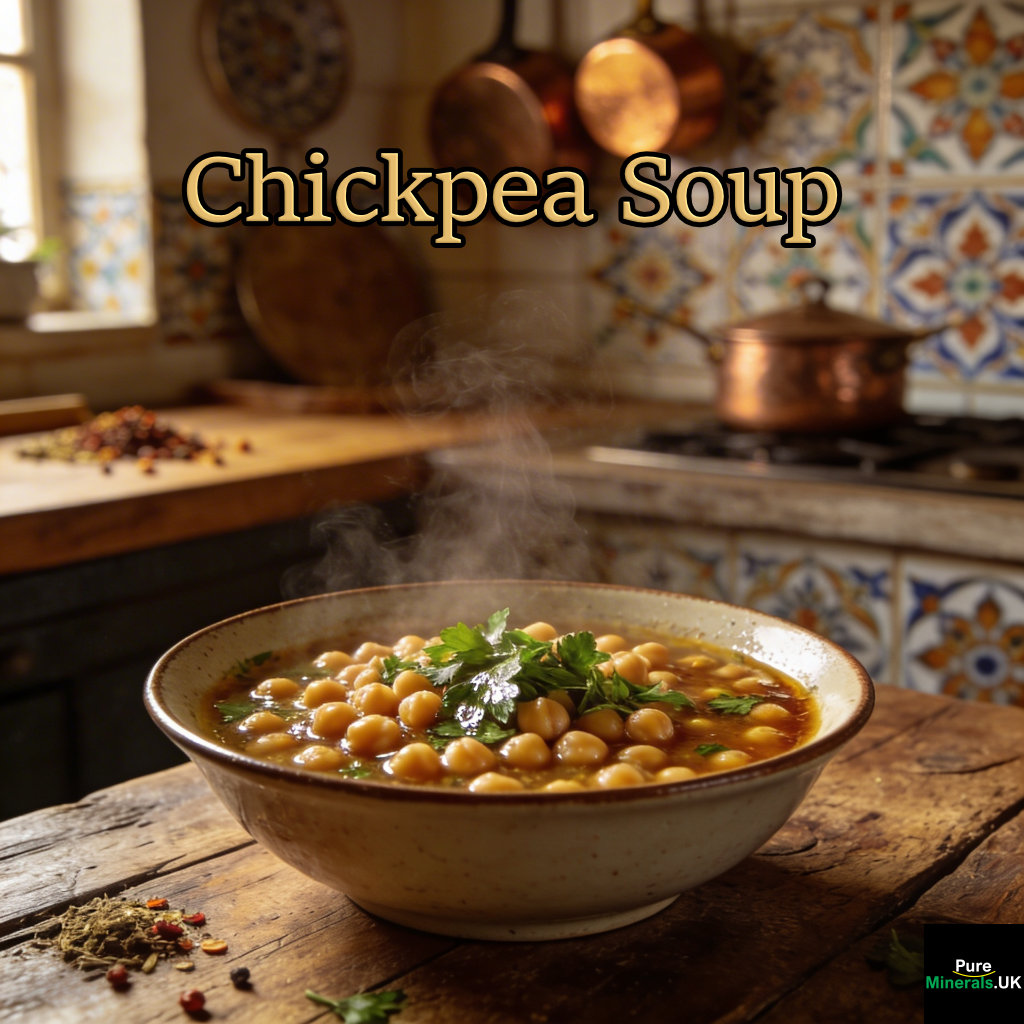
In soups and stews, chickpeas shine as a hearty, filling component that beautifully absorbs surrounding flavors. Classic dishes like Moroccan harira, Indian chana masala, and Mediterranean chickpea soup (shown above) have used this legume as the protein anchor for centuries — and for good reason. They thicken broths slightly as they cook, add body to the dish, and hold up well through long simmering times without turning mushy.
For a simple weeknight approach, add a can of rinsed chickpeas to any vegetable soup or tomato-based stew in the last 15 minutes of cooking. No additional preparation is required, and the nutritional payoff — extra protein, fiber, iron, and minerals — is immediate and significant.
Using Chickpeas as a Meat Substitute in Main Dishes
Chickpeas work surprisingly well as a direct meat substitute in dishes where you would normally reach for ground beef, shredded chicken, or chunks of lamb. Their firm texture, neutral-to-earthy flavor, and ability to absorb marinades and spices make them adaptable to nearly any cuisine. In tacos, for example, seasoned chickpeas with cumin, chili powder, and lime deliver a satisfying filling that holds up structurally and nutritionally. In curries, they replace chicken seamlessly while absorbing every layer of spice in the sauce.
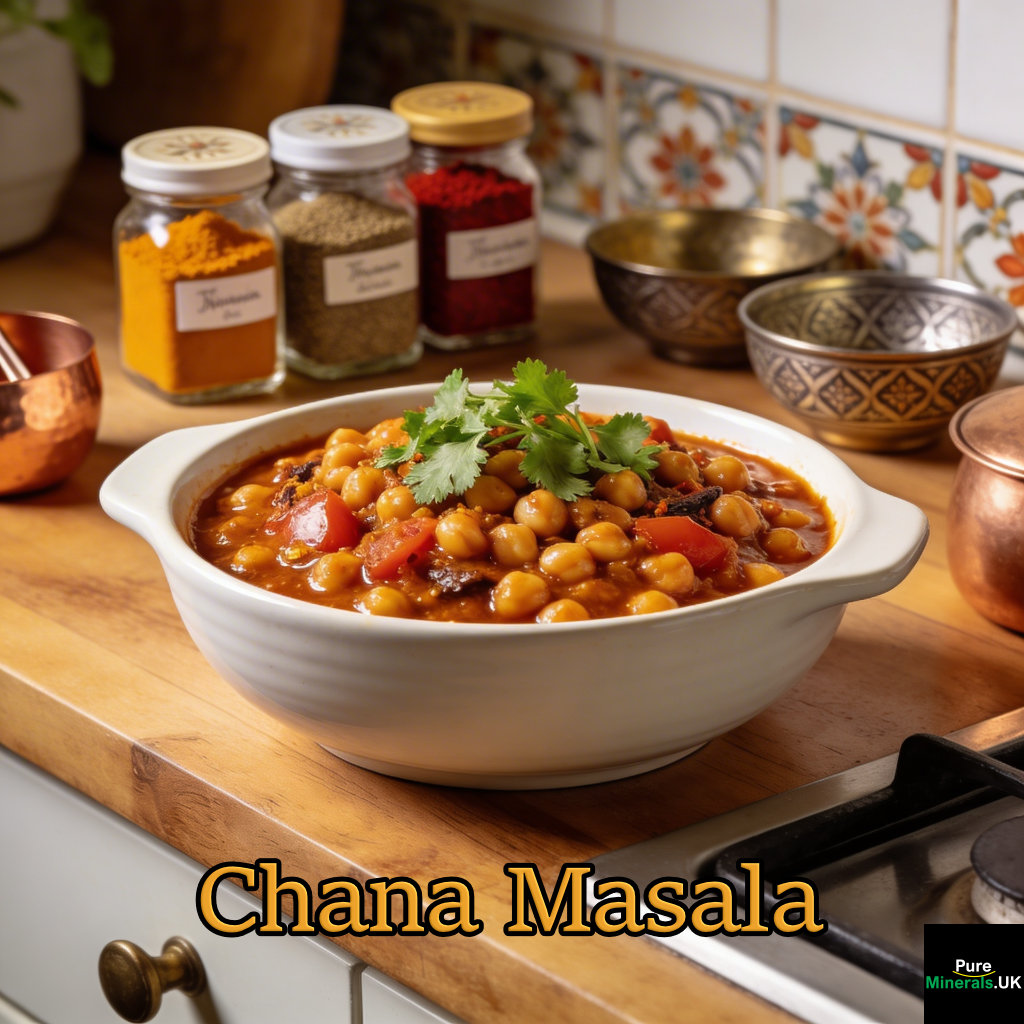
For dishes like chana masala — a North Indian chickpea curry made with tomatoes, ginger, garlic, and a blend of warming spices — chickpeas are not a substitute at all. They are the original protein, and the dish is complete without any meat ever entering the picture. Starting with recipes like this, where chickpeas are already the star, makes the transition to more plant-forward eating feel natural rather than like a compromise.
Making Hummus and Other Chickpea-Based Dips
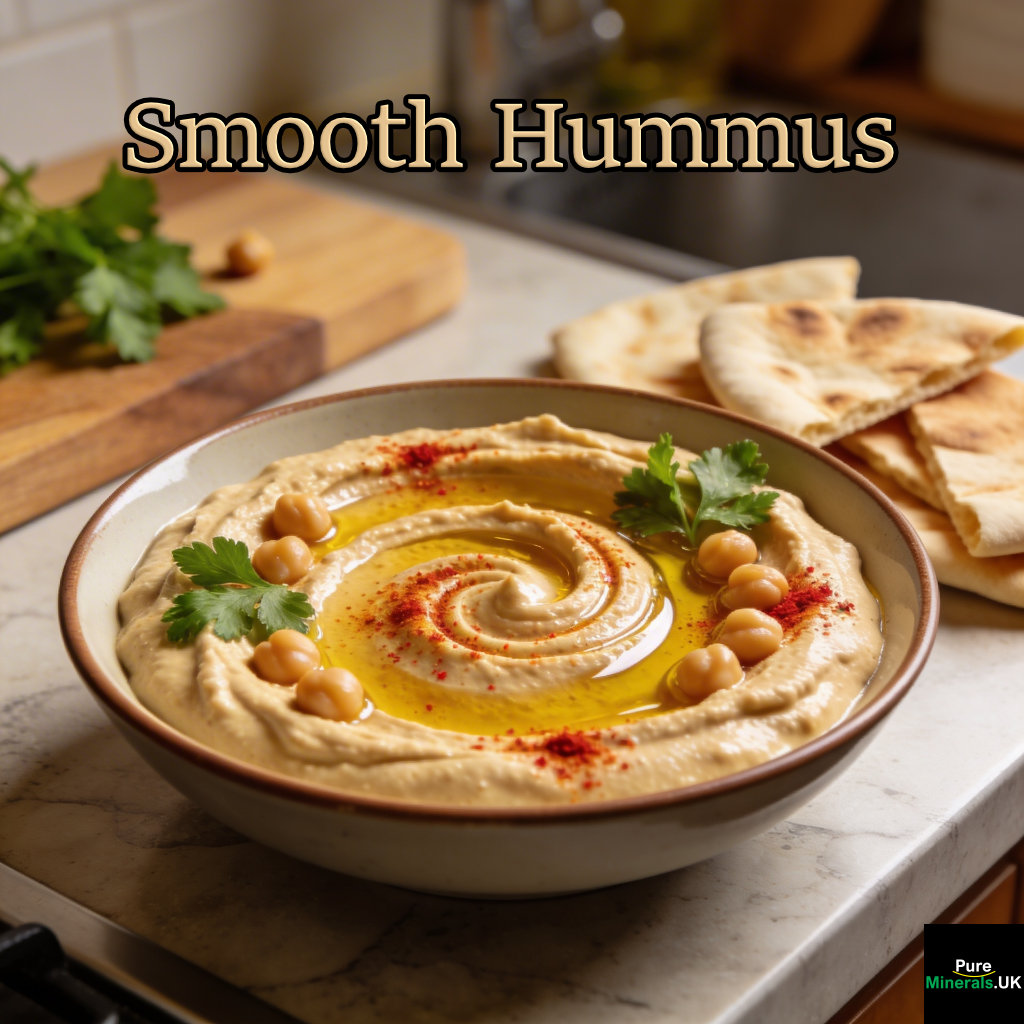
Hummus is the most globally recognized chickpea preparation, and for good reason — it is nutritionally dense, endlessly versatile, and genuinely easy to make from scratch. The base is simple: cooked chickpeas, tahini (sesame seed paste), lemon juice, garlic, olive oil, and salt, blended until smooth. The tahini and olive oil contribute healthy fats that complement the protein and fiber already present in the chickpeas, making hummus one of the most well-rounded dips in any cuisine.
Beyond classic hummus, chickpeas form the base of several other high-protein dips and spreads worth exploring. Roasted red pepper hummus, black garlic hummus, and spiced chickpea-yogurt dip are all simple variations that expand the flavor profile without sacrificing nutrition. Using homemade hummus as a sandwich spread instead of mayonnaise, or as a vegetable dip instead of ranch dressing, is one of the easiest and most impactful nutritional upgrades you can make in your daily eating habits.
Chickpeas Are One of the Easiest Nutritional Upgrades You Can Make
Few foods deliver the combination of protein, fiber, essential minerals, and culinary flexibility that chickpeas do — at the price point and availability that makes them accessible to virtually everyone. A can of chickpeas costs well under two dollars at most grocery stores and requires zero cooking time. Dried chickpeas are even more economical. There is almost no barrier to adding them to your diet starting today, and the evidence strongly supports doing exactly that.
Important note: Chickpeas
Raw or undercooked chickpeas contain natural compounds such as lectins and enzyme inhibitors that can interfere with digestion. Proper soaking and thorough cooking are essential to improve digestibility and safety.
As with other legumes, chickpeas may cause digestive discomfort in some individuals, particularly when introduced in large amounts. Individuals with sensitivities or specific health conditions should consult a qualified nutrition professional before regular consumption.
Frequently Asked Questions
These are the most common questions people ask when they start adding more chickpeas to their diet — answered directly and with the specifics that actually matter.
How Much Protein Do Chickpeas Have Compared to Meat?
|
Food (per 100g cooked) |
Protein (grams) |
Fiber (grams) |
Iron (% DV) |
|---|---|---|---|
|
Chickpeas |
8.9g |
7.6g |
16% |
|
Chicken Breast |
31g |
0g |
2% |
|
Ground Beef (lean) |
26g |
0g |
12% |
|
Lentils |
9g |
7.9g |
17% |
|
Black Beans |
8.9g |
8.7g |
10% |
Chickpeas do not match meat on raw protein numbers — that is straightforward. Chicken breast at 31 grams of protein per 100 grams significantly outpaces chickpeas at 8.9 grams. However, the comparison changes meaningfully when you factor in fiber, micronutrients, and caloric density. Chickpeas deliver protein alongside 7.6 grams of fiber and 16% of the daily iron value — nutrients that are entirely absent from chicken breast.
The practical takeaway is that chickpeas are not trying to compete with meat on protein volume alone. They compete on nutritional breadth. When you eat a cup of chickpeas, you are getting protein, fiber, iron, zinc, magnesium, and potassium in one food. When you eat chicken breast, you are getting protein and relatively little else by comparison. For overall dietary quality, chickpeas fill nutritional gaps that lean meat simply does not address.
For people who eat both meat and plant foods, using chickpeas as a partial protein source — rather than a complete replacement — is a highly effective strategy. A meal that combines a smaller portion of meat with a generous serving of chickpeas delivers the protein volume of meat while adding the fiber and mineral density of the legume. This kind of hybrid approach is both nutritionally superior and more sustainable long-term than an all-or-nothing stance on either side.
Are Canned Chickpeas as Nutritious as Dried Chickpeas?
The short answer is yes, with one important caveat. Canned chickpeas are pre-cooked and nutritionally very close to home-cooked dried chickpeas in terms of protein, fiber, and mineral content. The cooking process required to produce canned chickpeas does not significantly degrade the key nutrients that make chickpeas valuable. What canned chickpeas do carry is added sodium — typically 300 to 400 milligrams per half-cup serving — which is worth managing, especially for people monitoring blood pressure.
Quick tip: Rinsing canned chickpeas under cold water for 30 seconds reduces their sodium content by approximately 40%. This single step makes canned chickpeas nutritionally comparable to home-cooked dried chickpeas for most practical purposes.
Dried chickpeas do offer some advantages beyond sodium. They tend to have a firmer, more consistent texture when cooked correctly, which matters in dishes like roasted chickpeas or whole-grain salads where you want them to hold their shape. They are also significantly cheaper per serving — roughly 50 to 70% less expensive than canned — making them the better long-term choice if you eat chickpeas regularly and have the time to soak and cook them. For those interested in other legumes, wax beans offer a unique texture and flavor profile.
For everyday convenience, canned chickpeas are a completely valid choice. For meal prep, large-batch cooking, or texture-sensitive recipes, dried chickpeas are worth the extra planning. Both versions will deliver the core nutritional benefits that make chickpeas worth eating in the first place.
Can Chickpeas Help With Weight Loss?
Chickpeas support weight management through two well-established mechanisms: high satiety and moderate calorie density. The combination of 14.5 grams of protein and 12.5 grams of fiber per cooked cup creates a sustained feeling of fullness that reduces overall calorie intake without requiring calorie counting or restriction. Research cited in Applied Physiology, Nutrition, and Metabolism found that participants who consumed chickpeas ate fewer calories at subsequent meals, suggesting that the satiety effect carries forward beyond the meal itself. That kind of automatic appetite regulation is one of the most practical and sustainable supports for long-term weight management available in whole-food form.
How Often Should You Eat Chickpeas to See Health Benefits?
Research-backed frequency: Studies on legume consumption and health outcomes generally use servings of ½ to 1 cup (approximately 82 to 164 grams cooked) consumed 3 to 5 times per week as the basis for observed benefits in blood sugar regulation, cholesterol reduction, and satiety.
There is no universal prescription, but the research patterns are consistent — regular consumption matters more than occasional large servings. Eating chickpeas three to five times per week in half-cup to one-cup servings appears to be the range where documented benefits in blood sugar management, LDL cholesterol reduction, and appetite control begin to emerge. For those interested in diversifying their diet, incorporating other nutrient-rich foods like amaranth can also contribute to a balanced and healthful eating plan.
For people new to legumes, starting at two to three servings per week and gradually increasing is a practical approach. This allows your digestive system — specifically the gut bacteria responsible for fermenting the resistant starch and soluble fiber in chickpeas — to adapt progressively, which also reduces the likelihood of bloating or digestive discomfort in the early stages.
Daily consumption is also well-supported and safe for most people. Many traditional diets across the Mediterranean, South Asia, and the Middle East include legumes like chickpeas as a daily dietary staple, and population health data from those regions consistently reflect strong metabolic and cardiovascular health outcomes associated with high legume intake. For instance, buckwheat is another staple in some of these diets, known for its nutritional benefits.
The most important factor is consistency over time. Eating chickpeas once a month will not move the needle on any measurable health outcome. Building them into your regular meal rotation — as a side dish, salad addition, snack, or protein anchor — is where the cumulative benefit compounds into real, long-term health improvements.
Do Chickpeas Cause Bloating and How Can You Reduce It?
Chickpeas can cause bloating, particularly for people who do not regularly eat high-fiber or high-legume diets. The culprit is the combination of soluble fiber, resistant starch, and oligosaccharides — a type of complex carbohydrate that the human digestive system cannot fully break down. These compounds travel to the large intestine largely intact, where gut bacteria ferment them, producing gas as a byproduct. This is a completely normal digestive process, but the gas production can cause uncomfortable bloating, especially when intake increases quickly.
The most effective way to reduce chickpea-related bloating is to introduce them gradually. If you have not been eating legumes regularly, starting with a quarter cup per serving and increasing over two to three weeks gives your gut microbiome time to adjust. The bacteria that efficiently process these fibers multiply with regular exposure, and most people find that bloating diminishes significantly after a few weeks of consistent intake.
Several preparation strategies also make a meaningful difference:
- Rinse canned chickpeas thoroughly — this removes some of the oligosaccharides that contribute to gas production
- Soak dried chickpeas for at least 12 hours and discard the soaking water before cooking — this leaches out a significant portion of the gas-producing compounds
- Add kombu seaweed to the cooking water when preparing dried chickpeas — a traditional technique used in Japanese and macrobiotic cooking that has been shown to break down oligosaccharides
- Chew thoroughly — digestion begins in the mouth, and more thorough chewing reduces the fermentation load reaching the large intestine
- Pair with digestive spices like cumin, fennel, ginger, or asafoetida (hing) — these are used extensively in Indian cooking specifically because of their well-established carminative (gas-reducing) properties
For most people, bloating from chickpeas is a temporary and manageable issue rather than a reason to avoid them. The gut microbiome is highly adaptive, and the same fiber that initially causes discomfort is also feeding the beneficial bacteria associated with better digestive health, stronger immunity, and improved metabolic function over time. Pushing through the adjustment period is genuinely worth it.